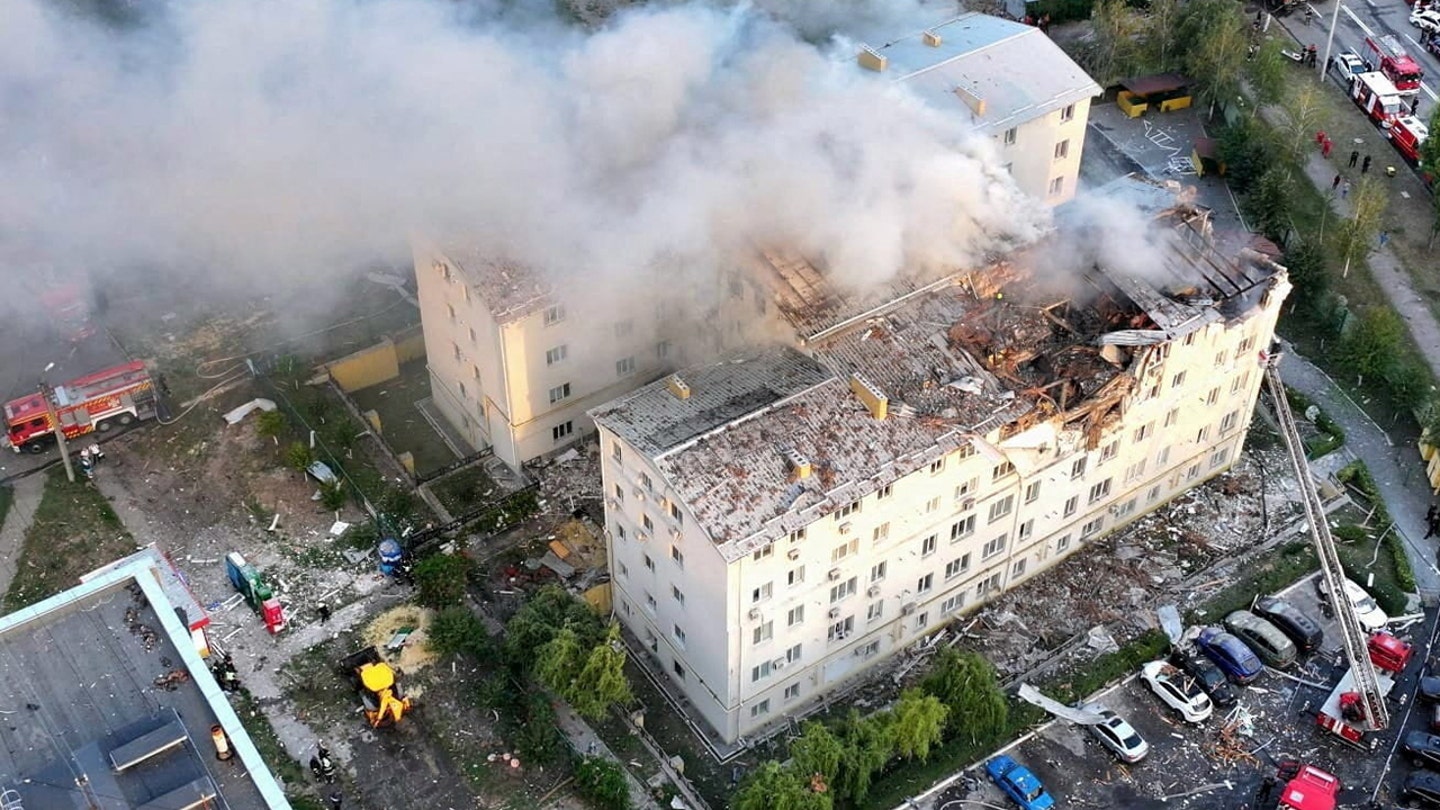
Russian drone strikes kill 7 in Kharkiv during Zelenskyy's White House meeting with Trump
Entities mentioned:
- Volodymyr Zelenskyy: Unity, Self-preservation, Determination
- Donald Trump: Power, Influence, Recognition
- Vladimir Putin: Power, Control, Influence
- Andriy Yermak: Moral outrage, Loyalty, Justice
- Ihor Terekhov: Duty, Moral outrage, Justice
Article Assessment:
Credibility Score: 75/100
Bias Rating: 45/100 (Center)
Sentiment Score: 25/100
Authoritarianism Risk: 30/100 (Generally Democratic)
Bias Analysis:
The article presents a relatively balanced view, incorporating perspectives from Ukrainian officials and mentioning Trump's meetings with both Zelenskyy and Putin. However, there is slightly more emphasis on Ukrainian suffering, which could be seen as leaning slightly left.
Key metric: International Conflict Resolution Index
As a social scientist, I analyze that this article highlights the ongoing conflict between Russia and Ukraine, and its impact on international diplomacy. The drone strikes in Kharkiv during Zelenskyy's visit to Washington demonstrate Putin's aggressive stance and unwillingness to de-escalate the conflict. This event underscores the challenges in achieving peace and the importance of international support for Ukraine. The timing of the attacks appears strategic, possibly aimed at undermining peace talks and maintaining Russia's position of power. The involvement of the US, particularly Trump's meetings with both Zelenskyy and Putin, indicates the complex geopolitical dynamics at play. The civilian casualties, especially children, emphasize the humanitarian cost of the conflict and may influence public opinion and international response. This situation likely negatively impacts the International Conflict Resolution Index by demonstrating the difficulties in achieving a ceasefire and the ongoing threat to civilian lives.
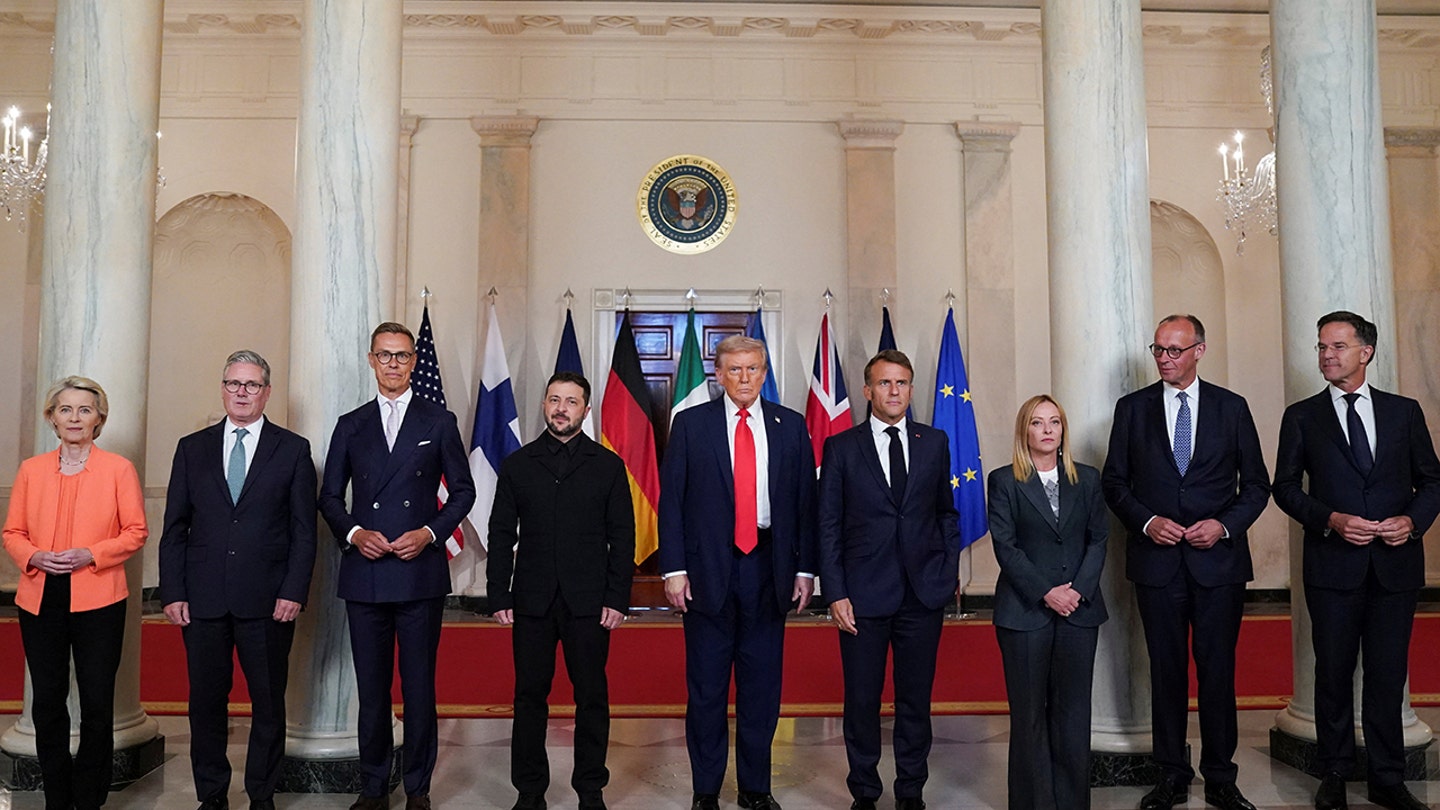
Trump calls White House talks 'very good, early step' toward Russia-Ukraine peace: Here's what's next
Entities mentioned:
- Donald Trump: Influence, Legacy, Recognition
- Volodymyr Zelenskyy: Self-preservation, Unity, Security
- Vladimir Putin: Power, Control, Influence
- JD Vance: Duty, Professional pride
- Marco Rubio: Duty, Influence
- Steve Witkoff: Duty, Professional pride
- Friedrich Merz: Righteousness, Influence
Article Assessment:
Credibility Score: 65/100
Bias Rating: 65/100 (Lean Right)
Sentiment Score: 60/100
Authoritarianism Risk: 40/100 (Generally Democratic)
Bias Analysis:
The article leans right, focusing heavily on Trump's role and quoting him extensively. While it includes other perspectives, the framing tends to portray Trump's efforts in a positive light.
Key metric: International Conflict Resolution
As a social scientist, I analyze that this article portrays a significant shift in the dynamics of the Russia-Ukraine conflict, with Trump positioning himself as a key mediator. The potential for direct talks between Putin and Zelenskyy, facilitated by Trump, represents a major diplomatic development. However, the article also highlights the complexities involved, including the sensitive issue of territorial concessions and the divergent security interests of Ukraine and Russia. The emphasis on European nations providing security guarantees, with U.S. support primarily through arms sales, indicates a potential realignment of international involvement in the conflict. This approach could have far-reaching implications for U.S. foreign policy and global power dynamics.
Today in FocusStephen Miller, Trump’s immigration mastermind – podcast
Entities mentioned:
- Stephen Miller: Influence, Control, Power
- Donald Trump: Power, Control, Legacy
- Beto O'Rourke's group: Influence, Justice, Unity
- Marco Rubio: Influence, Duty, Security
- Democratic cities: Self-preservation, Unity, Security
- Democratic socialists: Ambition, Justice, Influence
- Zohran Mamdani: Ambition, Justice, Recognition
- Ghislaine Maxwell: Self-preservation, Fear, Control
Article Assessment:
Credibility Score: 70/100
Bias Rating: 40/100 (Lean Left)
Sentiment Score: 35/100
Authoritarianism Risk: 55/100 (Mixed/Neutral)
Bias Analysis:
The article compilation leans slightly left, evidenced by the focus on Democratic perspectives and critical tone towards Trump administration policies. However, it does include diverse viewpoints and topics, maintaining a degree of balance.
Key metric: Political Polarization Index
As a social scientist, I analyze that this article compilation reflects increasing political tensions and polarization in the United States. The various topics covered, from immigration policies to international relations and domestic security concerns, highlight the complex challenges facing the nation. The restraining order against Beto O'Rourke's group and the preparation of Democratic cities for potential federal intervention indicate growing distrust between different levels of government and political factions. The mention of Democratic socialists' perceived winning streak suggests a potential shift in political ideologies. The focus on Trump's actions and statements, both domestically and internationally, continues to be a central theme in US politics, further dividing public opinion. This amalgamation of issues and conflicts is likely to exacerbate political polarization, making it increasingly difficult to find common ground on critical national issues.
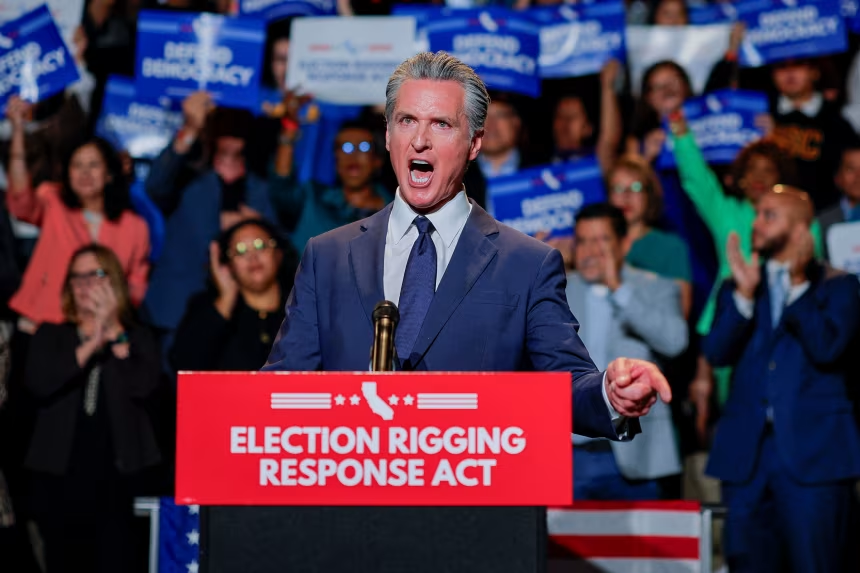
Gavin Newsom thanks you for your attention to redistricting
Entities mentioned:
- Gavin Newsom: Ambition, Power, Recognition
- Donald Trump: Power, Control, Self-preservation
- Arnold Schwarzenegger: Justice, Legacy, Influence
- Nancy Pelosi: Loyalty, Power, Influence
- Lorena Gonzalez: Justice, Moral outrage, Influence
- Alex Padilla: Loyalty, Unity, Recognition
- Maxine Waters: Loyalty, Justice, Recognition
Article Assessment:
Credibility Score: 70/100
Bias Rating: 35/100 (Lean Left)
Sentiment Score: 45/100
Authoritarianism Risk: 55/100 (Mixed/Neutral)
Bias Analysis:
The article leans left, focusing primarily on Democratic perspectives and Newsom's justifications. While it includes some criticism of Newsom, it generally frames his actions in a positive light and provides limited space for opposing viewpoints.
Key metric: Electoral Integrity
As a social scientist, I analyze that this article highlights a significant shift in California's approach to redistricting, led by Governor Gavin Newsom. This move represents a departure from the state's previous commitment to an independent redistricting commission, potentially impacting electoral integrity. The initiative, framed as a response to Republican actions in other states, particularly Texas, signals an escalation in partisan redistricting battles. This could have far-reaching consequences for national political representation and the balance of power in the U.S. House of Representatives. The article also underscores Newsom's potential presidential ambitions and his efforts to position himself as a strong opposition leader against the Trump administration. The redistricting fight is presented as a key battleground for Democratic resistance and a test of Newsom's leadership on the national stage. However, this approach risks further polarization and could potentially undermine public faith in democratic processes, depending on how it is perceived and implemented.
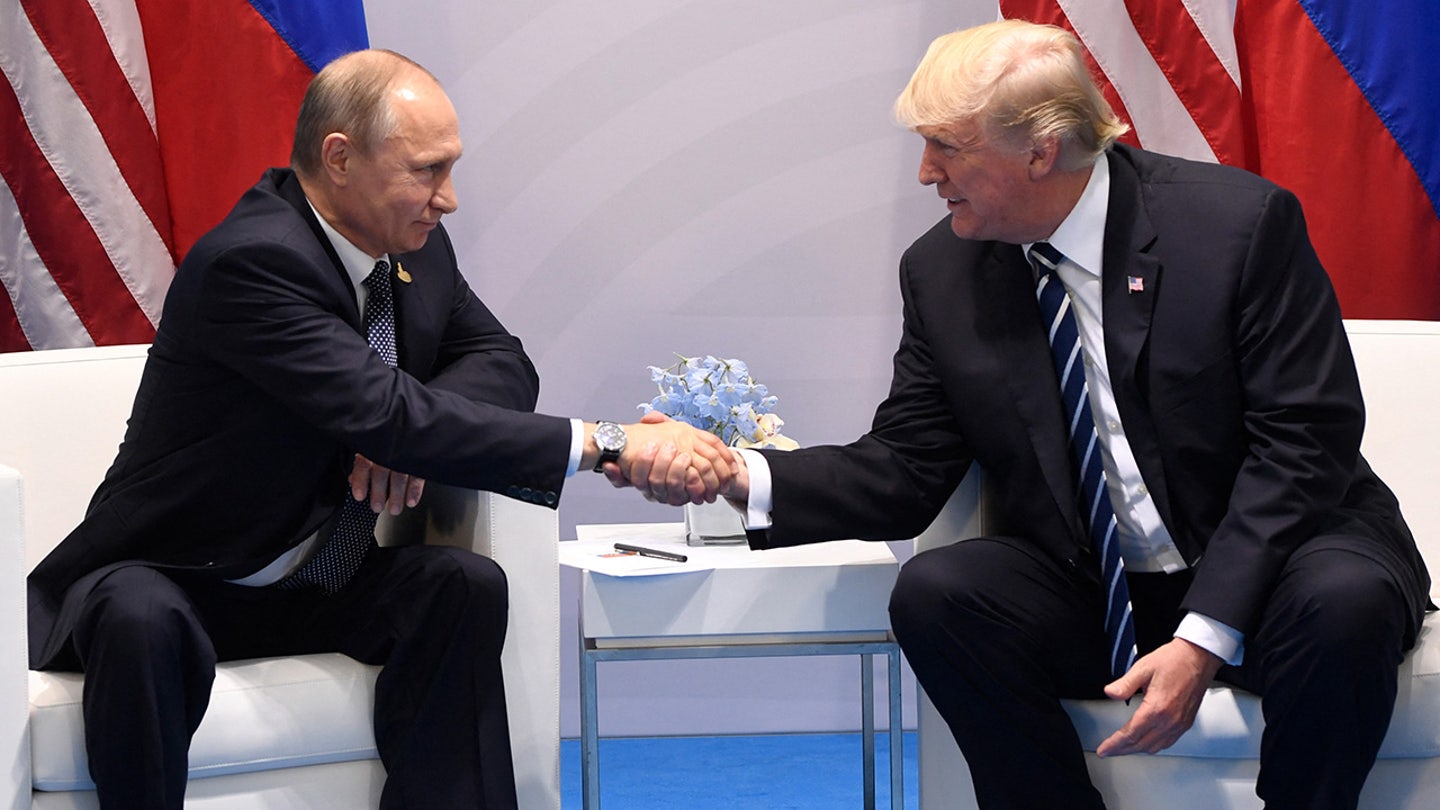
From admiration to Alaska: A timeline of Trump and Putin’s high-stakes encounters
Entities mentioned:
- Donald Trump: Power, Influence, Recognition
- Vladimir Putin: Power, Control, Influence
- Rex Tillerson: Duty, Professional pride
Article Assessment:
Credibility Score: 70/100
Bias Rating: 65/100 (Lean Right)
Sentiment Score: 55/100
Authoritarianism Risk: 45/100 (Mixed/Neutral)
Bias Analysis:
The article leans slightly right, evident in its sourcing from Fox News and focus on Trump's perspective. While it presents a chronological account, it tends to frame Trump's interactions with Putin more positively than critically.
Key metric: U.S. International Relations Index
As a social scientist, I analyze that this article highlights the evolving relationship between Donald Trump and Vladimir Putin over a decade, focusing on their interactions during Trump's presidency and beyond. The timeline suggests a complex dynamic of mutual admiration, diplomatic engagement, and geopolitical tensions. The proposed 2025 meeting in Alaska, amidst the ongoing Ukraine conflict, indicates a potential shift in U.S.-Russia relations under a hypothetical second Trump presidency. This meeting could significantly impact global diplomacy, particularly regarding the Ukraine situation and broader U.S.-Russia cooperation. The article's presentation of these high-stakes encounters underscores the personal nature of international relations and the potential influence of individual leaders on global affairs.
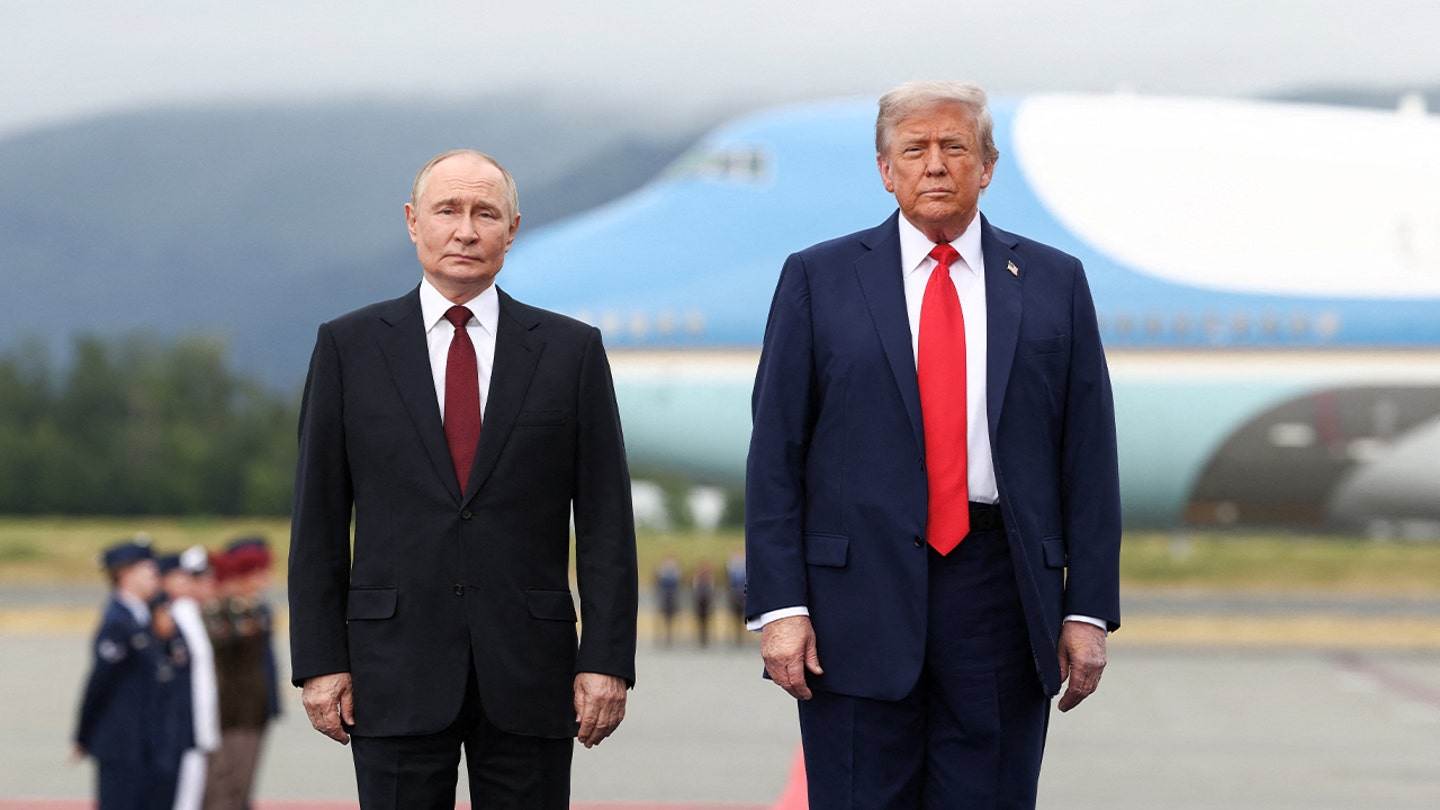
'Absolutely incredible': B-2 bomber, F-35 escort set stage for Trump-Putin talks in Alaska
Entities mentioned:
- Donald Trump: Power, Influence, Recognition
- Vladimir Putin: Power, Control, Self-preservation
- U.S. Military: Deterrence, Professional pride, Security
- Volodymyr Zelenskyy: Self-preservation, Justice, Unity
Article Assessment:
Credibility Score: 75/100
Bias Rating: 55/100 (Center)
Sentiment Score: 45/100
Authoritarianism Risk: 35/100 (Generally Democratic)
Bias Analysis:
The article presents a relatively balanced view, including both the impressive nature of the military display and its potential implications. While it leans slightly towards emphasizing U.S. power, it also includes perspectives on the gravity and risks of the situation.
Key metric: U.S. Global Influence and Military Projection
As a social scientist, I analyze that this article highlights a significant display of U.S. military power during a high-stakes diplomatic meeting between the U.S. and Russia. The use of advanced military aircraft, particularly the B-2 bomber and F-35 jets, serves as a strategic demonstration of America's technological superiority and global reach. This display appears aimed at influencing the dynamics of the Trump-Putin talks, potentially strengthening the U.S. negotiating position. The choice of location for the summit, closer to Russia yet on American soil, further emphasizes U.S. power projection. The article suggests that this meeting could have implications for the ongoing conflict in Ukraine, with Trump seeking a ceasefire. Overall, this event seems designed to reassert American global influence through a combination of diplomatic engagement and military posturing.
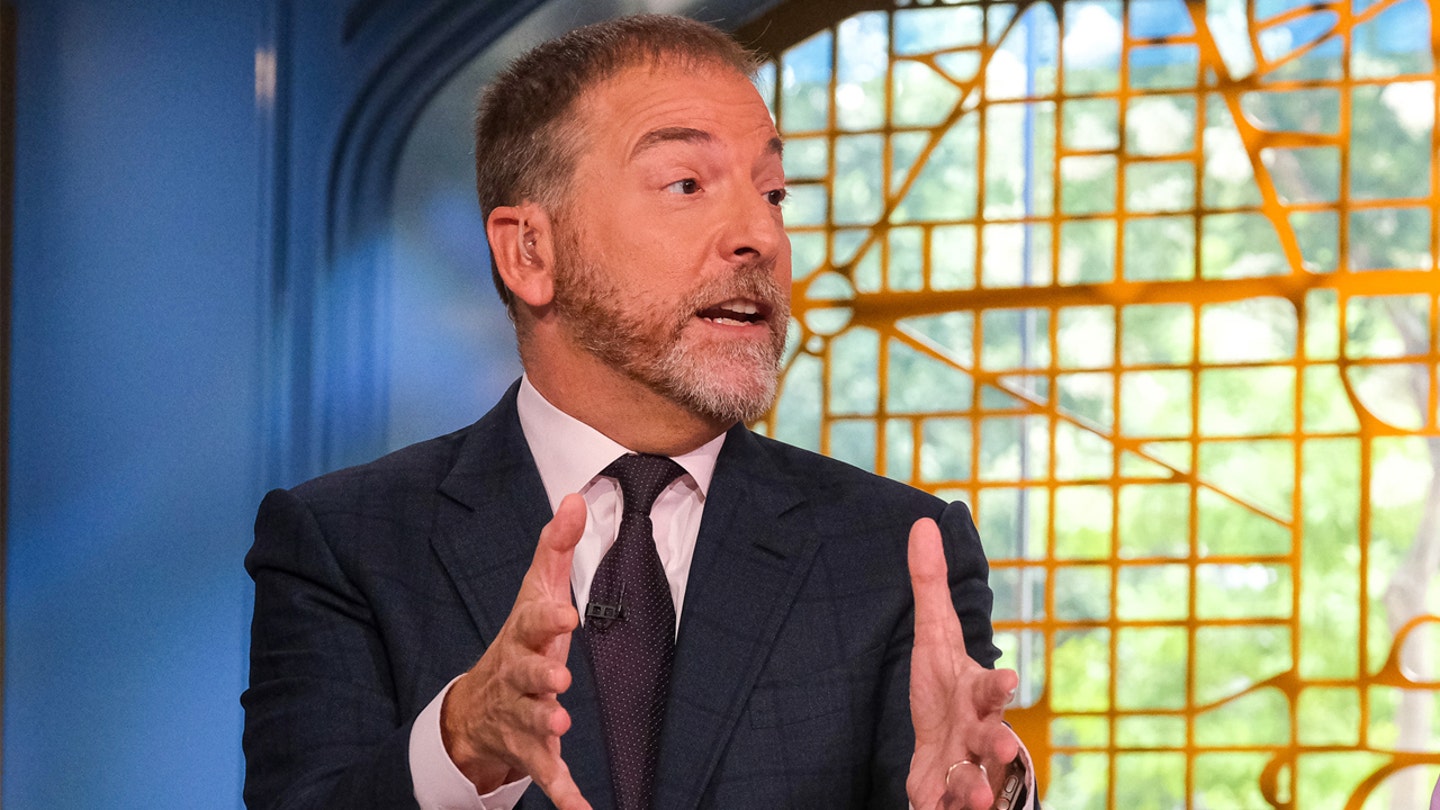
Chuck Todd says Biden's presidency was so 'weak and ineffective' it made people go back to Trump
Entities mentioned:
- Chuck Todd: Professional pride, Influence, Recognition
- Joe Biden: Legacy, Power, Duty
- Donald Trump: Power, Revenge, Recognition
- NBC News: Influence, Professional pride, Recognition
Article Assessment:
Credibility Score: 65/100
Bias Rating: 65/100 (Lean Right)
Sentiment Score: 30/100
Authoritarianism Risk: 45/100 (Mixed/Neutral)
Bias Analysis:
The article leans right due to its focus on criticizing Biden and implicitly favoring Trump's return. While it presents Todd's critique, it doesn't offer counterbalancing perspectives or fact-checking, suggesting a rightward slant in its framing.
Key metric: Political Stability and Absence of Violence/Terrorism
As a social scientist, I analyze that this article highlights a significant shift in American political dynamics, potentially impacting the country's political stability. Chuck Todd's critique of Biden's presidency as 'weak and ineffective' suggests a failure to consolidate democratic norms and address societal divisions post-Trump. The unprecedented return of a former president after a single term out of office indicates volatility in voter preferences and potential dissatisfaction with the current administration's performance. This instability could lead to increased political polarization and potentially affect the country's global standing and internal governance structures.
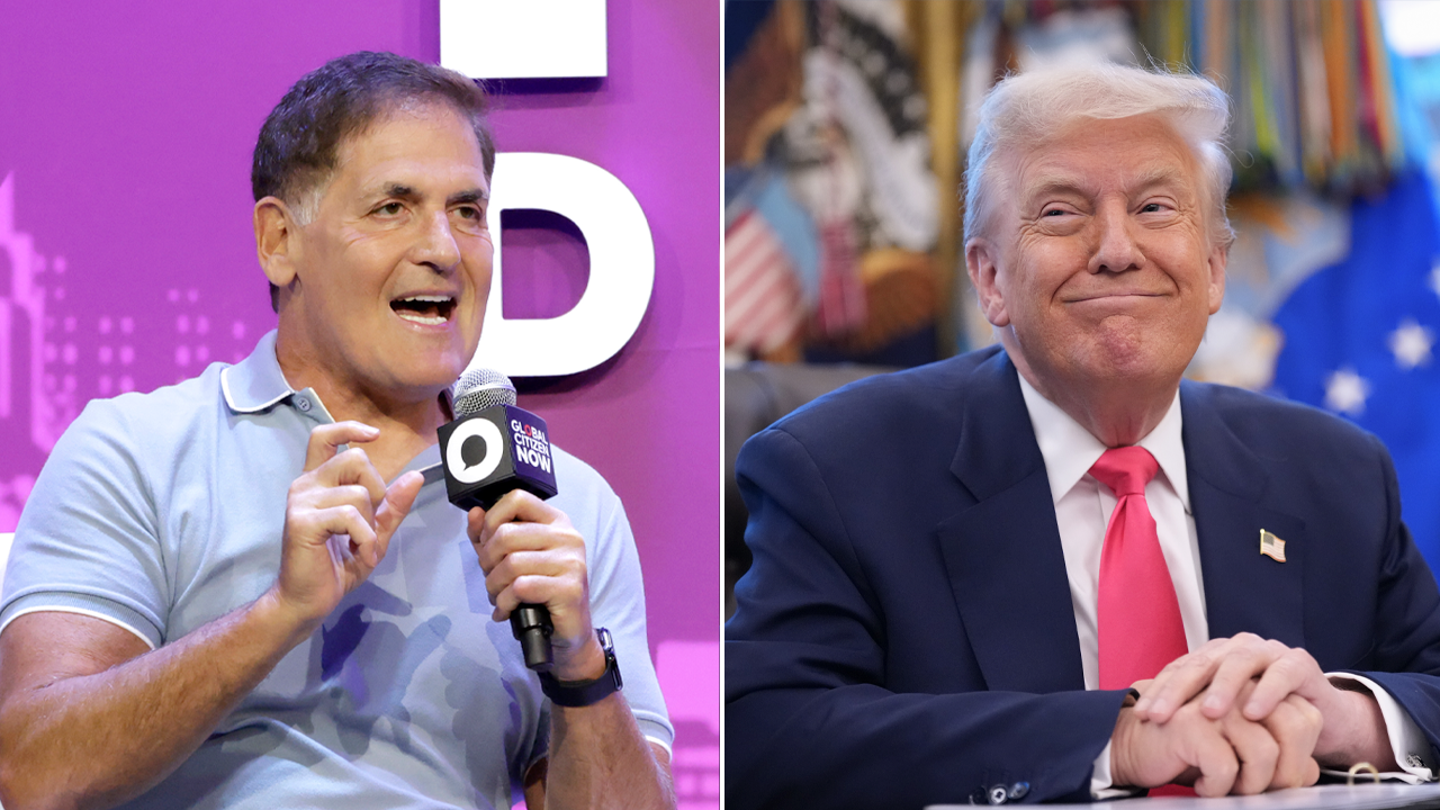
Mark Cuban says Trump running for a third term would push him into 2028 race
Entities mentioned:
- Mark Cuban: Duty, Self-preservation, Righteousness
- Donald Trump: Power, Ambition, Legacy
- Democratic Party: Unity, Power, Influence
- J.D. Vance: Ambition, Loyalty, Power
- Scott Galloway: Ambition, Recognition, Influence
- Jon Stewart: Influence, Righteousness, Recognition
- James Talarico: Ambition, Influence, Recognition
Article Assessment:
Credibility Score: 70/100
Bias Rating: 55/100 (Center)
Sentiment Score: 45/100
Authoritarianism Risk: 35/100 (Generally Democratic)
Bias Analysis:
The article presents multiple perspectives and quotes directly from the primary source. However, it leans slightly right by focusing on Democratic Party struggles and Trump's influence, while not deeply exploring alternative viewpoints.
Key metric: Political Stability Index
As a social scientist, I analyze that this article highlights the ongoing political uncertainty in the United States, particularly within the Democratic Party. Mark Cuban's conditional stance on running for presidency underscores the lingering influence of Donald Trump on the political landscape, even after his presidency. The mention of Trump potentially seeking a third term, though unconstitutional, suggests a persistent challenge to democratic norms. The Democratic Party's struggle to find new leadership indicates a period of transition and potential ideological shift. Cuban's preference for non-traditional political figures as potential candidates reflects a growing disillusionment with established politicians, which could impact future voter behavior and party dynamics. This situation could lead to increased political polarization and instability, potentially affecting the country's Political Stability Index.

Trump rates Putin summit a '10 out of 10' and touts 'very good progress' toward peace
Entities mentioned:
- Donald Trump: Legacy, Recognition, Influence
- Vladimir Putin: Power, Control, Influence
- Volodymyr Zelenskyy: Self-preservation, Duty, Unity
- Sean Hannity: Professional pride, Influence, Loyalty
- Joe Biden: Power, Legacy, Duty
Article Assessment:
Credibility Score: 55/100
Bias Rating: 75/100 (Lean Right)
Sentiment Score: 65/100
Authoritarianism Risk: 45/100 (Mixed/Neutral)
Bias Analysis:
The article leans right, primarily due to its reliance on Trump's perspective and Fox News as the source. It presents Trump's views uncritically and includes minimal counterbalancing viewpoints or fact-checking.
Key metric: International Relations and Diplomacy
As a social scientist, I analyze that this article portrays a significant diplomatic event between the US and Russia, with potential implications for the ongoing conflict in Ukraine. Trump's positive framing of the summit and his self-proclaimed role as a potential peacemaker could influence public perception of US-Russia relations and the Ukraine conflict. The emphasis on personal relationships and deal-making in international diplomacy is notable, as is the suggestion that European nations should increase their involvement. The article also highlights Trump's criticism of the Biden administration, implying a contrast in foreign policy approaches. This event and its reporting could impact public opinion on US foreign policy, the effectiveness of personal diplomacy, and the role of the US in international conflicts.
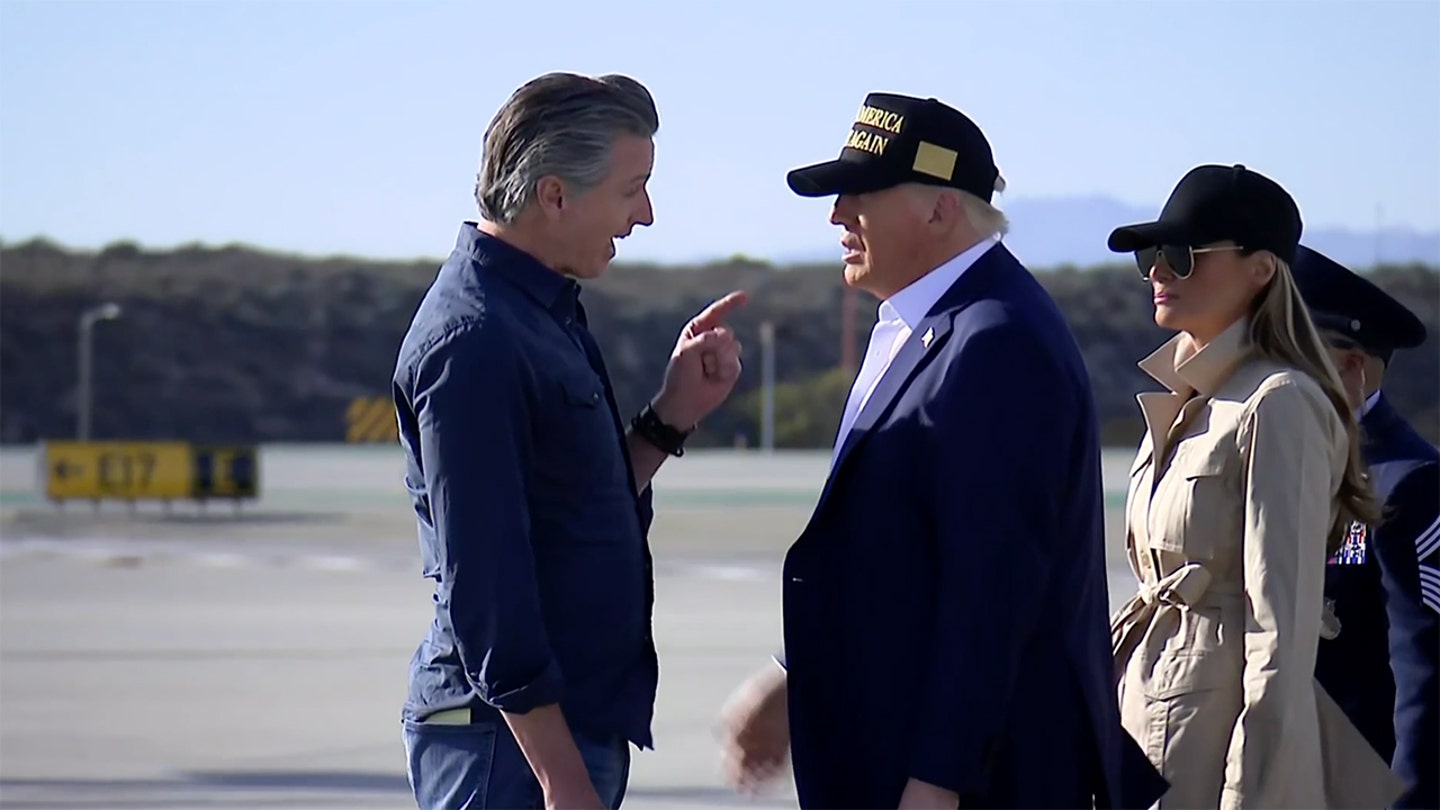
Newsom's office continues to mock Trump using his social media writing style: 'TINY HANDS'
Entities mentioned:
- Gavin Newsom: Competitive spirit, Ambition, Recognition
- Donald Trump: Power, Pride, Recognition
- Vladimir Putin: Power, Influence, Control
- California Democrats: Power, Control, Competitive spirit
- Texas Republicans: Power, Control, Competitive spirit
Article Assessment:
Credibility Score: 70/100
Bias Rating: 35/100 (Lean Left)
Sentiment Score: 30/100
Authoritarianism Risk: 45/100 (Mixed/Neutral)
Bias Analysis:
The article leans left, primarily presenting Newsom's perspective and actions without substantial counterbalance. While it reports factual events, the framing and extensive quoting of Newsom's mocking posts suggest a bias favoring Democratic viewpoints.
Key metric: Political Polarization
As a social scientist, I analyze that this article showcases the increasing political polarization in the United States. Governor Newsom's office is employing a provocative communication strategy that mimics and mocks former President Trump's distinctive social media style. This approach, while potentially effective in galvanizing Newsom's base, risks further deepening the divide between political factions. The use of exaggerated claims, personal attacks, and inflammatory language in official communications from a governor's office indicates a shift towards more confrontational and less diplomatic political discourse. This could potentially impact democratic norms and expectations of civil political engagement, contributing to a more divisive political climate.