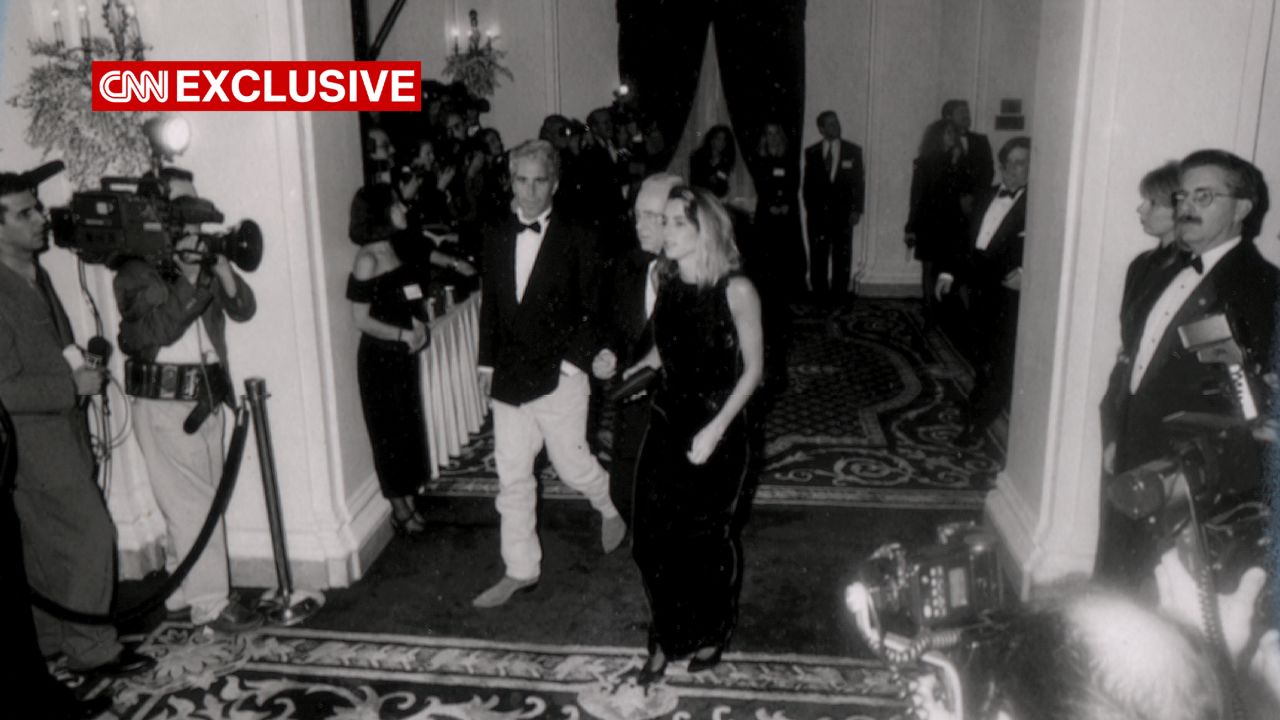
KFILE
Entities mentioned:
- Donald Trump: Self-preservation, Power, Influence
- Jeffrey Epstein: Power, Control, Greed
- CNN: Professional pride, Influence, Recognition
- Justice Department: Duty, Control, Justice
- Steven Cheung: Loyalty, Duty, Self-preservation
- Ghislaine Maxwell: Self-preservation, Loyalty, Power
Article Assessment:
Credibility Score: 75/100
Bias Rating: 40/100 (Lean Left)
Sentiment Score: 30/100
Authoritarianism Risk: 25/100 (Generally Democratic)
Bias Analysis:
The article leans slightly left due to its focus on potentially damaging information about Trump. While it includes Trump's denials and White House statements, the overall framing and detailed exploration of Trump-Epstein connections suggest a left-leaning bias.
Key metric: Political Polarization
As a social scientist, I analyze that this article significantly impacts political polarization in the United States. The revelation of new evidence linking former President Trump to Jeffrey Epstein is likely to deepen existing divisions between Trump supporters and critics. Trump's supporters may view this as a politically motivated attack, while his critics may see it as further evidence of questionable associations. The article's timing and content could exacerbate tensions in an already polarized political landscape, potentially affecting public trust in institutions and influencing future electoral behavior.
- Read more about KFILE
- Log in to post comments

All Over the Map with John King
Entities mentioned:
- Donald Trump: Power, Influence, Legacy
- Joe Biden: Power, Duty, Legacy
- Kamala Harris: Ambition, Power, Recognition
- Nikki Haley: Ambition, Competitive spirit, Recognition
- Republican Party: Power, Control, Loyalty
- Democratic Party: Power, Unity, Justice
- Voters: Self-preservation, Security, Freedom
Article Assessment:
Credibility Score: 75/100
Bias Rating: 50/100 (Center)
Sentiment Score: 45/100
Authoritarianism Risk: 30/100 (Generally Democratic)
Bias Analysis:
The articles present a balanced view, covering perspectives from both Republican and Democratic voters. While there's slightly more focus on Trump, it's balanced by coverage of Biden, Harris, and other candidates.
Key metric: Voter Sentiment and Electoral Trends
As a social scientist, I analyze that this collection of articles focuses heavily on voter sentiment across various demographics and regions, particularly in battleground states. The articles track shifting opinions, concerns, and motivations of voters over time, especially in response to key political events and policy changes. There's a strong emphasis on the impact of economic policies, immigration, and social issues on voter behavior. The coverage spans multiple election cycles, showing how voter attitudes have evolved. This comprehensive voter analysis is crucial for understanding the complex dynamics of American electoral politics and predicting future voting patterns.
- Read more about All Over the Map with John King
- Log in to post comments
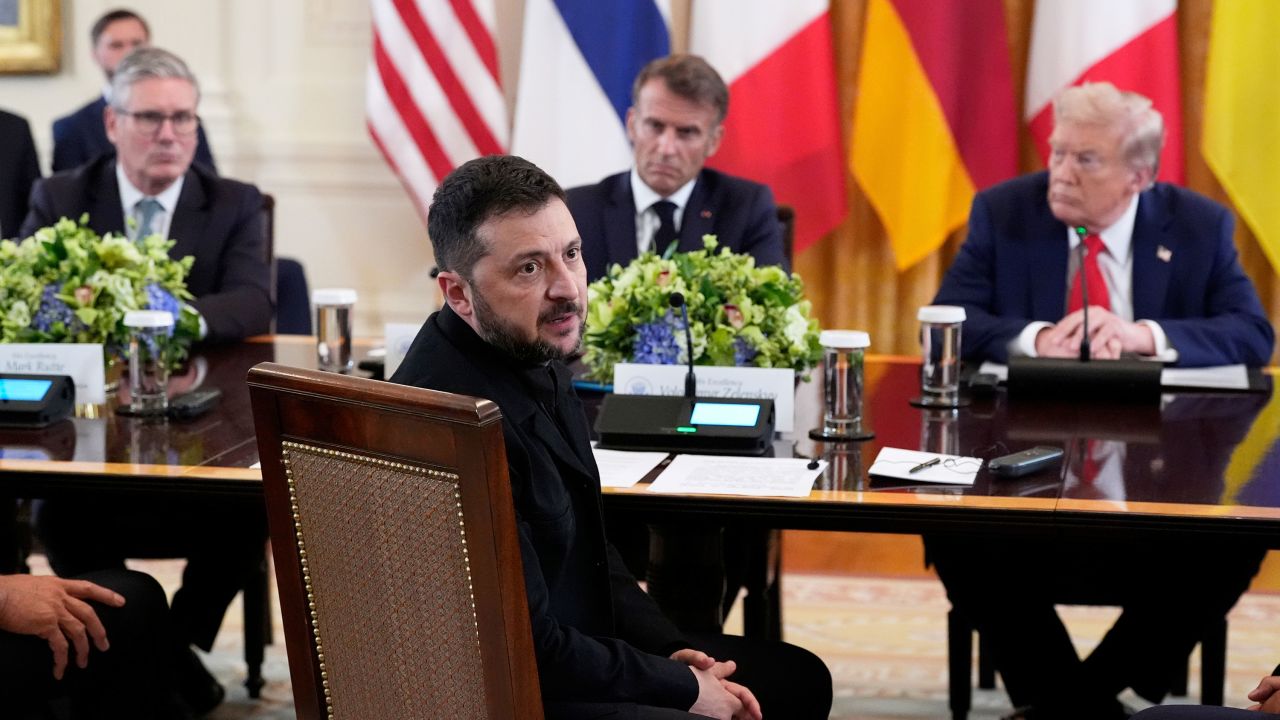
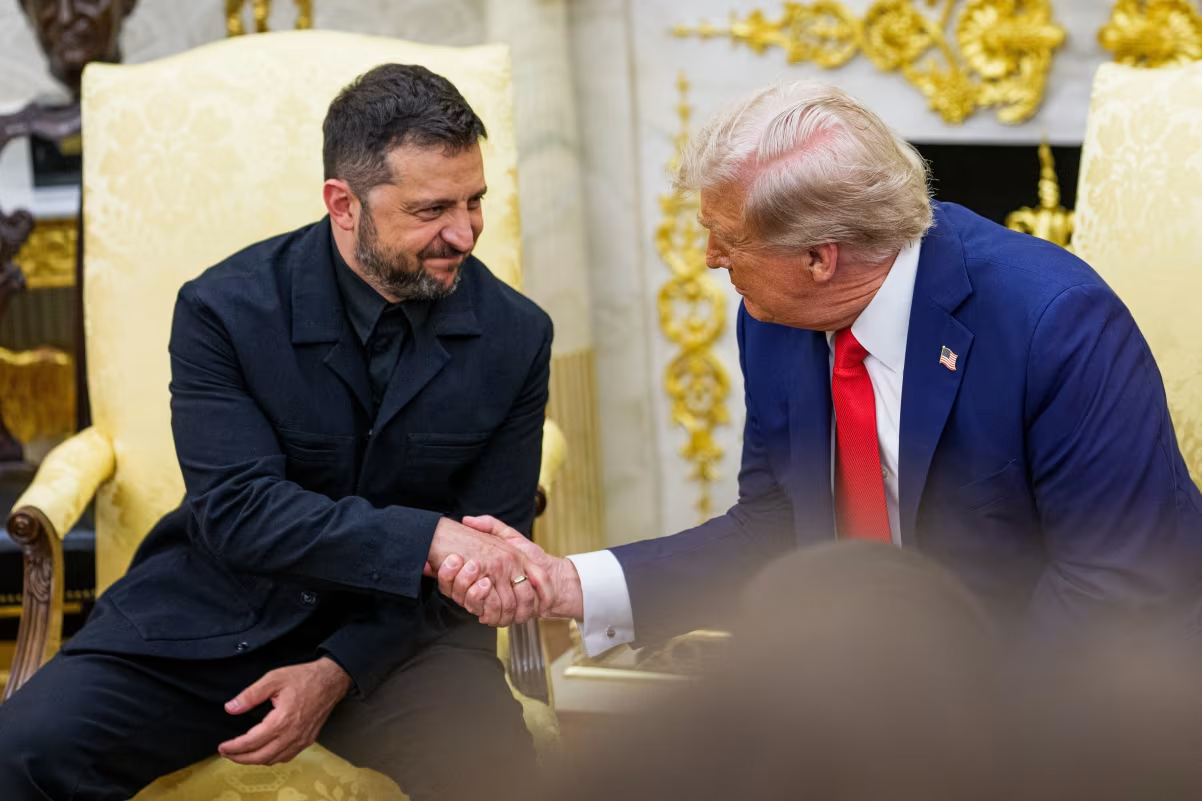
Trump changes his tone in latest meeting with Zelensky
Entities mentioned:
- Donald Trump: Power, Recognition, Control
- Volodymyr Zelensky: Duty, Unity, Self-preservation
- White House: Influence, Power, Control
Article Assessment:
Credibility Score: 65/100
Bias Rating: 50/100 (Center)
Sentiment Score: 60/100
Authoritarianism Risk: 35/100 (Generally Democratic)
Bias Analysis:
The article presents a neutral stance, focusing on the change in tone without explicit political leaning. The lack of detailed context or commentary maintains a centrist position, avoiding partisan framing.
Key metric: International Relations and Diplomacy
As a social scientist, I analyze that this meeting between Trump and Zelensky represents a shift in diplomatic tone, potentially signaling an attempt to improve US-Ukraine relations. The change from a 'contentious' February meeting to a more positive interaction suggests a strategic realignment, possibly influenced by domestic or international pressures. This shift could impact US foreign policy, particularly concerning Eastern Europe and Russia. The article's brevity limits comprehensive analysis, but the emphasis on tone change implies potential policy or strategic adjustments in the US-Ukraine relationship.
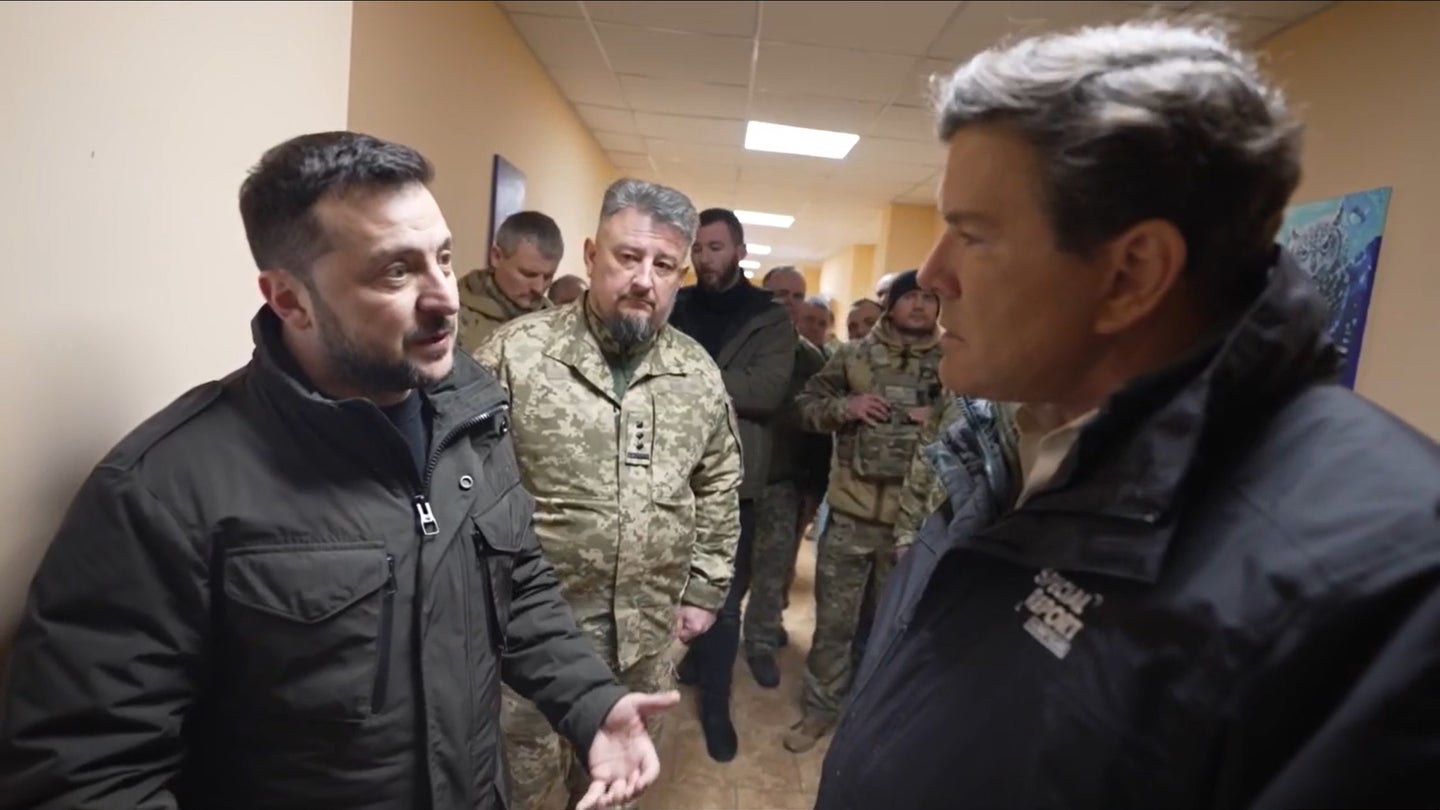
Zelenskyy agrees to Trump-Putin meeting without cease-fire, but will Kremlin dictator go along?
Entities mentioned:
- Donald Trump: Ambition, Power, Recognition
- Vladimir Putin: Power, Control, Self-preservation
- Volodymyr Zelenskyy: Determination, Duty, Self-preservation
- Hillary Clinton: Recognition, Influence
- Gen. Wesley Clark: Professional pride, Duty
- Steve Witkoff: Duty, Loyalty
- Friedrich Merz: Duty, Influence
- Peter Doocy: Curiosity, Professional pride
Article Assessment:
Credibility Score: 65/100
Bias Rating: 55/100 (Center)
Sentiment Score: 40/100
Authoritarianism Risk: 35/100 (Generally Democratic)
Bias Analysis:
The article presents multiple viewpoints but shows slight skepticism towards Trump's approach. While critical of Putin, it also questions Zelenskyy's decision-making, maintaining a relatively balanced perspective.
Key metric: International Diplomacy Effectiveness
As a social scientist, I analyze that this article highlights the complexities of international diplomacy in the context of the Russia-Ukraine conflict. Trump's shift in stance towards Putin and willingness to meet without a ceasefire demonstrates the fluid nature of diplomatic negotiations. Zelenskyy's unexpected agreement to a trilateral meeting suggests a desperate attempt to end the conflict, even at the risk of legitimizing Putin's actions. The article underscores the challenges in balancing national interests, international pressure, and the realities of ongoing warfare. The effectiveness of US diplomacy is called into question, as Trump's approach appears to prioritize personal relationships over established diplomatic norms and previous commitments to Ukraine's sovereignty.
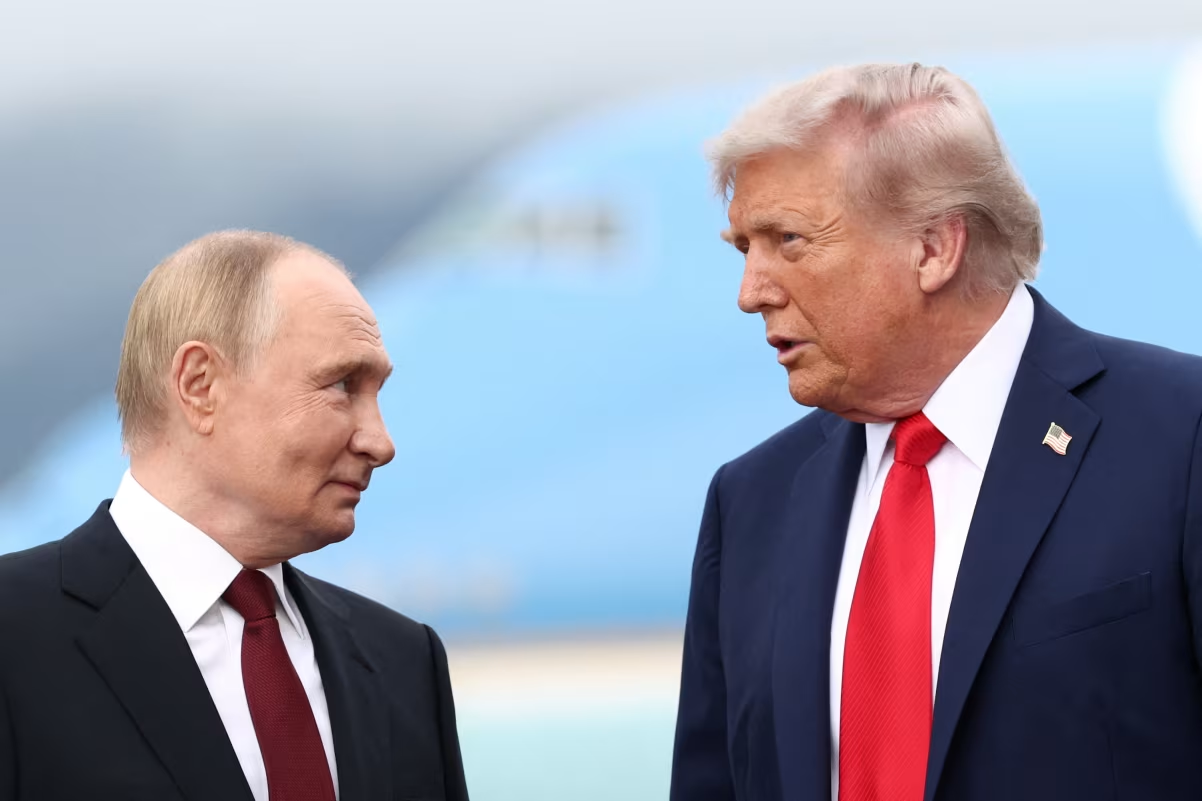
Putin’s wins leave Trump with hard choices
Entities mentioned:
- Vladimir Putin: Power, Control, Influence
- Donald Trump: Recognition, Legacy, Ambition
- Ukraine: Self-preservation, Freedom, Security
- Russia: Power, Control, Influence
- Volodymyr Zelensky: Duty, Self-preservation, Unity
- European leaders: Security, Unity, Wariness
Article Assessment:
Credibility Score: 75/100
Bias Rating: 40/100 (Lean Left)
Sentiment Score: 35/100
Authoritarianism Risk: 45/100 (Mixed/Neutral)
Bias Analysis:
The article leans slightly left, evident in its critical tone towards Trump's actions and motivations. However, it attempts to provide balanced reporting by including multiple perspectives and acknowledging some positive aspects of Trump's diplomacy efforts.
Key metric: US Global Leadership Index
As a social scientist, I analyze that this article highlights a significant shift in US foreign policy approach towards the Russia-Ukraine conflict. Trump's meeting with Putin in Alaska appears to have yielded more benefits for Russia than for the US or Ukraine. The article suggests that Trump's desire for a quick, high-profile diplomatic win may have led him to make concessions without securing tangible gains. This approach could potentially weaken the US position in global affairs and its ability to influence outcomes in major international conflicts. The article also raises concerns about Trump's susceptibility to flattery from authoritarian leaders, which could impact US strategic interests and relationships with allies. The potential implications for Ukraine's security and territorial integrity are significant, as are the possible effects on US credibility among its NATO allies and other partners.
- Read more about Putin’s wins leave Trump with hard choices
- Log in to post comments
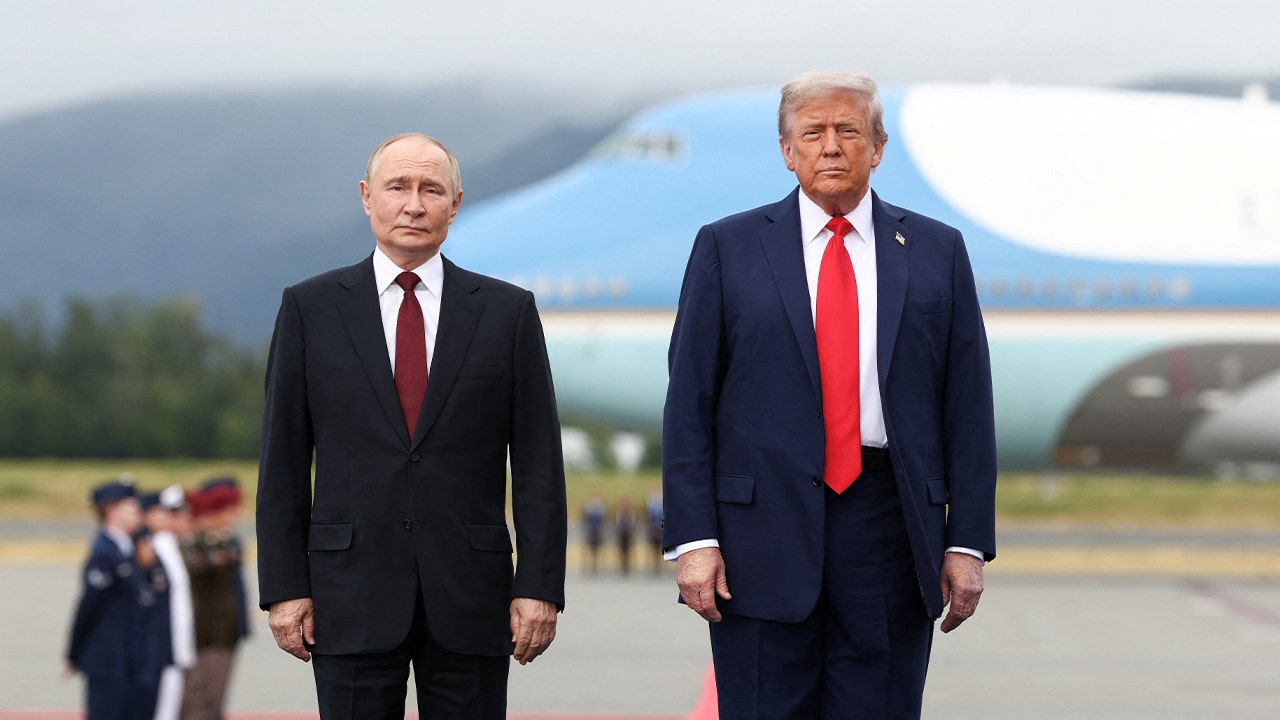
MORNING GLORY: Can President Trump deliver a ceasefire or even a peace agreement between Russia and Ukraine?
Entities mentioned:
- Donald Trump: Power, Influence, Legacy
- Vladimir Putin: Power, Control, Influence
- Volodymyr Zelenskyy: Duty, Self-preservation, Unity
- Donald Rumsfeld: Professional pride, Influence, Security
- Hugh Hewitt: Influence, Professional pride, Curiosity
- Media: Recognition, Influence, Greed
Article Assessment:
Credibility Score: 70/100
Bias Rating: 65/100 (Lean Right)
Sentiment Score: 55/100
Authoritarianism Risk: 35/100 (Generally Democratic)
Bias Analysis:
The article leans right due to its favorable portrayal of Trump's diplomatic efforts and criticism of media reporting. However, it maintains some balance by emphasizing the uncertainty of outcomes and citing examples of successful diplomacy.
Key metric: Diplomatic Influence
As a social scientist, I analyze that this article primarily focuses on the uncertainty surrounding diplomatic negotiations between the US, Russia, and Ukraine. The author, Hugh Hewitt, emphasizes the importance of acknowledging the limits of public knowledge in high-stakes diplomacy. He criticizes media sources claiming inside knowledge of these meetings, suggesting that such claims are either misinformation or clickbait. The article indirectly highlights the potential for US diplomatic influence, particularly through Trump's involvement, but cautions against premature conclusions. This measured approach to assessing diplomatic progress could impact the US's perceived diplomatic influence on the global stage, especially in conflict resolution efforts.
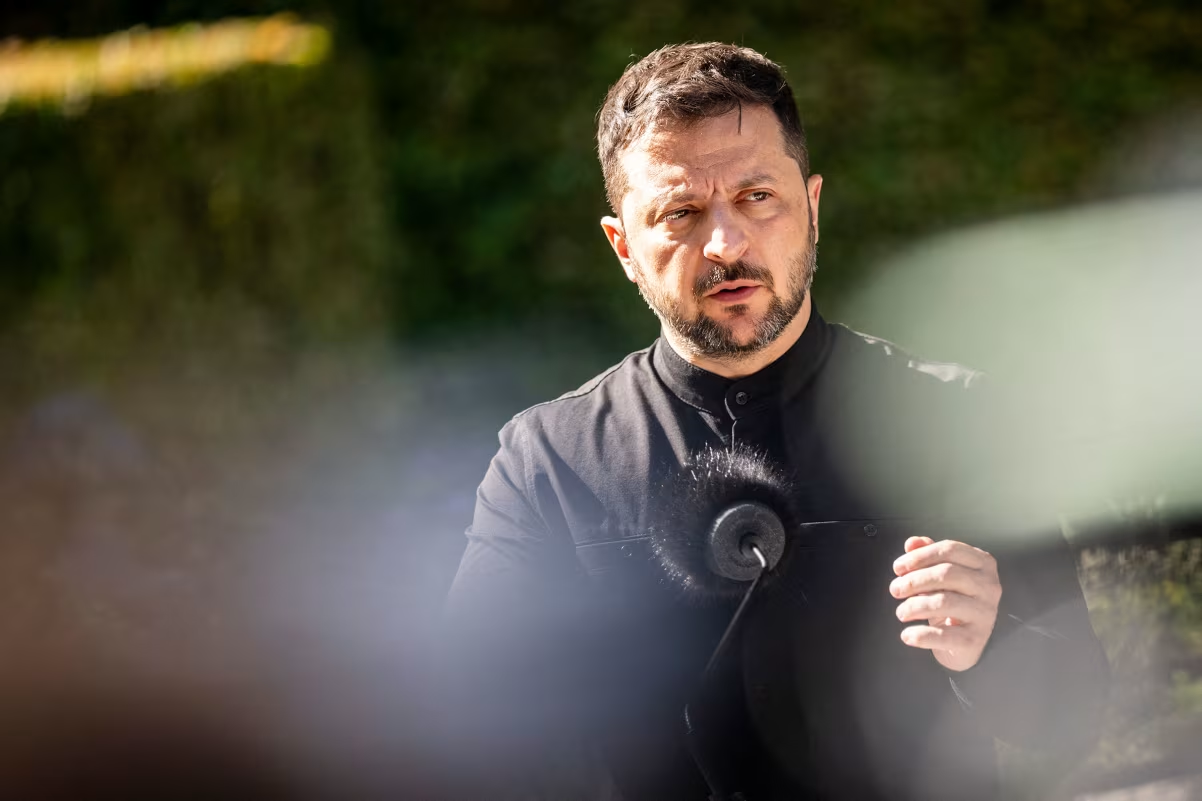
Trump cranks up pressure on Zelensky ahead of his high-stakes White House return
Entities mentioned:
- Donald Trump: Power, Legacy, Recognition
- Vladimir Putin: Power, Control, Influence
- Volodymyr Zelensky: Self-preservation, Duty, Determination
- Steve Witkoff: Loyalty, Duty, Influence
- European leaders: Security, Unity, Wariness
Article Assessment:
Credibility Score: 75/100
Bias Rating: 45/100 (Center)
Sentiment Score: 35/100
Authoritarianism Risk: 55/100 (Mixed/Neutral)
Bias Analysis:
The article presents multiple perspectives and voices, including critics and supporters of Trump's approach. However, there's a slight lean towards skepticism of Trump's methods, balanced by inclusion of administration claims.
Key metric: International Relations and Diplomacy
As a social scientist, I analyze that this article highlights a complex diplomatic situation surrounding the Russia-Ukraine conflict, with Trump playing a central role in negotiations. The article suggests a potential shift in U.S. policy towards favoring Russian interests, which could significantly impact global alliances and the balance of power in Eastern Europe. Trump's approach, characterized by personal diplomacy and unconventional tactics, is creating tension between the U.S., Ukraine, and European allies. This situation could lead to a realignment of international relationships and potentially alter the trajectory of the conflict, with far-reaching implications for global security and diplomatic norms.
Why Trump deserves credit for his Ukraine push — and why it may all fall apart
Entities mentioned:
- Donald Trump: Power, Recognition, Legacy
- Volodymyr Zelensky: Self-preservation, Unity, Determination
- Vladimir Putin: Power, Control, Influence
- European Leaders: Unity, Security, Influence
- Ukraine: Self-preservation, Freedom, Unity
- Russia: Power, Control, Influence
Article Assessment:
Credibility Score: 65/100
Bias Rating: 55/100 (Center)
Sentiment Score: 45/100
Authoritarianism Risk: 35/100 (Generally Democratic)
Bias Analysis:
The article presents a relatively balanced view, offering both praise and criticism of Trump's efforts. While it leans slightly towards skepticism of Trump's approach, it also acknowledges potential positive outcomes.
Key metric: International Relations and Diplomacy
As a social scientist, I analyze that this article presents a complex situation regarding Trump's efforts to broker peace between Ukraine and Russia. The article highlights the potential for diplomatic progress while also emphasizing the significant challenges and contradictions in Trump's approach. It suggests that while Trump's unconventional methods may have led to some positive developments, there are substantial obstacles to overcome, including territorial disputes, security guarantees, and conflicting interests among the involved parties. The analysis also points out the delicate balance Trump must maintain between appeasing various stakeholders, which may prove unsustainable in the long run. The article raises questions about Trump's true motivations and understanding of the situation, particularly in his interactions with Putin.
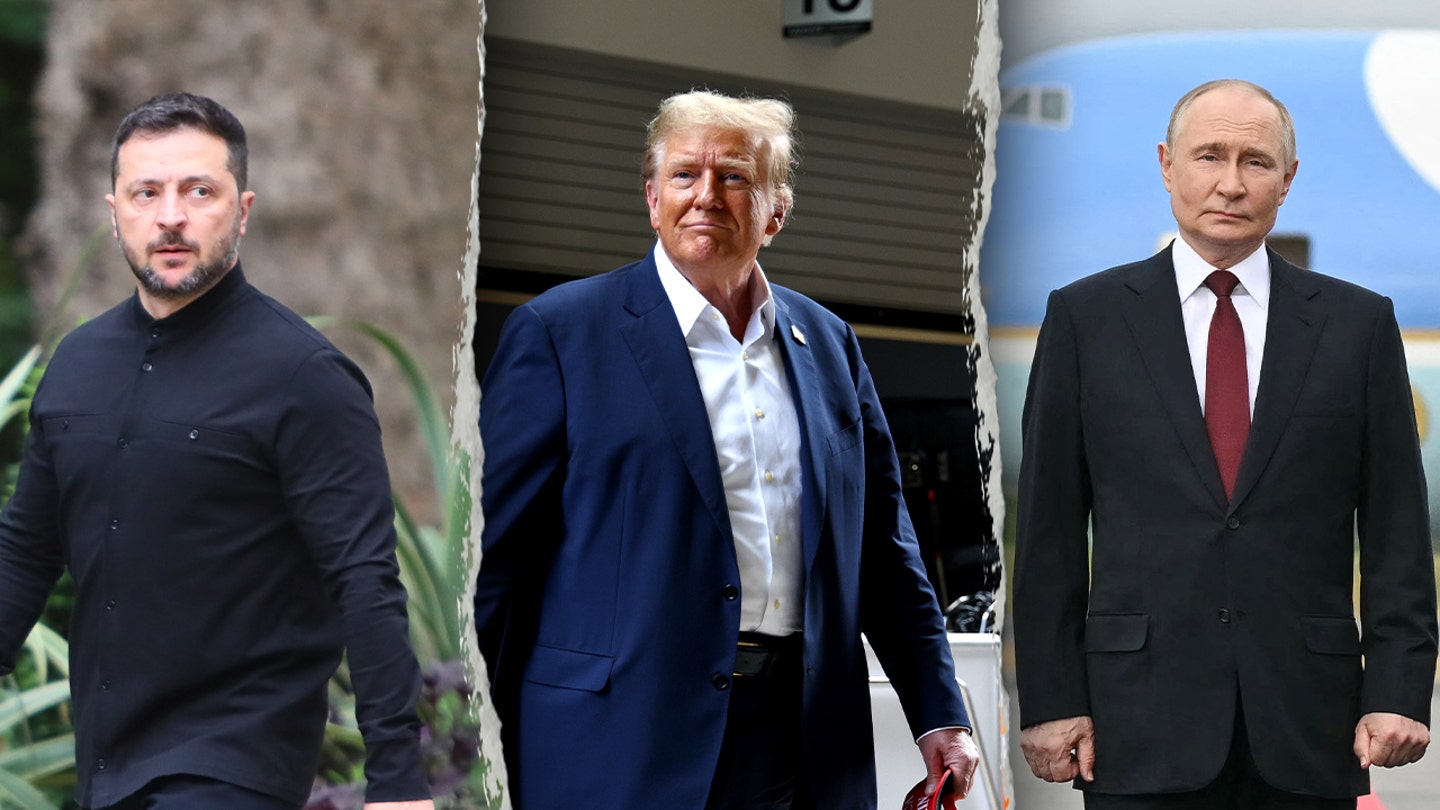
Trump moves to broker Putin-Zelenskyy meeting following DC peace talks
Entities mentioned:
- Donald Trump: Influence, Legacy, Recognition
- Vladimir Putin: Power, Control, Self-preservation
- Volodymyr Zelenskyy: Unity, Justice, Self-preservation
- Yury Ushakov: Loyalty, Duty, Influence
- Friedrich Merz: Duty, Influence, Unity
- Emmanuel Macron: Influence, Unity, Duty
Article Assessment:
Credibility Score: 65/100
Bias Rating: 55/100 (Center)
Sentiment Score: 60/100
Authoritarianism Risk: 35/100 (Generally Democratic)
Bias Analysis:
The article presents a relatively balanced view, including perspectives from multiple sides. However, it relies heavily on Trump's statements and social media posts, which could skew the narrative slightly in his favor.
Key metric: US International Diplomatic Influence
As a social scientist, I analyze that this article demonstrates a significant shift in US diplomatic strategy regarding the Russia-Ukraine conflict. Trump's direct involvement in brokering talks between Putin and Zelenskyy signals an attempt to reassert American influence in international conflict resolution. This approach could potentially impact the US's diplomatic standing, particularly in relation to European allies. The emphasis on personal diplomacy and Trump's central role in negotiations reflects a personalized approach to foreign policy that could have both positive and negative implications for long-term US diplomatic influence. The article suggests a potential breakthrough in the conflict, but also raises questions about the motivations and potential outcomes of such high-level negotiations.
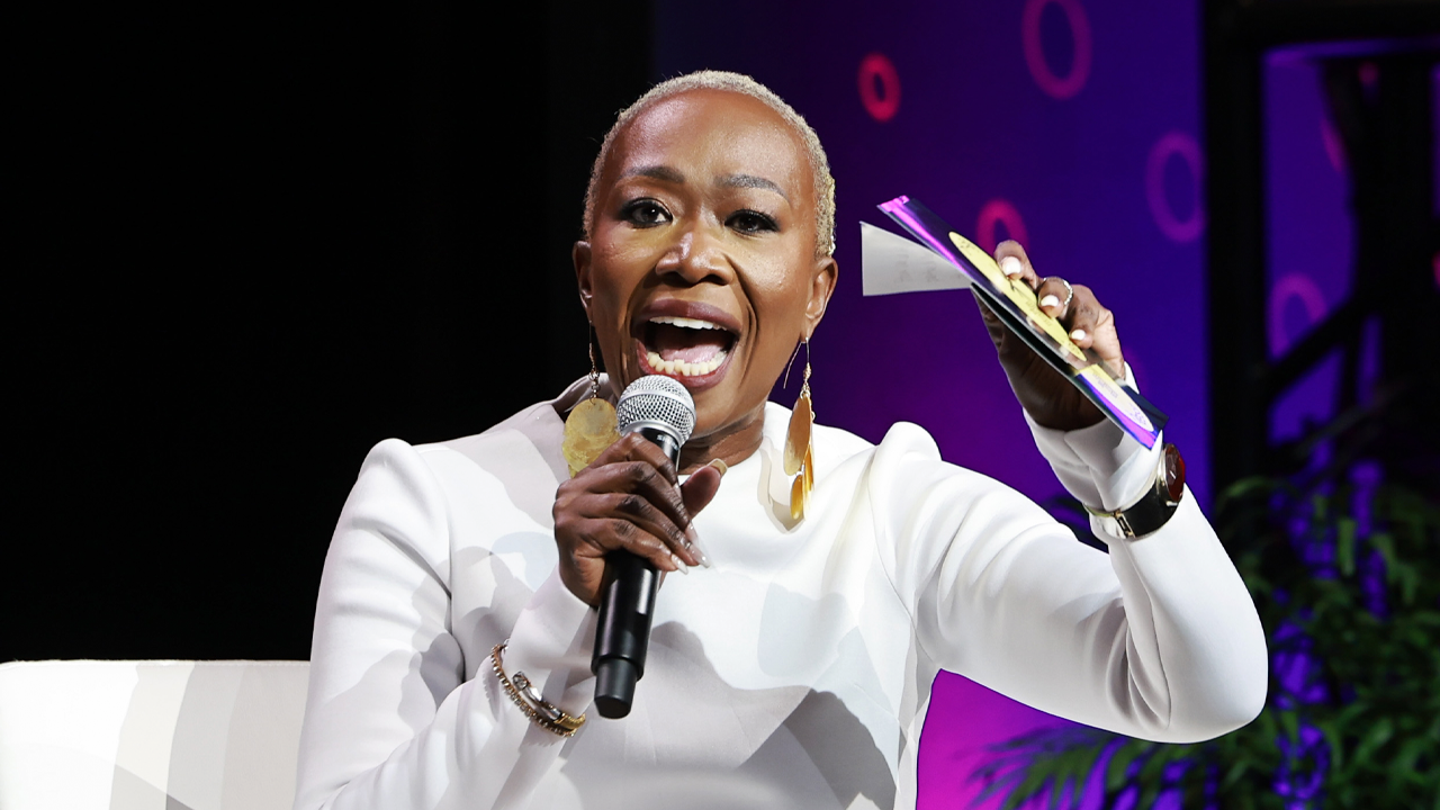
Joy Reid claims 'mediocre White men' like Trump, Elvis can't 'invent anything,' steal culture from other races
Entities mentioned:
- Joy Reid: Moral outrage, Righteousness, Indignation
- Donald Trump: Power, Control, Legacy
- Elvis Presley: Recognition, Influence, Legacy
- Wajahat Ali: Righteousness, Moral outrage, Recognition
- Kennedy Center: Legacy, Influence, Recognition
- Smithsonian: Legacy, Influence, Duty
- PragerU: Influence, Righteousness, Legacy
- Harrison Fields: Loyalty, Indignation, Professional pride
Article Assessment:
Credibility Score: 65/100
Bias Rating: 70/100 (Lean Right)
Sentiment Score: 25/100
Authoritarianism Risk: 45/100 (Mixed/Neutral)
Bias Analysis:
The article leans right, presenting critical views of left-leaning figures and their statements. While it includes quotes from both sides, it gives more space to counter-arguments and criticism of Reid's comments.
Key metric: Social Cohesion
As a social scientist, I analyze that this article highlights deep racial tensions and cultural divisions in American society. The rhetoric used by Joy Reid and Wajahat Ali suggests a strong resentment towards what they perceive as the appropriation of minority cultures by white Americans. Their claims about the inability of 'mediocre White men' to create culture or innovate independently are likely to exacerbate racial tensions and decrease social cohesion. The article's framing of Trump's actions regarding the Kennedy Center and Smithsonian as a 'hostile takeover' further emphasizes the polarization in cultural and historical narratives. This discourse, if amplified, could lead to increased societal fragmentation and decreased trust between different racial and cultural groups, negatively impacting overall social cohesion in the United States.