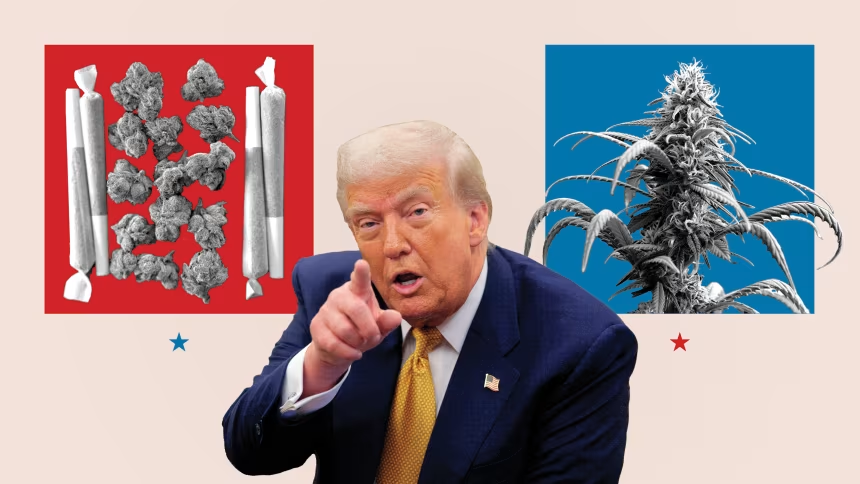
For Subscribers
Entities mentioned:
- Donald Trump: Power, Influence, Recognition
- James Hagedorn: Influence, Greed, Professional pride
- Terrance Cole: Duty, Control, Professional pride
- Joe Biden: Legacy, Influence, Justice
- Susie Wiles: Duty, Loyalty, Influence
- Joe Rogan: Influence, Freedom, Recognition
- Alex Bruesewitz: Influence, Ambition, Recognition
Article Assessment:
Credibility Score: 75/100
Bias Rating: 55/100 (Center)
Sentiment Score: 50/100
Authoritarianism Risk: 35/100 (Generally Democratic)
Bias Analysis:
The article presents multiple perspectives and cites various sources, indicating an attempt at balanced reporting. However, there's a slight focus on Trump's decision-making process and political considerations, which may suggest a slight center-right lean.
Key metric: Drug Policy and Criminal Justice Reform
As a social scientist, I analyze that this article highlights the complex political and social dynamics surrounding potential marijuana policy reform under the Trump administration. The president's consideration of rescheduling marijuana reflects a shift in Republican attitudes towards drug policy, driven by changing public opinion and potential political benefits. However, the administration's hesitation and internal disagreements underscore the challenges of implementing such a significant policy change. This situation demonstrates the tension between campaign promises, public opinion, and established institutional practices in shaping drug policy. The involvement of various stakeholders, including industry leaders and political advisors, further complicates the decision-making process, illustrating the multifaceted nature of policy reform in a highly politicized environment.
- Read more about For Subscribers
- Log in to post comments

Who was John F. Kennedy Jr.?
Entities mentioned:
- John F. Kennedy Jr.: Legacy, Recognition, Self-respect
- Kennedy family: Legacy, Power, Influence
- Jacqueline Kennedy Onassis: Legacy, Pride, Security
- Ted Kennedy: Ambition, Power, Legacy
- George magazine: Influence, Recognition, Professional pride
Article Assessment:
Credibility Score: 75/100
Bias Rating: 45/100 (Center)
Sentiment Score: 60/100
Authoritarianism Risk: 20/100 (Strongly Democratic)
Bias Analysis:
The article maintains a relatively neutral tone, presenting factual information about Kennedy's life without obvious political leanings. While it portrays Kennedy in a generally positive light, it also includes some critiques and challenges he faced, providing a balanced perspective.
Key metric: Political Engagement
As a social scientist, I analyze that this article significantly impacts the 'Political Engagement' metric in the US. John F. Kennedy Jr.'s life and career, particularly the launch of George magazine, aimed to increase public interest in politics by making it more accessible and entertaining. This approach could potentially lead to higher political engagement among citizens, especially younger demographics. The article highlights how Kennedy used his celebrity status to create meaningful change, which could inspire others to become more politically active. Additionally, the focus on Kennedy's education and professional journey emphasizes the importance of civic participation and public service, potentially encouraging readers to consider similar paths.
- Read more about Who was John F. Kennedy Jr.?
- Log in to post comments
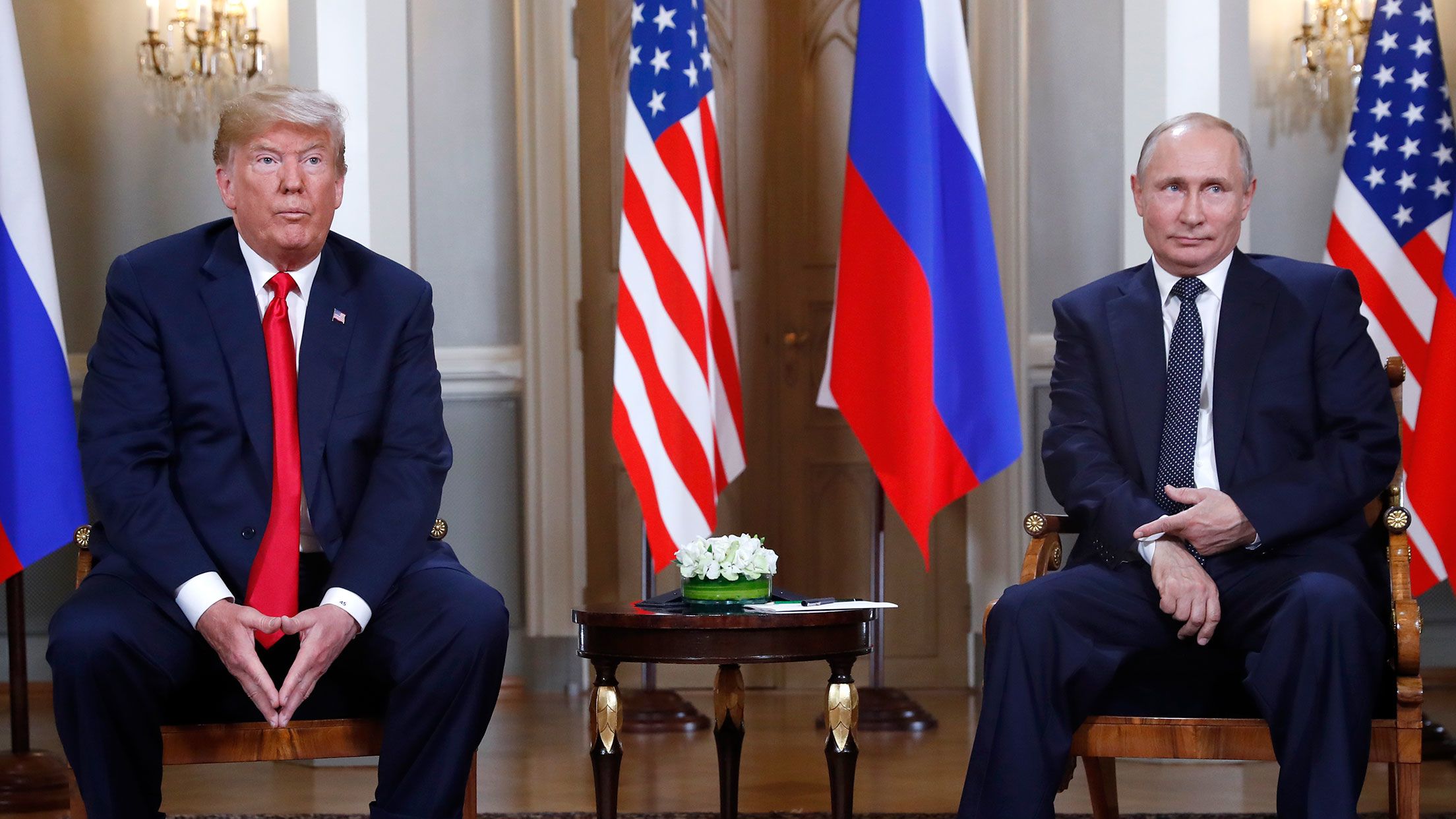
Trump says he’ll meet Putin in Alaska next week
Entities mentioned:
- Donald Trump: Ambition, Power, Legacy
- Vladimir Putin: Power, Control, Influence
- Volodymyr Zelensky: Determination, Loyalty, Self-preservation
- Steve Witkoff: Duty, Influence, Obligation
- Marco Rubio: Duty, Influence, Professional pride
- Yury Ushakov: Duty, Loyalty, Professional pride
Article Assessment:
Credibility Score: 75/100
Bias Rating: 45/100 (Center)
Sentiment Score: 45/100
Authoritarianism Risk: 55/100 (Mixed/Neutral)
Bias Analysis:
The article presents multiple viewpoints and sources, including Trump, Putin, Zelensky, and European officials. It maintains a relatively neutral tone, though it does highlight some concerns about the proposed peace deal.
Key metric: International Relations and Diplomacy
As a social scientist, I analyze that this article highlights a significant shift in US-Russia relations and potential global geopolitical dynamics. The proposed meeting between Trump and Putin, along with the suggested peace deal for Ukraine, could have far-reaching implications for international diplomacy, territorial sovereignty, and the balance of power in Eastern Europe. The article reveals complex negotiations involving multiple stakeholders, each with their own motivations and constraints. The potential territorial concessions from Ukraine are particularly contentious and could set a dangerous precedent for future conflicts. The article also underscores the tensions between realpolitik approaches to conflict resolution and principles of national sovereignty and international law.
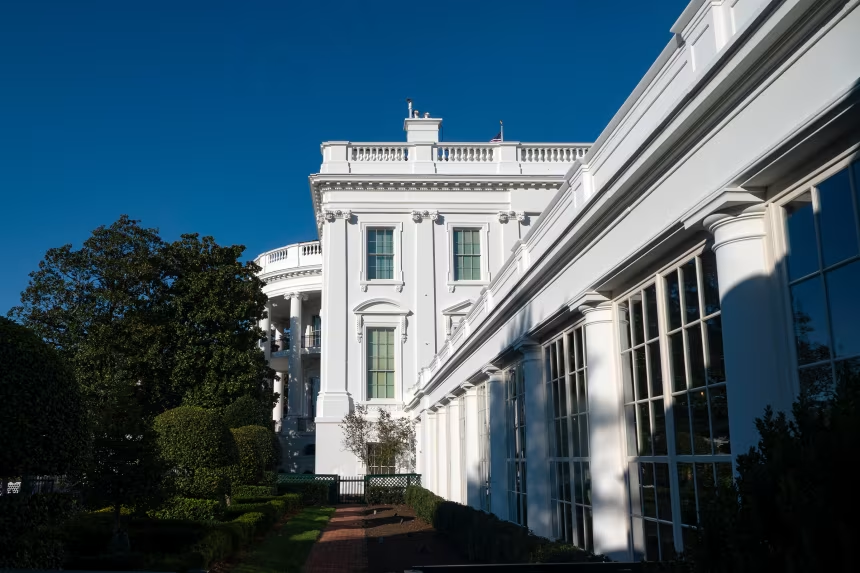
Trump’s East Wing expansion requires a reimagined White House tour
Entities mentioned:
- Donald Trump: Legacy, Power, Recognition
- White House: Duty, Security, Unity
- Melania Trump: Duty, Influence, Legacy
- US Secret Service: Security, Duty, Professional pride
- National Park Service: Duty, Preservation, Professional pride
- Jill Biden: Duty, Legacy, Recognition
Article Assessment:
Credibility Score: 75/100
Bias Rating: 55/100 (Center)
Sentiment Score: 45/100
Authoritarianism Risk: 35/100 (Generally Democratic)
Bias Analysis:
The article presents multiple perspectives and includes official statements, suggesting a relatively balanced approach. However, there's a slight tilt towards emphasizing the potential negative impacts of the construction, which could be seen as leaning slightly critical of the administration's decision.
Key metric: Government Transparency and Accessibility
As a social scientist, I analyze that the proposed expansion of the White House East Wing will significantly impact public access to the People's House, a symbol of American democracy. This change may affect the government's transparency and the public's ability to engage with their nation's history and leadership. The temporary disruption of tours and potential long-term changes to the tour route could decrease the number of visitors and alter the public's perception of government openness. However, the administration's stated commitment to maintaining public access suggests an awareness of the importance of this tradition. The project's private funding and scale also raise questions about the balance between presidential prerogatives and public interests in shaping national institutions.
Trump’s legal retribution tour is getting more blatant
Entities mentioned:
- Donald Trump: Revenge, Power, Control
- Pam Bondi: Loyalty, Duty, Ambition
- Letitia James: Justice, Determination, Professional pride
- Adam Schiff: Justice, Duty, Moral outrage
- Barack Obama: Legacy, Duty, Self-preservation
- James Comey: Duty, Justice, Self-preservation
- John Brennan: Duty, Professional pride, Self-preservation
- Liz Cheney: Duty, Moral outrage, Justice
- Eugene Vindman: Duty, Moral outrage, Justice
- Alexander Vindman: Duty, Moral outrage, Justice
- Jack Smith: Justice, Duty, Professional pride
- Miles Taylor: Moral outrage, Duty, Justice
- Christopher Krebs: Duty, Professional pride, Justice
Article Assessment:
Credibility Score: 70/100
Bias Rating: 35/100 (Lean Left)
Sentiment Score: 25/100
Authoritarianism Risk: 65/100 (Authoritarian Tendencies)
Bias Analysis:
The article leans left in its framing, presenting Trump's actions in a critical light. While it presents factual information, the tone and selection of examples suggest a skeptical view of the Trump administration's motivations.
Key metric: Rule of Law Index
As a social scientist, I analyze that this article highlights a concerning pattern of potential retaliatory legal actions against individuals who have previously investigated or criticized former President Trump. This systematic targeting of political opponents and investigators through the legal system poses a significant threat to the Rule of Law Index in the United States. Such actions can erode public trust in the justice system, discourage whistleblowers and investigators from coming forward, and potentially lead to a chilling effect on political dissent. The apparent use of legal mechanisms for political retaliation undermines the principle of equal application of the law and suggests a troubling trend towards weaponizing the justice system for personal or political gain. This could have long-lasting implications for the strength and independence of democratic institutions in the country.
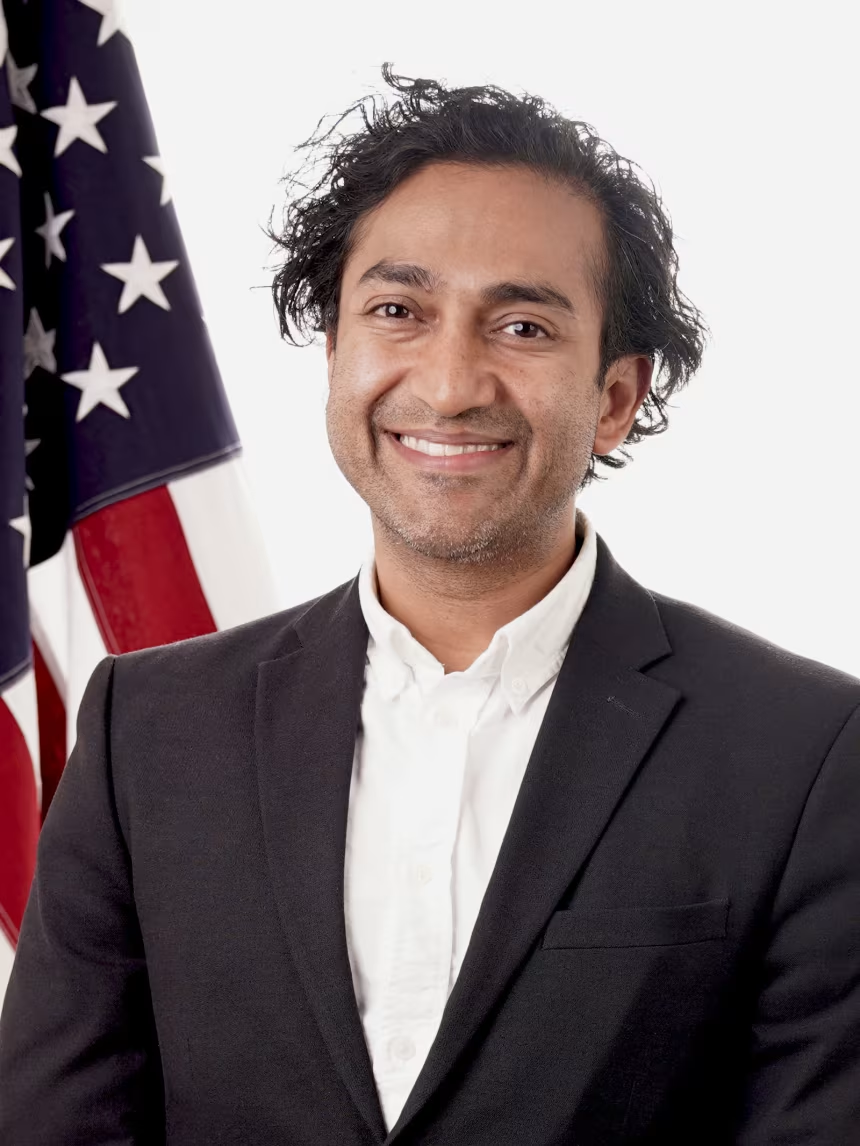
FDA official returns to agency after Loomer-led ouster
Entities mentioned:
- Dr. Vinay Prasad: Professional pride, Duty, Recognition
- US Food and Drug Administration (FDA): Duty, Public safety, Credibility
- Laura Loomer: Moral outrage, Influence, Righteousness
- White House: Control, Power, Influence
- President Donald Trump: Power, Legacy, Control
Article Assessment:
Credibility Score: 75/100
Bias Rating: 45/100 (Center)
Sentiment Score: 35/100
Authoritarianism Risk: 65/100 (Authoritarian Tendencies)
Bias Analysis:
The article presents multiple perspectives and cites various sources, including official statements and anonymous insiders. While it gives voice to critics of Dr. Prasad, it also provides context for his previous work and controversies, maintaining a relatively balanced approach.
Key metric: Public Trust in Government Institutions
As a social scientist, I analyze that this article highlights the complex interplay between politics, public health, and institutional integrity. Dr. Prasad's return to the FDA after a politically-motivated ouster demonstrates the tension between scientific expertise and political pressure. This situation potentially undermines public trust in the FDA's decision-making process and independence. The involvement of activist Laura Loomer and the White House in personnel decisions at a scientific agency raises concerns about the politicization of public health institutions. This event may have long-lasting effects on how the public perceives the FDA's ability to make unbiased, science-based decisions, particularly in critical areas such as vaccine approvals and drug regulations.

Here’s what Trump has promised to do in a second term
Entities mentioned:
- Donald Trump: Power, Control, Ambition
- Joe Biden: Legacy, Influence, Duty
- Elon Musk: Influence, Ambition, Curiosity
- Vivek Ramaswamy: Ambition, Influence, Recognition
- Robert F. Kennedy Jr.: Influence, Recognition, Righteousness
- Gary Gensler: Duty, Control, Professional pride
- Paul Atkins: Influence, Professional pride, Ambition
Article Assessment:
Credibility Score: 75/100
Bias Rating: 55/100 (Center)
Sentiment Score: 45/100
Authoritarianism Risk: 65/100 (Authoritarian Tendencies)
Bias Analysis:
The article presents a comprehensive overview of Trump's proposed policies without overtly endorsing or criticizing them. It relies on direct quotes and campaign statements, maintaining a relatively neutral tone. However, the selection of policies and their framing may slightly lean towards emphasizing controversial aspects.
Key metric: Political Polarization Index
As a social scientist, I analyze that this article outlines Donald Trump's proposed policies for a potential second term, which could significantly impact political polarization in the United States. The policies described, such as mass deportations, tariffs, and rollbacks of environmental regulations, are likely to exacerbate existing divisions between conservative and liberal factions. Trump's promises to use executive power extensively and to target political opponents through the Justice Department suggest a potential increase in authoritarian tendencies, which could further strain democratic institutions and increase polarization. The proposed economic policies, particularly on trade and taxes, may resonate with his base but could alienate moderates and the opposition, potentially widening the political divide. The article's comprehensive coverage of Trump's proposals across various sectors indicates that polarization would likely intensify across multiple fronts, including immigration, healthcare, education, and foreign policy.

Capital Jewish Museum shooting suspect indicted on murder and hate crime charges and could face death penalty
Entities mentioned:
- Elias Rodriguez: Moral outrage, Revenge, Justice
- Justice Department: Justice, Duty, Righteousness
- Yaron Lischinsky: Duty, Professional pride
- Sarah Milgrim: Duty, Professional pride
- Israeli Embassy: Duty, Security, Unity
- Capital Jewish Museum: Unity, Legacy, Recognition
Article Assessment:
Credibility Score: 75/100
Bias Rating: 50/100 (Center)
Sentiment Score: 25/100
Authoritarianism Risk: 30/100 (Generally Democratic)
Bias Analysis:
The article presents a balanced account of the indictment, including details from both the prosecution and potential challenges they may face. It avoids sensationalism and provides context for the legal proceedings without apparent partisan leanings.
Key metric: Domestic Terrorism Incidents
As a social scientist, I analyze that this case represents a significant escalation in hate-motivated violence against Jewish and Israeli targets in the United States. The indictment on hate crime charges suggests a growing concern over antisemitism and its potential to fuel violent extremism. The possibility of pursuing the death penalty indicates the severity with which federal authorities are treating this incident. This case may have far-reaching implications for U.S. domestic counterterrorism efforts, potentially leading to increased security measures for Jewish institutions and a reevaluation of how law enforcement addresses ideologically motivated violence.
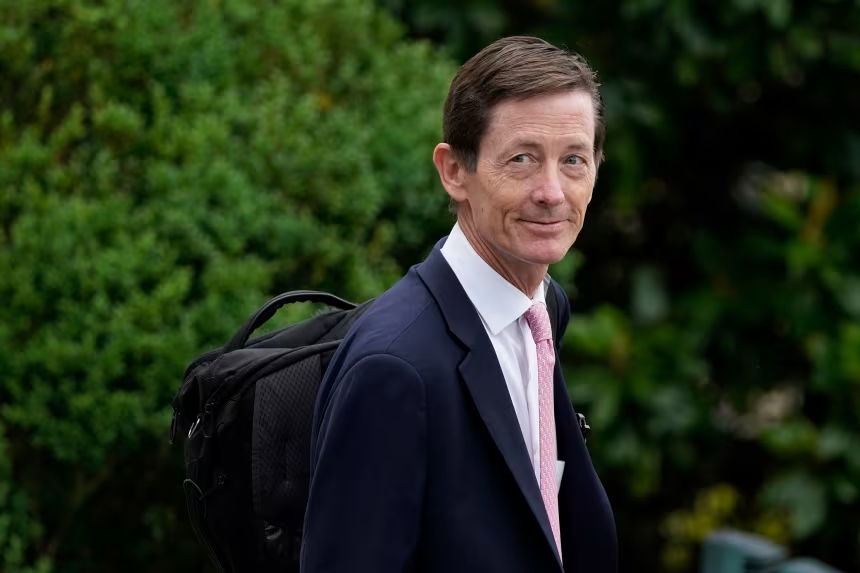
Former senior Biden aide appears before House committee in probe of former president’s alleged mental decline
Entities mentioned:
- Joe Biden: Self-preservation, Power, Legacy
- Bruce Reed: Loyalty, Professional pride, Duty
- House Oversight Committee: Justice, Control, Influence
- Anita Dunn: Loyalty, Professional pride, Self-preservation
- Donald Trump: Competitive spirit, Power, Influence
- Steve Ricchetti: Loyalty, Duty, Professional pride
- Mike Donilon: Loyalty, Duty, Professional pride
- Dr. Kevin O'Connor: Self-preservation, Professional pride, Duty
- Anthony Bernal: Self-preservation, Loyalty, Duty
- Annie Tomasini: Self-preservation, Loyalty, Duty
Article Assessment:
Credibility Score: 65/100
Bias Rating: 55/100 (Center)
Sentiment Score: 35/100
Authoritarianism Risk: 40/100 (Generally Democratic)
Bias Analysis:
The article presents a relatively balanced view, including perspectives from both sides. However, there's a slight lean towards emphasizing Republican actions and Democratic reluctance, which could be interpreted as a mild center-right bias.
Key metric: Political Stability
As a social scientist, I analyze that this investigation into former President Biden's cognitive abilities could significantly impact political stability in the United States. The probe by House Republicans suggests a deep partisan divide and potential delegitimization of a former administration. The involvement of high-ranking officials and their varying degrees of cooperation indicate the seriousness of the investigation. The invocation of the Fifth Amendment by some officials raises questions about potential legal implications. This investigation could influence public trust in political institutions and impact future elections, particularly if evidence of cognitive decline or concealment is found. The situation highlights the ongoing tension between political parties and the use of congressional oversight as a tool for political maneuvering.
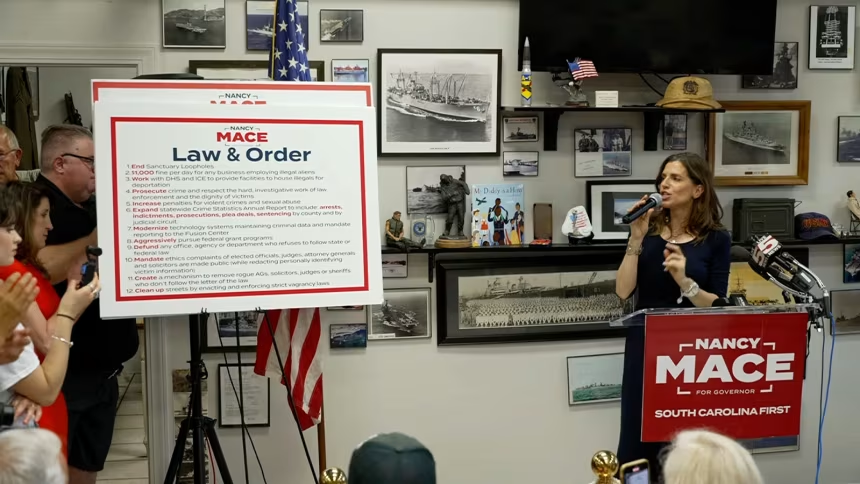
Mace touts ties to Trump, jockeys for endorsement in South Carolina governor’s race in campaign-style town hall
Entities mentioned:
- Nancy Mace: Ambition, Power, Recognition
- Donald Trump: Influence, Power, Legacy
- Ralph Norman: Ambition, Competitive spirit
- Alan Wilson: Ambition, Power
- Joe Biden: Legacy, Influence
- Greg Abbott: Power, Control
- Jim Clyburn: Self-preservation, Influence
Article Assessment:
Credibility Score: 75/100
Bias Rating: 55/100 (Center)
Sentiment Score: 45/100
Authoritarianism Risk: 55/100 (Mixed/Neutral)
Bias Analysis:
The article presents a fairly balanced view of Mace's town hall, including both her pro-Trump statements and contradictions in her claims. While it leans slightly towards critiquing Mace's positions, it also provides context and direct quotes, maintaining a relatively neutral stance.
Key metric: Political Polarization Index
As a social scientist, I analyze that this article highlights the increasing political polarization in the United States, particularly within the Republican Party. Nancy Mace's attempt to align herself closely with Donald Trump while simultaneously taking credit for Biden administration achievements demonstrates the complex dynamics at play in GOP politics. The emphasis on Trump's endorsement and the jockeying for position in the gubernatorial race underscores the continued influence of Trump within the party. Mace's stance on transgender issues and redistricting efforts also points to ongoing culture war topics that contribute to polarization. The article reveals how politicians navigate conflicting interests, balancing party loyalty with local needs, which can further entrench political divisions and impact governance effectiveness.