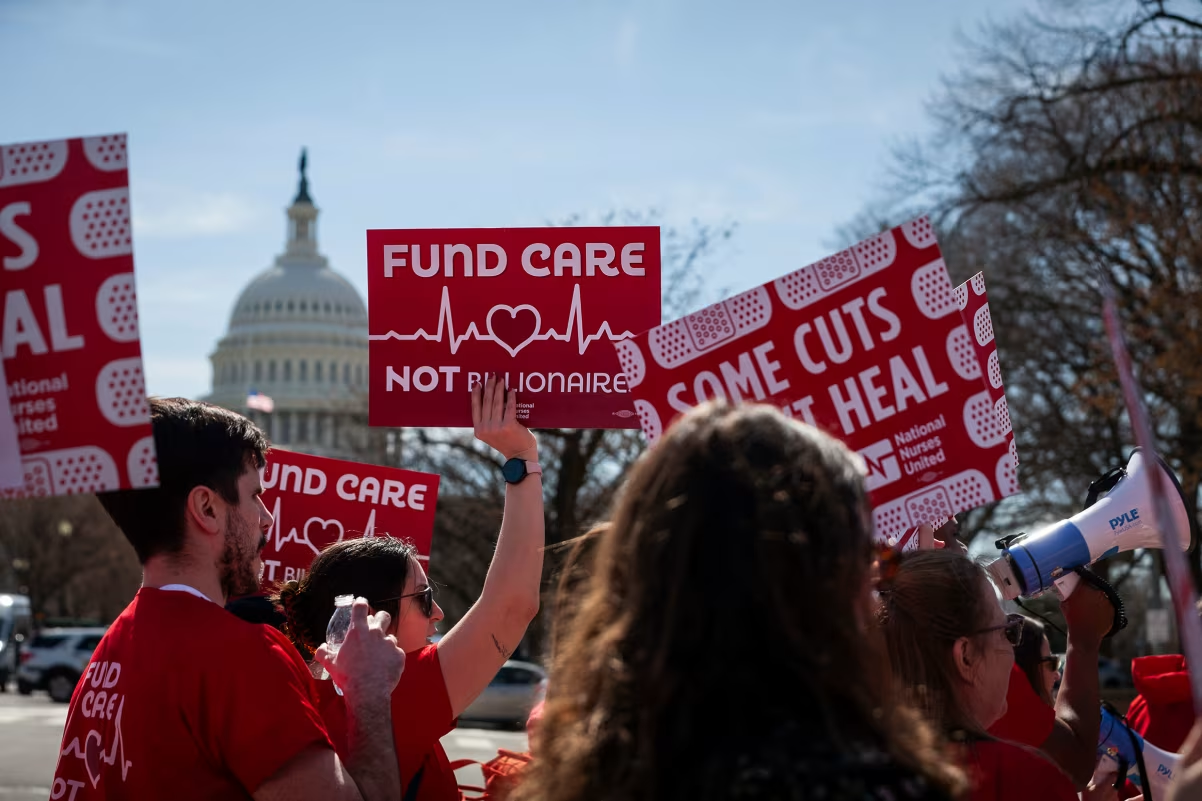
Republicans are quietly rolling back Obamacare. Here’s how
Entities mentioned:
- Republicans: Control, Power, Influence
- Donald Trump: Power, Legacy, Control
- John McCain: Duty, Righteousness, Self-respect
- Joe Biden: Legacy, Duty, Influence
- Democrats: Justice, Duty, Influence
- Centers for Medicare and Medicaid Services: Control, Duty, Professional pride
- Larry Levitt: Professional pride, Duty, Influence
- Jennifer Sullivan: Justice, Professional pride, Duty
- Brian Blase: Professional pride, Influence, Righteousness
Article Assessment:
Credibility Score: 75/100
Bias Rating: 45/100 (Center)
Sentiment Score: 35/100
Authoritarianism Risk: 25/100 (Generally Democratic)
Bias Analysis:
The article presents multiple viewpoints and cites various sources, including both liberal and conservative think tanks. However, it gives slightly more space to critiques of the Republican changes, suggesting a mild left-leaning bias.
Key metric: Healthcare Coverage Rate
As a social scientist, I analyze that the Republican efforts to modify the Affordable Care Act (ACA) through legislative and regulatory changes are likely to have significant impacts on healthcare coverage in the United States. The new law and CMS rule are expected to reduce enrollment in ACA plans by making it more difficult to enroll and maintain coverage, increasing costs for enrollees, and restricting eligibility for certain groups. This is projected to lead to millions more uninsured Americans over the next decade, reversing gains made since the ACA's implementation. The changes also risk destabilizing the ACA marketplaces by potentially driving out healthier enrollees, which could lead to premium increases and insurer exits. These actions, while less overt than previous repeal attempts, represent a significant shift in healthcare policy that could have long-lasting effects on access to health insurance and healthcare services for many Americans.
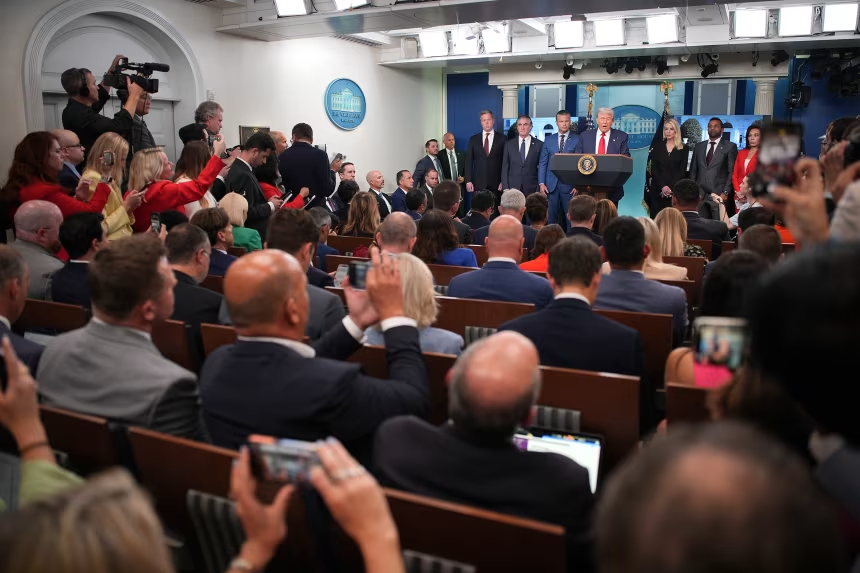
2 reasons Trump calling in troops in DC is so extraordinary
Entities mentioned:
- Donald Trump: Power, Control, Legacy
- Washington, DC Metropolitan Police Department: Duty, Security, Professional pride
- National Guard: Duty, Security, Obligation
- Former Trump administration officials: Wariness, Duty, Self-preservation
- American public: Security, Freedom, Wariness
Article Assessment:
Credibility Score: 75/100
Bias Rating: 40/100 (Lean Left)
Sentiment Score: 30/100
Authoritarianism Risk: 65/100 (Authoritarian Tendencies)
Bias Analysis:
The article leans slightly left, presenting a critical view of Trump's actions. While it includes factual information and some balanced reporting, the framing and language choices suggest a skeptical stance towards the administration's decisions.
Key metric: Civil Liberties and Rule of Law Index
As a social scientist, I analyze that this article highlights a significant shift in the use of military forces for domestic purposes under President Trump's administration. The deployment of the National Guard and the federalization of DC's police force for crime control, rather than in response to large-scale civil unrest, represents an unprecedented expansion of federal power in local law enforcement. This action could potentially impact the Civil Liberties and Rule of Law Index by blurring the lines between military and civilian law enforcement, potentially undermining local autonomy and raising concerns about the militarization of domestic policing. The article suggests that this move is not supported by crime statistics or public opinion, which could lead to increased tension between federal and local authorities, as well as between the government and citizens. This development may be seen as a test of institutional checks and balances and could have long-term implications for the balance of power between federal and local governments in the United States.
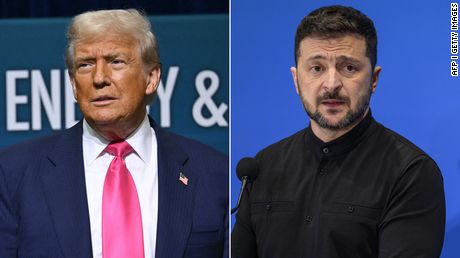
White House hasn’t ruled out Zelensky being in Alaska during Trump-Putin meeting on Friday
Entities mentioned:
- Donald Trump: Power, Legacy, Recognition
- Vladimir Putin: Power, Control, Influence
- JD Vance: Duty, Loyalty, Influence
- Volodymyr Zelensky: Self-preservation, Determination, Unity
- European leaders: Security, Influence, Unity
- Steve Witkoff: Duty, Influence, Professional pride
- Friedrich Merz: Unity, Influence, Security
- Marco Rubio: Duty, Influence, Professional pride
Article Assessment:
Credibility Score: 75/100
Bias Rating: 45/100 (Center)
Sentiment Score: 35/100
Authoritarianism Risk: 40/100 (Generally Democratic)
Bias Analysis:
The article presents multiple perspectives, including those of US, European, and Ukrainian officials, providing a balanced view. While it highlights concerns about Trump's approach, it also includes the administration's stance, maintaining a relatively neutral tone.
Key metric: International Diplomacy Effectiveness
As a social scientist, I analyze that this article highlights a significant shift in diplomatic dynamics surrounding the Russia-Ukraine conflict. The sudden announcement of a Trump-Putin meeting without clear inclusion of Ukraine or European allies raises concerns about the US's approach to resolving the conflict. This development could potentially impact the effectiveness of international diplomacy by sidelining key stakeholders and altering established negotiation frameworks. The rushed nature of the summit and the lack of transparency about its contents have prompted a flurry of diplomatic activity from European leaders, indicating a potential weakening of transatlantic cooperation. The exclusion of Zelensky from initial plans could undermine Ukraine's position and sovereignty in peace negotiations. This situation tests the cohesion of Western allies and their ability to present a united front in dealing with Russia, which could have long-term implications for global geopolitical balance and conflict resolution strategies.
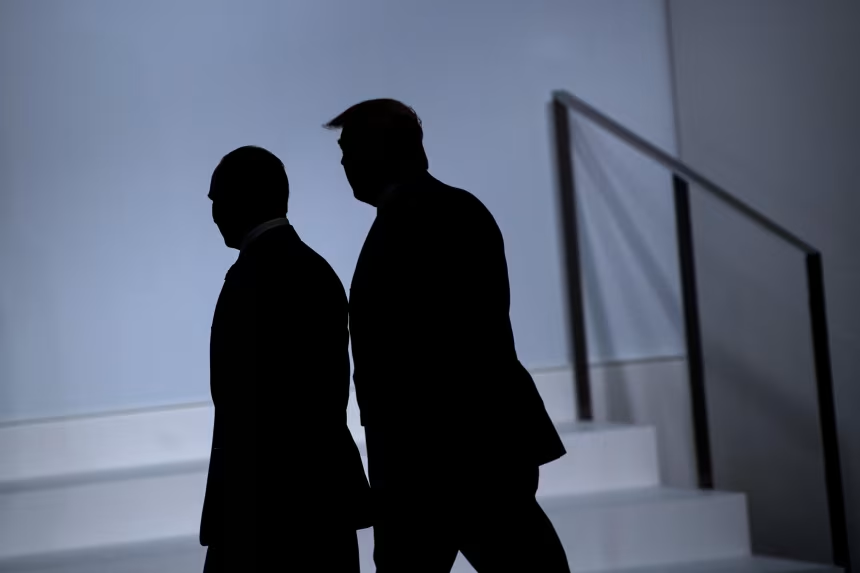
Trump says he’ll be feeling out Putin as US officials rush to finalize details of Alaska summit
Entities mentioned:
- Donald Trump: Ambition, Legacy, Power
- Vladimir Putin: Power, Control, Influence
- Volodymyr Zelensky: Self-preservation, Justice, Determination
- Mark Rutte: Unity, Duty, Security
- Oksana Markarova: Duty, Loyalty, Unity
- Steve Witkoff: Duty, Influence, Ambition
- JD Vance: Duty, Influence, Ambition
- Lindsey Graham: Influence, Loyalty, Duty
- Friedrich Merz: Unity, Influence, Security
Article Assessment:
Credibility Score: 75/100
Bias Rating: 45/100 (Center)
Sentiment Score: 35/100
Authoritarianism Risk: 35/100 (Generally Democratic)
Bias Analysis:
The article presents multiple viewpoints and sources, including Trump, European leaders, and Ukrainian officials. While it leans slightly towards skepticism of Trump's approach, it generally maintains a balanced tone, providing context and varied perspectives.
Key metric: International Diplomacy Effectiveness
As a social scientist, I analyze that this article highlights the complex dynamics of international diplomacy surrounding the Russia-Ukraine conflict. Trump's approach to the summit with Putin demonstrates a high-stakes gamble in personal diplomacy, potentially bypassing traditional diplomatic channels. The exclusion of Zelensky from direct talks raises concerns about Ukraine's agency in its own future. European leaders' insistence on Ukraine's involvement and specific conditions for peace talks indicates a potential rift between US and European approaches. The rush to organize the summit and the lack of clear objectives suggest a potentially risky diplomatic strategy. The article also reveals the delicate balance of power and influence among world leaders, with each actor motivated by a mix of national interests, personal legacy, and geopolitical considerations.

Pam Bondi has a new probe into the handling of 2016 Russian meddling. John Durham already spent four years investigating it
Entities mentioned:
- Pam Bondi: Power, Loyalty, Ambition
- John Durham: Justice, Professional pride, Duty
- Donald Trump: Power, Revenge, Self-preservation
- Tulsi Gabbard: Influence, Ambition, Recognition
- Barack Obama: Legacy, Self-preservation, Righteousness
- FBI: Professional pride, Duty, Security
- CIA: Security, Professional pride, Duty
Article Assessment:
Credibility Score: 75/100
Bias Rating: 45/100 (Center)
Sentiment Score: 35/100
Authoritarianism Risk: 55/100 (Mixed/Neutral)
Bias Analysis:
The article presents multiple viewpoints and cites various sources, including critics of the new investigation. While it leans slightly towards skepticism of the new probe, it provides context from both sides, maintaining a relatively balanced perspective.
Key metric: Political Polarization Index
As a social scientist, I analyze that this article highlights the ongoing political polarization in the United States, particularly surrounding the 2016 election and Russian interference. The initiation of a new investigation by Attorney General Pam Bondi, despite previous extensive probes, suggests a continued effort to challenge established narratives. This action may further deepen the divide between political factions, potentially eroding public trust in institutions and the electoral process. The repeated investigations into the same matter, despite previous findings, indicate a pattern of using government resources for political purposes, which could have long-term implications for democratic norms and institutional integrity.
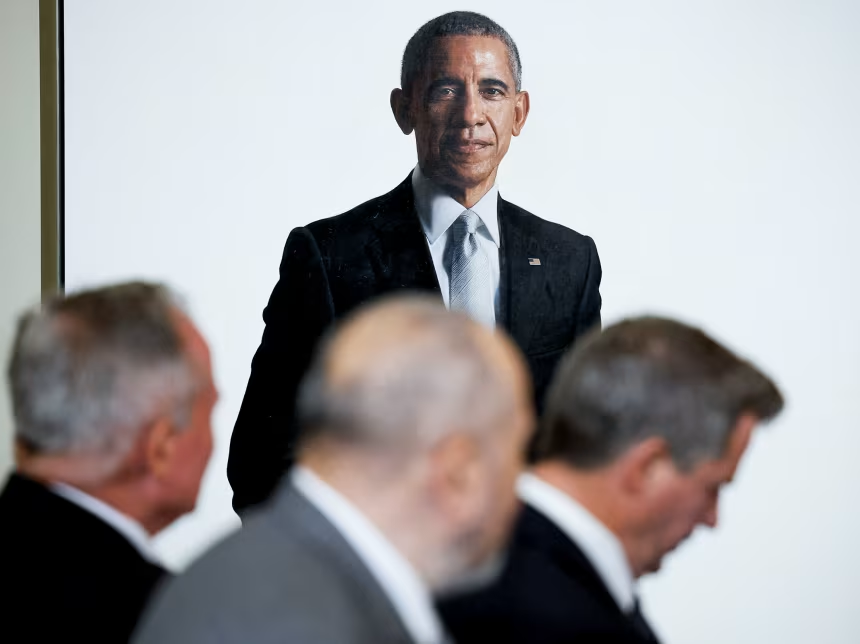
Trump moves Obama, Bush portraits to hidden stairwell
Entities mentioned:
- Donald Trump: Power, Control, Revenge
- Barack Obama: Legacy, Recognition, Self-respect
- George W. Bush: Legacy, Self-respect, Duty
- George H. W. Bush: Legacy, Duty, Self-respect
- White House Historical Association: Professional pride, Duty, Legacy
- Pamela Bondi: Loyalty, Ambition, Power
Article Assessment:
Credibility Score: 75/100
Bias Rating: 45/100 (Center)
Sentiment Score: 35/100
Authoritarianism Risk: 65/100 (Authoritarian Tendencies)
Bias Analysis:
The article presents multiple perspectives and cites various sources, maintaining a relatively neutral tone. However, there's a slight lean towards criticism of Trump's actions, which is balanced by including context and historical information.
Key metric: Political Polarization
As a social scientist, I analyze that this article highlights the increasing political polarization in the United States. President Trump's decision to move the portraits of his predecessors, particularly those with whom he has contentious relationships, demonstrates a break from tradition and a lack of respect for the office's legacy. This action symbolizes the deepening divide between political factions and the erosion of institutional norms. The move may further exacerbate tensions between different political camps and contribute to a more fractured political landscape. Additionally, the article suggests a pattern of using presidential powers for personal vendettas, which could have long-term implications for the respect and neutrality associated with the office of the presidency.
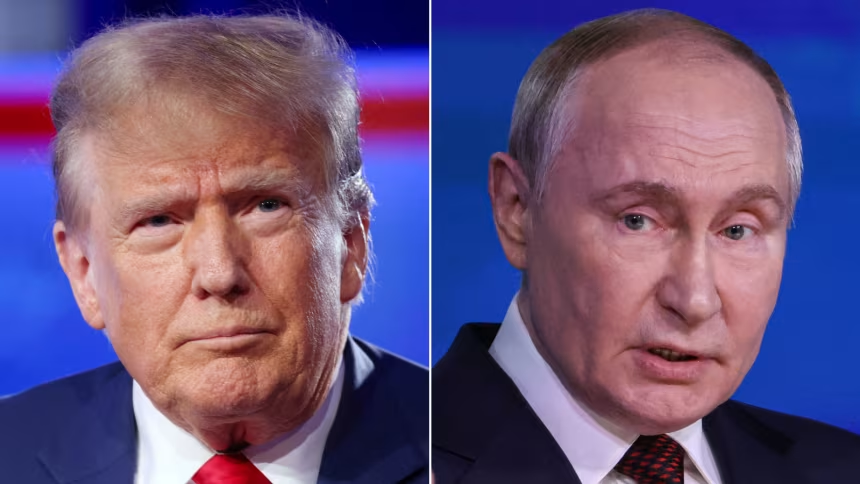
As Trump’s deadline for Russia comes due, White House preps for possible summit with Putin
Entities mentioned:
- Donald Trump: Power, Control, Legacy
- Vladimir Putin: Power, Control, Self-preservation
- Volodymyr Zelensky: Self-preservation, Loyalty, Justice
- Steve Witkoff: Duty, Influence
- Xi Jinping: Power, Influence, Control
Article Assessment:
Credibility Score: 75/100
Bias Rating: 45/100 (Center)
Sentiment Score: 35/100
Authoritarianism Risk: 40/100 (Generally Democratic)
Bias Analysis:
The article presents multiple perspectives and quotes various sources, maintaining a relatively neutral stance. It balances reporting on Trump's actions with reactions from other involved parties, avoiding overtly partisan language.
Key metric: US Foreign Policy Effectiveness
As a social scientist, I analyze that this article highlights the complex interplay between diplomatic efforts and economic sanctions in US foreign policy towards Russia and the Ukraine conflict. Trump's approach oscillates between threatening sanctions and pursuing diplomatic engagement, reflecting a tension between punitive measures and dialogue. The potential summit with Putin, without preconditions involving Ukraine, suggests a prioritization of bilateral US-Russia relations over a multilateral approach to conflict resolution. This strategy risks alienating European allies and Ukraine, potentially undermining the united front against Russian aggression. The article also underscores the interconnectedness of global politics and economics, with India and China's energy imports from Russia complicating the sanctions strategy. The effectiveness of US foreign policy in this context depends on balancing multiple competing interests and maintaining credibility in both diplomatic and economic spheres.

References to Trump’s impeachments are reinstalled at Smithsonian exhibit — with some slight but crucial changes
Entities mentioned:
- Smithsonian Institution: Professional pride, Duty, Wariness
- Donald Trump: Power, Self-preservation, Influence
- National Museum of American History: Duty, Professional pride, Obligation
- Bill Clinton: Legacy, Self-preservation
- Andrew Johnson: Legacy, Self-preservation
- Richard Nixon: Legacy, Self-preservation
Article Assessment:
Credibility Score: 75/100
Bias Rating: 45/100 (Center)
Sentiment Score: 45/100
Authoritarianism Risk: 30/100 (Generally Democratic)
Bias Analysis:
The article presents a balanced view of the situation, including both the initial removal and subsequent reinstallation of the exhibit. It quotes directly from the Smithsonian's statement, providing their perspective, while also detailing the changes made to the exhibit text.
Key metric: Public Trust in Institutions
As a social scientist, I analyze that this article highlights the delicate balance between historical accuracy, public perception, and political pressure in curating national exhibits. The Smithsonian's decision to reinstall and modify the Trump impeachment display reflects a struggle to maintain objectivity while navigating a politically charged atmosphere. The changes in language, such as adding 'alleged' and removing certain claims, suggest an attempt to present a more neutral stance. This incident underscores the challenges faced by public institutions in preserving historical record while remaining sensitive to current political climates. The public outcry and subsequent modifications demonstrate the high stakes involved in presenting recent, controversial history, and how it can impact public trust in cultural institutions.
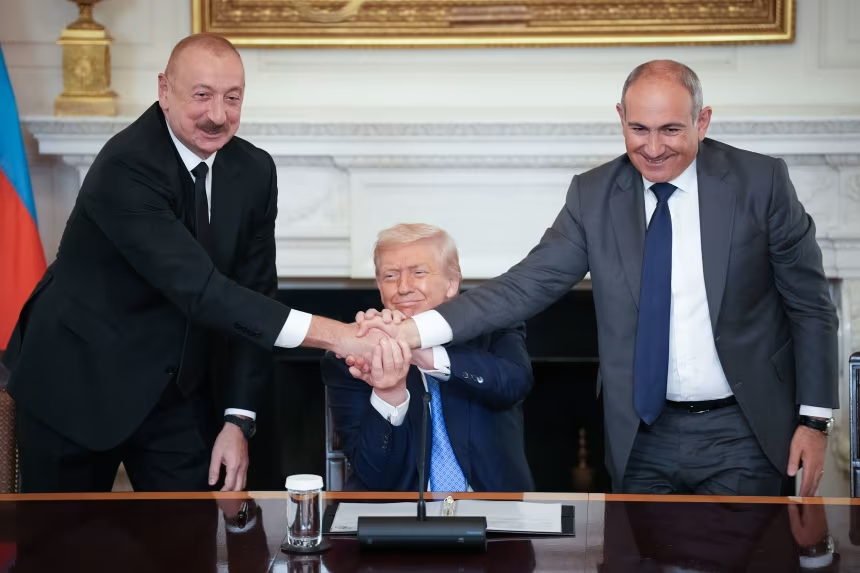
Trump clinches Armenia-Azerbaijan deal — along with some personal branding and more Nobel Peace Price talk
Entities mentioned:
- Donald Trump: Recognition, Legacy, Power
- Nikol Pashinyan: Peace, Unity, Economic development
- Ilham Aliyev: Peace, Unity, Economic development
- Barack Obama: Legacy, Recognition
- Vladimir Putin: Power, Control, Influence
Article Assessment:
Credibility Score: 65/100
Bias Rating: 55/100 (Center)
Sentiment Score: 70/100
Authoritarianism Risk: 45/100 (Mixed/Neutral)
Bias Analysis:
The article presents a mix of factual reporting and subjective interpretation. While it covers the main points of the agreement, it also focuses heavily on Trump's personal motivations and branding efforts, suggesting a slight center-right lean.
Key metric: US Global Influence
As a social scientist, I analyze that this article highlights a significant shift in US foreign policy and global influence. The Armenia-Azerbaijan deal brokered by Trump demonstrates an expansion of US economic and political influence in the South Caucasus region. This agreement, coupled with other diplomatic efforts mentioned, suggests a more transactional approach to foreign policy, where economic incentives and personal branding are used as tools for conflict resolution. The naming of the corridor after Trump and the Nobel Peace Prize discussions indicate a strong emphasis on personal legacy-building within diplomatic efforts. This approach may have short-term benefits in conflict resolution but could potentially undermine long-term diplomatic norms and institutions, as evidenced by the disbanding of the Minsk Group.
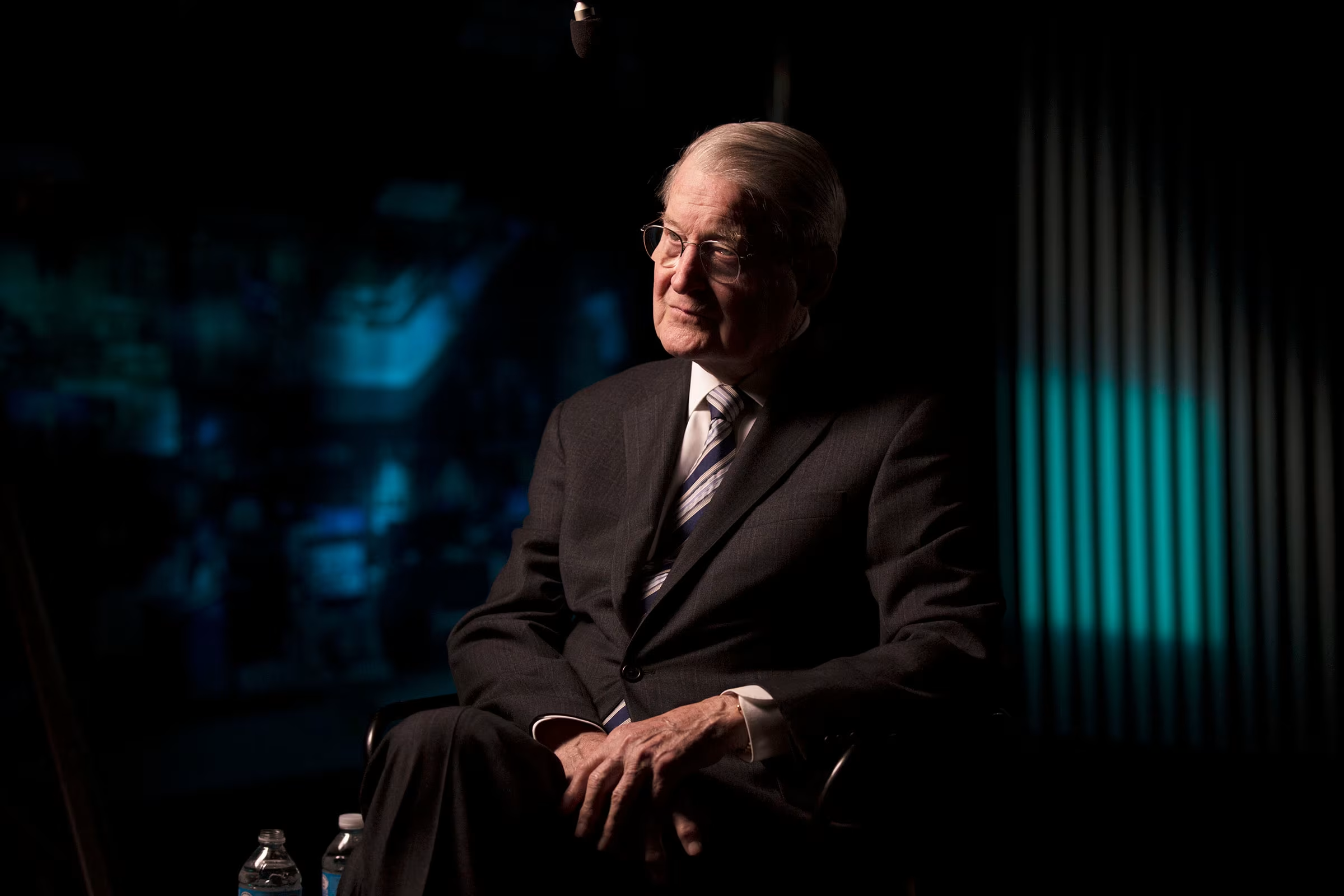
William Webster, former head of FBI and CIA, dies
Entities mentioned:
- William Webster: Duty, Professional pride, Integrity
- FBI: Reputation, Security, Justice
- CIA: Security, Control, Influence
- Jimmy Carter: Leadership, Reform, Legacy
- J. Edgar Hoover: Power, Control, Legacy
- Ronald Reagan: Leadership, Security, Legacy
- Christopher Wray: Professional pride, Duty, Integrity
- Donald Trump: Power, Control, Influence
Article Assessment:
Credibility Score: 85/100
Bias Rating: 45/100 (Center)
Sentiment Score: 65/100
Authoritarianism Risk: 20/100 (Strongly Democratic)
Bias Analysis:
The article presents a balanced view of Webster's career, citing both Republican and Democratic administrations. While largely positive, it includes critical context about the agencies he led, maintaining a centrist perspective.
Key metric: Public Trust in Government Institutions
As a social scientist, I analyze that William Webster's career significantly impacted public trust in key U.S. government institutions, particularly the FBI and CIA. His leadership focused on restoring integrity and public confidence in these agencies after periods of controversy. Webster's emphasis on professionalism, adherence to the rule of law, and transparency helped rebuild the reputation of both the FBI and CIA during critical periods of transition. His long-standing commitment to public service and his ability to lead effectively across multiple administrations underscore the importance of non-partisan, principled leadership in maintaining public trust. The article's portrayal of Webster as a figure respected across political lines suggests that his approach to governance and institutional management could serve as a model for rebuilding trust in government institutions in an era of increasing polarization.