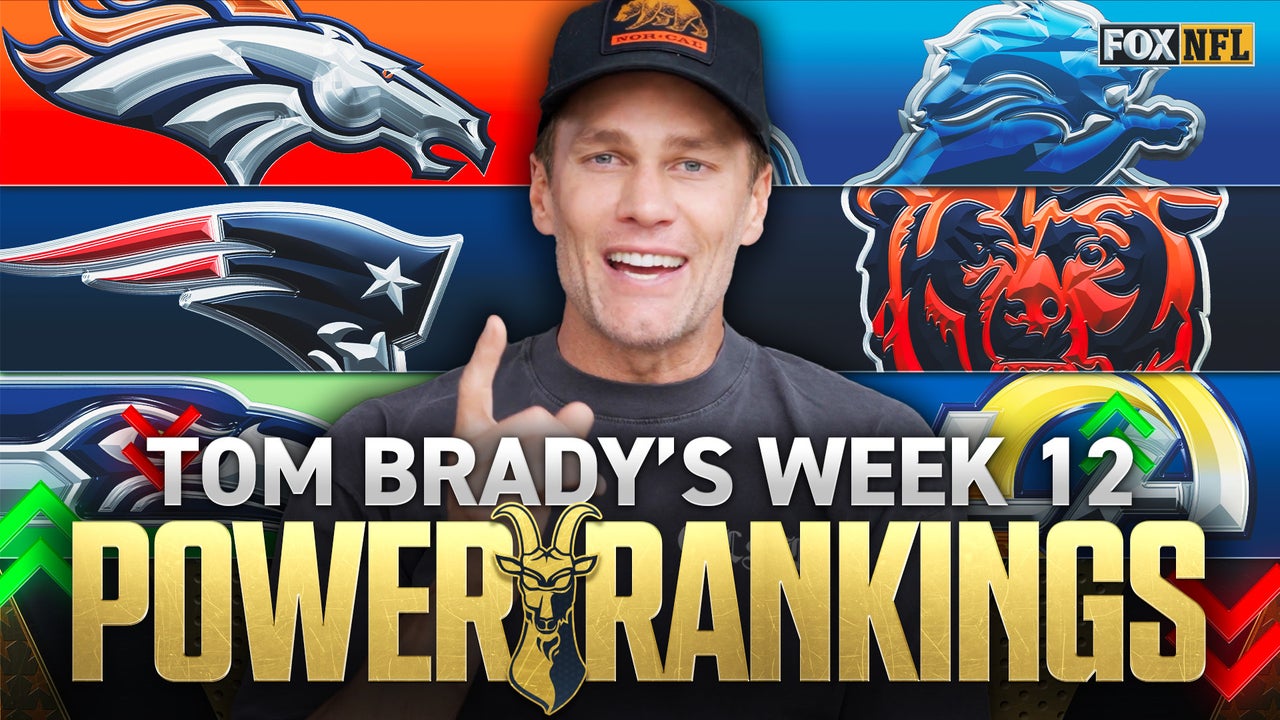
Tom Brady's NFL Power Rankings: NFC North Dominates, Pats Receive Highest Ranking Yet
Entities mentioned:
- Tom Brady: Professional pride, Competitive spirit, Influence
- NFC North Teams: Ambition, Competitive spirit, Recognition
- Chicago Bears: Ambition, Pride, Competitive spirit
- Los Angeles Rams: Ambition, Recognition, Competitive spirit
- New England Patriots: Determination, Competitive spirit, Legacy
Article Assessment:
Credibility Score: 75/100
Bias Rating: 45/100 (Center)
Sentiment Score: 70/100
Authoritarianism Risk: 20/100 (Strongly Democratic)
Bias Analysis:
The article presents a balanced view of multiple teams, giving credit where due. Tom Brady's personal opinions are clearly labeled as such, maintaining overall neutrality.
Key metric: NFL Team Performance
Let me tell you something - this power ranking is a GAME-CHANGER! The NFC North is bringing their A-game, folks, with three teams in the top 10. It's like they're running a full-court press on the rest of the league! The Bears are roaring at the top of their division, showing that championship mentality. But don't count out the Packers and Lions - they're going head-to-head on Thanksgiving in what's sure to be a gridiron grudge match! Meanwhile, the Rams are making power moves, folks. They've stepped up to the plate and knocked it out of the park, claiming that coveted #1 spot. But here's the million-dollar question: Are they peaking too early? In this league, timing is everything! And let's not forget about the Patriots - they're showing that fourth-quarter resilience, climbing the ranks despite a tough matchup. This is RIDICULOUS, folks! The playoff picture is shaping up, and it's anybody's game!

QB Stock Market Week 13: Drake Maye is Taking All the Right Risks and Jalen Hurts Isn't
Entities mentioned:
- Drake Maye: Ambition, Competitive spirit, Determination
- Jalen Hurts: Competitive spirit, Self-preservation, Professional pride
- J.J. McCarthy: Determination, Self-respect, Anxiety
- Dak Prescott: Competitive spirit, Ambition, Recognition
- Josh Allen: Competitive spirit, Pride, Determination
- Patrick Mahomes: Competitive spirit, Legacy, Professional pride
Article Assessment:
Credibility Score: 75/100
Bias Rating: 50/100 (Center)
Sentiment Score: 55/100
Authoritarianism Risk: 20/100 (Strongly Democratic)
Bias Analysis:
The article presents a balanced view of multiple quarterbacks, offering both praise and criticism. It relies on statistics and expert analysis without favoring particular teams or players.
Key metric: NFL Quarterback Performance
Let me tell you something - this QB showdown is HEATING UP! We're in the fourth quarter of the season, folks, and these signal-callers are either stepping up to the plate or striking out! Drake Maye is showing a championship mentality, taking calculated risks like a seasoned veteran. Meanwhile, Jalen Hurts needs to break out of his conservative playbook if he wants to avoid fumbling away the Eagles' lead. J.J. McCarthy is in danger of riding the bench if he can't turn things around - he's putting up rookie numbers in a league that demands MVP performances. Dak Prescott and the Cowboys are mounting a comeback for the ages, but they're still facing a fourth and long situation to make the playoffs. Josh Allen's offensive line is letting him get sacked more times than a tackling dummy - they need to protect their franchise player or kiss their Super Bowl dreams goodbye! This is crunch time, people, and these QBs need to show us if they have the clutch gene or if they'll choke under pressure!
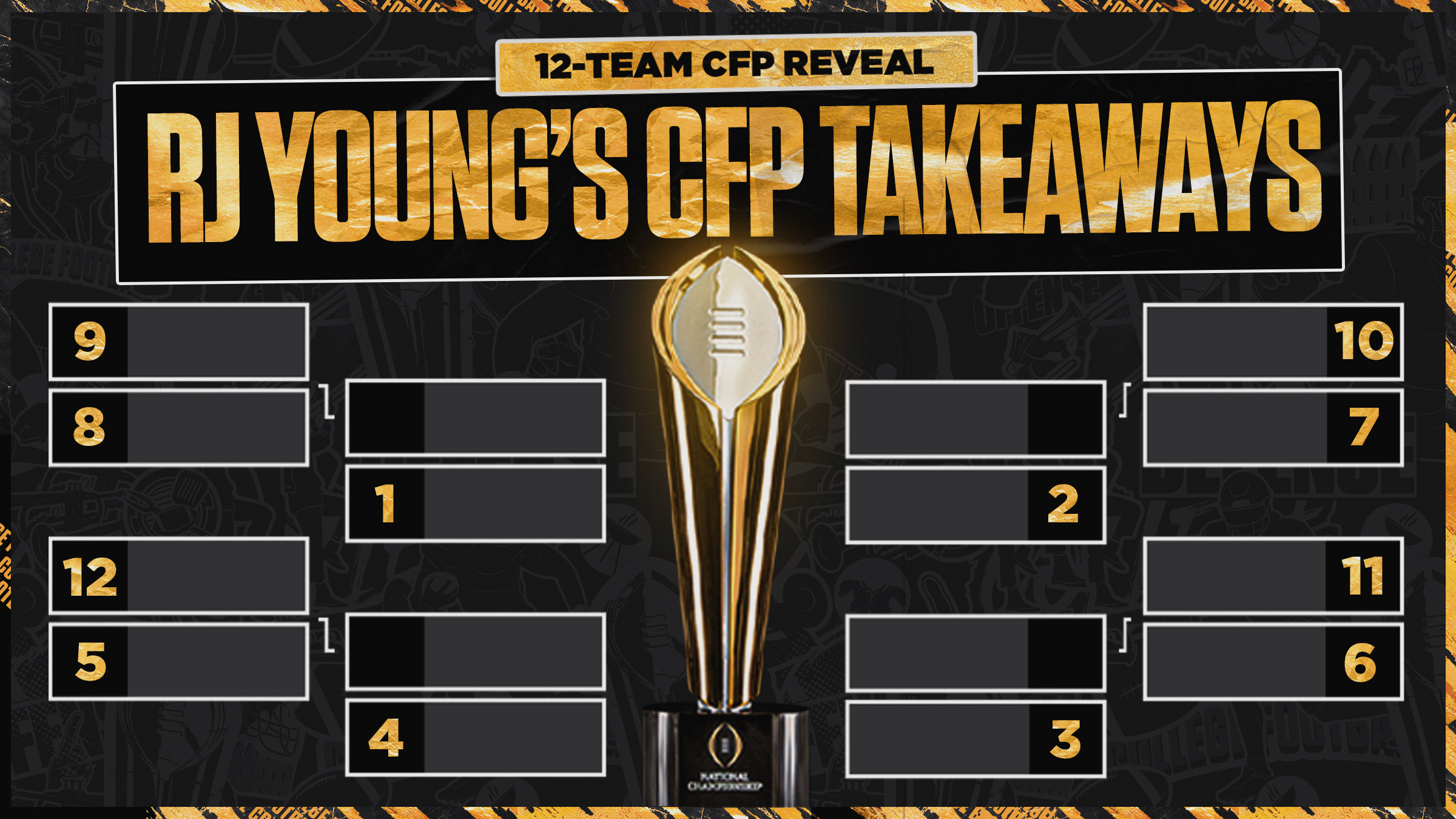
4 Takeaways From the Fourth CFP Rankings Release of 2025
Entities mentioned:
- College Football Playoff Committee: Power, Control, Influence
- Michigan Wolverines: Competitive spirit, Determination, Recognition
- Ohio State Buckeyes: Competitive spirit, Pride, Legacy
- Hunter Yurachek: Duty, Influence, Professional pride
Article Assessment:
Credibility Score: 70/100
Bias Rating: 50/100 (Center)
Sentiment Score: 45/100
Authoritarianism Risk: 35/100 (Generally Democratic)
Bias Analysis:
The article presents multiple viewpoints and criticizes the committee's decisions, showing a relatively balanced approach. However, there's a slight lean towards supporting on-field results over committee rankings.
Key metric: College Football Playoff Rankings
Let me tell you something - this CFP ranking release is a GAME-CHANGER! The committee is playing 4D chess while some teams are stuck playing checkers. Michigan is in the red zone, folks, with a clear path to the end zone if they can just punch it in against Ohio State. But hold onto your helmets, because we've got a RIDICULOUS situation brewing! The committee is calling audibles left and right, completely ignoring head-to-head results like they're yesterday's game tape. It's fourth and long for the ACC, and they're running out of timeouts to make a playoff push. This is the kind of high-stakes action that separates the champions from the also-rans!
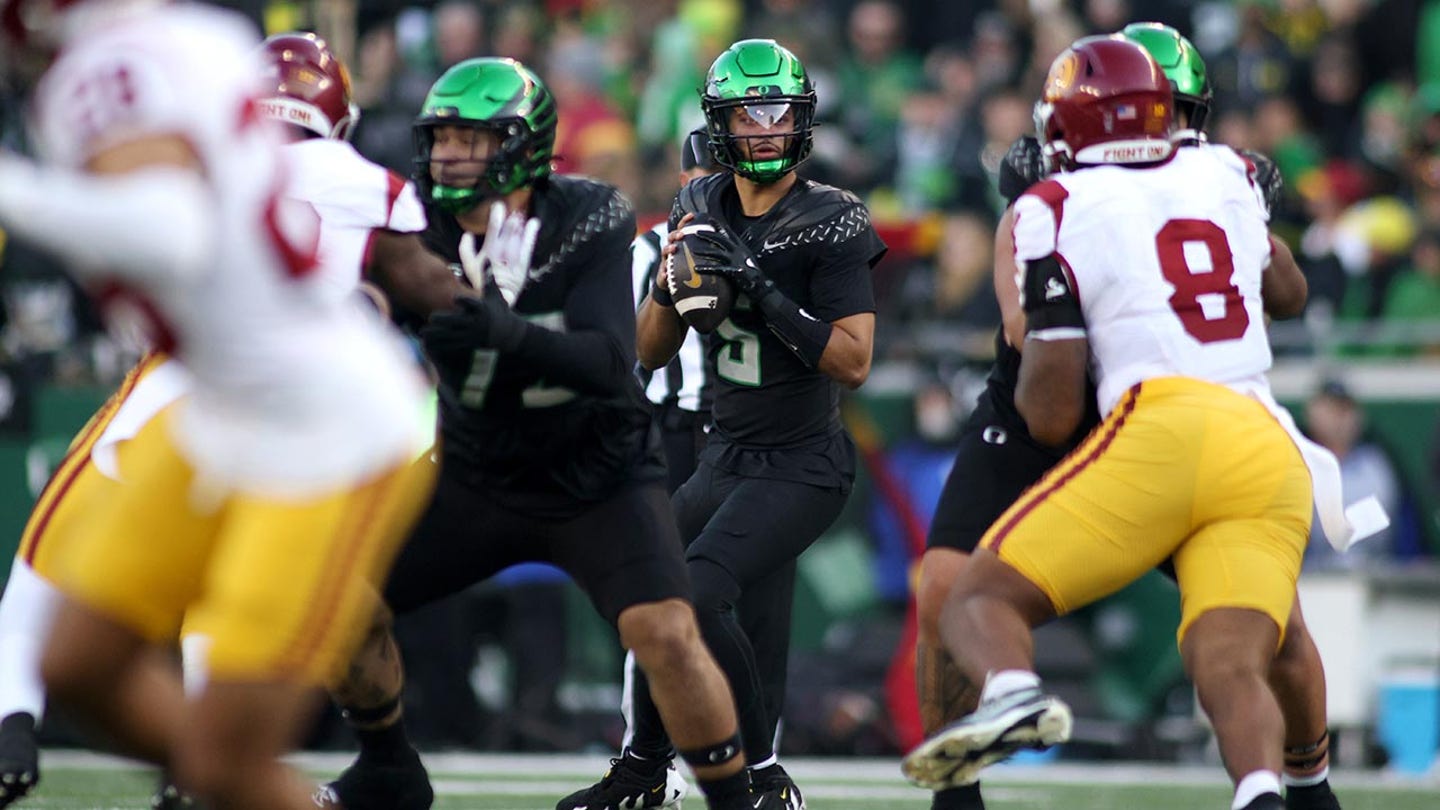
College Football Playoff rankings: Oregon climbs after win over USC
Entities mentioned:
- Oregon: Competitive spirit, Ambition, Recognition
- Ole Miss: Pride, Determination, Competitive spirit
- Ohio State: Ambition, Competitive spirit, Legacy
- College Football Playoff Committee: Duty, Fairness, Influence
Article Assessment:
Credibility Score: 85/100
Bias Rating: 50/100 (Center)
Sentiment Score: 65/100
Authoritarianism Risk: 20/100 (Strongly Democratic)
Bias Analysis:
The article presents a straightforward account of the rankings with minimal editorializing. It relies on official rankings and factual game outcomes, maintaining a neutral stance on team performances.
Key metric: College Football Playoff Rankings
Let me tell you something - this College Football Playoff race is HEATING UP like a fourth-quarter showdown! The Oregon Ducks are making POWER MOVES, folks, leapfrogging Ole Miss in a classic display of championship mentality. It's crunch time, and these teams are STEPPING UP TO THE PLATE! Ohio State is holding onto that coveted top seed like a running back clutching the ball, but Indiana's nipping at their heels in a true Cinderella story. We're seeing GAME-CHANGING PLAYS as we head into the final stretch, with every yard gained or lost potentially deciding who makes it to the big dance. This is what college football is all about - the thrill of competition, the agony of defeat, and the sweet taste of victory! Buckle up, sports fans, because we're in for a WILD RIDE to the finish line!
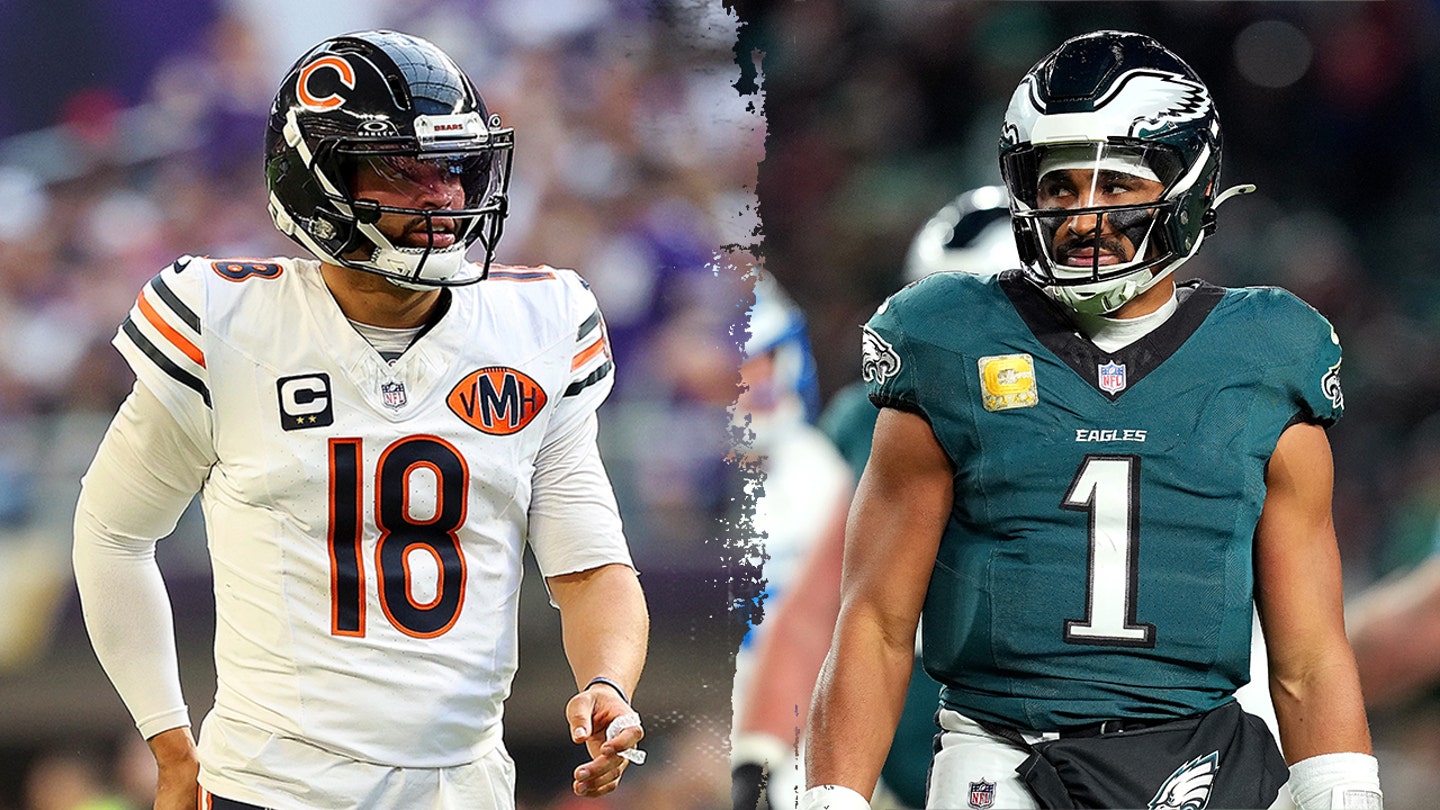
Bears, Eagles to clash in high-stakes Black Friday showdown
Entities mentioned:
- Chicago Bears: Competitive spirit, Ambition, Professional pride
- Philadelphia Eagles: Competitive spirit, Determination, Redemption
- Ben Johnson: Ambition, Professional pride, Legacy
- Caleb Williams: Ambition, Professional pride, Recognition
- Saquon Barkley: Redemption, Professional pride, Competitive spirit
- Vic Fangio: Professional pride, Competitive spirit, Recognition
Article Assessment:
Credibility Score: 85/100
Bias Rating: 50/100 (Center)
Sentiment Score: 70/100
Authoritarianism Risk: 15/100 (Strongly Democratic)
Bias Analysis:
The article presents a balanced view of both teams, highlighting strengths and weaknesses. It relies on factual game statistics and doesn't favor one team over the other in its reporting.
Key metric: NFL Playoff Standings
Let me tell you something - this Black Friday showdown is going to be an ABSOLUTE BARNBURNER! The Bears and Eagles are stepping up to the plate in a crucial fourth-quarter move that could make or break their playoff dreams. Both teams are bringing their A-game with an 8-3 record, but only one can emerge victorious in this high-stakes gridiron clash. The Bears are riding a hot streak, showing true championship mentality with four straight wins. Rookie coach Ben Johnson has molded Caleb Williams into a dual-threat QB sensation, proving he's got the coaching chops to compete with the big boys. But don't count out the Eagles! Despite stumbling against the Cowboys, their defense is a brick wall that's been keeping them in the fight. This matchup is like a heavyweight title bout - the unstoppable force of the Bears' offense meeting the immovable object of the Eagles' defense. I'm telling you right now, this game is going to come down to who wants it more, who's got that killer instinct to push through the pain and seize glory. It's do or die time for playoff positioning, folks, and these gladiators of the gridiron are ready to leave it all on the field!
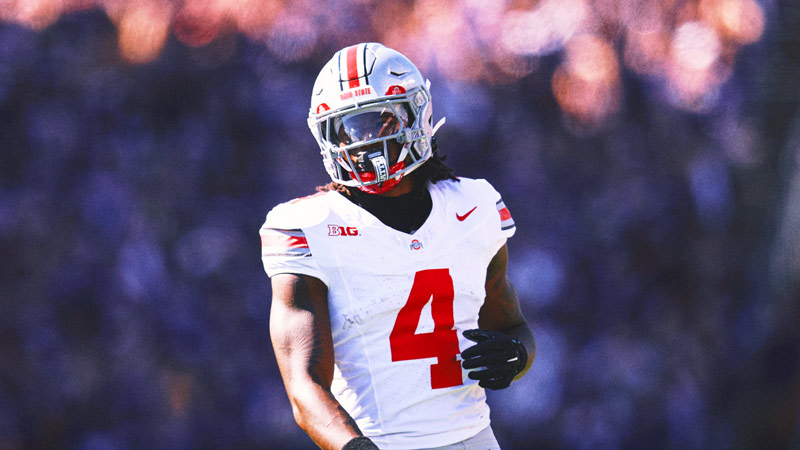
Ohio State Star Jeremiah Smith Provides Health Update for Michigan Showdown
Entities mentioned:
- Jeremiah Smith: Competitive spirit, Determination, Pride
- Ohio State: Competitive spirit, Revenge, Legacy
- Michigan: Competitive spirit, Pride, Legacy
- Ryan Day: Competitive spirit, Determination, Professional pride
Article Assessment:
Credibility Score: 75/100
Bias Rating: 55/100 (Center)
Sentiment Score: 65/100
Authoritarianism Risk: 20/100 (Strongly Democratic)
Bias Analysis:
The article presents a balanced view of both teams, with slightly more focus on Ohio State due to the injury update. It relies on direct quotes and factual game information, maintaining a relatively neutral stance.
Key metric: College Football Playoff Ranking
Let me tell you something - this story is RIDICULOUS! We've got a CHAMPIONSHIP MENTALITY brewing in Columbus as the Buckeyes gear up for their Super Bowl against Michigan! Jeremiah Smith is the X-factor, folks. This kid's got the heart of a champion, pushing through injury to step up to the plate in the biggest game of the year. Ohio State's offense is like a well-oiled machine, but without Smith, they're missing a crucial cog. Coach Day is playing 4D chess here, keeping Michigan guessing about his star receiver's status. It's fourth quarter, two-minute drill time for these players as they prepare for the clash of the titans. This rivalry is the definition of 'leave it all on the field' and I'm telling you right now, Smith's determination to suit up could be the game-changer that finally gets Ohio State over the hump against their bitter rivals. It's do or die time in the Big Ten, and the Buckeyes are showing that true competitors rise to the occasion!
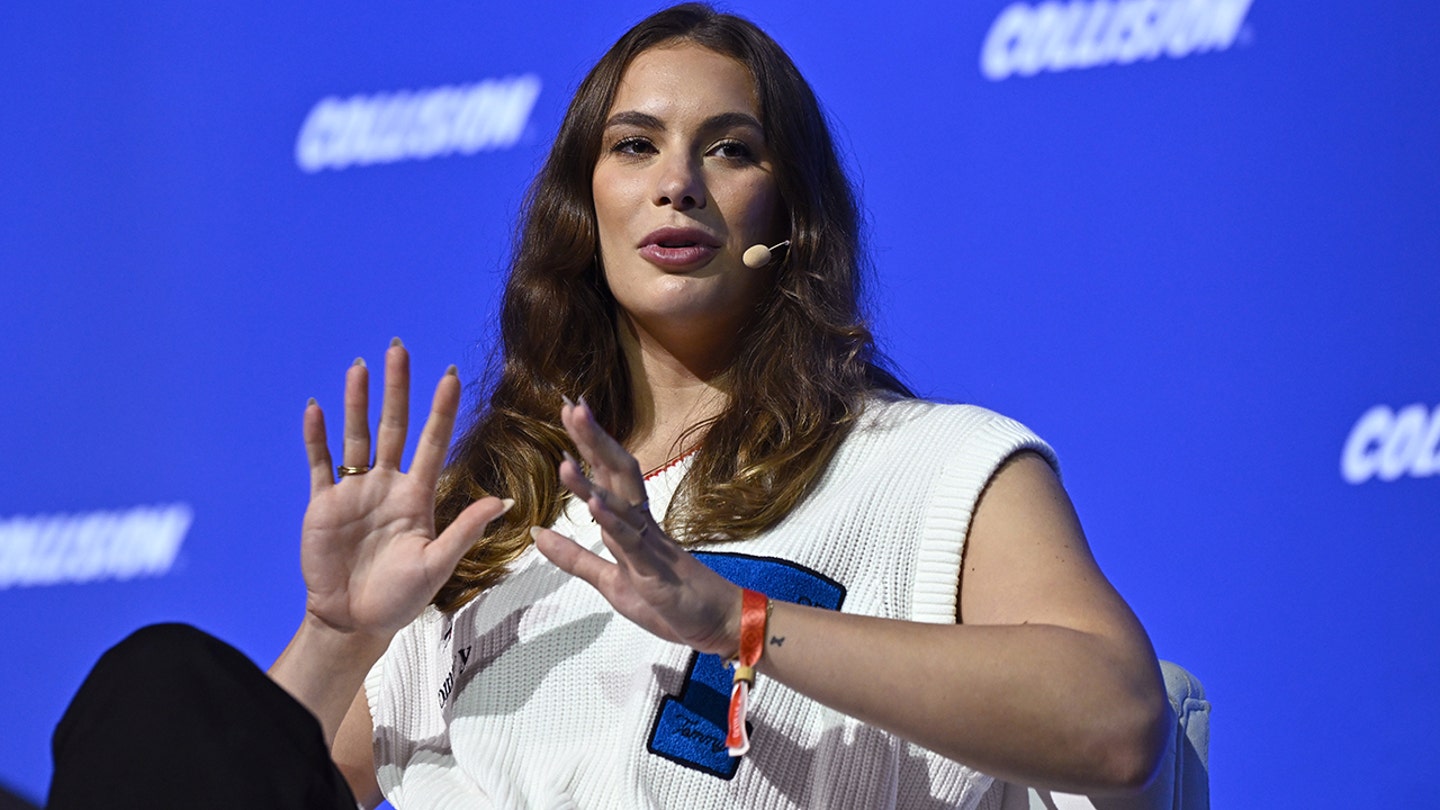
Canada's most decorated female Olympian suspended 2 years for violating anti-doping rule
Entities mentioned:
- Penny Oleksiak: Pride, Legacy, Self-preservation
- International Testing Agency: Justice, Duty, Professional pride
- Swimming Canada: Integrity, Competitive spirit, Duty
Article Assessment:
Credibility Score: 75/100
Bias Rating: 50/100 (Center)
Sentiment Score: 30/100
Authoritarianism Risk: 35/100 (Generally Democratic)
Bias Analysis:
The article presents a balanced view, quoting both officials and the athlete. It provides factual information without leaning towards defending or condemning Oleksiak.
Key metric: Olympic Medal Count
Ladies and gentlemen, we've got a BOMBSHELL in the pool! Canada's golden girl, Penny Oleksiak, has been hit with a TWO-YEAR SUSPENSION! This is like watching your star quarterback get benched right before the Super Bowl! Oleksiak, the Michael Jordan of Canadian swimming, has committed three whereabouts failures - that's like missing three crucial practices before the big game, folks! The International Testing Agency isn't pulling any punches here, they're playing hardball to keep the sport clean. Swimming Canada is standing on the sidelines, hoping their MVP can make a comeback for the 2028 Olympics. But let me tell you something - this is a GAME-CHANGER for Canada's medal hopes! Oleksiak's absence is like losing your cleanup hitter in the World Series. The clock is ticking, and we'll have to see if she can stage a fourth-quarter comeback when her suspension ends. This is the kind of setback that separates the champions from the also-rans, folks. It's crunch time for Oleksiak and Canadian swimming!
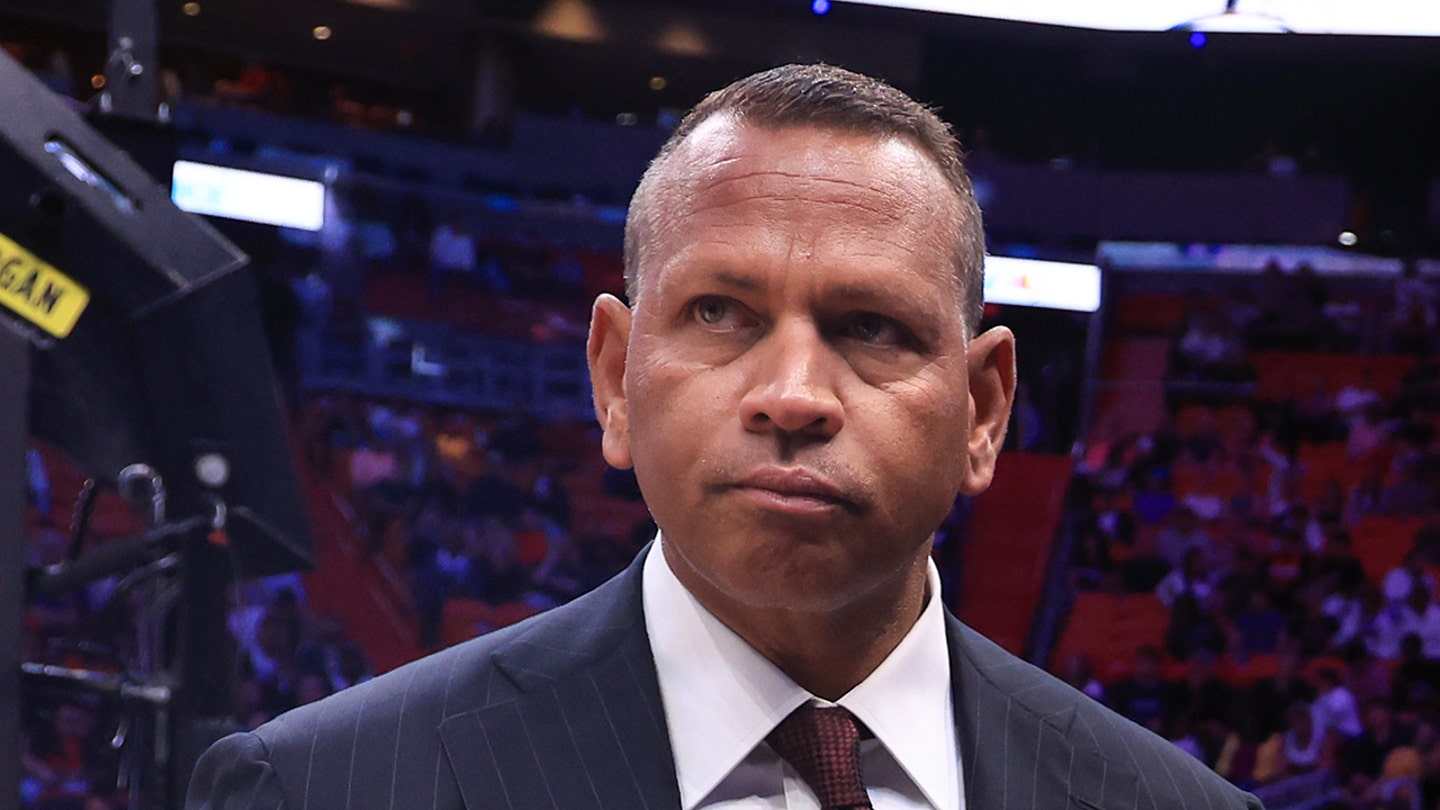
Alex Rodriguez calls out Baseball Hall of Fame's 'hypocrisy' over Bud Selig's induction after steroid era
Entities mentioned:
- Alex Rodriguez: Justice, Recognition, Indignation
- Baseball Hall of Fame: Legacy, Control, Righteousness
- Bud Selig: Legacy, Power, Self-preservation
- Major League Baseball: Control, Professional pride, Self-preservation
Article Assessment:
Credibility Score: 75/100
Bias Rating: 55/100 (Center)
Sentiment Score: 35/100
Authoritarianism Risk: 30/100 (Generally Democratic)
Bias Analysis:
The article presents both A-Rod's perspective and contextual information about the steroid era. It maintains a relatively balanced approach, offering facts about various players and MLB's history with PEDs.
Key metric: MLB Player Integrity and Hall of Fame Induction Rates
Let me tell you something, folks - this is a GAME-CHANGING play in the world of baseball! A-Rod is stepping up to the plate and taking a BIG SWING at the Hall of Fame's credibility. It's like he's calling for instant replay on Bud Selig's induction! The steroid era was the ultimate curveball for baseball, and now A-Rod is accusing the Hall of making an error on the play. This is the kind of fourth-quarter strategy that could rewrite the rulebook on how we view baseball's history. I'm telling you right now, this could be a watershed moment that changes the game forever. It's like A-Rod is trying to rally the team in the bottom of the ninth, but will the umpires - I mean voters - make the call in his favor? This is high-stakes baseball politics, and every player in this game is swinging for the fences!

Shedeur Sanders is the 'most powerful Black man' since Obama took office, NBA champ says
Entities mentioned:
- Shedeur Sanders: Competitive spirit, Recognition, Influence
- Kendrick Perkins: Enthusiasm, Recognition, Influence
- Barack Obama: Influence, Legacy, Power
- Cleveland Browns: Competitive spirit, Ambition, Recognition
Article Assessment:
Credibility Score: 55/100
Bias Rating: 40/100 (Lean Left)
Sentiment Score: 75/100
Authoritarianism Risk: 20/100 (Strongly Democratic)
Bias Analysis:
The article leans left due to its focus on race and the positive comparison to Obama. It relies heavily on opinion rather than factual analysis of Sanders' on-field performance.
Key metric: NFL Rookie Quarterback Performance
Let me tell you something - this story is RIDICULOUS! Shedeur Sanders is stepping up to the plate in a big way, folks! We're talking about a rookie quarterback who's not just playing the game, he's changing the whole playbook! Kendrick Perkins is calling an audible here, comparing Sanders to Obama - that's like saying a rookie's got the impact of a Hall of Famer! The Browns have hit the jackpot with this draft pick, and Sanders is showing a championship mentality right out of the gate. He's not just winning games, he's winning hearts and minds across the nation. This isn't just a fourth-quarter move, it's a game-changer for the entire league!
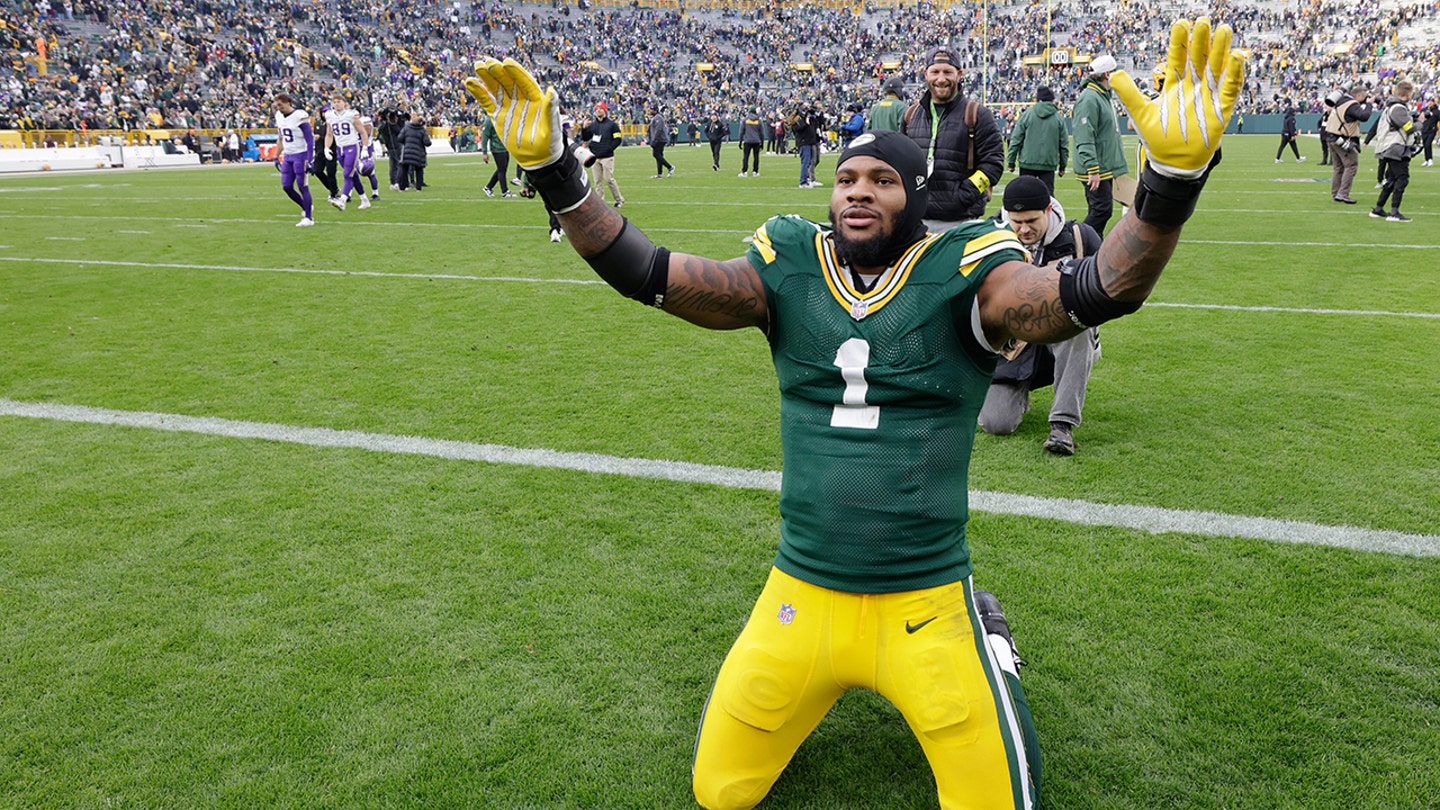
NFL Week 13 schedule: Fans get to feast on a ton of football
Entities mentioned:
- NFL: Competitive spirit, Recognition, Legacy
- Green Bay Packers: Ambition, Competitive spirit, Pride
- Detroit Lions: Determination, Competitive spirit, Recognition
- Chicago Bears: Competitive spirit, Ambition, Pride
- Kansas City Chiefs: Competitive spirit, Determination, Legacy
- Dallas Cowboys: Competitive spirit, Pride, Recognition
- Patrick Mahomes: Competitive spirit, Ambition, Legacy
- Dak Prescott: Competitive spirit, Determination, Recognition
- Cincinnati Bengals: Determination, Competitive spirit, Ambition
- Baltimore Ravens: Competitive spirit, Ambition, Pride
- Joe Burrow: Determination, Competitive spirit, Ambition
- Lamar Jackson: Competitive spirit, Ambition, Recognition
Article Assessment:
Credibility Score: 85/100
Bias Rating: 50/100 (Center)
Sentiment Score: 75/100
Authoritarianism Risk: 10/100 (Strongly Democratic)
Bias Analysis:
The article presents a neutral, fact-based overview of the upcoming NFL schedule. It doesn't favor any particular team or narrative, focusing on the competitive aspects and potential playoff implications for all teams involved.
Key metric: NFL Viewership and Engagement
Let me tell you something, folks - this Week 13 lineup is a CHAMPIONSHIP CALIBER schedule! We've got teams stepping up to the plate with playoff dreams on the line, and I'm telling you right now, this is where we separate the contenders from the pretenders! The Packers and Lions are kicking things off in a divisional slugfest that could reshape the NFC North standings. Then we've got a quarterback showdown for the ages with Mahomes and Prescott going toe-to-toe in a game that'll have fans on the edge of their seats! But don't think it stops there - Burrow's making his comeback against a red-hot Ravens squad in what could be the game of the week! This is fourth quarter football at its finest, folks, and these teams are bringing their A-game with a win-or-go-home mentality. It's do-or-die time in the NFL, and I can guarantee you, these players are HUNGRY for victory!