
How football became synonymous with Thanksgiving
Entities mentioned:
- NFL: Competitive spirit, Legacy, Influence
- Detroit Lions: Tradition, Pride, Recognition
- Dallas Cowboys: Ambition, Recognition, Legacy
- Dak Prescott: Competitive spirit, Pride, Duty
- Patrick Mahomes: Competitive spirit, Ambition, Recognition
- John Madden: Enthusiasm, Legacy, Influence
Article Assessment:
Credibility Score: 85/100
Bias Rating: 50/100 (Center)
Sentiment Score: 75/100
Authoritarianism Risk: 20/100 (Strongly Democratic)
Bias Analysis:
The article presents a balanced view of the Thanksgiving football tradition, including its history and cultural impact. It doesn't lean towards promoting or criticizing the practice, maintaining a neutral stance.
Key metric: TV Viewership Ratings
Let me tell you something - this story is HUGE! The NFL has been running the Thanksgiving playbook for nearly a century, and it's a game-winning strategy! We're talking about a TRIPLE HEADER of gridiron action that's become as much a part of Turkey Day as the bird itself! The Lions and Cowboys? They're the seasoned veterans of this holiday classic, stepping up to the plate year after year. But make no mistake, folks - this isn't just about tradition, it's about DOMINATING the ratings game! The league has turned Thanksgiving into its own personal Super Bowl of viewership, with families across America huddled around the TV from kickoff to final whistle. It's a MASTERSTROKE of scheduling that would make any coach proud. And let's not forget the players - they're not just competing for wins, they're battling for a place in holiday HISTORY! This is their chance to become legends, to have their names etched in the memories of fans alongside turkey and pumpkin pie. The NFL has created a DYNASTY of holiday entertainment, and I'm telling you right now, they're showing no signs of slowing down. This is championship-level programming, folks, and it's RIDICULOUSLY successful!
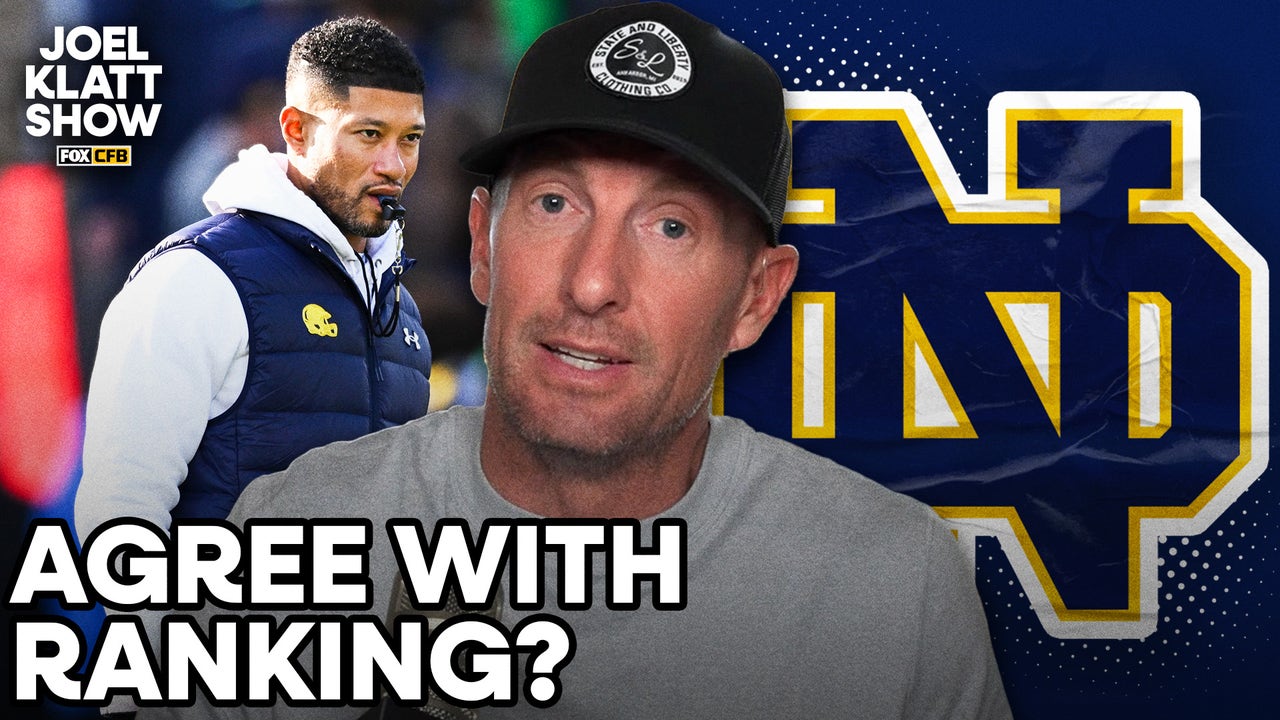
Joel Klatt: Ranking Notre Dame Over Alabama and Miami Could Be 'Problematic'
Entities mentioned:
- Joel Klatt: Professional pride, Righteousness, Influence
- College Football Playoff committee: Power, Control, Influence
- Notre Dame: Competitive spirit, Ambition, Recognition
- Alabama: Competitive spirit, Pride, Legacy
- Miami: Competitive spirit, Determination, Revenge
Article Assessment:
Credibility Score: 75/100
Bias Rating: 55/100 (Center)
Sentiment Score: 40/100
Authoritarianism Risk: 35/100 (Generally Democratic)
Bias Analysis:
The article presents multiple viewpoints and relies on expert analysis. While it leans slightly towards questioning the committee's decision, it still presents the rationale behind the rankings.
Key metric: College Football Playoff Rankings
Let me tell you something - this playoff ranking situation is a TOTAL GAME-CHANGER! The College Football Playoff committee is making a BOLD MOVE by ranking Notre Dame ahead of powerhouses like Alabama and Miami. It's like they're calling an audible in the fourth quarter that could change the entire landscape of college football! The Fighting Irish are coming in hot, folks, with a nine-game winning streak that's got them looking like championship contenders. But hold on to your helmets, because this decision could be a MAJOR FUMBLE for the future of the sport. We're talking about potentially devaluing those crucial non-conference matchups - the very games that separate the contenders from the pretenders! This is the kind of play that could have coaches and athletic directors rethinking their whole gameplan for scheduling. It's a high-risk, high-reward strategy that could either score big or leave the committee offsides with the fans and the blue blood programs. I'm telling you right now, this is the kind of decision that could change the entire playbook of college football scheduling!
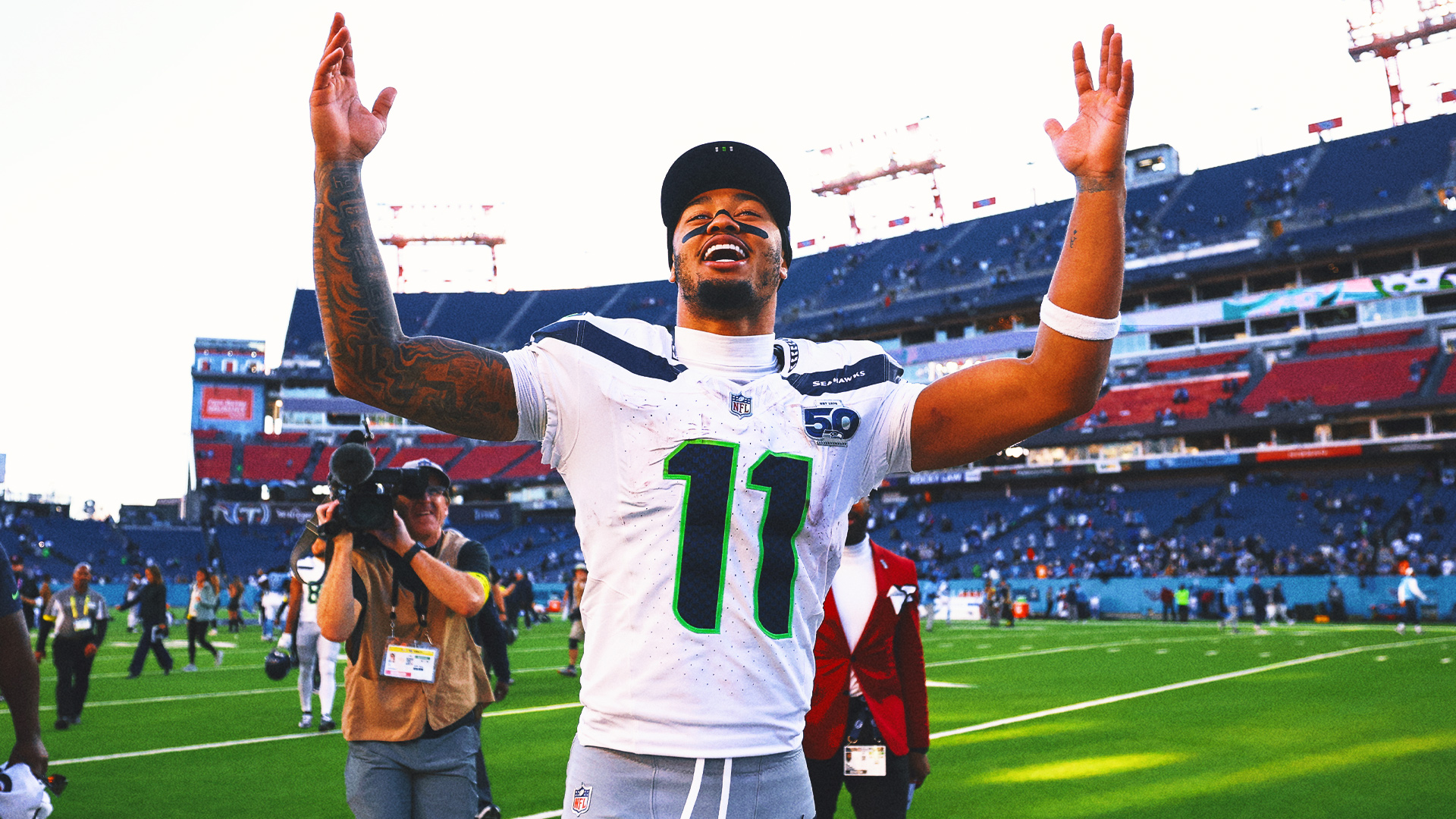
Jaxon Smith-Njigba and Myles Garrett Already Have 2 NFL Records in Jeopardy
Entities mentioned:
- Jaxon Smith-Njigba: Ambition, Competitive spirit, Recognition
- Myles Garrett: Competitive spirit, Determination, Legacy
- NFL: Professional pride, Recognition, Influence
Article Assessment:
Credibility Score: 85/100
Bias Rating: 50/100 (Center)
Sentiment Score: 75/100
Authoritarianism Risk: 20/100 (Strongly Democratic)
Bias Analysis:
The article presents factual statistics and achievements without favoring any particular team or player. It maintains a neutral tone while reporting on record-breaking performances.
Key metric: NFL Single-Season Records
Let me tell you something, folks - this is a GAME-CHANGING season we're witnessing! Smith-Njigba and Garrett are SPRINTING towards the record books like it's the final stretch of a 100-meter dash! These two players are STEPPING UP TO THE PLATE and swinging for the fences with every play. Smith-Njigba is on track to SHATTER the 2,000-yard receiving barrier - a CHAMPIONSHIP CALIBER performance that's leaving defenders in the dust! And don't even get me started on Garrett! This guy is treating quarterbacks like tackling dummies, folks! He's got a FOURTH QUARTER MENTALITY in every single game, hunting down QBs like a lion on the Serengeti! I'm telling you right now, we're watching two ALL-STAR caliber athletes rewrite the playbook on what's possible in the NFL. This is the kind of COMPETITIVE SPIRIT that separates the hall-of-famers from the bench-warmers!

FOX Super 6 Contest: Geoff Schwartz's College Football Week 14 Picks, Predictions
Entities mentioned:
- Geoff Schwartz: Professional pride, Influence, Recognition
- FOX Super 6: Competitive spirit, Ambition, Influence
- Julian Sayin: Ambition, Competitive spirit, Recognition
- USC Trojans: Competitive spirit, Pride, Legacy
- Michigan Wolverines: Competitive spirit, Pride, Determination
- Ohio State Buckeyes: Competitive spirit, Pride, Revenge
Article Assessment:
Credibility Score: 75/100
Bias Rating: 55/100 (Center)
Sentiment Score: 75/100
Authoritarianism Risk: 20/100 (Strongly Democratic)
Bias Analysis:
The article leans slightly center-right due to its association with FOX Sports, but maintains a relatively neutral stance in game predictions. The focus is primarily on engagement and analysis rather than pushing a particular narrative.
Key metric: College Football Fan Engagement
Let me tell you something - this story is RIDICULOUS! FOX Super 6 is stepping up to the plate and delivering a grand slam for college football fans! They're not just watching the game, they're in the game! This is like giving every fan a chance to be the quarterback, calling the plays and potentially walking away with the trophy - cold hard cash! It's a fourth-quarter move that's changing the whole ballgame of fan interaction. And let's talk about these matchups - we've got heavyweight title fights all over the field! The USC Trojans are looking to deliver a knockout punch to UCLA, while the Ohio State-Michigan rivalry is shaping up to be the Super Bowl of college football! Geoff Schwartz is playing coach here, breaking down the X's and O's for the fans. This isn't just analysis, folks - this is a championship mentality bringing the locker room talk right to the fans' fingertips!
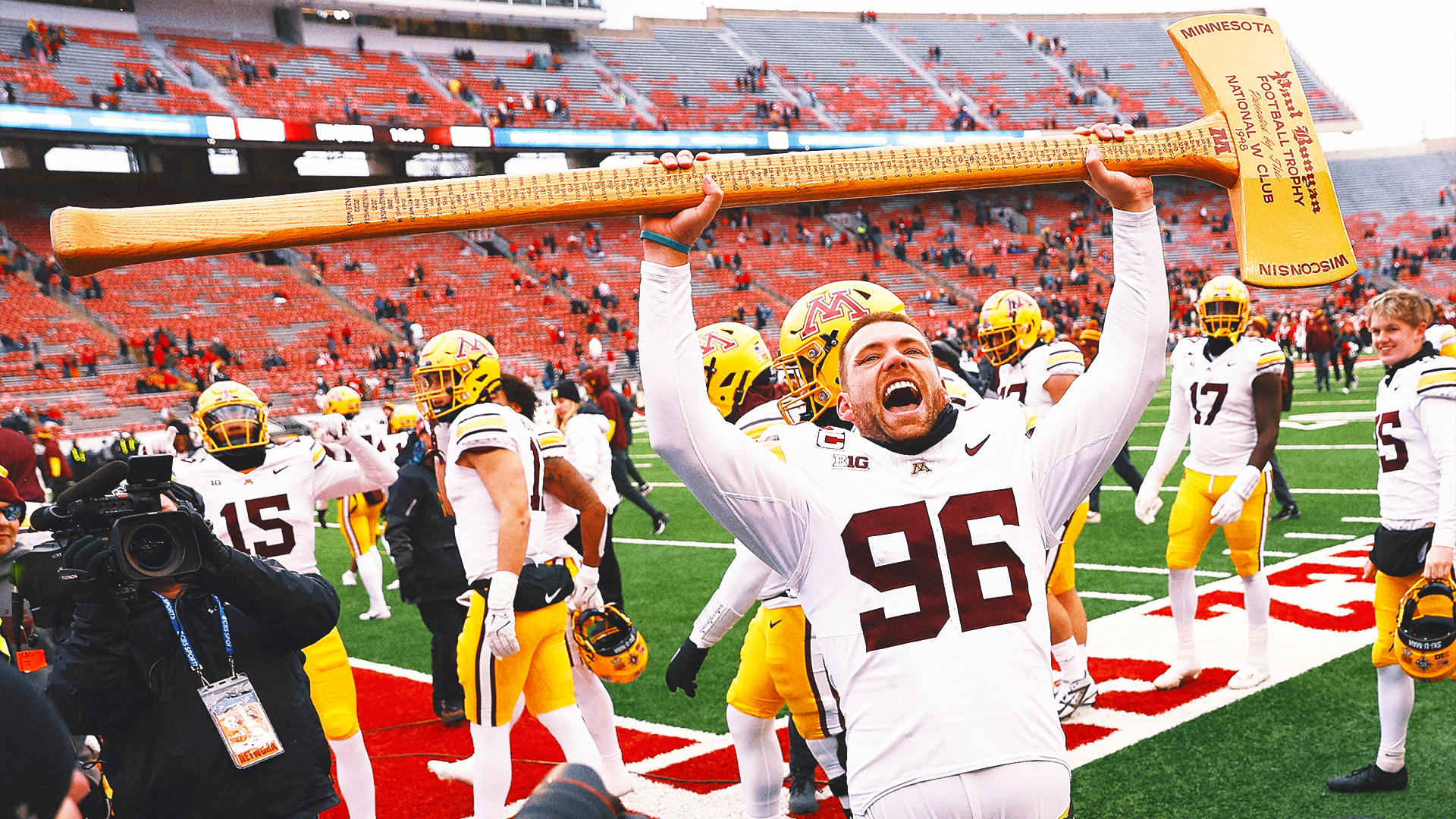
An Axe, a Bucket and a Cannon? Meet the Rivalry Trophies of College Football
Entities mentioned:
- Minnesota Gophers: Competitive spirit, Pride, Legacy
- Wisconsin Badgers: Competitive spirit, Pride, Legacy
- Big Ten Conference: Tradition, Recognition, Unity
- NCAA: Duty, Control, Recognition
Article Assessment:
Credibility Score: 85/100
Bias Rating: 50/100 (Center)
Sentiment Score: 75/100
Authoritarianism Risk: 20/100 (Strongly Democratic)
Bias Analysis:
The article presents a balanced view of multiple college football rivalries and their trophies. It doesn't favor any particular team or conference, providing historical context for various traditions.
Key metric: College Football Fan Engagement
Let me tell you something - this rivalry game is the SUPER BOWL of college football traditions! The Gophers and Badgers are stepping up to the plate for the 135th time, folks, in a series that's deadlocked at 63-63-8. This is the championship round of collegiate grudge matches! Paul Bunyan's Axe isn't just a trophy, it's the Lombardi Trophy of the North! When that final whistle blows, you better believe these players will be sprinting like it's the 100-meter dash at the Olympics to get their hands on that six-foot shaft of glory! This isn't just a game, it's a full-contact history lesson with more tradition than the World Series! The Big Ten is the major leagues of rivalry trophies, from the Little Brown Jug to Floyd of Rosedale. These aren't just pieces of hardware, they're the championship rings of collegiate lore! I'm telling you right now, this is what college football is all about - the passion, the pageantry, the pigskin relics that make every matchup feel like the Final Four!
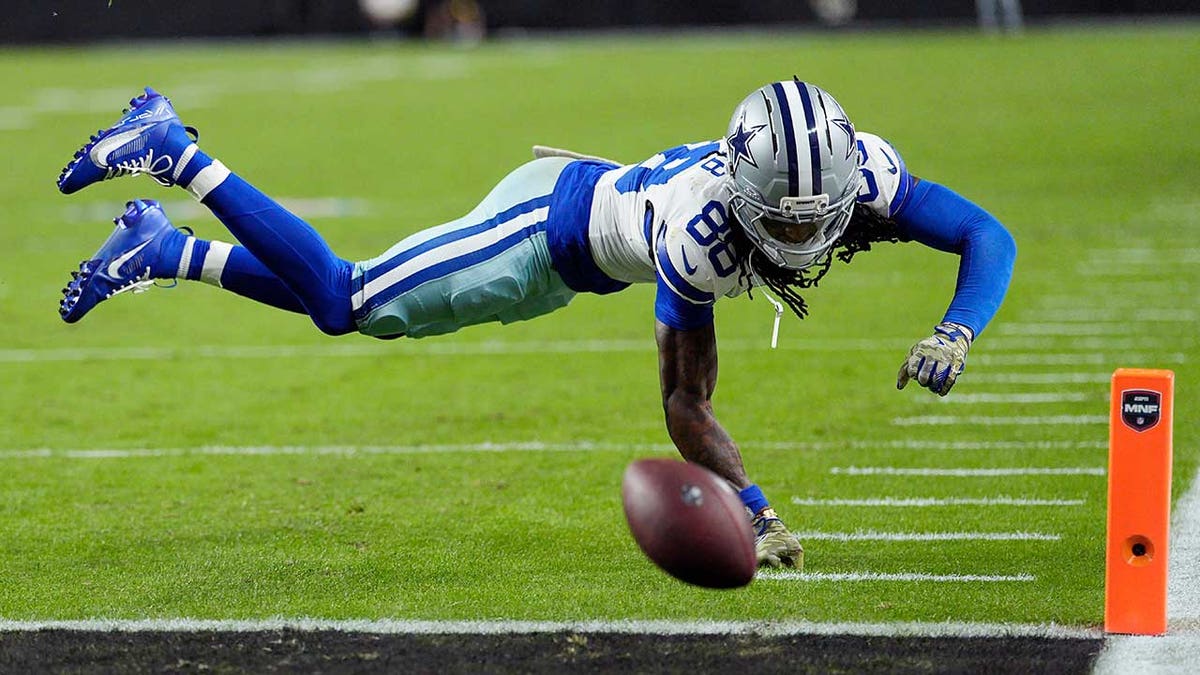
Dak Prescott predicts 'huge game' for CeeDee Lamb in Cowboys' Thanksgiving game after recent drops
Entities mentioned:
- Dak Prescott: Competitive spirit, Loyalty, Determination
- CeeDee Lamb: Redemption, Professional pride, Ambition
- Dallas Cowboys: Competitive spirit, Legacy, Unity
- Brian Schottenheimer: Confidence, Professional pride, Loyalty
Article Assessment:
Credibility Score: 75/100
Bias Rating: 50/100 (Center)
Sentiment Score: 65/100
Authoritarianism Risk: 20/100 (Strongly Democratic)
Bias Analysis:
The article presents a balanced view, quoting both the quarterback and coach. It provides context with statistics and past performance, showing no clear partisan leaning.
Key metric: NFL Offensive Production
Let me tell you something, folks - this is the FOURTH QUARTER for CeeDee Lamb's redemption arc! After fumbling the ball with those crucial drops, Prescott is calling an audible and predicting a CHAMPIONSHIP PERFORMANCE from his star receiver. This is the kind of CLUTCH MENTALITY that separates the pros from the amateurs! Lamb's been running routes all over the field, and he's just yards away from joining the 7,000-yard club - talk about a HALL OF FAME trajectory! The Cowboys are drawing up the perfect play to get Lamb back in the end zone, and I'm telling you right now, this Thanksgiving showdown against the Chiefs is going to be Lamb's time to SHINE or RIDE THE BENCH. It's do or die, and the Cowboys are betting big on their wide receiver to step up to the plate and knock it out of the park!
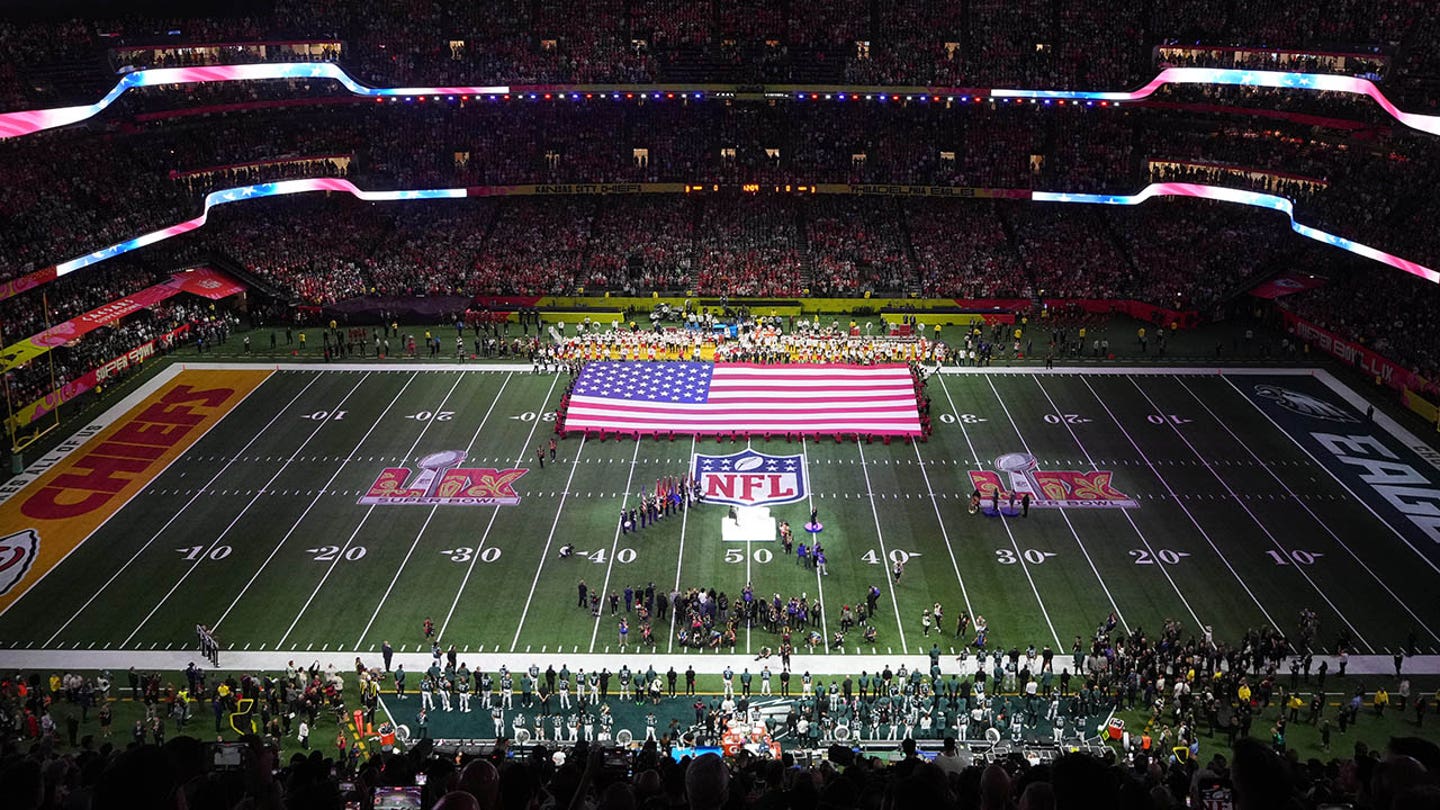
NFL to honor America's 250th birthday with special tributes once calendar flips to 2026
Entities mentioned:
- National Football League: Pride, Patriotism, Unity
- Roger Goodell: Legacy, Influence, Professional pride
- White House: Unity, Patriotism, Legacy
- Donald Trump: Recognition, Legacy, Pride
Article Assessment:
Credibility Score: 75/100
Bias Rating: 55/100 (Center)
Sentiment Score: 75/100
Authoritarianism Risk: 35/100 (Generally Democratic)
Bias Analysis:
The article presents a straightforward account of the NFL's plans, with minimal editorializing. It includes quotes from official sources and details of the events, maintaining a relatively neutral stance.
Key metric: National Unity and Patriotism
Let me tell you something - this is a HUGE play by the NFL! They're stepping up to the plate and swinging for the fences with this America 250 tribute. It's like they're going for the Hail Mary pass of patriotism! The league is showing true championship mentality by teaming up with the White House for this all-American celebration. From special balls to end zone designs, they're leaving it all on the field. And don't even get me started on that UFC event at the White House - talk about a political power play! This is the kind of fourth-quarter strategy that could really unite the country's fan base. I'm telling you right now, Goodell and his team are playing offense AND defense with this move, showcasing the NFL's star-spangled spirit!
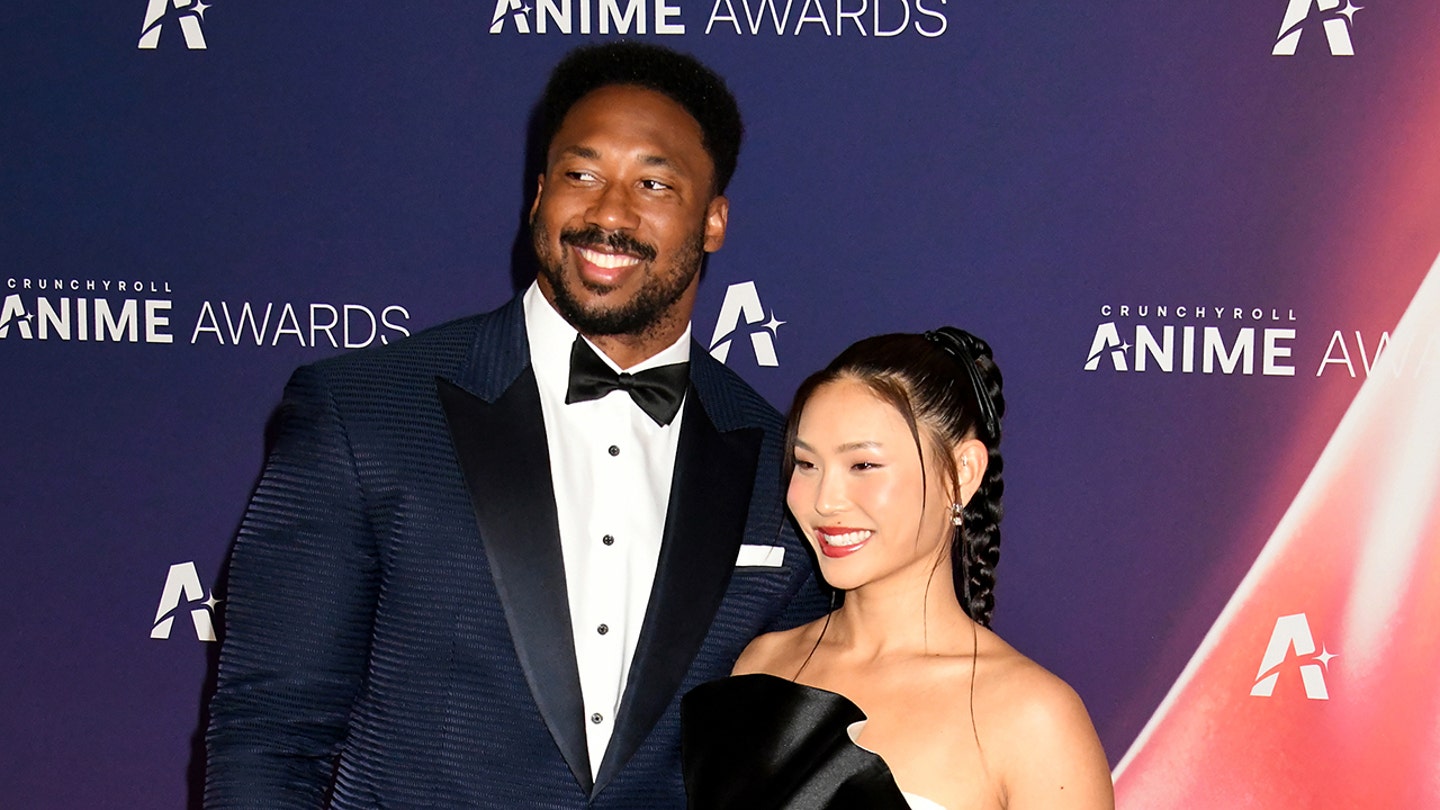
NFL star sacks dating speculation, shares pregame kiss with two-time Olympic gold medalist
Entities mentioned:
- Myles Garrett: Competitive spirit, Recognition, Professional pride
- Chloe Kim: Ambition, Competitive spirit, Legacy
- Cleveland Browns: Competitive spirit, Recognition, Pride
Article Assessment:
Credibility Score: 75/100
Bias Rating: 45/100 (Center)
Sentiment Score: 75/100
Authoritarianism Risk: 20/100 (Strongly Democratic)
Bias Analysis:
The article presents a balanced view of the relationship, focusing equally on both athletes' achievements. It avoids speculative or sensationalist language, sticking to factual reporting of public events and athletic performances.
Key metric: NFL Player Performance
Let me tell you something - this story is RIDICULOUS! We're talking about a power couple that's redefining the game both on and off the field! Myles Garrett is absolutely CRUSHING IT this season, leading the league in sacks like he's playing Madden on rookie mode! But folks, he's not just dominating the gridiron - he's scoring big in his personal life too! Teaming up with Olympic gold medalist Chloe Kim? That's like drafting the first overall pick in the relationship draft! This dynamic duo is showing us what a championship mentality looks like in every aspect of life. Garrett's recent performance? It's like he's got rocket boosters strapped to his cleats! 14 sacks in 5 games? He's treating quarterbacks like they're slalom gates on a snowboard course! And speaking of snowboarding, let's not forget Kim's back-to-back Olympic golds - she's got more hardware than a Home Depot! This power couple is operating on a whole other level, folks. It's like they've unlocked a cheat code for success both in sports and in love. I'm telling you right now, we're witnessing the formation of an athletic dynasty that could rival the Brady-Bündchen era!

Indiana's Fernando Mendoza 'definitely deserves some Heisman support,' ex-Hoosiers star says
Entities mentioned:
- Fernando Mendoza: Ambition, Competitive spirit, Recognition
- Indiana Hoosiers: Competitive spirit, Pride, Legacy
- Trent Green: Loyalty, Enthusiasm, Recognition
- Curt Cignetti: Ambition, Competitive spirit, Professional pride
Article Assessment:
Credibility Score: 75/100
Bias Rating: 45/100 (Center)
Sentiment Score: 75/100
Authoritarianism Risk: 20/100 (Strongly Democratic)
Bias Analysis:
The article presents a balanced view, featuring quotes from a former player but also providing statistical context. While enthusiastic about Mendoza's performance, it doesn't ignore potential challenges or overstate his abilities.
Key metric: College Football Performance
Let me tell you something - this story is RIDICULOUS! Fernando Mendoza is stepping up to the plate in a BIG way for the Indiana Hoosiers! This quarterback phenom is showing a championship mentality, leading his team to an undefeated season and putting up Heisman-worthy numbers. We're talking about a player who's not just playing the game, he's DOMINATING it! Mendoza's ability to shake off interceptions and lead game-winning drives shows he's got the mental toughness of a true champion. The Hoosiers have found their franchise player, folks, and he's taking them all the way to the endzone of success! This is the kind of fourth quarter performance that separates the contenders from the pretenders!
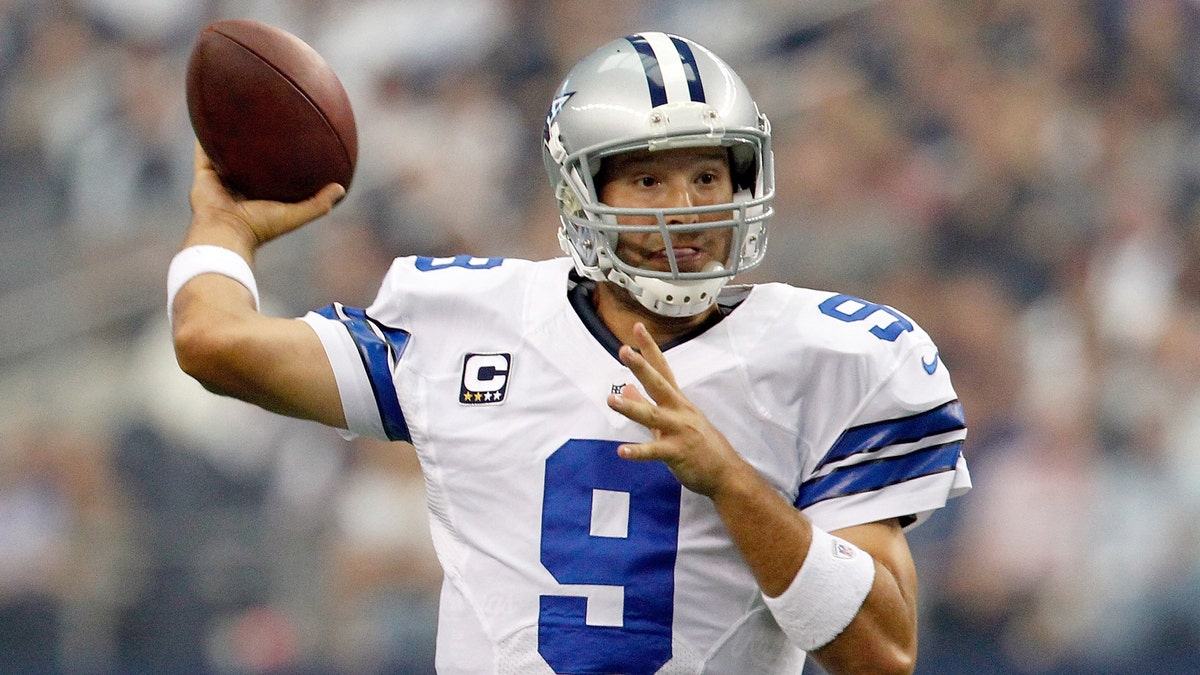
NFL Thanksgiving Day: 8 unforgettable moments
Entities mentioned:
- NFL: Professional pride, Legacy, Recognition
- Tony Romo: Competitive spirit, Ambition, Recognition
- O.J. Simpson: Competitive spirit, Pride, Recognition
- Lawrence Taylor: Determination, Competitive spirit, Pride
- Peyton Manning: Competitive spirit, Professional pride, Legacy
- Barry Sanders: Competitive spirit, Professional pride, Recognition
- Leon Lett: Determination, Professional pride, Self-respect
- Mark Sanchez: Self-respect, Professional pride, Determination
Article Assessment:
Credibility Score: 85/100
Bias Rating: 50/100 (Center)
Sentiment Score: 75/100
Authoritarianism Risk: 15/100 (Strongly Democratic)
Bias Analysis:
The article presents a balanced view of NFL Thanksgiving moments, showcasing both positive and negative events. It doesn't favor any particular team or player, maintaining a neutral stance in its reporting.
Key metric: NFL Fan Engagement
Let me tell you something - this Thanksgiving lineup is a POWERHOUSE of NFL action! We're talking about a highlight reel of gridiron glory that'll make your turkey dinner taste even better! From Romo's breakout performance to the infamous 'Butt Fumble', these moments are the stuff of legend. It's like watching a championship game every single play! The competitive spirit on display here is off the charts - we've got rushing records being shattered, quarterbacks throwing touchdowns like they're going out of style, and defensive juggernauts changing the game in an instant. This isn't just football, folks - this is a showcase of athletic prowess that'll have fans on the edge of their seats! The NFL has truly created a Thanksgiving tradition that's as essential as pumpkin pie. It's a full-court press of entertainment that keeps fans coming back year after year, hungry for more action. I'm telling you right now, this is the kind of stellar programming that turns casual viewers into die-hard fans faster than a Hail Mary pass!
- Read more about NFL Thanksgiving Day: 8 unforgettable moments
- Log in to post comments