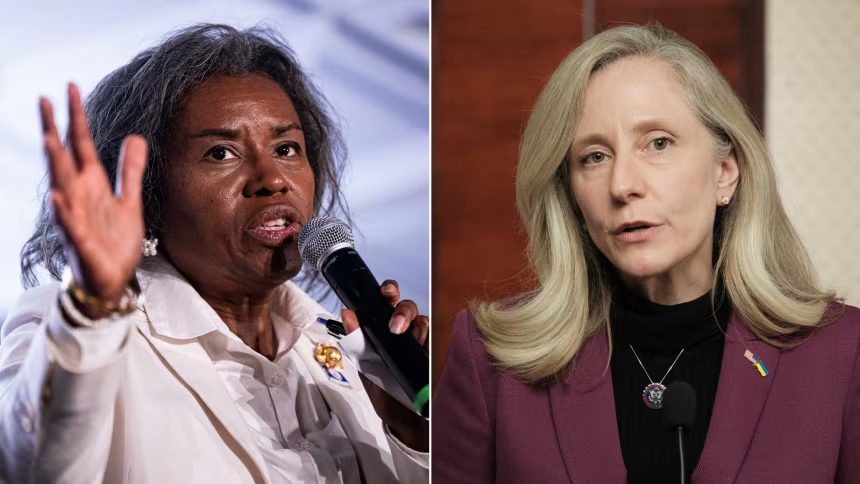
Spanberger and Earle-Sears still at odds over when to debate in Virginia governor’s race
Entities mentioned:
- Winsome Earle-Sears: Ambition, Competitive spirit, Recognition
- Abigail Spanberger: Ambition, Control, Professional pride
- CNN: Recognition, Influence, Professional pride
- Virginia Police Benevolent Association: Influence, Security, Professional pride
- Peyton Vogel: Loyalty, Professional pride, Influence
- Samson Signori: Loyalty, Control, Professional pride
Article Assessment:
Credibility Score: 75/100
Bias Rating: 55/100 (Center)
Sentiment Score: 45/100
Authoritarianism Risk: 25/100 (Generally Democratic)
Bias Analysis:
The article presents both candidates' perspectives relatively evenly, quoting spokespersons from each campaign. While it gives slightly more context for Earle-Sears' position, it maintains a generally balanced approach to reporting the debate situation.
Key metric: Voter Engagement and Participation
As a social scientist, I analyze that this article highlights the strategic maneuvering in the Virginia governor's race, particularly regarding debate participation. The disagreement over debate venues and formats reflects each campaign's attempt to control the narrative and gain a perceived advantage. This conflict could impact voter engagement by potentially limiting direct comparisons between candidates and reducing opportunities for voters to assess them side-by-side. The involvement of CNN, a national network, versus local broadcasters also speaks to tensions between national and local interests in state-level politics. The police association's split endorsements suggest a complex political landscape that doesn't cleanly align with party lines on all issues. Overall, this situation may lead to decreased voter engagement if debates are limited or seen as inaccessible, potentially affecting turnout and informed decision-making in the election.
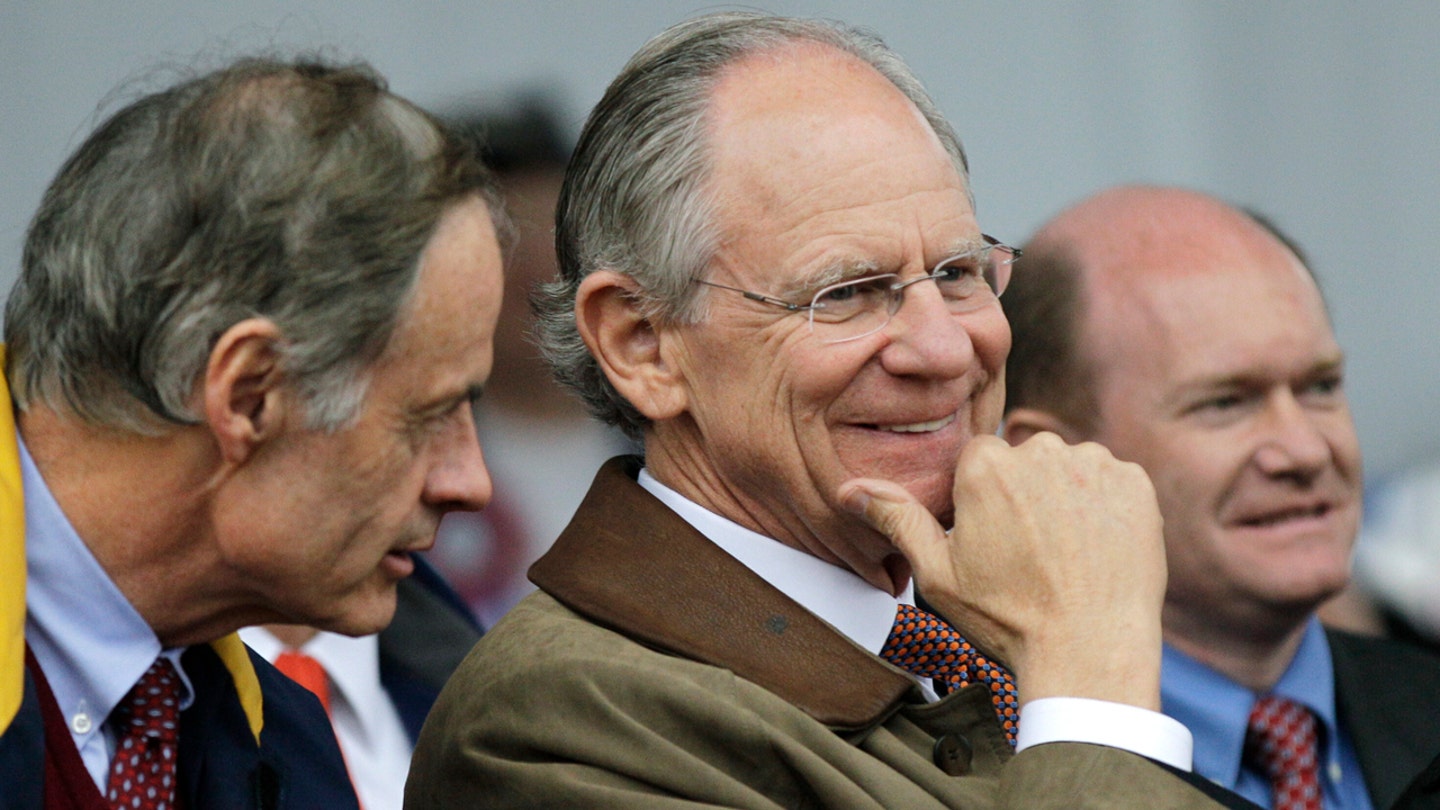
Mike Castle, Delaware's last Republican governor and congressman, dead at 86
Entities mentioned:
- Mike Castle: Duty, Public service, Legacy
- Delaware Republican Party: Loyalty, Recognition, Unity
- Joe Biden: Ambition, Power, Legacy
- Gene Truono: Respect, Duty, Unity
- Matt Meyer: Duty, Recognition, Unity
Article Assessment:
Credibility Score: 85/100
Bias Rating: 45/100 (Center)
Sentiment Score: 60/100
Authoritarianism Risk: 20/100 (Strongly Democratic)
Bias Analysis:
The article presents a balanced view of Castle's career, highlighting achievements without overt partisan framing. It includes perspectives from both Republican and Democratic sources, maintaining a centrist approach to reporting.
Key metric: Political Polarization Index
As a social scientist, I analyze that this article highlights the career of Mike Castle, a moderate Republican known for bipartisan work and fiscal conservatism. His approach to politics, characterized by centrism and willingness to work across party lines, stands in contrast to the increasing polarization in American politics. Castle's legacy, particularly his work on commemorative coin programs and education reform, demonstrates how politicians can achieve lasting impact through collaborative efforts. The article's focus on Castle's moderate stance and successful career until his 2010 primary loss may indicate a shift in the political landscape towards more partisan positions, potentially impacting the Political Polarization Index by reminding readers of a less divisive political era.

Christian Faith An Important Part Of Who Senator Pretends To Be
Entities mentioned:
- Senator Josh Hawley: Ambition, Power, Control
- Christian constituents: Loyalty, Righteousness, Unity
Article Assessment:
Credibility Score: 30/100
Bias Rating: 25/100 (Lean Left)
Sentiment Score: 25/100
Authoritarianism Risk: 45/100 (Mixed/Neutral)
Bias Analysis:
The article leans left, using satire to criticize a Republican senator's perceived insincerity. The language and framing are overtly negative towards the subject, suggesting a clear political bias against conservative Christian politicians.
Key metric: Political Polarization Index
As a social scientist, I analyze that this article portrays Senator Josh Hawley as using Christian faith as a tool for political gain, potentially increasing political polarization. The satirical tone suggests a disconnect between professed religious values and actual motivations of political figures, which could lead to increased cynicism among voters and further division between religious and secular segments of society. This portrayal may contribute to eroding trust in political institutions and religious sincerity in public office, potentially exacerbating existing tensions in the American political landscape.

Congress Passes Blank Bill For Trump To Write Whatever Law He Wants
Entities mentioned:
- Congress: Power, Loyalty, Obligation
- President Donald Trump: Power, Control, Ambition
- House Speaker Mike Johnson: Loyalty, Power, Influence
- Americans: Security, Unity, Control
Article Assessment:
Credibility Score: 20/100
Bias Rating: 30/100 (Lean Left)
Sentiment Score: 20/100
Authoritarianism Risk: 95/100 (Totalitarian Risk)
Bias Analysis:
The article leans left, critiquing perceived right-wing tendencies towards authoritarianism. It uses satire to exaggerate and mock the idea of giving a Republican president unlimited power, indicating a liberal perspective.
Key metric: Checks and Balances Index
As a social scientist, I analyze that this satirical article highlights extreme concerns about the erosion of checks and balances in the U.S. government. The fictional scenario of Congress passing a blank bill for the president to write any law undermines fundamental democratic principles and separation of powers. This exaggerated portrayal reflects anxieties about executive overreach and legislative abdication of responsibility. The impact on the Checks and Balances Index would be catastrophic, effectively reducing it to zero, as it depicts a complete surrender of congressional authority to the executive branch. This scenario, while satirical, serves as a stark warning about the potential consequences of unchecked executive power and the importance of maintaining strong democratic institutions.
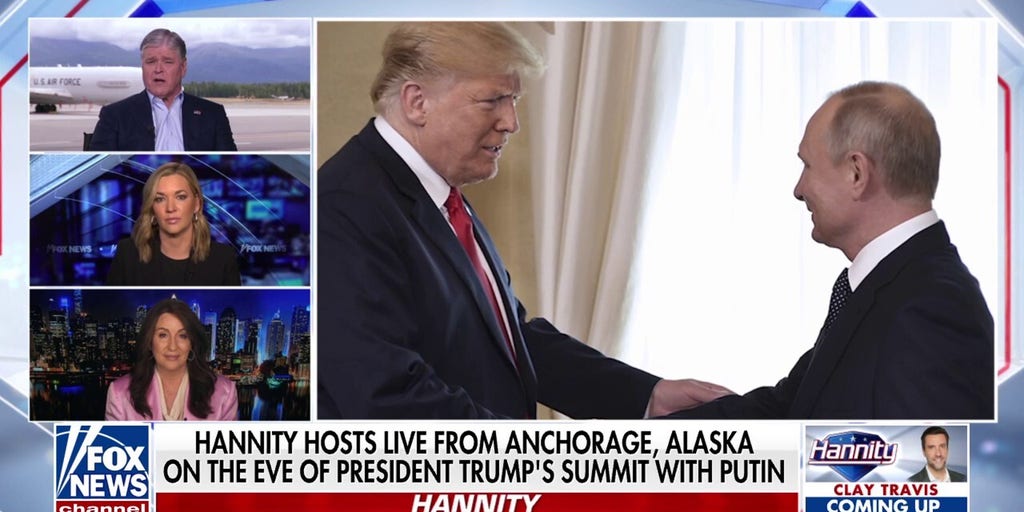
There's a reason why Putin decided to invade Ukraine under Joe Biden's presidency, says Katie Pavlich
Entities mentioned:
- Vladimir Putin: Power, Control, Ambition
- Joe Biden: Duty, Influence, Security
- Katie Pavlich: Influence, Recognition, Competitive spirit
- Miranda Devine: Influence, Recognition, Competitive spirit
- Donald Trump: Power, Recognition, Influence
- Fox News: Influence, Competitive spirit, Recognition
Article Assessment:
Credibility Score: 45/100
Bias Rating: 75/100 (Lean Right)
Sentiment Score: 35/100
Authoritarianism Risk: 40/100 (Generally Democratic)
Bias Analysis:
The article leans right due to its source (Fox News) and framing that favors Trump's approach over Biden's. The commentary from conservative contributors without balancing perspectives indicates a right-leaning bias.
Key metric: International Relations and Diplomacy
As a social scientist, I analyze that this article suggests a perceived shift in international power dynamics and diplomatic approach between the Trump and Biden administrations, particularly concerning Russia. The commentary implies that Putin's decision to invade Ukraine during Biden's presidency is not coincidental, hinting at a perceived weakness or change in U.S. foreign policy. The suggestion that Trump could end the war indicates a belief in his different approach to international relations. This framing may influence public perception of U.S. leadership and its global standing, potentially impacting diplomatic efforts and alliances.
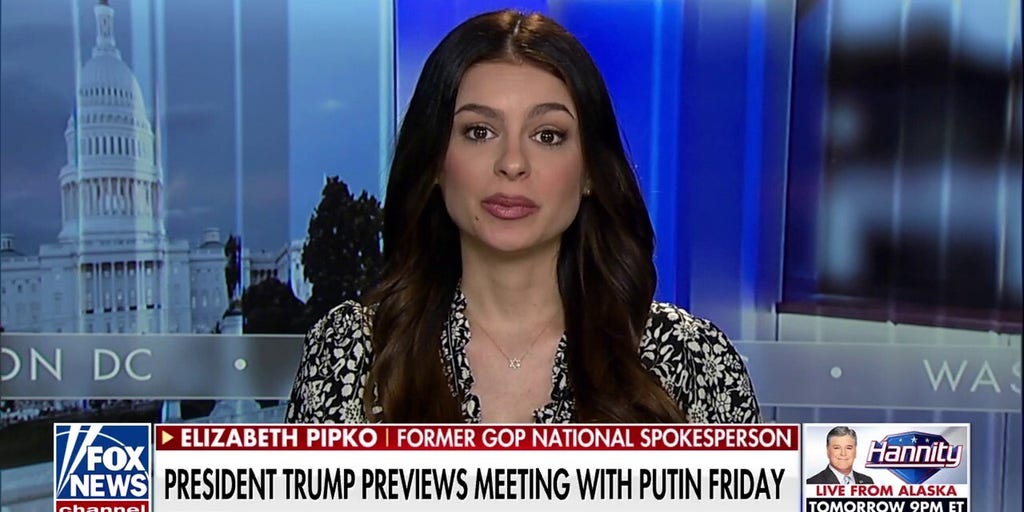
Ex-GOP National spox rips commentary rooting against Ukraine-Russia peace deal: 'Absolute shame'
Entities mentioned:
- GOP National spokesperson: Moral outrage, Duty, Self-respect
- I.C.E.: Duty, Security, Control
- Gavin Newsom: Ambition, Power, Influence
- Donald Trump: Power, Recognition, Influence
- Vladimir Putin: Power, Control, Influence
- Zohran Mamdani: Ambition, Moral outrage, Recognition
Article Assessment:
Credibility Score: 55/100
Bias Rating: 55/100 (Center)
Sentiment Score: 35/100
Authoritarianism Risk: 45/100 (Mixed/Neutral)
Bias Analysis:
The article presents a mix of perspectives, including criticism of both left and right-leaning figures. However, the framing of issues and choice of topics suggests a slight centrist tilt, balancing different political viewpoints.
Key metric: Political Polarization Index
As a social scientist, I analyze that this article touches on multiple contentious political issues, including immigration enforcement, international diplomacy, urban crime, and political criticism. The mention of an I.C.E. raid at a Gavin Newsom event suggests ongoing tension between federal immigration policies and sanctuary cities. The upcoming Trump-Putin summit indicates potential shifts in U.S.-Russia relations, while the inclusion of Washington D.C. crime data points to domestic security concerns. The criticism of Trump by a NYC mayoral candidate further highlights the polarized political climate. These elements collectively contribute to increased political polarization, as they represent conflicting viewpoints on key national issues and international relations.
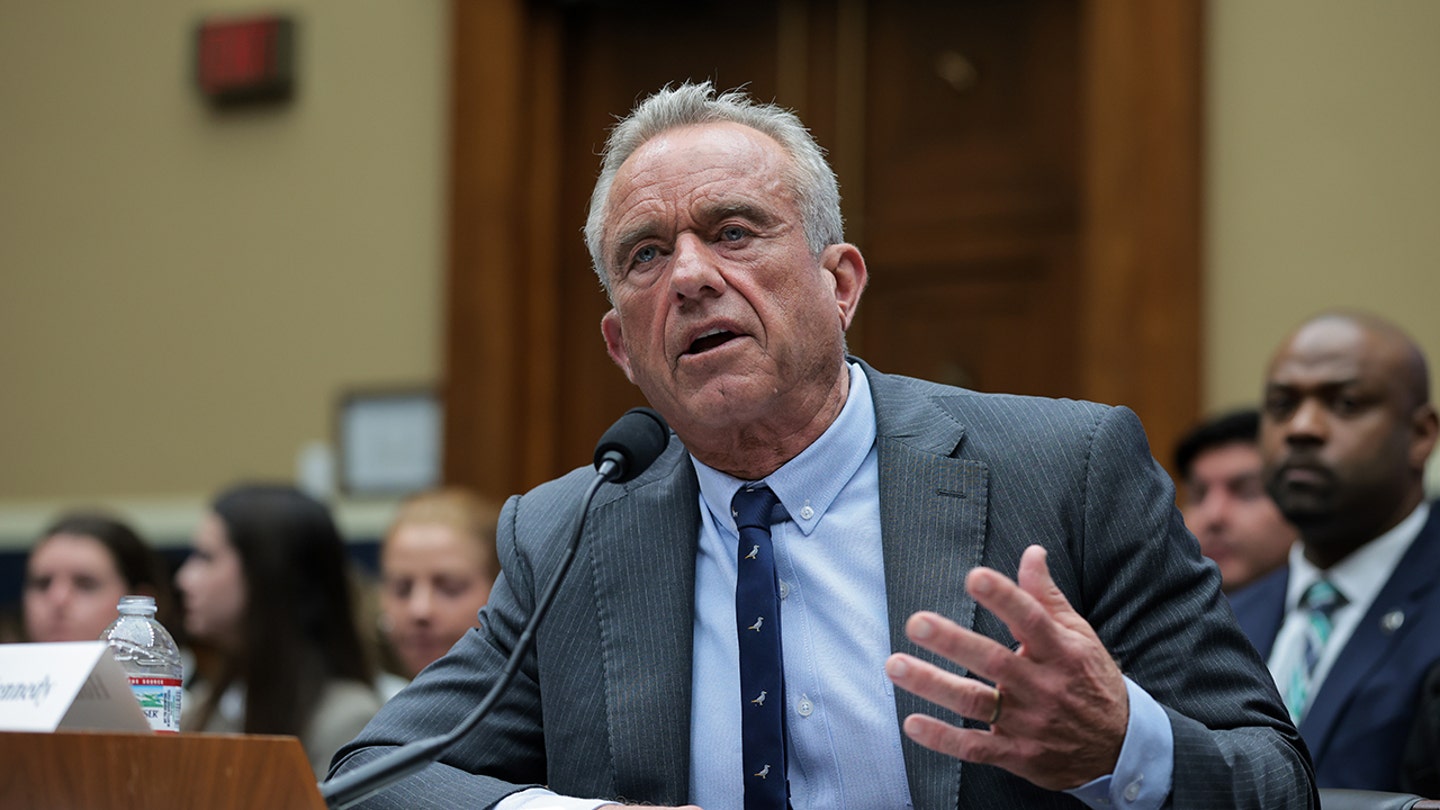
Judge orders RFK Jr's HHS to stop sharing Medicaid data with immigration officials
Entities mentioned:
- Judge Vince Chhabria: Justice, Duty, Righteousness
- Department of Health and Human Services (HHS): Control, Duty, Obligation
- Department of Homeland Security (DHS): Security, Control, Power
- Immigration and Customs Enforcement (ICE): Control, Security, Duty
- Robert F. Kennedy Jr.: Power, Control, Ambition
- Trump Administration: Control, Power, Security
- Rob Bonta: Justice, Righteousness, Duty
- Nick Brown: Justice, Duty, Righteousness
Article Assessment:
Credibility Score: 75/100
Bias Rating: 45/100 (Center)
Sentiment Score: 35/100
Authoritarianism Risk: 25/100 (Generally Democratic)
Bias Analysis:
The article presents multiple viewpoints, including those of the judge, government officials, and immigration advocates. While it leans slightly critical of the administration's actions, it maintains a relatively balanced tone by providing factual information and quoting various sources.
Key metric: Public Trust in Government Institutions
As a social scientist, I analyze that this court order significantly impacts public trust in government institutions. The judge's decision to halt the sharing of Medicaid data with immigration officials highlights a conflict between different government agencies and their respective mandates. This situation may lead to decreased trust in health services among vulnerable populations, particularly immigrants, who may fear seeking medical care due to potential immigration consequences. The court's intervention also underscores the importance of checks and balances in the US government system, potentially reinforcing public confidence in the judiciary's role in protecting individual rights and privacy. However, the revelation of previously undisclosed data-sharing agreements between HHS and DHS may erode trust in the transparency and ethical practices of these agencies, particularly among minority and immigrant communities.
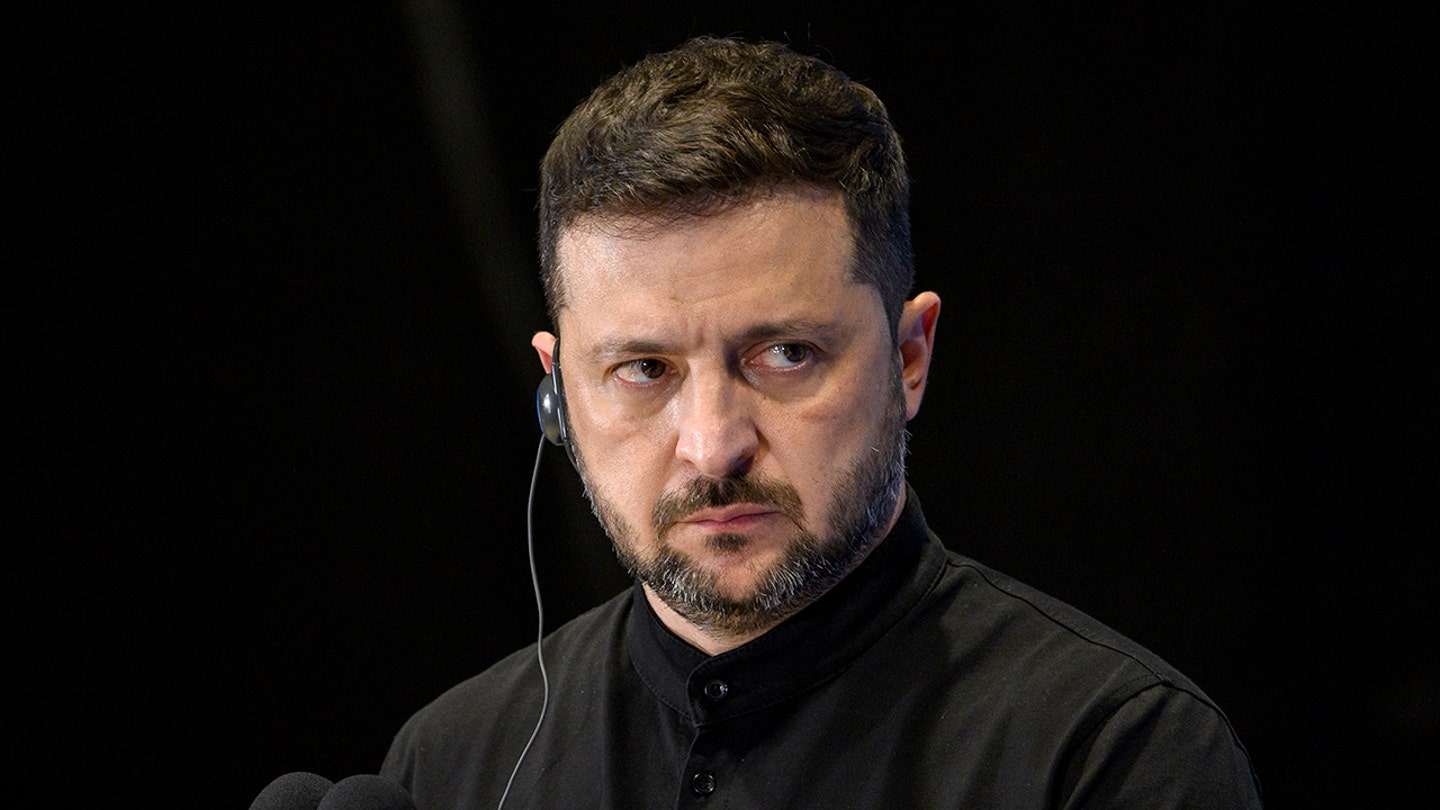
Trump reveals his game plan for meeting with Putin in Alaska: 'It's like chess'
Entities mentioned:
- Donald Trump: Ambition, Power, Legacy
- Vladimir Putin: Power, Control, Self-preservation
- Volodymyr Zelenskyy: Determination, Justice, Self-preservation
- Brian Kilmeade: Curiosity, Professional pride
Article Assessment:
Credibility Score: 70/100
Bias Rating: 55/100 (Center)
Sentiment Score: 45/100
Authoritarianism Risk: 35/100 (Generally Democratic)
Bias Analysis:
The article presents multiple perspectives, including quotes from Trump, Putin, and Zelenskyy, providing a somewhat balanced view. However, there's slightly more focus on Trump's statements and plans, which may indicate a slight center-right lean.
Key metric: International Diplomacy Effectiveness
As a social scientist, I analyze that this article highlights a critical juncture in international diplomacy, focusing on Trump's approach to negotiations between Russia and Ukraine. The framing of the talks as 'chess' suggests a strategic, calculated approach to diplomacy. Trump's disclosure of potential land swap negotiations, despite Zelenskyy's opposition, indicates potential discord among allies. The article presents contrasting views: Trump's optimism about a deal versus Zelenskyy's skepticism, reflecting the complex nature of the conflict resolution process. The mention of potential sanctions against Russia demonstrates the use of economic leverage in diplomatic negotiations. This situation could significantly impact global geopolitical stability and the effectiveness of U.S. foreign policy in conflict resolution.
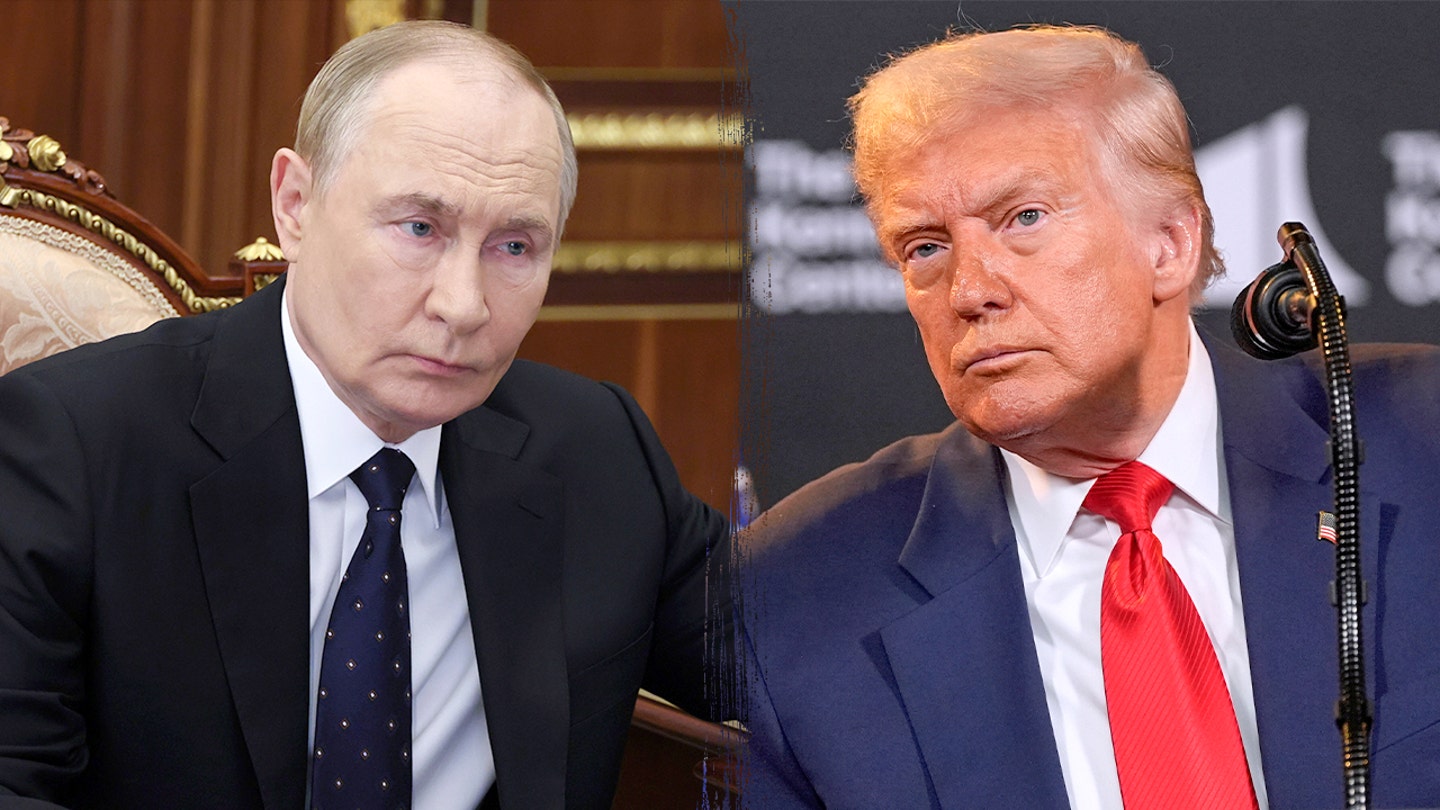
Putin praises Trump’s ‘sincere’ peace efforts, signals possible US-Russia nuclear deal
Entities mentioned:
- Vladimir Putin: Power, Influence, Control
- Donald Trump: Legacy, Recognition, Ambition
- Volodymyr Zelenskyy: Self-preservation, Unity, Determination
- Keir Starmer: Duty, Influence, Unity
- Friedrich Merz: Duty, Influence, Unity
- Emmanuel Macron: Influence, Unity, Leadership
- JD Vance: Duty, Influence, Professional pride
- Gen. Keith Kellogg: Duty, Professional pride, Security
Article Assessment:
Credibility Score: 75/100
Bias Rating: 45/100 (Center)
Sentiment Score: 55/100
Authoritarianism Risk: 35/100 (Generally Democratic)
Bias Analysis:
The article presents multiple perspectives, including those of Russia, the US, and Ukraine, indicating an attempt at balanced reporting. However, there's a slight emphasis on Western viewpoints and actions, which may suggest a subtle Western-centric framing.
Key metric: International Relations and Diplomacy
As a social scientist, I analyze that this article highlights a potential shift in US-Russia relations, centered around nuclear arms control and the ongoing conflict in Ukraine. The upcoming summit between Trump and Putin represents a critical juncture in international diplomacy, with potential ramifications for global security. Putin's praise of US efforts and hints at a possible nuclear deal suggest a strategic positioning ahead of the talks. However, Zelenskyy's skepticism indicates ongoing tensions and complexities in resolving the Ukraine conflict. The involvement of other world leaders and the 'Coalition of the Willing' underscores the global significance of these negotiations. The article suggests a delicate balance of power dynamics, with both Trump and Putin potentially seeking diplomatic victories for domestic and international gain.
Social Security is 90 years old. We are making it smarter, better, faster under Trump
Entities mentioned:
- Donald Trump: Loyalty, Power, Legacy
- Social Security Administration: Efficiency, Duty, Professional pride
- Commissioner: Ambition, Determination, Recognition
Article Assessment:
Credibility Score: 55/100
Bias Rating: 75/100 (Lean Right)
Sentiment Score: 85/100
Authoritarianism Risk: 35/100 (Generally Democratic)
Bias Analysis:
The article leans right, consistently praising Trump administration efforts without presenting alternative viewpoints or criticisms. The language used is overwhelmingly positive towards current leadership, indicating a clear partisan slant.
Key metric: Social Security System Efficiency
As a social scientist, I analyze that this article presents a highly positive view of the Social Security Administration's progress under the Trump administration. The Commissioner highlights various improvements in service delivery, wait times, and technological advancements. The article emphasizes modernization efforts and a commitment to future generations, suggesting a focus on long-term sustainability of the Social Security system. However, the overwhelmingly positive tone and lack of mention of challenges or criticisms raises questions about the balanced nature of the information presented.