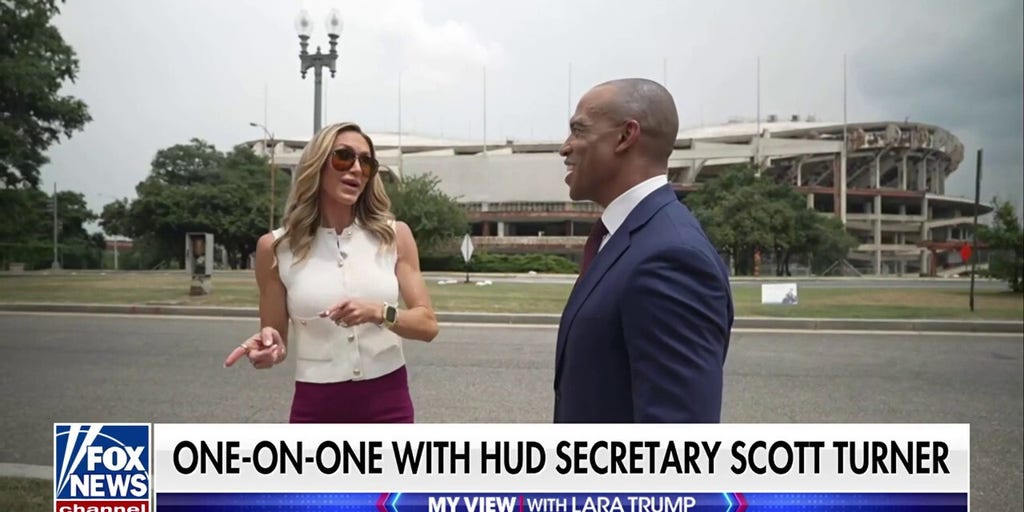
Housing chief: Opportunity zones change people's lives
Entities mentioned:
- Scott Turner: Professional pride, Duty, Influence
- U.S. Housing and Urban Development: Duty, Influence, Unity
- Lara Trump: Influence, Recognition, Ambition
Article Assessment:
Credibility Score: 50/100
Bias Rating: 65/100 (Lean Right)
Sentiment Score: 70/100
Authoritarianism Risk: 35/100 (Generally Democratic)
Bias Analysis:
The article leans right due to its featuring of a Trump administration official and Lara Trump, a member of the Trump family. The framing appears to present opportunity zones in a positive light without presenting alternative viewpoints or potential criticisms.
Key metric: Economic Mobility
As a social scientist, I analyze that this article focuses on the impact of opportunity zones on communities across the United States. The discussion of 'transforming' communities suggests potential improvements in economic conditions and quality of life for residents in these areas. This could positively affect economic mobility by creating new opportunities for employment, business development, and investment in previously underserved areas. However, the lack of specific data or examples in the article limits a comprehensive assessment of the actual impact on economic mobility.
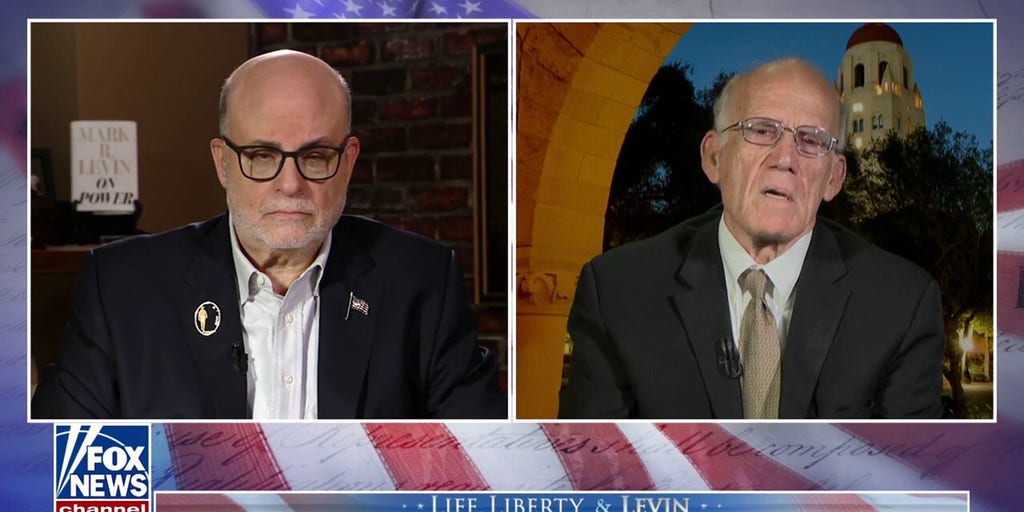
Victor Davis Hanson shares what's setting Democrats 'on fire'
Entities mentioned:
- Victor Davis Hanson: Influence, Recognition, Righteousness
- Democrats: Moral outrage, Fear, Self-preservation
- Donald Trump: Power, Revenge, Influence
- Zohran Mamdani: Ambition, Recognition, Influence
- Hoover Institution: Influence, Legacy, Professional pride
Article Assessment:
Credibility Score: 55/100
Bias Rating: 75/100 (Lean Right)
Sentiment Score: 35/100
Authoritarianism Risk: 45/100 (Mixed/Neutral)
Bias Analysis:
The article leans right, evident in its framing of Democrats negatively and the positive presentation of critiques against 'woke' ideology. The source, featuring a conservative think tank fellow on a right-leaning show, further indicates a rightward bias.
Key metric: Political Polarization Index
As a social scientist, I analyze that this article likely contributes to increased political polarization. The framing of Democrats as 'melting down' and the focus on conflict between political ideologies suggests a deepening divide. The mention of Trump 'targeting the roots of woke-ness' implies an ongoing culture war, which often exacerbates partisan tensions. This type of rhetoric, especially from influential figures like Hanson, can reinforce existing political divides and potentially increase the Political Polarization Index.

Trump: We're going straight to Russia-Ukraine peace deal, 'not a mere ceasefire'
Entities mentioned:
- Donald Trump: Ambition, Legacy, Power
- Vladimir Putin: Power, Security, Control
- Volodymyr Zelenskyy: Justice, Self-preservation, Unity
- Keir Starmer: Duty, Unity, Influence
- Emmanuel Macron: Influence, Unity, Duty
Article Assessment:
Credibility Score: 65/100
Bias Rating: 55/100 (Center)
Sentiment Score: 65/100
Authoritarianism Risk: 35/100 (Generally Democratic)
Bias Analysis:
The article presents multiple perspectives, including those of Trump, Putin, and Zelenskyy, providing a relatively balanced view. However, there's a slight emphasis on Trump's role and optimism about the peace process, which could indicate a subtle center-right lean.
Key metric: International Diplomacy Effectiveness
As a social scientist, I analyze that this article presents a significant shift in the approach to the Russia-Ukraine conflict, with Trump positioning himself as a key mediator aiming for a comprehensive peace deal rather than a ceasefire. This approach could potentially impact international diplomacy effectiveness by bypassing traditional diplomatic channels and leveraging personal relationships between leaders. The involvement of European leaders suggests a coordinated Western approach, but the effectiveness hinges on Putin's willingness to participate in a trilateral meeting and make concessions. The article implies a potential breakthrough, but the long-term sustainability of any agreement remains uncertain given the complex security concerns and historical context of the conflict.
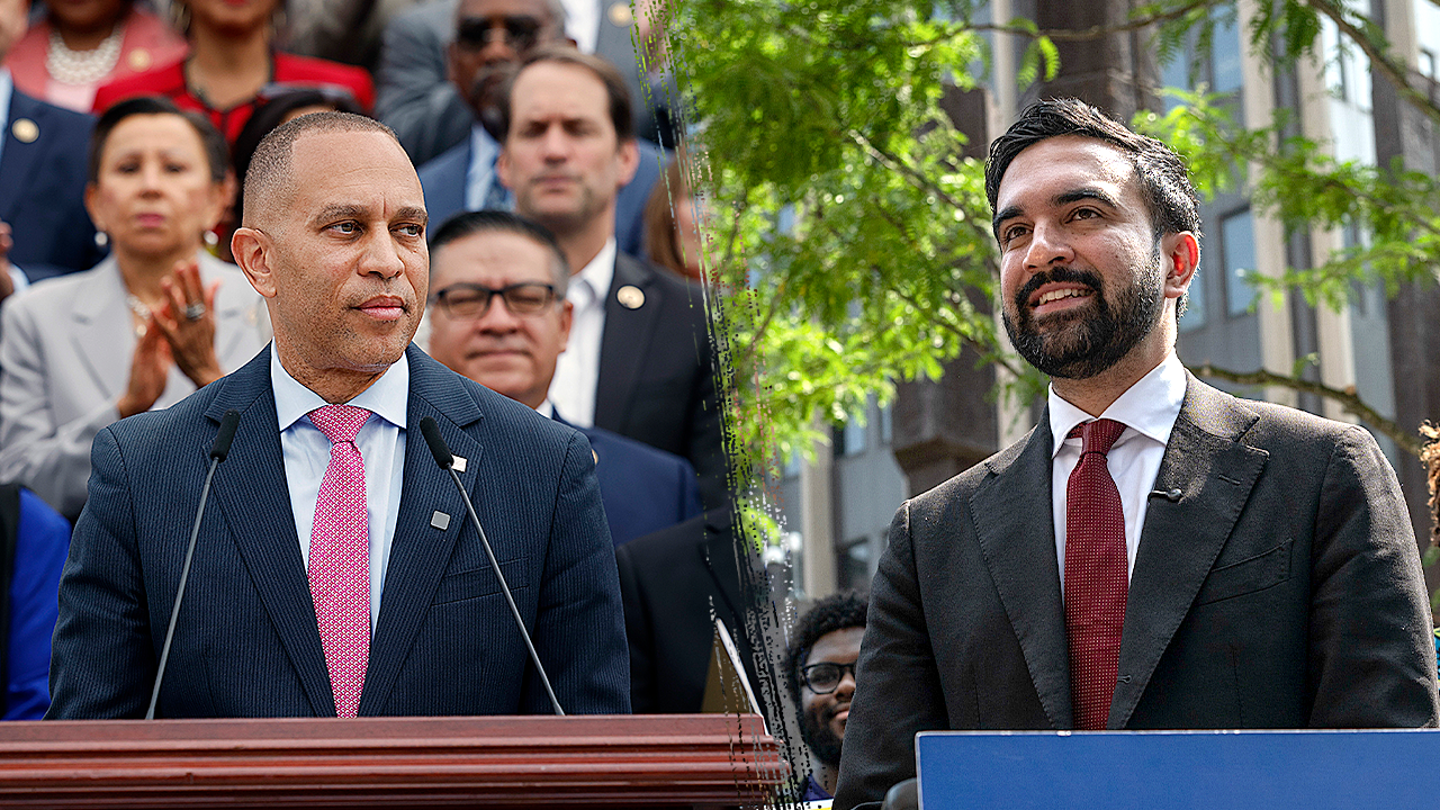
Top House Dem sides with Mamdani critics on key controversy surrounding his campaign
Entities mentioned:
- Hakeem Jeffries: Political calculation, Duty, Self-preservation
- Zohran Mamdani: Ambition, Justice, Influence
- Andrew Cuomo: Revenge, Political calculation, Power
- Dora Pekec: Loyalty, Righteousness, Determination
- Alex Bradley: Moral outrage, Loyalty, Indignation
- Michael Koncewicz: Moral outrage, Indignation, Righteousness
Article Assessment:
Credibility Score: 70/100
Bias Rating: 55/100 (Center)
Sentiment Score: 30/100
Authoritarianism Risk: 35/100 (Generally Democratic)
Bias Analysis:
The article presents multiple perspectives, including critics and supporters of Mamdani. However, it gives more space to critical voices and frames the issue as problematic for Mamdani's campaign.
Key metric: Political Party Unity
As a social scientist, I analyze that this article highlights internal Democratic Party tensions surrounding a progressive candidate in New York City. The controversy over Mamdani's housing situation exposes ideological rifts within the party, with establishment figures like Jeffries distancing themselves from more left-leaning candidates. This impacts party unity by potentially alienating progressive voters and activists, while also revealing the challenges Democrats face in reconciling diverse policy positions within their coalition. The situation underscores the ongoing struggle between centrist and progressive factions in the Democratic Party, which could affect voter turnout and party enthusiasm in future elections.

Melania Trump urges Putin to protect children in 'peace letter' delivered at US-Russia summit
Entities mentioned:
- Melania Trump: Righteousness, Influence, Unity
- Vladimir Putin: Power, Control, Influence
- Donald Trump: Ambition, Legacy, Influence
- Volodymyr Zelenskyy: Self-preservation, Unity, Duty
- Joe Biden: Legacy, Influence
Article Assessment:
Credibility Score: 65/100
Bias Rating: 70/100 (Lean Right)
Sentiment Score: 60/100
Authoritarianism Risk: 35/100 (Generally Democratic)
Bias Analysis:
The article leans right, given its exclusive source (Fox News) and positive framing of Trump's diplomatic efforts. It presents the Trump administration's actions in a favorable light while minimizing mention of other diplomatic efforts.
Key metric: International Relations and Diplomacy
As a social scientist, I analyze that this article highlights a significant diplomatic effort by the Trump administration to engage with Russia on the issue of the Ukraine war. The use of a 'peace letter' from Melania Trump to Putin represents an unconventional approach to diplomacy, appealing to humanitarian concerns and shared values of child protection. This strategy attempts to bypass traditional diplomatic channels and leverage personal relationships. The summit's outcomes suggest some progress but no definitive resolution, indicating the complexity of the geopolitical situation. The planned meeting with Zelenskyy demonstrates an attempt at balanced engagement with both sides of the conflict. This approach could potentially impact US-Russia relations and the ongoing situation in Ukraine, but its effectiveness remains uncertain.

New York mayor frontrunner Mamdani trains fire on Trump as Cuomo attacks
Entities mentioned:
- Mamdani: Ambition, Competitive spirit, Recognition
- Donald Trump: Power, Control, Influence
- Andrew Cuomo: Power, Revenge, Self-preservation
Article Assessment:
Credibility Score: 65/100
Bias Rating: 35/100 (Lean Left)
Sentiment Score: 40/100
Authoritarianism Risk: 30/100 (Generally Democratic)
Bias Analysis:
The article leans left, focusing on Democratic candidates and framing Trump negatively. It doesn't provide balanced coverage of Republican perspectives or policies.
Key metric: Political Polarization Index
As a social scientist, I analyze that this article highlights the increasing political polarization in the New York mayoral race. The frontrunner Mamdani's focus on attacking Trump, a national figure, rather than local issues, suggests a strategy to galvanize Democratic voters by tapping into anti-Trump sentiment. Meanwhile, Cuomo's attacks on Mamdani indicate intra-party conflict, which could further divide the electorate. This dynamic is likely to increase the Political Polarization Index, as it emphasizes partisan divisions over local governance issues.

Democrats introduce joint resolution to end Trump’s ‘lawless’ DC takeover
Entities mentioned:
- Democrats: Justice, Righteousness, Control
- Donald Trump: Power, Control, Ambition
- Washington DC: Self-preservation, Freedom, Security
Article Assessment:
Credibility Score: 65/100
Bias Rating: 35/100 (Lean Left)
Sentiment Score: 30/100
Authoritarianism Risk: 55/100 (Mixed/Neutral)
Bias Analysis:
The article leans left in its framing, using terms like 'lawless' that cast Trump's actions in a negative light. The focus on Democratic opposition without equal representation of the administration's perspective suggests a left-leaning bias.
Key metric: Rule of Law Index
As a social scientist, I analyze that this article highlights a significant conflict between the Democratic Party and the Trump administration over control of Washington DC. The introduction of a joint resolution by Democrats to end what they term a 'lawless' takeover of DC by Trump indicates a struggle for power and control over the capital city. This action suggests concerns about potential overreach of executive power and its implications for democratic governance. The use of the term 'lawless' implies that Democrats view Trump's actions as unconstitutional or illegal, which could have serious implications for the rule of law in the United States. This situation may lead to increased political polarization and could potentially erode public trust in governmental institutions.
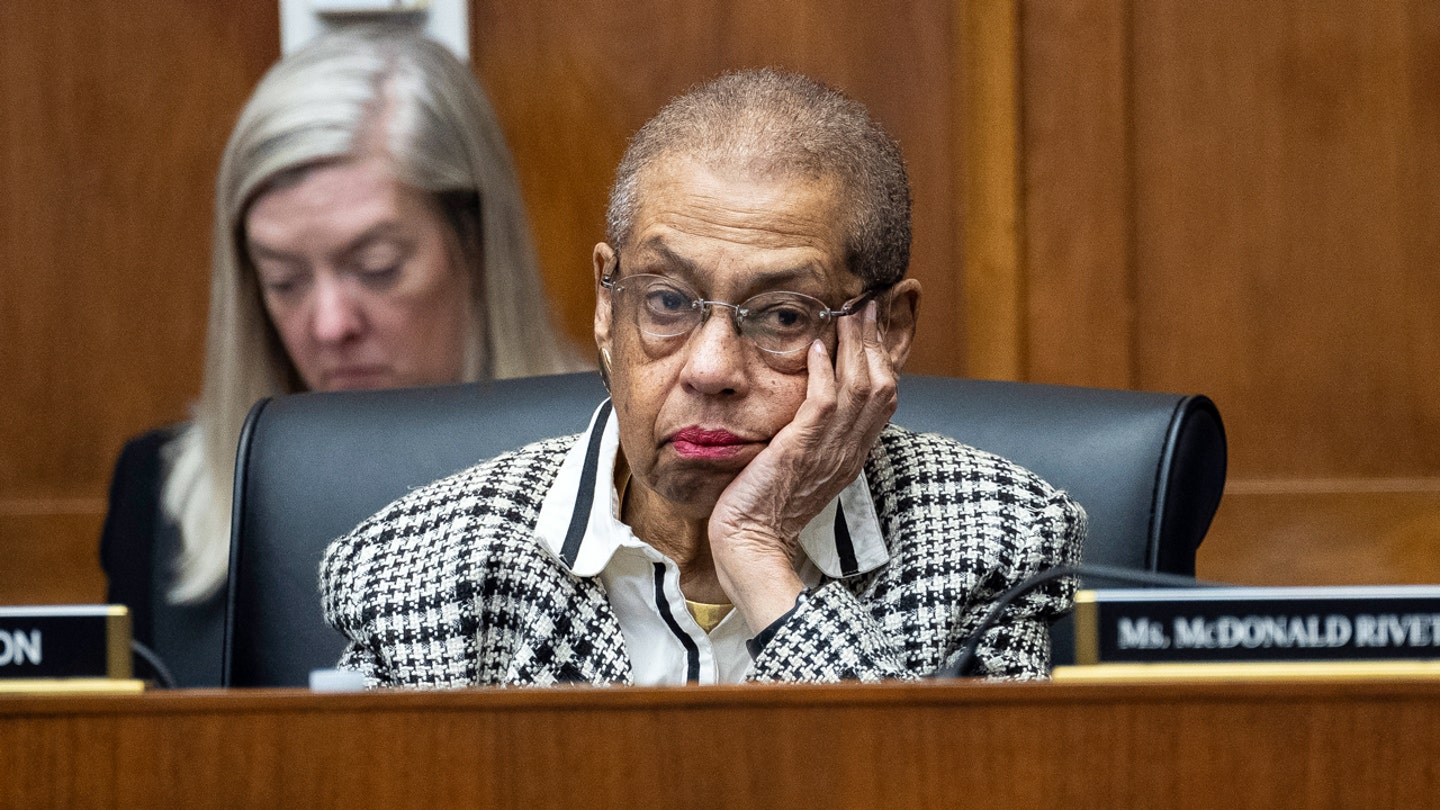
All eyes on Washington, and naught but deafening silence from the District's loudest defender
Entities mentioned:
- Eleanor Holmes Norton: Duty, Justice, Determination
- David Dreier: Control, Power, Influence
- Donald Trump: Power, Control, Influence
- Muriel Bowser: Duty, Self-preservation, Indignation
- Chris Van Hollen: Justice, Moral outrage, Duty
- Brandon Scott: Duty, Justice, Indignation
- Phil Mendelson: Loyalty, Wariness, Duty
- Hakeem Jeffries: Unity, Loyalty, Self-preservation
- Kinney Zalesne: Ambition, Justice, Competitive spirit
Article Assessment:
Credibility Score: 75/100
Bias Rating: 45/100 (Center)
Sentiment Score: 35/100
Authoritarianism Risk: 55/100 (Mixed/Neutral)
Bias Analysis:
The article presents multiple perspectives and quotes from various political figures, maintaining a relatively balanced approach. While it raises questions about Norton's recent inactivity, it also provides context and historical background, avoiding overtly partisan language.
Key metric: Democratic Representation
As a social scientist, I analyze that this article highlights a critical juncture in Washington D.C.'s struggle for full representation and local autonomy. The absence of Eleanor Holmes Norton's typically forceful advocacy during a time of federal intervention in local affairs underscores the precarious position of D.C.'s governance. This situation exemplifies the ongoing tension between federal control and local self-determination in the District, impacting the key metric of Democratic Representation. The deployment of federal forces without local consent and the relative silence of D.C.'s primary congressional advocate raise significant questions about the balance of power and the effectiveness of non-voting representation. This event may serve as a catalyst for renewed discussions on D.C. statehood and the broader implications for democratic representation in the U.S. political system.

Texas Democrats signal they are ready to end redistricting standoff and return to state
Entities mentioned:
- Texas Democratic lawmakers: Justice, Influence, Righteousness
- Texas Republicans: Power, Control, Ambition
- Donald Trump: Influence, Power, Legacy
- California Democrats: Competitive spirit, Justice, Influence
- Greg Abbott: Control, Power, Determination
- Barack Obama: Influence, Unity, Justice
Article Assessment:
Credibility Score: 75/100
Bias Rating: 55/100 (Center)
Sentiment Score: 40/100
Authoritarianism Risk: 35/100 (Generally Democratic)
Bias Analysis:
The article presents perspectives from both Democrats and Republicans, though it provides more detailed coverage of Democratic actions and motivations. While it maintains a generally neutral tone, there's a slight lean towards framing the Democrats' actions more sympathetically.
Key metric: Electoral Competitiveness
As a social scientist, I analyze that this article highlights a significant political struggle over redistricting in Texas, with potential national implications for the balance of power in the U.S. House of Representatives. The Texas Democrats' temporary exodus to deny quorum was a strategic move to delay Republican-led redistricting efforts, which could result in additional Republican seats. This standoff reflects broader tensions in American democracy, particularly regarding voting rights and political representation. The involvement of other states, notably California, in potentially offsetting Texas' redistricting impact, demonstrates the interconnected nature of state-level political maneuvering in shaping national electoral outcomes. This situation underscores the critical role of redistricting in determining electoral competitiveness and representation, potentially affecting the overall health and fairness of the democratic process.
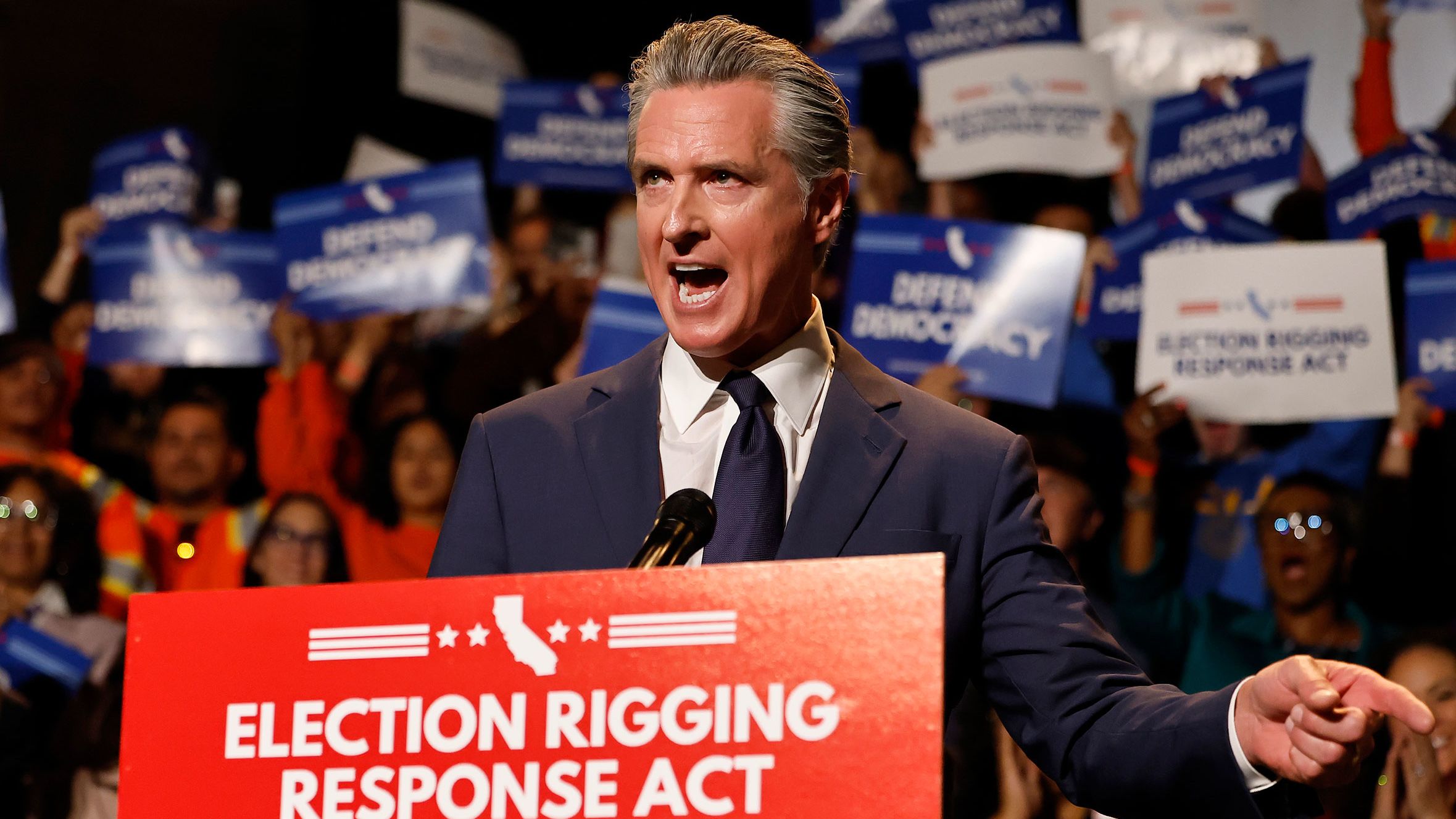
Newsom announces California redistricting push, setting up a standoff with GOP-led opponents
Entities mentioned:
- Gavin Newsom: Power, Justice, Competitive spirit
- Donald Trump: Power, Control, Influence
- Greg Abbott: Power, Control, Competitive spirit
- Arnold Schwarzenegger: Justice, Legacy, Righteousness
- Charles Munger Jr.: Justice, Influence, Legacy
- League of Women Voters: Justice, Duty, Righteousness
- Common Cause: Justice, Influence, Duty
- Steve Hilton: Ambition, Competitive spirit, Justice
- Kevin Kiley: Justice, Duty, Self-preservation
Article Assessment:
Credibility Score: 75/100
Bias Rating: 45/100 (Center)
Sentiment Score: 35/100
Authoritarianism Risk: 55/100 (Mixed/Neutral)
Bias Analysis:
The article presents multiple viewpoints and includes voices from both sides of the debate. While it gives slightly more space to Newsom's perspective, it also presents counterarguments and opposition views, maintaining a relatively balanced approach.
Key metric: Electoral Integrity
As a social scientist, I analyze that this article highlights a significant political conflict over redistricting in California, with potential national implications. Governor Newsom's push to redraw congressional maps is framed as a response to Republican efforts in other states, particularly Texas. This creates a complex dynamic where democratic principles (independent redistricting) are being challenged in the name of perceived fairness and political competition. The involvement of various political actors, advocacy groups, and former officials demonstrates the high stakes of this issue. The potential impact on Electoral Integrity is substantial, as it could affect the balance of power in Congress and set precedents for how states respond to redistricting efforts in other parts of the country. The article also touches on broader themes of partisanship, the role of independent commissions, and the tension between state-level democracy and national political strategy.