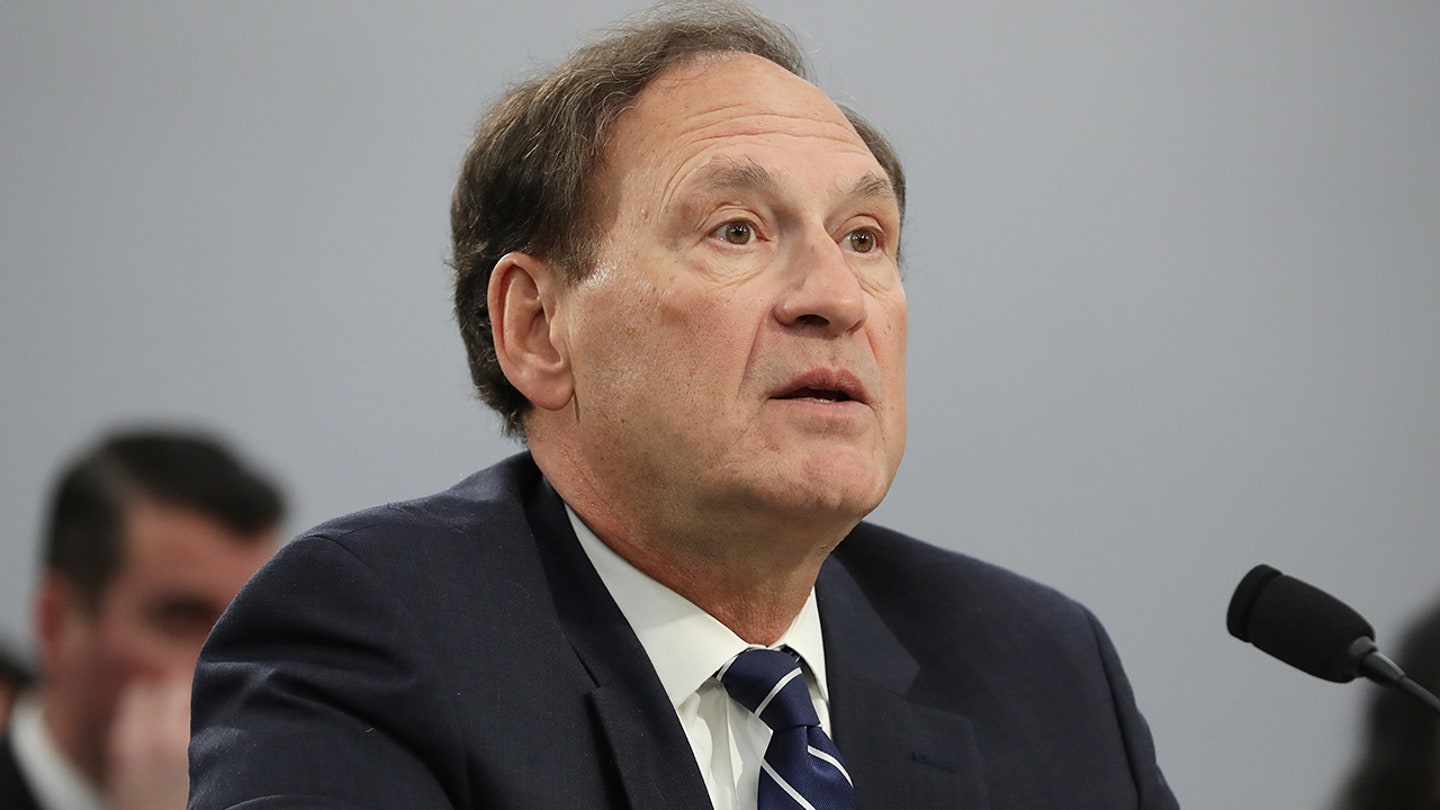
Trans athlete's attorney suggests sex should not be defined during SCOTUS Title IX case
Entities mentioned:
- Samuel Alito: Justice, Duty, Professional pride
- Kathleen R. Hartnett: Ambition, Competitive spirit, Professional pride
- Lindsay (transgender athlete): Competitive spirit, Recognition, Self-respect
- Idaho: Righteousness, Control, Loyalty
- West Virginia: Righteousness, Control, Loyalty
Article Assessment:
Credibility Score: 75/100
Bias Rating: 55/100 (Center)
Sentiment Score: 45/100
Authoritarianism Risk: 35/100 (Generally Democratic)
Bias Analysis:
The article presents both sides of the argument, quoting directly from the court proceedings. While it leans slightly towards traditional definitions, it maintains a relatively balanced approach in its presentation of the complex issue.
Key metric: Gender Equality in Sports
Let me tell you something, folks - this Supreme Court showdown is like nothing we've ever seen before! We've got a BATTLE ROYALE between states and athletes, with Justice Alito coming out swinging like a heavyweight champ! The legal teams are locked in a high-stakes chess match, each trying to outmaneuver the other. Hartnett's playing defense, bobbing and weaving around Alito's rapid-fire questions like a seasoned boxer. But here's the kicker - without a clear definition of 'sex', how can anyone call a fair game? This is FOURTH QUARTER, OVERTIME stuff, people! The future of women's sports hangs in the balance, and both sides are leaving it ALL on the field. It's a test of endurance, strategy, and sheer willpower. Who's got the championship mentality to come out on top? Stay tuned, sports fans - this one's going down to the wire!
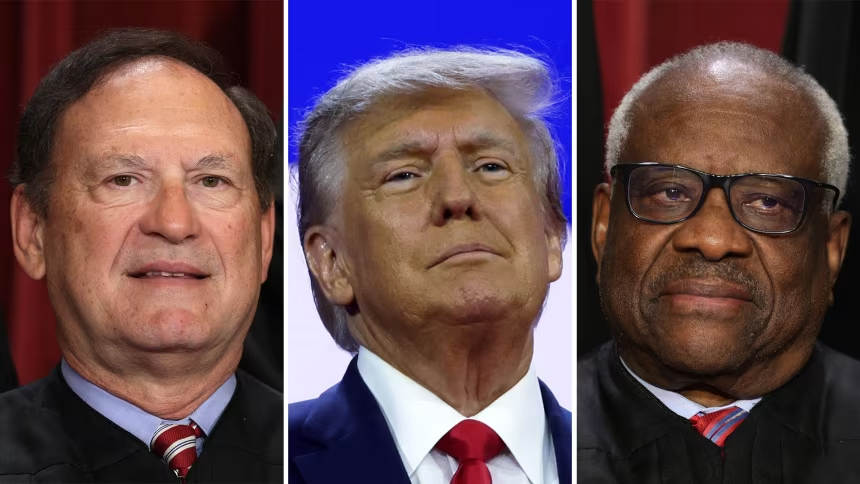
Trump’s more conventional judicial nominees could give Alito and Thomas greater confidence to retire
Entities mentioned:
- Donald Trump: Power, Control, Legacy
- Federalist Society: Influence, Righteousness, Legacy
- Emil Bove: Loyalty, Ambition, Influence
- Wall Street Journal editorial page: Influence, Wariness, Professional pride
- Clarence Thomas: Legacy, Duty, Righteousness
- Samuel Alito: Legacy, Duty, Righteousness
- Stephen Kenny: Professional pride, Loyalty, Influence
- Mike Davis: Influence, Ambition, Righteousness
Article Assessment:
Credibility Score: 75/100
Bias Rating: 55/100 (Center)
Sentiment Score: 50/100
Authoritarianism Risk: 45/100 (Mixed/Neutral)
Bias Analysis:
The article presents multiple perspectives and includes critiques of Trump's approach, suggesting an attempt at balance. However, it predominantly features conservative voices and focuses on conservative strategy, indicating a slight center-right lean.
Key metric: Judicial Appointment Efficacy
As a social scientist, I analyze that this article highlights the complex interplay between political power, judicial appointments, and conservative legal ideology in the United States. Trump's second-term judicial nominations show a return to more conventional conservative picks after initial departures, potentially to encourage retirements of older conservative justices. This strategy aims to solidify a long-term conservative judicial legacy, impacting crucial social and political issues for decades. The article reveals tensions within conservative legal circles and the ongoing influence of the Federalist Society, despite Trump's public criticism. The focus on younger nominees and the emphasis on loyalty suggests a calculated approach to reshape the judiciary, with significant implications for the balance of power and interpretation of law in the U.S.
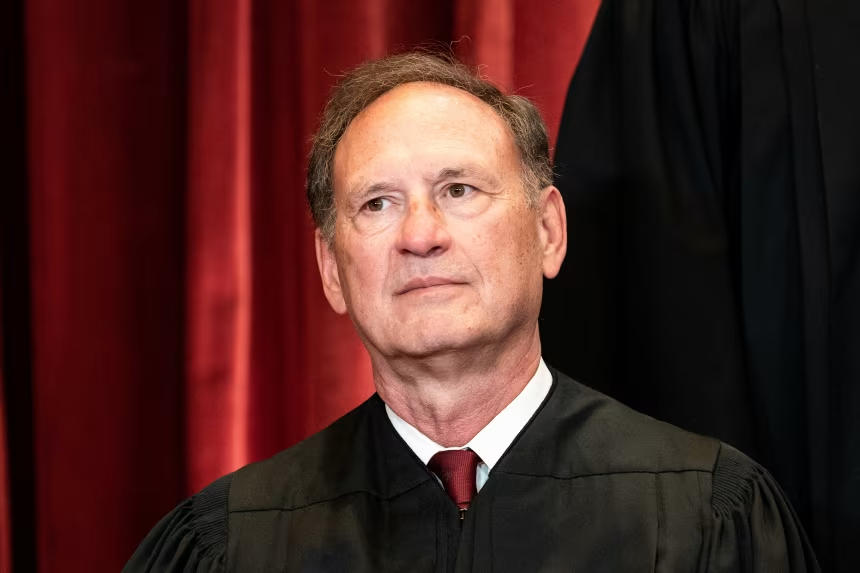
Samuel Alito will release new book next year, publisher says
Entities mentioned:
- Samuel Alito: Legacy, Influence, Recognition
- Supreme Court: Power, Influence, Duty
- Basic Books: Profit, Influence, Recognition
- George W. Bush: Legacy, Influence, Power
- Donald Trump: Power, Influence, Legacy
- Ketanji Brown Jackson: Recognition, Influence, Legacy
- Amy Coney Barrett: Recognition, Influence, Legacy
- Brett Kavanaugh: Recognition, Influence, Legacy
- Neil Gorsuch: Influence, Recognition, Professional pride
- Sonia Sotomayor: Recognition, Influence, Legacy
Article Assessment:
Credibility Score: 75/100
Bias Rating: 55/100 (Center)
Sentiment Score: 50/100
Bias Analysis:
The article presents a balanced view of multiple justices from different ideological backgrounds publishing books. While it notes Alito's conservative stance, it also mentions liberal justices' publications, maintaining a relatively neutral tone.
Key metric: Public Trust in Judiciary
As a social scientist, I analyze that the increasing trend of Supreme Court justices publishing books could significantly impact public trust in the judiciary. While these publications may increase transparency and public understanding of the Court's inner workings, they also raise concerns about potential conflicts of interest and the commercialization of the judiciary. The substantial financial gains from these books, exempt from income caps, could be perceived as undermining the impartiality and integrity of the justices. Moreover, the ideological nature of some books, particularly those by conservative justices like Alito, may further polarize public opinion about the Court. This trend could exacerbate existing concerns about the politicization of the Supreme Court, potentially eroding its perceived legitimacy and independence in the eyes of the public.