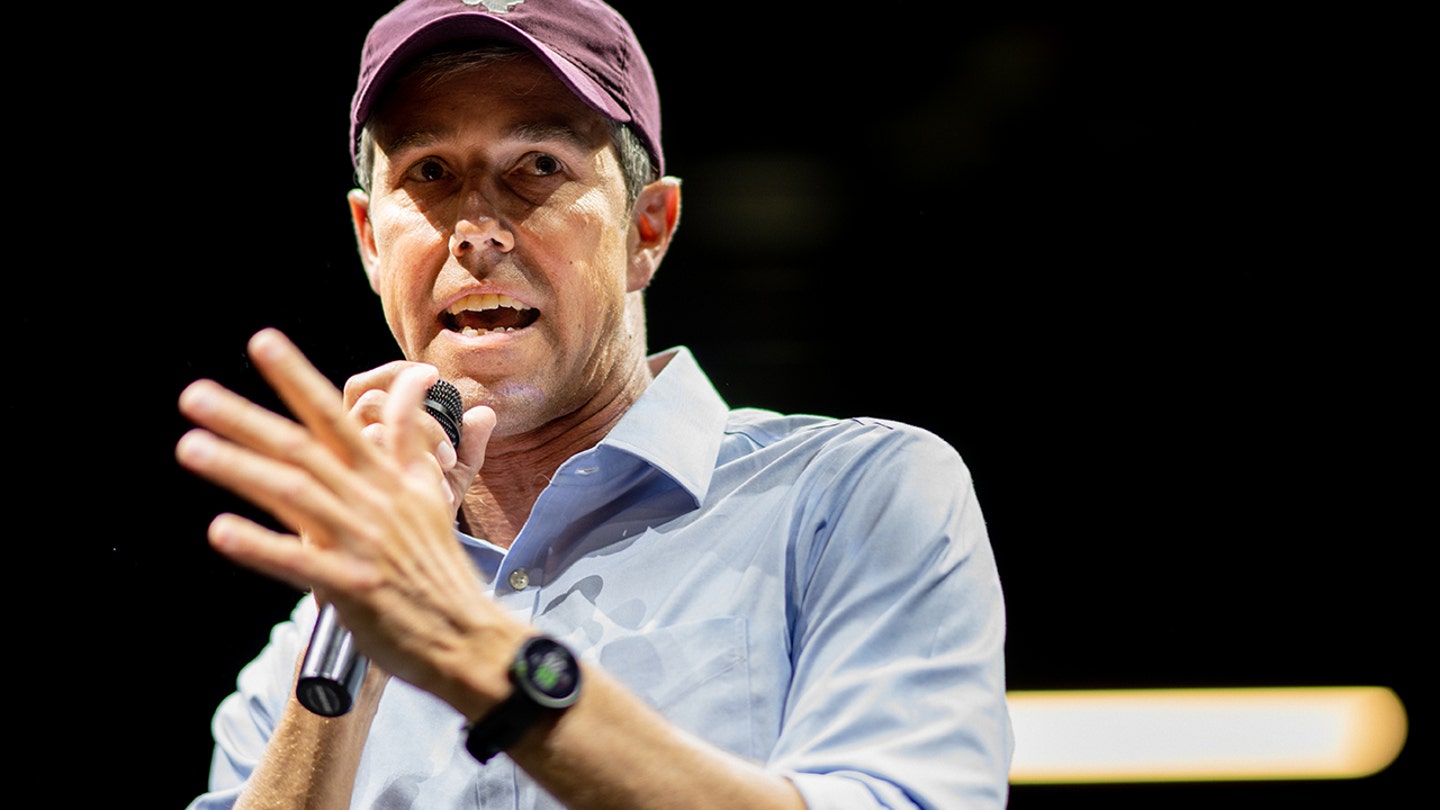
Beto O'Rourke compares 2025 America to 1933 Germany and 'can only imagine the history books'
Entities mentioned:
- Beto O'Rourke: Moral outrage, Righteousness, Fear
- Gavin Newsom: Influence, Ambition, Unity
- Ken Paxton: Justice, Control, Duty
- Texas Democrats: Determination, Righteousness, Self-preservation
- Republicans: Power, Control, Loyalty
- Donald Trump: Power, Control, Recognition
- John Cornyn: Justice, Duty, Loyalty
Article Assessment:
Credibility Score: 65/100
Bias Rating: 65/100 (Lean Right)
Sentiment Score: 25/100
Authoritarianism Risk: 40/100 (Generally Democratic)
Bias Analysis:
The article leans right, focusing more on O'Rourke's controversial statements and including criticism from Republican sources. While it presents O'Rourke's views, it does not provide balancing perspectives or context for his comparisons.
Key metric: Political Polarization Index
As a social scientist, I analyze that this article highlights the increasing political polarization in the United States. O'Rourke's comparison of contemporary America to 1933 Germany demonstrates an extreme view of the political opposition, which can further deepen divisions. The invocation of Nazi Germany in modern political discourse is a sign of heightened tensions and a breakdown in civil political dialogue. This rhetoric, coming from a prominent political figure, may contribute to a more adversarial and less cooperative political environment, potentially impacting governance and social cohesion. The article also illustrates the ongoing debate about the state of American democracy and the perceived threats to it, which is a significant concern affecting political discourse and public trust in institutions.
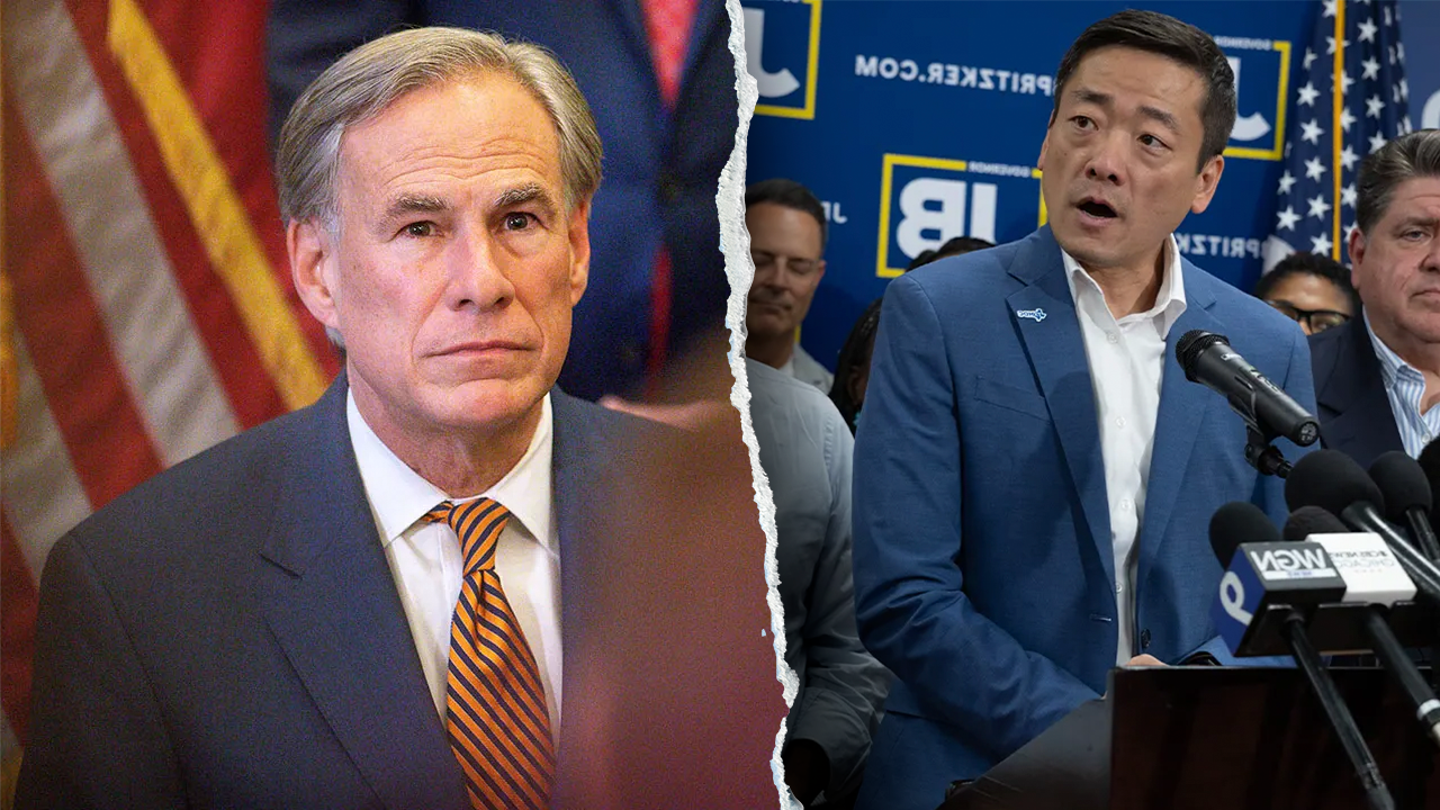
Texas Democrats who fled could face felony bribery charges, governor says
Entities mentioned:
- Texas Democrats: Justice, Self-preservation, Unity
- Greg Abbott: Power, Control, Righteousness
- Ken Paxton: Duty, Loyalty, Power
- Beto O'Rourke: Unity, Justice, Influence
- Gavin Newsom: Competitive spirit, Moral outrage, Power
- Republican Party: Power, Control, Ambition
- Democratic Party: Justice, Moral outrage, Self-preservation
Article Assessment:
Credibility Score: 65/100
Bias Rating: 65/100 (Lean Right)
Sentiment Score: 30/100
Authoritarianism Risk: 60/100 (Mixed/Neutral)
Bias Analysis:
The article leans right due to more extensive quotes and explanations from Republican officials, particularly Governor Abbott. While it includes some Democratic perspectives, they are less detailed and often framed as responses to Republican actions.
Key metric: Political Polarization Index
As a social scientist, I analyze that this article highlights the intensifying political polarization in the United States, particularly regarding redistricting efforts. The conflict between Texas Republicans and Democrats over redistricting showcases how electoral map manipulation can significantly impact political power dynamics. The aggressive rhetoric and actions from both sides, including threats of arrest and felony charges, indicate a breakdown in bipartisan cooperation and an escalation of partisan tactics. This situation is likely to further erode trust in democratic institutions and increase political animosity between parties, potentially leading to a higher Political Polarization Index score. The involvement of out-of-state governors also suggests that this local issue has national implications, further amplifying its impact on overall political polarization in the country.
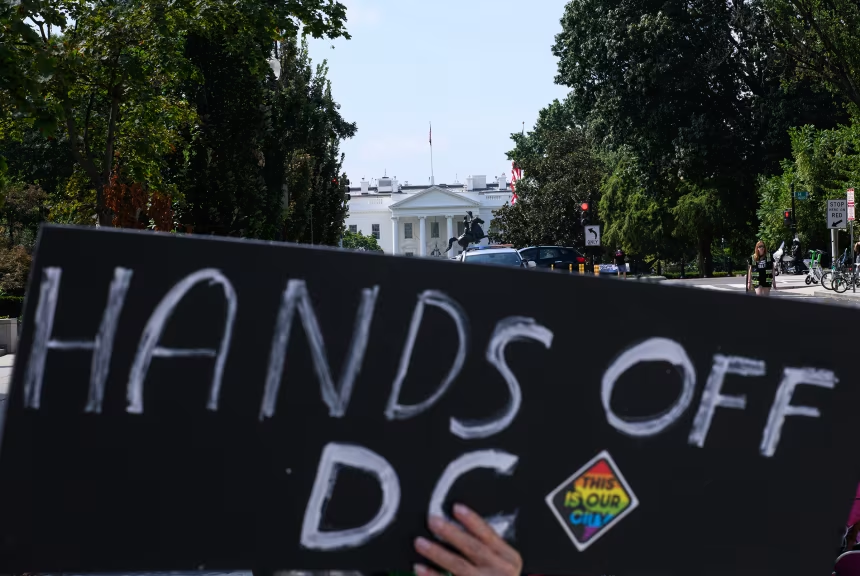
Trump’s DC police takeover was fueled by attack on former DOGE staffer and his own observations of homelessness, allies say
Entities mentioned:
- Donald Trump: Control, Power, Legacy
- Muriel Bowser: Self-preservation, Duty, Unity
- Metropolitan Police Department: Duty, Professional pride, Security
- National Guard: Duty, Security, Obligation
- Pam Bondi: Loyalty, Control, Professional pride
- Brian Schwalb: Justice, Indignation, Duty
- Pamela Smith: Professional pride, Duty, Security
- Jeanine Pirro: Loyalty, Control, Justice
- Chuck Schumer: Political opposition, Moral outrage, Justice
- Gavin Newsom: Political opposition, Moral outrage, Freedom
Article Assessment:
Credibility Score: 65/100
Bias Rating: 55/100 (Center)
Sentiment Score: 30/100
Authoritarianism Risk: 75/100 (Authoritarian Tendencies)
Bias Analysis:
The article presents multiple viewpoints, including those of the Trump administration and local DC officials. While it leans slightly towards skepticism of the federal takeover, it provides context and attempts to balance the narrative.
Key metric: Rule of Law Index
As a social scientist, I analyze that this unprecedented federal takeover of a local police force significantly impacts the Rule of Law Index for the United States. The action raises serious questions about the separation of powers, local autonomy, and the appropriate use of federal authority. While the stated goal is to address crime and homelessness, the unilateral nature of the decision and the apparent lack of a clear emergency situation suggest potential overreach. This move could lead to a deterioration in the perception of checks and balances within the US government system, potentially lowering the country's score on measures of government powers and fundamental rights within the Rule of Law Index. The conflicting narratives between federal and local officials regarding crime statistics and the necessity of the intervention further complicate the situation, potentially eroding public trust in both levels of government.

California GOP lawmaker faces taunts and jeers over Trump’s ‘big, beautiful bill’ at town halls
Entities mentioned:
- Doug LaMalfa: Loyalty, Duty, Self-preservation
- Donald Trump: Power, Control, Legacy
- Mike Flood: Duty, Loyalty, Self-preservation
- NRCC: Power, Control, Influence
- Gavin Newsom: Power, Influence, Competitive spirit
Article Assessment:
Credibility Score: 75/100
Bias Rating: 55/100 (Center)
Sentiment Score: 35/100
Authoritarianism Risk: 40/100 (Generally Democratic)
Bias Analysis:
The article presents multiple viewpoints and includes direct quotes from both the congressman and constituents. While it highlights criticisms of LaMalfa and Trump's policies, it also allows for LaMalfa's responses and explanations, maintaining a relatively balanced perspective.
Key metric: Political Polarization Index
As a social scientist, I analyze that this article highlights the growing political polarization in the United States, particularly in rural areas. The hostile reception of Rep. LaMalfa at town hall meetings indicates a deepening divide between Republican representatives and their constituents over Trump's policies. The focus on controversial issues such as climate change, tariffs, and redistricting further emphasizes the ideological gaps. This polarization is likely to impact voter trust, political engagement, and the ability of elected officials to effectively represent their constituents. The article also touches on the broader implications of redistricting efforts, which could significantly alter the political landscape and potentially exacerbate partisan tensions.
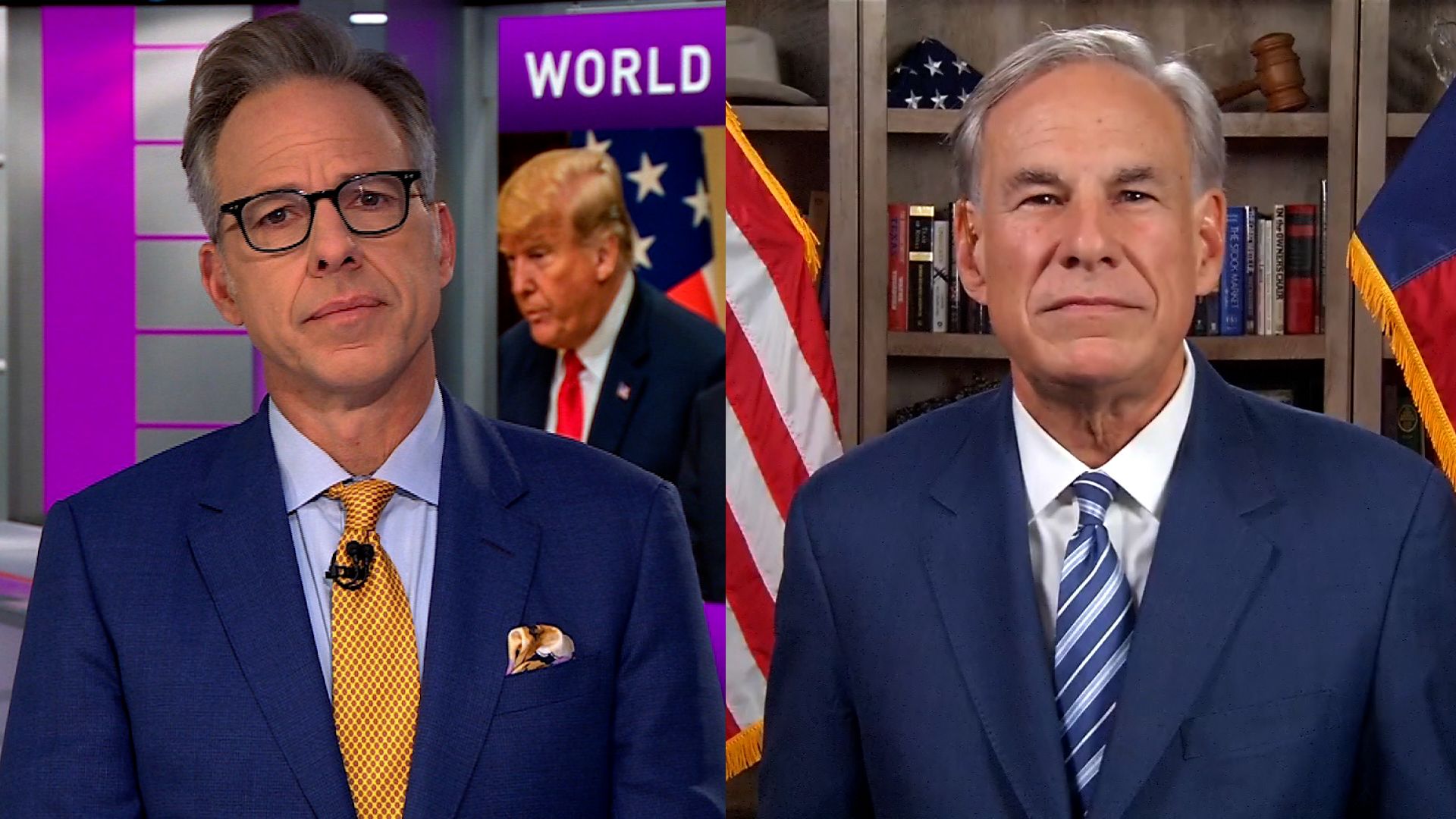
Texas Gov. Abbott decries ‘runaway Democrats’ as redistricting standoff enters its second week
Entities mentioned:
- Texas House Democrats: Justice, Righteousness, Determination
- Texas Republicans: Power, Control, Ambition
- Greg Abbott: Power, Control, Indignation
- Dustin Burrows: Duty, Determination, Control
- Gene Wu: Justice, Righteousness, Determination
- John Cornyn: Power, Control, Loyalty
- Beto O'Rourke: Justice, Influence, Unity
- Gavin Newsom: Power, Competitive spirit, Justice
- Dick Durbin: Justice, Unity, Righteousness
- Mihaela Plesa: Determination, Justice, Righteousness
- Rhetta Bowers: Determination, Justice, Self-preservation
Article Assessment:
Credibility Score: 75/100
Bias Rating: 55/100 (Center)
Sentiment Score: 30/100
Authoritarianism Risk: 65/100 (Authoritarian Tendencies)
Bias Analysis:
The article presents perspectives from both Democratic and Republican sides, giving voice to multiple viewpoints. However, there's slightly more space given to Democratic justifications and concerns, which nudges it just past center.
Key metric: Political Polarization Index
As a social scientist, I analyze that this article highlights a significant escalation in political polarization and partisan tactics in Texas, with potential national implications. The redistricting conflict demonstrates a growing willingness to use extreme measures to gain political advantage, including Democrats fleeing the state and Republicans considering unprecedented legal actions. This standoff not only affects Texas's legislative process but also has broader implications for national political representation and the balance of power in the U.S. House of Representatives. The involvement of other states and national figures suggests a widening of the conflict beyond Texas borders, potentially exacerbating national political divisions. The tactics employed by both sides, including attempts to track down lawmakers and potential retaliatory redistricting in other states, indicate a deterioration of political norms and an increase in confrontational strategies. This situation is likely to further erode public trust in democratic institutions and processes, contributing to a more polarized and contentious political environment nationwide.
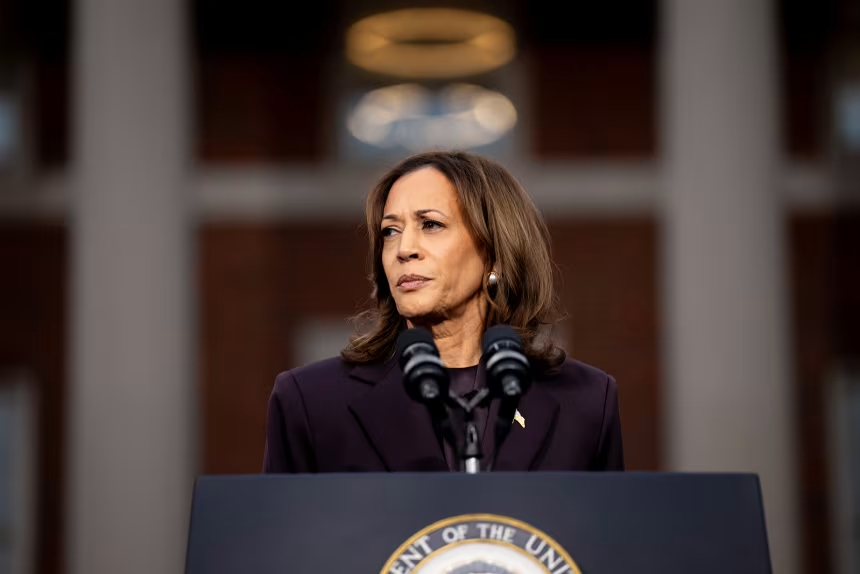
Republicans reprise anti-transgender ‘Kamala is for they/them’ ads for the midterms
Entities mentioned:
- Republicans: Power, Control, Fear
- Roy Cooper: Ambition, Righteousness, Justice
- Senate Leadership Fund: Power, Influence, Control
- Kamala Harris: Justice, Righteousness, Duty
- Donald Trump: Power, Control, Influence
- Jon Ossoff: Justice, Duty, Righteousness
- Chris LaCivita: Competitive spirit, Power, Influence
- Democrats: Justice, Righteousness, Unity
- Viet Shelton: Duty, Righteousness, Justice
- Buddy Carter: Power, Competitive spirit, Loyalty
- Winsome Earle-Sears: Power, Control, Competitive spirit
- Abigail Spanberger: Justice, Duty, Righteousness
- Gavin Newsom: Ambition, Power, Influence
- Pete Buttigieg: Ambition, Influence, Righteousness
- Human Rights Campaign: Justice, Righteousness, Unity
- Tim Walz: Righteousness, Justice, Unity
- Stephen Cloobeck: Ambition, Competitive spirit, Power
Article Assessment:
Credibility Score: 75/100
Bias Rating: 55/100 (Center)
Sentiment Score: 35/100
Authoritarianism Risk: 45/100 (Mixed/Neutral)
Bias Analysis:
The article presents views from both Republican and Democratic sides, quoting various sources. However, it gives slightly more space to critiquing Republican strategies, suggesting a slight center-left lean.
Key metric: Political Polarization Index
As a social scientist, I analyze that this article highlights the increasing political polarization in the United States, particularly around transgender issues. The Republicans' strategy of using anti-transgender messaging in political ads demonstrates an attempt to create wedge issues and mobilize their base. This approach may deepen existing societal divisions and further alienate the LGBTQ+ community. The Democrats' response, while attempting to focus on economic issues, shows some internal disagreement on how to address these attacks. This polarization could lead to increased social tension, policy gridlock, and a decline in civil discourse, potentially impacting the overall functioning of democratic institutions.
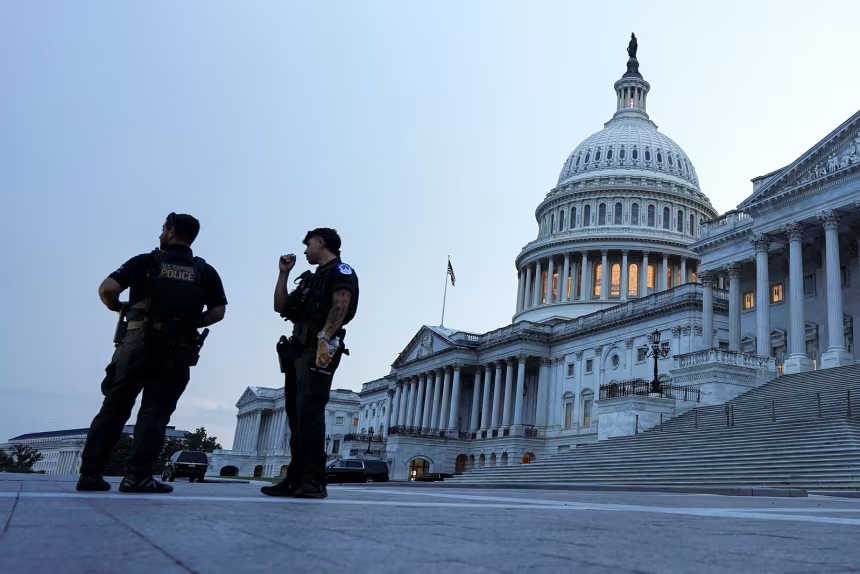
White House plans increase in federal law enforcement in DC over crime as Trump threatens to bring in National Guard
Entities mentioned:
- Trump administration: Control, Power, Security
- Donald Trump: Power, Control, Recognition
- ICE: Duty, Control, Security
- FBI: Duty, Security, Justice
- National Guard: Duty, Security, Control
- Department of Homeland Security: Security, Control, Duty
- Karoline Leavitt: Duty, Loyalty, Professional pride
- Muriel Bowser: Duty, Security, Self-preservation
- DC Police Department: Duty, Security, Professional pride
- Gavin Newsom: Moral outrage, Self-preservation, Control
Article Assessment:
Credibility Score: 70/100
Bias Rating: 55/100 (Center)
Sentiment Score: 30/100
Authoritarianism Risk: 65/100 (Authoritarian Tendencies)
Bias Analysis:
The article presents multiple viewpoints and cites official sources, but there's a slight lean towards questioning Trump's claims. It includes contradictory crime statistics and criticism of Trump's actions, balancing official statements with factual context.
Key metric: Crime Rate in Washington, DC
As a social scientist, I analyze that this article highlights a complex interplay between federal and local governance, public safety concerns, and political motivations. The Trump administration's plan to increase federal law enforcement presence in Washington, DC, ostensibly to address crime issues, raises questions about the balance of power between federal and local authorities. The discrepancy between Trump's claims of increased crime and the actual crime statistics reported by DC Police suggests potential political motivations behind the move. The threat to deploy the National Guard and take over the DC Police Department indicates a significant escalation in federal intervention in local affairs, which could have implications for democratic governance and federalism. This situation reflects broader tensions in American politics regarding law and order, federal vs. local control, and the use of security forces for political purposes.
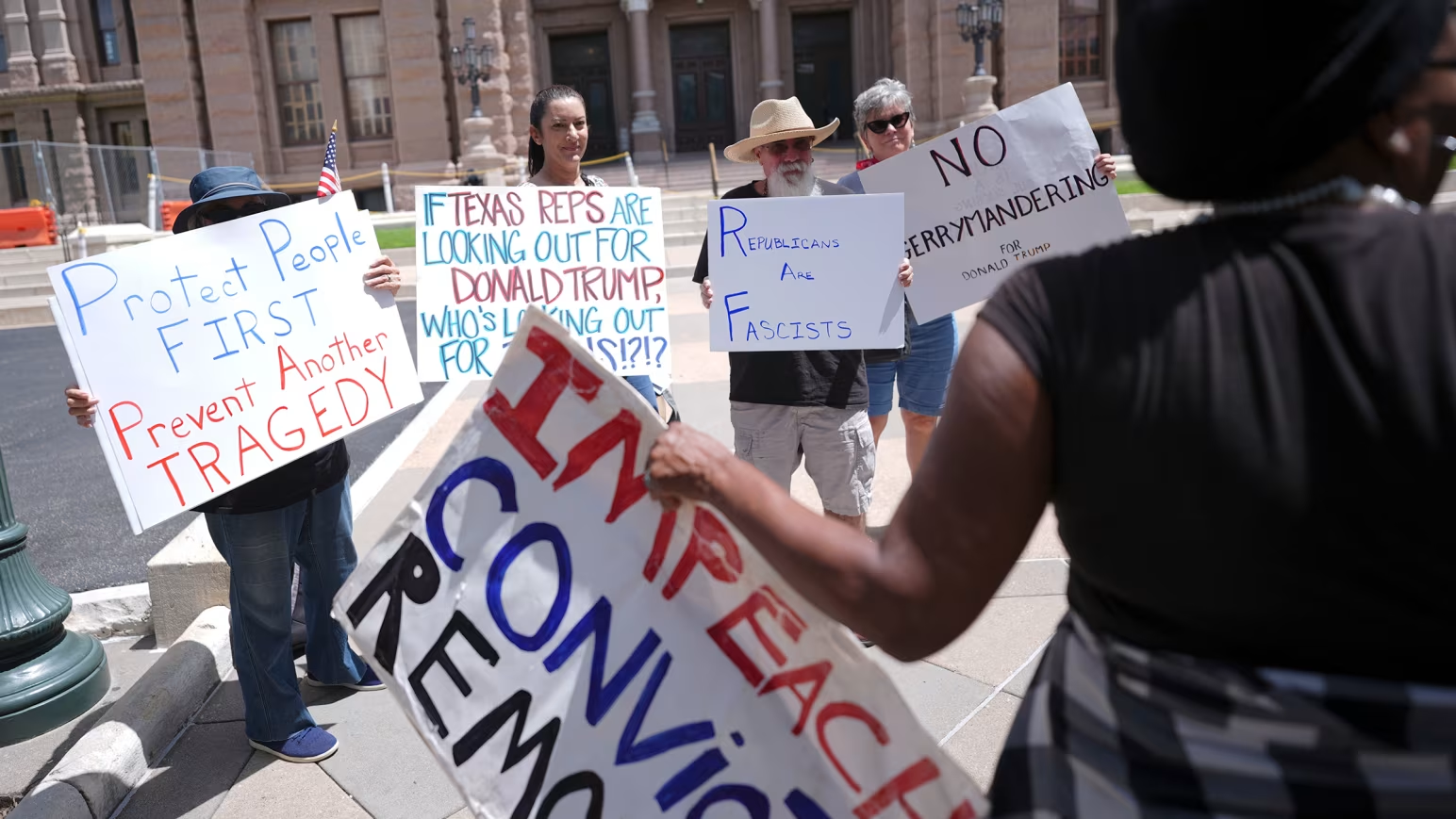
Republicans want to game the next election. Could Democrats get ‘ruthless’ to respond?
Entities mentioned:
- Republicans: Power, Control, Competitive spirit
- Democrats: Power, Justice, Competitive spirit
- Donald Trump: Power, Control, Ambition
- Ron DeSantis: Ambition, Power, Competitive spirit
- Mike Johnson: Power, Control, Loyalty
- Beto O'Rourke: Ambition, Power, Determination
- Gavin Newsom: Power, Competitive spirit, Ambition
- Hakeem Jeffries: Power, Competitive spirit, Justice
Article Assessment:
Credibility Score: 75/100
Bias Rating: 45/100 (Center)
Sentiment Score: 35/100
Authoritarianism Risk: 65/100 (Authoritarian Tendencies)
Bias Analysis:
The article presents views from both Republican and Democratic perspectives, providing a relatively balanced account. However, there's a slight lean towards criticizing Republican actions more heavily, while presenting Democratic responses as reactive.
Key metric: Electoral Integrity
As a social scientist, I analyze that this article highlights a significant threat to electoral integrity in the United States. The attempts by Republicans to redraw congressional districts mid-decade, and the potential Democratic response, could severely undermine the fairness and representativeness of the electoral system. This practice of partisan gerrymandering, if implemented, would likely lead to increased political polarization, reduced competitiveness in elections, and a disconnect between the popular vote and seat allocation. The potential abandonment of nonpartisan redistricting commissions in Democratic-controlled states like California could further erode public trust in the electoral process. This situation reflects a dangerous escalation in partisan tactics that prioritize short-term political gain over long-term democratic stability. The article also underscores the importance of nationwide standards for redistricting to ensure fair representation and maintain the integrity of the electoral system.
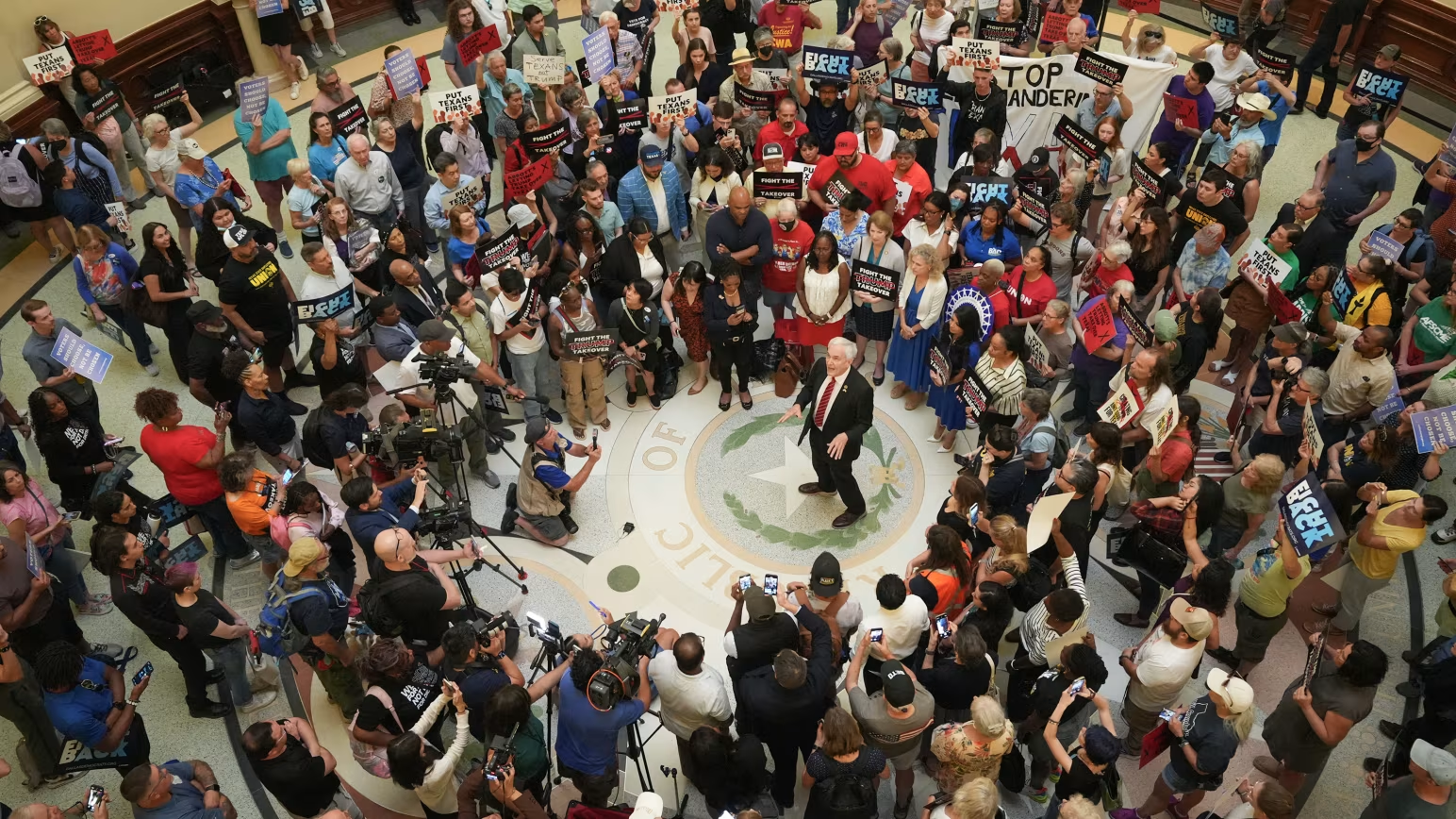
Why Trump’s Texas battle over the House could end up affecting every American
Entities mentioned:
- Donald Trump: Power, Control, Ambition
- Democratic Party: Competitive spirit, Self-preservation, Justice
- Republican Party: Power, Control, Competitive spirit
- Texas State Lawmakers (Democratic): Righteousness, Determination, Resistance
- Kathy Hochul: Competitive spirit, Determination, Power
- Gavin Newsom: Ambition, Competitive spirit, Justice
- Greg Abbott: Loyalty, Power, Control
- Mike Johnson: Power, Loyalty, Control
Article Assessment:
Credibility Score: 65/100
Bias Rating: 35/100 (Lean Left)
Sentiment Score: 30/100
Authoritarianism Risk: 55/100 (Mixed/Neutral)
Bias Analysis:
The article leans slightly left, focusing more on Democratic perspectives and strategies. While it mentions Republican actions, it frames them more negatively and gives more space to Democratic justifications.
Key metric: Electoral Integrity
As a social scientist, I analyze that this article highlights a significant escalation in the ongoing battle over redistricting and its impact on electoral integrity in the United States. The Democrats' shift towards more aggressive tactics in response to Republican gerrymandering efforts in Texas represents a potential turning point in how both parties approach electoral map-drawing. This development could have far-reaching consequences for the balance of power in the House of Representatives and the overall health of American democracy. The article suggests that Democrats are abandoning previous commitments to nonpartisan redistricting commissions in favor of a more combative approach, mirroring Republican tactics. This shift indicates a growing concern among Democrats about losing ground in the electoral landscape and a willingness to engage in similar practices they have previously criticized. The potential for a 'race to the bottom' in gerrymandering could further erode public trust in the electoral system and exacerbate political polarization. The focus on Texas as a battleground for this issue underscores the state's importance in national politics and its role as a bellwether for broader trends in electoral strategy.
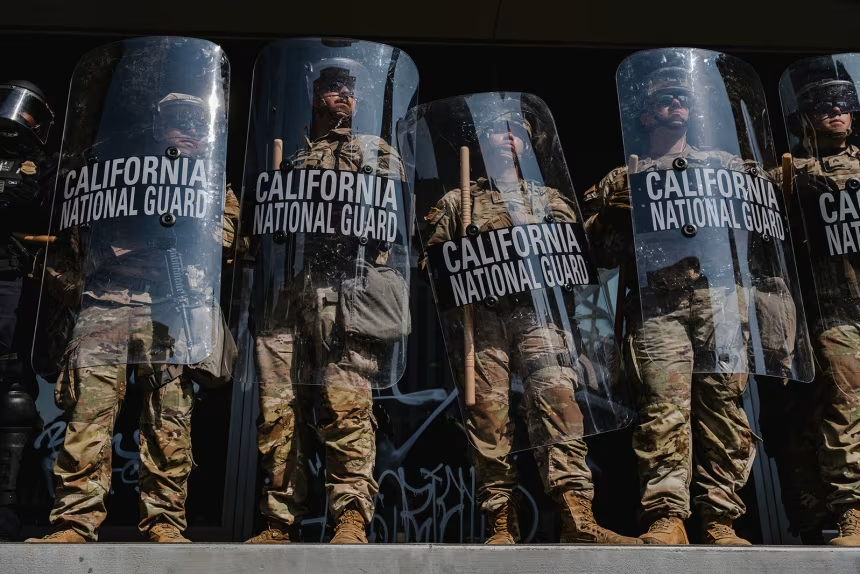
Trump’s threats of using military on US soil are getting more real
Entities mentioned:
- Donald Trump: Power, Control, Security
- US Military: Duty, Security, Obligation
- Gavin Newsom: Competitive spirit, Righteousness
- Karen Bass: Duty, Security
- Mark Esper: Duty, Professional pride
- Stephen Miller: Control, Security
Article Assessment:
Credibility Score: 75/100
Bias Rating: 35/100 (Lean Left)
Sentiment Score: 25/100
Authoritarianism Risk: 70/100 (Authoritarian Tendencies)
Bias Analysis:
The article leans left in its framing, emphasizing concerns about Trump's actions and their potential authoritarian implications. While it presents factual information, the tone and selection of quotes suggest a critical stance towards the administration's policies.
Key metric: Civilian Control of Military
As a social scientist, I analyze that this article highlights a concerning trend towards the potential erosion of civilian control over the military in the United States. President Trump's repeated suggestions and actions aimed at deploying military forces for domestic law enforcement purposes represent a significant departure from historical norms and potentially challenge the foundational principle of civilian control. This shift could have far-reaching implications for the balance of power within the US government and the role of the military in domestic affairs. The article suggests a gradual escalation in both rhetoric and action, which may be testing public and institutional tolerance for such measures. This trend, if continued, could lead to a redefinition of the military's domestic role and potentially alter the relationship between civilian leadership and military forces in ways that may be difficult to reverse.