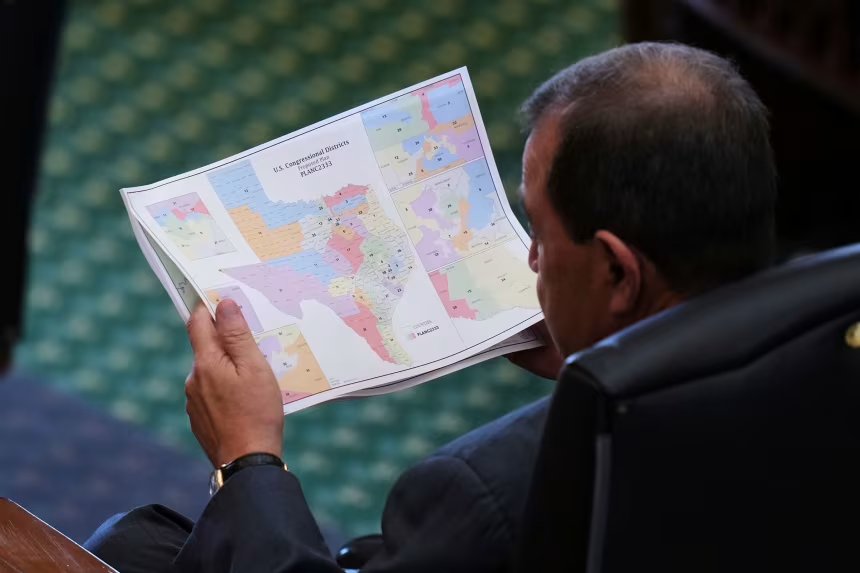
Texas nears final vote on new congressional maps as partisan redistricting race escalates
Entities mentioned:
- Texas Senate: Power, Control, Loyalty
- Texas Republicans: Ambition, Competitive spirit, Power
- Carol Alvarado: Determination, Justice, Moral outrage
- Donald Trump: Power, Influence, Control
- Greg Abbott: Power, Control, Loyalty
- California Democrats: Competitive spirit, Power, Justice
- Gavin Newsom: Ambition, Competitive spirit, Justice
- White House: Power, Control, Influence
- Kathy Hochul: Competitive spirit, Power, Justice
- Todd Hunter: Loyalty, Power, Competitive spirit
- Catherine Blakespear: Justice, Moral outrage, Competitive spirit
- Dustin Burrows: Control, Power, Loyalty
- Nicole Collier: Determination, Justice, Moral outrage
- Gene Wu: Justice, Determination, Moral outrage
- Lloyd Doggett: Self-preservation, Professional pride, Duty
- Charlie Geren: Control, Power, Loyalty
Article Assessment:
Credibility Score: 75/100
Bias Rating: 55/100 (Center)
Sentiment Score: 35/100
Authoritarianism Risk: 65/100 (Authoritarian Tendencies)
Bias Analysis:
The article presents perspectives from both Republican and Democratic sides, quoting various politicians and explaining their actions. While it leans slightly towards criticizing Republican efforts, it also details Democratic counter-measures, maintaining a relatively balanced approach.
Key metric: Congressional Seat Distribution
As a social scientist, I analyze that this article highlights the intensifying partisan struggle over redistricting in the United States, particularly in Texas and California. The actions taken by both Republican and Democratic-led state legislatures demonstrate a clear attempt to manipulate congressional districts to gain political advantage. This process, often referred to as gerrymandering, has significant implications for the balance of power in the U.S. House of Representatives. The unusual mid-decade redistricting efforts in Texas and California's response indicate an escalation in the use of this tactic, potentially setting a precedent for other states to follow. This could lead to increased political polarization, reduced electoral competitiveness, and a disconnect between the popular vote and seat distribution in Congress. The legal challenges mentioned in the article suggest that the judiciary may play a crucial role in determining the final outcome of these redistricting efforts, highlighting the complex interplay between state legislatures, voters, and the court system in shaping American democracy.
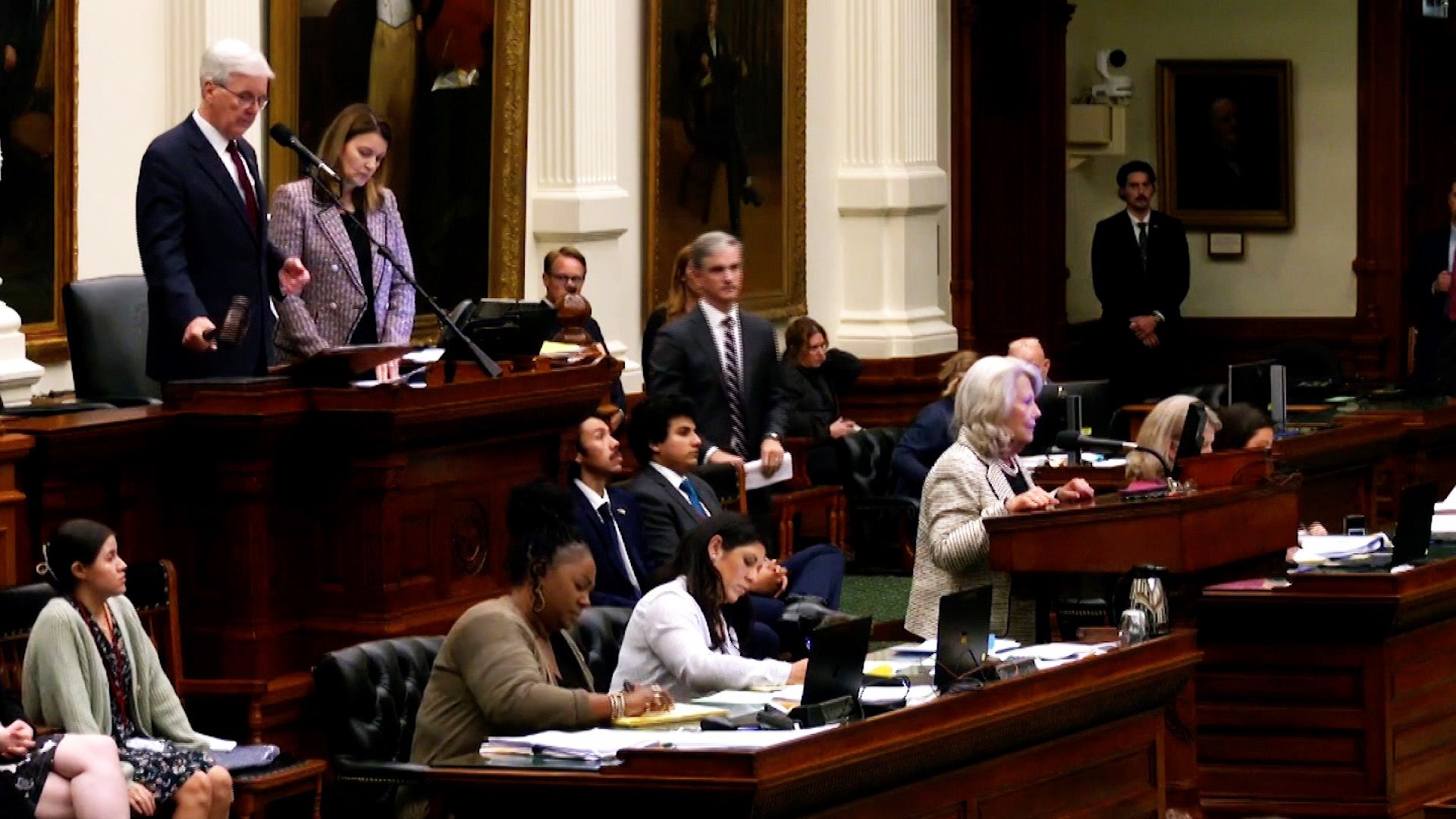
Texas Republicans approve new congressional maps as partisan redistricting race escalates
Entities mentioned:
- Texas Republicans: Power, Control, Competitive spirit
- Donald Trump: Power, Influence, Legacy
- Greg Abbott: Power, Loyalty, Control
- Dan Patrick: Loyalty, Power, Influence
- California Democrats: Competitive spirit, Power, Justice
- Gavin Newsom: Power, Competitive spirit, Justice
- Kathy Hochul: Competitive spirit, Power, Influence
- Todd Hunter: Power, Loyalty, Competitive spirit
- Catherine Blakespear: Justice, Competitive spirit, Moral outrage
- Phil King: Power, Loyalty, Competitive spirit
- Texas Democrats: Justice, Moral outrage, Self-preservation
- Dustin Burrows: Control, Power, Determination
- Nicole Collier: Moral outrage, Self-respect, Determination
- Gene Wu: Justice, Determination, Moral outrage
- Carol Alvarado: Justice, Determination, Moral outrage
- Lloyd Doggett: Self-preservation, Professional pride, Duty
- Greg Casar: Self-preservation, Ambition, Professional pride
- Venton Jones: Justice, Moral outrage, Self-respect
- Charlie Geren: Duty, Control, Power
- Robert Rivas: Power, Competitive spirit, Influence
Article Assessment:
Credibility Score: 75/100
Bias Rating: 55/100 (Center)
Sentiment Score: 35/100
Authoritarianism Risk: 65/100 (Authoritarian Tendencies)
Bias Analysis:
The article presents perspectives from both Republican and Democratic actors, providing a relatively balanced view of the redistricting efforts. However, there's slightly more focus on Democratic opposition and legal challenges, which may suggest a slight center-left lean.
Key metric: Electoral Competitiveness
As a social scientist, I analyze that this article highlights a significant escalation in partisan redistricting efforts, with potential far-reaching consequences for electoral competitiveness in the United States. The actions taken by both Texas Republicans and California Democrats represent a departure from normal redistricting processes, occurring mid-decade rather than following the census. This trend towards more frequent and aggressive redistricting could lead to increased polarization, reduced electoral competitiveness, and a weakening of democratic norms. The use of redistricting as a tool for partisan advantage may result in less representative government and diminished voter faith in the electoral system. The involvement of state legislatures in overriding independent commissions (as in California) also raises concerns about the erosion of checks and balances designed to ensure fair representation.
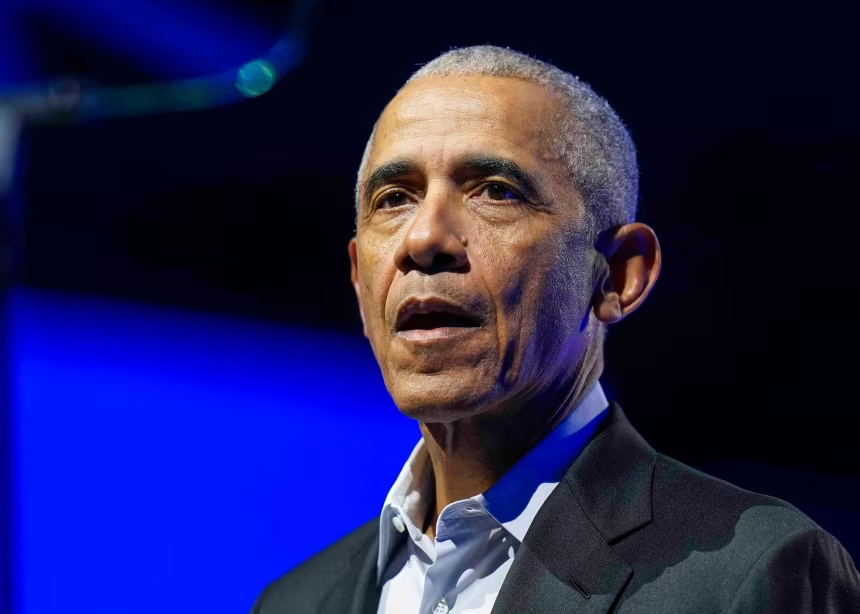
Obama calls Newsom’s redistricting plan ‘a responsible approach’ in response to Texas Republicans redrawing maps
Entities mentioned:
- Barack Obama: Justice, Influence, Legacy
- California Democrats: Power, Justice, Competitive spirit
- Texas Republicans: Power, Control, Competitive spirit
- Gavin Newsom: Justice, Power, Competitive spirit
- Nancy Pelosi: Power, Influence, Loyalty
- Eric Holder: Justice, Influence, Loyalty
- National Democratic Redistricting Committee: Justice, Power, Influence
Article Assessment:
Credibility Score: 75/100
Bias Rating: 40/100 (Lean Left)
Sentiment Score: 45/100
Authoritarianism Risk: 35/100 (Generally Democratic)
Bias Analysis:
The article leans slightly left, primarily due to its focus on Democratic figures and initiatives. While it presents Republican actions negatively, it does include Obama's nuanced view on gerrymandering, providing some balance.
Key metric: Electoral Representation
As a social scientist, I analyze that this article highlights the ongoing struggle between Democrats and Republicans over redistricting and its impact on electoral representation. Obama's support for Newsom's plan, while expressing concern about gerrymandering in general, reflects the Democrats' attempt to counter Republican efforts in Texas. This situation underscores the tension between short-term political gains and long-term democratic ideals. The contrast between California's voter-based approach and Texas's legislature-driven process further emphasizes the differing strategies in managing redistricting. This conflict over redistricting methods could significantly affect the balance of power in the U.S. House of Representatives and the overall fairness of electoral representation across the country.
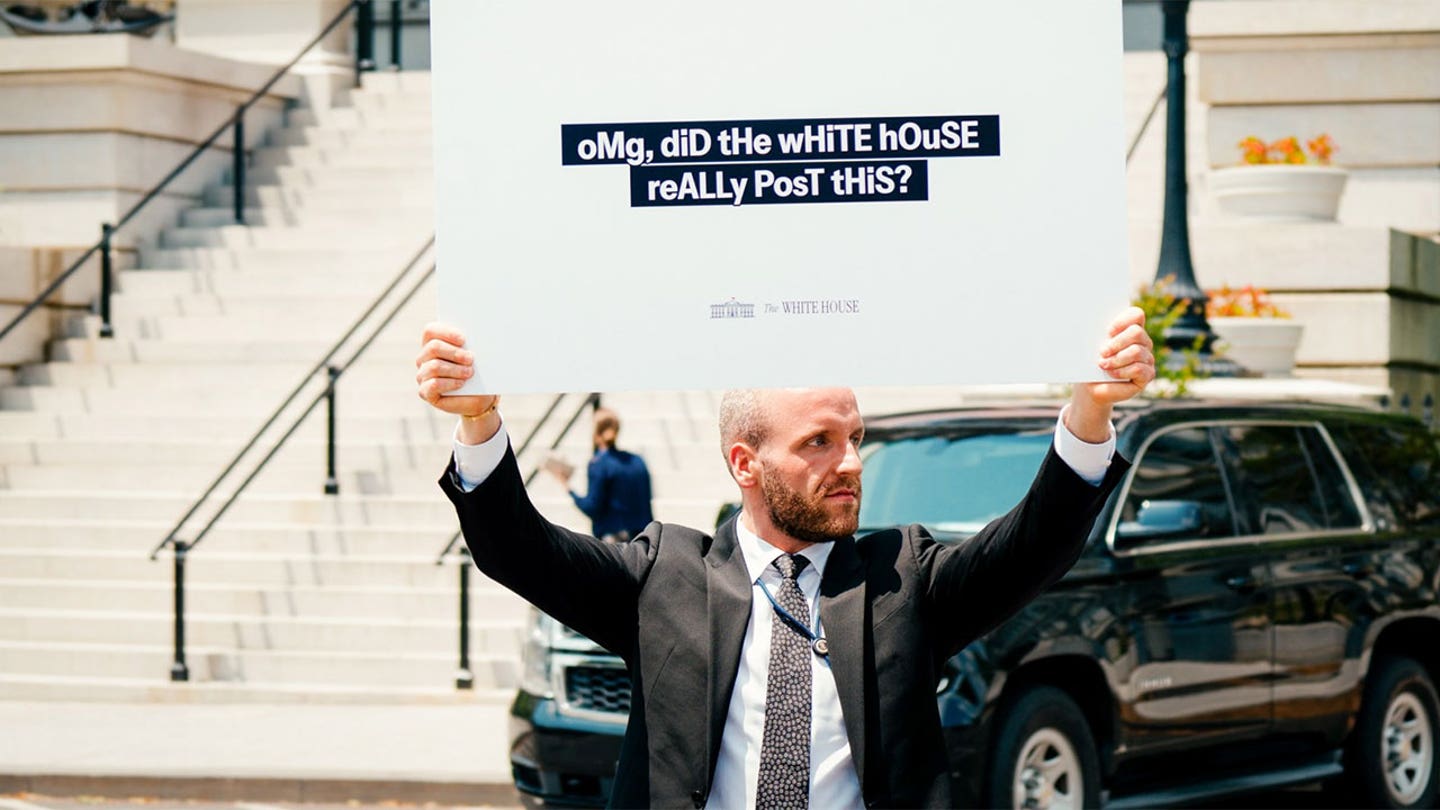
I made memes for the White House. Here’s what I learned
Entities mentioned:
- President Donald Trump: Power, Influence, Recognition
- White House Digital Team: Ambition, Competitive spirit, Influence
- Gavin Newsom: Competitive spirit, Ambition, Influence
- Kaelan Dorr: Determination, Professional pride, Influence
Article Assessment:
Credibility Score: 55/100
Bias Rating: 75/100 (Lean Right)
Sentiment Score: 75/100
Authoritarianism Risk: 65/100 (Authoritarian Tendencies)
Bias Analysis:
The article is written from a first-person perspective of a former Trump administration official, presenting a clearly pro-Trump stance. While it provides insider information, it lacks critical analysis or alternative viewpoints, leaning heavily towards promoting the administration's strategies.
Key metric: Political Engagement of Young Americans
As a social scientist, I analyze that this article highlights a significant shift in political communication strategies, particularly targeting younger demographics. The White House's aggressive use of memes and viral content represents a deliberate attempt to increase political engagement among 18-34 year olds, a traditionally less politically active group. This approach blurs the line between entertainment and political messaging, potentially increasing youth voter turnout but also risking the oversimplification of complex policy issues. The reported success in follower growth and video views suggests a potential increase in political awareness among younger Americans, though it's unclear whether this translates to meaningful civic engagement or merely surface-level interaction with political content.

Politics Weekly AmericaIs Trump abandoning his ‘America First’ policy for Ukraine? – podcast
Entities mentioned:
- Donald Trump: Power, Control, Influence
- Republican Party: Control, Power, Competitive spirit
- Democratic Party: Power, Justice, Influence
- Gavin Newsom: Ambition, Competitive spirit, Justice
- Immigration and Customs Enforcement (ICE): Control, Duty, Security
- Marriott: Self-preservation, Professional pride, Obligation
- Volodymyr Zelenskyy: Unity, Determination, Security
Article Assessment:
Credibility Score: 65/100
Bias Rating: 35/100 (Lean Left)
Sentiment Score: 30/100
Authoritarianism Risk: 55/100 (Mixed/Neutral)
Bias Analysis:
The article leans slightly left in its framing, giving more space to criticisms of Republican and Trump administration actions. While it includes diverse topics, the language used tends to cast conservative policies in a more negative light.
Key metric: Electoral Integrity and Voter Participation
As a social scientist, I analyze that this article highlights significant political tensions and policy shifts in the United States, particularly focusing on immigration, redistricting, and foreign policy. The content suggests a potential shift in Trump's 'America First' policy regarding Ukraine, indicating changing dynamics in international relations. Domestically, the article points to Republican efforts to influence electoral processes through redistricting and voting restrictions, which could significantly impact electoral integrity and voter participation. The mention of using hotels for immigrant detention and changes in immigration application reviews suggests a tightening of immigration policies. These developments, combined with the pushback from Democratic leaders and local officials, indicate a highly polarized political landscape that could affect citizen trust in democratic institutions and processes.

Republicans sue to block Newsom’s fast-track California redistricting plan
Entities mentioned:
- Republicans: Power, Control, Competitive spirit
- Gavin Newsom: Ambition, Influence, Control
- California: Unity, Justice, Self-preservation
Article Assessment:
Credibility Score: 70/100
Bias Rating: 55/100 (Center)
Sentiment Score: 40/100
Authoritarianism Risk: 35/100 (Generally Democratic)
Bias Analysis:
The article presents a relatively balanced view of the conflict, mentioning both Republican actions and Newsom's plan. However, the framing slightly emphasizes the Republican challenge, potentially suggesting a slight center-right lean in presentation.
Key metric: Electoral Representation
As a social scientist, I analyze that this lawsuit by Republicans against Governor Newsom's redistricting plan reflects ongoing partisan tensions over electoral map-drawing processes. The fast-track approach suggests an attempt to expedite changes, potentially altering the balance of power in California's congressional representation. This legal challenge highlights the high stakes involved in redistricting, as it directly impacts political representation and voting power. The conflict underscores the complex interplay between state executive actions and legislative processes in shaping electoral landscapes, with potential long-term consequences for both parties' political influence in the state.
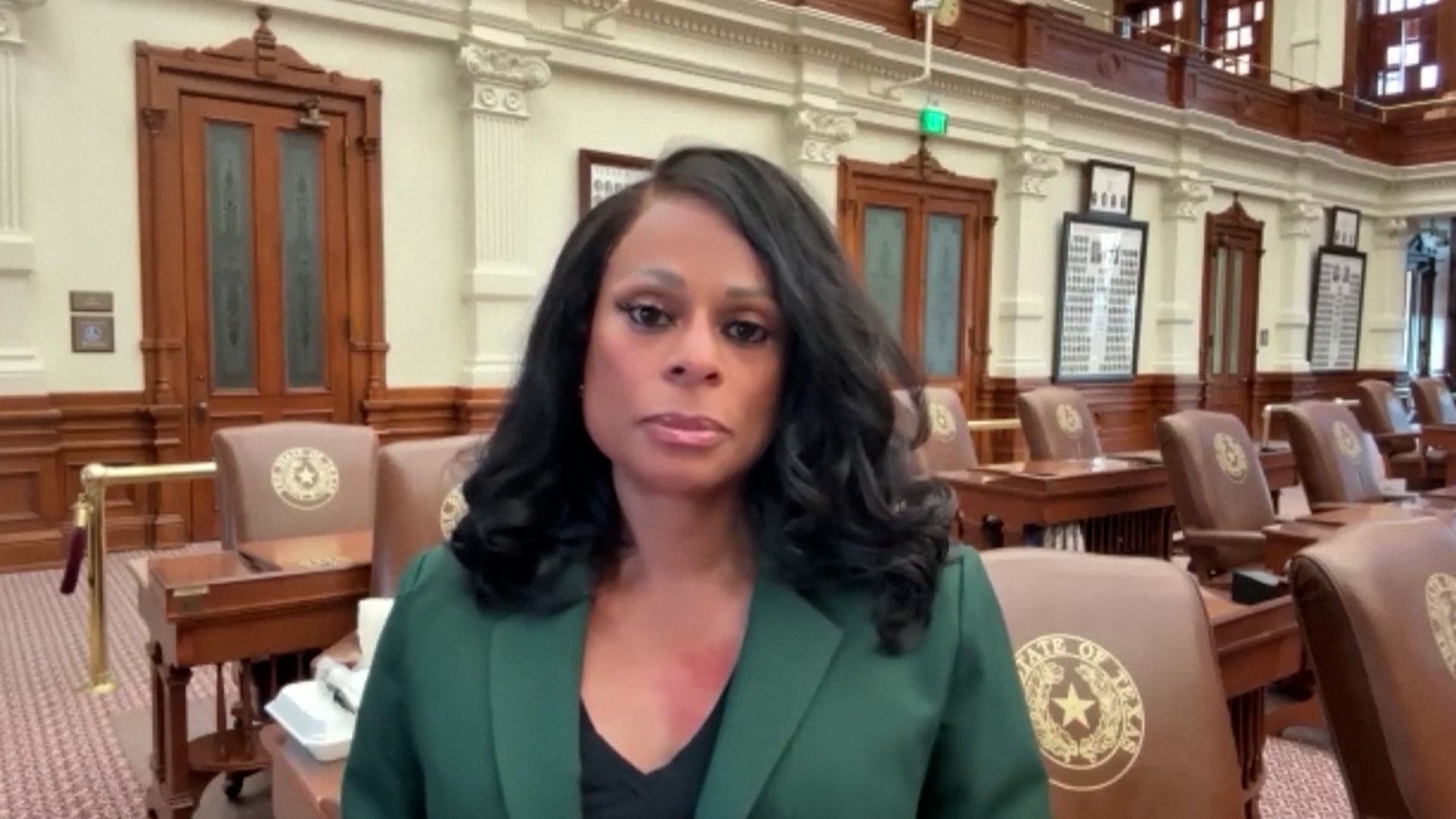
Democratic Texas lawmaker passes 24-hour mark on state House floor after refusing GOP demand for law enforcement escort
Entities mentioned:
- Nicole Collier: Righteousness, Determination, Duty
- Dustin Burrows: Control, Power, Duty
- Texas House Democrats: Resistance, Justice, Self-preservation
- Texas Republicans: Power, Control, Ambition
- Beto O'Rourke: Moral outrage, Unity, Recognition
- Greg Abbott: Power, Ambition, Loyalty
- Donald Trump: Influence, Power, Control
- Gavin Newsom: Competitive spirit, Power, Revenge
Article Assessment:
Credibility Score: 75/100
Bias Rating: 45/100 (Center)
Sentiment Score: 35/100
Authoritarianism Risk: 65/100 (Authoritarian Tendencies)
Bias Analysis:
The article presents perspectives from both Democrats and Republicans, quoting multiple sources. While it gives more space to Democratic viewpoints, it includes Republican statements and contextualizes the broader political landscape.
Key metric: Electoral Integrity
As a social scientist, I analyze that this article highlights a significant conflict over redistricting in Texas, which has broader implications for national electoral integrity. The standoff between Democrats and Republicans over proposed redistricting plans underscores the intensifying partisan struggle for control of the U.S. House of Representatives. Rep. Collier's protest against what she perceives as intimidation tactics reflects growing tensions around voting rights and fair representation. The involvement of law enforcement in monitoring legislators' movements raises concerns about the balance of power between branches of government. This situation exemplifies how gerrymandering and redistricting battles are becoming increasingly contentious, with potential long-term impacts on democratic processes and voter representation. The article also reveals how state-level actions can trigger nationwide responses, as seen in California's proposed countermeasures, indicating a broader, more complex challenge to maintaining electoral integrity across the United States.
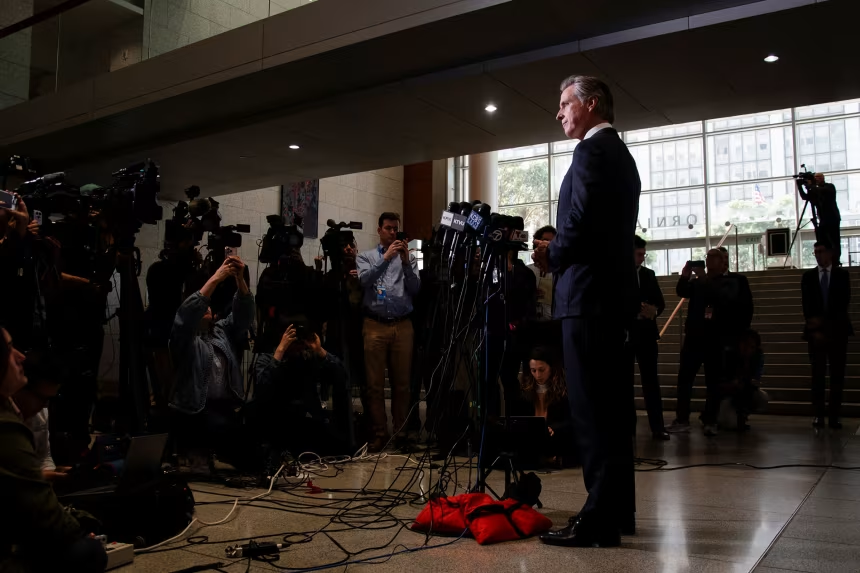
Gavin Newsom is owning the MAGAs. How far can he take it?
Entities mentioned:
- Gavin Newsom: Ambition, Competitive spirit, Power
- Democratic Party: Unity, Self-preservation, Power
- Donald Trump: Power, Control, Influence
- Republican Party: Power, Control, Competitive spirit
Article Assessment:
Credibility Score: 70/100
Bias Rating: 40/100 (Lean Left)
Sentiment Score: 55/100
Authoritarianism Risk: 35/100 (Generally Democratic)
Bias Analysis:
The article leans slightly left, focusing more on Democratic perspectives and Newsom's potential. While it includes some criticism of Newsom, it generally frames his actions in a positive light compared to Republican strategies.
Key metric: Political Polarization Index
As a social scientist, I analyze that this article highlights the increasing political polarization in the United States, with Gavin Newsom emerging as a potential counterforce to MAGA rhetoric. The focus on redistricting battles and Newsom's confrontational approach towards Trump and Republicans suggests a deepening divide between the two major parties. This polarization could significantly impact voter engagement and governance effectiveness. Newsom's rising profile within the Democratic Party, despite mixed public opinion, indicates a shift towards more combative political strategies. This trend may further entrench partisan divisions and potentially alienate moderate voters, affecting the overall political landscape and policy-making processes.
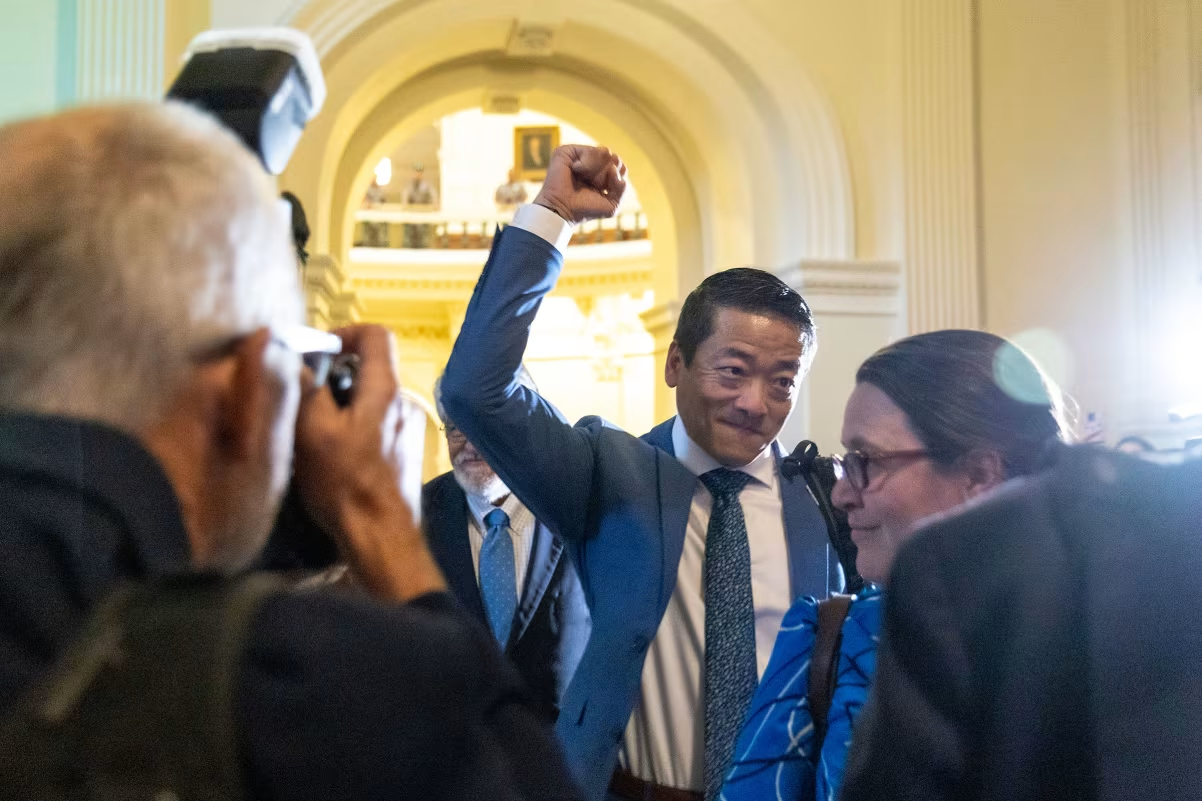
Texas Democrats return to the state as GOP pushes ahead with redistricting
Entities mentioned:
- Texas House Democrats: Justice, Influence, Righteousness
- Texas Republicans: Power, Control, Competitive spirit
- Dustin Burrows: Duty, Control, Professional pride
- Donald Trump: Power, Influence, Competitive spirit
- Greg Abbott: Power, Control, Loyalty
- California Democrats: Justice, Power, Competitive spirit
- Gavin Newsom: Ambition, Power, Influence
Article Assessment:
Credibility Score: 75/100
Bias Rating: 45/100 (Center)
Sentiment Score: 35/100
Authoritarianism Risk: 55/100 (Mixed/Neutral)
Bias Analysis:
The article presents multiple viewpoints and includes quotes from both Republican and Democratic sources. While it gives slightly more space to Democratic perspectives, it maintains a generally balanced approach to reporting the events.
Key metric: Electoral Competitiveness
As a social scientist, I analyze that this article highlights a significant battle over redistricting that could have far-reaching implications for electoral competitiveness in the United States. The actions of Texas Republicans to redraw congressional maps mid-decade have triggered a response from California Democrats, potentially leading to a nationwide gerrymandering arms race. This situation threatens to further polarize the political landscape and reduce the number of competitive districts, which could negatively impact voter engagement and representation. The use of redistricting as a tool for partisan advantage, rather than fair representation, raises concerns about the health of democratic processes and the balance of power in the legislative branch.

Democratic Texas lawmaker spent night on state House floor after refusing GOP demand for law enforcement escort
Entities mentioned:
- Nicole Collier: Righteousness, Determination, Self-respect
- Dustin Burrows: Control, Power, Duty
- Texas House Democrats: Resistance, Justice, Unity
- Texas Republicans: Power, Control, Ambition
- Beto O'Rourke: Moral outrage, Righteousness, Loyalty
- Greg Abbott: Power, Ambition, Loyalty
- Donald Trump: Influence, Power, Control
- Gavin Newsom: Competitive spirit, Justice, Power
Article Assessment:
Credibility Score: 75/100
Bias Rating: 55/100 (Center)
Sentiment Score: 35/100
Authoritarianism Risk: 65/100 (Authoritarian Tendencies)
Bias Analysis:
The article presents both Republican and Democratic perspectives, but gives slightly more space to Democratic viewpoints and actions. The framing of Republicans' actions as 'demands' and Democrats as 'protesting' suggests a slight lean towards sympathizing with the Democrats.
Key metric: Electoral Integrity
As a social scientist, I analyze that this article highlights a significant conflict over redistricting in Texas, which has broader implications for national electoral integrity. The Republican-led effort to redraw congressional maps mid-decade is an unusual move that could significantly alter the balance of power in the U.S. House of Representatives. This situation demonstrates the intensifying partisan struggle over electoral maps, with both parties engaging in tactical maneuvers to gain advantage. The Democrats' initial flight from the state and subsequent return under restrictive conditions illustrates the lengths to which political actors will go to influence the redistricting process. Rep. Collier's protest against the imposed restrictions symbolizes broader resistance to what Democrats perceive as an abuse of power. This conflict over redistricting could erode public trust in the electoral system and potentially lead to more extreme gerrymandering practices across the country, ultimately impacting the fairness and representativeness of elections.