
Inside Gavin Newsom's transgender volleyball crisis
Entities mentioned:
- Hadeel Hazameh: Justice, Self-respect, Righteousness
- Gavin Newsom: Power, Influence, Self-preservation
- Jurupa Unified School District: Obligation, Wariness, Self-preservation
- California Interscholastic Federation: Obligation, Control, Wariness
- U.S. Department of Justice: Justice, Control, Duty
Article Assessment:
Credibility Score: 70/100
Bias Rating: 65/100 (Lean Right)
Sentiment Score: 30/100
Authoritarianism Risk: 35/100 (Generally Democratic)
Bias Analysis:
The article leans right, focusing heavily on perspectives critical of transgender athlete inclusion. While it includes some statements from officials, it predominantly features views from those opposing current policies.
Key metric: Gender Equality in Sports
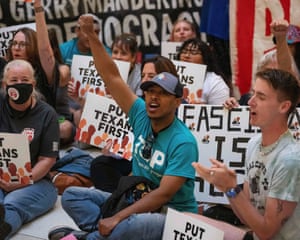
Let me tell you something, folks - this transgender volleyball crisis is a FULL COURT PRESS on California's sports scene! Governor Newsom is playing defense while young athletes like Hadeel Hazameh are going on the offensive. It's a classic David vs Goliath matchup, with high school players stepping up to the plate against the heavy hitters in state government. The Jurupa Unified School District is stuck on the sidelines, passing the ball to lawmakers, while the U.S. Department of Justice is blowing the whistle on potential Title IX violations. This is a high-stakes game with no clear winner in sight, and I'm telling you right now, we're only in the first quarter of what could be a long, grueling match. The clock is ticking, and all eyes are on Newsom to see if he'll make a game-changing play or continue to ride the bench on this controversial issue. Stay tuned, sports fans - this one's going into overtime!
Grand jury declines to indict alleged Washington DC sandwich thrower
Entities mentioned:
- NAACP: Justice, Righteousness, Influence
- Donald Trump: Power, Control, Revenge
- Harvard University: Self-preservation, Professional pride, Legacy
- Federal Reserve: Independence, Professional pride, Duty
- Lisa Cook: Self-preservation, Professional pride, Justice
- Elon Musk: Influence, Power, Recognition
- Gavin Newsom: Ambition, Competitive spirit, Influence
Article Assessment:
Credibility Score: 70/100
Bias Rating: 35/100 (Lean Left)
Sentiment Score: 30/100
Authoritarianism Risk: 55/100 (Mixed/Neutral)
Bias Analysis:
The article leans slightly left in its framing, giving more space to criticisms of Trump and Republican actions. While it covers various topics, there's a noticeable emphasis on Trump's controversial moves and Democratic responses.
Key metric: Political Polarization Index
As a social scientist, I analyze that this article highlights increasing political tensions and polarization in the United States. The multiple lawsuits, conflicts between the Trump administration and various entities (including the Federal Reserve), and the racial redistricting issues all point to deepening divides in American politics. The attempts to influence key institutions like the Federal Reserve and redraw congressional maps suggest a struggle for power and control over democratic processes. This heightened conflict and the undermining of institutional independence could lead to increased political polarization, potentially affecting governance, policy-making, and public trust in democratic institutions.
Top California Republican drops ‘two-state solution’ to combat Newsom’s redistricting
Entities mentioned:
- James Gallagher: Justice, Competitive spirit, Righteousness
- Gavin Newsom: Power, Control, Ambition
- Brian Jones: Duty, Indignation, Righteousness
- Roger Niello: Justice, Indignation, Professional pride
- California Democratic Party: Power, Control, Self-preservation
- California Republican Party: Justice, Self-preservation, Competitive spirit
Article Assessment:
Credibility Score: 65/100
Bias Rating: 70/100 (Lean Right)
Sentiment Score: 35/100
Authoritarianism Risk: 45/100 (Mixed/Neutral)
Bias Analysis:
The article leans right, evidenced by its focus on Republican perspectives and criticism of Democratic actions. While it includes some opposing viewpoints, the narrative predominantly favors the Republican stance on the redistricting issue.
Key metric: Electoral Competitiveness
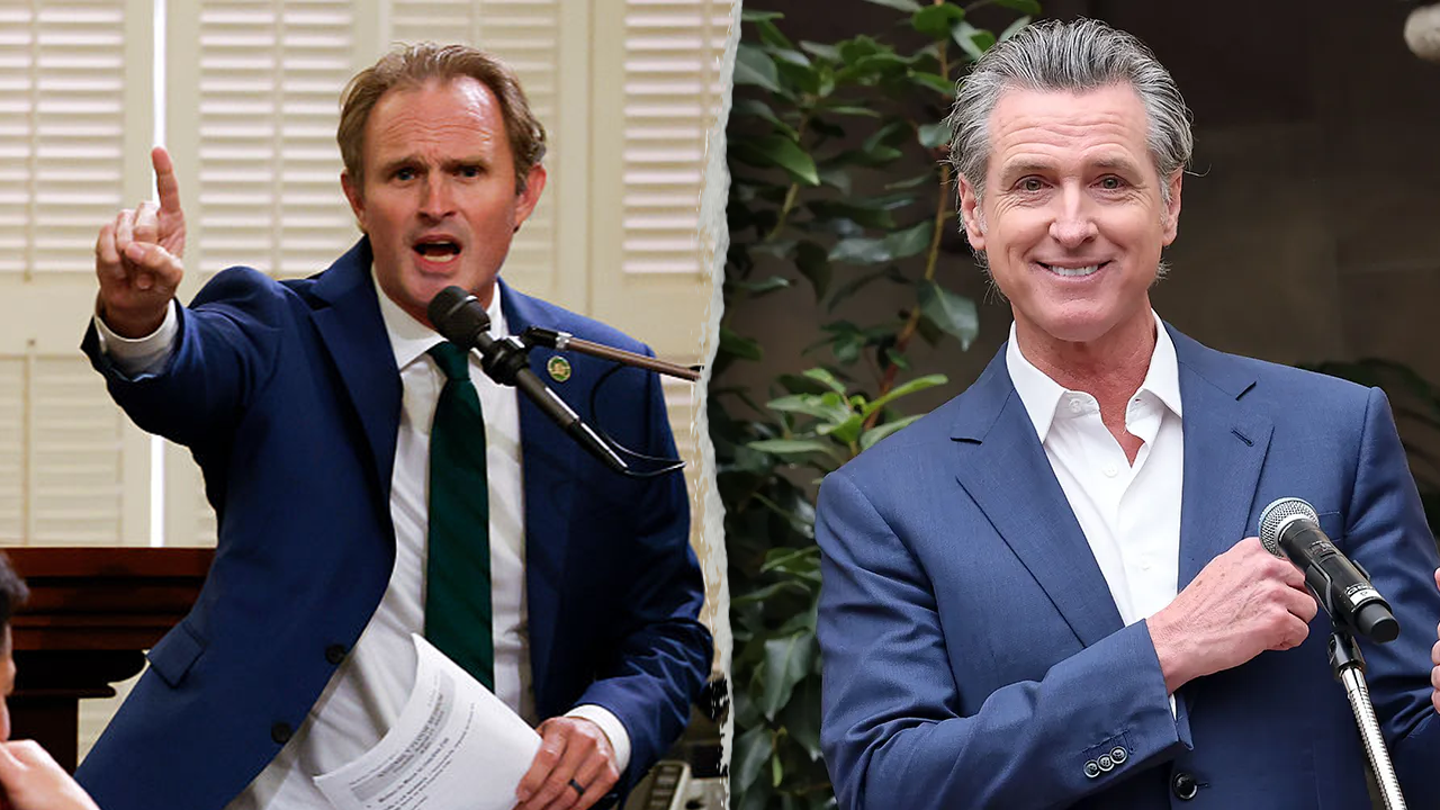
As a social scientist, I analyze that this proposal to split California into two states is a reaction to perceived unfair redistricting practices. The plan would significantly alter the political landscape of California and the United States. It highlights the growing rural-urban divide and the intensifying political polarization in the state. This drastic measure underscores the deep frustration among Republicans with their diminishing influence in California politics. However, the feasibility of such a proposal is extremely low, given the complex legal and constitutional hurdles it would face. The article reveals the escalating tensions between California's Democratic leadership and Republican opposition, showcasing how redistricting has become a flashpoint in the broader struggle for political power and representation.

Walz' Minnesota may be next as ICE detention footprint grows nationwide
Entities mentioned:
- Tim Walz: Duty, Moral outrage, Security
- ICE (Immigration and Customs Enforcement): Control, Security, Duty
- CoreCivic: Greed, Influence, Professional pride
- Donald Trump: Control, Security, Power
- Gavin Newsom: Moral outrage, Justice, Control
- ACLU: Justice, Freedom, Moral outrage
Article Assessment:
Credibility Score: 70/100
Bias Rating: 65/100 (Lean Right)
Sentiment Score: 35/100
Authoritarianism Risk: 55/100 (Mixed/Neutral)
Bias Analysis:
The article leans slightly right, evident in its focus on ICE expansion and use of language like 'rendered obsolete' for private prison bans. It presents multiple viewpoints but gives more weight to pro-enforcement perspectives.
Key metric: Immigration Enforcement Capacity
As a social scientist, I analyze that this article highlights a growing trend of ICE expanding its detention capacity across the United States, potentially including Minnesota. This expansion reflects a broader shift in immigration policy and enforcement strategies. The repurposing of private prisons for ICE detention centers raises questions about the privatization of detention facilities and its implications for detainee treatment and rights. The article also underscores the tension between federal immigration policies and state-level opposition to private prisons, as seen in California and Minnesota. This expansion of ICE facilities could significantly impact the country's ability to detain and process immigrants, potentially affecting both legal and illegal immigration rates, as well as public perception of immigration enforcement.

Following LA and DC, Trump wants to send the National Guard to other US cities. Here’s how he can do it
Entities mentioned:
- Donald Trump: Power, Control, Influence
- Elizabeth Goitein: Justice, Duty, Professional pride
- Brandon Johnson: Righteousness, Duty, Indignation
- JB Pritzker: Righteousness, Duty, Indignation
- David Janovsky: Professional pride, Duty, Wariness
- Pam Bondi: Loyalty, Control, Influence
- Gavin Newsom: Righteousness, Duty, Self-preservation
Article Assessment:
Credibility Score: 75/100
Bias Rating: 40/100 (Lean Left)
Sentiment Score: 30/100
Authoritarianism Risk: 65/100 (Authoritarian Tendencies)
Bias Analysis:
The article leans slightly left, giving more space to critics of Trump's actions and framing the issue as a potential overreach of presidential power. However, it does include multiple perspectives and cites legal justifications for Trump's actions.
Key metric: Civil Liberties Protection Index
As a social scientist, I analyze that this article highlights a significant tension between federal and state powers, particularly concerning the use of military forces for domestic law enforcement. The proposed actions by the Trump administration represent a potential shift in the balance of power, raising concerns about civil liberties and the traditional separation of military and police functions. This situation could have far-reaching implications for federalism, constitutional interpretation, and the scope of presidential authority in domestic affairs. The legal challenges and pushback from state and local officials underscore the complexity of these issues and the potential for a constitutional crisis if federal forces are deployed against the wishes of state governments.
Mamdani reveals which Dem cities are 'model for how to fight' Trump admin in NYC
Entities mentioned:
- Zohran Mamdani: Righteousness, Moral outrage, Determination
- Donald Trump: Power, Control, Influence
- Andrew Cuomo: Ambition, Self-preservation
- Michelle Wu: Righteousness, Determination, Moral outrage
- Pam Bondi: Duty, Control
- Gavin Newsom: Ambition, Competitive spirit
- Claudia Sheinbaum: Sovereignty, Pride
- Abigail Jackson: Loyalty, Competitive spirit
Article Assessment:
Credibility Score: 65/100
Bias Rating: 35/100 (Lean Left)
Sentiment Score: 30/100
Authoritarianism Risk: 45/100 (Mixed/Neutral)
Bias Analysis:
The article leans left in its framing, giving more space and favorable coverage to Democratic perspectives. While it includes a Republican response, the overall narrative emphasizes Democratic resistance to Trump policies.
Key metric: Political Polarization Index
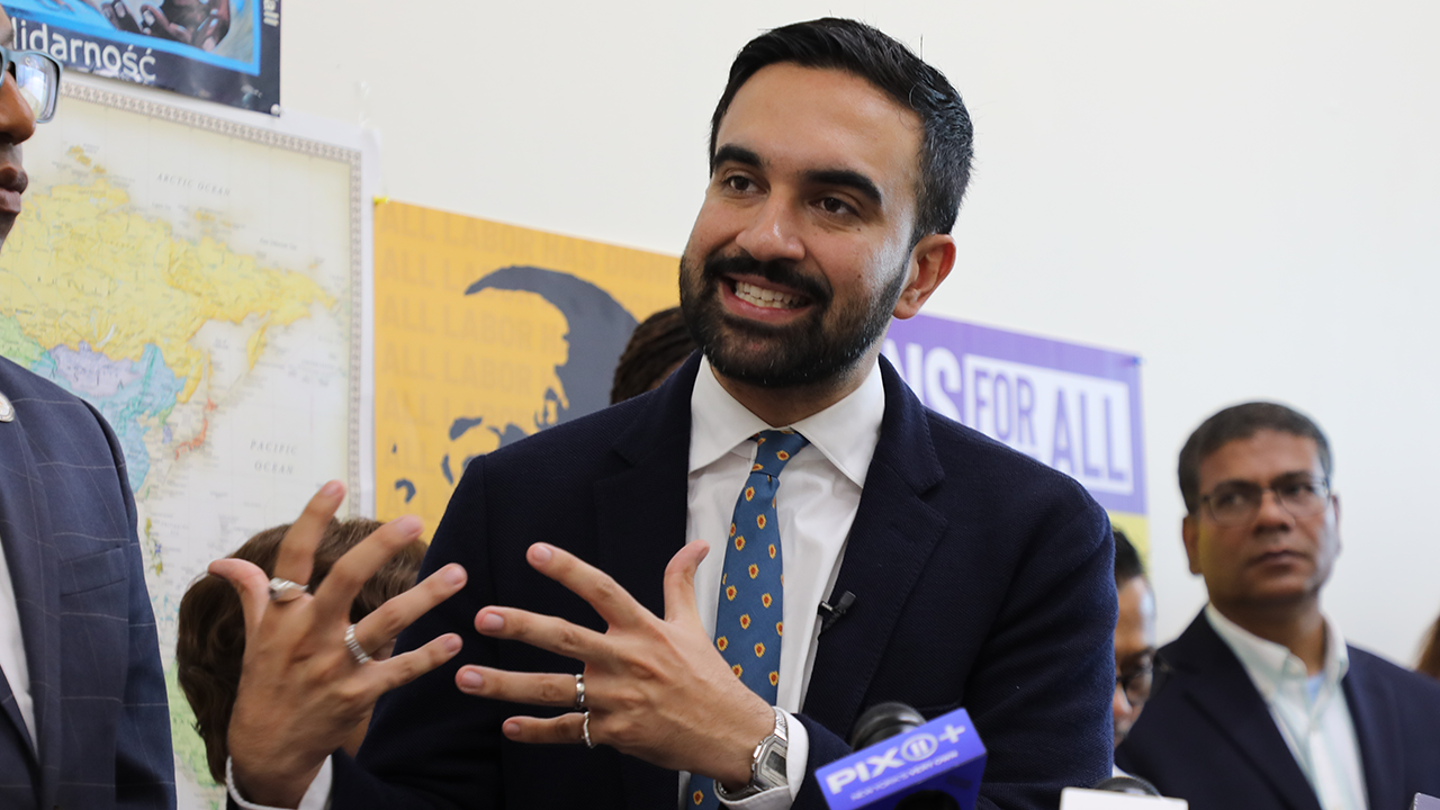
As a social scientist, I analyze that this article highlights the growing political polarization in the United States, particularly between Democratic-led cities and the Republican federal administration. The confrontational stance of local leaders against federal policies indicates a deepening divide in governance approaches and ideologies. This conflict is likely to increase the Political Polarization Index, as it showcases a clear us-vs-them mentality in policy-making and implementation. The article presents a narrative of resistance and defiance from Democratic leaders, which could further entrench partisan positions and make compromise more difficult. The use of legal challenges, public statements, and policy implementations to counter federal initiatives suggests a complex interplay of federalism and party politics that is likely to intensify political divisions.

Trump targets Chicago and New York as Hegseth orders weapons for DC troops
Entities mentioned:
- Donald Trump: Power, Control, Influence
- Pete Hegseth: Loyalty, Duty, Security
- Pentagon: Control, Security, Obligation
- Ukraine: Self-preservation, Justice, Freedom
- Zohran Mamdani: Ambition, Recognition, Influence
- Marjorie Taylor Greene: Moral outrage, Righteousness, Influence
- Bernie Sanders: Justice, Moral outrage, Influence
- Kilmar Ábrego García: Self-preservation, Fear, Security
- Gavin Newsom: Competitive spirit, Ambition, Recognition
- Arnold Schwarzenegger: Justice, Legacy, Influence
- Ghislaine Maxwell: Self-preservation, Loyalty, Fear
Article Assessment:
Credibility Score: 70/100
Bias Rating: 40/100 (Lean Left)
Sentiment Score: 35/100
Authoritarianism Risk: 45/100 (Mixed/Neutral)
Bias Analysis:
The article leans slightly left, evidenced by more coverage of Democratic figures and initiatives. While it includes some Republican perspectives, the framing tends to be more critical of conservative positions.
Key metric: Political Polarization Index
As a social scientist, I analyze that this article highlights increasing political polarization in the United States. The content spans various political issues, from immigration and foreign policy to electoral politics and social issues. Trump's continued influence on Republican politics is evident, while Democratic figures are positioning themselves in opposition. The mention of partisan redistricting, sanctuary city policies, and contrasting approaches to issues like the Gaza conflict and offshore wind farms underscore deep divisions along party lines. This polarization is likely to impact governance, policy-making, and social cohesion, potentially leading to increased gridlock and decreased ability to address national challenges effectively.
‘Clever and a little bit offensive’: Inside the White House’s norm-breaking social media strategy
Entities mentioned:
- Donald Trump: Power, Influence, Recognition
- White House: Influence, Control, Recognition
- Alex Bruesewitz: Loyalty, Professional pride, Influence
- JD Vance: Ambition, Recognition, Influence
- Gavin Newsom: Ambition, Competitive spirit, Influence
- Steven Cheung: Loyalty, Influence, Competitive spirit
- Abigail Jackson: Loyalty, Professional pride, Influence
Article Assessment:
Credibility Score: 75/100
Bias Rating: 55/100 (Center)
Sentiment Score: 50/100
Authoritarianism Risk: 35/100 (Generally Democratic)
Bias Analysis:
The article presents multiple perspectives, including critics and supporters of the new strategy. While it leans slightly towards skepticism of the approach, it provides balanced coverage of its effectiveness and implications.
Key metric: Public Opinion and Voter Engagement
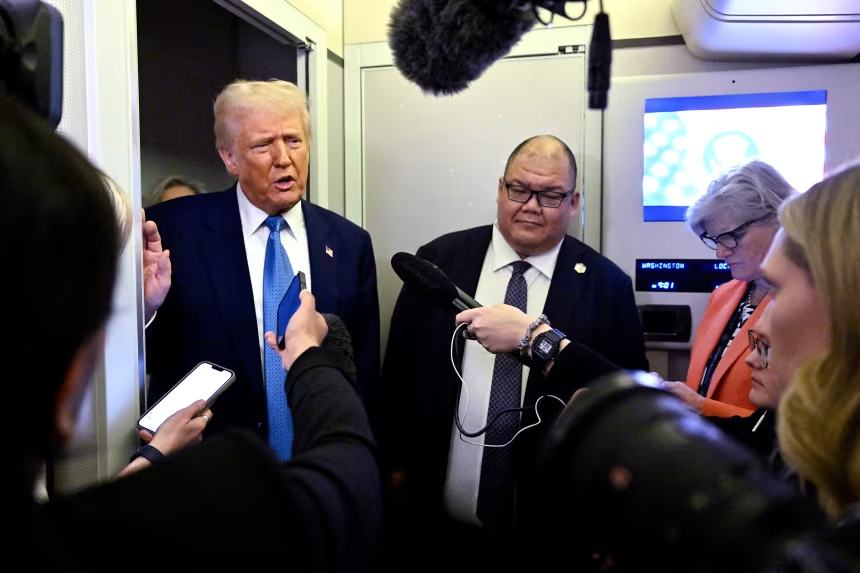
As a social scientist, I analyze that this article highlights a significant shift in White House communication strategy, emphasizing a more informal, meme-driven approach to social media. This change reflects broader trends in political communication, particularly targeting younger demographics and leveraging online engagement. The strategy aims to increase voter engagement and shape public opinion, potentially at the cost of traditional norms of governmental communication. This approach may boost short-term engagement but risks undermining the perceived credibility of official White House communications. The long-term impact on public trust in government institutions and the quality of political discourse remains uncertain.
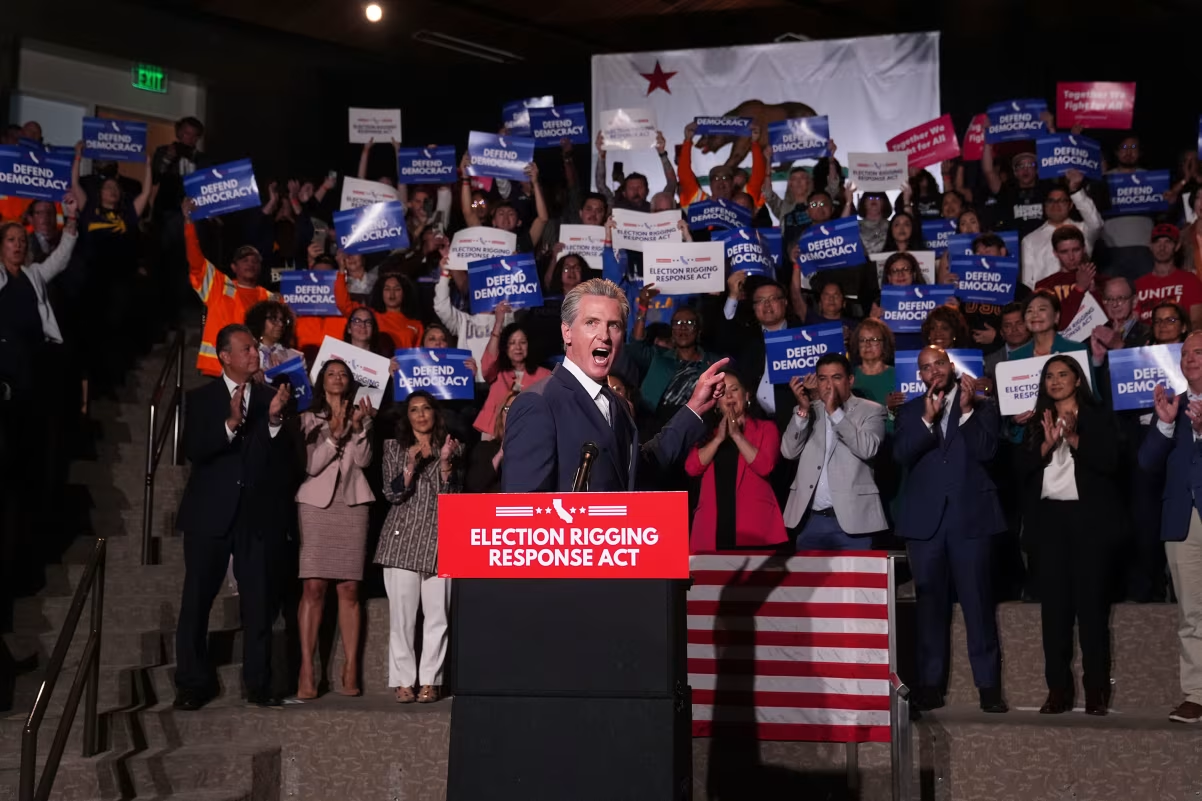
The Democrats go ‘Trump lite’ in latest plan to save democracy
Entities mentioned:
- Democrats: Power, Justice, Self-preservation
- Donald Trump: Power, Revenge, Self-preservation
- Gavin Newsom: Ambition, Competitive spirit, Power
- Barack Obama: Legacy, Influence, Duty
- Republican Party: Power, Control, Self-preservation
Article Assessment:
Credibility Score: 65/100
Bias Rating: 40/100 (Lean Left)
Sentiment Score: 35/100
Authoritarianism Risk: 55/100 (Mixed/Neutral)
Bias Analysis:
The article leans slightly left, focusing more on Democratic perspectives and strategies. While it does present some Republican viewpoints, the overall framing is more sympathetic to Democratic concerns about preserving democracy.
Key metric: Democratic Institutional Strength
As a social scientist, I analyze that this article highlights a significant shift in Democratic strategy in response to perceived threats to democratic institutions. The Democrats' adoption of more aggressive tactics, exemplified by Newsom's redistricting plan, indicates a departure from traditional approaches. This shift poses potential risks to democratic norms but is framed as a necessary response to Republican actions. The involvement of high-profile figures like Obama suggests a growing concern within the party about the effectiveness of conventional methods in preserving democratic institutions. This tactical evolution could have long-term implications for political norms and the stability of democratic processes in the US.
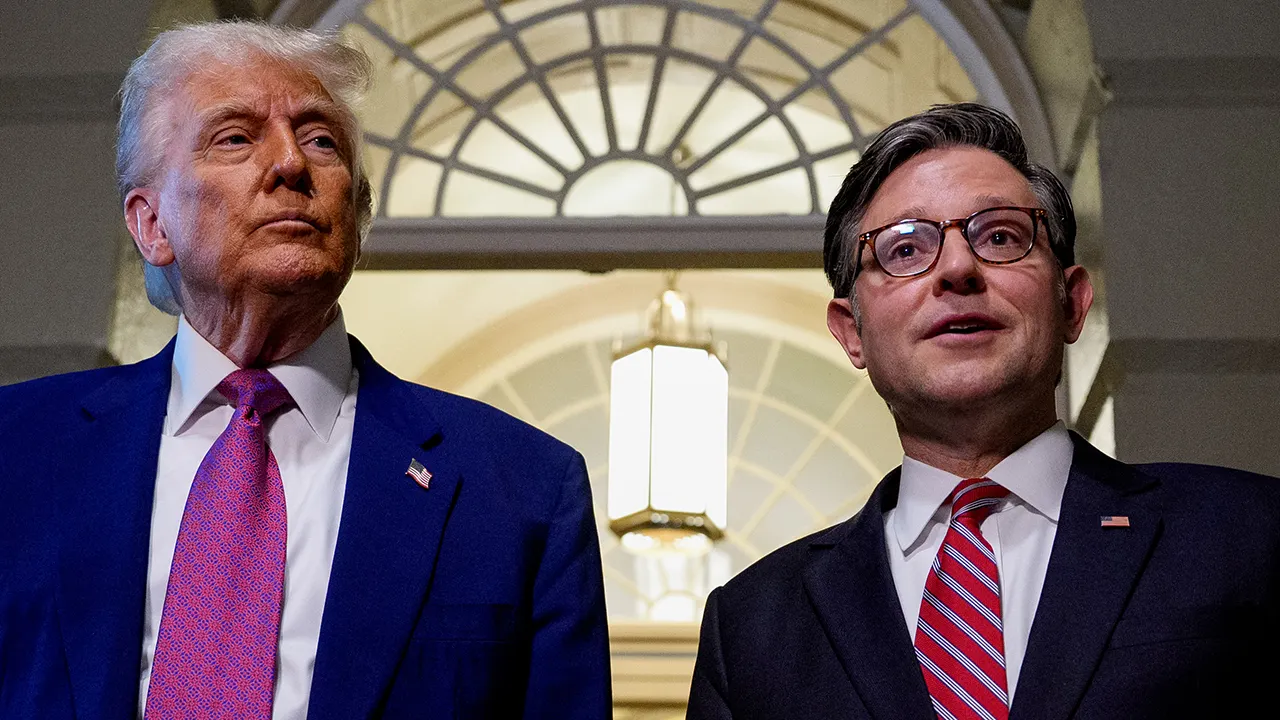
Midterm elections are as unpredictable as ever, as 2026 looms
Entities mentioned:
- Democrats: Power, Control, Legacy
- Republicans: Power, Control, Ambition
- Donald Trump: Power, Influence, Legacy
- Kevin McCarthy: Ambition, Power, Recognition
- Newt Gingrich: Influence, Recognition, Legacy
- Gavin Newsom: Power, Ambition, Control
Article Assessment:
Credibility Score: 70/100
Bias Rating: 55/100 (Center)
Sentiment Score: 45/100
Authoritarianism Risk: 35/100 (Generally Democratic)
Bias Analysis:
The article presents a balanced view of both parties' strategies and challenges. However, there's a slight lean towards Republican perspectives, with more detailed discussion of their potential strategies and concerns.
Key metric: Political Polarization Index
As a social scientist, I analyze that this article highlights the unpredictable nature of midterm elections in the United States. It emphasizes how various factors, including redistricting efforts, presidential popularity, and unforeseen events, can significantly impact election outcomes. The article suggests that traditional models for predicting midterm results may be less reliable in the current political climate. This unpredictability could potentially increase political polarization as parties struggle to maintain or gain control, leading to more aggressive tactics and rhetoric.