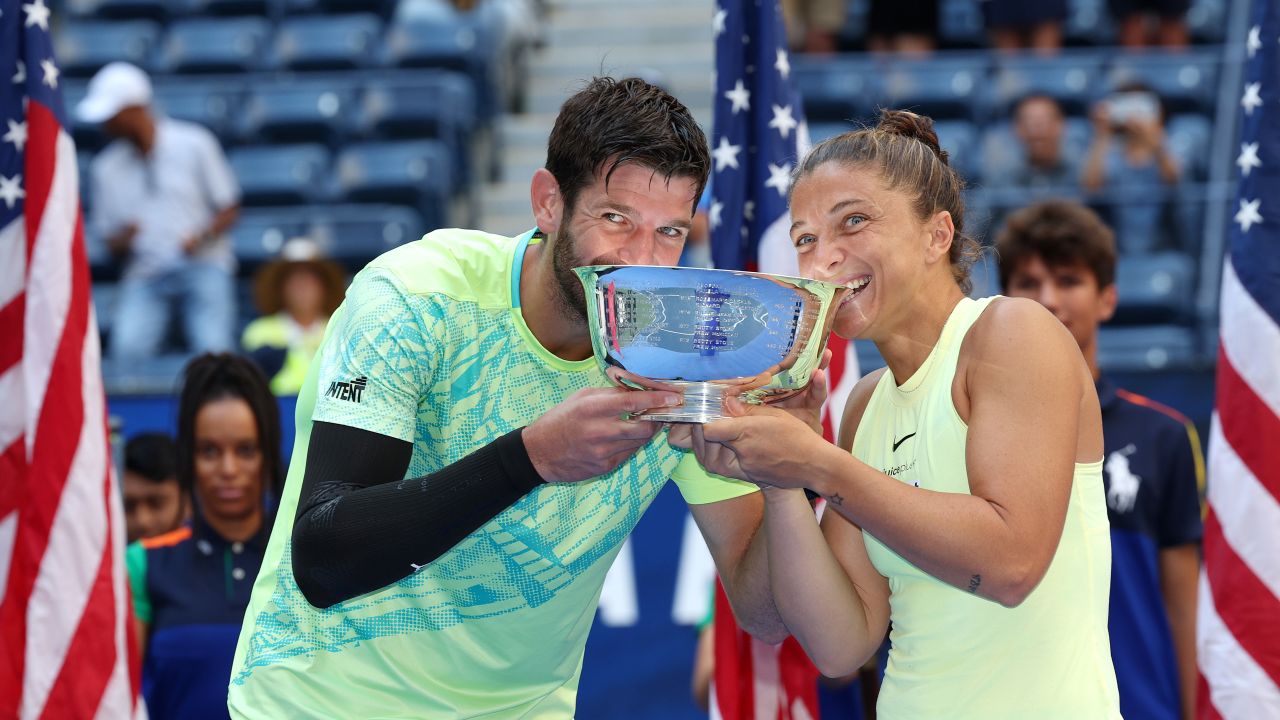
Why was everyone talking about the mixed doubles at the US Open?
Entities mentioned:
- US Open: Competitive spirit, Recognition, Legacy
- Doubles specialists: Professional pride, Indignation, Wariness
Article Assessment:
Credibility Score: 65/100
Bias Rating: 50/100 (Center)
Sentiment Score: 55/100
Authoritarianism Risk: 20/100 (Strongly Democratic)
Bias Analysis:
The article presents a balanced view, mentioning both the positive aspects of the changes and the concerns of doubles specialists. It doesn't lean heavily towards either perspective, maintaining a neutral stance.
Key metric: Cultural Influence of Sports
As a social scientist, I analyze that the sudden popularity of mixed doubles at the US Open likely impacts the cultural influence of sports in the United States. The substantial increase in prize money and the implied changes to the competition format suggest an attempt to revitalize interest in a traditionally overlooked category. This could lead to broader engagement with tennis, potentially increasing its cultural significance. However, the resistance from doubles specialists indicates a tension between popularization and maintaining the integrity of the sport, which could affect how the changes are received by both casual fans and dedicated tennis enthusiasts.
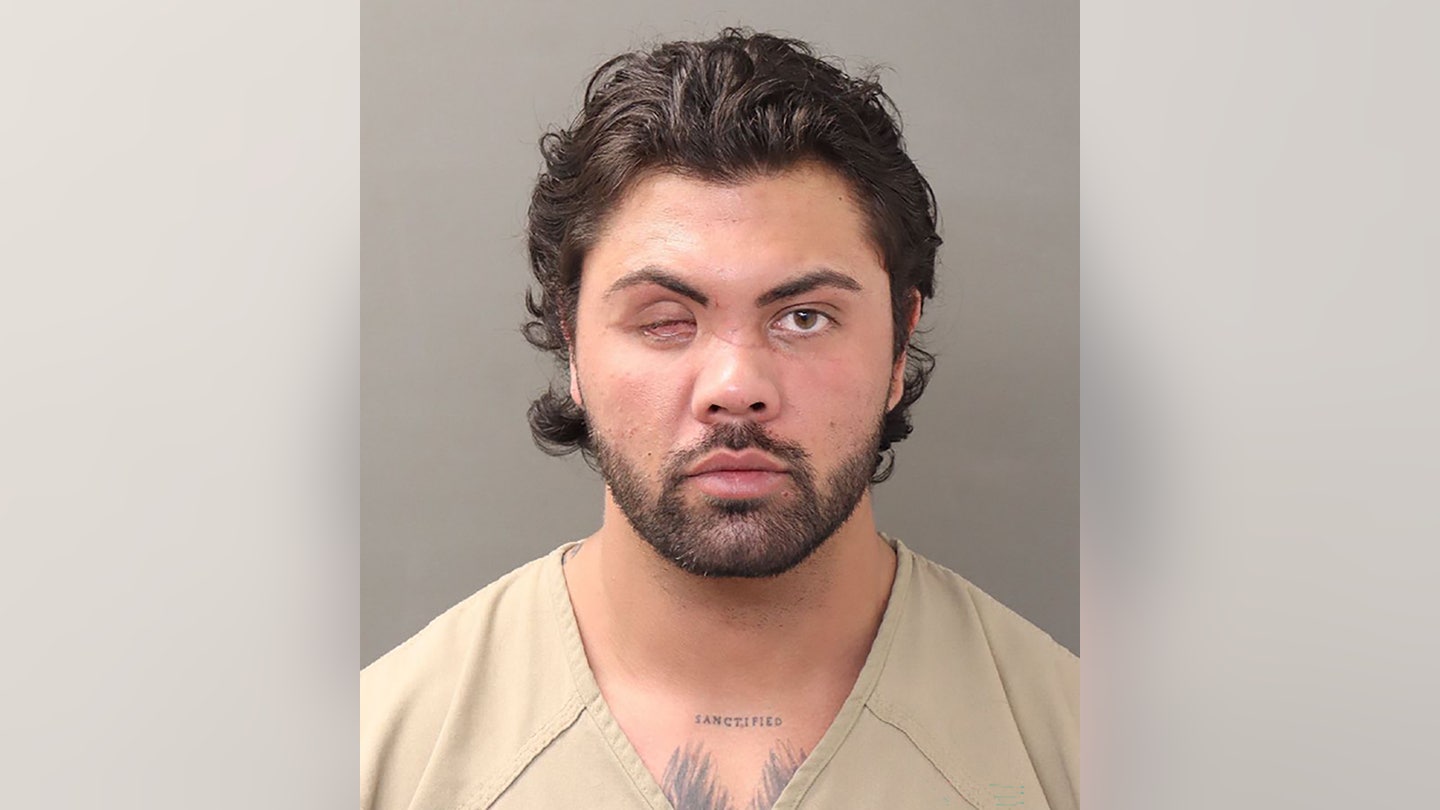
Ex-Ohio State player Michael Roen McCullough arrested after allegedly punching, strangling girlfriend
Entities mentioned:
- Michael Roen McCullough: Control, Anger, Self-preservation
- Columbus Police: Duty, Justice, Security
- Ohio State University: Reputation, Obligation, Wariness
Article Assessment:
Credibility Score: 75/100
Bias Rating: 50/100 (Center)
Sentiment Score: 25/100
Authoritarianism Risk: 20/100 (Strongly Democratic)
Bias Analysis:
The article presents a balanced account of the incident, relying on police and court records. It refrains from speculation and provides context about McCullough's background without sensationalizing the event.
Key metric: Domestic Violence Rates
As a social scientist, I analyze that this incident highlights the ongoing issue of domestic violence among athletes and former athletes. The alleged actions of McCullough, a former Ohio State player, contribute to statistics on domestic violence, potentially impacting public perception of both the university and athletes in general. The case also underscores the importance of prompt police response to domestic violence calls and the serious legal consequences for such actions. The incident may lead to increased scrutiny of university athletic programs and their role in shaping athletes' behavior off the field.
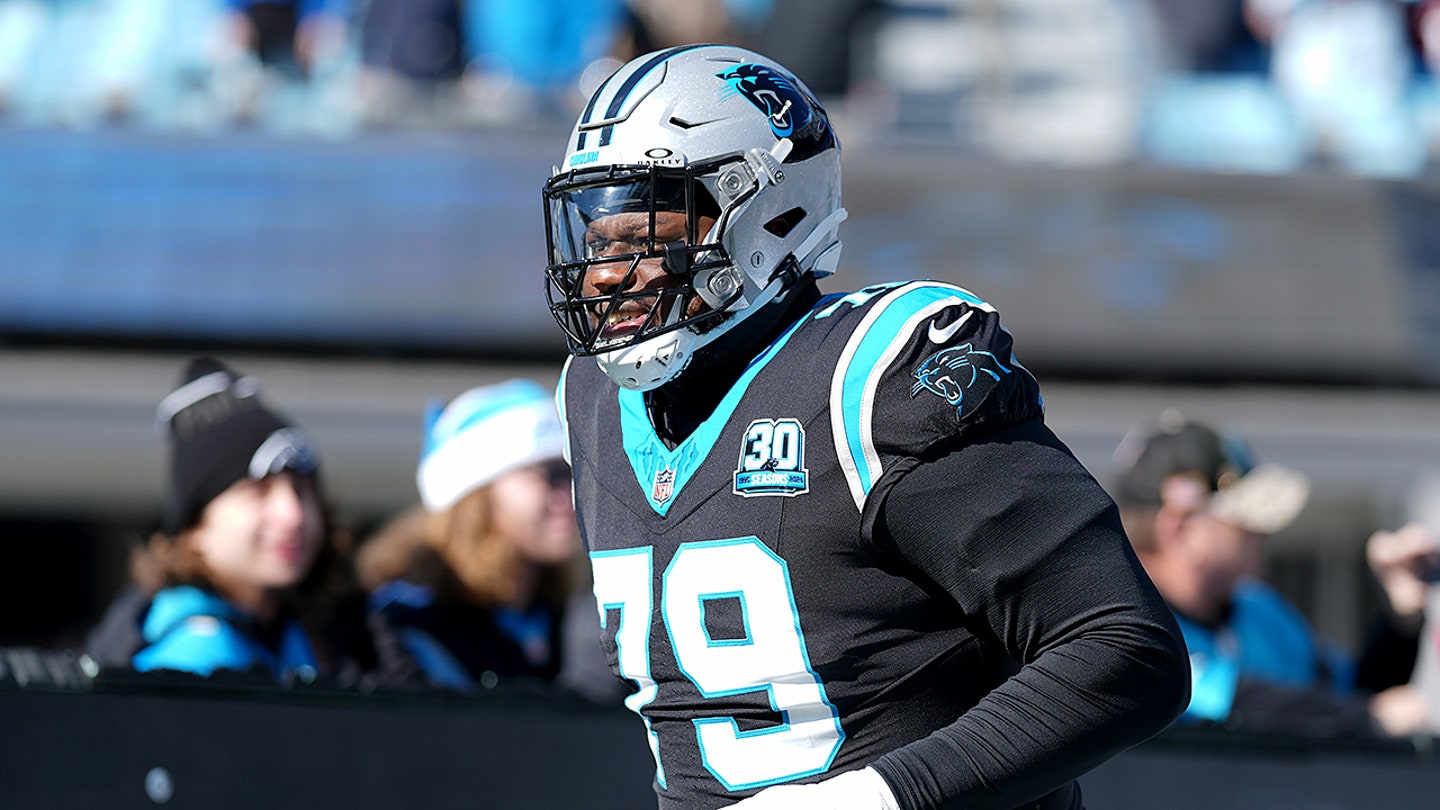
Panthers' Ikem Ekwonu questionable for season-opener vs Jaguars after emergency appendectomy surgery
Entities mentioned:
- Ikem Ekwonu: Self-preservation, Determination, Professional pride
- Dave Canales: Duty, Wariness, Professional pride
- Carolina Panthers: Competitive spirit, Unity, Ambition
- Yosh Nijman: Ambition, Professional pride, Duty
Article Assessment:
Credibility Score: 75/100
Bias Rating: 50/100 (Center)
Sentiment Score: 45/100
Authoritarianism Risk: 20/100 (Strongly Democratic)
Bias Analysis:
The article presents a balanced view of the situation, focusing on factual information without favoring any particular perspective. It includes quotes from the coach and provides context with similar cases from other teams, maintaining a neutral stance.
Key metric: NFL Team Performance
As a social scientist, I analyze that this article highlights the potential impact of a key player's health issue on an NFL team's performance. The unexpected appendectomy of Ikem Ekwonu, a crucial offensive lineman for the Carolina Panthers, introduces uncertainty into the team's preparation for their season opener. This situation underscores the vulnerability of sports teams to sudden player health issues and the importance of depth in roster planning. The team's response, including the potential promotion of Yosh Nijman to a starting role, demonstrates the need for adaptability in professional sports organizations. This event may affect team dynamics, strategy, and potentially the outcome of the upcoming game, illustrating how individual health issues can have broader implications for team performance and season outlook.
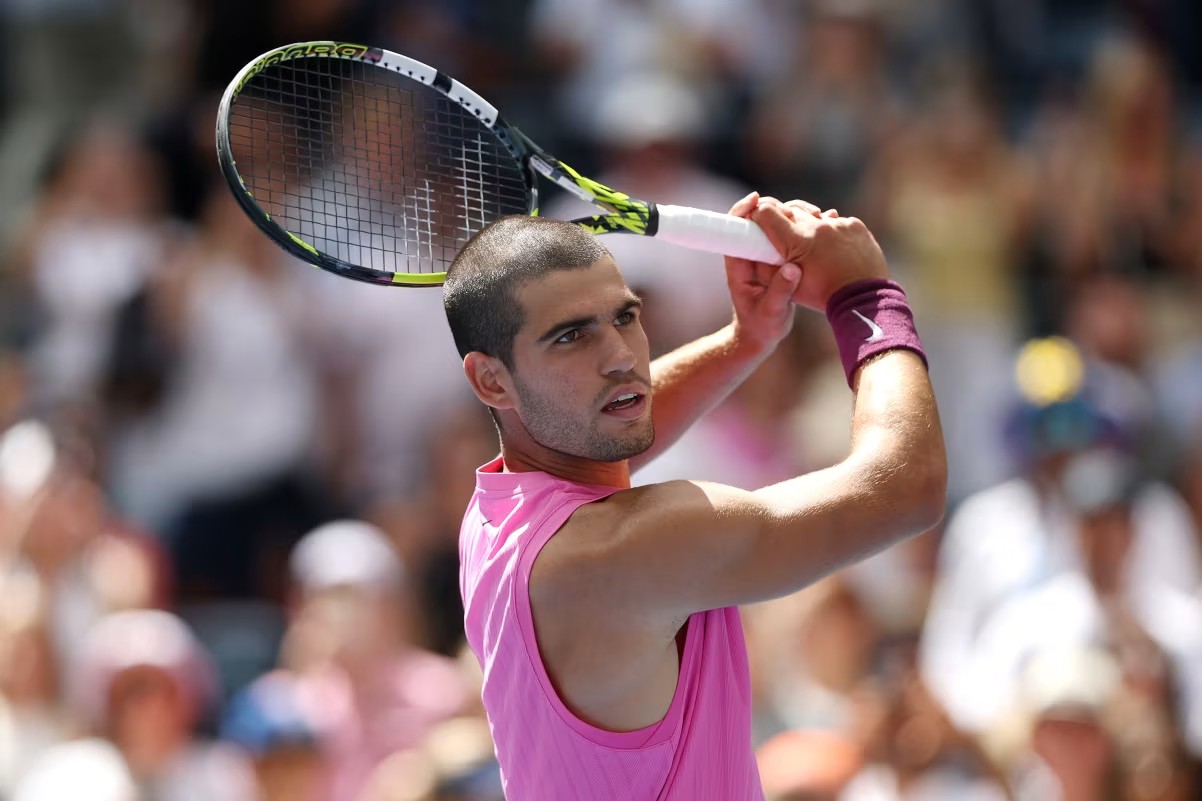
‘We laugh about the bad comments’: Carlos Alcaraz’s barber on fame, criticism and the Spanish star’s ‘strange’ new buzzcut
Entities mentioned:
- Carlos Alcaraz: Professional pride, Ambition, Competitive spirit
- Víctor Martínez: Professional pride, Recognition, Enthusiasm
- Álvaro Alcaraz: Loyalty, Duty
- Frances Tiafoe: Competitive spirit, Wariness
Article Assessment:
Credibility Score: 75/100
Bias Rating: 45/100 (Center)
Sentiment Score: 65/100
Authoritarianism Risk: 15/100 (Strongly Democratic)
Bias Analysis:
The article presents a balanced view, focusing on personal stories and reactions without political leanings. It maintains a neutral tone, giving equal weight to different perspectives and experiences related to the topic.
Key metric: Soft Power and Cultural Influence
As a social scientist, I analyze that this article demonstrates the far-reaching impact of sports celebrities on local economies and global cultural trends. The relationship between Alcaraz, a top tennis player, and his local barber Martínez illustrates how success in international sports can elevate small businesses and create unexpected cultural touchpoints. The global attention on Alcaraz's hairstyle shows the power of sports figures to influence fashion trends and generate media interest beyond their athletic performances. This phenomenon contributes to Spain's soft power by showcasing its talent and style on the world stage, while also highlighting the economic benefits of sports success on local communities.
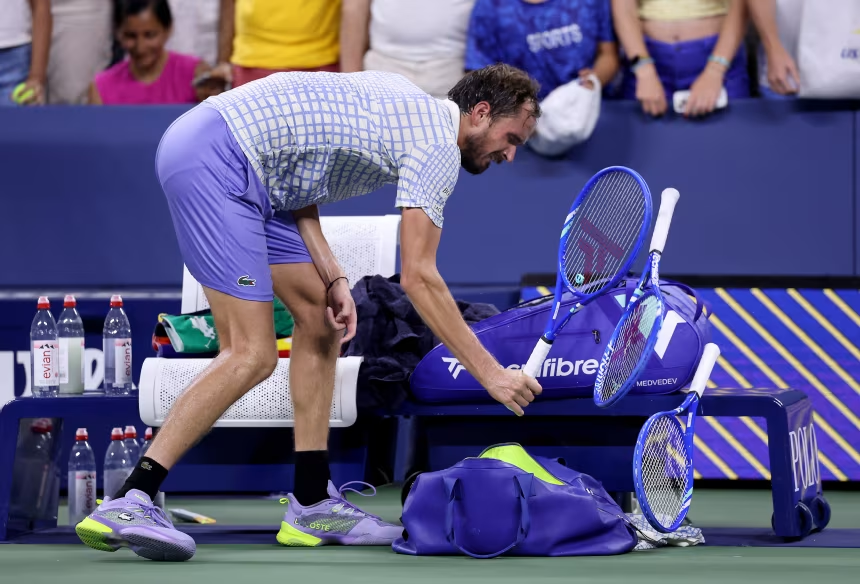
Tempers are flaring on a daily basis at the US Open. But why?
Entities mentioned:
- Jaume Munar: Justice, Professional pride, Self-respect
- Zizou Bergs: Self-preservation, Professional pride, Indignation
- Peyton Stearns: Self-respect, Professional pride, Duty
- Anna Kalinskaya: Respect, Professional pride, Indignation
- Taylor Townsend: Self-respect, Professional pride, Unity
- Jelena Ostapenko: Moral outrage, Pride, Self-respect
- Stefanos Tsitsipas: Indignation, Professional pride, Justice
- Daniil Medvedev: Moral outrage, Professional pride, Indignation
- Jessica Pegula: Professional pride, Duty, Wariness
- Coco Gauff: Professional pride, Duty, Wariness
- Naomi Osaka: Professional pride, Self-respect, Wariness
Article Assessment:
Credibility Score: 75/100
Bias Rating: 50/100 (Center)
Sentiment Score: 35/100
Authoritarianism Risk: 20/100 (Strongly Democratic)
Bias Analysis:
The article presents a balanced view, including perspectives from multiple players and describing incidents involving various nationalities. It doesn't appear to favor any particular side in the conflicts, maintaining a neutral stance.
Key metric: Social Cohesion
As a social scientist, I analyze that this article highlights a growing tension and lack of sportsmanship at the US Open tennis tournament, potentially impacting social cohesion within the sport. The repeated incidents of confrontations between players over perceived disrespect or unsportsmanlike conduct suggest a breakdown in the traditional etiquette of tennis. This trend could have broader implications for the sport's culture and public perception. The players' explanations, citing factors such as the intense New York atmosphere, end-of-season pressure, and heightened emotions, provide insight into the complex interplay of environmental and psychological factors affecting athlete behavior. This situation may require tennis governing bodies to reassess and potentially strengthen guidelines around player conduct and conflict resolution to maintain the sport's integrity and positive public image.

Travis Kelce calls for Shedeur Sanders to start for Browns amid controversy: 'Give the people what they want'
Entities mentioned:
- Travis Kelce: Influence, Recognition, Enthusiasm
- Shedeur Sanders: Ambition, Recognition, Self-respect
- Cleveland Browns: Competitive spirit, Control, Professional pride
- Joe Flacco: Professional pride, Competitive spirit, Self-preservation
- Kevin Stefanski: Professional pride, Control, Duty
- Jason Kelce: Duty, Professional pride, Wariness
- NFL: Power, Control, Influence
- Eric Dickerson: Indignation, Justice, Influence
- Donald Trump: Influence, Moral outrage, Recognition
- Stephen A. Smith: Influence, Justice, Recognition
Article Assessment:
Credibility Score: 65/100
Bias Rating: 55/100 (Center)
Sentiment Score: 35/100
Authoritarianism Risk: 40/100 (Generally Democratic)
Bias Analysis:
The article presents multiple viewpoints, including both support for and criticism of the Browns' decisions. While it gives significant space to conspiracy theories, it also includes counterarguments, maintaining a relatively balanced approach.
Key metric: Social Cohesion and Trust in Institutions
As a social scientist, I analyze that this article highlights a complex interplay of sports, media, and social issues surrounding Shedeur Sanders' position with the Cleveland Browns. The controversy touches on broader themes of racial equity in professional sports, institutional power dynamics, and public perception of fairness in the NFL. The discussion around Sanders' treatment by the Browns and the NFL at large suggests potential underlying tensions related to race and power in professional football. This situation could impact social cohesion by reinforcing or challenging existing narratives about systemic bias in major institutions. The varying perspectives from high-profile figures like Travis Kelce, Eric Dickerson, and even Donald Trump demonstrate how this sports controversy has broader societal implications, potentially affecting public trust in the NFL as an institution and sparking wider discussions about fairness and opportunity in American society.
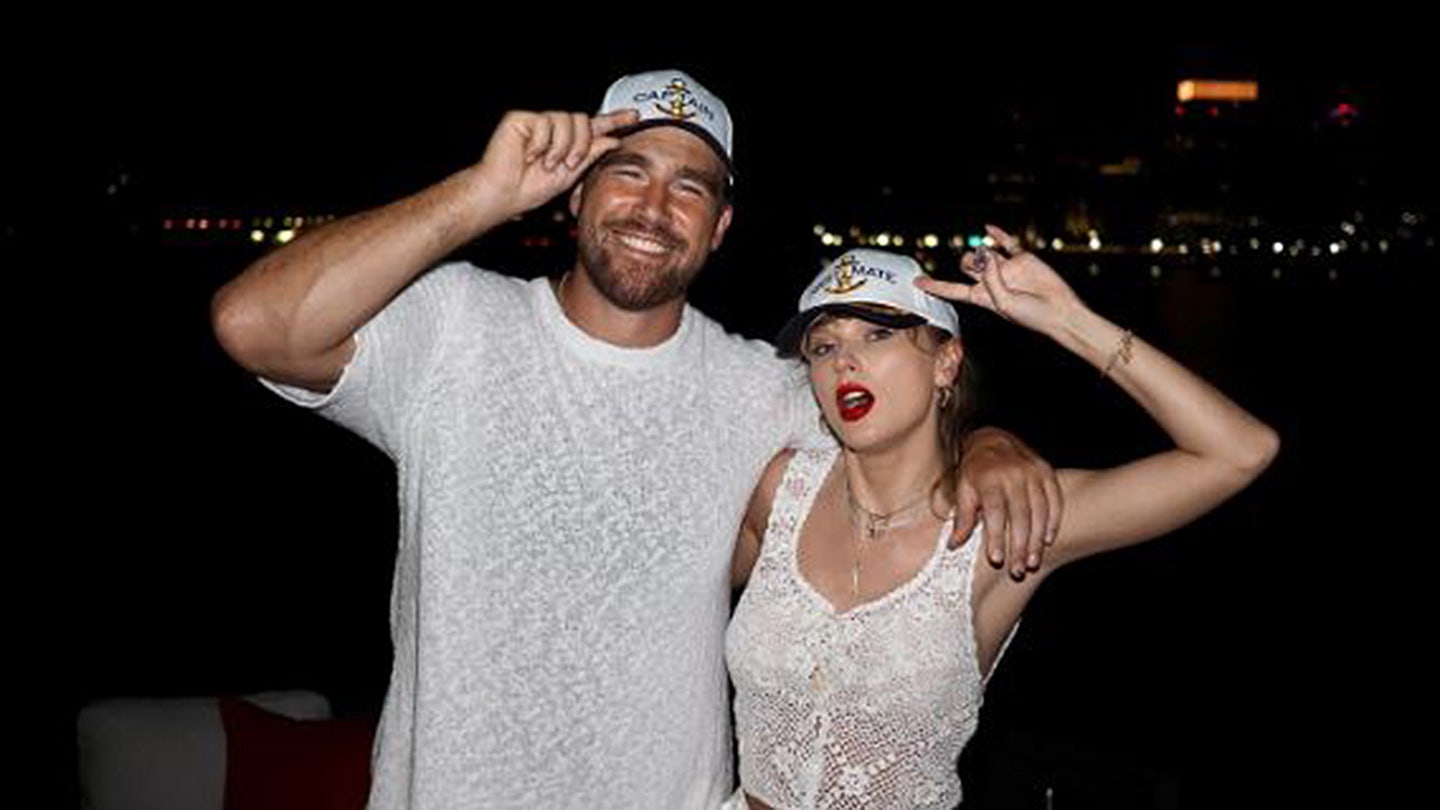
JD Vance warns NFL referees against Chiefs favoritism after Travis Kelce-Taylor Swift engagement
Entities mentioned:
- JD Vance: Wariness, Competitive spirit, Duty
- NFL: Professional pride, Integrity, Control
- Travis Kelce: Recognition, Ambition, Love
- Taylor Swift: Recognition, Influence, Love
- Roger Goodell: Professional pride, Control, Integrity
- Scott Green: Professional pride, Integrity, Indignation
Article Assessment:
Credibility Score: 75/100
Bias Rating: 55/100 (Center)
Sentiment Score: 45/100
Authoritarianism Risk: 30/100 (Generally Democratic)
Bias Analysis:
The article presents multiple perspectives, including those of JD Vance, NFL officials, and the league commissioner. While it leans slightly towards highlighting concerns about favoritism, it also includes rebuttals and context, maintaining a relatively balanced approach.
Key metric: Public Trust in Sports Integrity
As a social scientist, I analyze that this article highlights the intersection of celebrity culture, sports, and politics, potentially impacting public trust in sports integrity. The engagement of a high-profile NFL player to a global pop star has raised concerns about potential favoritism in officiating, even drawing comments from a political figure. This situation underscores the complex relationships between entertainment, sports, and governance in American society. The NFL's integrity is being questioned, which could affect fan engagement and the perceived fairness of the sport. The involvement of a politician in this matter also reflects the broader trend of politics intersecting with popular culture and sports, potentially influencing public opinion on seemingly unrelated issues.
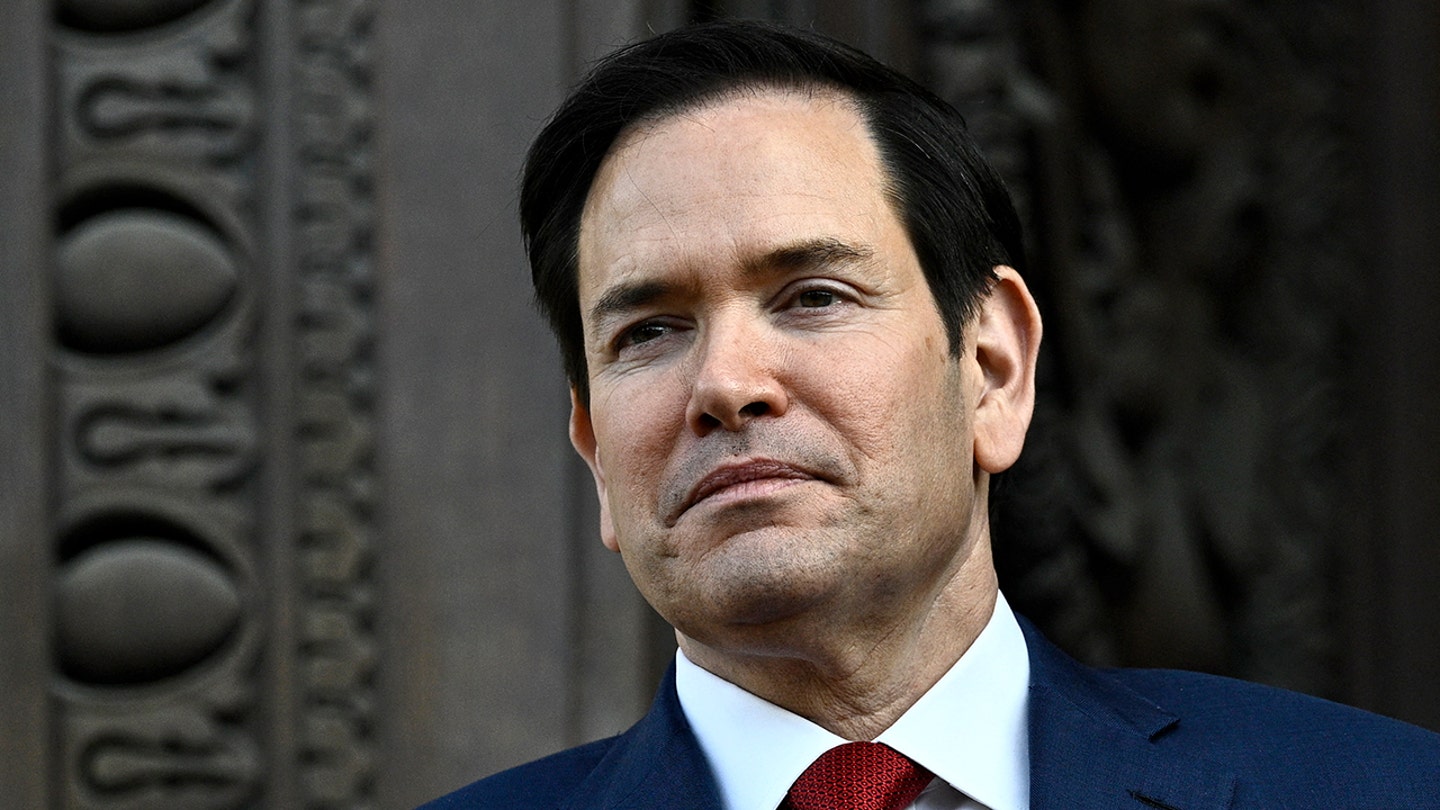
House Democrats call on Rubio to allow injured children from Gaza into US following visa halt
Entities mentioned:
- House Democrats: Moral outrage, Justice, Compassion
- Trump administration: Security, Control, Wariness
- Marco Rubio: Security, Duty, Wariness
- State Department: Security, Control, Duty
- Hamas: Power, Control, Influence
- Israeli government: Security, Control, Self-preservation
Article Assessment:
Credibility Score: 75/100
Bias Rating: 40/100 (Lean Left)
Sentiment Score: 35/100
Authoritarianism Risk: 45/100 (Mixed/Neutral)
Bias Analysis:
The article leans slightly left, giving more space to Democratic concerns and humanitarian arguments. While it includes Rubio's perspective, it frames the visa halt more critically and emphasizes the potential negative impact on children needing medical care.
Key metric: US Foreign Policy Effectiveness
As a social scientist, I analyze that this article highlights a conflict between humanitarian concerns and national security interests in US foreign policy. The decision to halt visas for Gaza residents, including children needing medical care, demonstrates a prioritization of security concerns over humanitarian aid. This policy shift could impact the US's global image and its ability to balance hard and soft power in international relations. The congressional pushback indicates internal disagreement on the appropriate balance between security and humanitarian considerations, which could lead to policy adjustments. The situation also underscores the complex interplay between domestic politics, international relations, and humanitarian issues in US foreign policy decision-making.
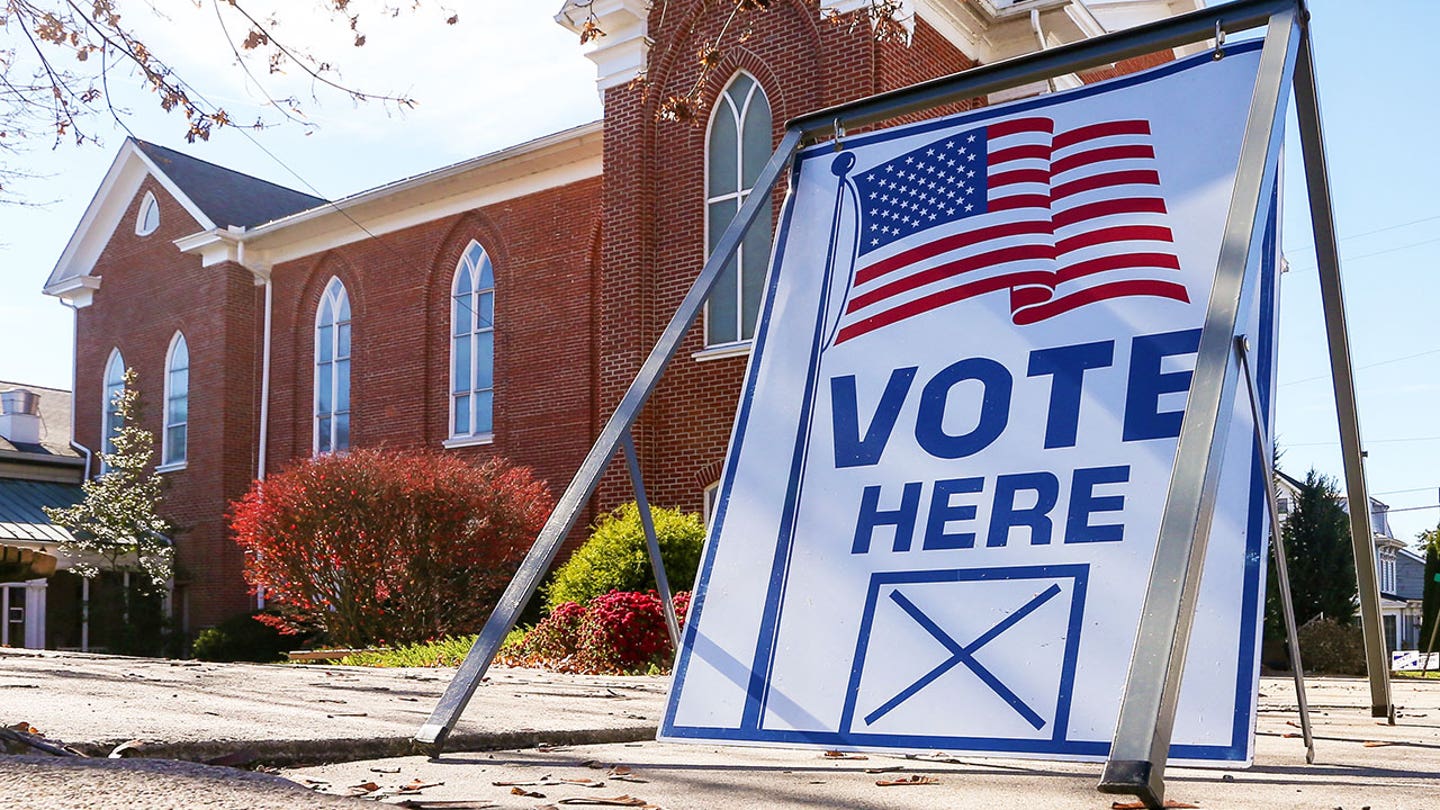
Apple expected to roll out texting update that would hit GOP hardest ahead of midterms, fundraisers say
Entities mentioned:
- Apple: Control, Security, Professional pride
- Republican Party: Self-preservation, Competitive spirit, Wariness
- Sean Dollman: Loyalty, Indignation, Determination
- Donald Trump: Ambition, Power, Influence
- Democratic Party: Self-preservation, Competitive spirit, Unity
- Big Tech: Control, Power, Influence
Article Assessment:
Credibility Score: 65/100
Bias Rating: 75/100 (Lean Right)
Sentiment Score: 30/100
Authoritarianism Risk: 45/100 (Mixed/Neutral)
Bias Analysis:
The article leans right, primarily presenting Republican perspectives and concerns. It frames the issue as potentially harmful to GOP interests, with limited counterbalancing viewpoints from Apple or Democrats.
Key metric: Electoral Participation and Fundraising
As a social scientist, I analyze that this article highlights a potential technological change that could significantly impact political campaigning and fundraising, particularly for the Republican Party. The iOS update's text filtration system is presented as potentially detrimental to GOP outreach efforts, echoing past controversies with tech companies. This situation underscores the growing influence of technology on political processes and the tension between user experience/security and political communication. The article suggests a disproportionate impact on Republican campaigns, which could affect voter engagement and campaign financing. This raises questions about the neutrality of tech platforms in political processes and the adaptability of political campaigns to technological changes.
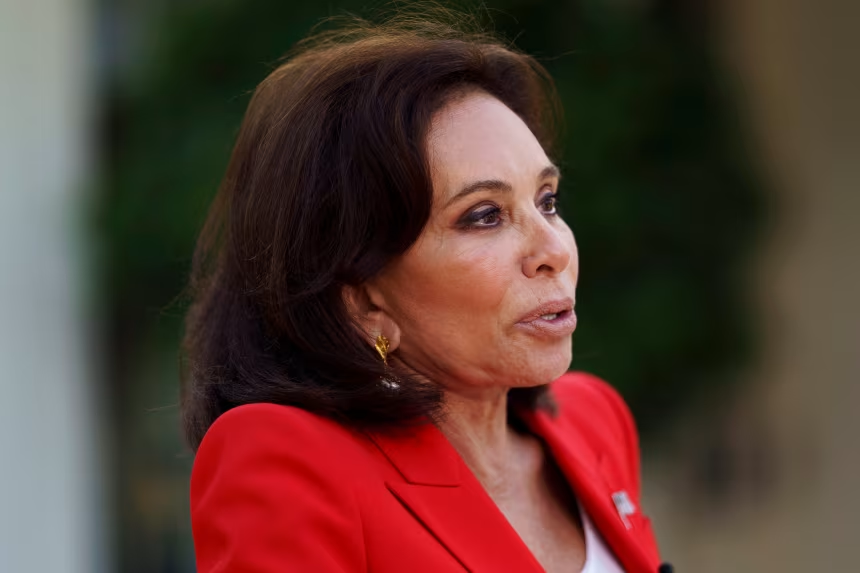
Pirro’s office fails three times to win felony indictment of alleged attacker of FBI agent
Entities mentioned:
- Jeanine Pirro: Power, Control, Loyalty
- Sydney Lori Reid: Self-preservation, Fear, Indignation
- US Attorney's Office: Justice, Control, Professional pride
- Grand Jury: Justice, Duty, Wariness
- Trump Administration: Control, Power, Law and order
- Federal Public Defender's Office: Justice, Duty, Protection of rights
Article Assessment:
Credibility Score: 75/100
Bias Rating: 45/100 (Center)
Sentiment Score: 35/100
Authoritarianism Risk: 40/100 (Generally Democratic)
Bias Analysis:
The article presents multiple viewpoints, including those of the prosecution and defense. While it highlights issues with the Trump administration's approach, it also provides space for the US Attorney's perspective, maintaining a relatively balanced stance.
Key metric: Criminal Justice System Effectiveness
As a social scientist, I analyze that this article highlights significant challenges in the criminal justice system under the Trump administration's aggressive law enforcement approach. The repeated failure to secure a grand jury indictment for a felony charge, which is typically easy to obtain, suggests potential overreach or weak evidence in the prosecutor's case. This situation reflects broader tensions between the administration's tough-on-crime stance and the checks and balances within the justice system. The shift from pursuing felony charges to misdemeanor charges after multiple grand jury rejections indicates a possible misalignment between the prosecutor's goals and the evidence available, potentially impacting the overall effectiveness and fairness of the criminal justice process.