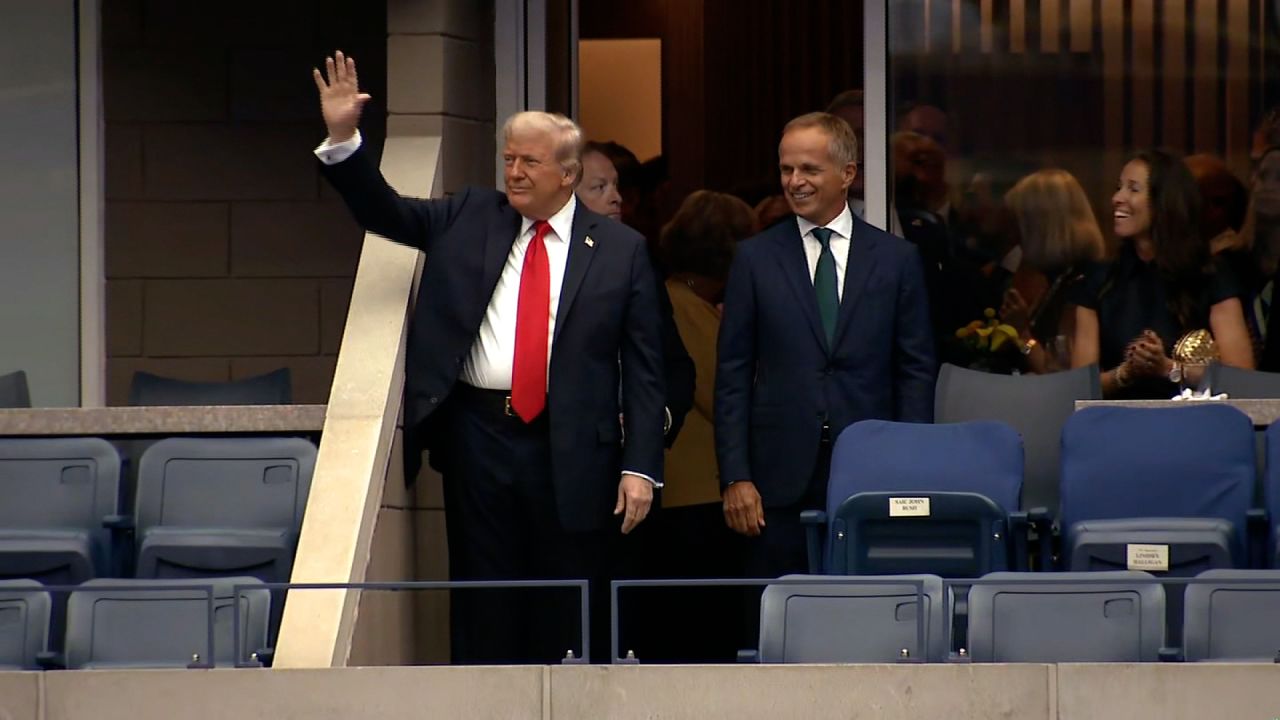
Trump greeted by mix of cheers and boos at US Open
Entities mentioned:
- Donald Trump: Recognition, Power, Pride
- US Tennis Association: Control, Professional pride, Wariness
- CNN: Competitive spirit, Professional pride, Influence
Article Assessment:
Credibility Score: 70/100
Bias Rating: 45/100 (Center)
Sentiment Score: 50/100
Authoritarianism Risk: 35/100 (Generally Democratic)
Bias Analysis:
The article presents a balanced view of the mixed reception, quoting a CNN source. It doesn't lean heavily towards portraying the event as either entirely positive or negative for Trump.
Key metric: Presidential Approval Rating
Let me tell you something - this is a GAME-CHANGING moment, folks! The President just stepped onto center court at the US Open, and the crowd's reaction is as divided as a tied match in the fifth set! Trump's looking to score some political points, but he's facing a tough defensive line from some spectators. The US Tennis Association is playing prevent defense, trying to keep the broadcasters from showing any crowd penalties. It's a high-stakes match where Trump's approval rating is on the line, and every cheer or boo could swing the momentum. This is the kind of fourth-quarter drama that can make or break a presidency, and I'm telling you right now, the final score on this one could have major implications for the 2020 election season!
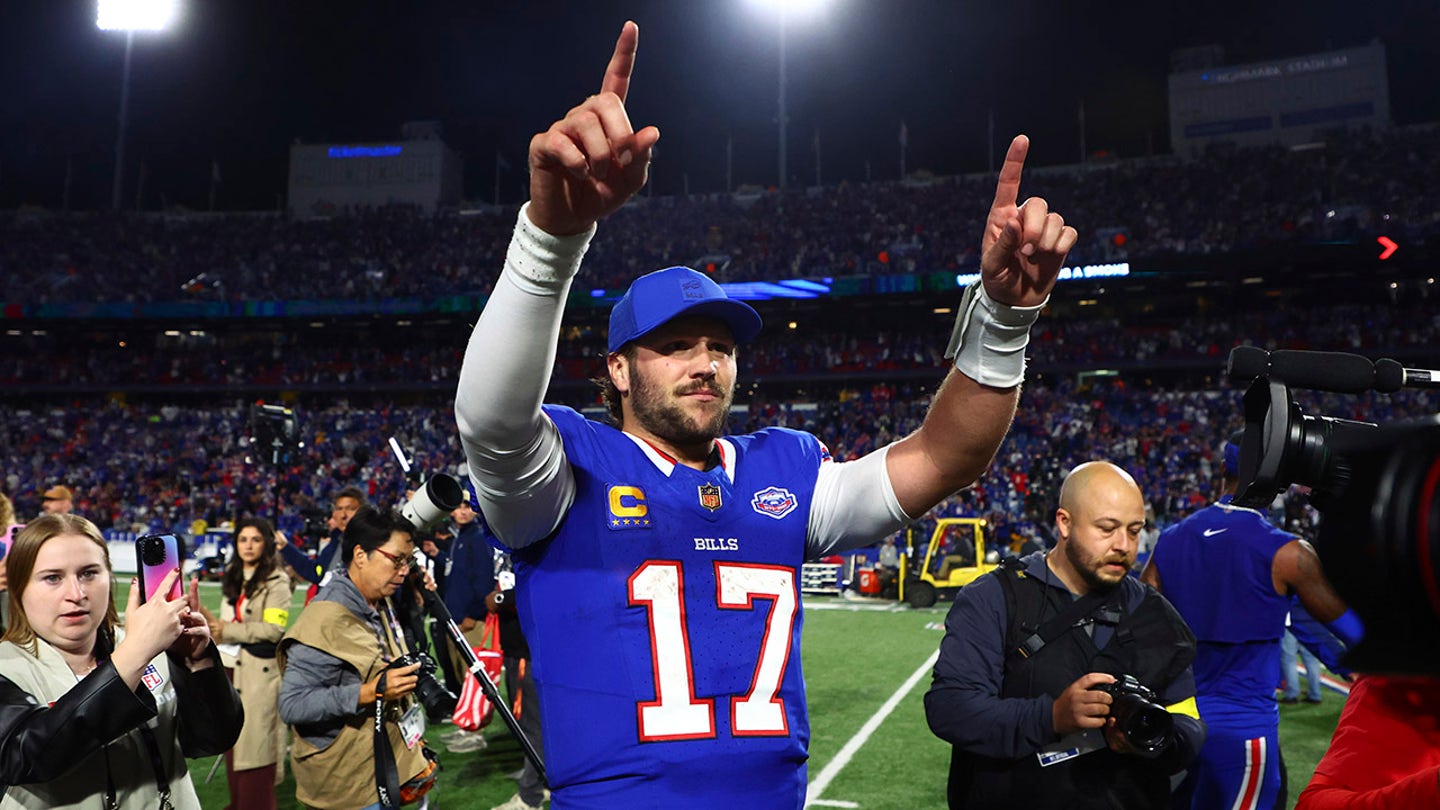
Josh Allen needles Bills fans for leaving early during thrilling win: 'Have some faith next time'
Entities mentioned:
- Josh Allen: Competitive spirit, Determination, Leadership
- Buffalo Bills: Competitive spirit, Unity, Pride
- Bills fans: Loyalty, Enthusiasm, Wariness
- Baltimore Ravens: Competitive spirit, Determination, Professional pride
- Sean McDermott: Pride, Professional pride, Loyalty
Article Assessment:
Credibility Score: 85/100
Bias Rating: 50/100 (Center)
Sentiment Score: 75/100
Authoritarianism Risk: 15/100 (Strongly Democratic)
Bias Analysis:
The article presents a balanced account of the game, including quotes from both sides and factual play-by-play. It doesn't show favoritism to either team, maintaining a neutral stance in its reporting.
Key metric: NFL Team Performance
Let me tell you something - this game was an absolute THRILLER! The Buffalo Bills, led by their star quarterback Josh Allen, pulled off a fourth-quarter comeback for the ages! We're talking championship mentality here, folks! Allen stepped up to the plate when it mattered most, orchestrating a game-winning drive that'll go down in the playbooks. This is the kind of clutch performance that separates the contenders from the pretenders in this league. And let's not forget the defense - they came through with a crucial turnover when the team needed it most. That's the kind of team play that wins championships! But I've got to say, those fans who left early? They missed out on a classic! You've got to have faith in your team, people! This is the NFL - it ain't over 'til it's over! The Bills showed the heart of a champion today, and that's the kind of momentum that can carry a team all the way to the Super Bowl!
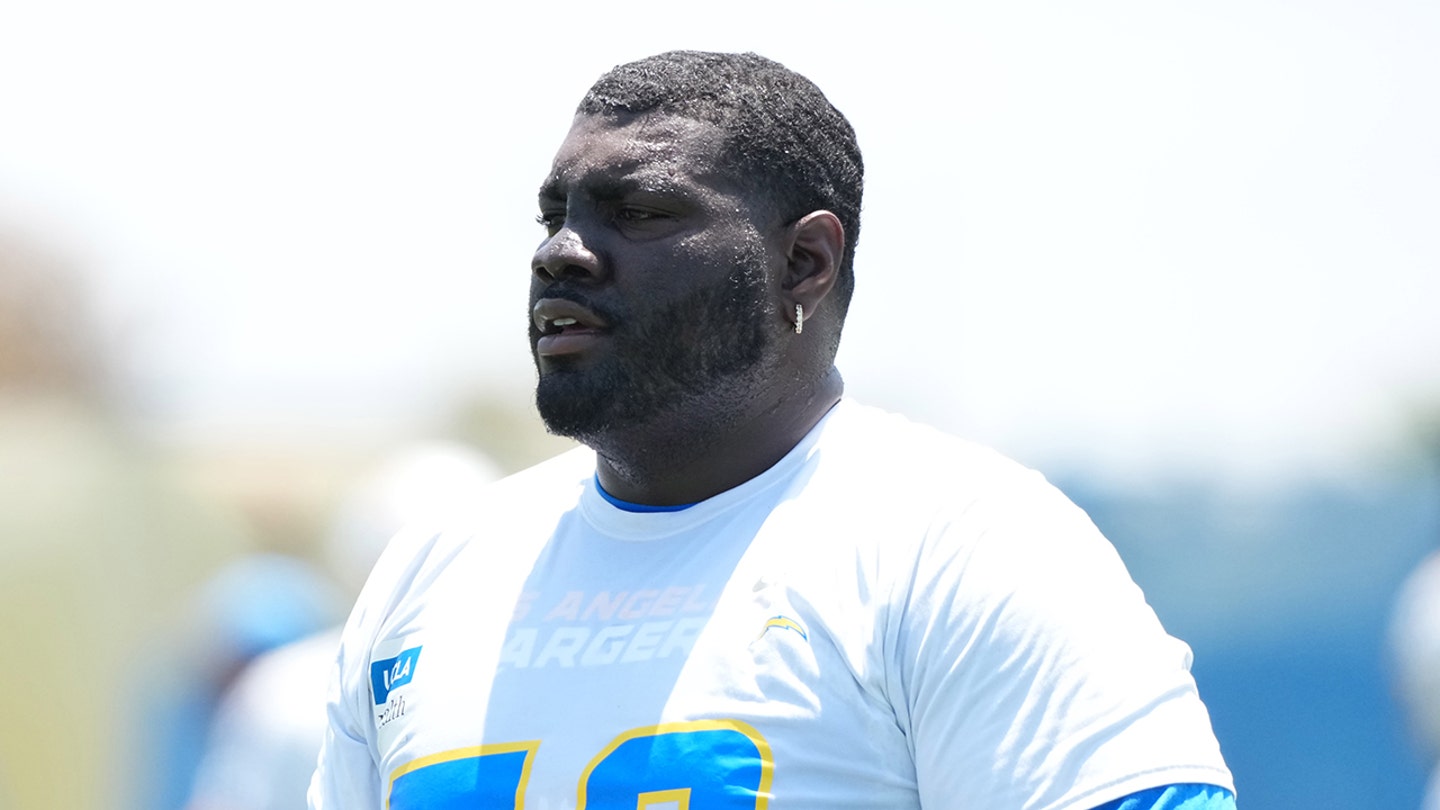
Chargers' Mekhi Becton reveals possible cause of mysterious illness, apparent hospitalization in Brazil
Entities mentioned:
- Mekhi Becton: Self-preservation, Professional pride, Wariness
- Los Angeles Chargers: Competitive spirit, Professional pride, Unity
- Kansas City Chiefs: Competitive spirit, Pride, Recognition
- NFL: Influence, Legacy, Ambition
- Philadelphia Eagles: Competitive spirit, Pride, Recognition
Article Assessment:
Credibility Score: 75/100
Bias Rating: 50/100 (Center)
Sentiment Score: 45/100
Authoritarianism Risk: 20/100 (Strongly Democratic)
Bias Analysis:
The article presents a balanced view of the events, reporting facts without apparent political leaning. It includes multiple perspectives, from the player's personal account to official team announcements, maintaining a neutral stance.
Key metric: Sports Industry Economic Impact
As a social scientist, I analyze that this article highlights the potential risks and challenges associated with the NFL's international expansion efforts. Becton's illness, potentially linked to local cuisine, underscores the complexities of hosting games abroad and the impact on player health and performance. This incident may influence future planning for international games, affecting the league's global growth strategy and economic projections. The successful execution of the game despite this setback demonstrates the NFL's resilience but also raises questions about player welfare in unfamiliar environments. The economic impact of such international games on the sports industry is significant, as they aim to expand the NFL's global fanbase and increase revenue streams. However, incidents like this could potentially dampen enthusiasm for international play among players and teams, affecting the long-term viability of the NFL's global expansion plans.
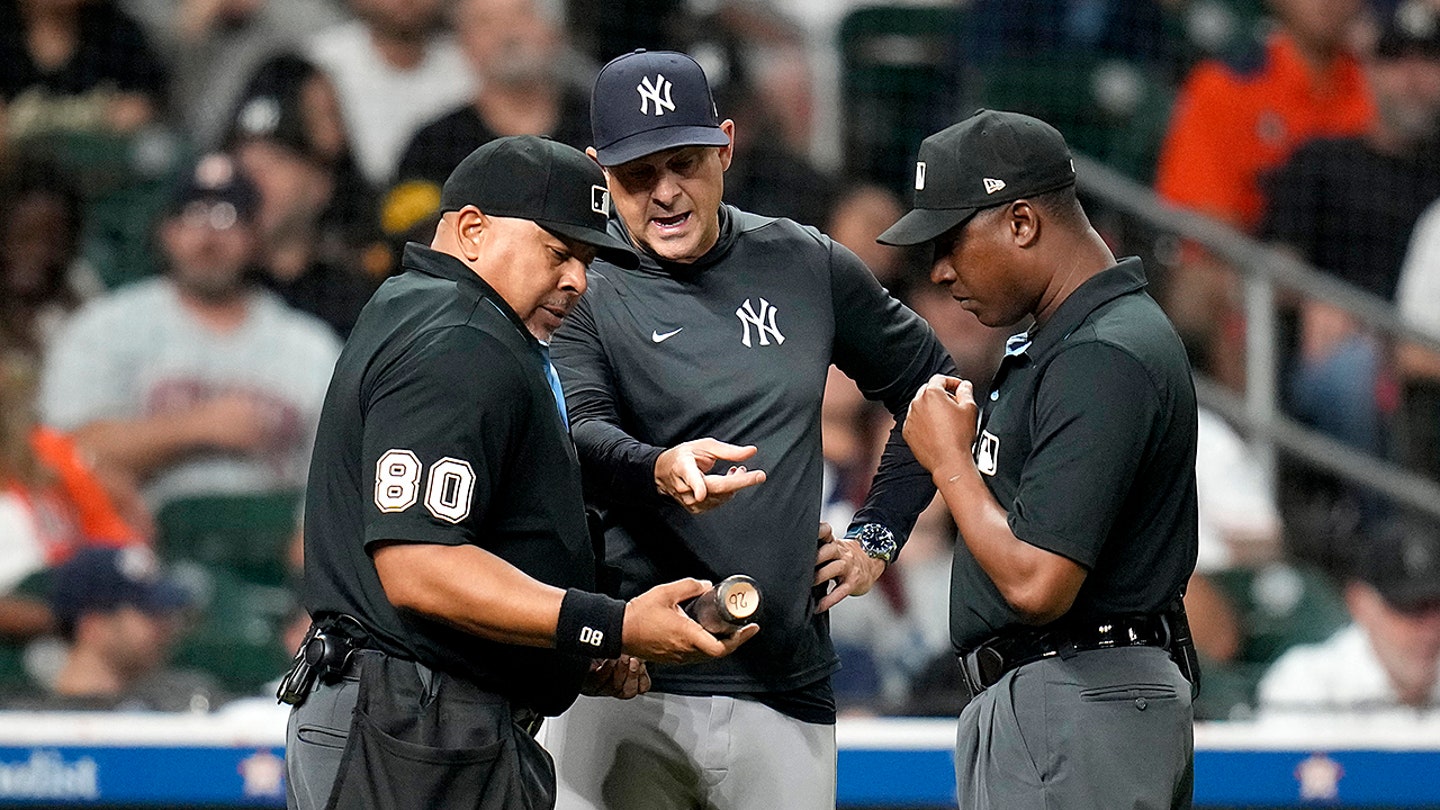
Astros outfielder gets bat confiscated by umpires in bizarre scene after hitting double
Entities mentioned:
- Taylor Trammell: Self-preservation, Professional pride, Indignation
- Aaron Boone: Competitive spirit, Wariness, Duty
- Adrian Johnson: Duty, Obligation, Professional pride
- Major League Baseball: Control, Justice, Professional pride
- New York Yankees: Competitive spirit, Ambition, Wariness
- Houston Astros: Competitive spirit, Professional pride, Self-preservation
Article Assessment:
Credibility Score: 75/100
Bias Rating: 50/100 (Center)
Sentiment Score: 35/100
Authoritarianism Risk: 30/100 (Generally Democratic)
Bias Analysis:
The article presents a balanced view, including quotes from both sides of the incident. It refrains from making accusations and presents the facts as reported by multiple sources, maintaining a neutral stance.
Key metric: Sports Integrity and Fair Play
As a social scientist, I analyze that this incident highlights the ongoing tension between competitive advantage and fair play in professional sports. The confiscation of Trammell's bat raises questions about the balance between vigilance against cheating and the potential for false accusations or overreach. This event may impact public perception of baseball's integrity and the effectiveness of its oversight mechanisms. It also demonstrates the complex dynamics between teams, players, and officials in maintaining a level playing field while preserving the spirit of competition. The incident's timing during a crucial series between playoff contenders adds additional significance to the potential implications for team standings and postseason positioning.
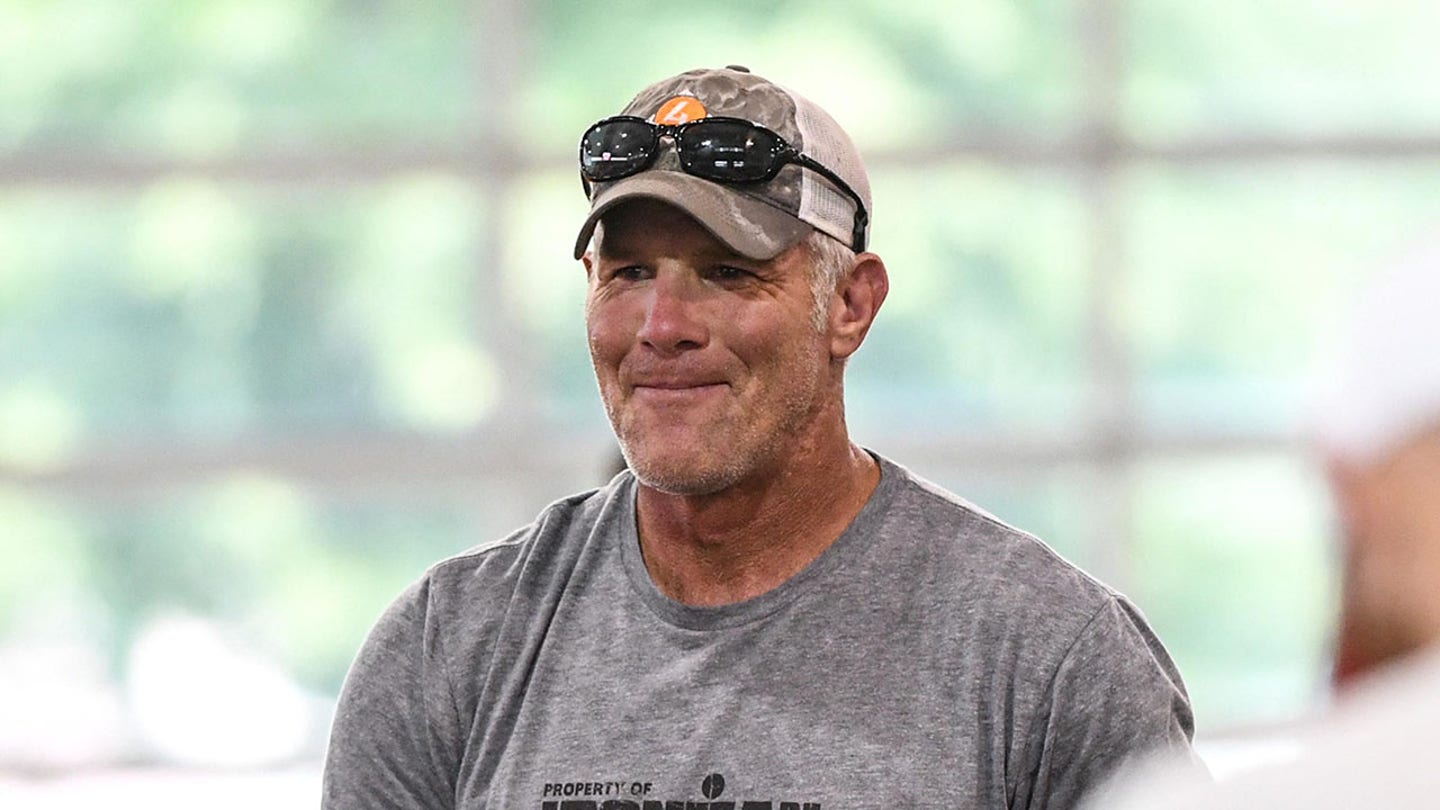
NFL legend slams league's 'divisive' social justice messages as counterproductive
Entities mentioned:
- National Football League: Unity, Recognition, Influence
- Brett Favre: Righteousness, Unity, Wariness
- Brian McCarthy: Professional pride, Duty, Unity
Article Assessment:
Credibility Score: 70/100
Bias Rating: 65/100 (Lean Right)
Sentiment Score: 35/100
Authoritarianism Risk: 30/100 (Generally Democratic)
Bias Analysis:
The article leans slightly right, evidenced by its focus on criticism of social justice initiatives and amplification of negative social media reactions. While it includes some balance by quoting NFL representatives, the overall framing gives more weight to opposing viewpoints.
Key metric: Social Cohesion Index
As a social scientist, I analyze that this article highlights the ongoing debate about the effectiveness of social justice messaging in professional sports. The NFL's efforts to promote unity through end zone slogans and the performance of the Black national anthem are being met with mixed reactions. Brett Favre's criticism suggests that these initiatives may be counterproductive, potentially widening societal divisions rather than bridging them. This controversy reflects broader societal tensions surrounding race relations and the role of institutions in addressing social issues. The public reaction, particularly on social media, indicates a polarized response to these initiatives, which could impact social cohesion on a national scale.

'Love Island USA' star's appearance on NFL pregame show leaves Super Bowl champion coach, fans stunned
Entities mentioned:
- Huda Mustafa: Recognition, Influence, Self-preservation
- NBC: Competitive spirit, Recognition, Influence
- Philadelphia Eagles: Competitive spirit, Pride, Legacy
- Dallas Cowboys: Competitive spirit, Pride, Legacy
- Maria Taylor: Professional pride, Curiosity, Recognition
- Jason McCourty: Professional pride, Duty, Recognition
- Tony Dungy: Professional pride, Duty, Wariness
- Rodney Harrison: Professional pride, Duty, Recognition
Article Assessment:
Credibility Score: 70/100
Bias Rating: 50/100 (Center)
Sentiment Score: 55/100
Authoritarianism Risk: 20/100 (Strongly Democratic)
Bias Analysis:
The article presents a balanced account of the event, quoting various reactions without apparent favor. The language used is neutral, focusing on reporting the occurrence and reactions rather than offering judgments.
Key metric: Media and Entertainment Industry Convergence
As a social scientist, I analyze that this article highlights the increasing convergence between sports media and reality TV entertainment. NBC's decision to feature a 'Love Island USA' contestant in an NFL pregame segment represents a strategic attempt to broaden audience appeal and cross-pollinate viewership. This convergence reflects changing media consumption patterns and the blurring lines between traditional sports broadcasting and entertainment programming. The surprised reactions from both fans and seasoned sports professionals underscore the novelty of this approach, potentially indicating a shift in how sports content is packaged and presented to attract diverse demographics. This trend could have significant implications for future sports broadcasting strategies, viewer engagement, and the overall evolution of sports media consumption.
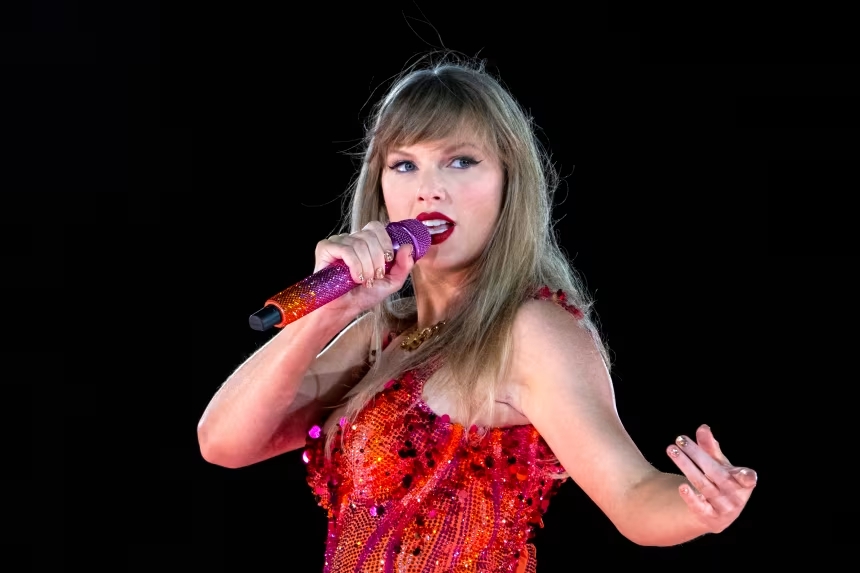
Taylor Swift performing at the Super Bowl? NFL commissioner Roger Goodell: ‘Maybe’
Entities mentioned:
- Roger Goodell: Professional pride, Control, Wariness
- Taylor Swift: Ambition, Recognition, Influence
- NFL: Competitive spirit, Recognition, Influence
- Travis Kelce: Professional pride, Recognition, Competitive spirit
- Roc Nation: Influence, Professional pride, Control
Article Assessment:
Credibility Score: 75/100
Bias Rating: 50/100 (Center)
Sentiment Score: 70/100
Authoritarianism Risk: 20/100 (Strongly Democratic)
Bias Analysis:
The article presents a balanced view, quoting directly from NFL commissioner Roger Goodell and providing context without apparent favoritism. It maintains a neutral tone while reporting on the potential Super Bowl performance, avoiding sensationalism or partisan language.
Key metric: Cultural Influence
As a social scientist, I analyze that this article highlights the intersection of sports and popular culture, demonstrating the NFL's strategic effort to broaden its appeal and cultural relevance. The potential inclusion of Taylor Swift in the Super Bowl halftime show represents a convergence of two major cultural forces, potentially amplifying the event's reach and impact. This move could significantly boost the NFL's cultural influence, attracting a broader, more diverse audience, particularly younger demographics and Swift's dedicated fan base. The article also underscores the growing importance of entertainment elements in sports events, reflecting a shift in how major sporting organizations approach audience engagement and brand expansion beyond their traditional bases.
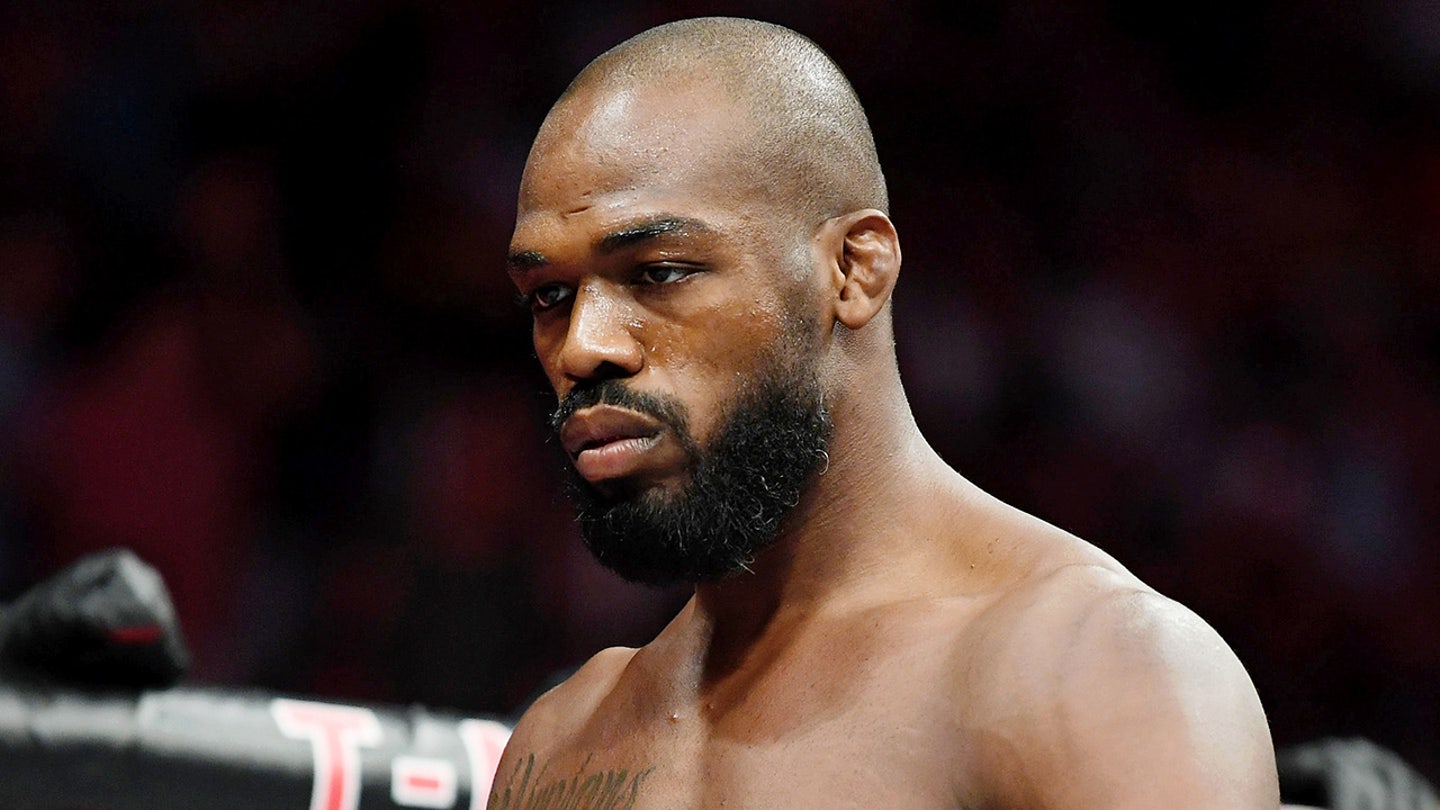
Retired UFC star Jon Jones exonerated after New Mexico prosecutors drop DUI, other charges in traffic case
Entities mentioned:
- Jon Jones: Self-preservation, Justice, Recognition
- Christopher A. Dodd: Professional pride, Justice, Loyalty
- Albuquerque Police Department: Duty, Control, Wariness
- New Mexico District Attorney's Office: Justice, Duty, Righteousness
Article Assessment:
Credibility Score: 75/100
Bias Rating: 55/100 (Center)
Sentiment Score: 65/100
Authoritarianism Risk: 30/100 (Generally Democratic)
Bias Analysis:
The article presents both sides of the story, including quotes from Jones' attorney and details of the initial accusation. However, it leans slightly towards Jones' perspective, giving more space to his attorney's statements and emphasizing his exoneration.
Key metric: Criminal Justice System Effectiveness
As a social scientist, I analyze that this case highlights potential flaws in the initial investigative process of the criminal justice system. The dismissal of charges against a high-profile individual like Jon Jones raises questions about the thoroughness of initial police investigations and the potential for false accusations to lead to unnecessary legal proceedings. This situation underscores the importance of thorough evidence review and the potential consequences of hasty judgments in law enforcement. The case also demonstrates the impact of celebrity status on legal proceedings and public perception, as well as the role of legal representation in challenging potentially flawed accusations.
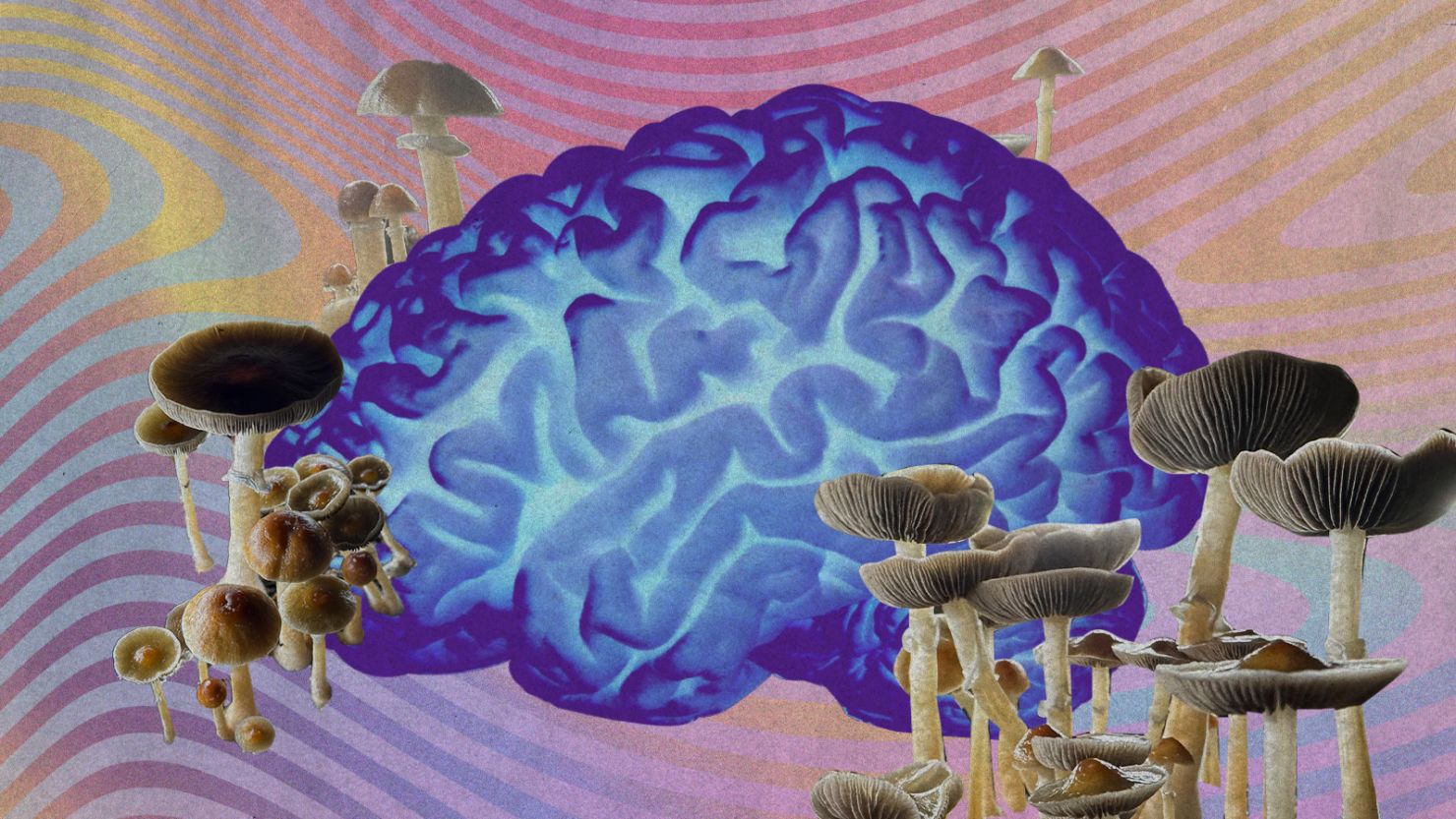
These athletes suffered life-changing injuries. Then, they turned to psychedelics
Entities mentioned:
- Daniel Carcillo: Self-preservation, Recognition, Legacy
- Aaron Rodgers: Professional pride, Influence, Self-preservation
- Mike Tyson: Self-preservation, Recognition, Legacy
- Dana White: Professional pride, Duty, Influence
- Jeff Novitzky: Duty, Professional pride, Curiosity
- Robin Carhart-Harris: Curiosity, Professional pride, Duty
- James Rucker: Professional pride, Duty, Wariness
- Anna Symonds: Self-preservation, Curiosity, Recognition
Article Assessment:
Credibility Score: 75/100
Bias Rating: 45/100 (Center)
Sentiment Score: 55/100
Authoritarianism Risk: 25/100 (Generally Democratic)
Bias Analysis:
The article presents a balanced view, including both positive experiences and expert warnings. It gives voice to proponents and skeptics alike, maintaining a neutral stance on the controversial topic.
Key metric: Mental Health and Substance Abuse
As a social scientist, I analyze that this article highlights a growing trend among athletes exploring psychedelic substances for mental health treatment and performance enhancement. The piece presents both potential benefits and risks, reflecting a shift in societal attitudes towards these substances. It raises important questions about medical ethics, drug policy, and the intersection of professional sports and mental health care. The article's focus on personal testimonies from high-profile athletes may influence public perception and potentially impact future research and policy decisions regarding psychedelic use in sports and beyond.
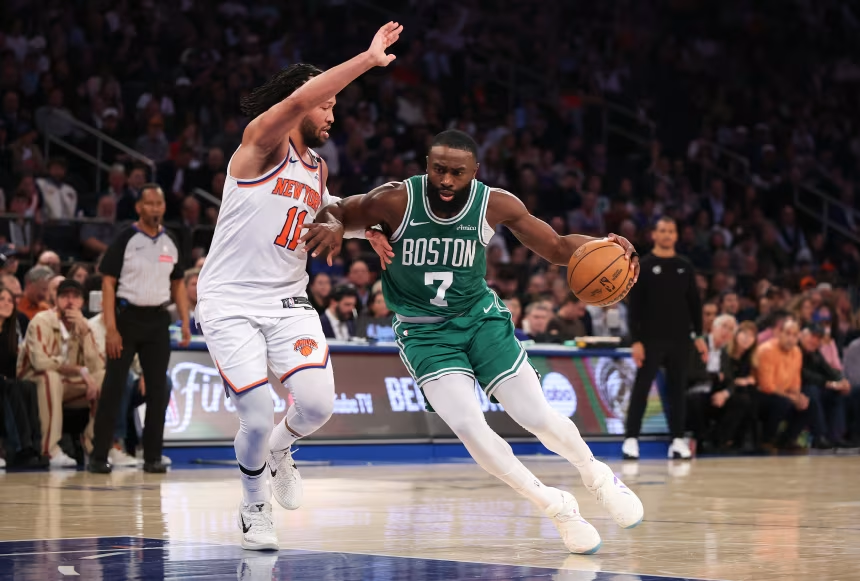
Father of Boston Celtics star Jaylen Brown arrested and charged with attempted murder
Entities mentioned:
- Quenton Marselles Brown: Anger, Self-preservation, Indignation
- Jaylen Brown: Professional pride, Anxiety, Self-respect
- Las Vegas Metropolitan Police Department: Duty, Justice, Security
- Boston Celtics: Professional pride, Wariness, Unity
Article Assessment:
Credibility Score: 75/100
Bias Rating: 50/100 (Center)
Sentiment Score: 25/100
Authoritarianism Risk: 30/100 (Generally Democratic)
Bias Analysis:
The article presents a balanced account of the incident, relying on official police reports and avoiding speculation. It maintains a neutral tone, presenting facts without apparent political or ideological slant.
Key metric: Violent Crime Rate
As a social scientist, I analyze that this incident likely impacts the Violent Crime Rate metric. The alleged attempted murder by a high-profile athlete's father could influence public perception of crime rates and safety. This case may receive heightened media attention due to the connection to a professional athlete, potentially amplifying its impact on public discourse around violent crime. The severity of the injuries described and the seemingly arbitrary nature of the altercation could contribute to increased fear of random acts of violence in public spaces, potentially affecting community behavior and local policies related to crime prevention and public safety.