
Kristi Noem: Sen. Padilla Had Even Deadlier Opinion That Failed To Go Off
Entities mentioned:
- Kristi Noem: Self-preservation, Control, Fear
- Alex Padilla: Righteousness, Moral outrage, Duty
- Homeland Security: Control, Security, Power
- Federal agents: Duty, Security, Professional pride
Article Assessment:
Credibility Score: 30/100
Bias Rating: 35/100 (Lean Left)
Sentiment Score: 25/100
Authoritarianism Risk: 70/100 (Authoritarian Tendencies)
Bias Analysis:
The article leans left, using satire to criticize right-wing figures and policies. It exaggerates conservative rhetoric about security threats, mocking the idea that dissenting opinions are dangerous.
Key metric: Freedom of Speech Index
As a social scientist, I analyze that this article satirically portrays a hyperbolic reaction to political dissent, exaggerating the perceived threat of opposing viewpoints. It metaphorically equates opinions with weapons, suggesting an environment where free speech is under threat. The piece ironically frames differing political views as potentially lethal, highlighting concerns about the suppression of diverse perspectives in democratic discourse. This satire underscores tensions between security measures and civil liberties, particularly freedom of speech, in the current political climate.
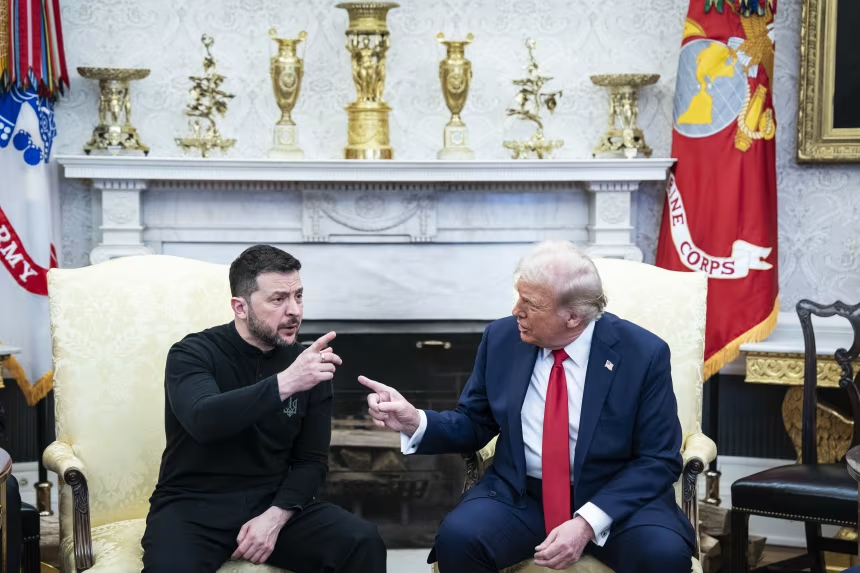
How Trump and Zelensky’s relationship has evolved since remarkable Oval Office shouting match in February
Entities mentioned:
- Donald Trump: Power, Control, Legacy
- Volodymyr Zelensky: Self-preservation, Determination, Unity
- Vladimir Putin: Power, Control, Influence
- European Leaders: Unity, Security, Influence
- JD Vance: Loyalty, Righteousness, Recognition
Article Assessment:
Credibility Score: 75/100
Bias Rating: 45/100 (Center)
Sentiment Score: 35/100
Authoritarianism Risk: 55/100 (Mixed/Neutral)
Bias Analysis:
The article presents multiple perspectives and includes details from various sources, maintaining a relatively balanced view. However, there's a slight lean towards framing Trump's actions as potentially problematic for US-Europe relations.
Key metric: US International Diplomatic Influence
As a social scientist, I analyze that this article highlights a significant shift in US-Ukraine relations and the broader geopolitical landscape. Trump's evolving approach to the Ukraine conflict, from confrontational to seemingly more conciliatory, suggests a potential realignment of US foreign policy priorities. The contrast between Trump's treatment of Putin and Zelensky indicates a complex balancing act that could impact US credibility among allies. The involvement of multiple European leaders in the upcoming talks underscores the international community's concern and desire to influence the outcome. This situation could significantly affect US diplomatic influence, potentially weakening traditional alliances while opening new avenues for negotiation with adversaries.
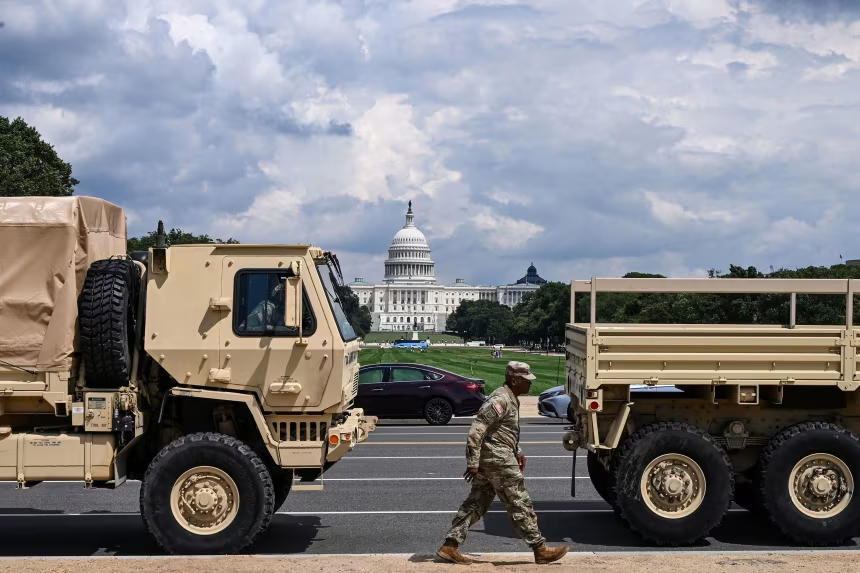
DC students head back to school amid Trump focus on cleaning up juvenile crime in the district
Entities mentioned:
- Donald Trump: Control, Power, Recognition
- DC students: Security, Fear, Self-preservation
- Dara Baldwin: Moral outrage, Justice, Concern
- Muriel Bowser: Duty, Security, Control
- Kelsye Adams: Justice, Moral outrage, Freedom
- Abigail Jackson: Loyalty, Righteousness, Security
- Kim Hall: Security, Wariness, Self-preservation
- Anthony Motley: Security, Duty, Legacy
- Sharelle Stagg: Wariness, Concern, Professional pride
- Tahir Duckett: Professional pride, Justice, Concern
- Carlos Wilson: Justice, Moral outrage, Unity
Article Assessment:
Credibility Score: 75/100
Bias Rating: 40/100 (Lean Left)
Sentiment Score: 35/100
Authoritarianism Risk: 65/100 (Authoritarian Tendencies)
Bias Analysis:
The article leans slightly left, giving more voice to critics of the federal intervention and emphasizing potential negative impacts on minority communities. However, it does include some balanced perspectives and official data, maintaining a degree of objectivity.
Key metric: Juvenile Crime Rate
As a social scientist, I analyze that this article highlights the complex intersection of federal intervention, local governance, and community response to juvenile crime in Washington DC. The deployment of federal troops and increased law enforcement presence is framed as a contentious issue, with divided opinions on its potential effectiveness and impact on the community, particularly on Black and Latino youth. The article presents data showing fluctuations in juvenile crime rates, suggesting that local initiatives may have had some positive impact. However, the federal intervention is portrayed as potentially counterproductive, with concerns about over-policing and the psychological impact on students. The divergent views from community members, activists, and officials underscore the multifaceted nature of addressing juvenile crime and the challenges in balancing security concerns with community trust and well-being.
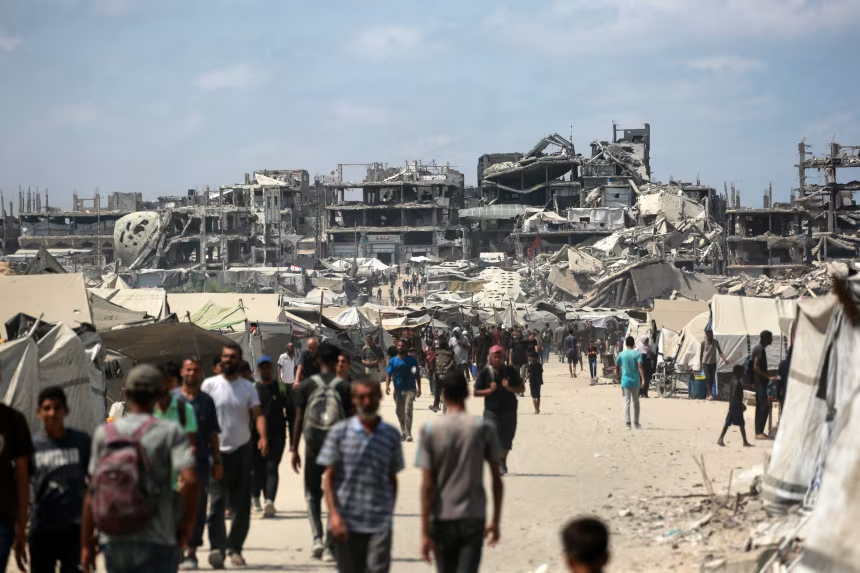
US suspends visitor visas for people from Gaza
Entities mentioned:
- Marco Rubio: Security, Duty, Control
- State Department: Security, Control, Duty
- Hamas: Power, Control, Influence
- Trump administration: Security, Control, Power
- Laura Loomer: Moral outrage, Influence, Fear
- HEAL Palestine: Duty, Compassion, Justice
- Donald Trump: Power, Influence, Recognition
- Benjamin Netanyahu: Power, Control, Security
Article Assessment:
Credibility Score: 65/100
Bias Rating: 55/100 (Center)
Sentiment Score: 30/100
Authoritarianism Risk: 65/100 (Authoritarian Tendencies)
Bias Analysis:
The article presents multiple viewpoints, including government officials and humanitarian organizations. However, it gives more space to the administration's perspective, while critiques are less elaborated.
Key metric: Immigration and Border Control Effectiveness
As a social scientist, I analyze that this policy change reflects a significant shift in the US approach to humanitarian visas for Palestinians, particularly those from Gaza. The suspension of visitor visas, justified by alleged links to terrorist groups, indicates a prioritization of national security concerns over humanitarian considerations. This decision may have far-reaching implications for US-Palestine relations, humanitarian aid efforts, and the perception of the US in the international community. The involvement of far-right figures like Laura Loomer suggests potential political motivations beyond stated security concerns. The contrast between Trump's acknowledgment of the humanitarian crisis and this policy decision highlights the complex interplay between foreign policy, domestic politics, and humanitarian obligations. This move could potentially exacerbate the humanitarian situation in Gaza while altering the US's role in providing medical aid to conflict-affected populations.
- Read more about US suspends visitor visas for people from Gaza
- Log in to post comments
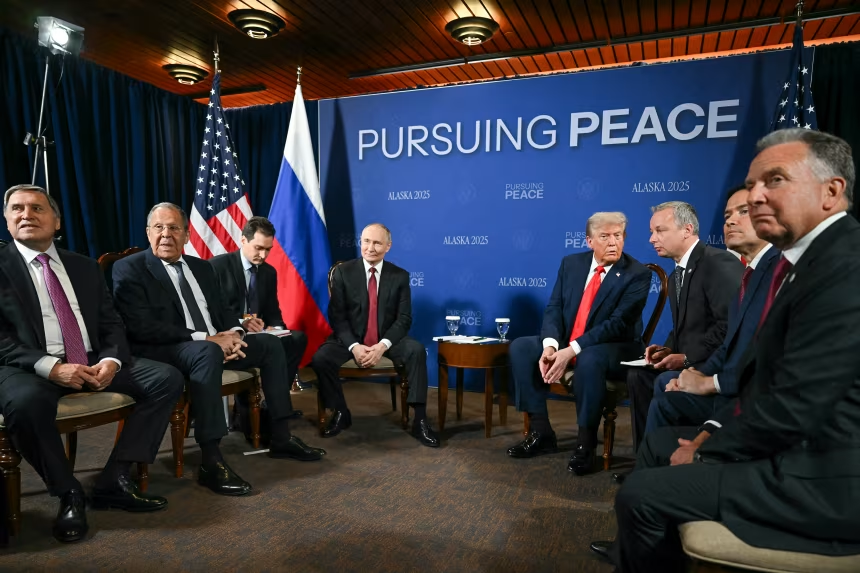
White House signals strong momentum toward peace in Ukraine but many questions linger
Entities mentioned:
- Donald Trump: Power, Influence, Legacy
- Steve Witkoff: Duty, Influence, Professional pride
- Vladimir Putin: Power, Control, Self-preservation
- Volodymyr Zelensky: Self-preservation, Unity, Security
- Marco Rubio: Professional pride, Duty, Wariness
- Russia: Power, Control, Self-preservation
- Ukraine: Self-preservation, Security, Freedom
- United States: Influence, Power, Security
- European leaders: Security, Unity, Influence
- NATO: Security, Unity, Deterrence
Article Assessment:
Credibility Score: 65/100
Bias Rating: 55/100 (Center)
Sentiment Score: 55/100
Authoritarianism Risk: 35/100 (Generally Democratic)
Bias Analysis:
The article presents multiple perspectives and quotes from various sources, indicating an attempt at balanced reporting. However, there's a slight emphasis on Trump's role and statements, which could suggest a minor center-right lean.
Key metric: International Conflict Resolution Index
As a social scientist, I analyze that this article highlights a complex diplomatic situation involving multiple stakeholders with competing interests. The potential for a peace agreement in Ukraine appears to be gaining momentum, but significant challenges remain. The US, under Trump's leadership, is attempting to broker a deal between Russia and Ukraine, with European allies involved. The article suggests progress in security guarantees and potential land concessions, but also reveals tensions between immediate ceasefire goals and broader peace agreement ambitions. The credibility of Russian commitments and the willingness of Ukraine to accept certain conditions are key factors that could impact the success of these negotiations. This situation could significantly affect global stability and the International Conflict Resolution Index, as a successful resolution could set a precedent for diplomatic solutions to similar conflicts, while failure could exacerbate tensions and potentially lead to further military escalation.
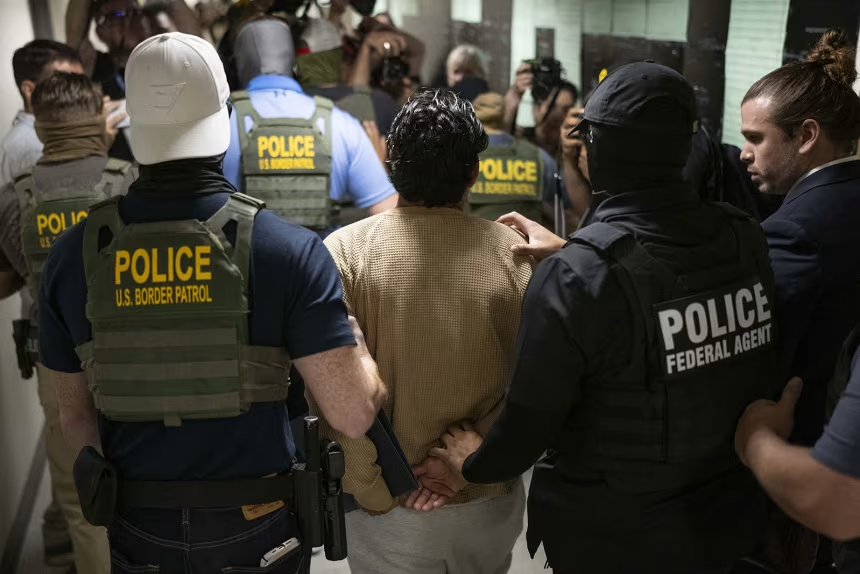
Democratic states sue to force Trump to hand over crime grant money in immigration fight
Entities mentioned:
- Trump administration: Control, Power, Influence
- Democratic states: Justice, Righteousness, Indignation
- Justice Department: Control, Duty, Influence
- Immigration and Customs Enforcement (ICE): Duty, Control, Security
- Rob Bonta: Justice, Moral outrage, Duty
- Pam Bondi: Duty, Loyalty, Control
Article Assessment:
Credibility Score: 75/100
Bias Rating: 40/100 (Lean Left)
Sentiment Score: 30/100
Authoritarianism Risk: 65/100 (Authoritarian Tendencies)
Bias Analysis:
The article leans slightly left, primarily due to its focus on Democratic states' perspective and use of terms like 'brazen attempt' and 'strong-arm'. However, it does present some factual information about the administration's actions.
Key metric: Immigration Enforcement Effectiveness
As a social scientist, I analyze that this article highlights a significant conflict between federal and state governments over immigration policy and funding allocation. The Trump administration's attempt to leverage crime victim support funds to enforce immigration policies demonstrates a contentious approach to federal-state relations. This conflict could potentially impact the effectiveness of both immigration enforcement and victim support programs. The lawsuit by Democratic states represents a pushback against what they perceive as federal overreach, emphasizing the tension between state autonomy and federal immigration priorities. This situation may lead to decreased cooperation between state and federal agencies, potentially reducing overall immigration enforcement effectiveness while also risking the stability of crime victim support programs.
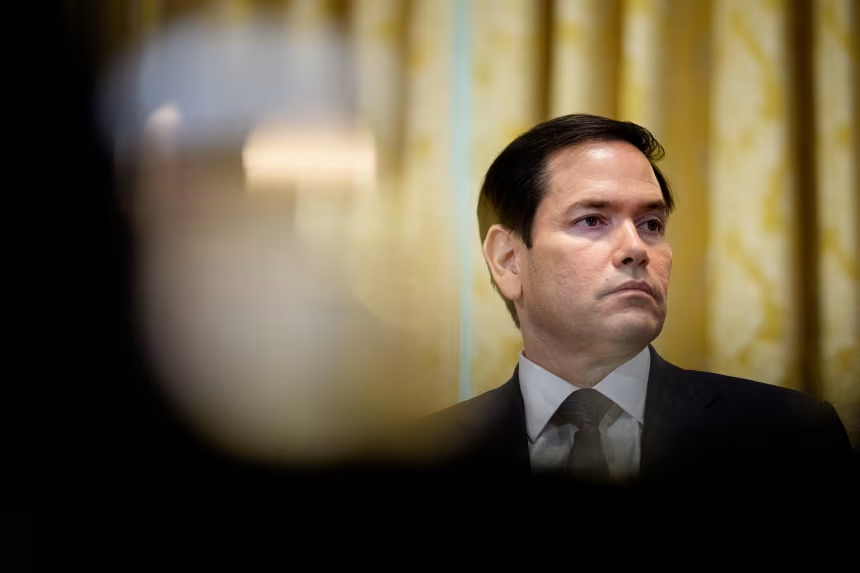
US State Department has revoked more than 6,000 student visas, official says
Entities mentioned:
- State Department: Security, Control, Duty
- Trump administration: Security, Control, Nationalism
- Rumeysa Ozturk: Freedom, Justice, Self-preservation
- Marco Rubio: Loyalty, Security, Righteousness
- NAFSA: Association of International Educators: Professional pride, Concern, Influence
Article Assessment:
Credibility Score: 75/100
Bias Rating: 55/100 (Center)
Sentiment Score: 30/100
Authoritarianism Risk: 65/100 (Authoritarian Tendencies)
Bias Analysis:
The article presents multiple perspectives, including government officials and educational organizations. While it leans slightly towards criticizing the policy, it also provides space for the administration's justifications.
Key metric: International Student Enrollment
As a social scientist, I analyze that the revocation of over 6,000 student visas by the US State Department represents a significant shift in immigration policy with potential far-reaching consequences. This action, part of a broader crackdown on international students, is likely to impact the United States' position as a global leader in higher education. The justifications provided for these revocations, ranging from expired visas to allegations of terrorism support, suggest a tightening of national security measures. However, the broad scope and aggressive implementation of these policies may lead to unintended consequences, including a substantial decline in international student enrollment and subsequent economic losses. The new vetting requirements, including scrutiny of social media profiles, raise concerns about privacy and potential ideological screening. This shift could potentially damage the US's soft power and cultural influence globally, as well as its ability to attract top international talent. The projected 30-40% decline in new international student enrollment could have significant economic impacts, affecting not only universities but also local economies that benefit from international students' presence.
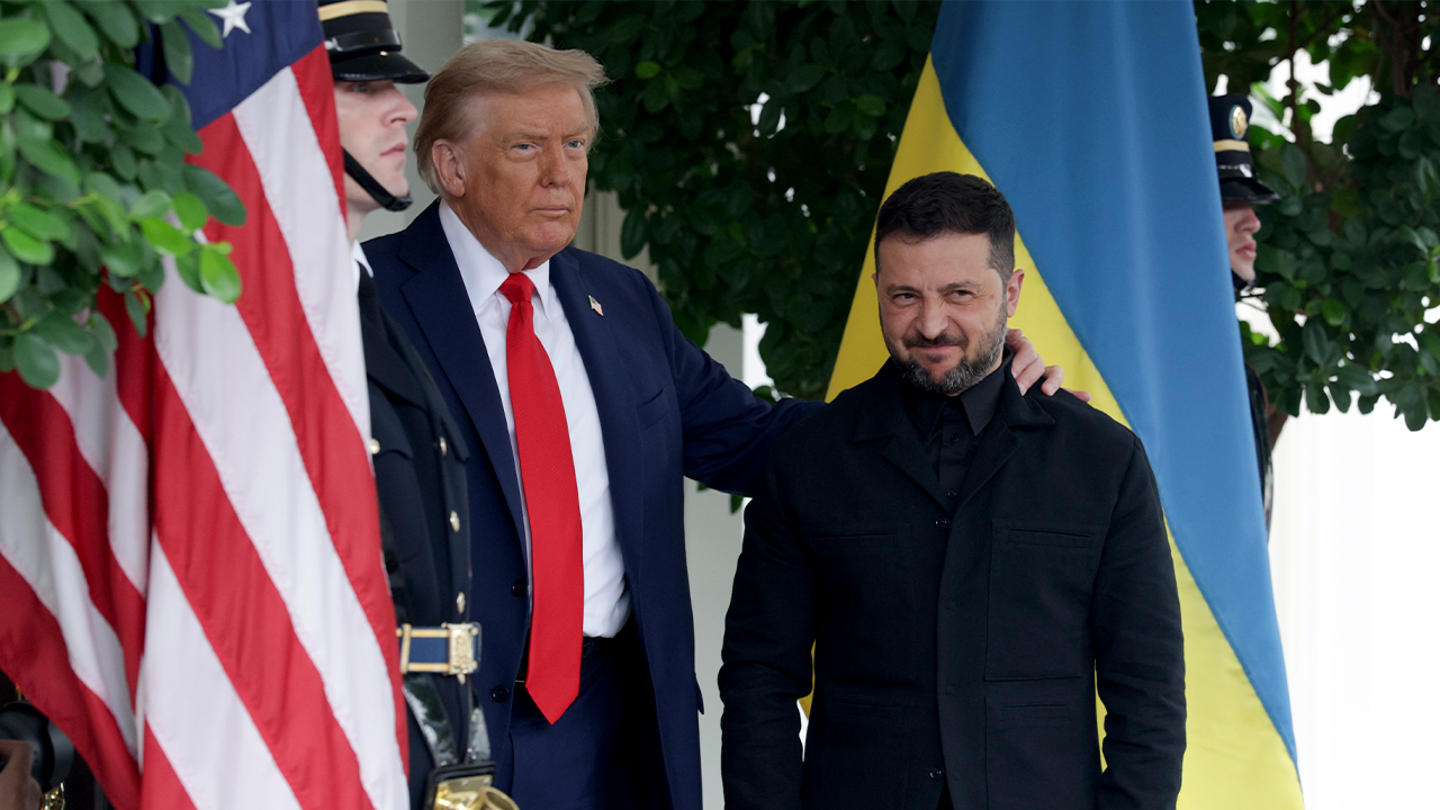
Trump: Zelenskyy meeting not 'end of the road' for US support in securing a peace deal
Entities mentioned:
- Donald Trump: Power, Influence, Legacy
- Volodymyr Zelenskyy: Security, Unity, Determination
- Vladimir Putin: Power, Control, Influence
- Keir Starmer: Duty, Unity, Influence
- Ursula Von der Leyen: Unity, Influence, Duty
- Emmanuel Macron: Influence, Unity, Legacy
- Mark Rutte: Unity, Security, Duty
- Steve Witkoff: Duty, Influence, Professional pride
Article Assessment:
Credibility Score: 70/100
Bias Rating: 55/100 (Center)
Sentiment Score: 45/100
Authoritarianism Risk: 35/100 (Generally Democratic)
Bias Analysis:
The article presents a relatively balanced view, quoting multiple sources and presenting different perspectives. However, there's a slight lean towards emphasizing Trump's role and statements, which could be seen as giving more weight to the US perspective.
Key metric: International Diplomatic Influence
As a social scientist, I analyze that this article highlights the complex diplomatic efforts to end the Russia-Ukraine conflict, with the US playing a central role. Trump's involvement in negotiations with both Ukraine and Russia, along with the presence of key European leaders, demonstrates the international importance of this issue. The potential for US troop deployment and the discussion of NATO-like protections for Ukraine indicate a significant shift in the conflict's dynamics. This development could greatly impact the US's international diplomatic influence, potentially strengthening its position as a global mediator but also risking further tensions with Russia. The article suggests a delicate balancing act between supporting Ukraine and maintaining dialogue with Russia, which could have far-reaching implications for global geopolitics and US foreign policy.

Trump: Europe will ‘take a lot of the burden’ in providing security guarantees for Ukraine
Entities mentioned:
- Donald Trump: Influence, Power, Legacy
- Volodymyr Zelenskyy: Security, Determination, Unity
- Vladimir Putin: Power, Control, Influence
- Steve Witkoff: Duty, Influence, Professional pride
- Emmanuel Macron: Unity, Security, Duty
- European allies: Security, Unity, Obligation
- United States: Influence, Power, Security
- Russia: Power, Control, Influence
- Ukraine: Security, Self-preservation, Freedom
- NATO: Security, Unity, Deterrence
Article Assessment:
Credibility Score: 65/100
Bias Rating: 55/100 (Center)
Sentiment Score: 45/100
Authoritarianism Risk: 35/100 (Generally Democratic)
Bias Analysis:
The article presents multiple perspectives, including those of Trump, Zelenskyy, and Macron, providing a relatively balanced view. However, it leans slightly towards emphasizing Trump's statements and positions, potentially reflecting a slight center-right bias in source selection and framing.
Key metric: Global Influence Index
As a social scientist, I analyze that this article highlights a significant shift in the dynamics of global security arrangements, particularly concerning Ukraine. The proposed security guarantees for Ukraine, with European nations taking a larger role and the U.S. offering support, indicate a potential realignment of international security responsibilities. This shift could impact the U.S.'s Global Influence Index by potentially reducing its direct involvement in Eastern European security while maintaining a supportive role. The discussions around territorial exchanges and Ukraine's NATO aspirations suggest complex negotiations that could reshape regional geopolitics. The emphasis on European nations taking 'a lot of the burden' in providing security guarantees may indicate a U.S. strategy to maintain influence while encouraging greater European autonomy in regional security matters. This approach could either strengthen or strain transatlantic relations, depending on its implementation and outcomes, thus directly affecting the U.S.'s global influence.

All Over the Map with John King
Entities mentioned:
- Donald Trump: Power, Influence, Legacy
- Joe Biden: Power, Duty, Legacy
- Kamala Harris: Ambition, Power, Recognition
- Nikki Haley: Ambition, Competitive spirit, Recognition
- Republican Party: Power, Control, Loyalty
- Democratic Party: Power, Unity, Justice
- Voters: Self-preservation, Security, Freedom
Article Assessment:
Credibility Score: 75/100
Bias Rating: 50/100 (Center)
Sentiment Score: 45/100
Authoritarianism Risk: 30/100 (Generally Democratic)
Bias Analysis:
The articles present a balanced view, covering perspectives from both Republican and Democratic voters. While there's slightly more focus on Trump, it's balanced by coverage of Biden, Harris, and other candidates.
Key metric: Voter Sentiment and Electoral Trends
As a social scientist, I analyze that this collection of articles focuses heavily on voter sentiment across various demographics and regions, particularly in battleground states. The articles track shifting opinions, concerns, and motivations of voters over time, especially in response to key political events and policy changes. There's a strong emphasis on the impact of economic policies, immigration, and social issues on voter behavior. The coverage spans multiple election cycles, showing how voter attitudes have evolved. This comprehensive voter analysis is crucial for understanding the complex dynamics of American electoral politics and predicting future voting patterns.
- Read more about All Over the Map with John King
- Log in to post comments