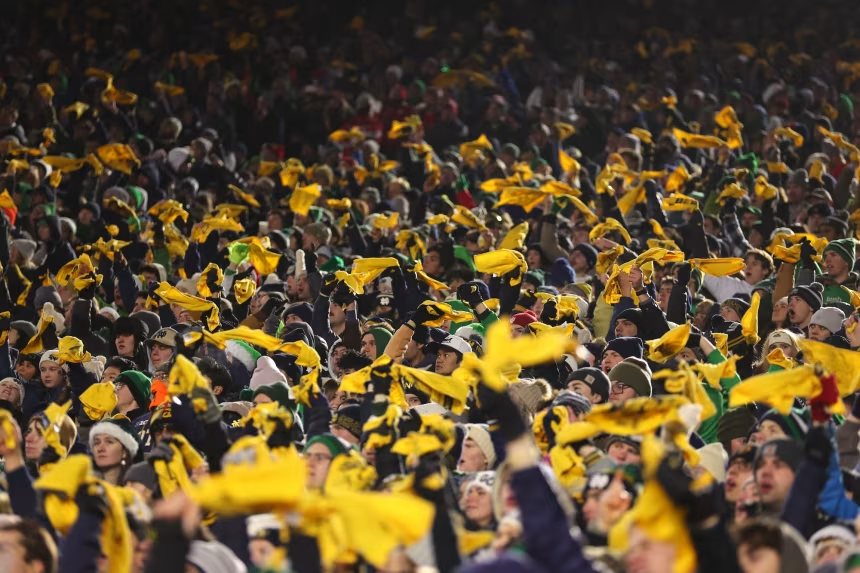
NCAA moves closer to allowing college athletes to bet on pro sports
Entities mentioned:
- NCAA: Control, Professional pride, Adaptation
- Division I Administrative Committee: Influence, Duty, Wariness
- Josh Whitman: Leadership, Duty, Wariness
- Tim Sands: Modernization, Duty, Wariness
Article Assessment:
Credibility Score: 85/100
Bias Rating: 50/100 (Center)
Sentiment Score: 60/100
Authoritarianism Risk: 35/100 (Generally Democratic)
Bias Analysis:
The article presents a balanced view of the NCAA's decision, including both supportive statements and cautionary notes. It doesn't lean towards promoting or criticizing the change, maintaining a neutral stance.
Key metric: Collegiate Sports Integrity
Let me tell you something - this is a GAME-CHANGING play by the NCAA! They're calling an audible on their long-standing defense against sports betting, folks. It's like they're opening up the playbook in the fourth quarter, allowing their players to place bets on the pro leagues while keeping a strict 'no betting' rule on the collegiate gridiron. This is a HUGE strategic shift that could redefine the landscape of college athletics! The NCAA is stepping up to the plate, recognizing that they need to adapt their game plan to the modern era. But make no mistake, they're still keeping a tight defense on their own turf, making sure the integrity of college sports remains untouchable. This move shows they're playing both offense and defense simultaneously - a true championship mentality!
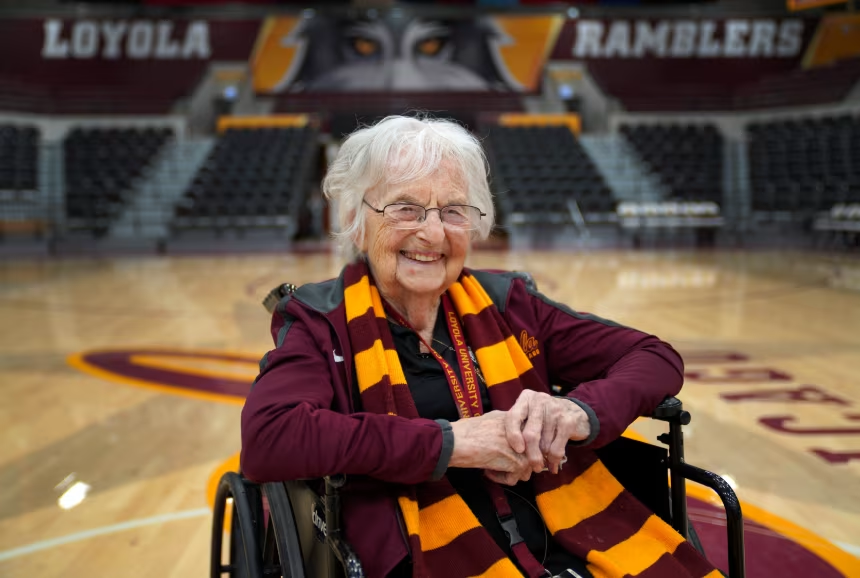
Loyola Chicago’s beloved Sister Jean Dolores Schmidt, known as Sister Jean, dies at 106
Entities mentioned:
- Sister Jean Dolores Schmidt: Loyalty, Enthusiasm, Professional pride
- Loyola University Chicago: Unity, Legacy, Pride
- Loyola Ramblers basketball team: Competitive spirit, Determination, Ambition
- Mark C. Reed: Respect, Duty, Recognition
Article Assessment:
Credibility Score: 85/100
Bias Rating: 45/100 (Center)
Sentiment Score: 65/100
Authoritarianism Risk: 15/100 (Strongly Democratic)
Bias Analysis:
The article presents a balanced view of Sister Jean's life and impact, with quotes from various sources. It focuses on her positive influence without overstating or understating her role.
Key metric: Collegiate Sports Engagement
Let me tell you something - this story is a GAME-CHANGER for collegiate sports! Sister Jean was the MVP, the 12th player, the secret weapon in Loyola's playbook! Her passing is like losing a legendary coach, but her spirit will continue to rally the troops from the sidelines of eternity. The Ramblers' Cinderella run in 2018? That was Sister Jean's championship play, turning a small program into a March Madness Cinderella story! Her pre-game prayers were like the ultimate pep talk, and her sideline presence? Talk about home court advantage! Sister Jean didn't just break records, she shattered the mold of what it means to be a team chaplain. She stepped up to the plate for over 60 years, folks, showing that in the game of life, it's not about age, it's about heart and determination. Loyola Chicago may have lost their star player, but her legacy is the ultimate alley-oop for collegiate sports engagement across the nation!
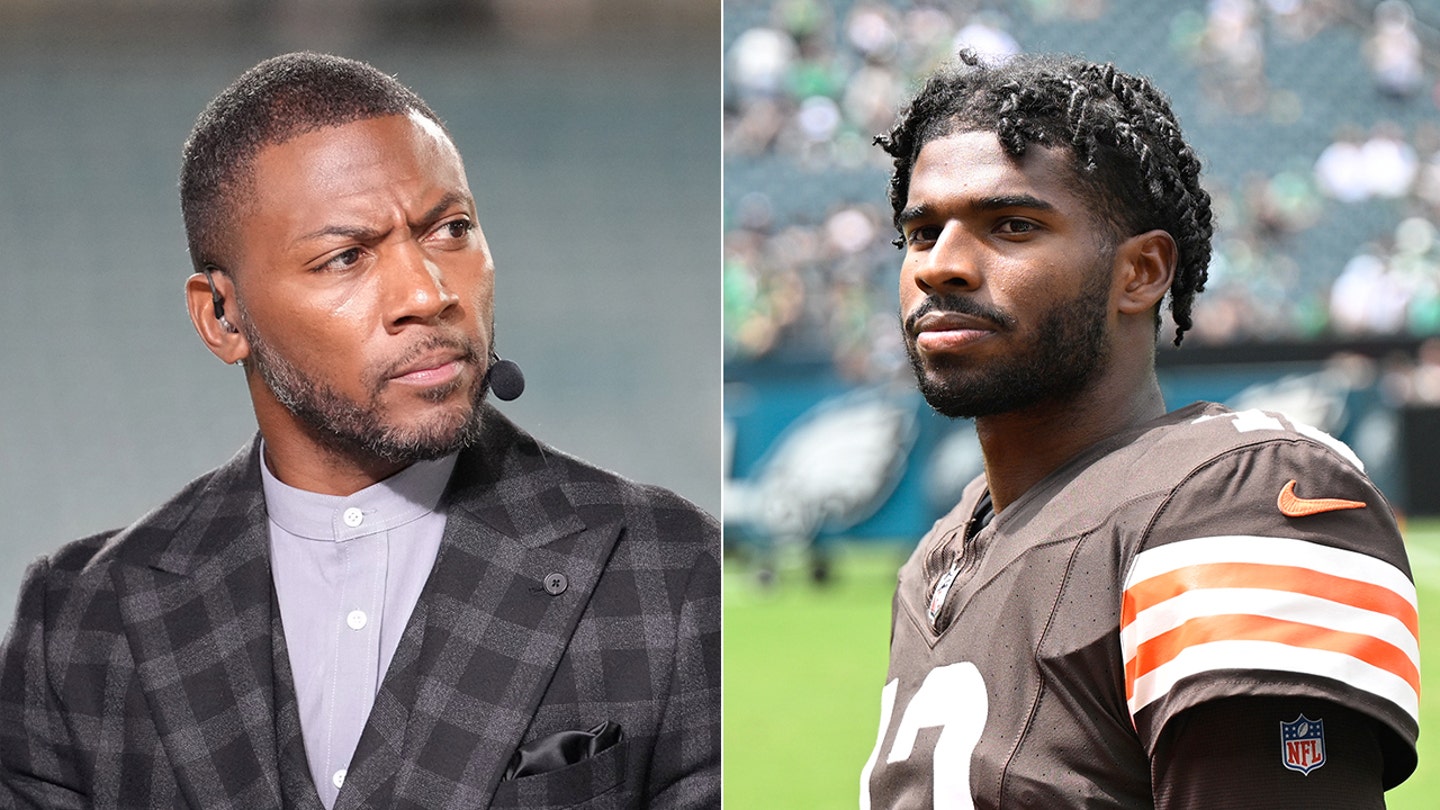
Shedeur Sanders and Browns should 'part ways' if he is not named backup quarterback, ESPN's Ryan Clark says
Entities mentioned:
- Shedeur Sanders: Ambition, Competitive spirit, Recognition
- Cleveland Browns: Competitive spirit, Professional pride, Control
- Kevin Stefanski: Control, Professional pride, Duty
- Ryan Clark: Indignation, Influence, Professional pride
Article Assessment:
Credibility Score: 75/100
Bias Rating: 50/100 (Center)
Sentiment Score: 40/100
Authoritarianism Risk: 30/100 (Generally Democratic)
Bias Analysis:
The article presents multiple perspectives, including quotes from different parties involved. It maintains a neutral tone in reporting the facts and opinions without evident partisan leanings.
Key metric: NFL Team Performance
Let me tell you something - this quarterback situation in Cleveland is RIDICULOUS! The Browns are playing musical chairs with their QBs like it's some kind of pre-game warmup drill! Shedeur Sanders is warming the bench when he should be warming up his arm! This is a fourth quarter move in the first half of the season, folks! The Browns need to decide if Sanders is their franchise player or trade him before the transfer window closes. Ryan Clark is calling for a gameplan change, and I'm telling you right now, if the Browns don't step up to the plate and make Sanders the backup, they might fumble their future star right out of the locker room! This is crunch time for Cleveland's quarterback strategy, and they need to show that championship mentality or risk losing the whole ballgame!
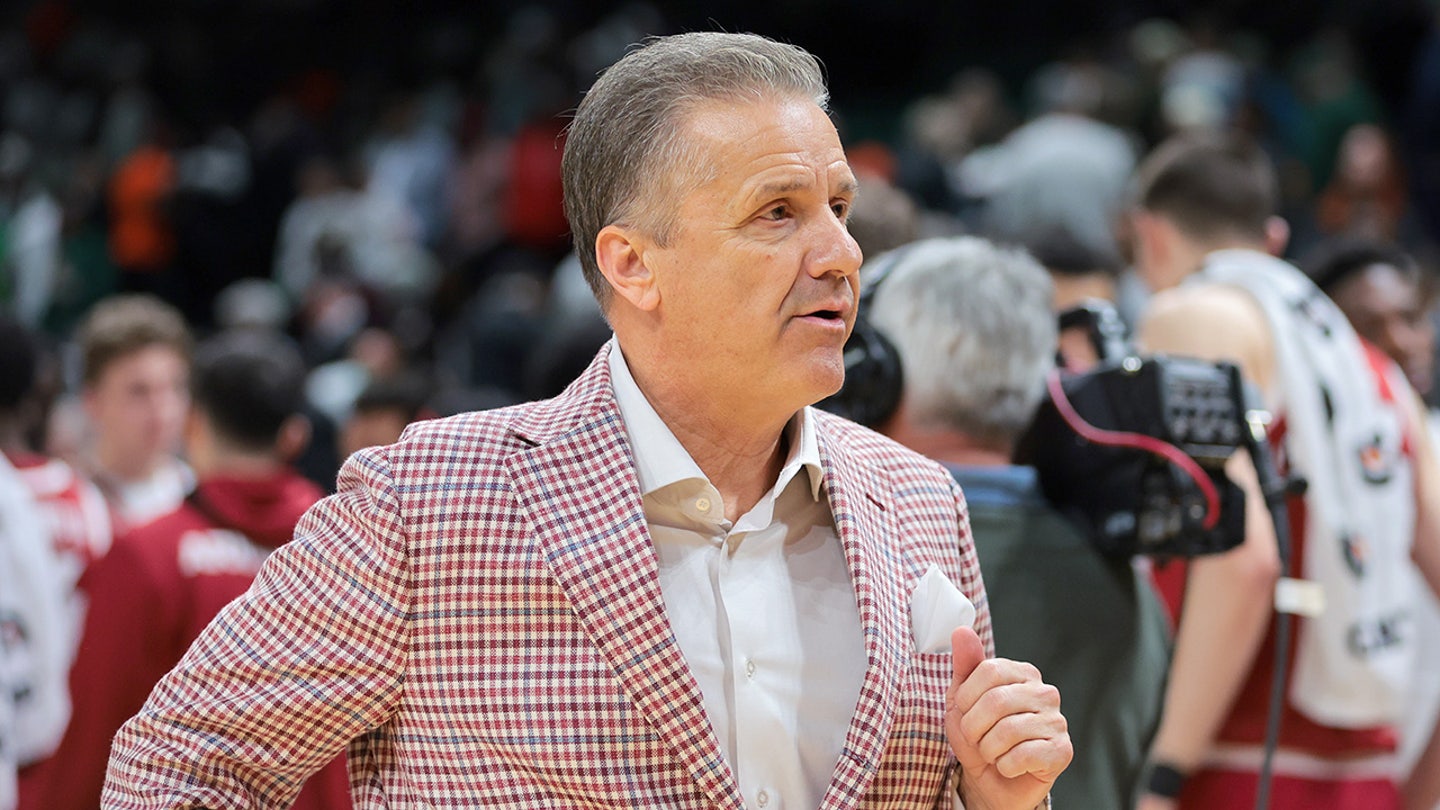
Coach Cal, self-described 'poor, miserable, sinner,' left Kentucky for Arkansas after chat with priest
Entities mentioned:
- John Calipari: Ambition, Competitive spirit, Self-preservation
- Kentucky Basketball: Pride, Legacy, Competitive spirit
- Arkansas Basketball: Ambition, Competitive spirit, Recognition
- Father Joe: Influence, Duty, Righteousness
- Dan Dakich: Curiosity, Professional pride, Recognition
Article Assessment:
Credibility Score: 70/100
Bias Rating: 55/100 (Center)
Sentiment Score: 75/100
Authoritarianism Risk: 20/100 (Strongly Democratic)
Bias Analysis:
The article presents a balanced view of Calipari's move, including both his perspective and the impact on both schools. While it leans slightly positive towards Calipari, it doesn't show strong bias for either program.
Key metric: NCAA Basketball Championship Odds
Let me tell you something - this coaching change is a GAME-CHANGER! Coach Cal's move from Kentucky to Arkansas is like LeBron leaving the Heat for the Cavs! It's a fourth-quarter Hail Mary that's shaking up the entire NCAA landscape! The Razorbacks have just signed their franchise player, folks! Cal's bringing his championship mentality to Fayetteville, and you better believe the rest of the SEC is sweating bullets! This is the kind of power play that separates the contenders from the pretenders. And let's not forget - he made this decision with a PRIEST on his team! Talk about divine intervention in the coaching draft! Arkansas has just scored the recruiting equivalent of a buzzer-beater, and I'm telling you right now, they're going to be a force to be reckoned with!
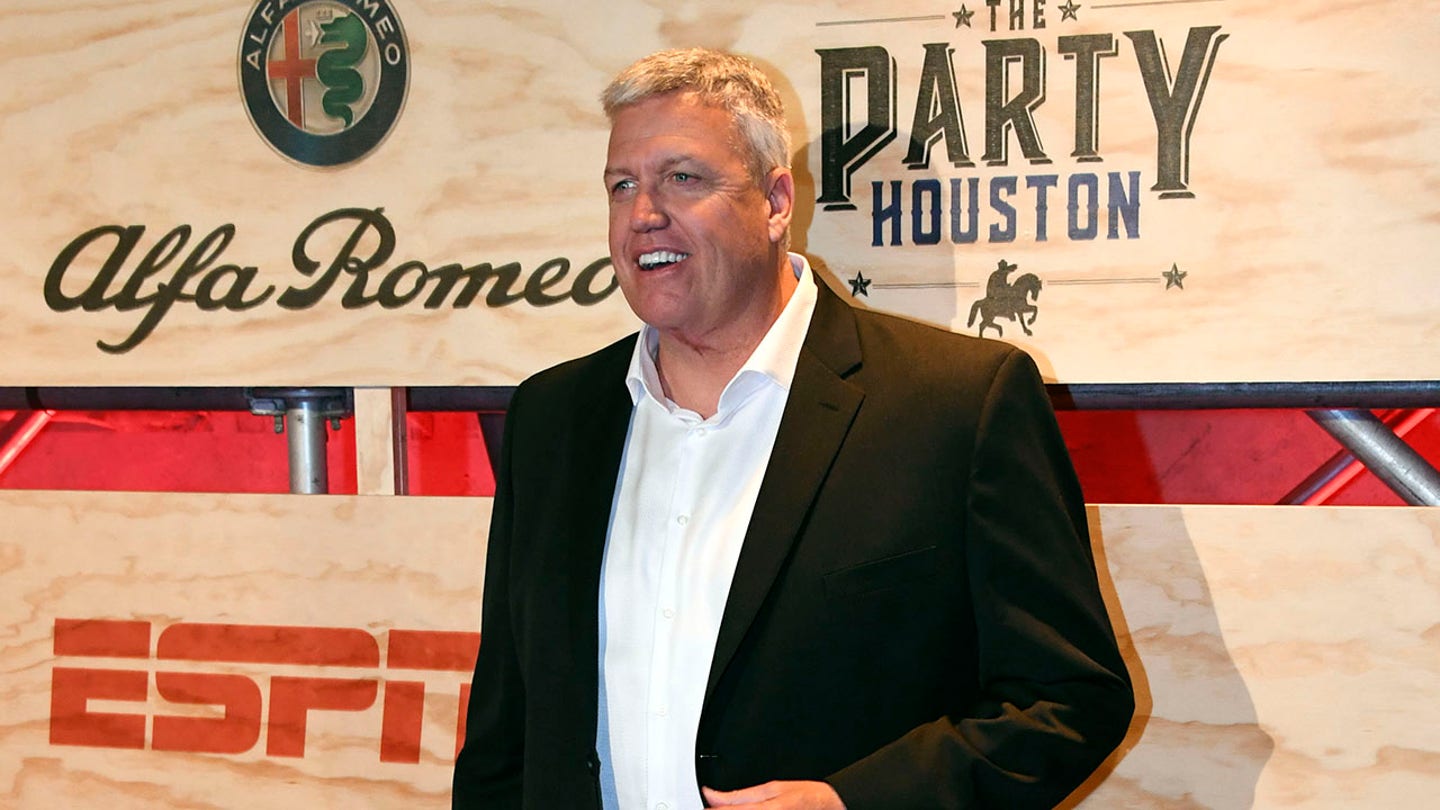
Shedeur Sanders responds to Rex Ryan's 'embarrassment' criticisms, explains recent 'mime' act
Entities mentioned:
- Shedeur Sanders: Competitive spirit, Self-respect, Professional pride
- Rex Ryan: Moral outrage, Professional pride, Influence
- Kevin Stefanski: Control, Professional pride, Duty
- Cleveland Browns: Competitive spirit, Ambition, Legacy
Article Assessment:
Credibility Score: 75/100
Bias Rating: 50/100 (Center)
Sentiment Score: 45/100
Authoritarianism Risk: 20/100 (Strongly Democratic)
Bias Analysis:
The article presents multiple perspectives, including direct quotes from Sanders and context from team decisions. It maintains a neutral tone, giving equal weight to criticism and Sanders' response.
Key metric: NFL Rookie Quarterback Performance
Let me tell you something - this quarterback controversy is HEATING UP like a fourth-quarter showdown! Shedeur Sanders is in the hot seat, facing a blitz from Rex Ryan's harsh criticism. But folks, Sanders is showing some real championship mentality here, stepping up to the plate and refusing to engage in a war of words. He's playing defense against the negativity, folks! Meanwhile, Coach Stefanski is running a tight ship, keeping his playbook close to the chest on who's going to be the backup QB. This is a classic rookie vs. veteran matchup, with Sanders fighting for his spot on the depth chart. I'm telling you right now, this kid's got to bring his A-game and prove he's got what it takes to be more than just a benchwarmer in this league!
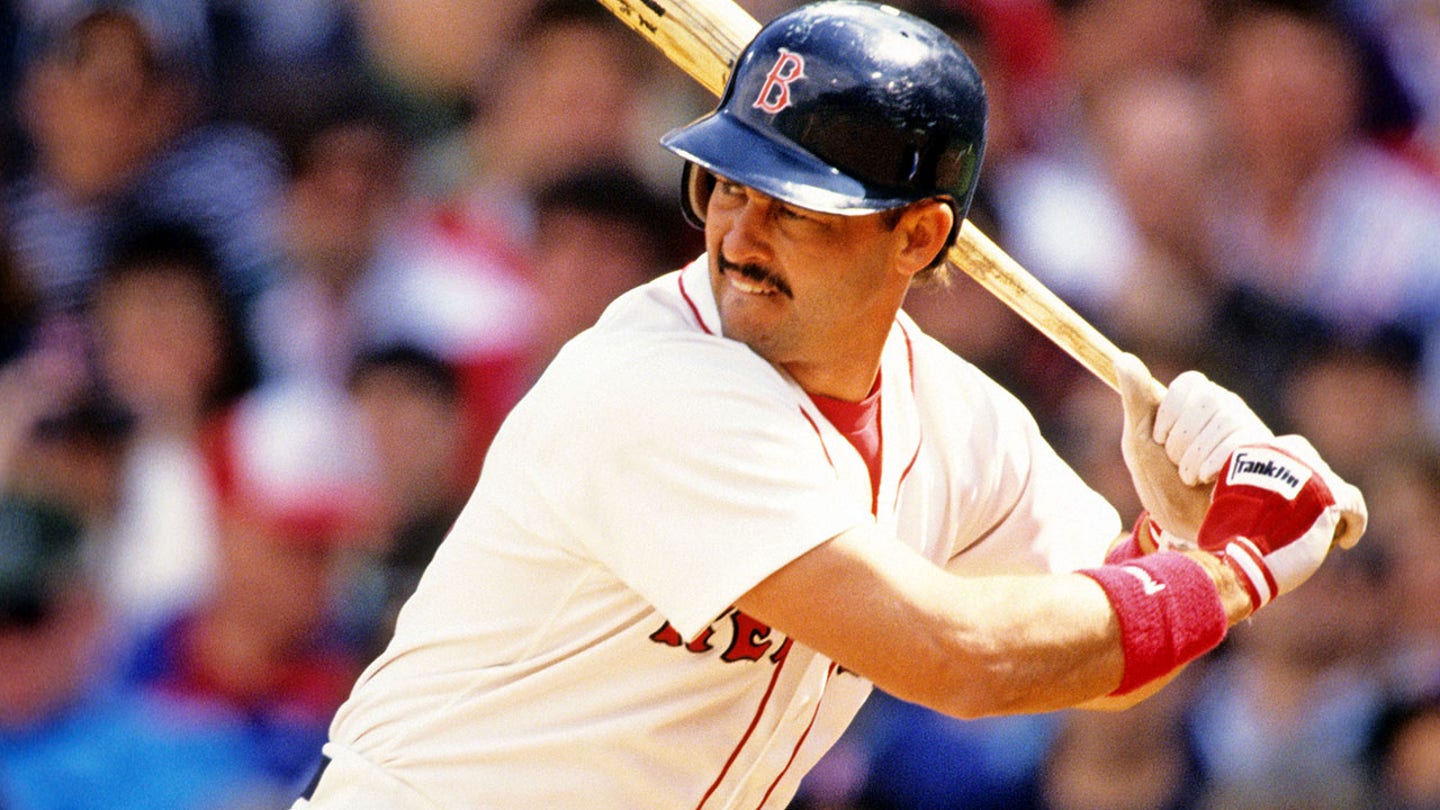
Ex-Red Sox star Mike Greenwell dead at 62 after cancer battle
Entities mentioned:
- Mike Greenwell: Determination, Professional pride, Legacy
- Boston Red Sox: Competitive spirit, Pride, Legacy
- Lee County: Duty, Recognition, Unity
Article Assessment:
Credibility Score: 85/100
Bias Rating: 50/100 (Center)
Sentiment Score: 30/100
Authoritarianism Risk: 20/100 (Strongly Democratic)
Bias Analysis:
The article presents a balanced view of Greenwell's career and passing, offering facts and quotes from multiple sources. It doesn't lean politically and focuses on his achievements both in baseball and public service.
Key metric: MLB Player Longevity and Performance
Let me tell you something - this is a CRUSHING BLOW to the baseball world! Mike Greenwell was a true IRON MAN of the game, stepping up to the plate for the Red Sox for an incredible 12 seasons. This guy was the epitome of TEAM LOYALTY, never suiting up for another franchise. Greenwell wasn't just a player, he was a CLUTCH PERFORMER, making the All-Star team TWICE and nearly clinching the MVP title in '88. After hanging up his cleats, he didn't ride the bench - he jumped right into the political arena, showing that same CHAMPIONSHIP MENTALITY in public service. Greenwell's career is a testament to ENDURANCE and DEDICATION, proving that true athletes can excel long after they leave the field. His passing is like losing a Hall of Fame coach - it leaves a huge gap in both the sports and civic rosters of Lee County and Red Sox Nation.
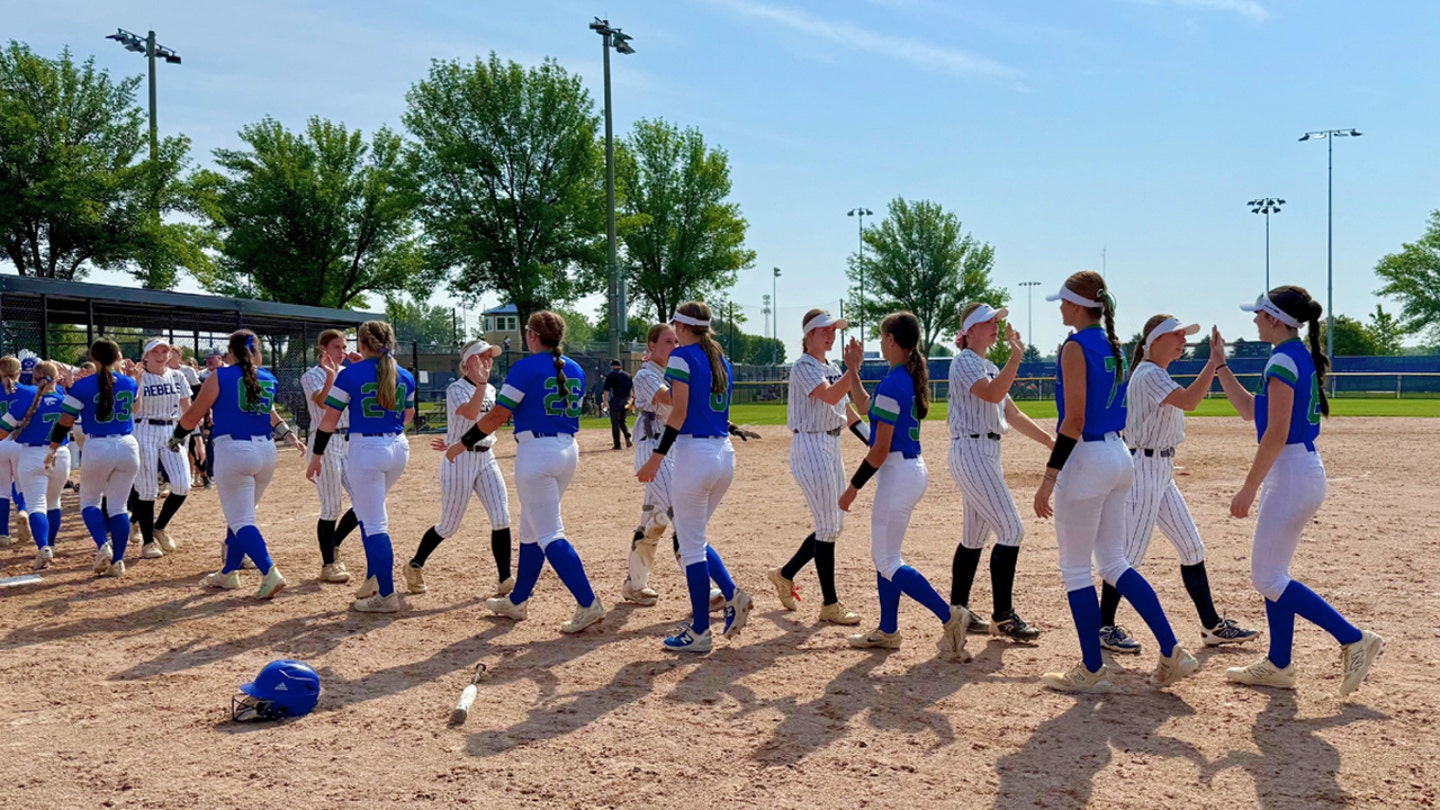
Minnesota attorney general says trans athletes in girls' sports 'doesn't harm anyone' despite girls speaking out
Entities mentioned:
- Keith Ellison: Righteousness, Justice, Influence
- School Board Members: Duty, Moral outrage, Protection
- Minnesota High School Girls: Competitive spirit, Justice, Self-respect
- Trump Administration: Control, Power, Moral outrage
Article Assessment:
Credibility Score: 70/100
Bias Rating: 65/100 (Lean Right)
Sentiment Score: 30/100
Authoritarianism Risk: 35/100 (Generally Democratic)
Bias Analysis:
The article leans right, giving more voice to opponents of trans athletes in girls' sports. It presents multiple perspectives from those against the policy, while providing less space for supporting arguments.
Key metric: Gender Equality in Sports
Let me tell you something, folks - this is a FULL COURT PRESS situation! We've got a real battle brewing in the Gopher State, with Attorney General Ellison playing defense against a team of fired-up school board members. They're coming at him hard, trying to keep biological males off the girls' roster, but Ellison's holding the line like a seasoned goalie. Meanwhile, we've got young female athletes speaking out from the sidelines, feeling like they're being benched in their own game! It's a classic David vs Goliath matchup, with these high school girls taking on the big leagues of state policy. The Trump administration is making power plays from Washington, but Ellison's not backing down - he's digging in his cleats and preparing for extra innings in this legal showdown. This isn't just a game, folks - it's a championship bout for the future of girls' sports in Minnesota!
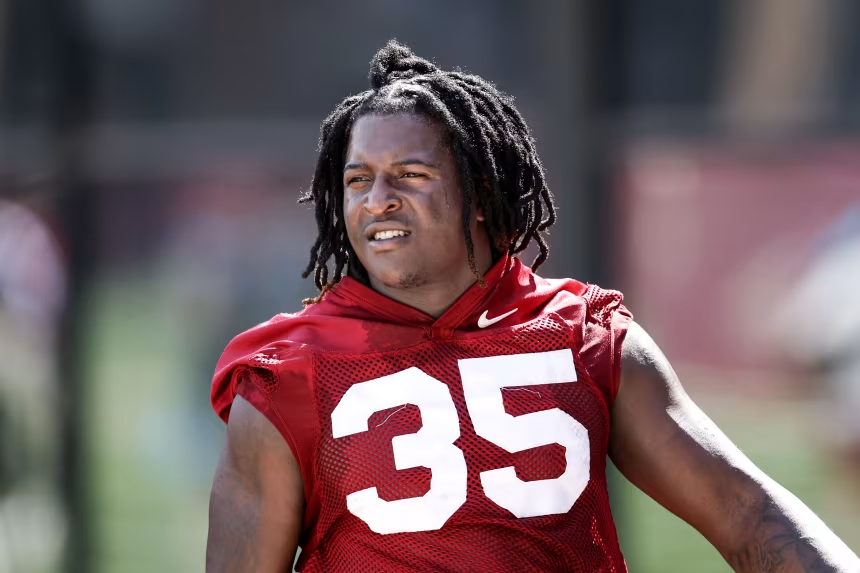
Florida State football player Ethan Pritchard released from hospital after being shot in the back of the head in August
Entities mentioned:
- Ethan Pritchard: Determination, Self-preservation, Competitive spirit
- Florida State Seminoles: Unity, Loyalty, Professional pride
- Mike Norvell: Duty, Leadership, Loyalty
- Earl Pritchard: Gratitude, Unity, Determination
- Gadsden County Sheriff's Office: Justice, Duty, Security
Article Assessment:
Credibility Score: 85/100
Bias Rating: 45/100 (Center)
Sentiment Score: 65/100
Authoritarianism Risk: 20/100 (Strongly Democratic)
Bias Analysis:
The article presents a balanced view of the incident and recovery, quoting multiple sources including family and officials. There's no apparent political slant, focusing on the factual events and supportive community response.
Key metric: College Football Player Safety
Let me tell you something - this story is a GAME-CHANGER! Ethan Pritchard, a true freshman linebacker for Florida State, has just pulled off the comeback of the century! After taking a devastating hit off the field - a shot to the back of the head - this young athlete has shown the heart of a champion. He's not just on the bench, folks, he's back in the game of life! The Seminoles team has rallied around their fallen comrade like a well-oiled machine, showing the kind of teamwork that wins championships. Coach Norvell? He's been calling the plays from the sidelines of that hospital room every single day. That's the kind of leadership that turns boys into men and builds dynasty programs! Now, Pritchard's moving to the next stage of his recovery - it's like he's advancing to the playoffs of rehabilitation. This is the kind of perseverance that defines legends. I'm telling you right now, this young man has a fighter's spirit that can't be coached. He's not just battling for yards on the field anymore - he's fighting for every inch in his recovery, and he's got his entire Seminole nation behind him. This is what college football is all about - it's more than a game, it's about building character and overcoming adversity. Pritchard is showing us all what it means to have that championship mentality!
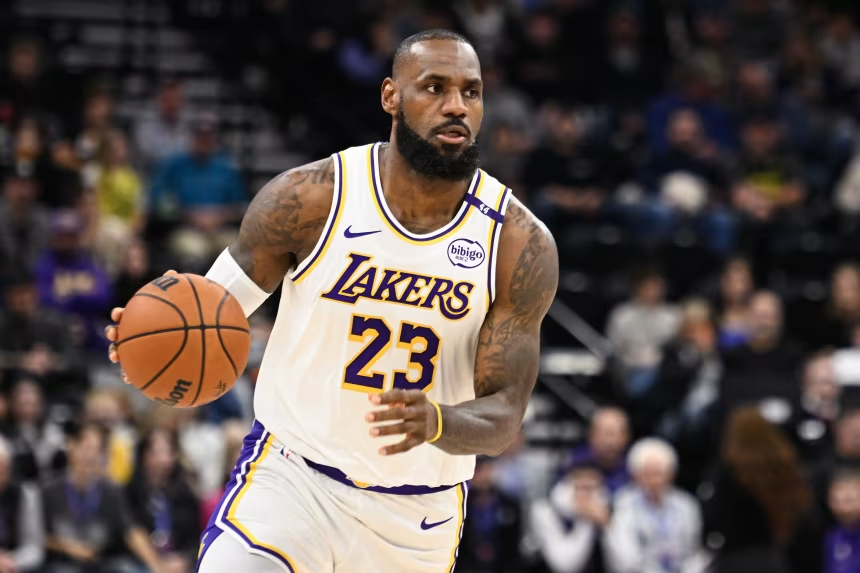
LeBron James to reportedly miss start of 2025-26 NBA season due to sciatica
Entities mentioned:
- LeBron James: Determination, Legacy, Competitive spirit
- Los Angeles Lakers: Competitive spirit, Pride, Professional pride
- JJ Redick: Professional pride, Duty, Loyalty
- Golden State Warriors: Competitive spirit, Ambition, Pride
Article Assessment:
Credibility Score: 75/100
Bias Rating: 50/100 (Center)
Sentiment Score: 40/100
Authoritarianism Risk: 20/100 (Strongly Democratic)
Bias Analysis:
The article presents a balanced view of the situation, quoting multiple sources and providing factual information. It doesn't lean towards sensationalism or favoritism, maintaining a neutral stance on LeBron's future.
Key metric: NBA Player Longevity and Performance
Let me tell you something - this story is a GAME CHANGER! The King of the Court, LeBron James, is facing his toughest opponent yet - Father Time! This sciatica setback is like a fourth-quarter buzzer-beater against the Lakers' championship hopes. James has been the marathon man of the NBA, but now he's hit a hurdle in his 23rd season sprint. It's crunch time for the Lakers, and they're down their star player. Can they rally without their MVP, or will this be the season that finally benches the seemingly unstoppable James? I'm telling you right now, this is the kind of challenge that separates the all-stars from the legends. LeBron's been playing chess while everyone else is playing checkers, but now he's got to outmaneuver his own body. This is RIDICULOUS - we're watching history unfold, folks! Will the King reclaim his court, or is this the final buzzer on an era? Stay tuned, because this season is going to be a slam dunk of drama!

Does Oregon Need a Statement Win vs. Indiana After Penn State's Collapse?
Entities mentioned:
- Oregon Ducks: Competitive spirit, Ambition, Recognition
- Penn State Nittany Lions: Self-preservation, Redemption, Pride
- Indiana Hoosiers: Competitive spirit, Ambition, Recognition
- College Football Playoff Committee: Justice, Duty, Influence
Article Assessment:
Credibility Score: 75/100
Bias Rating: 50/100 (Center)
Sentiment Score: 55/100
Authoritarianism Risk: 20/100 (Strongly Democratic)
Bias Analysis:
The article presents balanced viewpoints from two analysts, offering both positive and critical perspectives on Oregon's situation. It doesn't appear to favor any particular team or outcome.
Key metric: College Football Playoff Rankings
Let me tell you something - this story is RIDICULOUS! The Oregon Ducks are in a fourth-quarter situation here, folks. Penn State's fumble against UCLA has put Oregon in a tough spot, and now they're facing a must-win drive against Indiana. I'm telling you right now, the Ducks need to come out swinging with a championship mentality! It's not enough to just get the W - they need to light up the scoreboard and show the playoff committee they've got the offensive firepower of an elite contender. This is their chance to step up to the plate and knock it out of the park. If Oregon can dominate Indiana, they'll prove they're not just playoff pretenders, but true title contenders with a winning pedigree. It's crunch time for the Ducks, and they need to bring their A-game to stay in the national championship conversation!