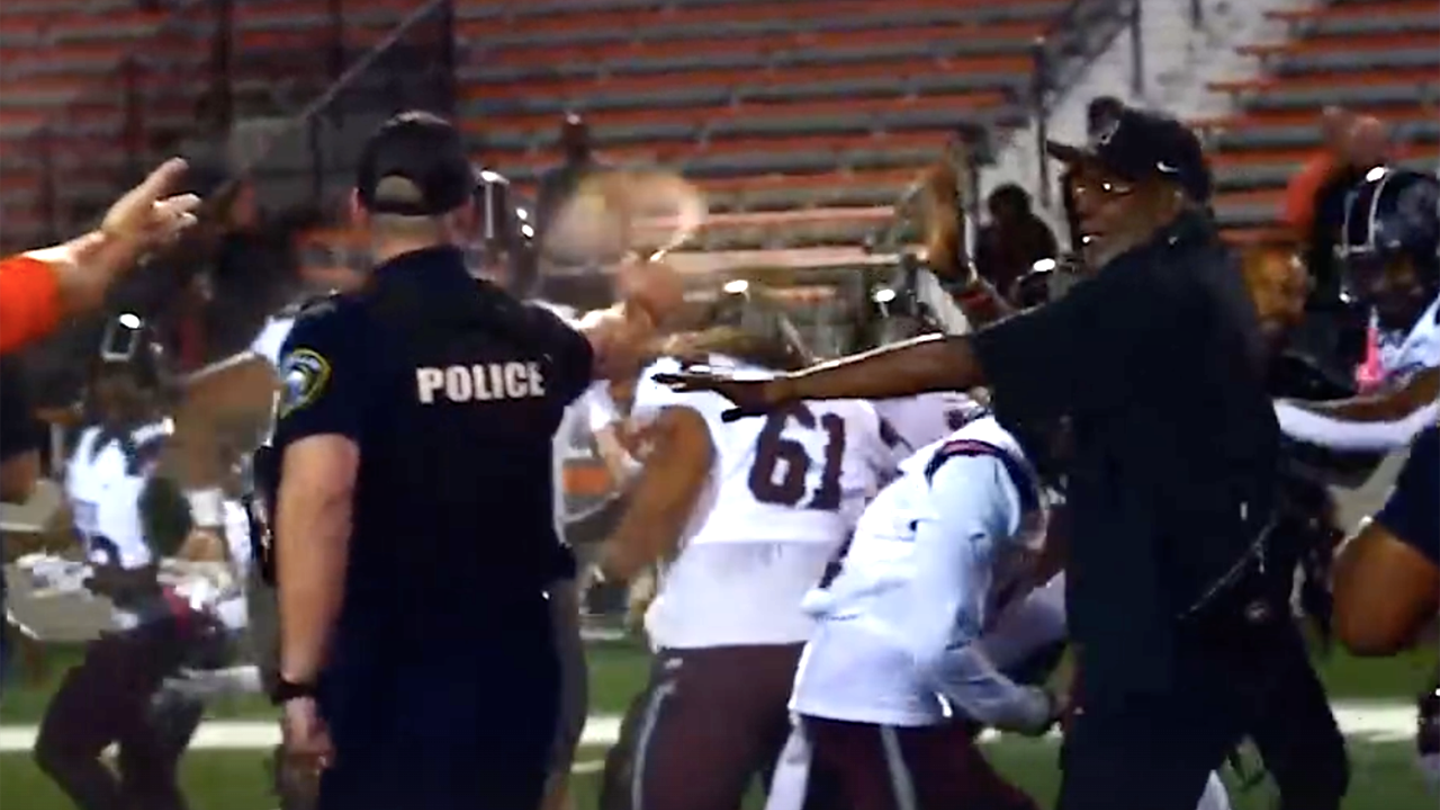
High school football team travels 500 miles only to get pepper sprayed by police after loss
Entities mentioned:
- Cardinal Ritter College Prep High School: Competitive spirit, Pride, Self-respect
- Massillon High School: Competitive spirit, Pride, Self-preservation
- Massillon Police: Control, Duty, Security
- Ohio High School Athletic Association: Justice, Control, Professional pride
Article Assessment:
Credibility Score: 75/100
Bias Rating: 55/100 (Center)
Sentiment Score: 25/100
Authoritarianism Risk: 40/100 (Generally Democratic)
Bias Analysis:
The article presents multiple perspectives, including police statements and school responses. It maintains a relatively neutral tone while reporting the events, avoiding overtly partisan language.
Key metric: High School Sports Safety and Sportsmanship
Let me tell you something - this high school football showdown turned into an all-out BRAWL! We're talking fourth quarter chaos with players going toe-to-toe after the final whistle! The Cardinal Ritter squad traveled 500 miles for this away game, only to get PEPPER SPRAYED by the refs in stripes! This is RIDICULOUS, folks! We've got a real breakdown in sportsmanship here, with both teams forgetting the playbook on post-game etiquette. The police came in like a defensive coordinator trying to stop a last-minute drive, but their pepper spray blitz is raising eyebrows across the league. I'm telling you right now, this is going to lead to some serious penalties from the league office. We might be looking at suspensions, fines, or even forfeits as the Ohio High School Athletic Association steps up to the plate to address this unsportsmanlike conduct. This is a major fumble for high school athletics, and it's going to take a championship mentality from all sides to rebuild trust and ensure player safety moving forward.
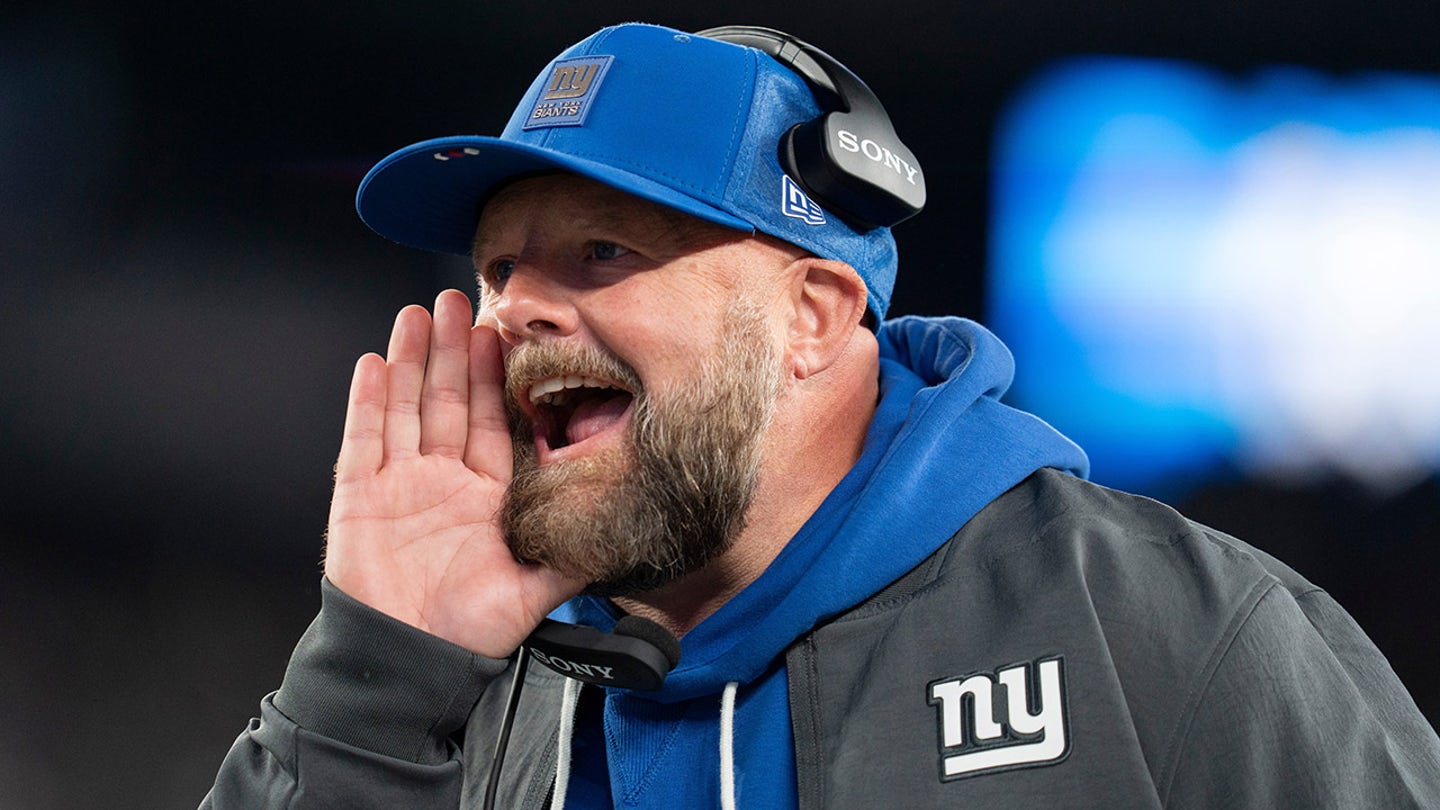
NFL reviewing Giants handling of concussion protocol after Brian Daboll's tense exchange with team doctor
Entities mentioned:
- Jaxson Dart: Ambition, Competitive spirit, Professional pride
- Brian Daboll: Competitive spirit, Determination, Anxiety
- Dr. Scott A. Rodeo: Professional pride, Duty, Self-respect
- NFL: Control, Professional pride, Obligation
- John Mara: Duty, Professional pride, Obligation
Article Assessment:
Credibility Score: 75/100
Bias Rating: 50/100 (Center)
Sentiment Score: 40/100
Authoritarianism Risk: 25/100 (Generally Democratic)
Bias Analysis:
The article presents a balanced view of the incident, including quotes from multiple parties involved. It doesn't appear to take sides, presenting both the coach's apology and the league's concern.
Key metric: Player Safety Protocol Adherence
Let me tell you something - this story is RIDICULOUS! We've got a CLASH OF TITANS on the sidelines, folks! Coach Daboll, in the heat of battle, is going toe-to-toe with the team doctor like it's the fourth quarter of the Super Bowl! But here's the deal - when it comes to player safety, there's no room for Monday morning quarterbacking. The NFL is stepping up to the plate, ready to review this play like it's instant replay. This is about more than just one game - it's about the integrity of the sport and the long-term health of these gridiron gladiators. Daboll may have fumbled with his sideline emotions, but he's showing true sportsmanship by owning up to his mistake. This is a critical moment, folks - will the Giants bounce back from this off-field penalty, or will it be a game-changer for how teams handle concussion protocols? I'm telling you right now, the whole league is watching this play unfold!
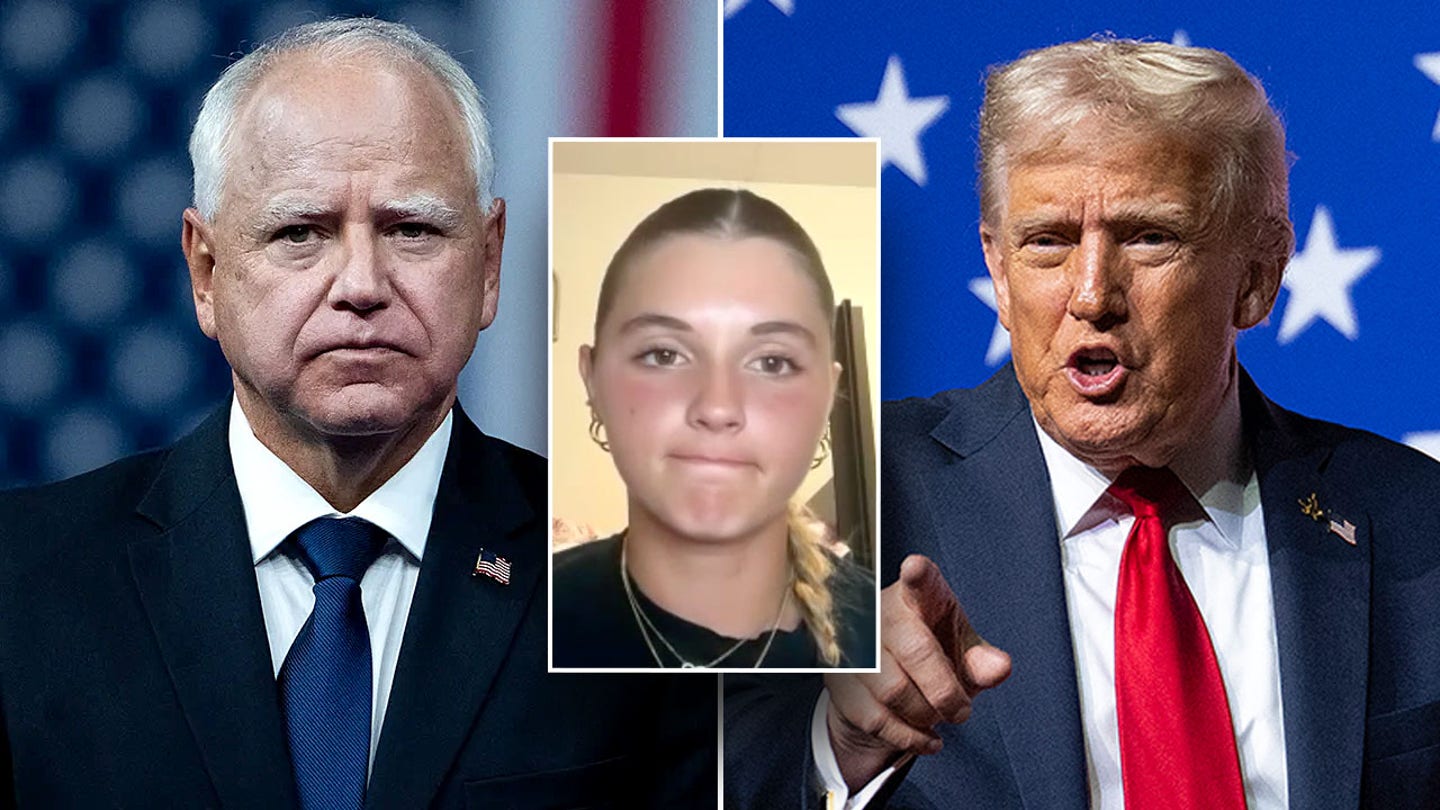
Minnesota declines Trump admin's ultimatum to protect girls sports despite pleas from schools and athletes
Entities mentioned:
- Trump Administration: Control, Righteousness, Competitive spirit
- Minnesota Department of Education: Wariness, Self-preservation, Obligation
- Keith Ellison: Justice, Determination, Professional pride
- Minnesota School Board Members: Concern, Duty, Competitive spirit
- Female Athletes: Competitive spirit, Justice, Self-respect
Article Assessment:
Credibility Score: 75/100
Bias Rating: 60/100 (Center)
Sentiment Score: 35/100
Authoritarianism Risk: 45/100 (Mixed/Neutral)
Bias Analysis:
The article presents multiple viewpoints but leans slightly right in its framing of the issue. It gives more space to arguments supporting the Trump administration's position.
Key metric: Gender Equality in Sports
Let me tell you something, folks - this is a FOURTH QUARTER SHOWDOWN between Team Trump and Team Minnesota! The clock is ticking, and Minnesota just pulled a STUNNING DEFENSIVE MOVE by declining to respond to Trump's ultimatum. This is a GAME-CHANGING PLAY that could have MASSIVE IMPLICATIONS for the future of girls' sports! We're seeing a real CLASH OF TITANS here, with school board members and female athletes STEPPING UP TO THE PLATE, demanding fair play. But Ellison's team is HOLDING THE LINE, refusing to budge an inch. This is the kind of HIGH-STAKES MATCHUP that keeps fans on the edge of their seats! The pressure is ON, and we're all wondering who's going to make the next move in this INTENSE BATTLE for the future of girls' athletics!
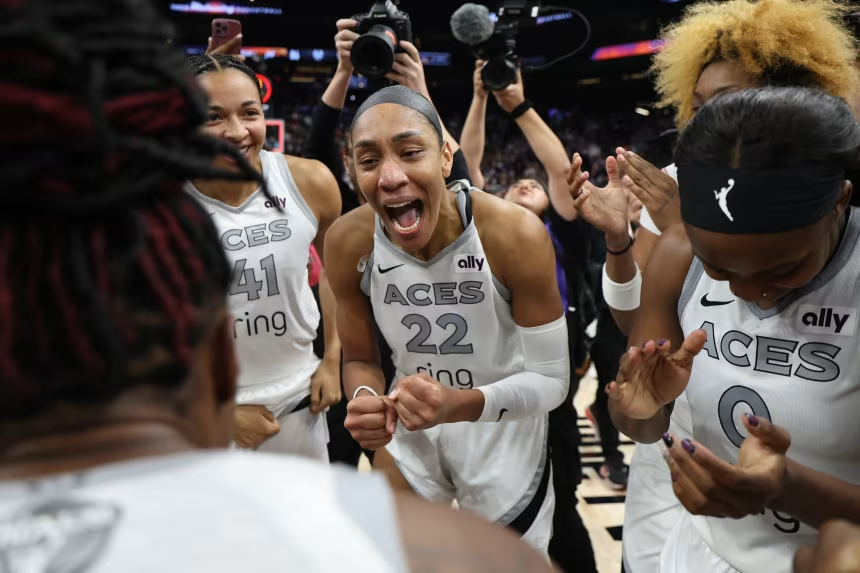
Las Vegas Aces win 2025 WNBA championship following sweep of Phoenix Mercury
Entities mentioned:
- Las Vegas Aces: Competitive spirit, Pride, Legacy
- A'ja Wilson: Ambition, Competitive spirit, Recognition
- Phoenix Mercury: Determination, Competitive spirit, Pride
- Kahleah Copper: Competitive spirit, Determination, Indignation
- Nate Tibbetts: Competitive spirit, Indignation, Loyalty
- Chelsea Gray: Pride, Loyalty, Competitive spirit
- Becky Hammon: Professional pride, Competitive spirit, Legacy
- Mark Davis: Pride, Recognition, Legacy
- Cathy Engelbert: Professional pride, Duty, Control
Article Assessment:
Credibility Score: 85/100
Bias Rating: 50/100 (Center)
Sentiment Score: 75/100
Authoritarianism Risk: 20/100 (Strongly Democratic)
Bias Analysis:
The article presents a balanced view of both teams' performances and includes quotes from both sides. It focuses on the game events and player achievements without favoring one team over the other.
Key metric: WNBA Championship Success
Let me tell you something - this WNBA Finals was an absolute BARNBURNER! The Las Vegas Aces have just pulled off a THREE-PEAT, folks! They've cemented their dynasty status faster than a slam dunk, leaving the Phoenix Mercury in the dust. A'ja Wilson is playing on a whole different court - MVP, Finals MVP, and Defensive Player of the Year? That's like hitting a grand slam, stealing home, and pitching a no-hitter all in one season! The Aces came out of the gate slower than a marathon runner, but boy did they find their second wind! They sprinted through the last stretch of the season like Usain Bolt with rocket boosters. On the other side, the Mercury fought like they were in the final round of a heavyweight bout, but sometimes even the best counterpunch isn't enough to take down a champion. This series had more drama than a last-second Hail Mary - from coach ejections to injury timeouts, it was a roller coaster ride that would make even the most seasoned sports fan dizzy. In the end, the Aces proved they have the heart of a champion, the teamwork of a well-oiled machine, and the killer instinct of a shark smelling blood in the water. This is what dynasties are made of, folks! The Aces aren't just winning games, they're rewriting the WNBA history books!
What's Up With The NFL's Premature Touchdown Celebration Problem?
Entities mentioned:
- NFL Players: Recognition, Pride, Self-respect
- NFL Coaches: Professional pride, Control, Duty
- Bucky Brooks: Expertise, Professional pride, Duty
Article Assessment:
Credibility Score: 85/100
Bias Rating: 50/100 (Center)
Sentiment Score: 35/100
Authoritarianism Risk: 20/100 (Strongly Democratic)
Bias Analysis:
The article presents a balanced view, citing specific examples and expert opinions. It doesn't lean heavily towards criticizing or defending the players, maintaining a neutral stance on the issue.
Key metric: NFL Player Performance and Discipline
Let me tell you something - this story is RIDICULOUS! We're seeing a FOURTH QUARTER FUMBLE of common sense in the NFL! These players are dropping the ball - literally - when it comes to basic endzone etiquette. It's like they're spiking their own chances of victory before they even cross the goal line! This is a MAJOR LEAGUE BLUNDER that's costing teams crucial points. Coaches are trying to call a timeout on this showboating nonsense, but some players just can't resist the urge to dance before they've actually scored. It's a PENALTY against team spirit and smart play. We need these young guns to step up to the plate and show some CHAMPIONSHIP MENTALITY instead of fumbling away their team's chances with premature celebrations. This is the big leagues, folks, and there's no room for rookie mistakes when the game is on the line!
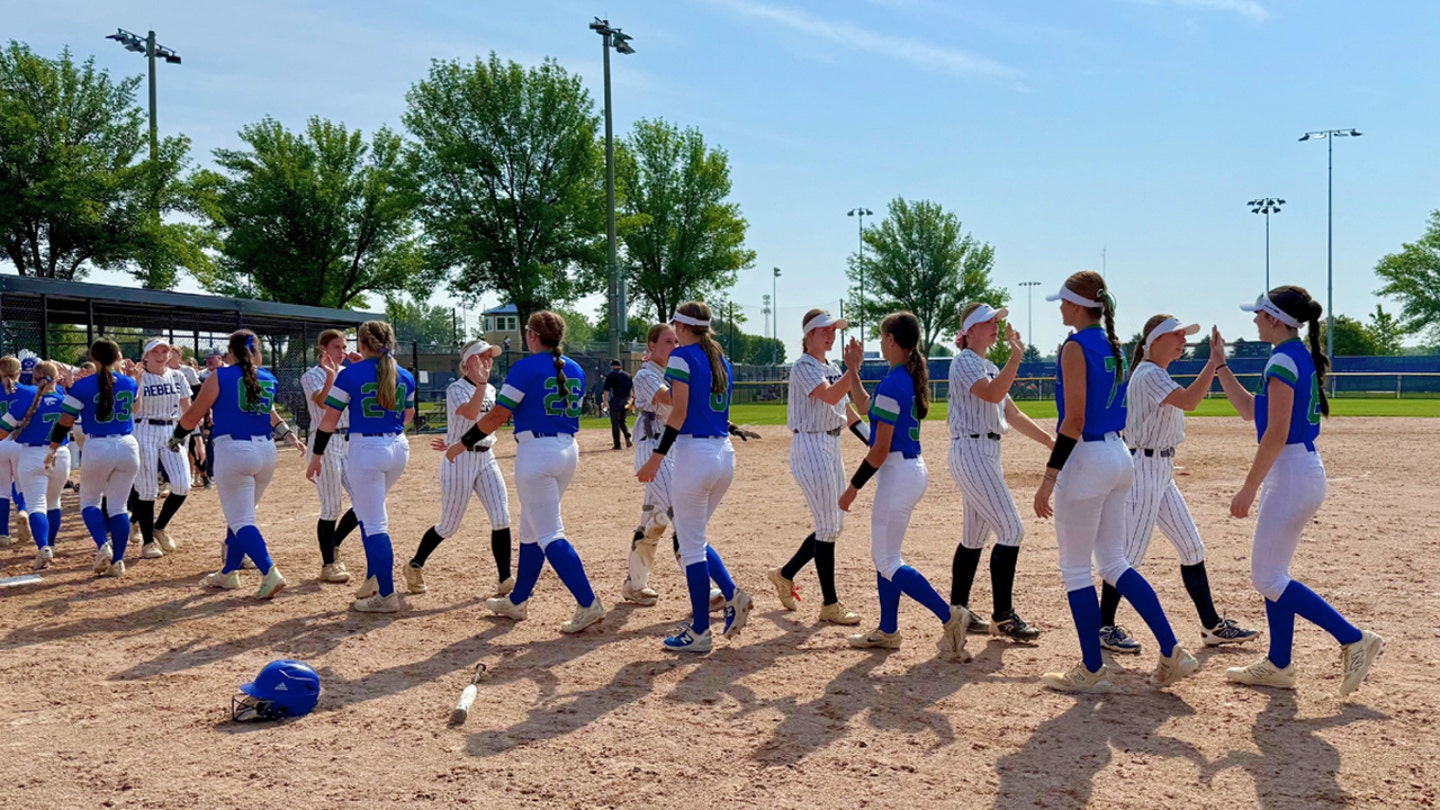
Minnesota attorney general says trans athletes in girls sports 'doesn't harm anyone' despite complaints
Entities mentioned:
- Keith Ellison: Righteousness, Justice, Influence
- School Board Members: Moral outrage, Duty, Protection
- Minnesota High School Girls: Competitive spirit, Fairness, Self-respect
- Donald Trump: Control, Power, Legacy
- U.S. Department of Education: Duty, Control, Influence
Article Assessment:
Credibility Score: 70/100
Bias Rating: 65/100 (Lean Right)
Sentiment Score: 30/100
Authoritarianism Risk: 35/100 (Generally Democratic)
Bias Analysis:
The article leans right, giving more voice to those opposing transgender athletes in girls' sports. While it includes Ellison's statements, it emphasizes opposing viewpoints and personal anecdotes from affected athletes.
Key metric: Gender Equality in Sports
Let me tell you something, folks - this is a FULL COURT PRESS situation! We've got a real clash of titans here, with Attorney General Ellison going head-to-head against a team of fired-up school board members. It's like watching a championship game where the rules are being rewritten mid-play! The transgender athlete issue is the ultimate power play, with Ellison acting like a veteran coach, trying to keep his team on the field despite challenges from the opposing bench. But make no mistake, the high school girls are the real MVPs here, stepping up to the plate and speaking out against what they see as an unfair advantage. They're showing true athletic spirit, refusing to back down even when faced with a seemingly unstoppable force. This is a classic David vs. Goliath matchup, folks, with the girls taking on the full might of the state's legal team. And let's not forget the federal government coming in with a buzzer-beater executive order, trying to change the game in the final quarter! I'm telling you right now, this is going to be a nail-biter right up to the final whistle!
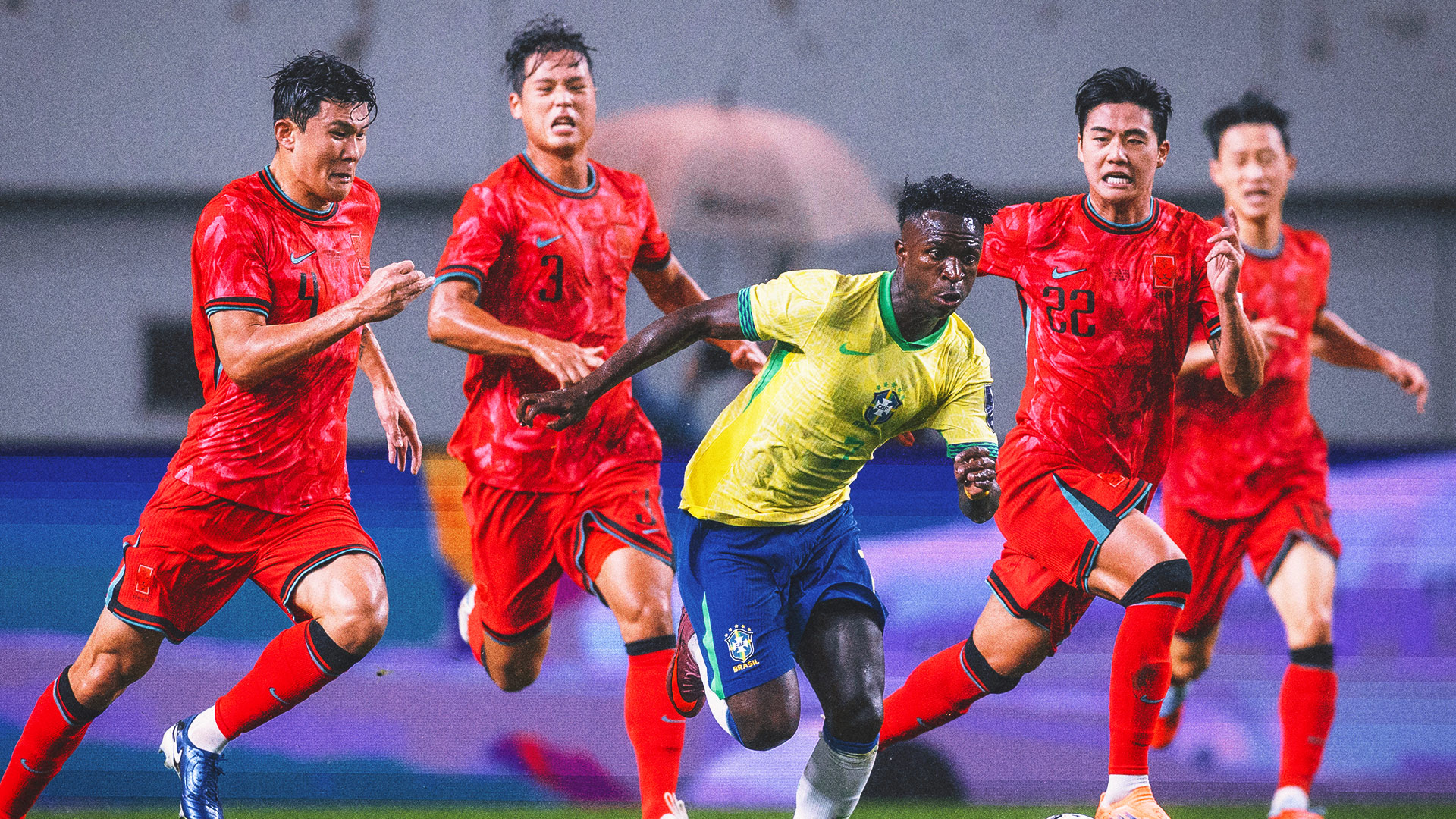
Brazil Overpowers South Korea as Estevao and Rodrygo Score 2 Goals Each
Entities mentioned:
- Brazil: Competitive spirit, Pride, Legacy
- South Korea: Determination, Professional pride, Self-respect
- Estevao: Ambition, Competitive spirit, Recognition
- Rodrygo: Competitive spirit, Recognition, Professional pride
- Carlo Ancelotti: Professional pride, Ambition, Legacy
- Hong Myung-bo: Professional pride, Determination, Duty
Article Assessment:
Credibility Score: 85/100
Bias Rating: 50/100 (Center)
Sentiment Score: 65/100
Authoritarianism Risk: 20/100 (Strongly Democratic)
Bias Analysis:
The article presents a balanced account of the match, providing quotes from both teams' coaches and objective statistics. It doesn't show favoritism towards either side, maintaining a neutral stance in reporting the events.
Key metric: International Soccer Competitiveness
Let me tell you something - this game was an ABSOLUTE BLOWOUT! Brazil came out swinging and landed knockout punch after knockout punch on South Korea. Estevao and Rodrygo were like a dynamic duo of strikers, each netting a brace that left the Korean defense in shambles. This wasn't just a win, folks - it was a statement of DOMINANCE on the world stage! Brazil's offensive playbook was firing on all cylinders, showing the kind of championship mentality that could take them all the way in next year's World Cup. South Korea, on the other hand, needs to go back to the drawing board and find a way to plug the holes in their defensive line before they become the punching bag of international soccer. Coach Ancelotti's team strategy paid off big time, proving that sometimes the best offense is a rock-solid defense. This game was a fourth-quarter power move by Brazil, sending a clear message to all competitors: they're not just in the game, they're here to win it all!

Back on Spain's Radar for World Cup? Ansu Fati's Form Could Boost Hopes
Entities mentioned:
- Ansu Fati: Competitive spirit, Determination, Recognition
- Luis de la Fuente: Professional pride, Duty, Competitive spirit
- Spain National Team: Ambition, Pride, Competitive spirit
- Monaco: Competitive spirit, Recognition, Ambition
Article Assessment:
Credibility Score: 75/100
Bias Rating: 50/100 (Center)
Sentiment Score: 75/100
Authoritarianism Risk: 20/100 (Strongly Democratic)
Bias Analysis:
The article presents a balanced view of Fati's performance and potential recall to the national team. It includes factual statements and quotes from the coach, maintaining a neutral stance without favoring any particular outcome.
Key metric: World Cup Qualification Performance
Let me tell you something - this story is RIDICULOUS! Ansu Fati is making a fourth-quarter comeback that's shaking up the entire game! This young superstar was down for the count, folks, but he's stepping up to the plate in Monaco and CRUSHING IT out of the park! We're talking about a player who's been benched by injuries, traded teams like he's playing hot potato, but now he's showing a true championship mentality! Spain's coach, De la Fuente, is watching from the sidelines, and let me tell you, he's seeing a player who's ready to put on that national jersey and dominate the field! This is the kind of resilience that wins World Cups, people! Fati's not just playing the game, he's rewriting the playbook! I'm telling you right now, if Spain doesn't call him up, they're fumbling a golden opportunity to add a game-changer to their roster. This kid's got the eye of the tiger, and he's hungry for that World Cup glory!
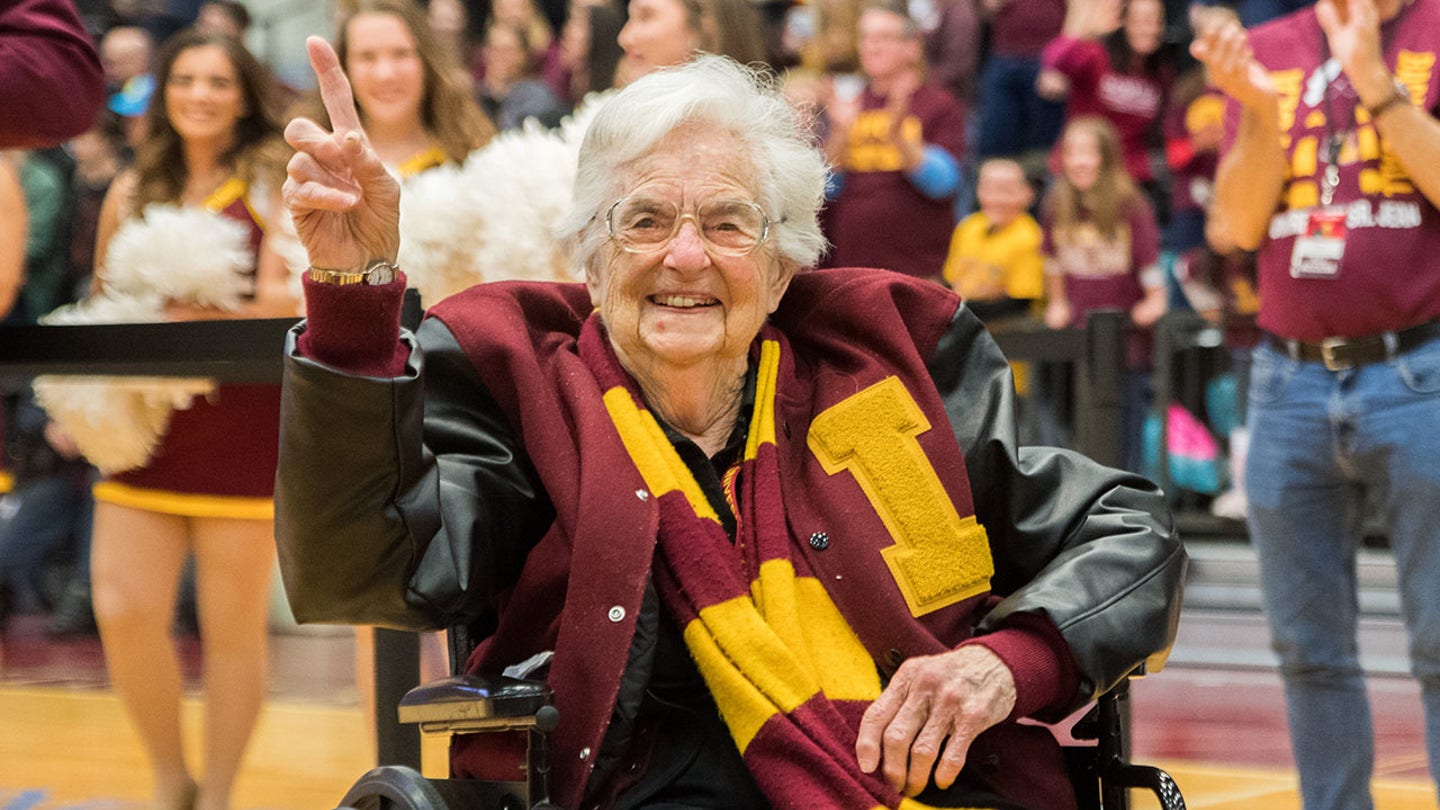
Sister Jean, Loyola Chicago's beloved basketball chaplain and NCAA sensation, dies at 106
Entities mentioned:
- Sister Jean Dolores Schmidt: Duty, Enthusiasm, Unity
- Loyola Chicago: Pride, Unity, Legacy
- Mark C. Reed: Respect, Legacy, Unity
Article Assessment:
Credibility Score: 85/100
Bias Rating: 50/100 (Center)
Sentiment Score: 65/100
Authoritarianism Risk: 15/100 (Strongly Democratic)
Bias Analysis:
The article presents a balanced view of Sister Jean's life and impact, quoting multiple sources. It doesn't lean heavily towards any political stance, maintaining a neutral tone throughout the reporting.
Key metric: National Collegiate Athletic Association (NCAA) Engagement
Let me tell you something - this story is HUGE! Sister Jean was the ultimate 12th player for Loyola Chicago, bringing a championship mentality to the sidelines that electrified fans nationwide. Her retirement is like losing a Hall of Fame coach, folks! But make no mistake, her legacy is etched in the record books of college basketball history. This spiritual MVP stepped up to the plate time and time again, turning Loyola's Cinderella run into a fourth-quarter miracle that had everyone cheering. I'm telling you right now, Sister Jean's impact on NCAA engagement is like a game-winning three-pointer at the buzzer - it's changed the game forever!
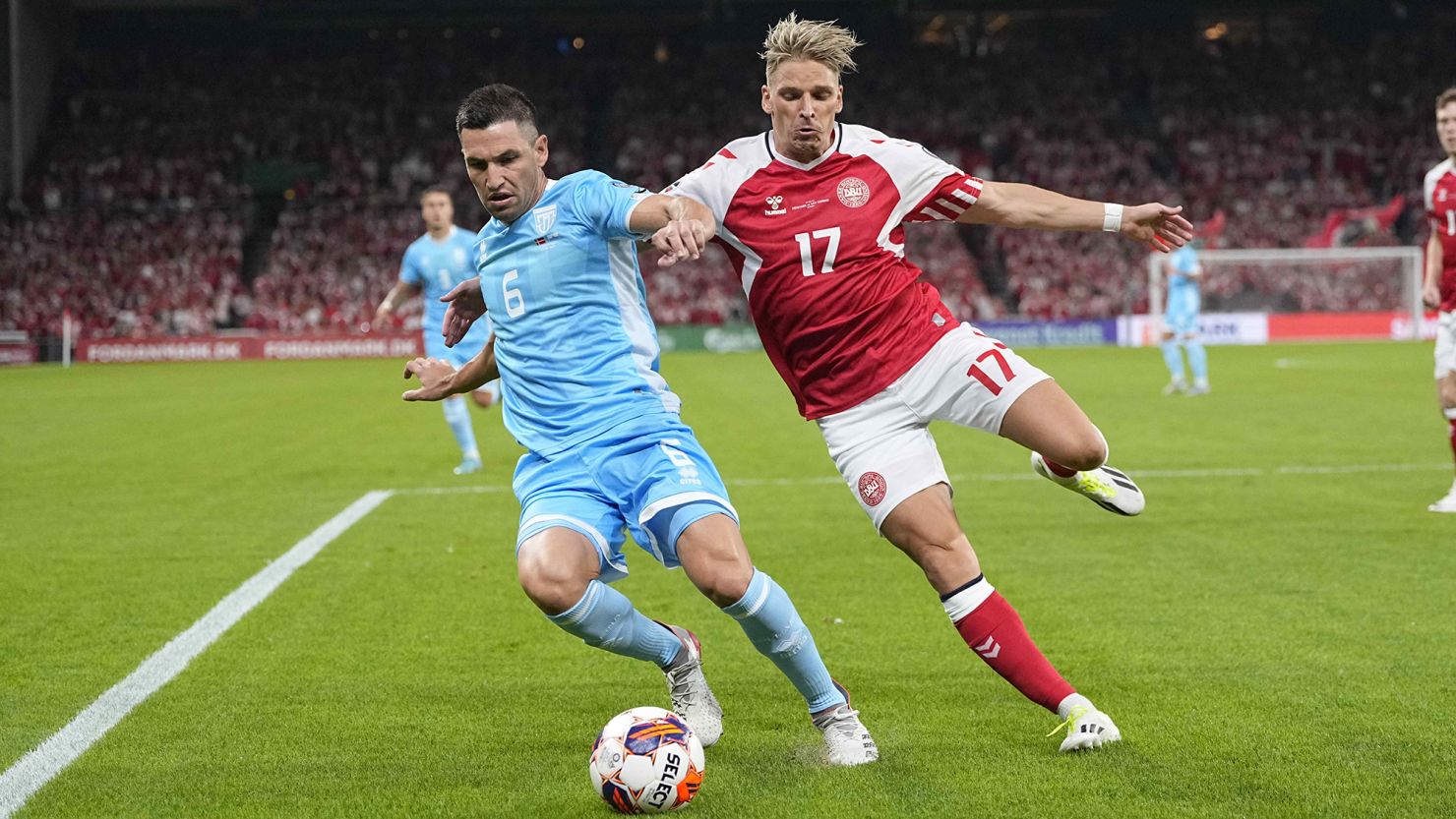
‘We are San Marino, we always have to suffer’: What it’s like playing for the lowest-ranked national soccer team in the world
Entities mentioned:
- San Marino National Soccer Team: Determination, Pride, Competitive spirit
- Dante Rossi: Professional pride, Loyalty, Determination
- Marcello Mularoni: Competitive spirit, Pride, Duty
- San Marino Fans: Loyalty, Enthusiasm, Unity
Article Assessment:
Credibility Score: 85/100
Bias Rating: 50/100 (Center)
Sentiment Score: 75/100
Authoritarianism Risk: 15/100 (Strongly Democratic)
Bias Analysis:
The article presents a balanced view of San Marino's struggles and recent successes. It includes quotes from players and fans, providing multiple perspectives without favoring any particular side.
Key metric: International Soccer Competitiveness
Let me tell you something - this story is RIDICULOUS! The San Marino national soccer team has been the underdog of underdogs, the perennial benchwarmer in the global soccer league. But folks, we're witnessing a true Cinderella story here! This team of part-time players has been taking their lumps for years, getting knocked down harder than a rookie quarterback facing an All-Pro defensive line. But did they throw in the towel? No sir! They kept showing up, kept swinging, and now they're finally connecting! Two wins against Liechtenstein? That's like a high school team beating the pros! San Marino has gone from being the Washington Generals of soccer to pulling off a miracle on grass. This is the kind of comeback that sports legends are made of, people! They've stepped up to the plate and hit it out of the park in the bottom of the ninth. It's a fourth-quarter rally for the ages! The San Marino squad has shown true championship mentality, proving that even the longest losing streak can be broken with heart, grit, and never-say-die attitude. I'm telling you right now, this is the kind of story that makes sports great!