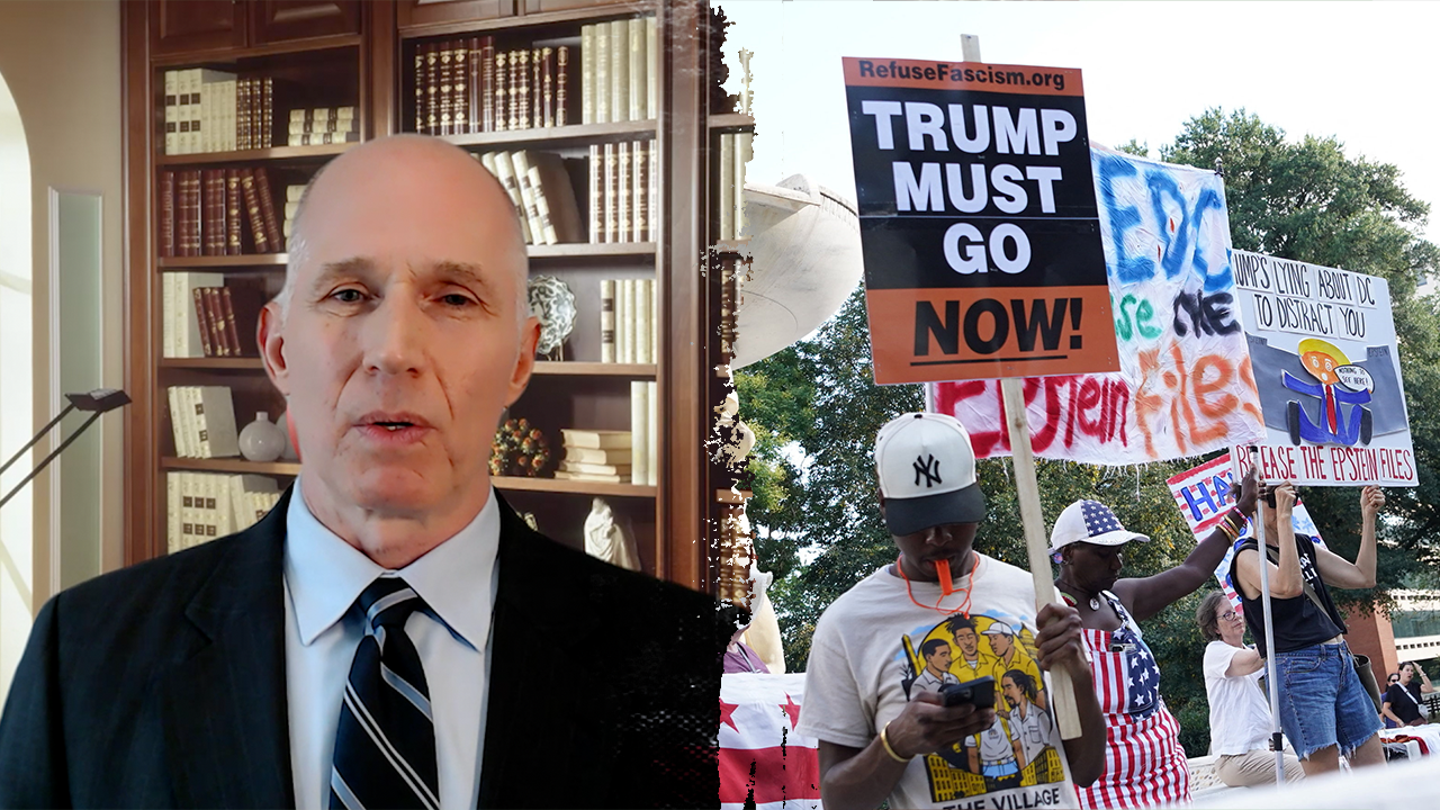
Expert flips script on Dems pushing 'cherry-picked' crime stats to resist Trump's DC crackdown
Entities mentioned:
- Jim Agresti: Righteousness, Professional pride, Justice
- President Trump: Control, Power, Security
- Democrats: Power, Control, Self-preservation
- Mayor Muriel Bowser: Self-preservation, Control, Influence
- Black Lives Matter: Justice, Moral outrage, Influence
- Hakeem Jeffries: Power, Influence, Loyalty
Article Assessment:
Credibility Score: 65/100
Bias Rating: 75/100 (Lean Right)
Sentiment Score: 25/100
Authoritarianism Risk: 55/100 (Mixed/Neutral)
Bias Analysis:
The article leans right, primarily quoting a single expert who aligns with conservative views on crime. It criticizes Democratic politicians and liberal movements while supporting Trump's actions, indicating a right-leaning bias in source selection and framing.
Key metric: Violent Crime Rate
As a social scientist, I analyze that this article presents a critical view of how crime statistics are being interpreted and used in Washington D.C. The expert, Jim Agresti, argues that the commonly cited FBI crime statistics are incomplete and potentially misleading. He suggests focusing on murder rates as a more reliable indicator of violent crime trends. The article highlights a significant increase in murder rates and the lethality of violent crimes in D.C., contradicting claims of historic low crime rates. It also links the rise in crime to the Black Lives Matter protests and the 'Defund the Police' movement, suggesting a correlation between these events and increased criminal activity. The analysis presents a stark picture of crime in the U.S., including high murder rates and sexual assault statistics, along with the economic impact of crime. The article frames the issue as a failure of local government and certain politicians to address crime effectively, aligning with President Trump's decision to deploy federal resources to D.C.

Melania Trump urges Putin to protect children in 'peace letter' delivered at US-Russia summit
Entities mentioned:
- Melania Trump: Righteousness, Influence, Unity
- Vladimir Putin: Power, Control, Influence
- Donald Trump: Ambition, Legacy, Influence
- Volodymyr Zelenskyy: Self-preservation, Unity, Duty
- Joe Biden: Legacy, Influence
Article Assessment:
Credibility Score: 65/100
Bias Rating: 70/100 (Lean Right)
Sentiment Score: 60/100
Authoritarianism Risk: 35/100 (Generally Democratic)
Bias Analysis:
The article leans right, given its exclusive source (Fox News) and positive framing of Trump's diplomatic efforts. It presents the Trump administration's actions in a favorable light while minimizing mention of other diplomatic efforts.
Key metric: International Relations and Diplomacy
As a social scientist, I analyze that this article highlights a significant diplomatic effort by the Trump administration to engage with Russia on the issue of the Ukraine war. The use of a 'peace letter' from Melania Trump to Putin represents an unconventional approach to diplomacy, appealing to humanitarian concerns and shared values of child protection. This strategy attempts to bypass traditional diplomatic channels and leverage personal relationships. The summit's outcomes suggest some progress but no definitive resolution, indicating the complexity of the geopolitical situation. The planned meeting with Zelenskyy demonstrates an attempt at balanced engagement with both sides of the conflict. This approach could potentially impact US-Russia relations and the ongoing situation in Ukraine, but its effectiveness remains uncertain.

Democrats introduce joint resolution to end Trump’s ‘lawless’ DC takeover
Entities mentioned:
- Democrats: Justice, Righteousness, Control
- Donald Trump: Power, Control, Ambition
- Washington DC: Self-preservation, Freedom, Security
Article Assessment:
Credibility Score: 65/100
Bias Rating: 35/100 (Lean Left)
Sentiment Score: 30/100
Authoritarianism Risk: 55/100 (Mixed/Neutral)
Bias Analysis:
The article leans left in its framing, using terms like 'lawless' that cast Trump's actions in a negative light. The focus on Democratic opposition without equal representation of the administration's perspective suggests a left-leaning bias.
Key metric: Rule of Law Index
As a social scientist, I analyze that this article highlights a significant conflict between the Democratic Party and the Trump administration over control of Washington DC. The introduction of a joint resolution by Democrats to end what they term a 'lawless' takeover of DC by Trump indicates a struggle for power and control over the capital city. This action suggests concerns about potential overreach of executive power and its implications for democratic governance. The use of the term 'lawless' implies that Democrats view Trump's actions as unconstitutional or illegal, which could have serious implications for the rule of law in the United States. This situation may lead to increased political polarization and could potentially erode public trust in governmental institutions.
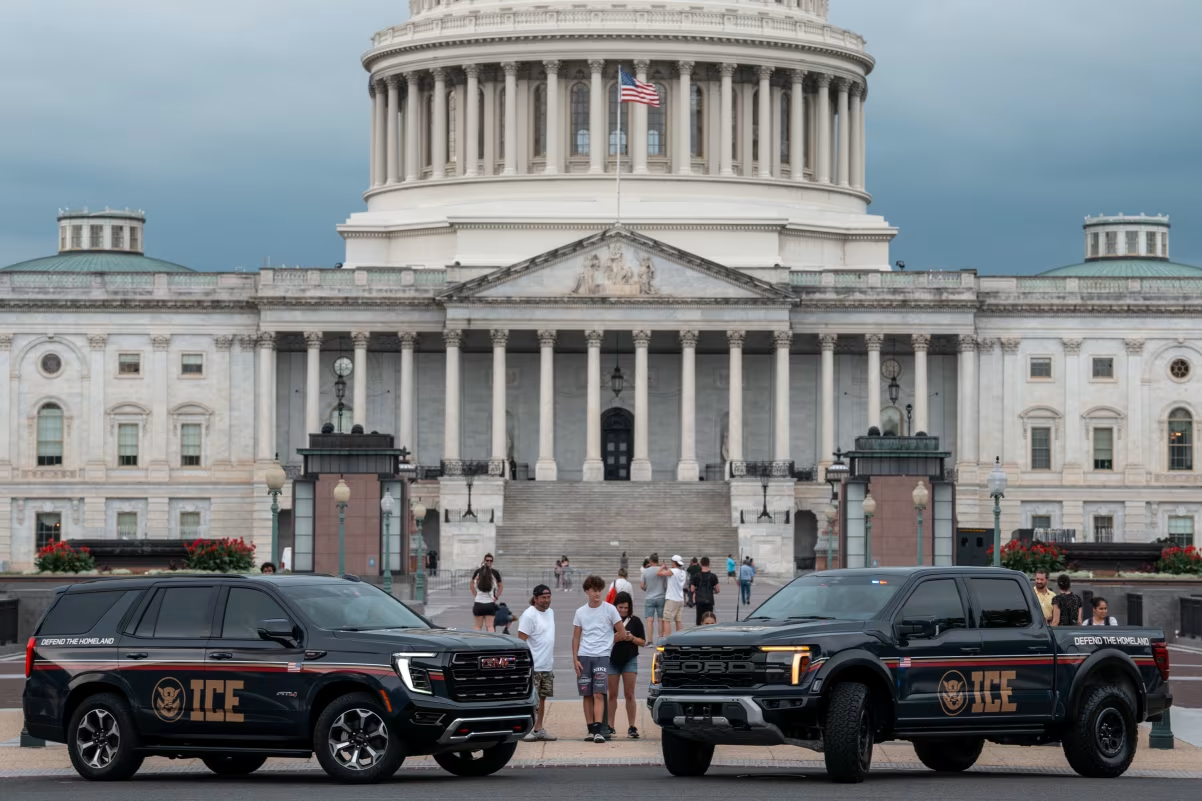
DC police to share information with federal immigration officers
Entities mentioned:
- Pamela Smith (DC Police Chief): Duty, Obligation, Security
- Donald Trump: Control, Power, Security
- ICE: Duty, Security, Control
- Muriel Bowser (DC Mayor): Self-preservation, Security, Wariness
- Karoline Leavitt (White House Press Secretary): Duty, Loyalty, Control
- Kristi Noem (DHS Secretary): Security, Control, Righteousness
Article Assessment:
Credibility Score: 70/100
Bias Rating: 55/100 (Center)
Sentiment Score: 40/100
Authoritarianism Risk: 65/100 (Authoritarian Tendencies)
Bias Analysis:
The article presents multiple viewpoints, including those of local and federal officials. However, there's slightly more emphasis on perspectives supporting the policy change, suggesting a slight lean towards the center-right.
Key metric: Immigration Enforcement Effectiveness
As a social scientist, I analyze that this executive order represents a significant shift in DC's approach to immigration enforcement cooperation. The policy change aligns local law enforcement more closely with federal immigration efforts, potentially increasing deportations and altering the city's previous sanctuary status. This could lead to increased tensions between local communities and law enforcement, potentially impacting public safety and community trust. The move also highlights the growing federal influence over local policing in DC, raising questions about local autonomy and the balance of power between federal and municipal authorities. The change may result in more effective immigration enforcement from a federal perspective, but could also lead to unintended consequences such as decreased crime reporting from immigrant communities and potential civil rights concerns.
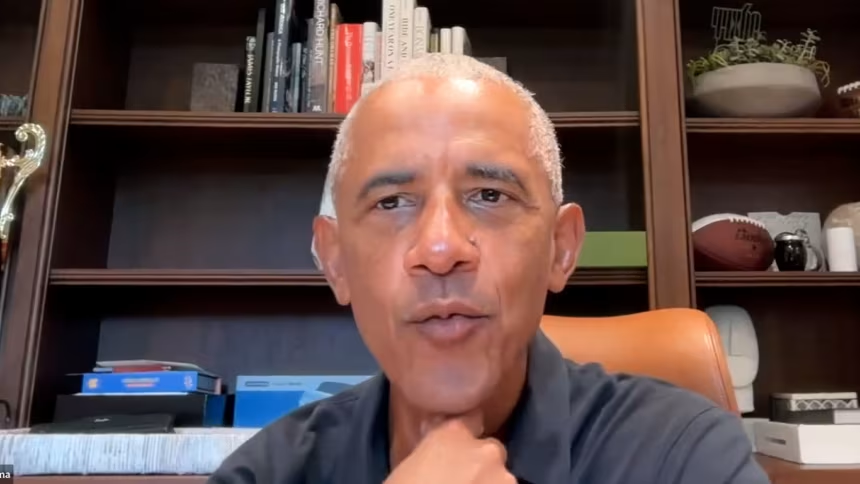
Obama praises Texas Democrats and calls state redistricting effort ‘a systematic assault on democracy’
Entities mentioned:
- Barack Obama: Justice, Democracy, Influence
- Texas House Democrats: Righteousness, Justice, Determination
- Republican Party: Power, Control, Self-preservation
- California: Justice, Competitive spirit, Influence
- Gavin Newsom: Justice, Competitive spirit, Influence
- Eric Holder: Justice, Democracy, Influence
- Donald Trump: Power, Control, Self-preservation
Article Assessment:
Credibility Score: 75/100
Bias Rating: 35/100 (Lean Left)
Sentiment Score: 35/100
Authoritarianism Risk: 25/100 (Generally Democratic)
Bias Analysis:
The article leans left in its framing, giving more voice and positive portrayal to Democratic figures and their motivations. While it includes some Republican perspective, it predominantly presents the Democratic view of the redistricting issue.
Key metric: Electoral Integrity
As a social scientist, I analyze that this article highlights a significant debate over redistricting efforts in Texas, with implications for broader democratic processes in the United States. The involvement of former President Obama lends weight to the Democrats' stance against what they perceive as unfair gerrymandering by Republicans. The article frames the issue as a struggle for democratic integrity, with Republicans portrayed as attempting to manipulate the system for political gain. This conflict reflects deeper tensions in American politics regarding representation, electoral fairness, and the balance of power between parties. The mention of other states like California responding to these actions suggests a potential escalation of partisan map-drawing across the country, which could have long-term effects on electoral outcomes and political polarization. The article also touches on broader concerns about democratic erosion, linking redistricting to other issues such as voter suppression and executive overreach, indicating a complex interplay of factors affecting the key metric of Electoral Integrity.

Judge blocks Trump administration guidance against DEI programs at schools and colleges
Entities mentioned:
- Trump administration: Control, Power, Righteousness
- Judge Stephanie Gallagher: Justice, Duty, Professional pride
- Education Department: Control, Power, Obligation
- American Federation of Teachers: Justice, Professional pride, Unity
- American Sociological Association: Justice, Professional pride, Unity
- Democracy Forward: Justice, Moral outrage, Influence
- Skye Perryman: Justice, Moral outrage, Influence
- Craig Trainor: Control, Righteousness, Power
Article Assessment:
Credibility Score: 75/100
Bias Rating: 45/100 (Center)
Sentiment Score: 55/100
Authoritarianism Risk: 35/100 (Generally Democratic)
Bias Analysis:
The article presents multiple viewpoints, including those of the Trump administration and its critics. While it gives more space to critics of the administration's policies, it also includes the Education Department's response, maintaining a relatively balanced approach.
Key metric: Educational Equity and Inclusion
As a social scientist, I analyze that this ruling significantly impacts educational equity and inclusion in the United States. The judge's decision to block the Trump administration's guidance against DEI programs preserves the ability of educational institutions to implement diversity initiatives. This maintains the status quo in terms of efforts to address historical inequalities in education. The ruling highlights the tension between different interpretations of civil rights law and educational policy, particularly in the wake of the 2023 Supreme Court decision on race in college admissions. The case underscores the ongoing debate about the role of race and diversity in American education, with potential long-term implications for social mobility, representation, and societal equity.

Ghislaine Maxwell’s arrival at Texas prison camp sparks tension and restrictions
Entities mentioned:
- Ghislaine Maxwell: Self-preservation, Security, Control
- Federal Bureau of Prisons: Control, Security, Duty
- David O. Markus: Professional pride, Duty, Loyalty
- Sen. Sheldon Whitehouse: Justice, Duty, Righteousness
- Canine Companions: Professional pride, Security, Duty
Article Assessment:
Credibility Score: 75/100
Bias Rating: 45/100 (Center)
Sentiment Score: 35/100
Authoritarianism Risk: 25/100 (Generally Democratic)
Bias Analysis:
The article presents multiple perspectives and sources, including prison consultants, lawyers, and officials. While it raises questions about Maxwell's treatment, it also provides context and explanations, maintaining a relatively balanced approach.
Key metric: Public Trust in Justice System
As a social scientist, I analyze that this article highlights the complexities and controversies surrounding the treatment of high-profile inmates in the U.S. prison system. The transfer of Ghislaine Maxwell to a minimum-security facility, despite her conviction for serious sex crimes, raises questions about equity in the justice system and preferential treatment for certain inmates. This situation could potentially erode public trust in the fairness of the prison system and the broader justice apparatus. The article also illustrates the ripple effects of housing a notorious inmate, including increased tensions among other prisoners and restrictions on their activities. This could lead to debates about the balance between rehabilitation, punishment, and maintaining order within correctional facilities.
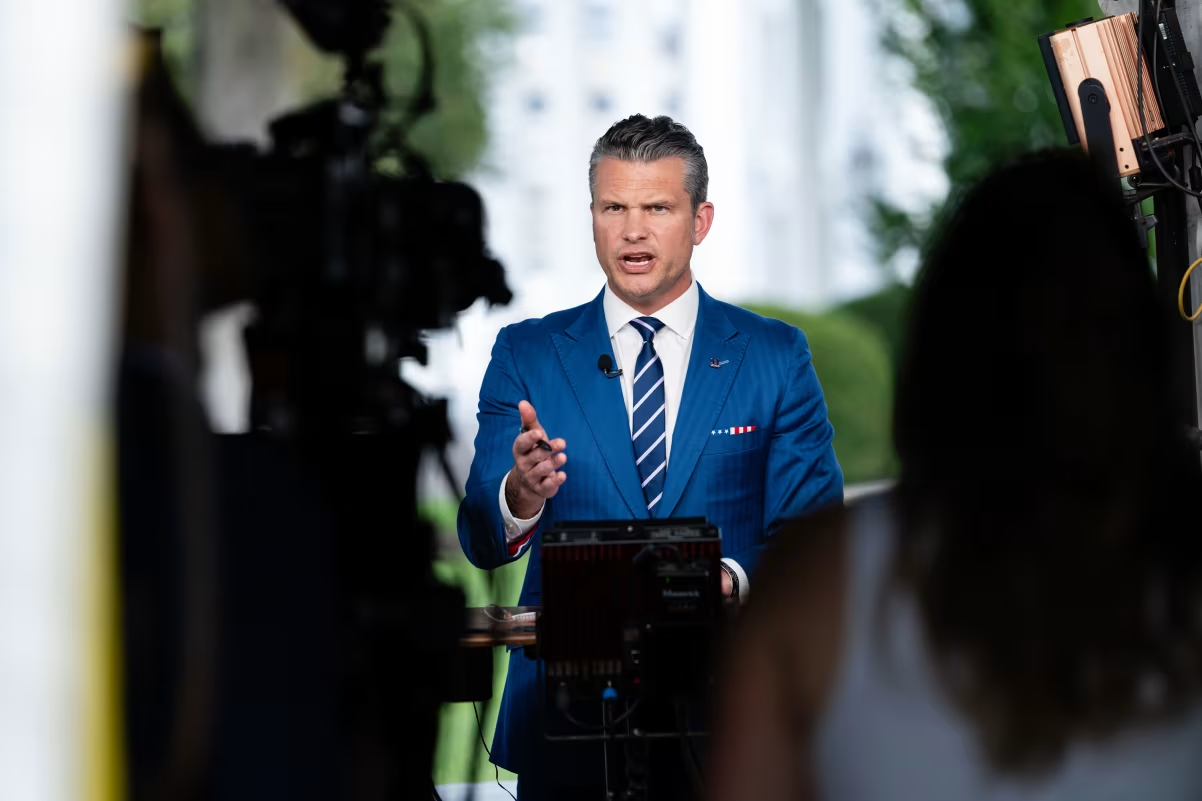
Pentagon says Hegseth supports women’s right to vote despite sharing video saying otherwise
Entities mentioned:
- Pete Hegseth: Influence, Power, Loyalty
- Kingsley Wilson: Duty, Professional pride, Control
- Douglas Wilson: Righteousness, Influence, Control
- Jared Longshore: Righteousness, Loyalty, Influence
- Brooks Potteiger: Righteousness, Loyalty, Influence
- Donald Trump: Power, Influence, Control
- Pentagon: Control, Security, Professional pride
- CNN: Recognition, Influence, Professional pride
Article Assessment:
Credibility Score: 75/100
Bias Rating: 45/100 (Center)
Sentiment Score: 35/100
Authoritarianism Risk: 65/100 (Authoritarian Tendencies)
Bias Analysis:
The article presents multiple viewpoints and quotes from various sources, maintaining a relatively balanced approach. However, there's a slight lean towards critically examining Hegseth's associations and their potential implications, which could be perceived as a subtle center-left bias.
Key metric: Civil Liberties and Equal Rights
As a social scientist, I analyze that this article highlights a significant tension between religious conservative ideologies and established civil liberties, particularly women's voting rights. The controversy surrounding Secretary Hegseth's association with Douglas Wilson's teachings raises concerns about the potential influence of extreme religious views on government policy, especially within the Department of Defense. This situation could potentially impact civil liberties and equal rights by normalizing discussions about repealing women's voting rights and promoting gender-based restrictions in military service. The article also reveals the complex interplay between personal religious beliefs and public office responsibilities, which could have far-reaching implications for policy-making and institutional culture within the military.
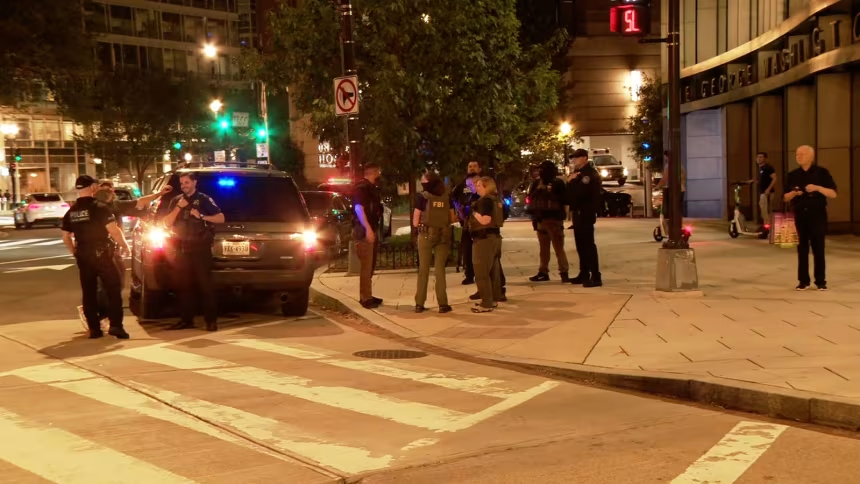
Federal agents gather in DC to enforce Trump-directed crackdown on homeless encampments
Entities mentioned:
- Donald Trump: Power, Control, Recognition
- Federal agents: Duty, Control, Obligation
- DC officials: Duty, Loyalty, Professional pride
- Homeless advocates: Justice, Moral outrage, Righteousness
- Homeless individuals: Self-preservation, Security, Anxiety
Article Assessment:
Credibility Score: 75/100
Bias Rating: 40/100 (Lean Left)
Sentiment Score: 30/100
Authoritarianism Risk: 65/100 (Authoritarian Tendencies)
Bias Analysis:
The article leans slightly left, focusing more on the perspectives of homeless advocates and the potential negative impacts of the federal intervention. While it includes some quotes from officials, it emphasizes the confusion and potential harm caused by the Trump administration's actions.
Key metric: Social Cohesion Index
As a social scientist, I analyze that this article highlights a significant conflict between federal and local authorities in addressing homelessness in Washington, DC. The federal intervention, directed by President Trump, appears to be disrupting established local processes and creating confusion. This approach risks exacerbating tensions between different levels of government, law enforcement agencies, and the homeless population. The lack of coordination and communication between federal agents and local officials is particularly concerning, as it may lead to ineffective and potentially harmful outcomes for the homeless individuals involved. The abrupt nature of the intervention, without proper planning or consideration of ongoing local efforts, could negatively impact the social fabric of the city and undermine trust in government institutions.

US military deploying over 4,000 additional troops to waters around Latin America as part of Trump’s counter-cartel mission
Entities mentioned:
- US Military: Duty, Security, Control
- Trump Administration: Power, Security, Control
- Drug Cartels: Greed, Power, Self-preservation
- US Southern Command: Duty, Security, Control
- Pete Hegseth: Duty, Security, Righteousness
Article Assessment:
Credibility Score: 75/100
Bias Rating: 55/100 (Center)
Sentiment Score: 40/100
Authoritarianism Risk: 65/100 (Authoritarian Tendencies)
Bias Analysis:
The article presents a fairly balanced view, citing multiple sources and providing context. However, there's a slight lean towards emphasizing military action, with limited discussion of alternative approaches or potential drawbacks.
Key metric: National Security Index
As a social scientist, I analyze that this military deployment represents a significant escalation in the US approach to combating drug cartels in Latin America and the Caribbean. The scale of the deployment, including over 4,000 troops, naval vessels, and air assets, indicates a shift towards a more militarized strategy in addressing drug trafficking. This move could potentially impact regional dynamics, international relations, and domestic perceptions of border security. The emphasis on 'sealing borders' and repelling 'forms of invasion' suggests a conflation of drug trafficking with immigration issues, which could have broader sociopolitical implications. The inclusion of options for ensuring access to the Panama Canal also hints at wider strategic considerations beyond drug interdiction.