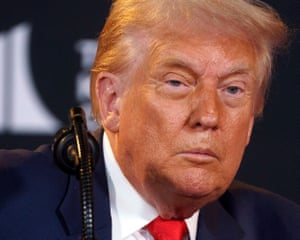
Scientists rush to bolster climate finding Trump administration aims to undo
Entities mentioned:
- Trump administration: Control, Power, Influence
- Scientists: Professional pride, Duty, Determination
- Donald Trump: Power, Control, Influence
- National Guard: Duty, Obligation, Security
- Democrats: Justice, Righteousness, Moral outrage
Article Assessment:
Credibility Score: 65/100
Bias Rating: 30/100 (Lean Left)
Sentiment Score: 25/100
Authoritarianism Risk: 70/100 (Authoritarian Tendencies)
Bias Analysis:
The article leans left in its framing, focusing on actions by the Trump administration that are presented in a critical light. The language used and the selection of topics covered suggest a perspective more sympathetic to opposition to Trump's policies.
Key metric: Environmental Protection and Climate Change Policy
As a social scientist, I analyze that this article highlights a significant conflict between the scientific community and the Trump administration regarding climate change findings. The administration's efforts to undo or discredit scientific research on climate change could have far-reaching implications for environmental policy and global climate initiatives. The deployment of the National Guard in Washington DC and potential expansion to other cities suggests an escalation of federal power and control over local jurisdictions, which could impact democratic norms and civil liberties. The article also touches on various other issues such as healthcare funding, immigration policy, and electoral processes, indicating a broad range of policy areas under scrutiny or subject to change by the administration.
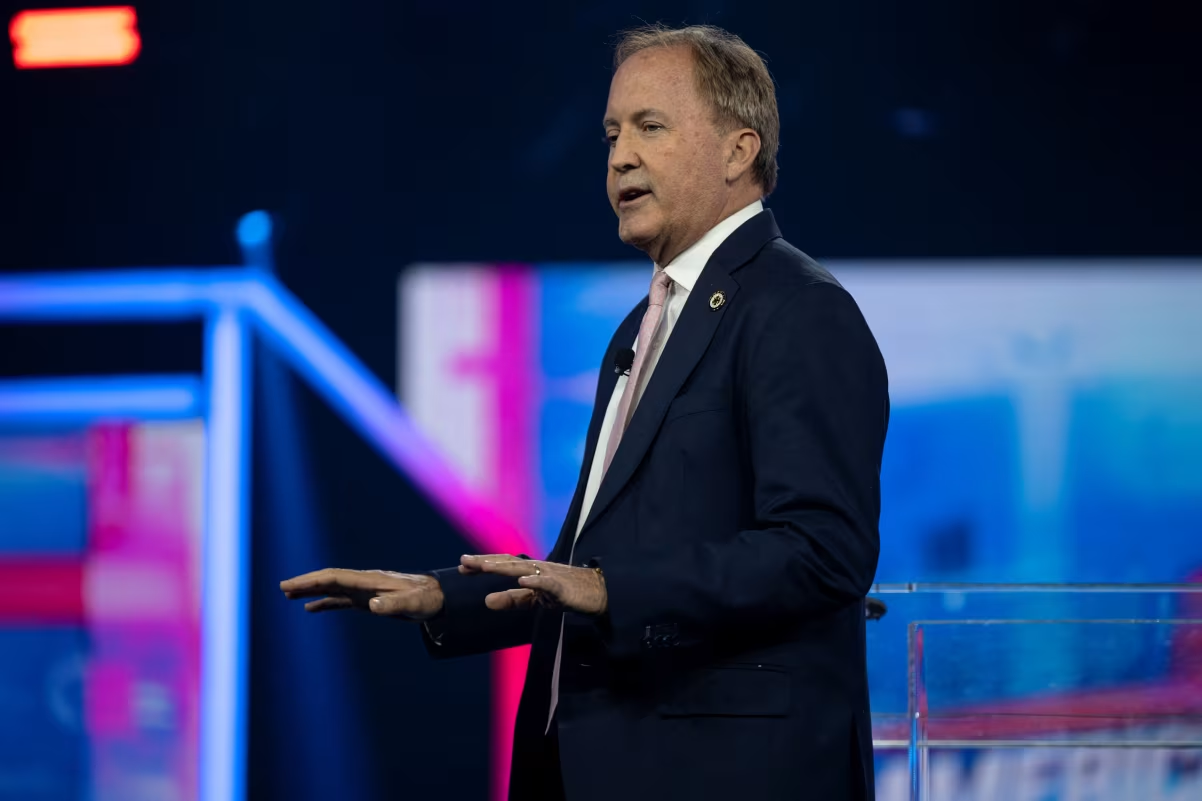
How Ken Paxton keeps pushing the legal envelope
Entities mentioned:
- Ken Paxton: Ambition, Power, Influence
- Texas House Democrats: Righteousness, Justice, Duty
- Donald Trump: Power, Influence, Legacy
- John Cornyn: Self-preservation, Duty, Professional pride
- Beto O'Rourke: Justice, Influence, Moral outrage
- Barack Obama: Legacy, Justice, Influence
- Joe Biden: Duty, Justice, Unity
Article Assessment:
Credibility Score: 75/100
Bias Rating: 55/100 (Center)
Sentiment Score: 35/100
Authoritarianism Risk: 65/100 (Authoritarian Tendencies)
Bias Analysis:
The article presents a balanced view of Paxton's actions, including both supporter and critic perspectives. While it leans slightly critical of Paxton, it provides context and background for his actions without overtly partisan language.
Key metric: Political Polarization Index
As a social scientist, I analyze that Ken Paxton's aggressive legal tactics and partisan use of his office as Texas Attorney General significantly contribute to increasing political polarization. His actions, from challenging election results to targeting Democratic policies and blue states, exacerbate the divide between conservatives and liberals. This approach, while potentially beneficial for his political ambitions, risks undermining the integrity of democratic institutions and the rule of law. The article highlights how Paxton's strategies, though sometimes legally questionable, resonate with his conservative base, further entrenching partisan divisions. This pattern of using legal authority for political gains could have long-term consequences on public trust in government institutions and the balance of power between state and federal authorities.
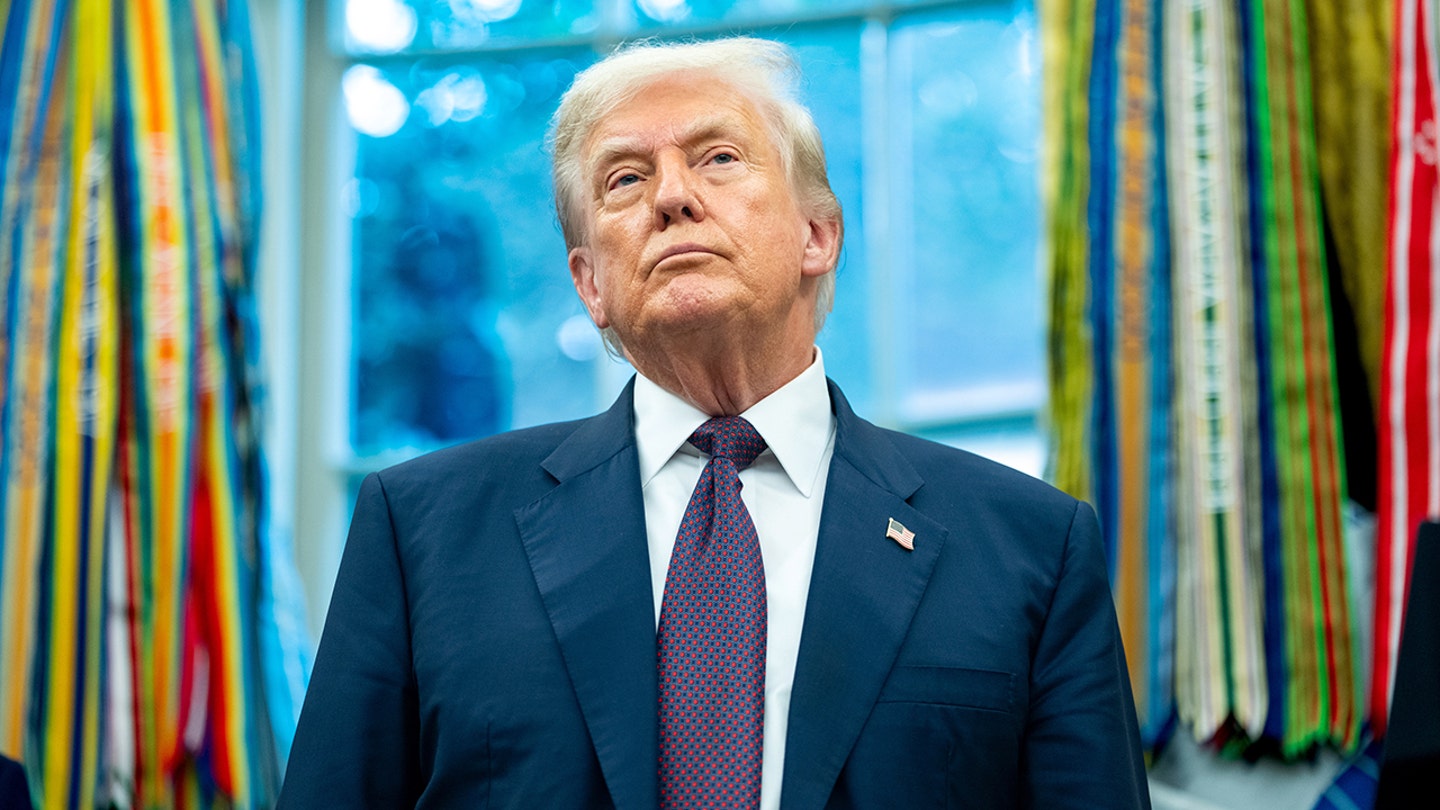
Democrats doubt Trump will secure Ukraine cease-fire in Alaska summit with Putin
Entities mentioned:
- Congressional Democrats: Wariness, Skepticism, Duty
- President Donald Trump: Ambition, Legacy, Power
- Russian President Vladimir Putin: Power, Control, Self-preservation
- Sen. Mark Warner: Wariness, Duty, Security
- House Minority Leader Hakeem Jeffries: Wariness, Duty, Justice
- Sen. Jeanne Shaheen: Skepticism, Duty, Wariness
- Sen. Lindsey Graham: Righteousness, Duty, Justice
- Sen. Richard Blumenthal: Justice, Security, Wariness
Article Assessment:
Credibility Score: 75/100
Bias Rating: 45/100 (Center)
Sentiment Score: 35/100
Authoritarianism Risk: 25/100 (Generally Democratic)
Bias Analysis:
The article presents views from multiple Democratic sources, but also includes Trump's perspective. It maintains a relatively balanced tone, presenting different viewpoints without overtly favoring one side.
Key metric: US Diplomatic Influence
As a social scientist, I analyze that this article highlights the complex dynamics surrounding US-Russia relations and the ongoing conflict in Ukraine. The skepticism expressed by Congressional Democrats regarding Trump's ability to secure a ceasefire reflects a broader concern about the effectiveness of US diplomacy in this high-stakes situation. The article suggests a potential shift in Trump's approach to Putin, which could impact US diplomatic influence. However, the Democrats' wariness indicates a lack of trust in the administration's ability to negotiate effectively with Russia. The proposed sanctions package and the emphasis on not making concessions without Ukraine's involvement demonstrate a desire to maintain a strong stance against Russian aggression. This situation has significant implications for US diplomatic influence, as the outcome of the summit could either strengthen or weaken America's position on the global stage, particularly in relation to dealing with authoritarian regimes and supporting democratic allies.
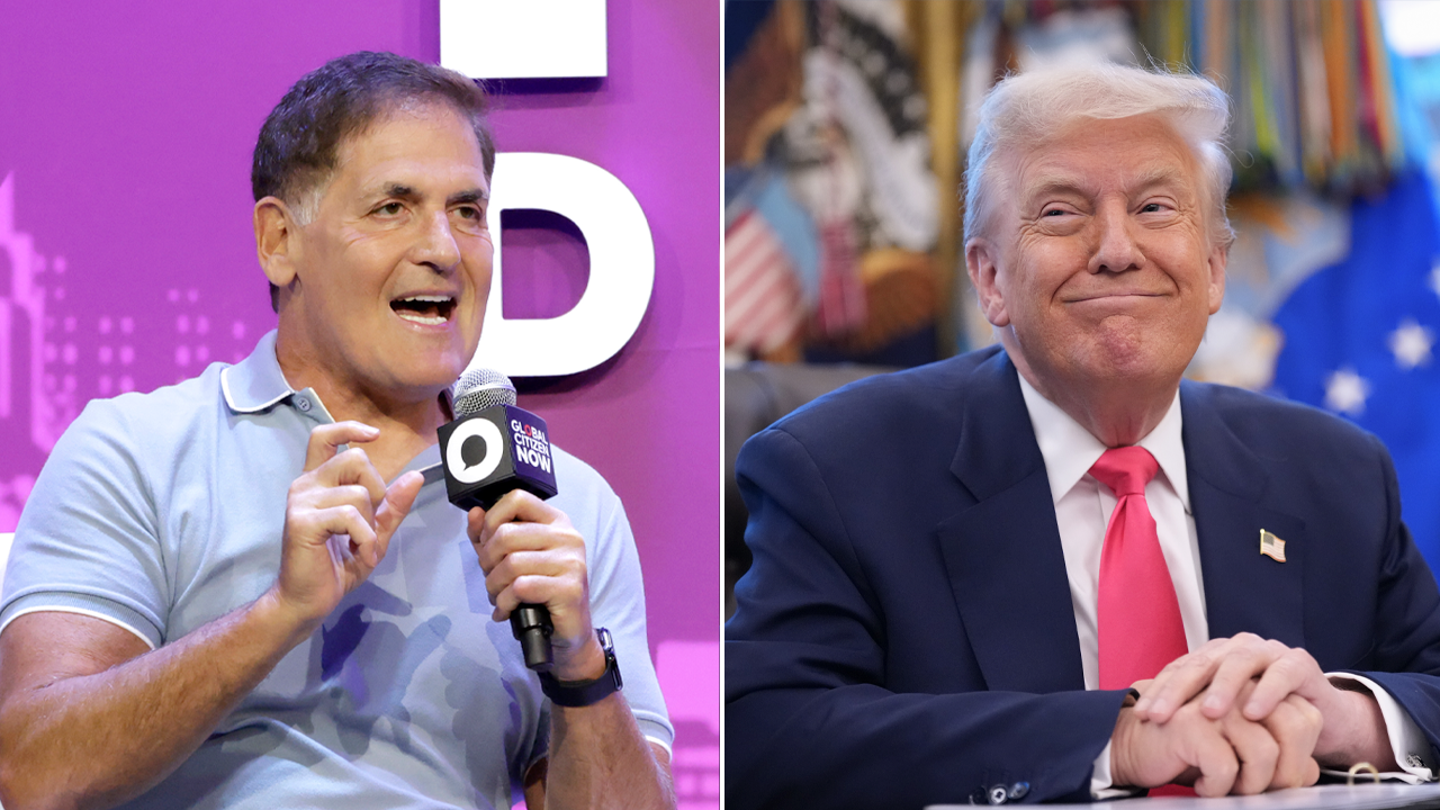
Mark Cuban says Trump running for a third term would push him into 2028 race
Entities mentioned:
- Mark Cuban: Duty, Self-preservation, Righteousness
- Donald Trump: Power, Ambition, Legacy
- Democratic Party: Unity, Power, Influence
- J.D. Vance: Ambition, Loyalty, Power
- Scott Galloway: Ambition, Recognition, Influence
- Jon Stewart: Influence, Righteousness, Recognition
- James Talarico: Ambition, Influence, Recognition
Article Assessment:
Credibility Score: 70/100
Bias Rating: 55/100 (Center)
Sentiment Score: 45/100
Authoritarianism Risk: 35/100 (Generally Democratic)
Bias Analysis:
The article presents multiple perspectives and quotes directly from the primary source. However, it leans slightly right by focusing on Democratic Party struggles and Trump's influence, while not deeply exploring alternative viewpoints.
Key metric: Political Stability Index
As a social scientist, I analyze that this article highlights the ongoing political uncertainty in the United States, particularly within the Democratic Party. Mark Cuban's conditional stance on running for presidency underscores the lingering influence of Donald Trump on the political landscape, even after his presidency. The mention of Trump potentially seeking a third term, though unconstitutional, suggests a persistent challenge to democratic norms. The Democratic Party's struggle to find new leadership indicates a period of transition and potential ideological shift. Cuban's preference for non-traditional political figures as potential candidates reflects a growing disillusionment with established politicians, which could impact future voter behavior and party dynamics. This situation could lead to increased political polarization and instability, potentially affecting the country's Political Stability Index.

State Department stops issuing all visitor visas for individuals from Gaza
Entities mentioned:
- State Department: Security, Control, Duty
- Marco Rubio: Security, Righteousness, Duty
- Hamas: Power, Control, Revenge
- Trump administration: Security, Control, Nationalism
- France: Security, Justice, Self-preservation
- Jean-Noël Barrot: Security, Justice, Duty
- Nour Attaalah: Self-preservation, Fear, Loyalty
- Palestinian Central Bureau of Statistics: Professional pride, Duty, Recognition
Article Assessment:
Credibility Score: 75/100
Bias Rating: 55/100 (Center)
Sentiment Score: 30/100
Authoritarianism Risk: 55/100 (Mixed/Neutral)
Bias Analysis:
The article presents a relatively balanced view, including perspectives from multiple sources and countries. However, there's a slight lean towards emphasizing security concerns over humanitarian aspects, which could be interpreted as a centrist to slightly right-leaning position.
Key metric: Immigration and Border Security
As a social scientist, I analyze that this article highlights a significant shift in U.S. immigration policy towards individuals from Gaza, reflecting heightened security concerns and stricter vetting processes. The sudden halt in visitor visas suggests a reactive measure to potential security threats, possibly linked to the ongoing Israel-Hamas conflict. This policy change aligns with a broader trend of increased scrutiny in visa issuance, as evidenced by the Trump administration's prior actions and similar measures taken by other countries like France. The impact on the Immigration and Border Security metric is substantial, as it demonstrates a tightening of borders and more stringent control over who enters the country, particularly from conflict-prone regions. This could lead to reduced immigration numbers from certain areas and potentially affect diplomatic relations. The article also touches on the broader humanitarian implications of the ongoing conflict, as indicated by the population decline in Gaza, which adds complexity to the immigration issue.
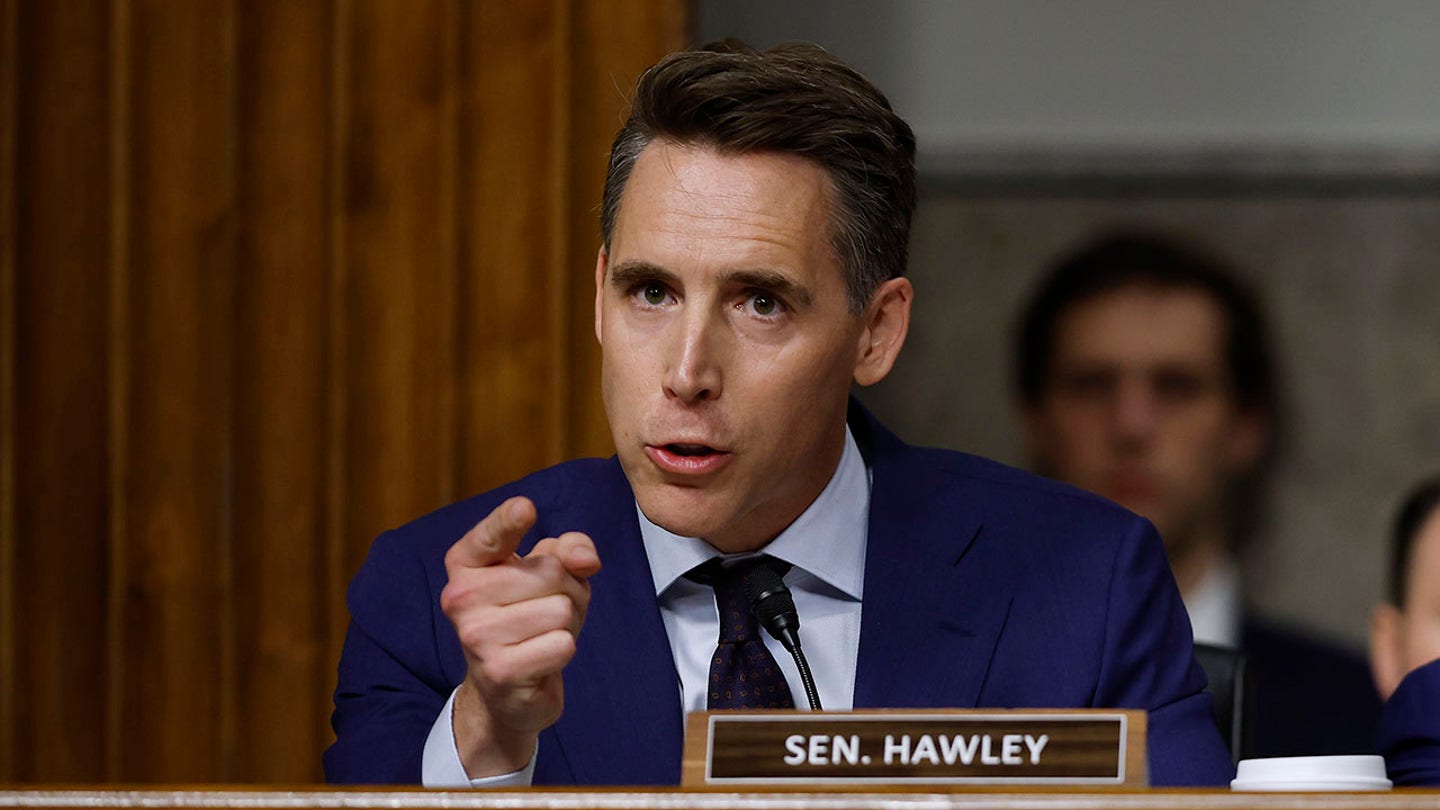
Hawley opens probe into Meta after reports of AI romantic exchanges with minors
Entities mentioned:
- Josh Hawley: Righteousness, Moral outrage, Justice
- Meta: Self-preservation, Influence, Control
- Mark Zuckerberg: Self-preservation, Power, Control
- Senate Judiciary Subcommittee on Crime and Counterterrorism: Justice, Duty, Security
- Congress: Justice, Control, Duty
Article Assessment:
Credibility Score: 75/100
Bias Rating: 55/100 (Center)
Sentiment Score: 30/100
Authoritarianism Risk: 25/100 (Generally Democratic)
Bias Analysis:
The article presents both sides of the issue, including Hawley's accusations and Meta's response. However, it gives more space to Hawley's perspective, which slightly tilts the balance but not significantly enough to push it out of the center range.
Key metric: Child Online Safety Index
As a social scientist, I analyze that this investigation into Meta's AI chatbot policies could significantly impact the Child Online Safety Index. The probe highlights potential gaps in online child protection measures, specifically within AI-driven interactions. This could lead to stricter regulations and improved safety protocols for AI systems interacting with minors, potentially enhancing the overall safety of children online. The investigation may also prompt other tech companies to review and strengthen their own policies, creating a ripple effect that could positively influence child online safety metrics across the industry.
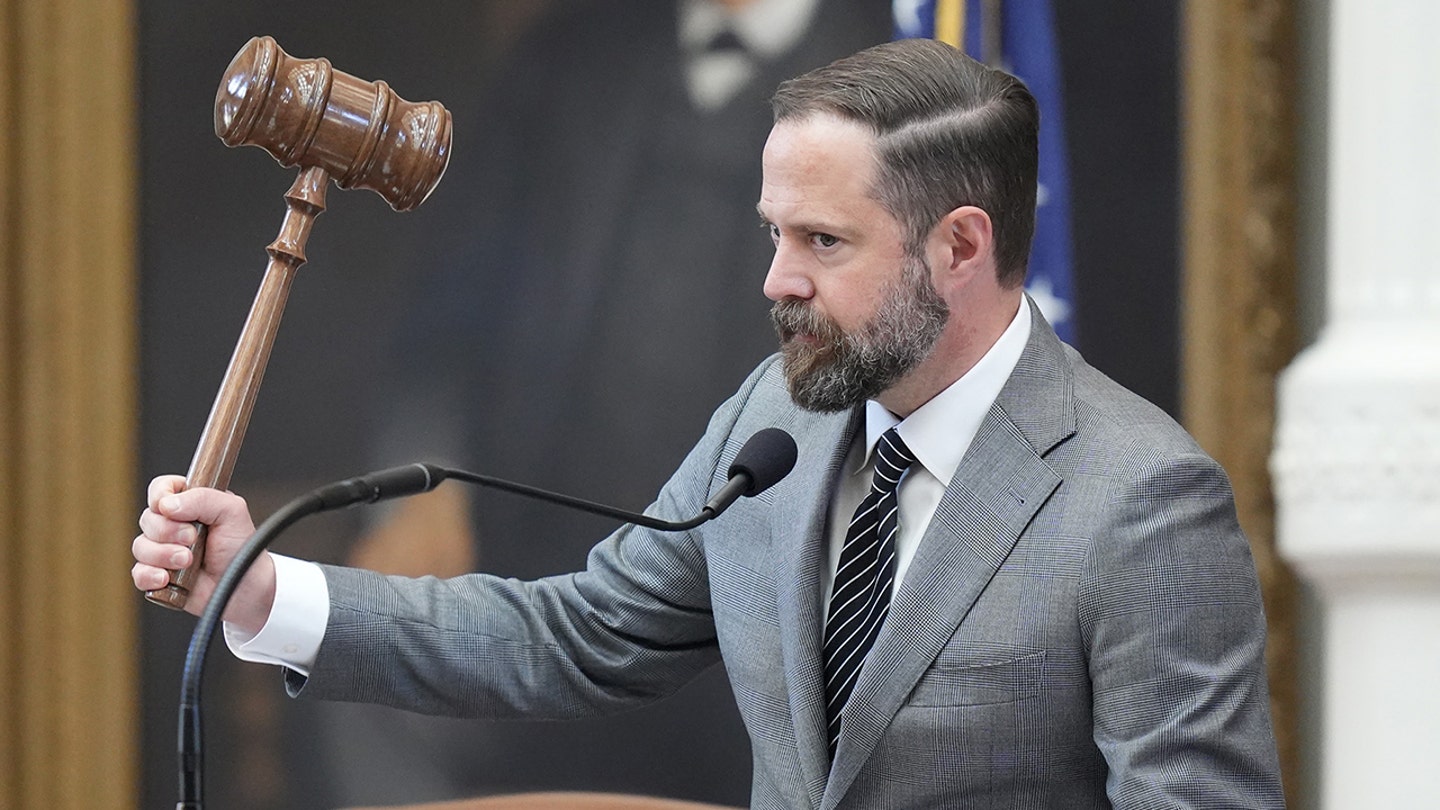
Texas House Speaker vows runaway Dems will be arrested if they try to sneak home over weekend
Entities mentioned:
- Dustin Burrows: Control, Power, Determination
- Texas Democrats: Righteousness, Justice, Self-preservation
- Greg Abbott: Power, Control, Determination
- Gavin Newsom: Ambition, Competitive spirit, Power
- Donald Trump: Power, Control, Influence
- Gene Wu: Justice, Righteousness, Determination
- Ken Paxton: Power, Control, Loyalty
Article Assessment:
Credibility Score: 70/100
Bias Rating: 55/100 (Center)
Sentiment Score: 30/100
Authoritarianism Risk: 65/100 (Authoritarian Tendencies)
Bias Analysis:
The article presents both Republican and Democratic perspectives, but slightly more space is given to Republican actions and quotes. The framing of Democrats as 'runaway' and 'fleeing' suggests a subtle lean towards Republican narrative.
Key metric: Electoral Competitiveness
As a social scientist, I analyze that this article highlights the intense political maneuvering around congressional redistricting in Texas and California, which directly impacts electoral competitiveness. The actions of both Republican and Democratic parties demonstrate a concerted effort to gain political advantage through map-drawing, potentially reducing the number of competitive districts. This could lead to increased polarization and decreased representation of diverse viewpoints. The use of tactics such as fleeing the state to prevent quorum and threats of arrest indicate a heightened level of partisan conflict, which may erode democratic norms and public trust in the electoral process. The contrasting approaches in Texas and California also reflect the broader national debate on redistricting methods and their impact on fair representation.
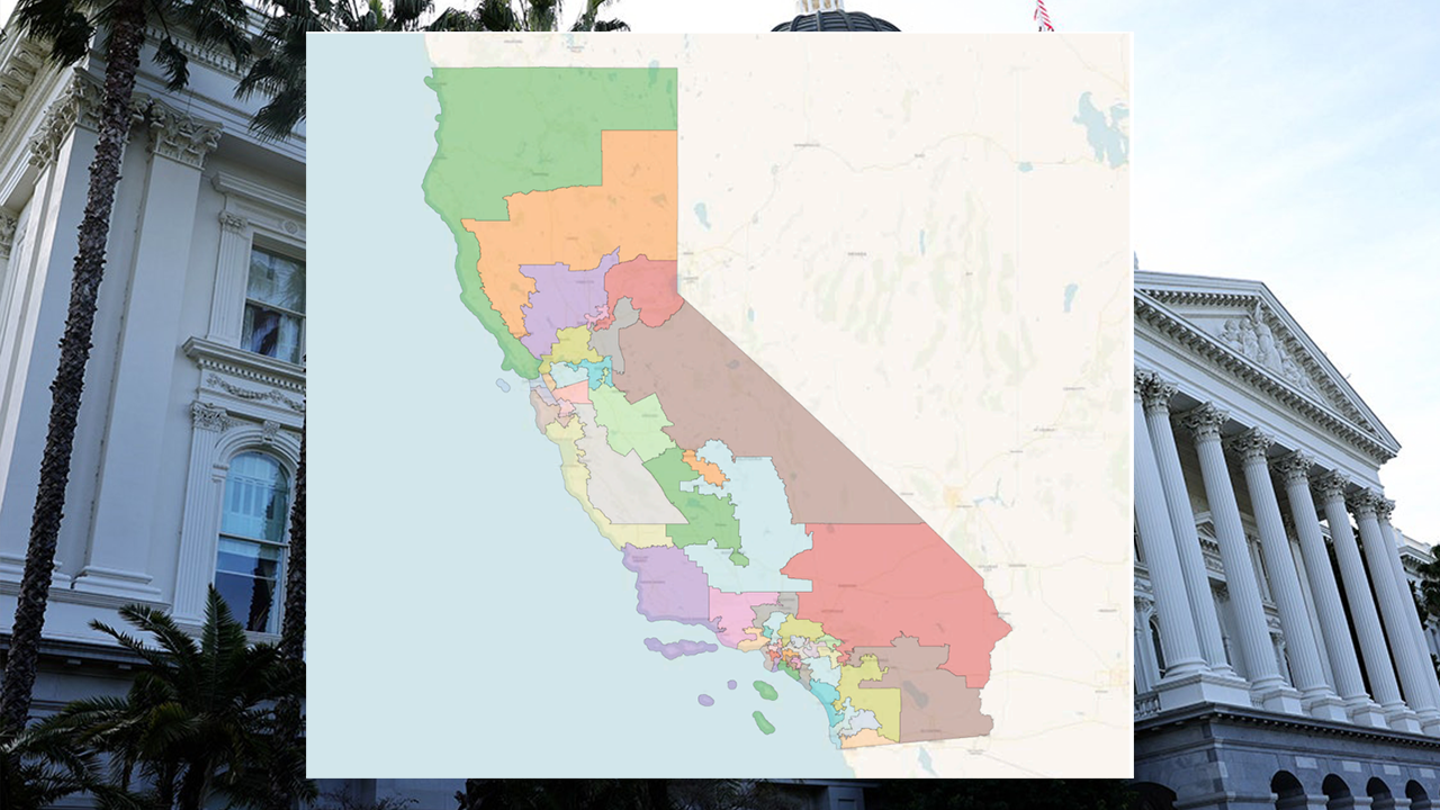
California Democrats unveil redistricting map to wipe out 5 GOP seats, counter Texas plan
Entities mentioned:
- Democratic Congressional Campaign Commission (DCCC): Power, Control, Justice
- Gov. Gavin Newsom: Ambition, Power, Revenge
- California Democrats: Power, Control, Competitive spirit
- President Donald Trump: Power, Control, Self-preservation
- Republicans: Power, Control, Self-preservation
- Arnold Schwarzenegger: Justice, Duty, Righteousness
- National Republican Congressional Committee (NRCC): Power, Control, Competitive spirit
Article Assessment:
Credibility Score: 65/100
Bias Rating: 55/100 (Center)
Sentiment Score: 35/100
Authoritarianism Risk: 65/100 (Authoritarian Tendencies)
Bias Analysis:
The article presents viewpoints from both Democrats and Republicans, including criticisms of each side's actions. However, there's slightly more space given to Democratic perspectives and plans, balanced by including Republican and non-partisan voices.
Key metric: Political Polarization Index
As a social scientist, I analyze that this article highlights the intensifying political polarization in the United States, particularly through the lens of redistricting efforts. The proposed redistricting in California, aimed at countering similar efforts in Texas, demonstrates an escalation in partisan tactics. This tit-for-tat approach to redistricting, with each side accusing the other of 'rigging' the system, is likely to further entrench political divisions and erode trust in democratic processes. The willingness to alter established non-partisan systems for short-term political gain, as seen in Newsom's proposal to temporarily replace the independent redistricting commission, indicates a concerning trend towards prioritizing party power over institutional stability. This could lead to increased cynicism among voters and potentially lower faith in the electoral system, ultimately impacting the Political Polarization Index negatively.
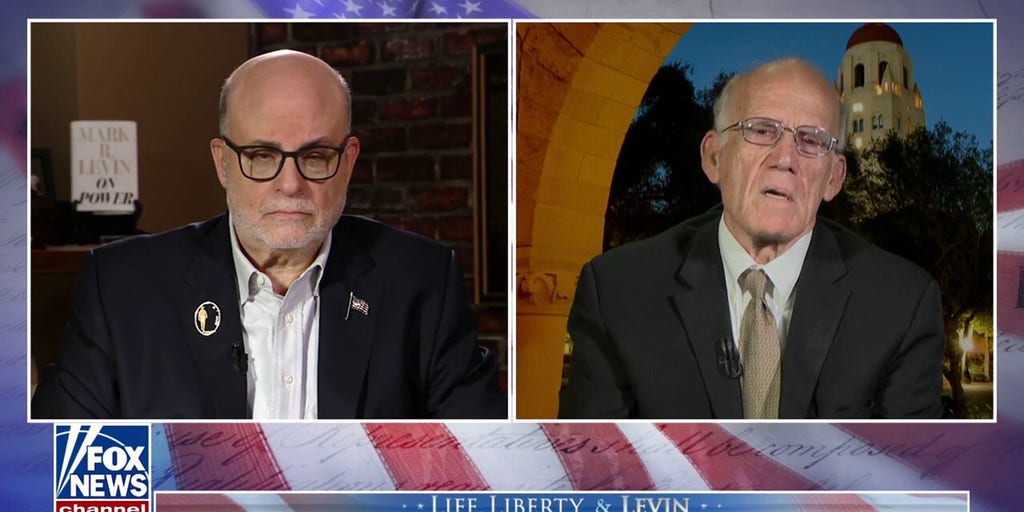
Victor Davis Hanson shares what's setting Democrats 'on fire'
Entities mentioned:
- Victor Davis Hanson: Influence, Recognition, Righteousness
- Democrats: Moral outrage, Fear, Self-preservation
- Donald Trump: Power, Revenge, Influence
- Zohran Mamdani: Ambition, Recognition, Influence
- Hoover Institution: Influence, Legacy, Professional pride
Article Assessment:
Credibility Score: 55/100
Bias Rating: 75/100 (Lean Right)
Sentiment Score: 35/100
Authoritarianism Risk: 45/100 (Mixed/Neutral)
Bias Analysis:
The article leans right, evident in its framing of Democrats negatively and the positive presentation of critiques against 'woke' ideology. The source, featuring a conservative think tank fellow on a right-leaning show, further indicates a rightward bias.
Key metric: Political Polarization Index
As a social scientist, I analyze that this article likely contributes to increased political polarization. The framing of Democrats as 'melting down' and the focus on conflict between political ideologies suggests a deepening divide. The mention of Trump 'targeting the roots of woke-ness' implies an ongoing culture war, which often exacerbates partisan tensions. This type of rhetoric, especially from influential figures like Hanson, can reinforce existing political divides and potentially increase the Political Polarization Index.
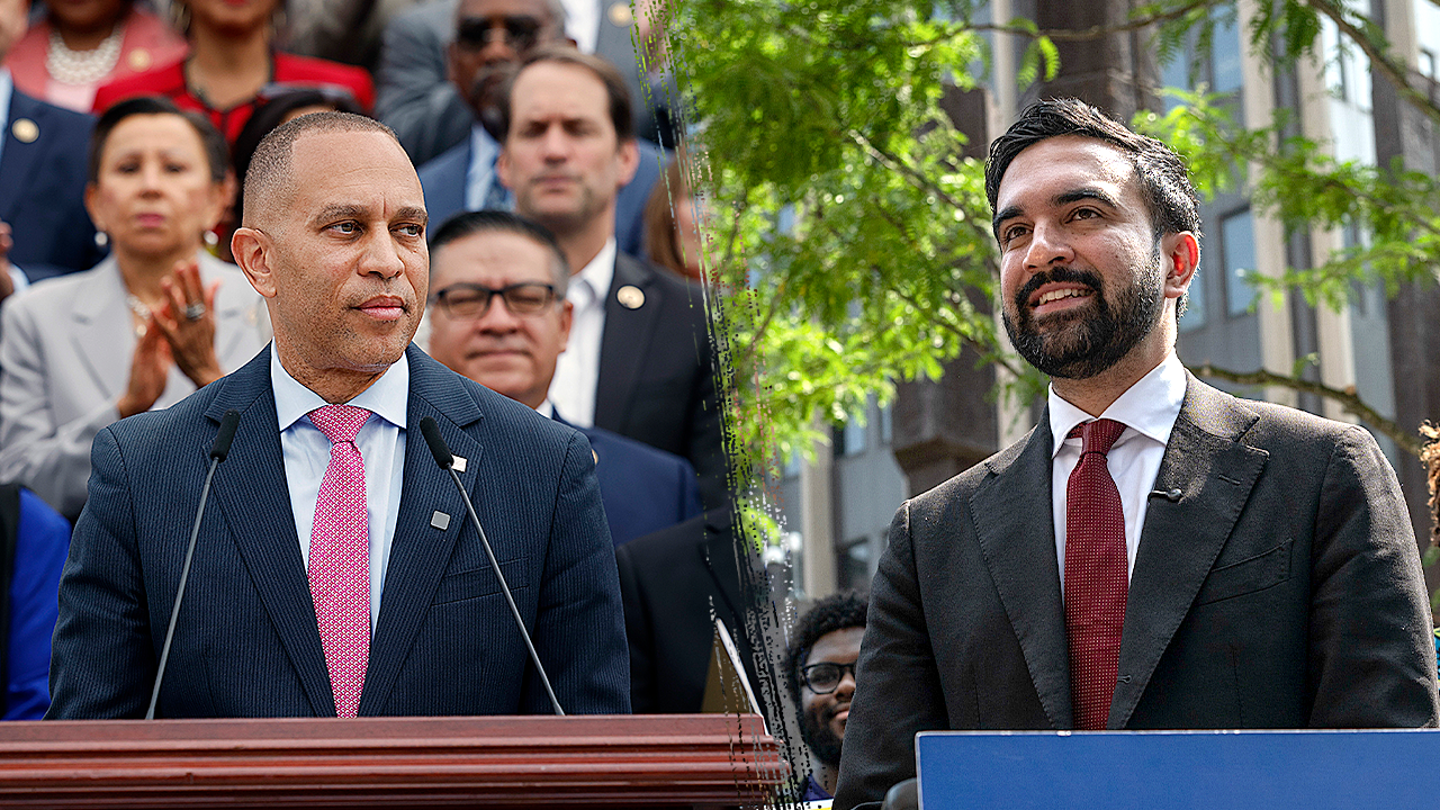
Top House Dem sides with Mamdani critics on key controversy surrounding his campaign
Entities mentioned:
- Hakeem Jeffries: Political calculation, Duty, Self-preservation
- Zohran Mamdani: Ambition, Justice, Influence
- Andrew Cuomo: Revenge, Political calculation, Power
- Dora Pekec: Loyalty, Righteousness, Determination
- Alex Bradley: Moral outrage, Loyalty, Indignation
- Michael Koncewicz: Moral outrage, Indignation, Righteousness
Article Assessment:
Credibility Score: 70/100
Bias Rating: 55/100 (Center)
Sentiment Score: 30/100
Authoritarianism Risk: 35/100 (Generally Democratic)
Bias Analysis:
The article presents multiple perspectives, including critics and supporters of Mamdani. However, it gives more space to critical voices and frames the issue as problematic for Mamdani's campaign.
Key metric: Political Party Unity
As a social scientist, I analyze that this article highlights internal Democratic Party tensions surrounding a progressive candidate in New York City. The controversy over Mamdani's housing situation exposes ideological rifts within the party, with establishment figures like Jeffries distancing themselves from more left-leaning candidates. This impacts party unity by potentially alienating progressive voters and activists, while also revealing the challenges Democrats face in reconciling diverse policy positions within their coalition. The situation underscores the ongoing struggle between centrist and progressive factions in the Democratic Party, which could affect voter turnout and party enthusiasm in future elections.