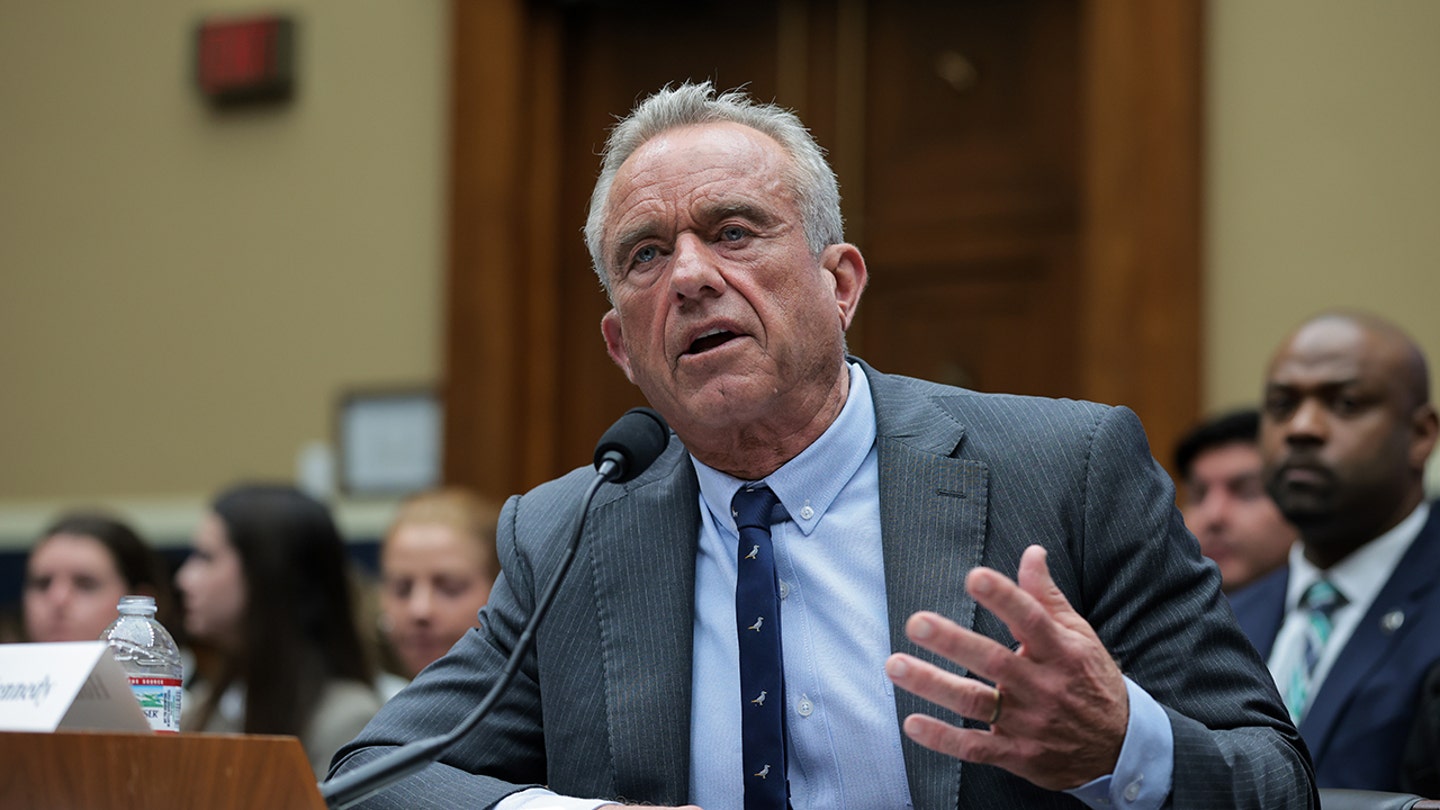
Judge orders RFK Jr's HHS to stop sharing Medicaid data with immigration officials
Entities mentioned:
- Judge Vince Chhabria: Justice, Duty, Righteousness
- Department of Health and Human Services (HHS): Control, Duty, Obligation
- Department of Homeland Security (DHS): Security, Control, Power
- Immigration and Customs Enforcement (ICE): Control, Security, Duty
- Robert F. Kennedy Jr.: Power, Control, Ambition
- Trump Administration: Control, Power, Security
- Rob Bonta: Justice, Righteousness, Duty
- Nick Brown: Justice, Duty, Righteousness
Article Assessment:
Credibility Score: 75/100
Bias Rating: 45/100 (Center)
Sentiment Score: 35/100
Authoritarianism Risk: 25/100 (Generally Democratic)
Bias Analysis:
The article presents multiple viewpoints, including those of the judge, government officials, and immigration advocates. While it leans slightly critical of the administration's actions, it maintains a relatively balanced tone by providing factual information and quoting various sources.
Key metric: Public Trust in Government Institutions
As a social scientist, I analyze that this court order significantly impacts public trust in government institutions. The judge's decision to halt the sharing of Medicaid data with immigration officials highlights a conflict between different government agencies and their respective mandates. This situation may lead to decreased trust in health services among vulnerable populations, particularly immigrants, who may fear seeking medical care due to potential immigration consequences. The court's intervention also underscores the importance of checks and balances in the US government system, potentially reinforcing public confidence in the judiciary's role in protecting individual rights and privacy. However, the revelation of previously undisclosed data-sharing agreements between HHS and DHS may erode trust in the transparency and ethical practices of these agencies, particularly among minority and immigrant communities.
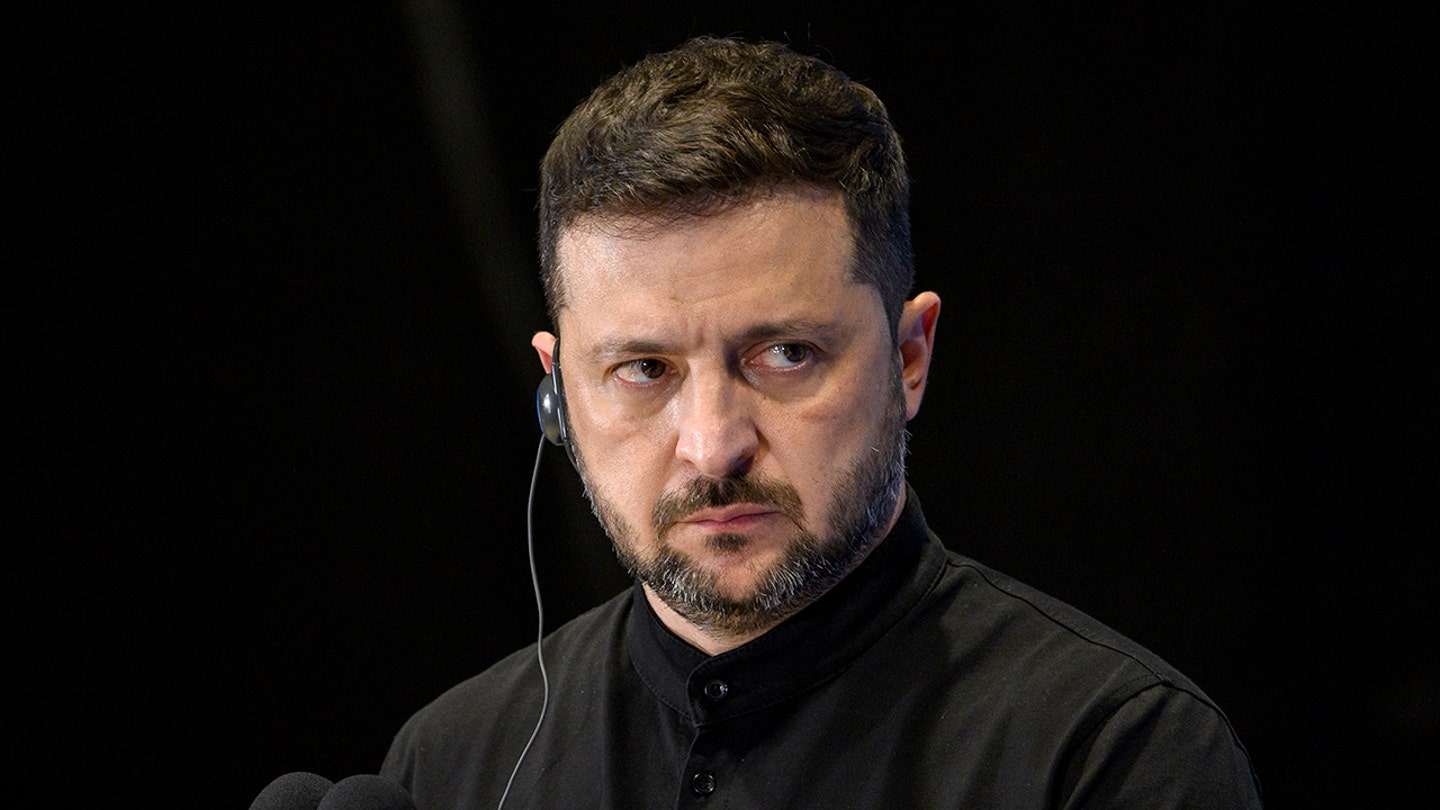
Trump reveals his game plan for meeting with Putin in Alaska: 'It's like chess'
Entities mentioned:
- Donald Trump: Ambition, Power, Legacy
- Vladimir Putin: Power, Control, Self-preservation
- Volodymyr Zelenskyy: Determination, Justice, Self-preservation
- Brian Kilmeade: Curiosity, Professional pride
Article Assessment:
Credibility Score: 70/100
Bias Rating: 55/100 (Center)
Sentiment Score: 45/100
Authoritarianism Risk: 35/100 (Generally Democratic)
Bias Analysis:
The article presents multiple perspectives, including quotes from Trump, Putin, and Zelenskyy, providing a somewhat balanced view. However, there's slightly more focus on Trump's statements and plans, which may indicate a slight center-right lean.
Key metric: International Diplomacy Effectiveness
As a social scientist, I analyze that this article highlights a critical juncture in international diplomacy, focusing on Trump's approach to negotiations between Russia and Ukraine. The framing of the talks as 'chess' suggests a strategic, calculated approach to diplomacy. Trump's disclosure of potential land swap negotiations, despite Zelenskyy's opposition, indicates potential discord among allies. The article presents contrasting views: Trump's optimism about a deal versus Zelenskyy's skepticism, reflecting the complex nature of the conflict resolution process. The mention of potential sanctions against Russia demonstrates the use of economic leverage in diplomatic negotiations. This situation could significantly impact global geopolitical stability and the effectiveness of U.S. foreign policy in conflict resolution.