
FOX Super 6 Contest: Chris 'The Bear' Fallica's NFL Week 9 Picks, Predictions
Entities mentioned:
- Chris 'The Bear' Fallica: Professional pride, Competitive spirit, Recognition
- FOX Super 6: Ambition, Competitive spirit, Influence
- NFL: Competitive spirit, Recognition, Legacy
Article Assessment:
Credibility Score: 75/100
Bias Rating: 45/100 (Center)
Sentiment Score: 75/100
Authoritarianism Risk: 20/100 (Strongly Democratic)
Bias Analysis:
The article presents a balanced view of the contest, offering predictions without favoring specific teams. It maintains a neutral tone while promoting fan engagement across all teams.
Key metric: NFL Fan Engagement
Let me tell you something - this article is a GAME-CHANGER for NFL fan engagement! FOX Super 6 is stepping up to the plate with a championship-level strategy to keep fans on the edge of their seats. It's like they're running a no-huddle offense, constantly keeping viewers engaged with high-stakes predictions. Chris 'The Bear' Fallica is the MVP quarterback here, calling the plays and giving fans the insider edge they need to compete. This isn't just watching football anymore, folks - it's a full-contact sport for the viewers! The NFL and FOX are tag-teaming to create a 12th man experience that turns every fan into a key player in the game. I'm telling you right now, this is the kind of fourth-quarter move that could change the whole landscape of sports viewership!
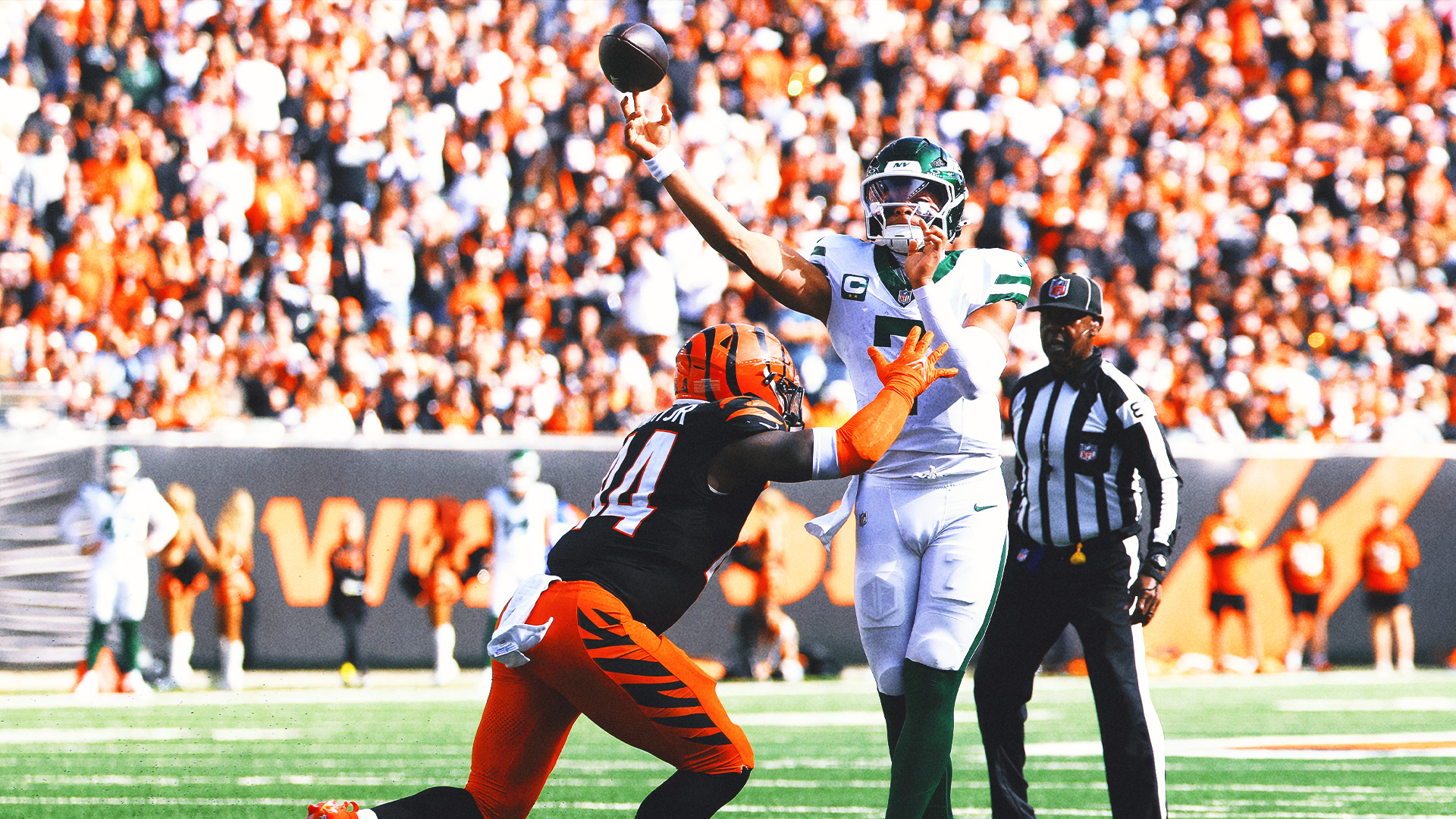
Bengals Defense Holds Players-Only Meeting After Losing to Win-Less Jets
Entities mentioned:
- Cincinnati Bengals Defense: Determination, Competitive spirit, Professional pride
- Zac Taylor: Leadership, Ambition, Professional pride
- Al Golden: Professional pride, Determination, Competitive spirit
Article Assessment:
Credibility Score: 85/100
Bias Rating: 50/100 (Center)
Sentiment Score: 45/100
Authoritarianism Risk: 20/100 (Strongly Democratic)
Bias Analysis:
The article presents a balanced view of the situation, quoting multiple sources including players, the head coach, and the defensive coordinator. It focuses on facts and direct quotes without pushing a particular narrative.
Key metric: NFL Team Defense Rankings
Let me tell you something - this story is HUGE! The Bengals defense is in a FOURTH QUARTER CRISIS, folks! Ranking 30th in points allowed? That's like fumbling on the goal line! But hold onto your helmets because these gridiron gladiators are calling an audible with a players-only huddle. This is the kind of CHAMPIONSHIP MENTALITY that separates the contenders from the pretenders! Coach Taylor is looking for someone to step up and be the QUARTERBACK of this defense. It's time for these defenders to show some HEART and GRIT, to tackle their problems head-on just like they're bringing down a 250-pound running back! Al Golden is preaching fundamentals like a coach drilling his team before the big game. This is do-or-die time for the Bengals D, and they need to bring their A-game or they'll be watching the playoffs from the sidelines!