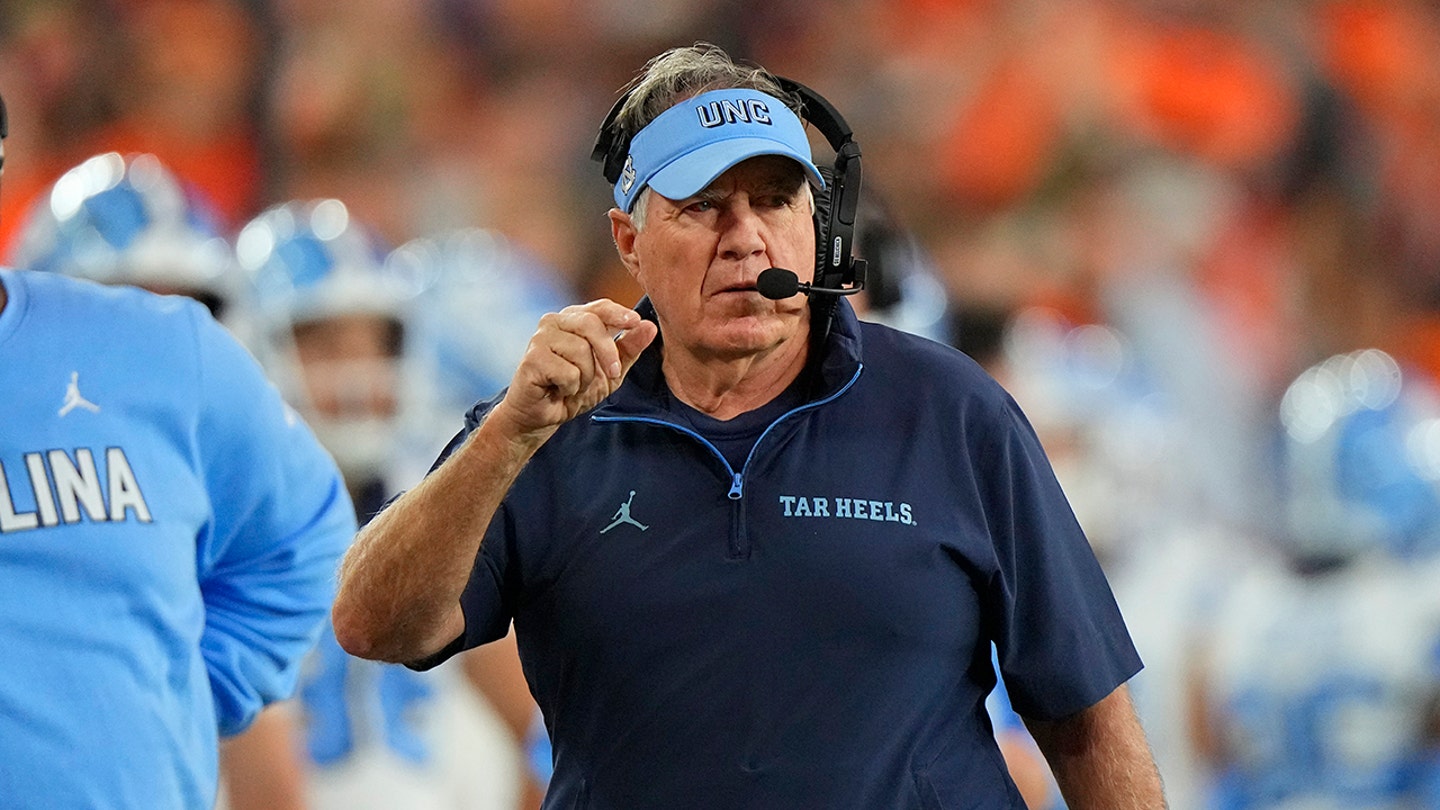
Bill Belichick notches first Power Four win of college career in win over Syracuse
Entities mentioned:
- Bill Belichick: Competitive spirit, Professional pride, Legacy
- North Carolina: Ambition, Competitive spirit, Recognition
- Syracuse: Determination, Self-preservation, Pride
- Fran Brown Jr.: Competitive spirit, Professional pride, Determination
- Gio Lopez: Competitive spirit, Recognition, Pride
- Demon June: Competitive spirit, Recognition, Pride
Article Assessment:
Credibility Score: 85/100
Bias Rating: 50/100 (Center)
Sentiment Score: 65/100
Authoritarianism Risk: 15/100 (Strongly Democratic)
Bias Analysis:
The article presents a balanced view of both teams' performances, providing context for Syracuse's struggles and North Carolina's breakthrough. It quotes Belichick directly and includes factual game statistics.
Key metric: NCAA Football Performance
Let me tell you something - this game was a TURNING POINT for Bill Belichick and North Carolina! They've finally stepped up to the plate and knocked it out of the park against a Power Four opponent. It's like they've been stuck in the minor leagues, but now they're showing they can play with the big boys! Syracuse, on the other hand, is in a serious slump, folks. They're like a team that's lost its star quarterback and is now fielding a rookie straight from the bench. This is the kind of fourth quarter move that can change the whole season for the Tar Heels. Belichick's bringing that championship mentality from the NFL to college ball, and it's starting to pay off. This win could be the momentum shift they need to make a real run in the ACC. It's all about timing in this game, and North Carolina caught Syracuse at just the right moment to secure this crucial victory!
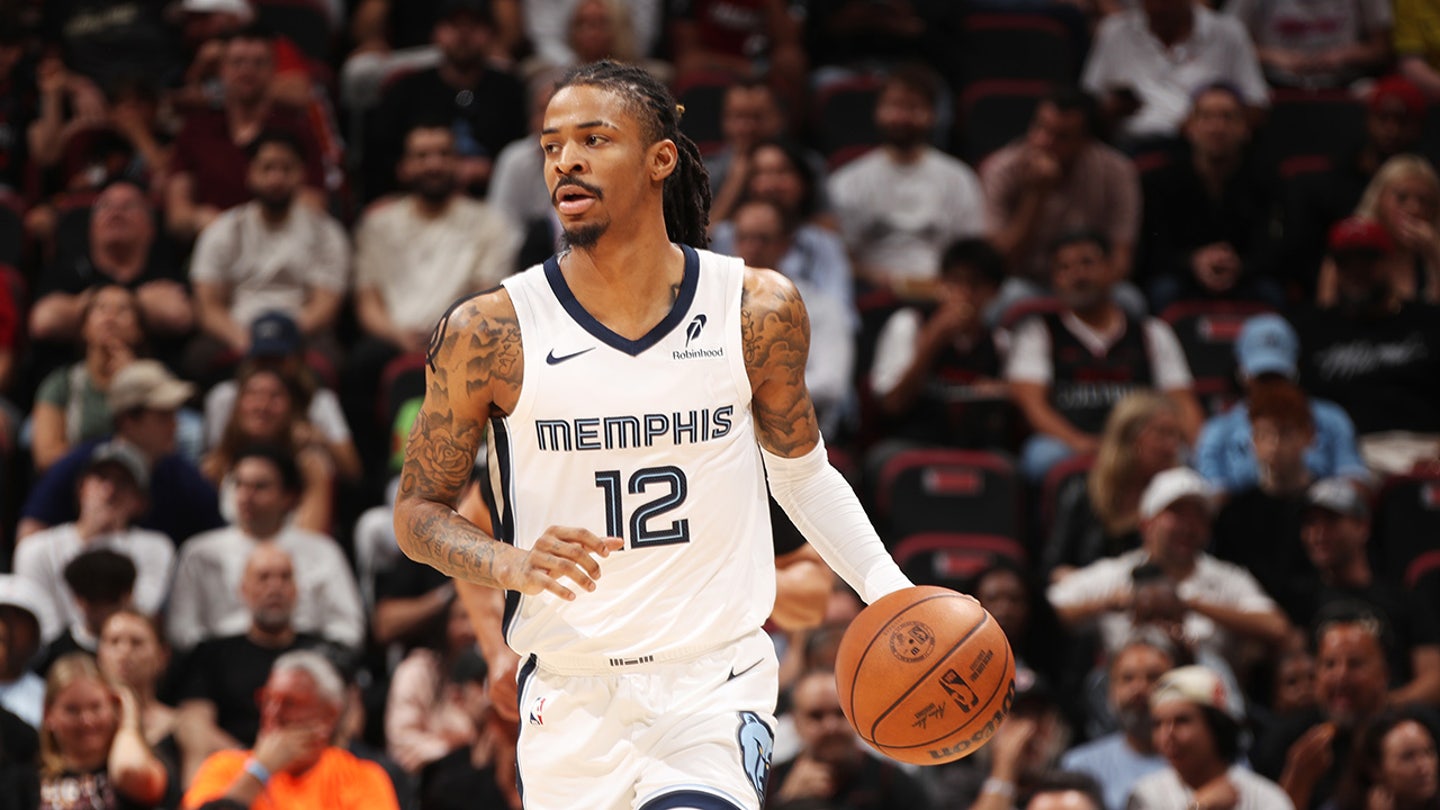
Ja Morant suspended for detrimental conduct after calling out coaching staff in NBA Cup defeat fallout: report
Entities mentioned:
- Ja Morant: Competitive spirit, Pride, Self-respect
- Memphis Grizzlies: Professional pride, Ambition, Control
- Grizzlies Coaching Staff: Control, Professional pride, Determination
- Tuomas Iisalo: Professional pride, Ambition, Control
Article Assessment:
Credibility Score: 75/100
Bias Rating: 50/100 (Center)
Sentiment Score: 30/100
Authoritarianism Risk: 35/100 (Generally Democratic)
Bias Analysis:
The article presents a balanced view of the situation, quoting Morant directly and reporting on team actions. It doesn't appear to take sides, maintaining a neutral stance on the conflict.
Key metric: NBA Team Performance
Let me tell you something, folks - this is a GAME-CHANGING moment for the Memphis Grizzlies! Their star player, Ja Morant, has just been BENCHED for calling out his own coaching staff. This is like a quarterback throwing his offensive coordinator under the bus after a tough loss! The Grizzlies are in the DANGER ZONE, and team chemistry is on thin ice. Morant's frustration after a subpar performance is understandable, but publicly criticizing your coaches? That's a MAJOR PENALTY in any sport! This team needs to huddle up, regroup, and find their championship mentality FAST if they want to stay competitive in the cutthroat Western Conference. Right now, they're playing like they're stuck in preseason mode, and that's RIDICULOUS for a team with playoff aspirations!