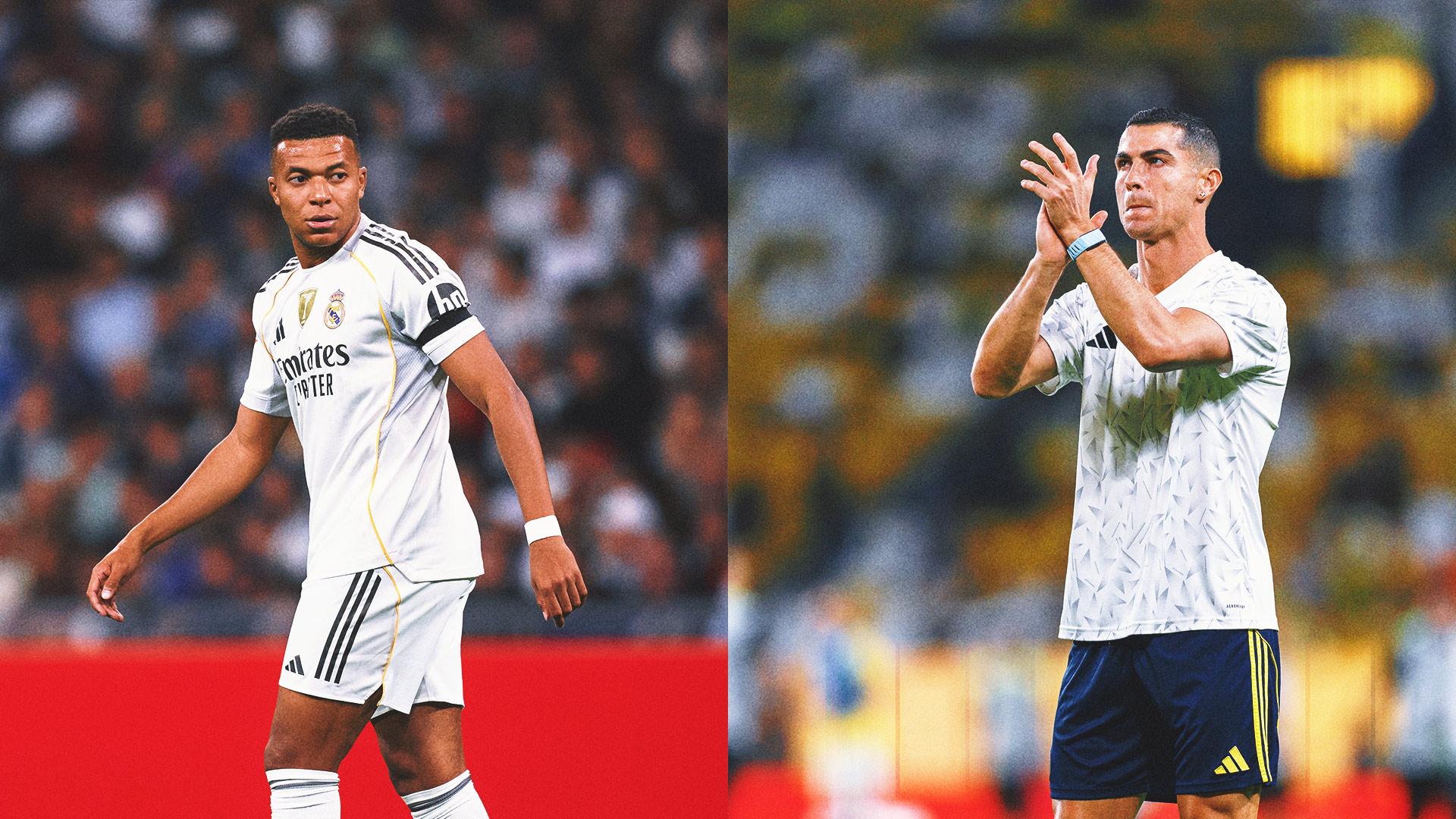
Real Madrid Star Kylian Mbappe: Cristiano Ronaldo Remains the 'Reference'
Entities mentioned:
- Kylian Mbappe: Ambition, Competitive spirit, Legacy
- Cristiano Ronaldo: Legacy, Pride, Recognition
- Real Madrid: Competitive spirit, Pride, Legacy
- Paris Saint-Germain: Competitive spirit, Pride, Revenge
Article Assessment:
Credibility Score: 75/100
Bias Rating: 50/100 (Center)
Sentiment Score: 70/100
Authoritarianism Risk: 20/100 (Strongly Democratic)
Bias Analysis:
The article presents a balanced view of Mbappe's performance and comparisons to Ronaldo. It includes both praise and criticism, maintaining a neutral stance on the player's abilities and achievements.
Key metric: La Liga Points
Ladies and gentlemen, we're witnessing a TITANIC CLASH of soccer titans! Kylian Mbappe is stepping up to the plate in a BIG WAY for Real Madrid, but he's showing the championship mentality by refusing to compare himself to the GOAT, Cristiano Ronaldo. This young phenom is CRUSHING IT with a Golden Boot victory, but he's got his eye on the ultimate prize - that coveted Champions League trophy. It's fourth quarter time in La Liga, and Mbappe is DOMINATING the field like a true MVP. The PSG squad might be feeling the sting of losing their star player, but that's just how the ball bounces in this high-stakes game of soccer musical chairs. Mbappe's got that KILLER INSTINCT, folks, and he's not just playing the game - he's REDEFINING it!
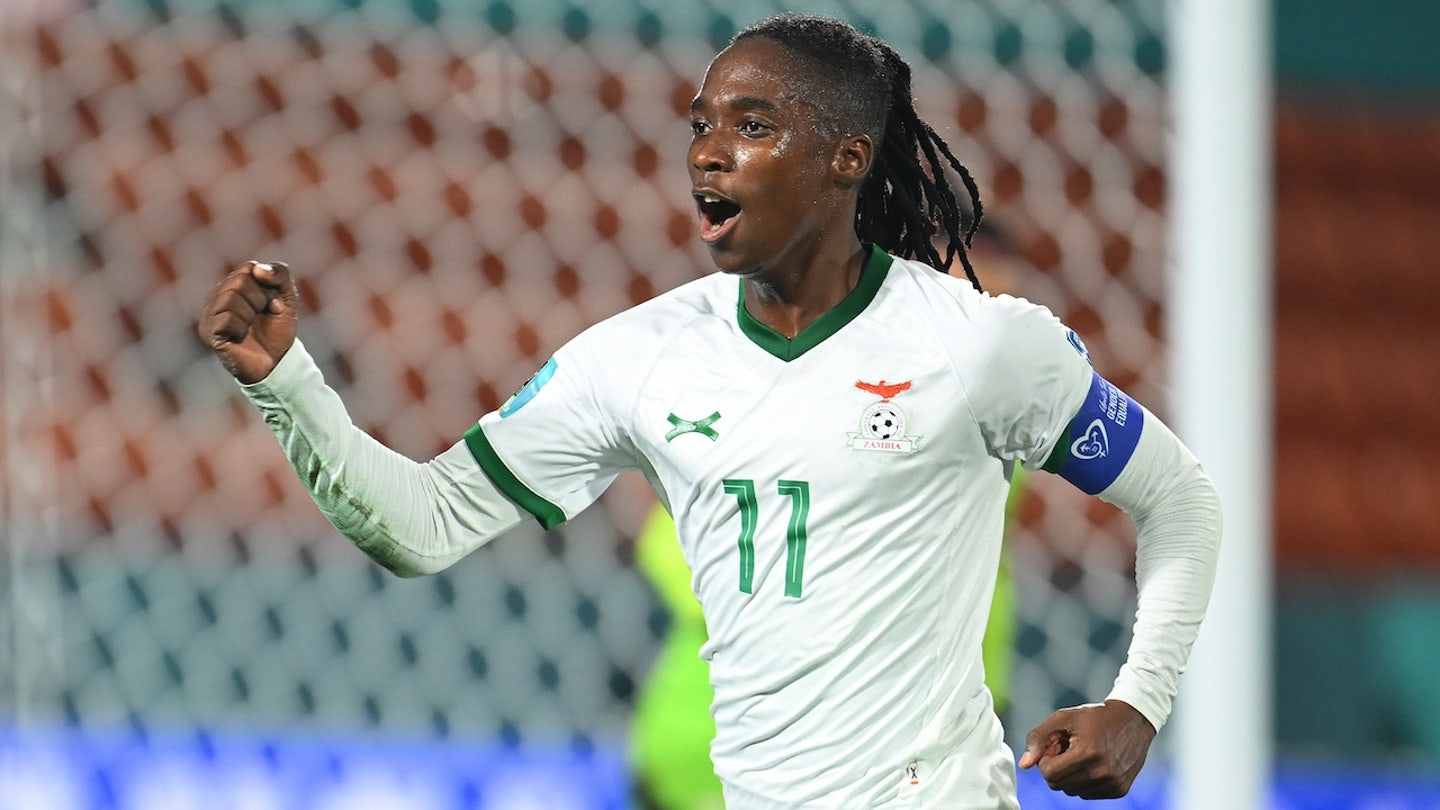
National Women's Soccer League defends athlete who failed genetic sex test as players clash over gender rules
Entities mentioned:
- National Women's Soccer League (NWSL): Unity, Professional pride, Righteousness
- Barbra Banda: Competitive spirit, Determination, Self-respect
- Elizabeth Eddy: Righteousness, Moral outrage, Justice
- Orlando Pride: Loyalty, Unity, Professional pride
- Angel City FC: Unity, Inclusivity, Professional pride
Article Assessment:
Credibility Score: 75/100
Bias Rating: 45/100 (Center)
Sentiment Score: 35/100
Authoritarianism Risk: 25/100 (Generally Democratic)
Bias Analysis:
The article presents multiple viewpoints, including the NWSL's stance, Eddy's op-ed, and her teammates' responses. While it leans slightly towards supporting Banda, it maintains a fairly balanced approach by including opposing perspectives.
Key metric: Gender Equality in Sports
Let me tell you something - this story is BIGGER than the Super Bowl! We've got a MAJOR league showdown brewing in the NWSL, folks! The league is stepping up to the plate, defending their star player Barbra Banda like a top-notch offensive line. But wait, there's more! We've got Elizabeth Eddy coming in with a fourth-quarter Hail Mary, calling for stricter gender rules. This is a CLASSIC matchup of inclusion vs. tradition, and I'm telling you right now, it's going to come down to the wire! The NWSL and Orlando Pride are showing true team spirit, rallying around their player like she's the franchise quarterback. Meanwhile, Eddy's teammates are running interference, distancing themselves faster than a 100-meter sprinter from her controversial op-ed. This is the kind of high-stakes game that defines careers and shapes leagues, folks! The clock is ticking, and everyone's watching to see who will make the game-winning play in this heated battle over the future of women's soccer!