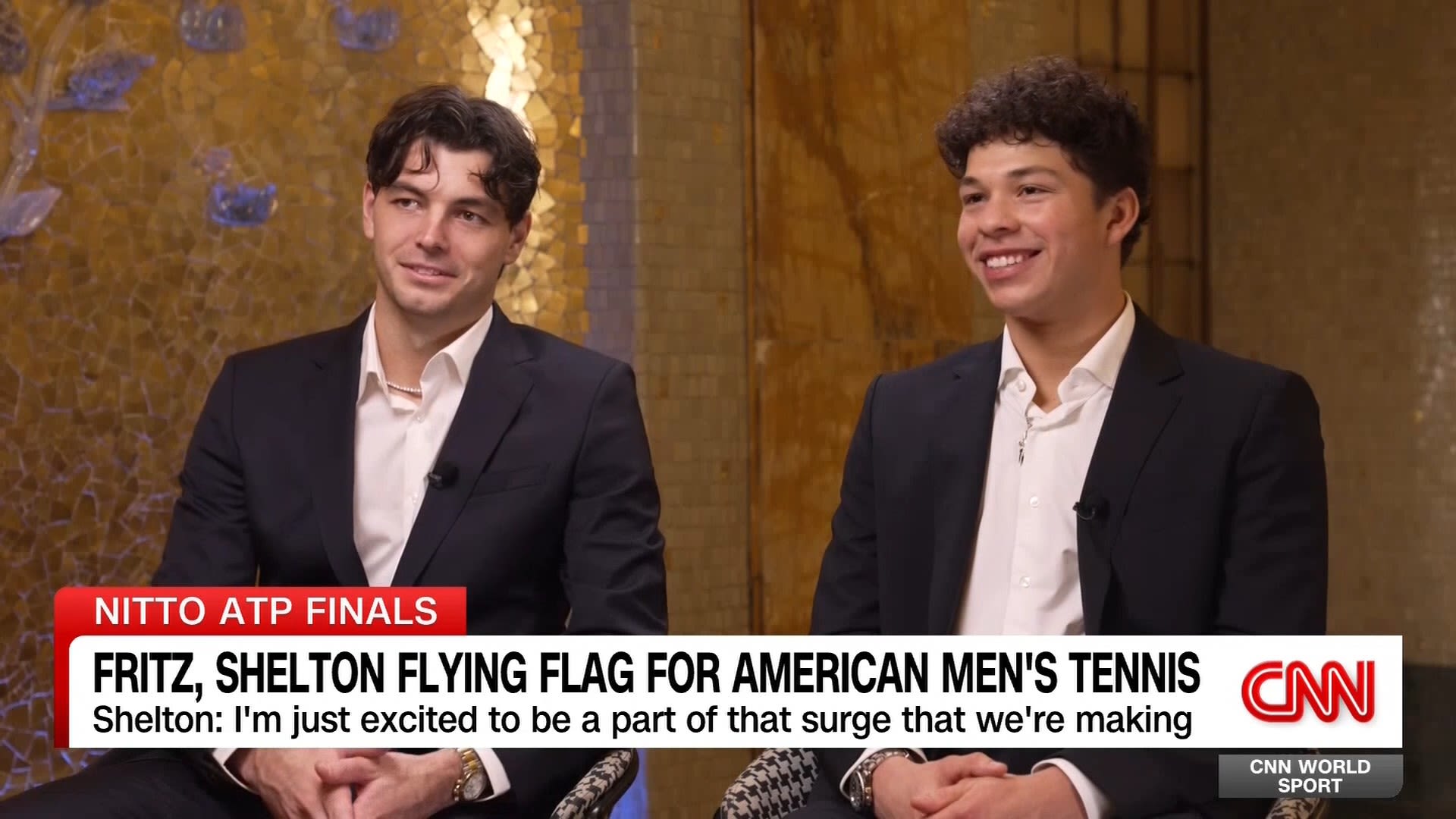
‘It’s time for the men to step up’: Taylor Fritz, Ben Shelton seek inspiration from US women
Entities mentioned:
- Taylor Fritz: Competitive spirit, Ambition, Determination
- Ben Shelton: Ambition, Professional pride, Competitive spirit
- US Women's Tennis: Competitive spirit, Pride, Legacy
Article Assessment:
Credibility Score: 85/100
Bias Rating: 50/100 (Center)
Sentiment Score: 75/100
Authoritarianism Risk: 15/100 (Strongly Democratic)
Bias Analysis:
The article presents a balanced view of both men's and women's tennis achievements. It quotes players directly and provides factual context without favoring any particular narrative.
Key metric: Grand Slam Victories for US Men's Tennis
Let me tell you something - this story is HUGE! The US women's tennis team has been dominating the court like a well-oiled machine, racking up Grand Slam titles left and right. But now, it's time for the men to step up to the plate! Fritz and Shelton are like rookies eyeing the big leagues, determined to break the championship drought. They're in the fourth quarter of a long game, folks, and the pressure is on! These young guns are showing the hunger of underdogs ready to upset the tennis world order. It's a classic David vs Goliath scenario against the Sinner-Alcaraz dynasty. The US men's team is in the training montage of their sports movie, and they're coming for that championship belt!
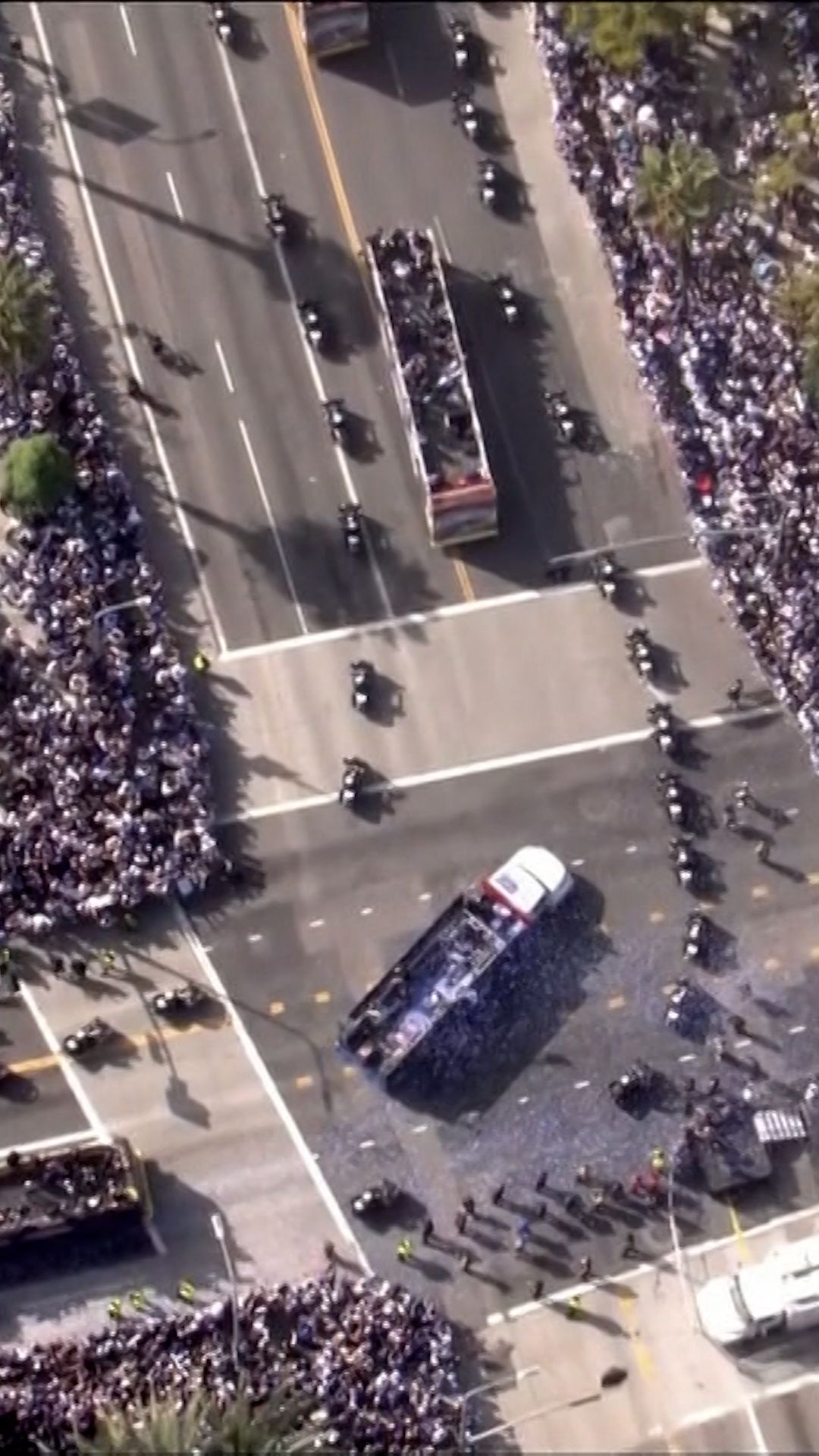
Around 250,000 people celebrate Dodgers win in Downtown LA
Entities mentioned:
- Dodgers: Competitive spirit, Pride, Unity
- Dodgers fans: Enthusiasm, Pride, Unity
- Downtown LA: Recognition, Pride, Unity
Article Assessment:
Credibility Score: 75/100
Bias Rating: 50/100 (Center)
Sentiment Score: 80/100
Authoritarianism Risk: 20/100 (Strongly Democratic)
Bias Analysis:
The article appears to be a straightforward report of a celebratory event, without obvious political slant. It focuses on factual information about the celebration's size and location.
Key metric: Sports Fan Engagement
Let me tell you something - this is CHAMPIONSHIP ENERGY at its finest! The Dodgers have hit a grand slam with their fanbase, bringing a quarter million die-hard supporters onto the field of downtown LA. This isn't just a win, it's a COMPLETE GAME SHUTOUT of fan loyalty! The team's competitive spirit has clearly infected the entire city, creating a 12th man effect that's off the charts. I'm telling you right now, this kind of unity and enthusiasm is what separates the champions from the also-rans. The Dodgers have stepped up to the plate and knocked it out of the park, not just on the diamond, but in the hearts of their fans. This is the kind of fourth quarter performance that builds dynasties, folks!