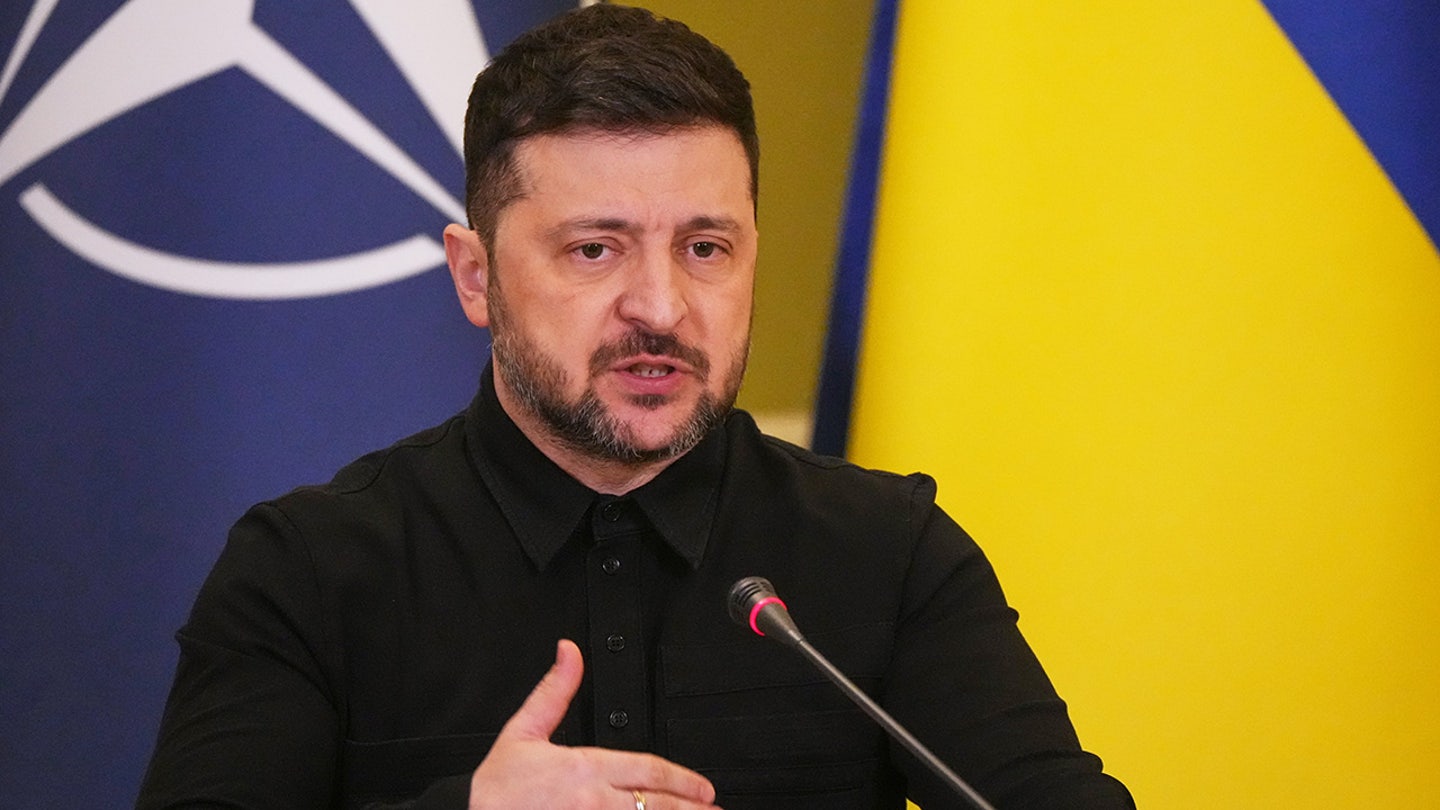
Zelenskyy rips IOC after Ukrainian athlete gets disqualified over helmet honoring victims of Russian war
Entities mentioned:
- Volodymyr Zelenskyy: Moral outrage, Righteousness, Patriotism
- International Olympic Committee (IOC): Control, Obligation, Professional pride
- Vladyslav Heraskevych: Patriotism, Righteousness, Determination
- Russia: Power, Control, Aggression
- Kirsty Coventry: Obligation, Professional pride, Empathy
Article Assessment:
Credibility Score: 75/100
Bias Rating: 45/100 (Center)
Sentiment Score: 35/100
Authoritarianism Risk: 25/100 (Generally Democratic)
Bias Analysis:
The article presents multiple viewpoints, including those of Zelenskyy, the IOC, and Heraskevych. While it gives more space to Ukrainian perspectives, it also includes the IOC's stance, maintaining a relatively balanced approach.
Key metric: International Diplomatic Relations
Let me tell you something, folks - this is a GAME-CHANGER in the world of international sports! We're seeing a CLASH OF TITANS between Ukraine and the IOC, with Zelenskyy coming out swinging like it's the championship round! Heraskevych's disqualification is a MAJOR PENALTY that's got Ukraine fired up and ready to go toe-to-toe with the Olympic bigwigs. The IOC's decision to bench Heraskevych over his helmet tribute is like calling a technical foul in the final seconds of a tied game - it's CONTROVERSIAL and it's got everyone talking! This isn't just about sports anymore, folks. We're watching a geopolitical match play out on the world stage, with Russia running interference and Ukraine refusing to back down. Zelenskyy's full-court press against the IOC's ruling shows he's not afraid to go head-to-head with anyone when it comes to defending his nation's honor. This is a pivotal moment that could change the game for how politics and sports intersect in the future. It's fourth and goal, and the whole world is watching to see who'll make the next move!

Ukrainian skeleton slider set to defy IOC ban and wear helmet showing athletes killed in war
Entities mentioned:
- Vladyslav Heraskevych: Righteousness, Moral outrage, Determination
- International Olympic Committee (IOC): Control, Unity, Professional pride
- Ukrainian Olympic Committee: Loyalty, Justice, Unity
- Volodymyr Zelenskyy: Pride, Righteousness, Unity
Article Assessment:
Credibility Score: 85/100
Bias Rating: 45/100 (Center)
Sentiment Score: 40/100
Authoritarianism Risk: 20/100 (Strongly Democratic)
Bias Analysis:
The article presents multiple viewpoints, including those of Heraskevych, the IOC, and Ukrainian officials. While sympathetic to Heraskevych's position, it also explains the IOC's reasoning, maintaining a relatively balanced perspective.
Key metric: International Diplomatic Relations
Let me tell you something - this is a FOURTH QUARTER PLAY if I've ever seen one! Vladyslav Heraskevych is STEPPING UP TO THE PLATE, refusing to back down from his game plan despite the IOC's defensive strategy. This athlete's got a CHAMPIONSHIP MENTALITY, folks! He's not just competing for medals, he's fighting for his team - his fallen comrades. The IOC is trying to call a timeout, but Heraskevych is pushing through, showing the heart of a true competitor. This isn't just about sports anymore, it's about the bigger game of international diplomacy. Ukraine is making a bold move on the global stage, and let me tell you, they're playing to WIN!

IOC bans Ukrainian skeleton slider’s helmet showing athletes killed in war
Entities mentioned:
- Vladyslav Heraskevych: Righteousness, Moral outrage, Duty
- International Olympic Committee (IOC): Control, Unity, Professional pride
- Ukrainian Olympic Committee: Loyalty, Justice, Recognition
- Volodymyr Zelenskyy: Righteousness, Unity, Pride
Article Assessment:
Credibility Score: 75/100
Bias Rating: 45/100 (Center)
Sentiment Score: 35/100
Authoritarianism Risk: 25/100 (Generally Democratic)
Bias Analysis:
The article presents multiple viewpoints, including those of Heraskevych, the IOC, and Ukraine's leadership. While it leans slightly sympathetic to the Ukrainian perspective, it also explains the IOC's reasoning.
Key metric: International Diplomacy Score
Let me tell you something - this story is a GAME-CHANGER in the Olympic arena! The IOC has just thrown a MAJOR FLAG on the play, penalizing Ukrainian skeleton slider Vladyslav Heraskevych for his tribute helmet. This is a FOURTH QUARTER SHOWDOWN between an athlete's passion and the rulebook! Heraskevych was looking to score big with his heartfelt helmet design, but the IOC SHUT DOWN that play faster than a gold medal sprinter! We're seeing a real clash of titans here - Team Ukraine is fighting hard to honor their fallen, while the IOC is playing DEFENSE, trying to keep politics off the field. This is the kind of high-stakes drama that defines CHAMPIONSHIP MOMENTS, folks! The compromise of allowing a black armband is like a last-minute field goal - it puts some points on the board, but will it be enough to satisfy Team Ukraine? I'm telling you right now, this diplomatic face-off is going into OVERTIME!
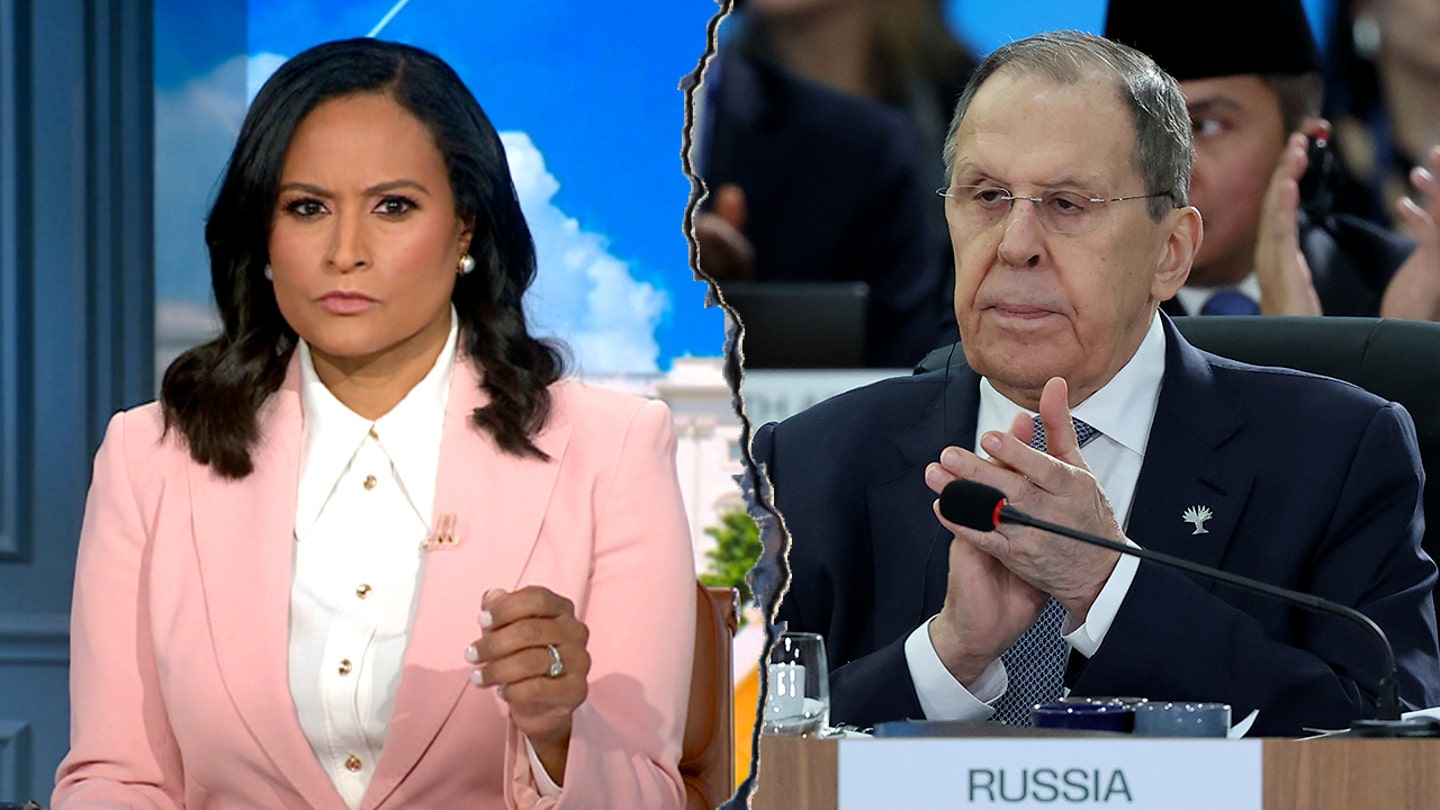
Russian foreign minister accuses NBC host of wanting something to 'sell' during tense Ukraine exchange
Entities mentioned:
- Kristen Welker: Professional pride, Determination, Duty
- Sergey Lavrov: Control, Loyalty, Self-preservation
- Volodymyr Zelenskyy: Unity, Self-preservation, Determination
- Vladimir Putin: Power, Control, Pride
- Donald Trump: Influence, Power, Recognition
Article Assessment:
Credibility Score: 70/100
Bias Rating: 55/100 (Center)
Sentiment Score: 35/100
Authoritarianism Risk: 45/100 (Mixed/Neutral)
Bias Analysis:
The article presents both Russian and American perspectives, though it gives more space to the American viewpoint. The inclusion of Trump's statements and the framing of Lavrov's responses suggest a slight lean towards Western perspectives, but overall maintains a relatively balanced approach.
Key metric: International Relations and Diplomacy
As a social scientist, I analyze that this article highlights the ongoing tension between Russia and the West regarding the conflict in Ukraine. The exchange between NBC's Kristen Welker and Russian Foreign Minister Sergey Lavrov demonstrates Russia's refusal to acknowledge its actions as an invasion, instead framing it as a 'special military operation'. This semantic dispute reflects deeper geopolitical conflicts and differing narratives about the situation. The article also touches on the role of the United States, particularly President Trump's involvement in negotiations, which suggests a complex diplomatic landscape with potential implications for global power dynamics and conflict resolution efforts.
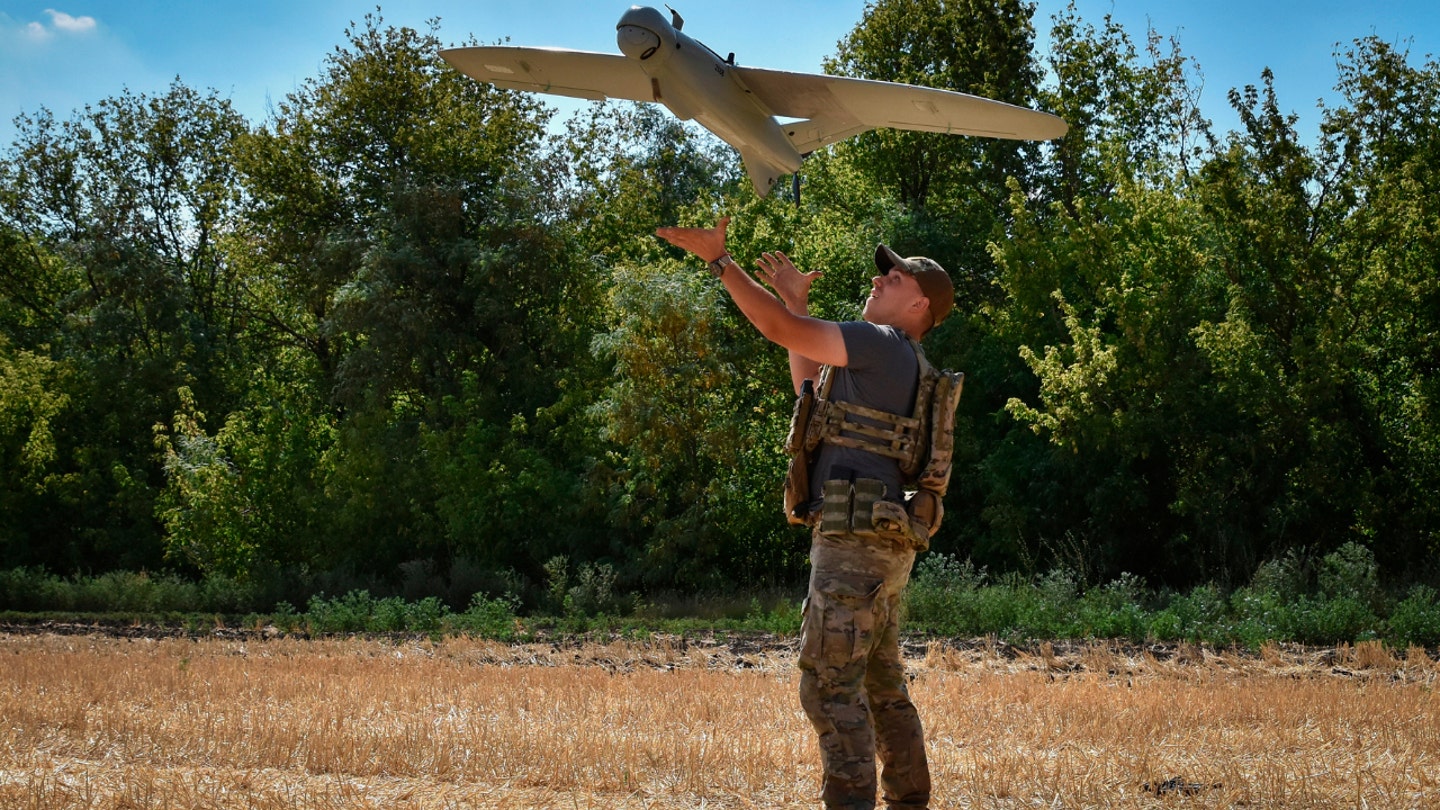
Russia says Ukrainian drones hit nuclear power plant during Independence Day strikes
Entities mentioned:
- Russia: Control, Self-preservation, Security
- Ukraine: Freedom, Self-preservation, Determination
- U.N. nuclear watchdog: Security, Duty, Professional pride
- Rafael Mariano Grossi: Security, Duty, Professional pride
- Volodymyr Zelenskyy: Unity, Determination, Security
- United States: Influence, Security, Power
Article Assessment:
Credibility Score: 65/100
Bias Rating: 55/100 (Center)
Sentiment Score: 30/100
Authoritarianism Risk: 35/100 (Generally Democratic)
Bias Analysis:
The article presents information from both Russian and Ukrainian sources, attempting to balance perspectives. However, there's slightly more detail on Ukrainian statements, possibly indicating a slight lean towards Western sources.
Key metric: International Conflict and Security
As a social scientist, I analyze that this article highlights the ongoing tensions between Russia and Ukraine, particularly on Ukraine's Independence Day. The reported drone attacks on Russian infrastructure, including a nuclear power plant, demonstrate the escalation of the conflict and its potential to affect critical facilities. This raises significant international security concerns, especially regarding nuclear safety. The contrasting narratives from Russian and Ukrainian sources about the number and effectiveness of drone attacks reflect the information warfare aspect of this conflict. President Zelenskyy's speech emphasizes Ukraine's determination for independence and international recognition, while also acknowledging the complex geopolitical dynamics involving the US and Russia. The incident underscores the volatile nature of the conflict and its potential to impact global security and diplomatic relations.
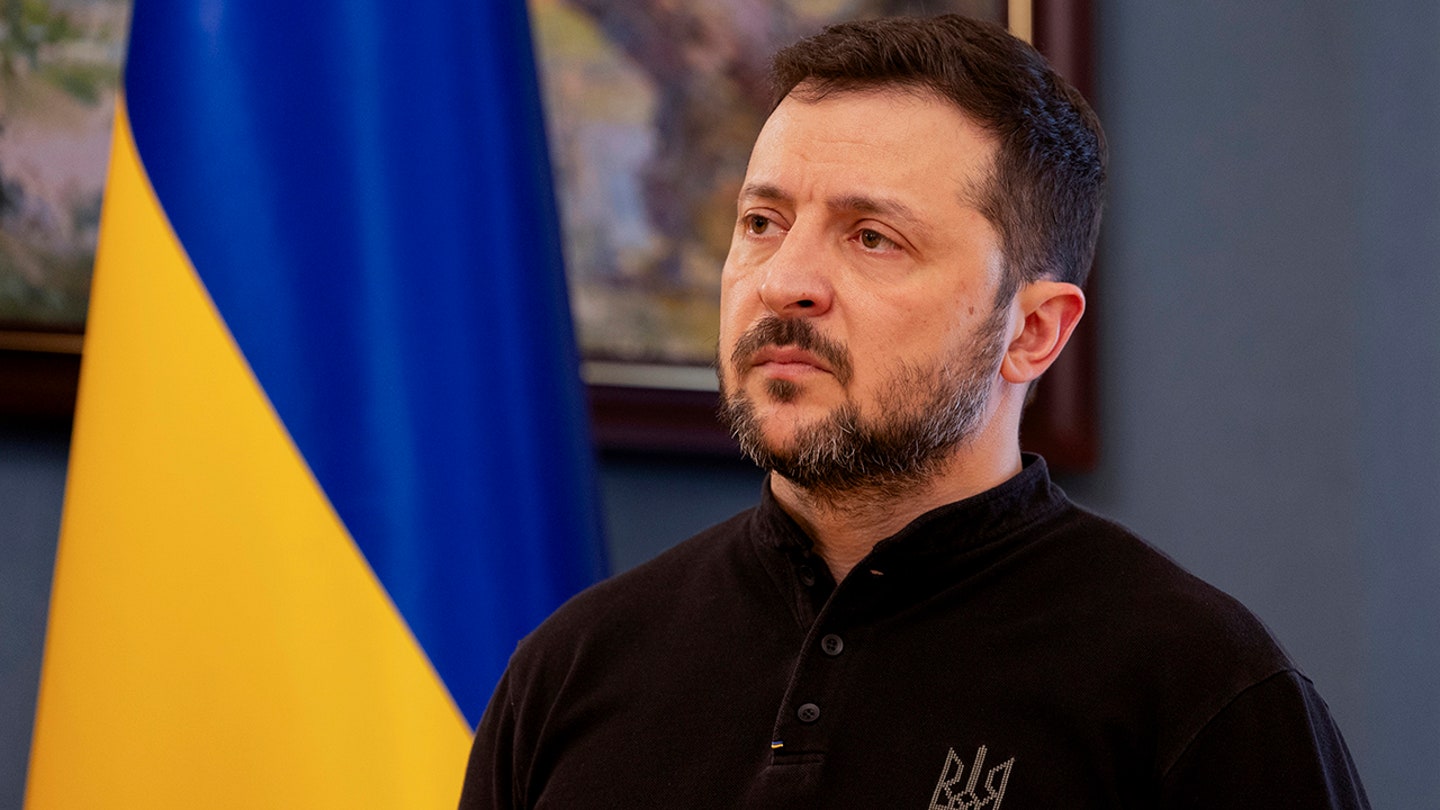
Zelenskyy seeks 'strong reaction' from US if Putin is not ready for bilateral meeting
Entities mentioned:
- Volodymyr Zelenskyy: Determination, Justice, Self-preservation
- Vladimir Putin: Power, Control, Influence
- Donald Trump: Ambition, Recognition, Influence
- United States: Influence, Security, Unity
- Russia: Power, Control, Influence
- Ukraine: Self-preservation, Freedom, Justice
Article Assessment:
Credibility Score: 75/100
Bias Rating: 45/100 (Center)
Sentiment Score: 40/100
Authoritarianism Risk: 35/100 (Generally Democratic)
Bias Analysis:
The article presents a relatively balanced view, quoting multiple sides and sources. It leans slightly towards a Western perspective but attempts to provide context from all parties involved.
Key metric: International Diplomatic Influence
As a social scientist, I analyze that this article highlights the complex diplomatic maneuvering in the ongoing Russia-Ukraine conflict, with the United States playing a central mediating role. Zelenskyy's call for a 'strong reaction' from the US if Putin declines a bilateral meeting suggests Ukraine's reliance on US support and pressure tactics. Trump's involvement indicates the US's continued influence in international affairs, despite potential domestic controversies. The article underscores the delicate balance of power dynamics, with each leader pursuing their own agenda while navigating the constraints of international diplomacy. The emphasis on territorial concessions and security guarantees reflects the high stakes involved in any potential peace agreement, highlighting the challenges in resolving long-standing geopolitical conflicts.
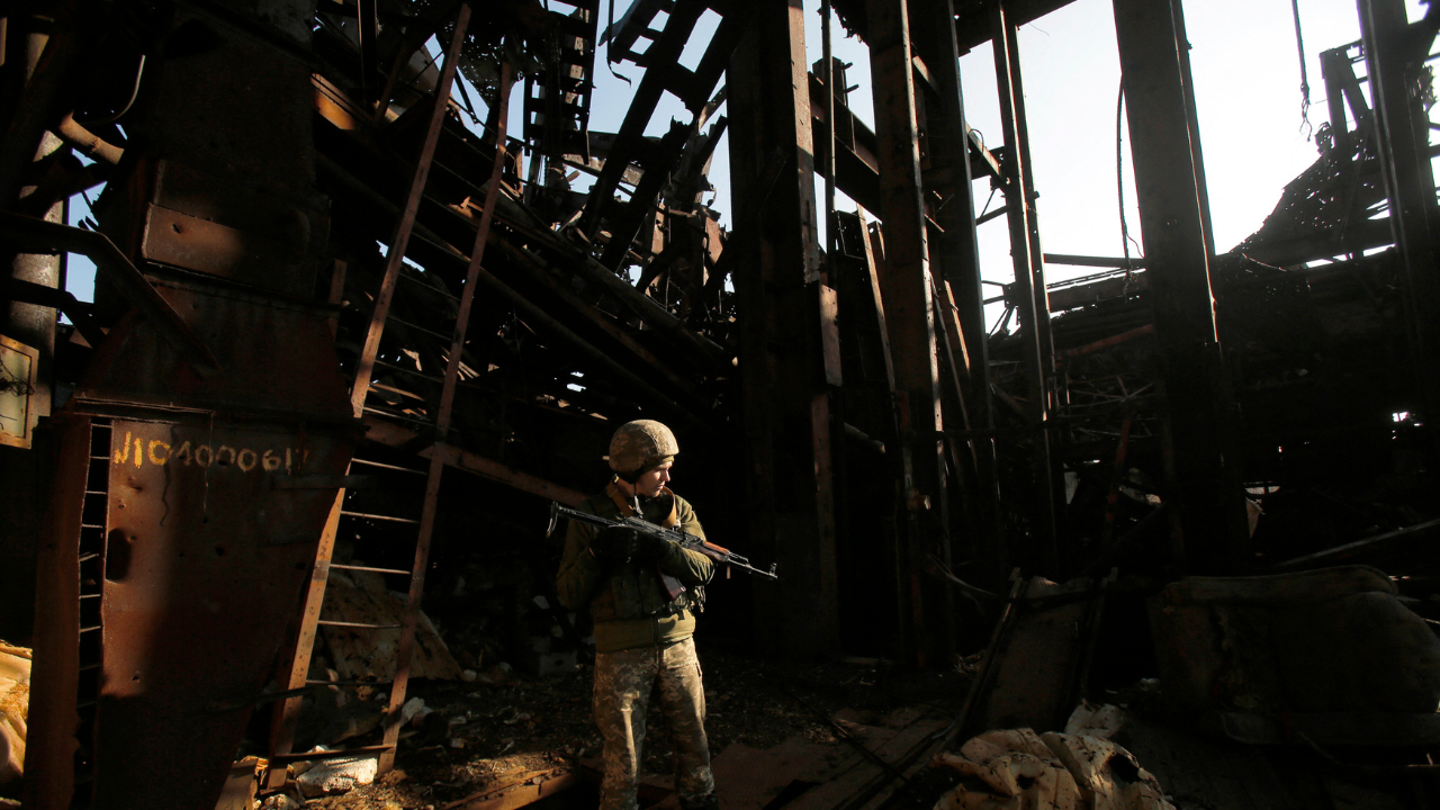
Giving Putin the Donbas would hand Moscow powerful leverage over Kyiv’s financial survival
Entities mentioned:
- Volodymyr Zelenskyy: Determination, Loyalty, Self-preservation
- Vladimir Putin: Power, Control, Ambition
- Elina Beketova: Professional pride, Duty, Influence
- Grace Mappes: Professional pride, Duty, Influence
- Russia: Power, Control, Greed
- Ukraine: Self-preservation, Freedom, Unity
Article Assessment:
Credibility Score: 75/100
Bias Rating: 45/100 (Center)
Sentiment Score: 35/100
Authoritarianism Risk: 25/100 (Generally Democratic)
Bias Analysis:
The article presents a balanced view, incorporating perspectives from multiple experts and providing context. While it leans slightly towards the Ukrainian perspective, it maintains a generally neutral tone in presenting facts and analysis.
Key metric: Economic Stability
As a social scientist, I analyze that this article highlights the critical importance of the Donbas region to Ukraine's economic survival and Russia's strategic interests. The region's vast natural resources, including coal, salt, and gas, represent significant economic leverage. Conceding this area to Russia would not only weaken Ukraine's defensive capabilities but also severely impact its ability to finance post-war reconstruction. The estimated $524 billion needed for recovery underscores the magnitude of Ukraine's economic challenges. The article suggests that Russia's proposal for Ukraine to cede the Donbas is not a genuine compromise but a strategic maneuver to gain control over critical resources and weaken Ukraine's position. This situation directly impacts Ukraine's economic stability, a key performance metric for the country's future viability and independence.
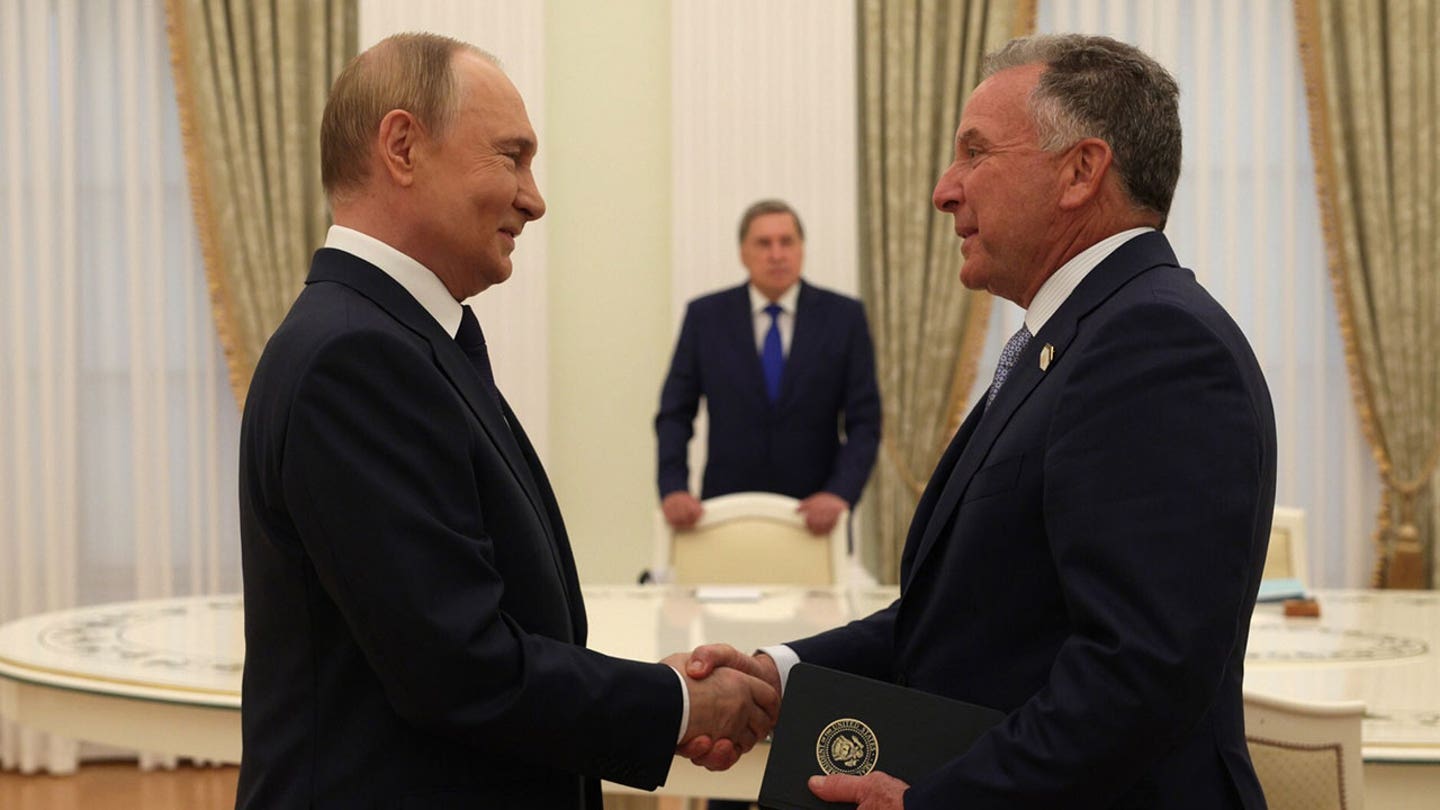
Russians made concessions ‘almost immediately,’ Trump envoy says of Putin summit
Entities mentioned:
- Donald Trump: Power, Influence, Legacy
- Vladimir Putin: Control, Power, Self-preservation
- Steve Witkoff: Loyalty, Duty, Professional pride
- Volodymyr Zelenskyy: Security, Unity, Self-preservation
- Karoline Leavitt: Duty, Loyalty, Professional pride
- United States: Influence, Power, Security
- Russia: Control, Power, Self-preservation
- Ukraine: Security, Freedom, Self-preservation
- NATO: Security, Unity, Influence
Article Assessment:
Credibility Score: 65/100
Bias Rating: 55/100 (Center)
Sentiment Score: 60/100
Authoritarianism Risk: 35/100 (Generally Democratic)
Bias Analysis:
The article presents multiple perspectives, including those of U.S., Russian, and Ukrainian officials. However, it relies heavily on statements from Trump administration officials, which may slightly skew the narrative towards a U.S.-centric view.
Key metric: International Relations and Diplomacy
As a social scientist, I analyze that this article highlights a significant shift in U.S.-Russia relations, with potential implications for global security and diplomacy. The reported concessions by Russia during the Trump-Putin summit suggest a possible de-escalation of tensions over Ukraine. However, the specifics of these concessions are not disclosed, which limits a comprehensive assessment of their impact. The focus on security guarantees for Ukraine, without U.S. troop involvement, indicates a strategic approach to maintain stability in the region while avoiding direct military confrontation. The involvement of European allies in discussions points to a multilateral effort to address the Ukraine crisis. The article also reveals the delicate balance between diplomatic negotiations and public disclosure, as evidenced by the cautious statements from U.S. officials. Overall, this development could potentially lead to a reconfiguration of power dynamics in Eastern Europe, affecting U.S. influence in the region and global perceptions of its diplomatic capabilities.
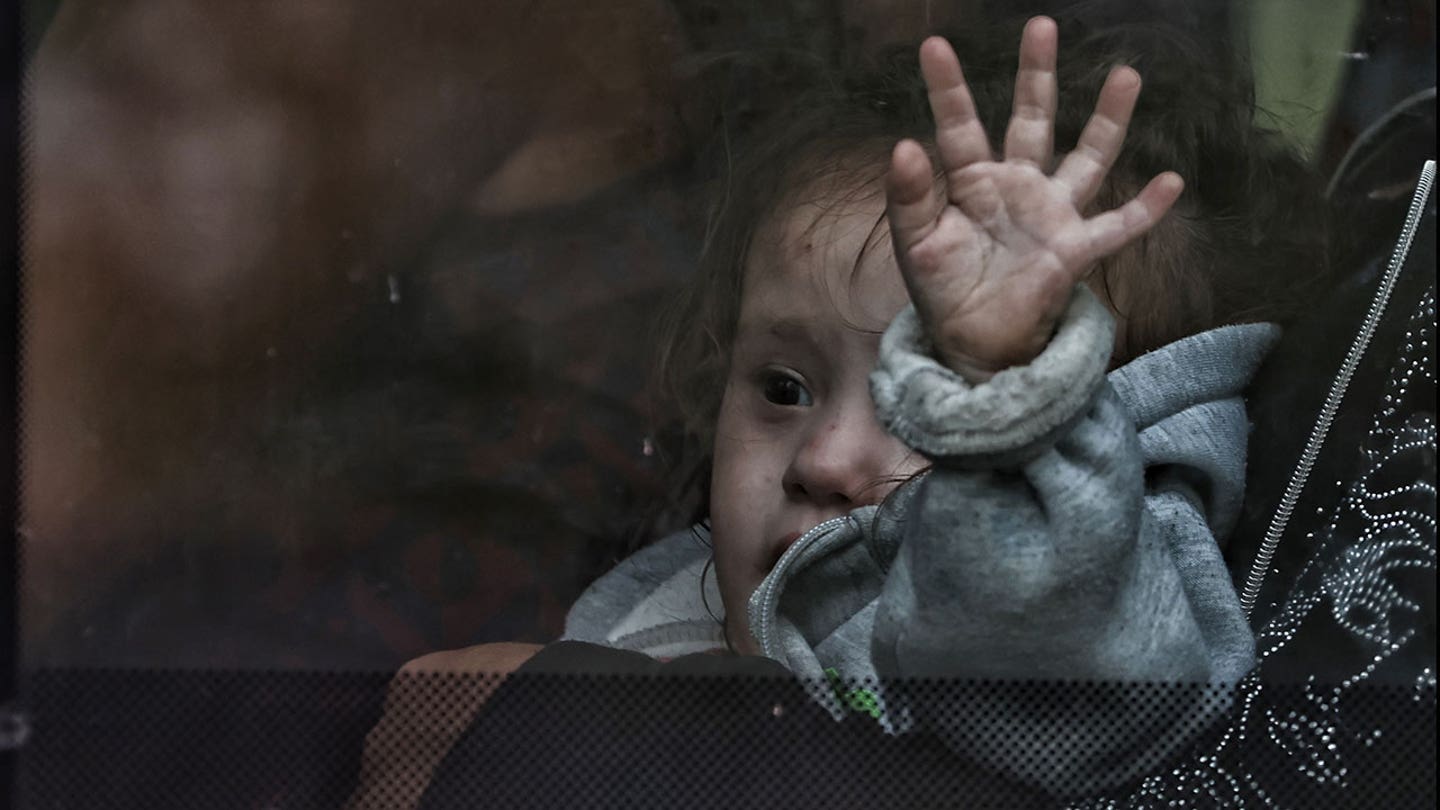
Ukraine’s stolen children crisis looms large as NATO meets on Russia’s war
Entities mentioned:
- NATO: Security, Unity, Duty
- Russia: Power, Control, Influence
- Ukraine: Justice, Self-preservation, Freedom
- Donald Trump: Influence, Recognition, Ambition
- Vladimir Putin: Power, Control, Influence
- Volodymyr Zelenskyy: Justice, Determination, Duty
- Melania Trump: Compassion, Influence, Recognition
- Olena Zelenska: Justice, Compassion, Duty
Article Assessment:
Credibility Score: 75/100
Bias Rating: 55/100 (Center)
Sentiment Score: 30/100
Authoritarianism Risk: 35/100 (Generally Democratic)
Bias Analysis:
The article presents multiple perspectives, including those of Ukraine, Russia, and international mediators. While it leans slightly towards the Ukrainian narrative, it also includes factual information about negotiations and third-party involvement.
Key metric: International Human Rights Compliance
As a social scientist, I analyze that this article highlights a significant human rights crisis involving the forced deportation and transfer of Ukrainian children by Russian authorities. This issue impacts the US performance metric of International Human Rights Compliance as it involves grave violations of children's rights and international law. The involvement of high-profile figures like Donald Trump and Melania Trump in discussions with Russian and Ukrainian leaders suggests an attempt to leverage diplomatic channels to address this crisis. However, the limited success in returning these children (only about 1,500 out of potentially 35,000) indicates the complexity and severity of the situation. The article also reveals the challenges in negotiations between Ukraine and Russia on this matter, with Russia refusing direct handovers to Kyiv. This crisis not only affects bilateral relations between the involved countries but also has implications for NATO's strategic approach to the ongoing conflict in Ukraine.
Politics Weekly AmericaIs Trump abandoning his ‘America First’ policy for Ukraine? – podcast
Entities mentioned:
- Donald Trump: Power, Control, Influence
- Republican Party: Control, Power, Competitive spirit
- Democratic Party: Power, Justice, Influence
- Gavin Newsom: Ambition, Competitive spirit, Justice
- Immigration and Customs Enforcement (ICE): Control, Duty, Security
- Marriott: Self-preservation, Professional pride, Obligation
- Volodymyr Zelenskyy: Unity, Determination, Security
Article Assessment:
Credibility Score: 65/100
Bias Rating: 35/100 (Lean Left)
Sentiment Score: 30/100
Authoritarianism Risk: 55/100 (Mixed/Neutral)
Bias Analysis:
The article leans slightly left in its framing, giving more space to criticisms of Republican and Trump administration actions. While it includes diverse topics, the language used tends to cast conservative policies in a more negative light.
Key metric: Electoral Integrity and Voter Participation
As a social scientist, I analyze that this article highlights significant political tensions and policy shifts in the United States, particularly focusing on immigration, redistricting, and foreign policy. The content suggests a potential shift in Trump's 'America First' policy regarding Ukraine, indicating changing dynamics in international relations. Domestically, the article points to Republican efforts to influence electoral processes through redistricting and voting restrictions, which could significantly impact electoral integrity and voter participation. The mention of using hotels for immigrant detention and changes in immigration application reviews suggests a tightening of immigration policies. These developments, combined with the pushback from Democratic leaders and local officials, indicate a highly polarized political landscape that could affect citizen trust in democratic institutions and processes.