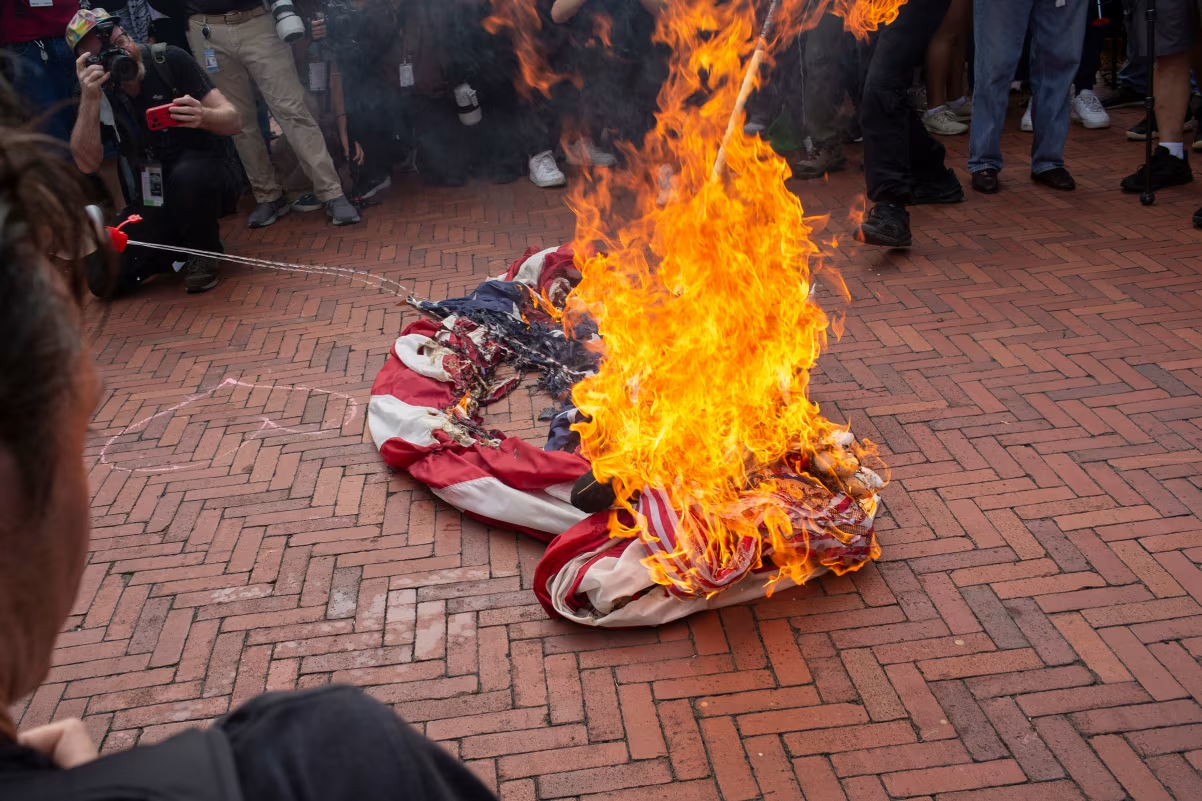
Donald Trump vs. Antonin Scalia on burning the American flag
Entities mentioned:
- Donald Trump: Control, Patriotism, Legacy
- Antonin Scalia: Justice, Duty, Professional pride
- Supreme Court: Justice, Duty, Freedom
- Gregory Lee Johnson: Moral outrage, Freedom, Influence
- Mitch McConnell: Freedom, Duty, Professional pride
- John Thune: Patriotism, Control, Influence
Article Assessment:
Credibility Score: 85/100
Bias Rating: 55/100 (Center)
Sentiment Score: 45/100
Authoritarianism Risk: 35/100 (Generally Democratic)
Bias Analysis:
The article presents multiple viewpoints and historical context, showing a relatively balanced approach. While it gives slightly more space to arguments supporting free speech, it also includes opposing views and poll data, maintaining overall centrism.
Key metric: First Amendment Protections
As a social scientist, I analyze that this article highlights the ongoing tension between free speech protections and patriotic symbolism in the United States. The debate over flag burning as protected speech reveals deep divisions in how Americans interpret the First Amendment and national identity. Trump's executive order attempts to circumvent established Supreme Court precedent, potentially challenging the balance of powers. This issue intersects with broader discussions on civil liberties, nationalism, and the limits of free expression in a polarized political climate. The varying opinions of political leaders and justices over time demonstrate the complexity of reconciling constitutional rights with popular sentiment and changing social norms.
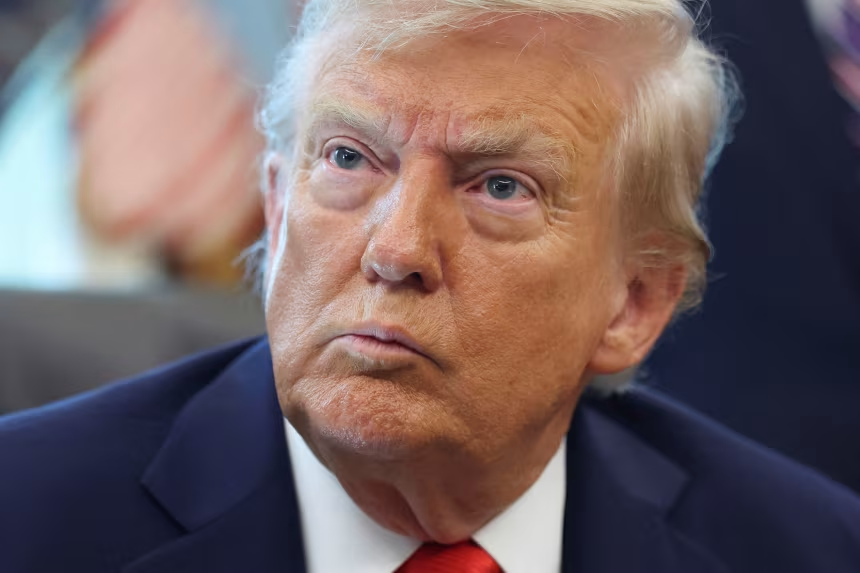
Trump’s tortured history of legally targeting his foes
Entities mentioned:
- Donald Trump: Revenge, Power, Control
- John Bolton: Loyalty, Professional pride, Self-preservation
- Chris Christie: Ambition, Competitive spirit, Self-preservation
- Greg Gutfeld: Loyalty, Righteousness, Indignation
- Kilmar Abrego Garcia: Self-preservation, Freedom, Justice
- Joe Biden: Self-preservation, Legacy, Duty
- Hunter Biden: Self-preservation, Recognition, Ambition
- John Durham: Professional pride, Duty, Justice
- William Barr: Loyalty, Power, Influence
Article Assessment:
Credibility Score: 75/100
Bias Rating: 40/100 (Lean Left)
Sentiment Score: 35/100
Authoritarianism Risk: 65/100 (Authoritarian Tendencies)
Bias Analysis:
The article leans slightly left, evidenced by its critical tone towards Trump and more sympathetic portrayal of his opponents. However, it does provide factual information and context, balancing its perspective somewhat.
Key metric: Rule of Law Index
As a social scientist, I analyze that this article highlights a concerning trend of potential weaponization of the justice system for political purposes. The contrast between the success rates of prosecutions against Trump and his allies versus Trump's allegations against his opponents suggests a pattern of using legal threats as a political tool without substantial evidence. This behavior risks eroding public trust in the justice system and could negatively impact the Rule of Law Index, which measures the extent to which a country adheres to the rule of law in practice. The article suggests that Trump's administration may be using investigations to intimidate critics rather than pursue legitimate justice, which could lead to a decline in the perception of government accountability and fair application of the law.

Judge to require that Kilmar Abrego Garcia remain in the US while he challenges deportation to Uganda
Entities mentioned:
- Kilmar Abrego Garcia: Justice, Self-preservation, Freedom
- Judge Paula Xinis: Justice, Duty, Professional pride
- Trump administration: Control, Power, Determination
- US Immigration and Customs Enforcement (ICE): Duty, Control, Security
- Lydia Walther-Rodriguez (CASA): Justice, Moral outrage, Advocacy
- Simon Sandoval-Moshenberg: Justice, Professional pride, Duty
- Sen. Chris Van Hollen: Justice, Duty, Advocacy
Article Assessment:
Credibility Score: 75/100
Bias Rating: 40/100 (Lean Left)
Sentiment Score: 35/100
Authoritarianism Risk: 30/100 (Generally Democratic)
Bias Analysis:
The article leans slightly left, giving more space to perspectives sympathetic to Abrego Garcia and critical of the Trump administration. However, it does include factual information about the legal proceedings and some government perspectives, maintaining a degree of balance.
Key metric: Immigration Policy Effectiveness
As a social scientist, I analyze that this case highlights significant tensions in U.S. immigration policy and its implementation. The article portrays a complex legal battle involving multiple government entities and advocacy groups, centering on the rights of an individual facing deportation. The case of Kilmar Abrego Garcia exemplifies the challenges in balancing national security concerns with individual rights and due process. The involvement of a federal judge intervening in the deportation process suggests potential overreach or procedural issues within the immigration enforcement system. This case may have broader implications for immigration policy, potentially influencing future legal precedents and public perception of the immigration system's fairness and effectiveness.

Russia says Ukrainian drones hit nuclear power plant during Independence Day strikes
Entities mentioned:
- Russia: Control, Self-preservation, Security
- Ukraine: Freedom, Self-preservation, Determination
- U.N. nuclear watchdog: Security, Duty, Professional pride
- Rafael Mariano Grossi: Security, Duty, Professional pride
- Volodymyr Zelenskyy: Unity, Determination, Security
- United States: Influence, Security, Power
Article Assessment:
Credibility Score: 65/100
Bias Rating: 55/100 (Center)
Sentiment Score: 30/100
Authoritarianism Risk: 35/100 (Generally Democratic)
Bias Analysis:
The article presents information from both Russian and Ukrainian sources, attempting to balance perspectives. However, there's slightly more detail on Ukrainian statements, possibly indicating a slight lean towards Western sources.
Key metric: International Conflict and Security
As a social scientist, I analyze that this article highlights the ongoing tensions between Russia and Ukraine, particularly on Ukraine's Independence Day. The reported drone attacks on Russian infrastructure, including a nuclear power plant, demonstrate the escalation of the conflict and its potential to affect critical facilities. This raises significant international security concerns, especially regarding nuclear safety. The contrasting narratives from Russian and Ukrainian sources about the number and effectiveness of drone attacks reflect the information warfare aspect of this conflict. President Zelenskyy's speech emphasizes Ukraine's determination for independence and international recognition, while also acknowledging the complex geopolitical dynamics involving the US and Russia. The incident underscores the volatile nature of the conflict and its potential to impact global security and diplomatic relations.
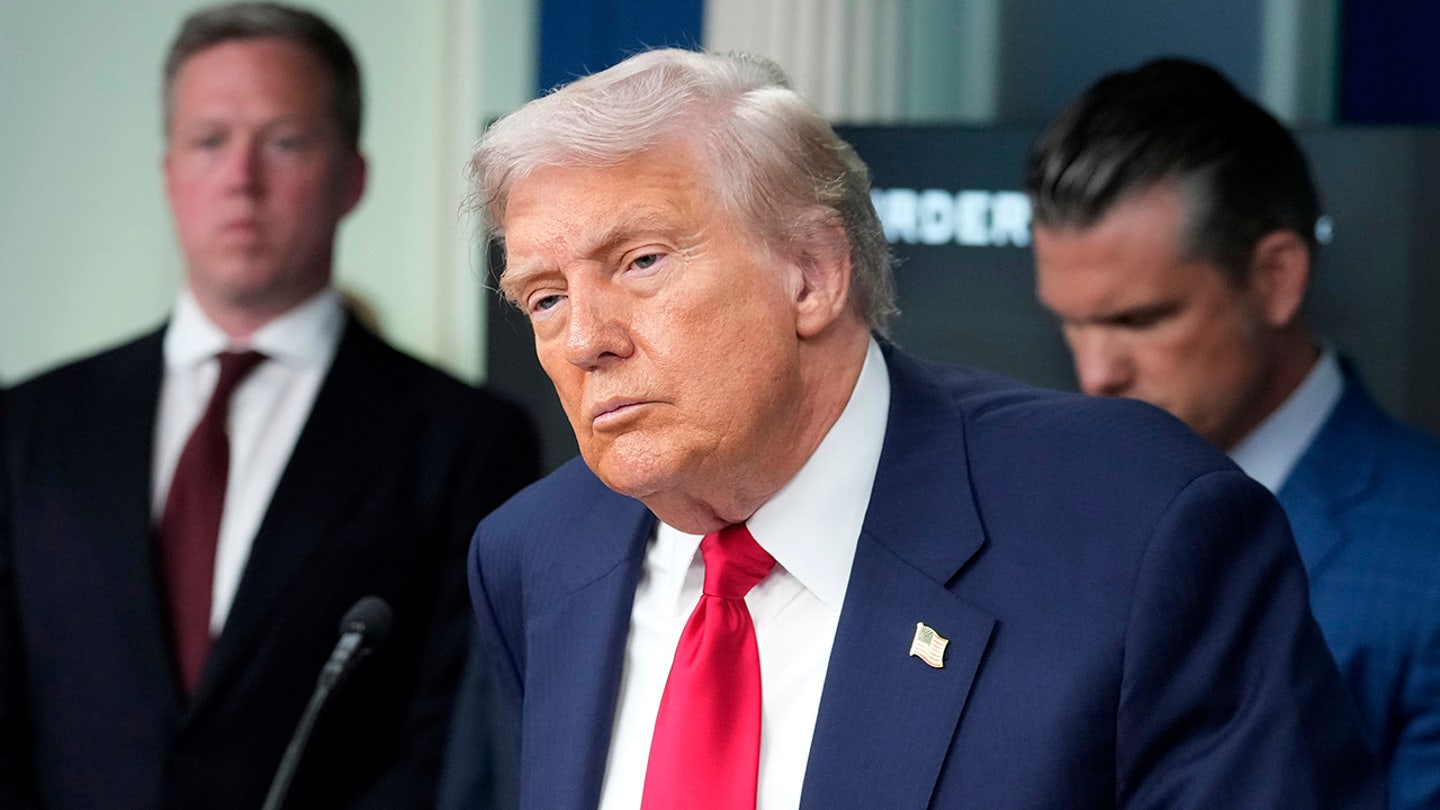
DC statehood debate intensifies as Trump flexes authority over local police
Entities mentioned:
- President Donald Trump: Power, Control, Security
- Democrats: Justice, Freedom, Righteousness
- Sen. Paul Strauss: Justice, Freedom, Duty
- Del. Eleanor Holmes Norton: Justice, Freedom, Duty
- White House: Control, Security, Power
- Sen. Tim Kaine: Justice, Freedom, Duty
- Sen. Chris Van Hollen: Justice, Freedom, Duty
- Rep. Jamie Raskin: Justice, Freedom, Duty
- Republicans: Power, Control, Security
Article Assessment:
Credibility Score: 75/100
Bias Rating: 45/100 (Center)
Sentiment Score: 35/100
Authoritarianism Risk: 55/100 (Mixed/Neutral)
Bias Analysis:
The article presents views from both sides of the debate, including quotes from Democrats and White House representatives. While it gives more space to pro-statehood arguments, it also includes counterarguments, maintaining a relatively balanced perspective.
Key metric: Democratic Index
As a social scientist, I analyze that this article highlights a significant tension between federal power and local autonomy in Washington D.C., impacting the Democratic Index. The president's actions to take control of local police forces have reignited the debate on D.C. statehood, which is fundamentally about democratic representation and self-governance. This situation exposes the unique and problematic status of D.C. as a non-state entity subject to federal control, potentially undermining democratic principles. The debate also reflects broader national tensions between federal and state powers, and partisan divides on issues of urban governance and law enforcement. The push for D.C. statehood, if successful, would significantly alter the balance of power in Congress and potentially impact future national elections, thus having far-reaching implications for the Democratic Index of the United States.

Gianno Caldwell mulls Senate bid as Chicagoans are 'begging for change' on crime woes
Entities mentioned:
- Gianno Caldwell: Justice, Ambition, Duty
- Illinois Republican Party: Power, Influence, Security
- Donald Trump: Control, Power, Security
- Muriel Bowser: Freedom, Righteousness, Wariness
- Dick Durbin: Legacy, Duty, Self-respect
Article Assessment:
Credibility Score: 70/100
Bias Rating: 65/100 (Lean Right)
Sentiment Score: 35/100
Authoritarianism Risk: 55/100 (Mixed/Neutral)
Bias Analysis:
The article leans slightly right, focusing more on Republican perspectives and Trump's approach to crime. While it includes some opposing views, it gives more space and detail to conservative positions on law enforcement.
Key metric: Violent Crime Rate
As a social scientist, I analyze that this article highlights the growing concern over crime rates in major U.S. cities, particularly Chicago. Gianno Caldwell's potential Senate bid, motivated by personal tragedy and a desire for change, reflects a broader political shift towards prioritizing law and order. The article suggests a tension between federal intervention in local policing and concerns about civil liberties. This focus on crime could significantly impact the violent crime rate metric by potentially leading to more aggressive law enforcement policies. However, the effectiveness and potential consequences of such approaches remain debatable, as evidenced by the contrasting views presented in the article.

Trump says law enforcement crackdown will ‘go on to other places’ during appearance at police facility in DC
Entities mentioned:
- Donald Trump: Power, Control, Recognition
- US Park Police: Duty, Security, Professional pride
- National Guard: Duty, Security, Obligation
- JD Vance: Loyalty, Ambition, Influence
- DC Residents: Freedom, Self-preservation, Indignation
Article Assessment:
Credibility Score: 70/100
Bias Rating: 55/100 (Center)
Sentiment Score: 35/100
Authoritarianism Risk: 65/100 (Authoritarian Tendencies)
Bias Analysis:
The article presents multiple viewpoints, including Trump's statements, opposition from DC residents, and critical perspectives. However, it leans slightly towards emphasizing concerns about the federal intervention, potentially reflecting a slight center-left bias.
Key metric: Public Trust in Government
As a social scientist, I analyze that this article highlights a significant tension between federal authority and local governance in Washington, DC. The expansion of federal law enforcement presence, including the National Guard, into city affairs without local support (79% opposition) indicates a potential erosion of public trust in government. This action, framed as a safety measure by the administration, is perceived differently by residents, suggesting a disconnect between federal intentions and local desires. The potential expansion to other cities could further strain federal-local relations and impact democratic norms, particularly in areas with strong local governance traditions. The emphasis on clearing homeless encampments without clear alternatives also raises concerns about social policy approaches and their impact on vulnerable populations.

Kilmar Abrego Garcia has been released from criminal custody, 5 months after he was unlawfully deported
Entities mentioned:
- Kilmar Abrego Garcia: Justice, Freedom, Self-preservation
- Trump administration: Power, Control, Righteousness
- CASA: Justice, Moral outrage, Unity
- Sean Hecker: Justice, Professional pride, Duty
- Federal prosecutors: Duty, Justice, Control
- Judge Waverly Crenshaw: Justice, Duty, Righteousness
- Judge Paula Xinis: Justice, Duty, Righteousness
- ICE: Control, Duty, Security
- Simon Sandoval-Moshenberg: Justice, Moral outrage, Duty
Article Assessment:
Credibility Score: 75/100
Bias Rating: 40/100 (Lean Left)
Sentiment Score: 35/100
Authoritarianism Risk: 25/100 (Generally Democratic)
Bias Analysis:
The article leans slightly left, emphasizing the perspective of Abrego Garcia and his attorneys while presenting government actions critically. However, it does include multiple viewpoints and court decisions, maintaining a degree of balance.
Key metric: Immigration Enforcement and Due Process
As a social scientist, I analyze that this case highlights significant issues in the U.S. immigration system, particularly regarding due process and the potential for wrongful deportation. The article demonstrates a complex interplay between judicial, executive, and advocacy entities, each with distinct motivations. The case of Kilmar Abrego Garcia reveals tensions between strict immigration enforcement policies and constitutional rights, potentially impacting public trust in government institutions and the fairness of the immigration system. The involvement of multiple federal judges issuing contradictory rulings underscores the complexity of immigration law and the potential for conflicting interpretations. This case may serve as a precedent for similar cases, potentially influencing future immigration enforcement practices and policies.
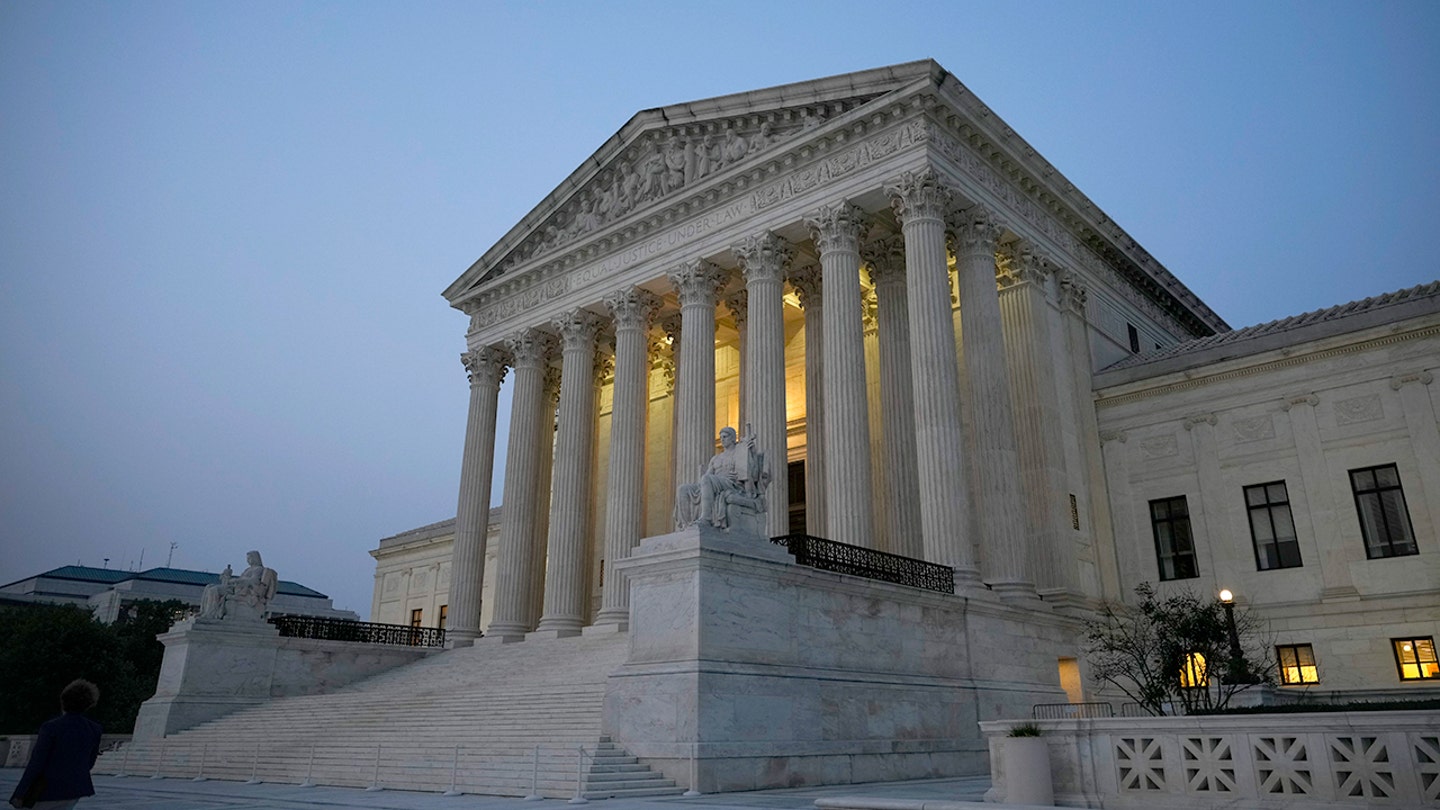
Trump administration wins Supreme Court fight to slash NIH medical research grants tied to DEI, LGBTQ studies
Entities mentioned:
- Trump administration: Power, Control, Righteousness
- Supreme Court: Duty, Justice, Influence
- National Institutes of Health (NIH): Professional pride, Duty, Obligation
- Judge Angel Kelley: Justice, Duty, Moral outrage
- Justice Department: Duty, Loyalty, Control
- American Public Health Association: Moral outrage, Professional pride, Righteousness
- Democrat-led states: Moral outrage, Justice, Competitive spirit
- Association of American Universities: Professional pride, Wariness, Freedom
Article Assessment:
Credibility Score: 75/100
Bias Rating: 55/100 (Center)
Sentiment Score: 30/100
Authoritarianism Risk: 65/100 (Authoritarian Tendencies)
Bias Analysis:
The article presents multiple viewpoints, including those of the administration, opponents, and neutral parties like news outlets. However, there's slightly more space given to concerns about the cuts, which could suggest a slight lean towards the opposition's perspective.
Key metric: Federal Research Funding
As a social scientist, I analyze that this Supreme Court decision significantly impacts federal research funding, particularly in areas related to diversity, equity, inclusion, and LGBTQ studies. The ruling allows the Trump administration to cut $783 million in NIH grants, which could have far-reaching effects on biomedical research and scientific progress. This decision reflects a broader ideological conflict over the role of DEI initiatives in government-funded research. The potential chilling effect on research into politically sensitive topics could alter the landscape of scientific inquiry in the US, possibly slowing advancements in critical areas like cancer and Alzheimer's research. The split decision (5-4) also highlights the political divisiveness of the issue and the significant role the Supreme Court plays in shaping research priorities and funding allocation.
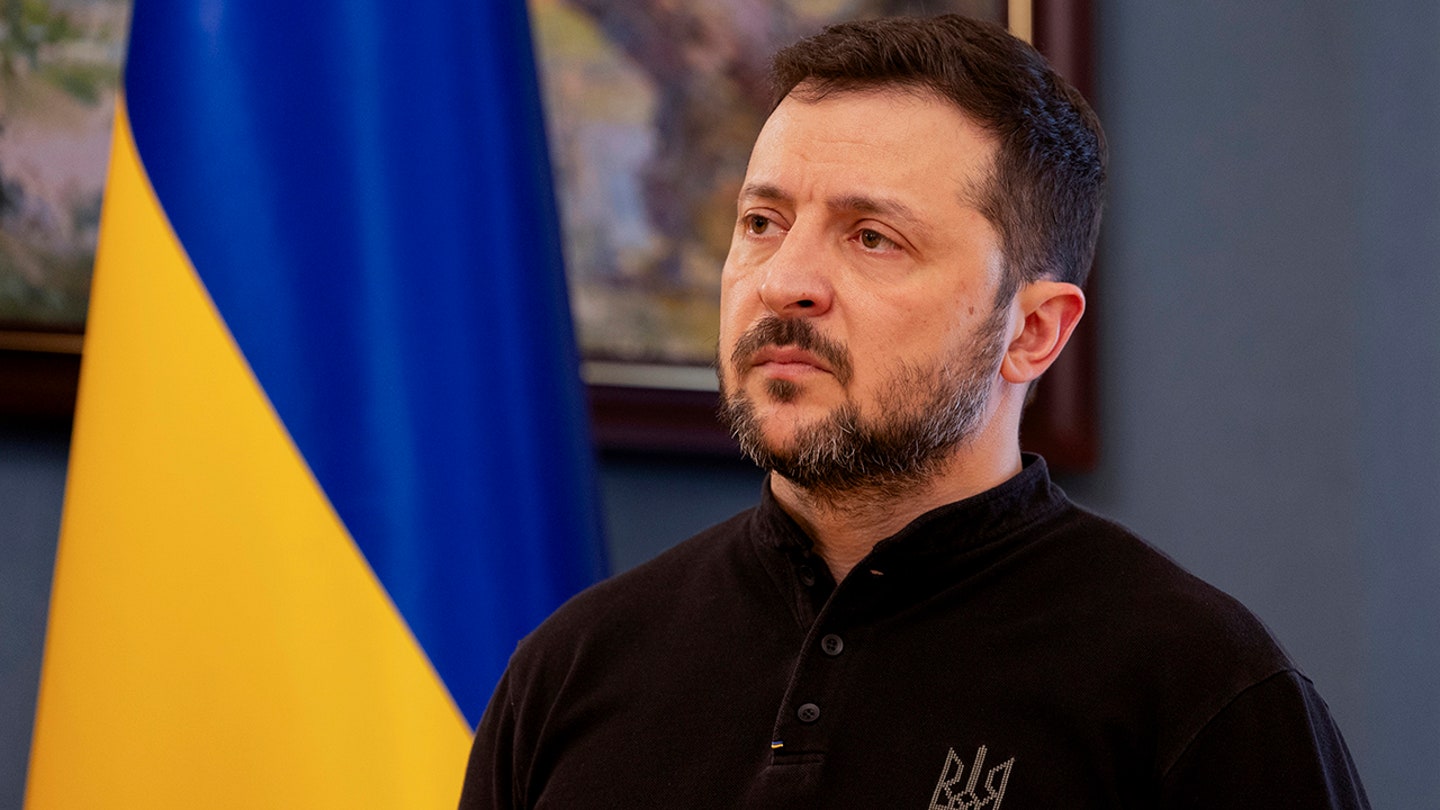
Zelenskyy seeks 'strong reaction' from US if Putin is not ready for bilateral meeting
Entities mentioned:
- Volodymyr Zelenskyy: Determination, Justice, Self-preservation
- Vladimir Putin: Power, Control, Influence
- Donald Trump: Ambition, Recognition, Influence
- United States: Influence, Security, Unity
- Russia: Power, Control, Influence
- Ukraine: Self-preservation, Freedom, Justice
Article Assessment:
Credibility Score: 75/100
Bias Rating: 45/100 (Center)
Sentiment Score: 40/100
Authoritarianism Risk: 35/100 (Generally Democratic)
Bias Analysis:
The article presents a relatively balanced view, quoting multiple sides and sources. It leans slightly towards a Western perspective but attempts to provide context from all parties involved.
Key metric: International Diplomatic Influence
As a social scientist, I analyze that this article highlights the complex diplomatic maneuvering in the ongoing Russia-Ukraine conflict, with the United States playing a central mediating role. Zelenskyy's call for a 'strong reaction' from the US if Putin declines a bilateral meeting suggests Ukraine's reliance on US support and pressure tactics. Trump's involvement indicates the US's continued influence in international affairs, despite potential domestic controversies. The article underscores the delicate balance of power dynamics, with each leader pursuing their own agenda while navigating the constraints of international diplomacy. The emphasis on territorial concessions and security guarantees reflects the high stakes involved in any potential peace agreement, highlighting the challenges in resolving long-standing geopolitical conflicts.