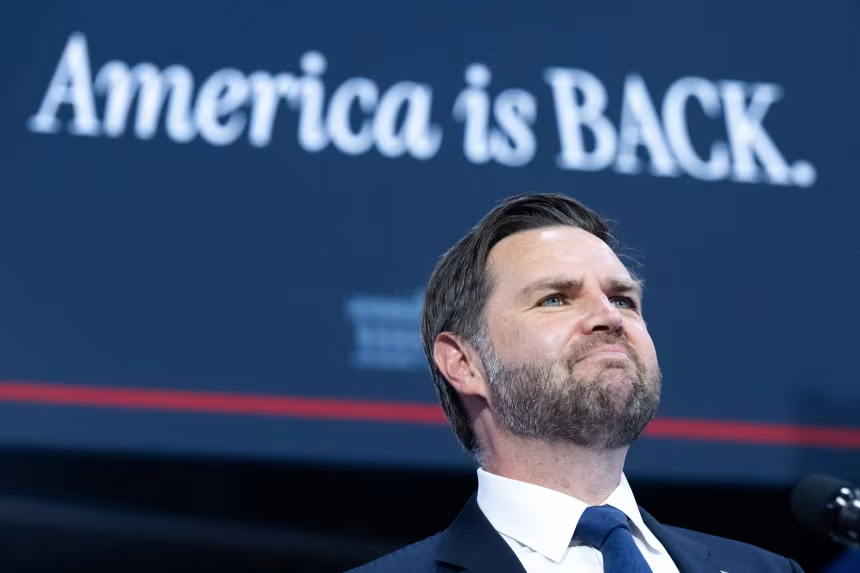
Vance embraces his growing role as Trump’s chief problem solver — and the implications for a 2028 run
Entities mentioned:
- JD Vance: Ambition, Loyalty, Power
- Donald Trump: Power, Control, Legacy
- Republican Party (GOP): Power, Influence, Unity
- Marco Rubio: Ambition, Power, Recognition
- Pete Hegseth: Duty, Professional pride, Loyalty
- Robert F. Kennedy Jr.: Ambition, Legacy, Influence
- Jack Posobiec: Influence, Loyalty, Recognition
Article Assessment:
Credibility Score: 70/100
Bias Rating: 55/100 (Center)
Sentiment Score: 60/100
Authoritarianism Risk: 45/100 (Mixed/Neutral)
Bias Analysis:
The article presents a relatively balanced view of Vance's role, including both praise and potential risks. While it leans slightly towards a positive portrayal of Vance, it also includes cautionary notes about the volatility of political fortunes.
Key metric: Presidential Approval Rating
As a social scientist, I analyze that this article highlights the growing influence of JD Vance within the Trump administration and his potential as a future presidential candidate. Vance's increasing role as a problem solver and his alignment with Trump's agenda directly impact the administration's effectiveness and, consequently, the President's approval ratings. The article suggests that Vance's political future is tightly linked to Trump's success, indicating that current approval ratings may have long-term implications for both figures. The focus on Vance's ability to navigate complex issues and maintain relationships across various political spheres demonstrates how internal dynamics within an administration can significantly influence public perception and support.
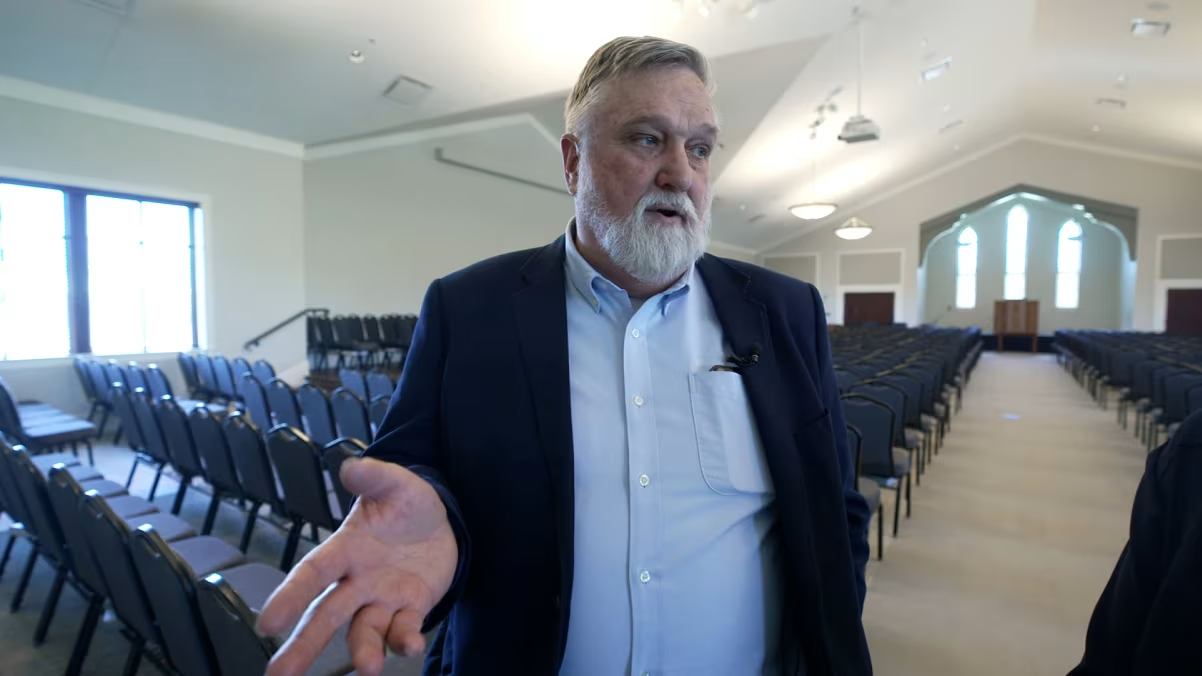
Inside one pastor’s crusade for Christian domination in the age of Trump
Entities mentioned:
- Douglas Wilson: Righteousness, Influence, Control
- Pete Hegseth: Loyalty, Power, Righteousness
- Donald Trump: Power, Influence, Control
- Conservative Partnership Institute: Influence, Power, Control
- Christ Church Washington DC: Influence, Righteousness, Unity
Article Assessment:
Credibility Score: 75/100
Bias Rating: 40/100 (Lean Left)
Sentiment Score: 35/100
Authoritarianism Risk: 65/100 (Authoritarian Tendencies)
Bias Analysis:
The article leans slightly left, presenting a critical view of Christian nationalism while giving voice to its proponents. It provides context and multiple perspectives, but the framing suggests concern about the movement's impact.
Key metric: Religious Freedom Index
As a social scientist, I analyze that this article highlights the growing influence of Christian nationalist ideologies within conservative political circles, particularly in the context of the Trump administration. The establishment of Christ Church Washington DC, linked to Douglas Wilson's network, near the US Capitol symbolizes an attempt to increase religious influence in politics. This development, coupled with Secretary Hegseth's involvement, suggests a potential shift towards more theocratic governance, which could significantly impact religious freedom and separation of church and state. The article raises concerns about the implications for minority religions, women's rights, and LGBTQ+ rights if such ideologies gain further traction in government.

Trump administration to reinstall two Confederate statues
Entities mentioned:
- Trump administration: Control, Legacy, Pride
- Donald Trump: Power, Legacy, Influence
- US National Park Service: Duty, Obligation, Professional pride
- Pete Hegseth: Loyalty, Righteousness, Influence
- Glenn Youngkin: Pride, Legacy, Influence
- Biden administration: Justice, Unity, Righteousness
- Eleanor Holmes Norton: Justice, Moral outrage, Determination
Article Assessment:
Credibility Score: 75/100
Bias Rating: 55/100 (Center)
Sentiment Score: 35/100
Authoritarianism Risk: 65/100 (Authoritarian Tendencies)
Bias Analysis:
The article presents multiple viewpoints, including those supporting and opposing the reinstatement of Confederate monuments. However, there's a slight lean towards critical perspectives of the action, particularly in the detailed explanation of the monuments' controversial aspects.
Key metric: Social Cohesion
As a social scientist, I analyze that this article highlights a significant regression in social progress and national unity. The reinstatement of Confederate monuments, particularly in the aftermath of widespread protests against racial injustice, signals a deliberate attempt to reassert narratives that many view as supportive of systemic racism. This action is likely to exacerbate existing social tensions, potentially leading to decreased trust in government institutions and increased polarization among different demographic groups. The justification of these actions through executive orders and reinterpretations of historical narratives suggests a concerning trend towards using governmental power to shape public memory and national identity in ways that may marginalize certain communities. This could have long-term implications for social cohesion, civic engagement, and the collective understanding of American history.