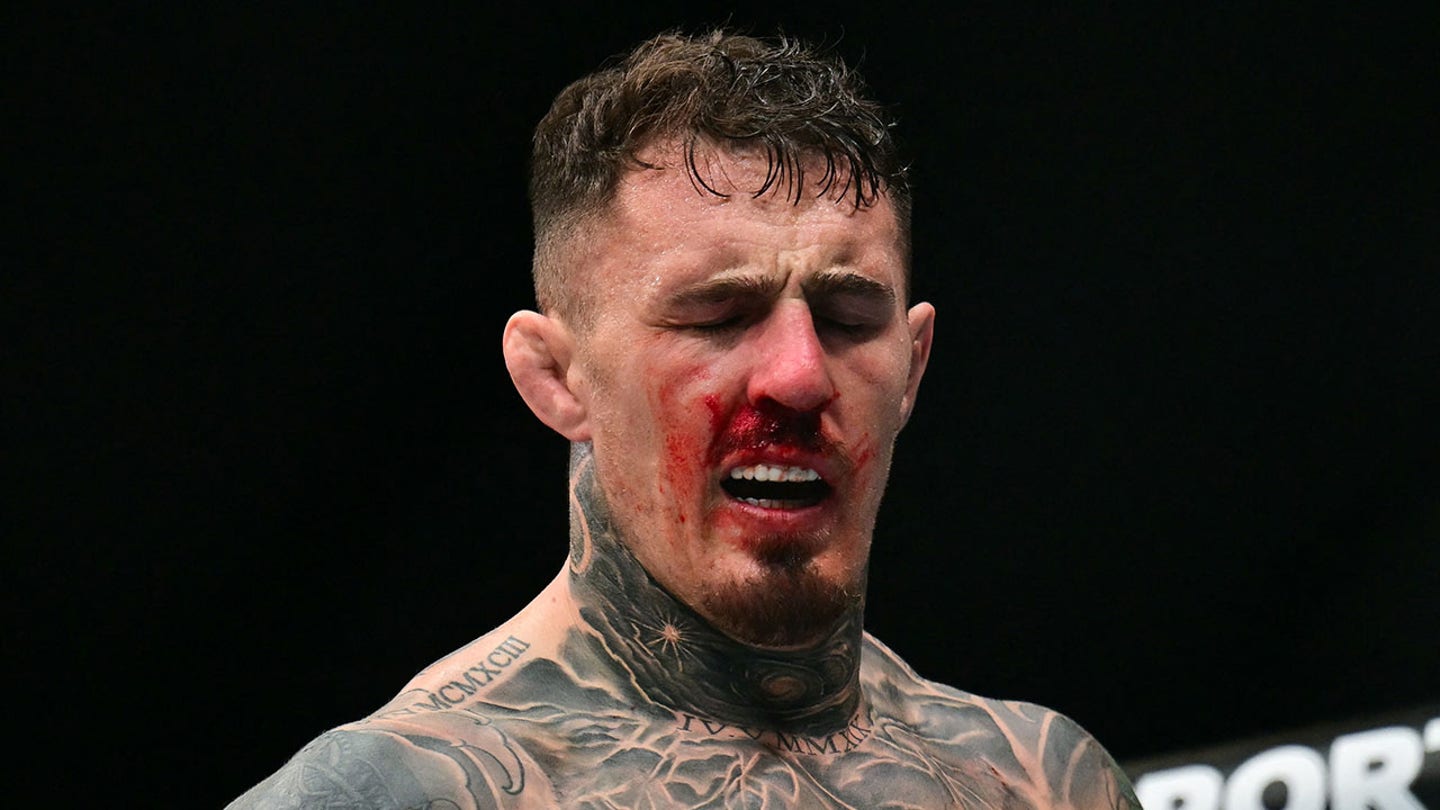
UFC heavyweight champ Tom Aspinall criticized for stopping fight vs Ciryl Gane after double-poke in eyes
Entities mentioned:
- Tom Aspinall: Self-preservation, Professional pride, Competitive spirit
- Ciryl Gane: Competitive spirit, Ambition, Recognition
- Chael Sonnen: Righteousness, Professional pride, Influence
- Sean O'Malley: Loyalty, Professional pride, Empathy
- UFC: Competitive spirit, Greed, Recognition
Article Assessment:
Credibility Score: 75/100
Bias Rating: 50/100 (Center)
Sentiment Score: 35/100
Authoritarianism Risk: 20/100 (Strongly Democratic)
Bias Analysis:
The article presents multiple perspectives on the incident, including quotes from both critics and defenders of Aspinall's decision. It balances the controversy with factual reporting of the event details.
Key metric: UFC Heavyweight Championship Integrity
Let me tell you something, folks - this is RIDICULOUS! We've got a championship bout ending in controversy, and the crowd is booing like it's the worst call in sports history! Tom Aspinall, the heavyweight champ, just got hit with a double-whammy to the eyes that would make any quarterback see stars. But here's the kicker - some are saying he should've played through the pain like it's the fourth quarter of the Super Bowl! This isn't just about toughness, it's about the integrity of the sport. Aspinall's decision is like a coach throwing in the towel to protect his star player. On the flip side, you've got critics like Chael Sonnen saying champions need to have that never-say-die attitude, even if they're fighting with one eye tied behind their back! It's a classic clash between self-preservation and the warrior mentality that defines UFC. This controversy is going into overtime, and it's dividing the MMA world faster than a championship belt changes hands!
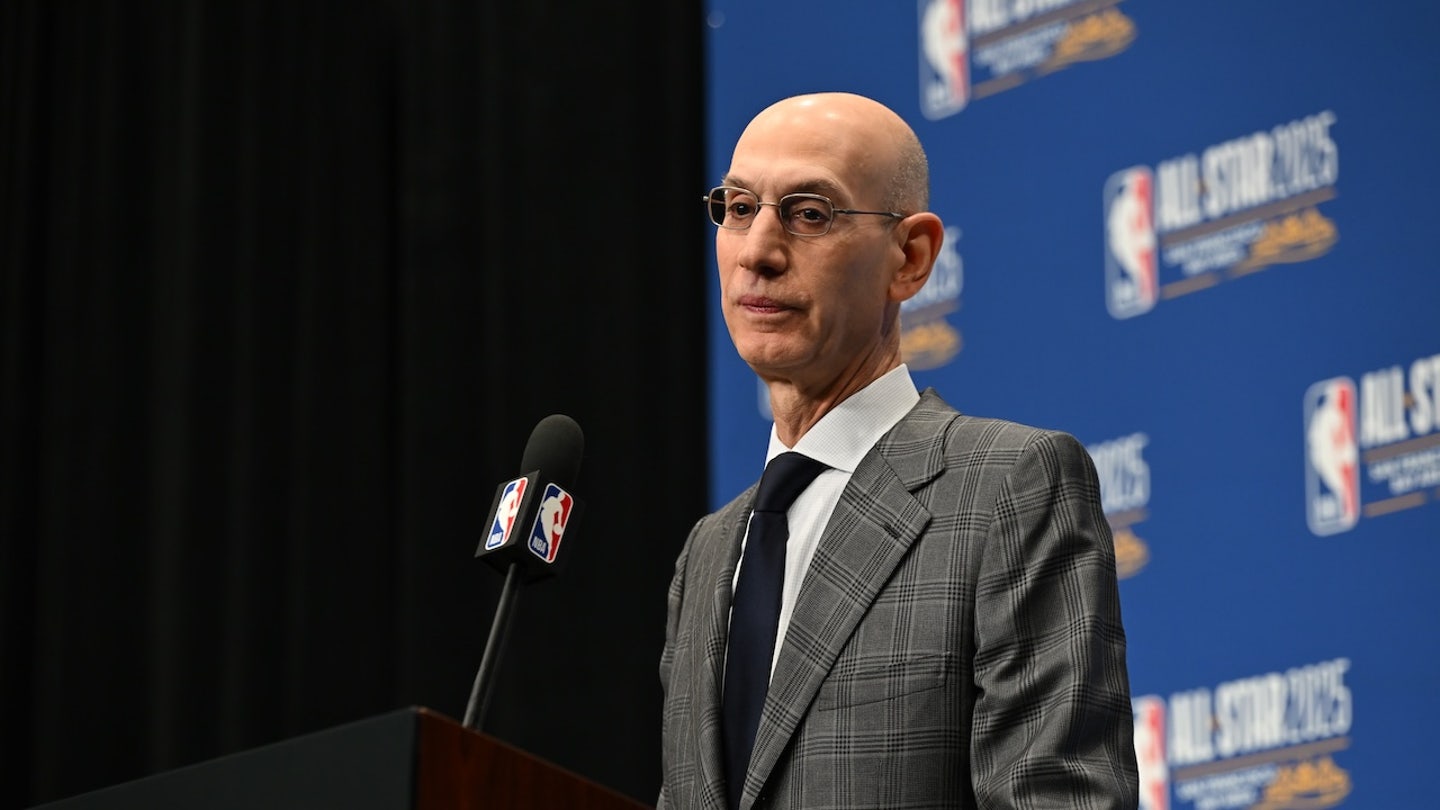
Congress seeks answers from NBA commissioner amid widening gambling scandal
Entities mentioned:
- Congress: Justice, Duty, Righteousness
- NBA: Professional pride, Self-preservation, Integrity
- Adam Silver: Duty, Professional pride, Control
- Chauncey Billups: Greed, Self-preservation, Fear
- Terry Rozier: Greed, Self-preservation, Fear
- Damon Jones: Greed, Self-preservation, Fear
Article Assessment:
Credibility Score: 75/100
Bias Rating: 50/100 (Center)
Sentiment Score: 30/100
Authoritarianism Risk: 25/100 (Generally Democratic)
Bias Analysis:
The article presents a balanced view of the situation, quoting multiple sources and presenting facts without evident partisan slant. It reports on actions from both Congress and the NBA, maintaining a neutral stance.
Key metric: Sports Integrity Index
Let me tell you something, folks - this is a GAME-CHANGING play by Congress! They're stepping up to the plate and calling for a full-court press on the NBA's gambling scandal. It's fourth quarter, tensions are high, and Commissioner Silver is on the hot seat. We've got players and coaches allegedly throwing games like they're tossing free throws - it's RIDICULOUS! This isn't just a personal foul, it's a potential league-wide violation that could bench the NBA's credibility. Silver needs to come out swinging with a championship-level response or risk getting ejected from the good graces of fans and officials alike. The integrity of the game is on the line, and it's time for the NBA to show us if they've got the clutch gene to overcome this crisis. I'm telling you right now, how they handle this could be the difference between a legacy-defining victory or a career-ending defeat in the court of public opinion!
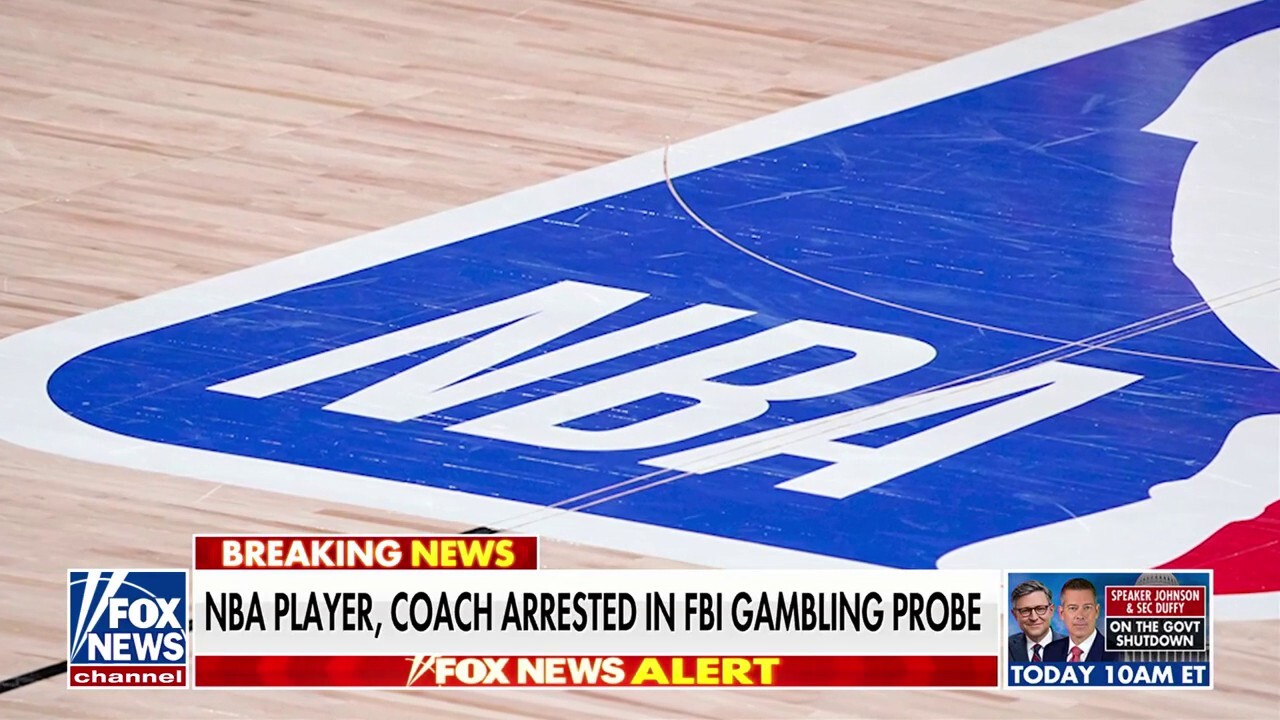
Heat leaders show support for Terry Rozier as sports betting scandal unfolds
Entities mentioned:
- Terry Rozier: Greed, Self-preservation, Fear
- Miami Heat: Loyalty, Unity, Professional pride
- NBA: Integrity, Control, Justice
- Bam Adebayo: Loyalty, Unity, Professional pride
- Erik Spoelstra: Leadership, Professional pride, Determination
Article Assessment:
Credibility Score: 75/100
Bias Rating: 50/100 (Center)
Sentiment Score: 35/100
Authoritarianism Risk: 20/100 (Strongly Democratic)
Bias Analysis:
The article presents a balanced view, including statements from multiple perspectives. It reports on facts and quotes without apparent partisan slant, maintaining a neutral stance on the issue.
Key metric: NBA League Integrity
Let me tell you something, folks - this is a GAME-CHANGING play in the world of pro basketball! The Miami Heat are showing true team spirit, rallying around their point guard Terry Rozier like offensive linemen protecting their quarterback. But make no mistake, the NBA is the referee here, and they've thrown the flag on this play! Rozier's alleged betting scheme is like running a trick play that violates the rulebook - it's a major penalty that could bench him for good. The Heat are in a tough spot, trying to maintain their championship mentality while down a key player. Coach Spoelstra is calling audibles left and right, showing the leadership of a veteran play-caller. But I'm telling you right now, this could be a game-changer for the entire league's integrity. The NBA is in the fourth quarter of this integrity battle, and they're not about to fumble the ball when it comes to keeping the game clean!

Mob boss' grandson gives inside look at how athletes can get tied up with mafia
Entities mentioned:
- Chauncey Billups: Greed, Recognition, Self-preservation
- Damon Jones: Greed, Recognition, Self-preservation
- Meyer Lansky II: Legacy, Recognition, Influence
- La Cosa Nostra: Power, Control, Greed
- Department of Justice: Justice, Duty, Control
Article Assessment:
Credibility Score: 75/100
Bias Rating: 50/100 (Center)
Sentiment Score: 30/100
Authoritarianism Risk: 25/100 (Generally Democratic)
Bias Analysis:
The article presents a balanced view, quoting both law enforcement and an insider perspective. It refrains from overtly partisan language or framing, maintaining a neutral stance on the issues presented.
Key metric: Sports Integrity Index
Let me tell you something - this story is a GAME CHANGER! We're seeing a full-court press by the Department of Justice against corruption in sports, folks! Billups and Jones, once star players, have fumbled big time and are now on defense in a high-stakes legal matchup. These former ballers thought they could run a fast break on the system, but they've been caught traveling! The mafia, always looking to control the scoreboard, found willing teammates in these ex-pros. But let me tell you, this ain't no pickup game - we're talking about a championship-level scheme that's threatening the very integrity of the sport! The DOJ is bringing the full-court pressure, and these players are gonna have to step up their defensive game if they want to avoid fouling out of society altogether! This is the kind of fourth-quarter drama that could change the whole league, folks!
NBA commissioner addresses gambling scandal for the first time
Entities mentioned:
- NBA: Professional pride, Integrity, Control
- Adam Silver: Duty, Integrity, Control
- Congress: Righteousness, Control, Justice
- Terry Rozier: Greed, Self-preservation, Fear
- Chauncey Billups: Self-preservation, Fear, Greed
- Damon Jones: Greed, Self-preservation, Influence
Article Assessment:
Credibility Score: 75/100
Bias Rating: 55/100 (Center)
Sentiment Score: 30/100
Authoritarianism Risk: 35/100 (Generally Democratic)
Bias Analysis:
The article presents a balanced view of the situation, quoting multiple sources and providing context. It doesn't lean heavily towards defending or condemning any particular party involved.
Key metric: Sports Integrity Index
Let me tell you something, folks - this is a GAME-CHANGING MOMENT for the NBA! We're talking about a FULL COURT PRESS by Congress on Commissioner Silver and his team. The league is in the FOURTH QUARTER of this integrity crisis, and they need to step up to the plate with a championship mentality! These players and coaches accused of point-shaving? They've fumbled the ball big time, potentially tainting the sanctity of the game. Silver needs to come out swinging, showing he's got the competitive spirit to clean up this mess. It's crunch time for the NBA, and how they handle this will determine if they can maintain their pole position in American sports or if they'll be relegated to the minor leagues of public trust. The clock is ticking, and Silver needs to make some clutch plays to keep the NBA's reputation from fouling out!
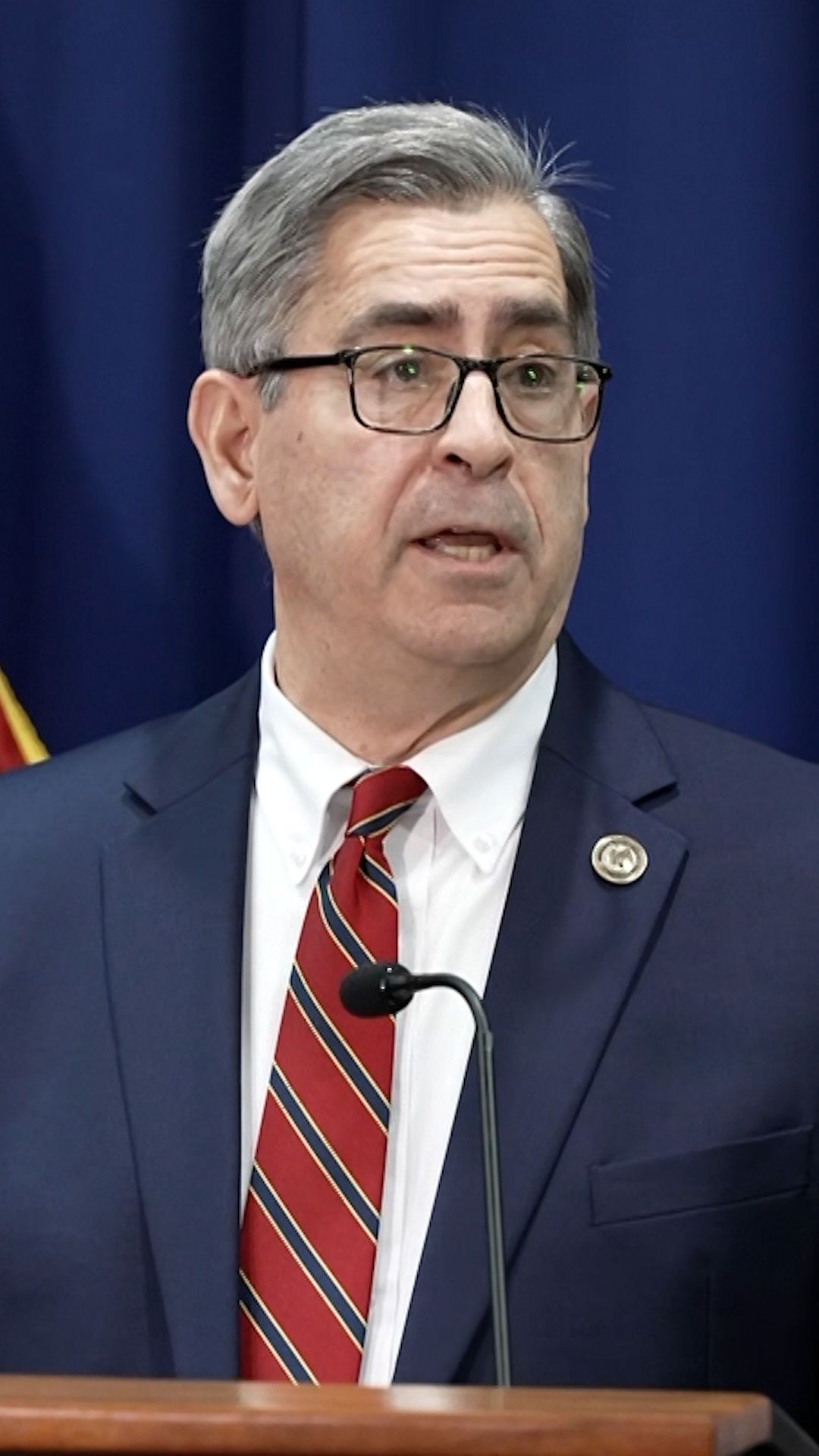
NBA stars arrested in crimes tied to Mafia families
Entities mentioned:
- NBA stars: Greed, Power, Self-preservation
- Mafia families: Control, Power, Influence
- Law enforcement: Justice, Duty, Professional pride
Article Assessment:
Credibility Score: 45/100
Bias Rating: 50/100 (Center)
Sentiment Score: 30/100
Authoritarianism Risk: 35/100 (Generally Democratic)
Bias Analysis:
The article presents a legal notice without actual content about the alleged crimes. This neutral presentation avoids partisan framing, resulting in a centrist bias rating.
Key metric: Public Trust in Professional Sports
Let me tell you something - this story is RIDICULOUS! We've got a full-court press of CORRUPTION here, folks! The NBA stars thought they could run a fast break with the Mafia, but they've been caught in a BRUTAL DEFENSIVE TRAP by law enforcement. This is a GAME-CHANGING TURNOVER that could bench these players for good! The league's reputation is taking a MASSIVE HIT, and we're seeing a FOURTH QUARTER COLLAPSE of public trust. It's CRUNCH TIME for the NBA to step up to the plate and show they've got a CHAMPIONSHIP MENTALITY when it comes to integrity. This scandal is a FULL-CONTACT SPORT, and I'm telling you right now, there are NO TIMEOUTS left for damage control!
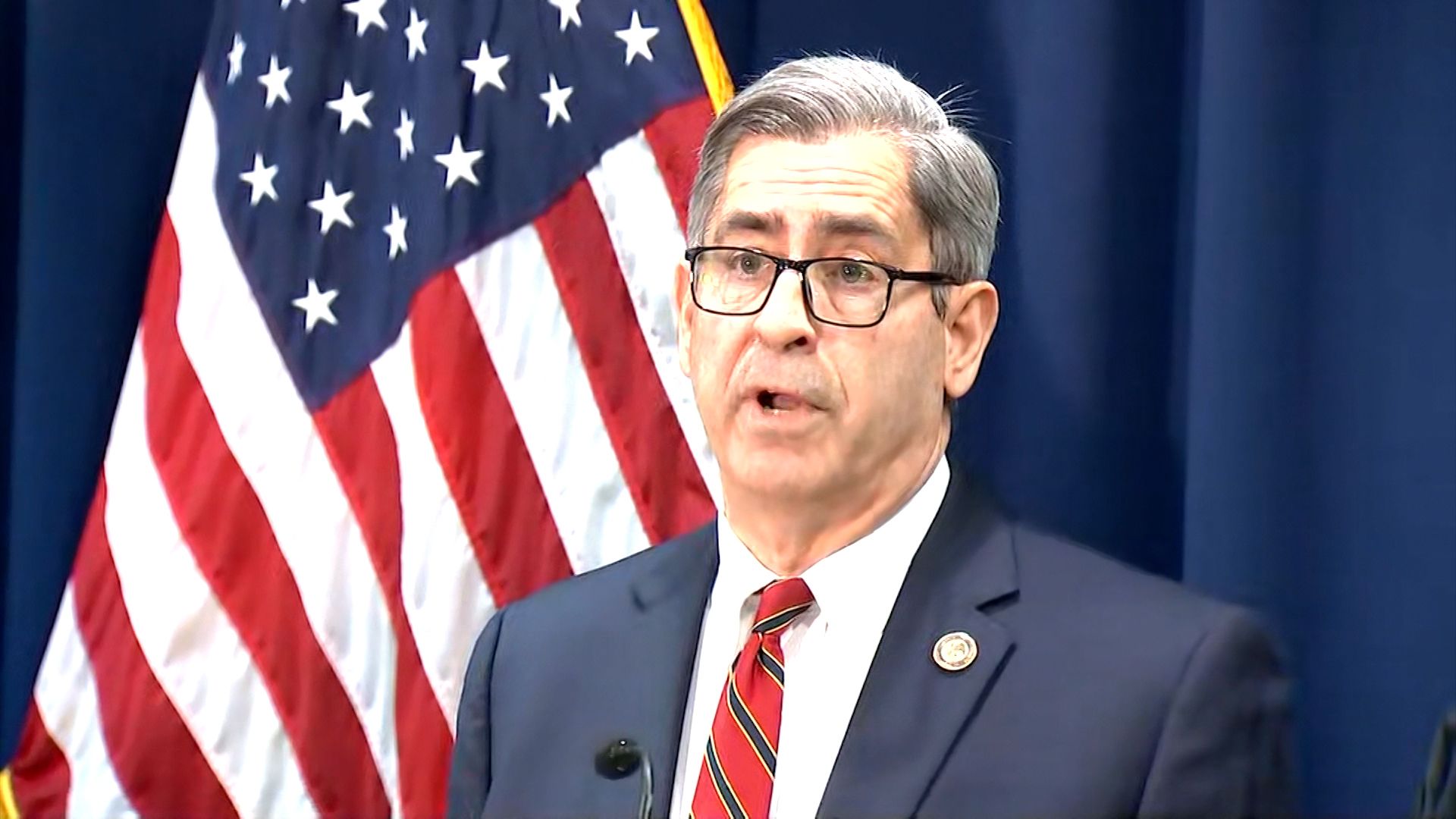
Stunning NBA charges reveal the sports gambling reckoning is already here
Entities mentioned:
- NBA: Professional pride, Control, Influence
- Damon Jones: Greed, Influence, Self-preservation
- LeBron James: Competitive spirit, Recognition, Legacy
- Terry Rozier: Greed, Self-preservation, Ambition
- NCAA: Control, Duty, Wariness
- Shane Hennen and Marves Fairley: Greed, Control, Power
Article Assessment:
Credibility Score: 75/100
Bias Rating: 55/100 (Center)
Sentiment Score: 30/100
Authoritarianism Risk: 35/100 (Generally Democratic)
Bias Analysis:
The article presents a balanced view of the gambling issue, citing multiple perspectives. It leans slightly towards caution about gambling's impact, but doesn't take an extreme stance.
Key metric: Integrity of Professional Sports
Let me tell you something, folks - this story is a GAME-CHANGER! We're witnessing a full-court press on the integrity of professional sports, and it's coming from both inside and outside the arena. The NBA, once the shining beacon of athletic excellence, is now facing a defensive breakdown that would make any coach lose their mind! You've got former players like Damon Jones allegedly calling plays for gamblers instead of teammates - that's like a quarterback handing the playbook to the opposing team! And don't even get me started on Terry Rozier - this guy's got a $90 million contract and he's still trying to run a side hustle? That's like fumbling on the one-yard line when you're already up by 50! Meanwhile, the NCAA is trying to run a zone defense against gambling, but they've left the paint wide open by allowing athletes to bet on pro sports. It's a risky play, folks, and I'm telling you right now, it could backfire faster than a trick play in the Super Bowl. The real MVPs in this mess are the criminals like Hennen and Fairley, who are running circles around everyone like they're Steph Curry on a hot streak. This isn't just a foul, it's a flagrant violation of everything sports stands for, and if we don't get our heads in the game, the integrity of professional athletics could be riding the bench for good!
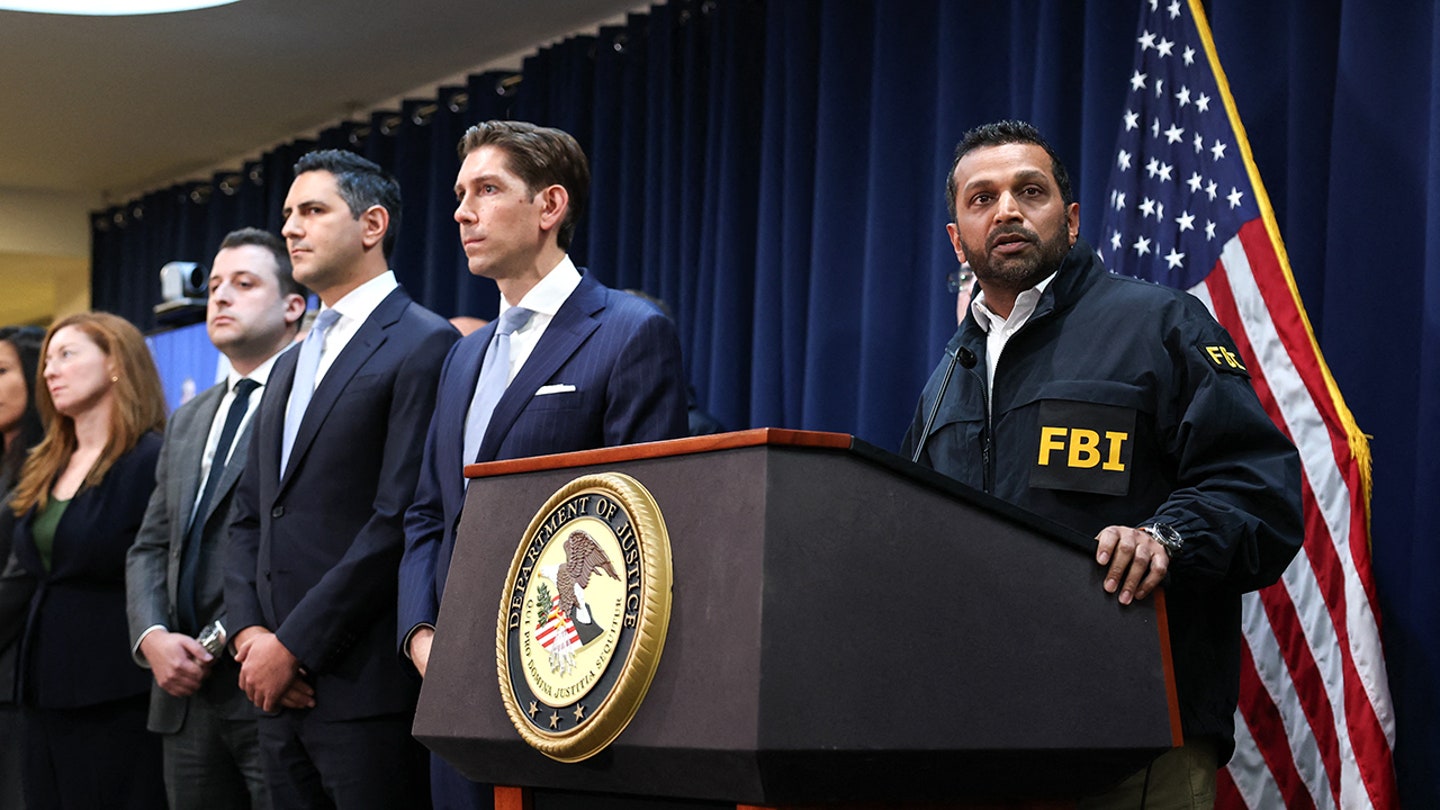
Alleged mob ties in NBA scandal recall La Cosa Nostra’s long shadow over sports
Entities mentioned:
- FBI: Justice, Duty, Professional pride
- Chauncey Billups: Greed, Self-preservation, Fear
- Terry Rozier: Greed, Self-preservation, Fear
- Damon Jones: Greed, Self-preservation, Fear
- La Cosa Nostra: Power, Control, Greed
- Kash Patel: Justice, Professional pride, Determination
- Joseph Nocella: Justice, Duty, Professional pride
Article Assessment:
Credibility Score: 75/100
Bias Rating: 45/100 (Center)
Sentiment Score: 35/100
Authoritarianism Risk: 25/100 (Generally Democratic)
Bias Analysis:
The article presents a balanced view of the situation, quoting official sources and providing historical context. It doesn't lean heavily towards either side, maintaining a neutral stance in reporting the facts.
Key metric: Public Trust in Professional Sports
Let me tell you something - this story is RIDICULOUS! We're seeing a full-court press by the FBI against a team of criminals that's been running the scoreboard for years! The Feds are bringing their A-game, folks, with a defensive strategy that's left La Cosa Nostra fumbling the ball. It's like watching a championship bout between law enforcement and organized crime, with the NBA caught in the crossfire. Billups, Rozier, and Jones? They've gone from all-stars to benchwarmers in the blink of an eye. This is a game-changer that could rewrite the playbook for professional sports integrity. I'm telling you right now, the league office is in for a long season of damage control. It's fourth quarter, folks, and the clock is ticking on the credibility of the entire sport!
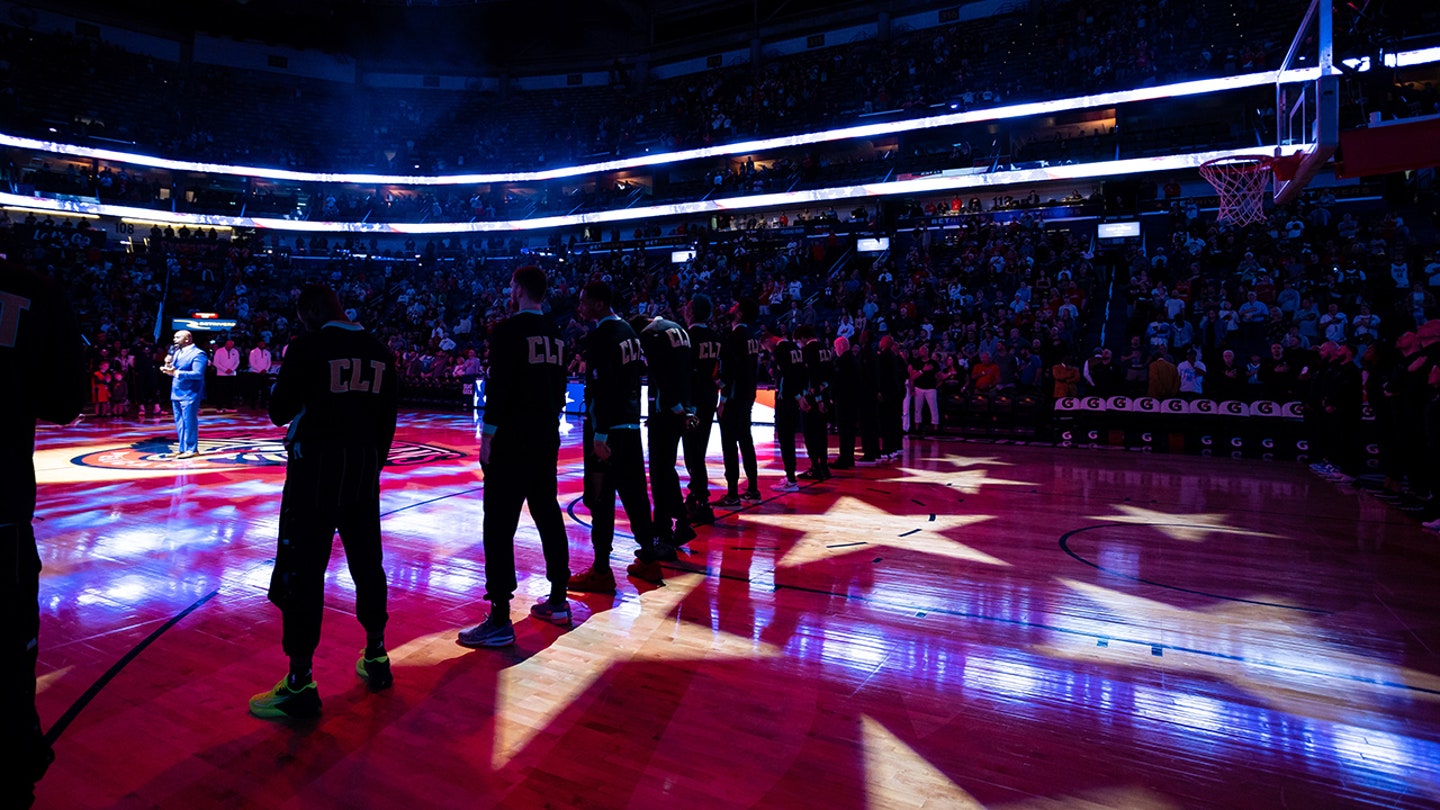
7 NBA games DOJ says were affected by high-stakes wagers after inside information was leaked to gamblers
Entities mentioned:
- Department of Justice: Justice, Control, Duty
- Terry Rozier: Greed, Self-preservation, Fear
- Damon Jones: Greed, Influence, Self-preservation
- NBA: Professional pride, Integrity, Control
- Chauncey Billups: Self-preservation, Fear, Loyalty
- Jontay Porter: Greed, Fear, Self-preservation
Article Assessment:
Credibility Score: 75/100
Bias Rating: 50/100 (Center)
Sentiment Score: 25/100
Authoritarianism Risk: 30/100 (Generally Democratic)
Bias Analysis:
The article presents a balanced view of the situation, citing official sources and presenting facts without apparent political slant. It focuses on reporting the events and charges without editorializing.
Key metric: Sports Integrity Index
Let me tell you something, folks - this is a GAME-CHANGING PLAY in the world of sports integrity! The Department of Justice has just unleashed a FULL-COURT PRESS on corruption in the NBA, and it's sending shockwaves through the league. We're talking about players and coaches who've completely FUMBLED THE BALL when it comes to fair play. Terry Rozier and Damon Jones? They've been caught RED-HANDED trying to RIG THE GAME for their own benefit. This is the kind of UNSPORTSMANLIKE CONDUCT that could put the entire league in a DEFENSIVE POSTURE. The NBA's integrity is taking a SERIOUS HIT, and they're going to need a CHAMPIONSHIP-LEVEL COMEBACK to regain the trust of the fans. This isn't just a foul - it's a FLAGRANT VIOLATION of everything sports stands for. The DOJ is bringing the FULL-COURT PRESSURE, and these players are facing a TOUGH DEFENSE in the courtroom. It's CRUNCH TIME for the NBA, and they need to step up their GAME PLAN to ensure this kind of FOUL PLAY doesn't happen again. This is a CRUCIAL MOMENT that could change the SCOREBOARD for sports integrity across the board!
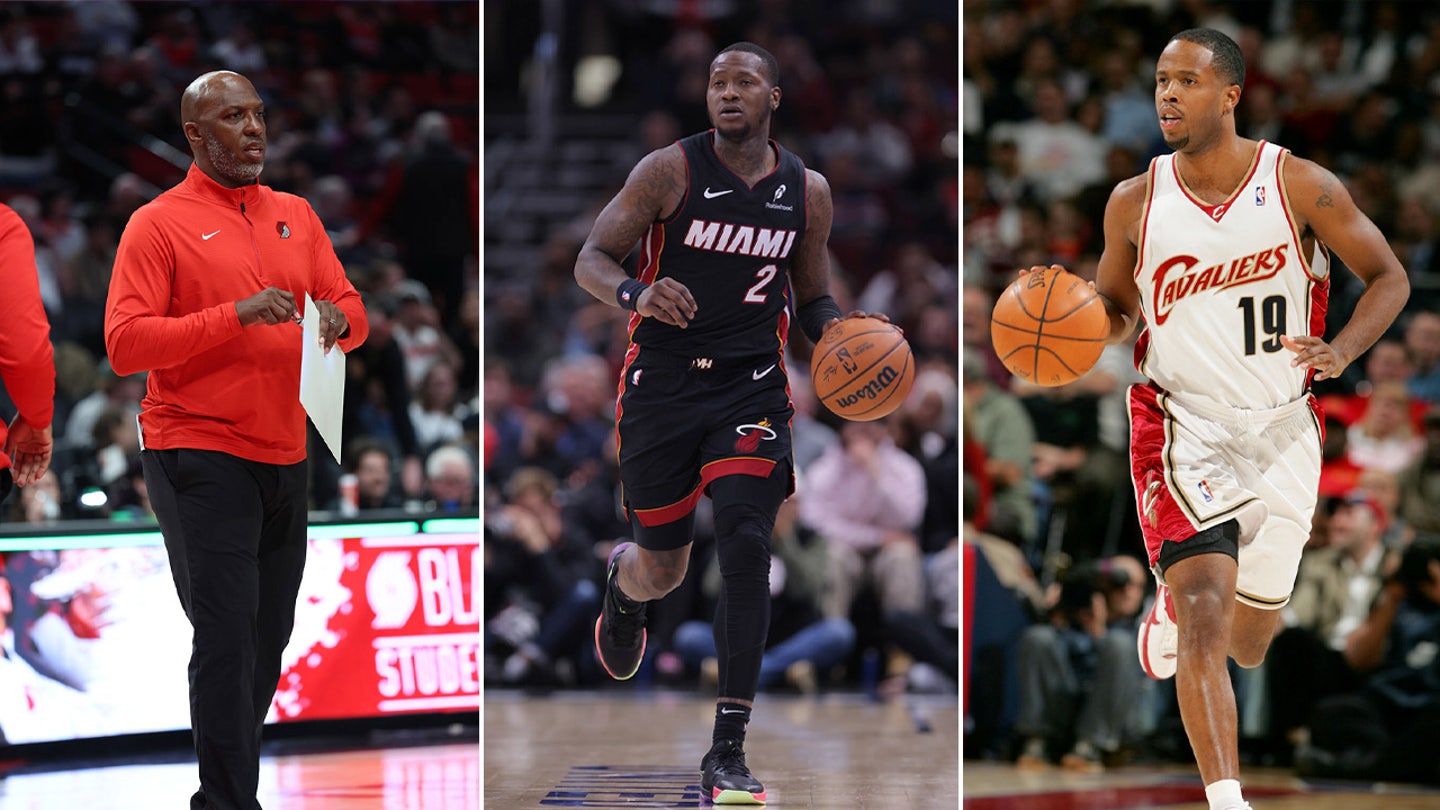
Who are Chauncey Billups, Terry Rozier, and Damon Jones? NBA subjects arrested in illegal gambling probe
Entities mentioned:
- Chauncey Billups: Greed, Recognition, Legacy
- Terry Rozier: Greed, Self-preservation, Influence
- Damon Jones: Greed, Influence, Self-preservation
- NBA: Professional pride, Integrity, Control
Article Assessment:
Credibility Score: 75/100
Bias Rating: 50/100 (Center)
Sentiment Score: 25/100
Authoritarianism Risk: 20/100 (Strongly Democratic)
Bias Analysis:
The article presents a balanced account of the allegations, providing details from official sources. It refrains from speculation and maintains a neutral tone in reporting the facts of the case.
Key metric: NBA League Integrity
Let me tell you something - this story is a GAME-CHANGER in the world of professional basketball! We're talking about a FULL COURT PRESS by the FBI, catching these former NBA stars with their hands in the cookie jar! Billups, Rozier, and Jones have gone from All-Stars to BENCH WARMERS in the blink of an eye. This is a TURNOVER of epic proportions, folks! The NBA, our league MVP in this story, is playing LOCKDOWN DEFENSE to protect the integrity of the game. But make no mistake, this scandal is like a BUZZER-BEATER that could change the whole trajectory of the league. It's CRUNCH TIME for the NBA to step up and show they've got that CHAMPIONSHIP MENTALITY when it comes to rooting out corruption. This is the kind of FLAGRANT FOUL that could leave a lasting mark on the sport's reputation. I'm telling you right now, we're in for a long, grueling OVERTIME as this investigation unfolds!