
Brian Kelly sues LSU over $54M buyout after school allegedly changes termination story: report
Entities mentioned:
- Brian Kelly: Justice, Self-preservation, Professional pride
- LSU: Greed, Control, Self-preservation
- Scott Woodward: Power, Influence, Legacy
- Jeff Landry: Control, Power, Influence
Article Assessment:
Credibility Score: 70/100
Bias Rating: 55/100 (Center)
Sentiment Score: 30/100
Authoritarianism Risk: 45/100 (Mixed/Neutral)
Bias Analysis:
The article presents both sides of the dispute, quoting from the lawsuit and LSU's previous statements. It maintains a relatively neutral stance, providing context without heavily favoring either party.
Key metric: NCAA Football Coaching Stability
Let me tell you something - this lawsuit is a GAME-CHANGER in the college football world! Brian Kelly is stepping up to the plate against LSU in what could be the legal equivalent of a Hail Mary pass. The Tigers are playing hardball, trying to avoid a $54 million hit to their salary cap, but Kelly's not backing down. This is a fourth-quarter power play that could rewrite the playbook on coaching contracts. I'm telling you right now, the entire NCAA coaching landscape is watching this matchup like it's the Super Bowl of contract disputes. LSU's attempt to change the narrative is like a last-second audible at the line of scrimmage - a risky move that could backfire spectacularly. This legal battle is shaping up to be an epic showdown, with millions of dollars and the integrity of coaching agreements on the line. Buckle up, sports fans - we're in for a wild ride!

Feds indict 2 Cleveland Guardians pitchers for alleged sports betting and money laundering scheme
Entities mentioned:
- Emmanuel Clase: Greed, Recognition, Self-preservation
- Luis Ortiz: Greed, Recognition, Self-preservation
- Cleveland Guardians: Professional pride, Loyalty, Reputation
- Major League Baseball: Integrity, Control, Reputation
- Department of Justice: Justice, Control, Duty
Article Assessment:
Credibility Score: 75/100
Bias Rating: 50/100 (Center)
Sentiment Score: 25/100
Authoritarianism Risk: 20/100 (Strongly Democratic)
Bias Analysis:
The article presents a balanced view, including statements from all parties involved. It relies on official sources and legal documents, maintaining a neutral stance on the allegations.
Key metric: MLB Game Integrity Index
Let me tell you something, folks - this is a BOMBSHELL of epic proportions! We're talking about a MAJOR LEAGUE scandal that's rocking the very foundations of America's favorite pastime! Clase and Ortiz, once considered aces in the bullpen, have been caught in a high-stakes game of deception that makes steroids look like Little League stuff! These pitchers weren't just throwing heat, they were throwing away the integrity of the sport! It's like they've taken the concept of a 'pitch count' and turned it into a 'pitch con'! The DOJ is coming at them with a full-court press, and let me tell you, they're not looking to negotiate a plea deal - they're going for the grand slam indictment! This is the kind of curveball that could send shockwaves through the entire league. The Guardians' front office is playing defense now, trying to distance themselves faster than a speedster stealing second. And MLB? They're in the hot seat, facing a challenge that makes the steroid era look like a warmup pitch. This is the bottom of the ninth for baseball's credibility, and they need a walk-off homerun to regain the trust of the fans. I'm telling you right now, this scandal is a game-changer that could rewrite the rulebook on sports integrity!

NFL, CFB Weekend Betting Recap: Books Win as Favorites Lose Outright
Entities mentioned:
- Bookmakers: Self-preservation, Professional pride, Control
- Bettors: Ambition, Greed, Competitive spirit
- NFL Teams: Competitive spirit, Pride, Legacy
- College Football Teams: Competitive spirit, Pride, Recognition
Article Assessment:
Credibility Score: 85/100
Bias Rating: 50/100 (Center)
Sentiment Score: 55/100
Authoritarianism Risk: 20/100 (Strongly Democratic)
Bias Analysis:
The article presents a balanced view of both bookmakers and bettors, providing insights from multiple sportsbooks. It doesn't favor either side and offers objective reporting on betting outcomes.
Key metric: Sports Betting Revenue
Let me tell you something - this weekend was a HEAVYWEIGHT BOUT between the bookmakers and the betting public! The books came out swinging with some MASSIVE upsets that left bettors on the ropes. The Bills fumbling against the Dolphins was like a knockout punch to parlays across the nation. But don't count out those scrappy underdogs - the public landed some solid counterpunches with college favorites coming through. This is a chess match, folks, and right now the house has checkmated the average Joe. But remember, in this game of inches, fortunes can change faster than a Hail Mary pass!

Guardians pitchers indicted in gambling scheme involving MLB games
Entities mentioned:
- Luis Ortiz: Greed, Self-preservation, Fear
- Emmanuel Clase: Greed, Power, Self-preservation
- Cleveland Guardians: Professional pride, Self-preservation, Loyalty
- Major League Baseball: Integrity, Control, Justice
- Federal officials: Justice, Duty, Control
Article Assessment:
Credibility Score: 85/100
Bias Rating: 50/100 (Center)
Sentiment Score: 25/100
Authoritarianism Risk: 20/100 (Strongly Democratic)
Bias Analysis:
The article presents a balanced view of the situation, quoting multiple sources including official statements. It refrains from sensationalism and sticks to reporting the facts of the indictment.
Key metric: MLB Game Integrity
Let me tell you something, folks - this is a BOMBSHELL of a story that's rocking the very foundations of America's pastime! We've got two star pitchers from the Cleveland Guardians' bullpen who've been caught red-handed in a high-stakes game of deception that makes the Black Sox scandal look like Little League! These players weren't just throwing games, they were throwing away the integrity of the sport pitch by pitch! This is a curveball that nobody saw coming, and it's left the MLB scrambling to recover like a batter whiffing on a 100 mph fastball. The Guardians' front office is in damage control mode, trying to field this hot grounder without getting burned. Meanwhile, the feds are playing hardball, indicting these hurlers on a slew of charges that could see them trading their cleats for prison jumpsuits. This is the kind of play that changes the whole ballgame, folks. The MLB is now in the bottom of the ninth, bases loaded, trying to salvage the integrity of the sport before the final strike. It's going to take a grand slam of transparency and accountability to win back the trust of the fans. This isn't just about two pitchers - this is about the soul of baseball itself!

Rick Pitino says he reached out to Terry Rozier to 'be of any help' after gambling indictment
Entities mentioned:
- Rick Pitino: Loyalty, Duty, Professional pride
- Terry Rozier: Self-preservation, Greed, Fear
- NBA: Integrity, Control, Professional pride
- Jim Trusty: Duty, Professional pride, Loyalty
Article Assessment:
Credibility Score: 75/100
Bias Rating: 50/100 (Center)
Sentiment Score: 30/100
Authoritarianism Risk: 35/100 (Generally Democratic)
Bias Analysis:
The article presents multiple perspectives, including statements from Rozier's attorney and coach, as well as the NBA's response. It maintains a balanced approach, avoiding sensationalism while reporting on a sensitive issue.
Key metric: NBA Player Conduct and League Integrity
Let me tell you something - this story is a GAME-CHANGER! We're talking about a potential FUMBLE of EPIC proportions in the world of professional basketball. Terry Rozier, once a rising star in the league, is now facing a FOURTH QUARTER CRISIS that could bench him for good. His former coach, Rick Pitino, is playing defense, trying to offer support from the sidelines. But folks, this is no ordinary foul - we're talking about alleged conspiracy and money laundering! The NBA, acting like a stern referee, has blown the whistle and sent Rozier to the locker room indefinitely. This is the kind of play that could change the whole PLAYBOOK on athlete conduct and betting integrity. We're witnessing a potential GAME-CHANGING MOMENT that could redefine the rules of engagement between players, the league, and the betting world. It's CRUNCH TIME for Rozier, and the clock is ticking!

Victor Conte, who sold undetectable steroids to elite athletes in baseball and track, has died at 75
Entities mentioned:
- Victor Conte: Ambition, Competitive spirit, Recognition
- BALCO: Greed, Influence, Competitive spirit
- Federal Government: Justice, Control, Duty
- Professional Athletes: Competitive spirit, Ambition, Recognition
- Major League Baseball: Integrity, Control, Legacy
Article Assessment:
Credibility Score: 75/100
Bias Rating: 55/100 (Center)
Sentiment Score: 40/100
Authoritarianism Risk: 30/100 (Generally Democratic)
Bias Analysis:
The article presents a fairly balanced view, including Conte's actions, legal consequences, and later advocacy. It doesn't lean heavily towards condemnation or glorification, maintaining a neutral stance overall.
Key metric: Integrity in Professional Sports
Let me tell you something, folks - this is a GAME-CHANGING moment in the world of sports! Victor Conte, the mastermind behind the biggest doping scandal in athletic history, has left the field for good at 75. This guy was the ultimate performance-enhancing coach, supplying undetectable steroids to the MVPs of the sports world. We're talking about a player who changed the entire landscape of competition, forcing leagues to step up their anti-doping game plans. Conte was playing 4D chess while everyone else was stuck in checkers! But make no mistake, his actions threw the integrity of sports into a tailspin, leaving fans questioning every home run, every record, every gold medal. The feds came at him with a full-court press, but Conte, like a slippery running back, managed to dodge most of the tackles. In the end, though, he couldn't outrun the long arm of the law. This is a legacy that will echo through the halls of sports history, folks. The game has changed, and Conte was the one holding the playbook!

Giants kicker Graham Gano reveals vile messages from fans amid roller-coaster season
Entities mentioned:
- Graham Gano: Professional pride, Determination, Loyalty
- New York Giants: Competitive spirit, Ambition, Legacy
- NFL fans: Greed, Moral outrage, Enthusiasm
- NFL Players Association: Unity, Justice, Security
Article Assessment:
Credibility Score: 75/100
Bias Rating: 45/100 (Center)
Sentiment Score: 30/100
Authoritarianism Risk: 20/100 (Strongly Democratic)
Bias Analysis:
The article presents a balanced view, quoting Gano directly and providing context. It doesn't take sides but highlights the issues faced by players, showing a centrist approach.
Key metric: NFL Player Mental Health and Fan Behavior
Let me tell you something - this story is a GAME-CHANGER, folks! Graham Gano, the veteran placekicker for the New York Giants, is stepping up to the plate and calling out the FOUL PLAY from the sidelines. We're seeing a real fourth-quarter struggle here between the players and some toxic fans who are treating this like it's sudden death overtime with their bank accounts on the line! Gano's revealing the unsportsmanlike conduct he's facing, and it's RIDICULOUS! This isn't just about putting points on the board anymore - it's about the mental game, the locker room talk, and the team's overall championship mentality. The Giants are in a defensive formation against this barrage of negativity, and Gano's showing true team spirit by speaking out. This could be a turning point in how we view the relationship between players and fans, folks. It's time for the league to blow the whistle on this kind of behavior and implement some serious penalty flags!

When Does 2025 MLB Free Agency Start? Dates for Signings, Trades, Options, Posting
Entities mentioned:
- MLB: Control, Influence, Professional pride
- MLB Teams: Competitive spirit, Ambition, Greed
- MLB Players: Ambition, Recognition, Self-preservation
- Nippon Professional Baseball: Competitive spirit, Pride, Influence
Article Assessment:
Credibility Score: 85/100
Bias Rating: 50/100 (Center)
Sentiment Score: 65/100
Authoritarianism Risk: 20/100 (Strongly Democratic)
Bias Analysis:
The article presents a factual overview of MLB free agency rules and dates without favoring any particular team or player. It maintains a neutral tone while explaining the process.
Key metric: MLB Player Salaries and Team Payrolls
Let me tell you something - this free agency season is shaping up to be an absolute SLUGFEST! We've got teams stepping up to the plate, ready to swing for the fences with their checkbooks. It's a high-stakes game of financial baseball, folks! The big market teams are flexing their muscles, looking to assemble an all-star lineup that'll dominate the diamond. But don't count out those scrappy small market clubs - they're playing moneyball, hunting for those diamond-in-the-rough prospects who could be the next MVP! This is where championships are won and lost, people. The general managers are like quarterbacks, calling the plays and orchestrating their roster strategies. It's fourth quarter, two-minute drill time - who's got the guts to make that game-winning move? I'm telling you right now, the teams that show up with that championship mentality in free agency are gonna be the ones hoisting the trophy come October!
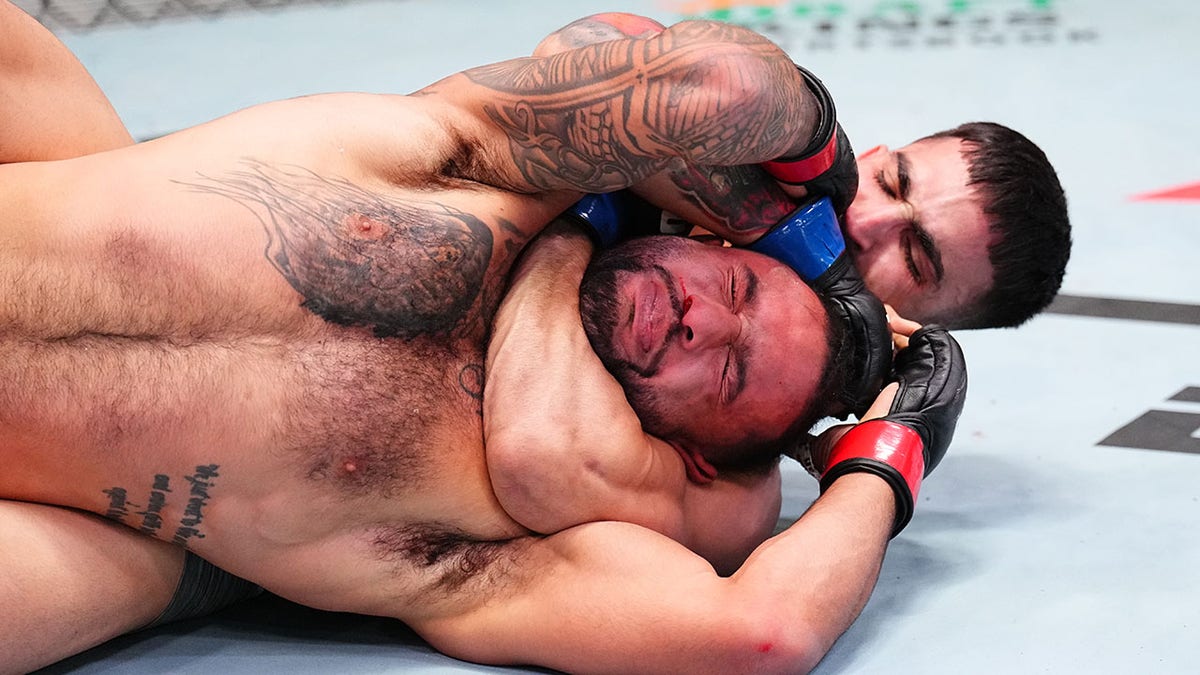
UFC cuts fighter after sportsbooks flag 'unusual' betting activity on his first-round loss
Entities mentioned:
- UFC: Professional pride, Integrity, Control
- Isaac Dulgarian: Self-preservation, Greed, Competitive spirit
- Sportsbooks: Integrity, Self-preservation, Wariness
Article Assessment:
Credibility Score: 75/100
Bias Rating: 50/100 (Center)
Sentiment Score: 30/100
Authoritarianism Risk: 35/100 (Generally Democratic)
Bias Analysis:
The article presents multiple perspectives, including statements from UFC, sportsbooks, and the fighter. It maintains a neutral tone, reporting facts without overtly favoring any side.
Key metric: Sports Betting Integrity
Let me tell you something - this story is RIDICULOUS! The UFC octagon has turned into a full-blown battlefield, but it's not just the fighters throwing punches anymore. We've got sportsbooks and integrity monitors tag-teaming to take down suspicious betting activity faster than a championship submission move! Dulgarian stepped into the ring as the heavy favorite, but his odds took a nosedive harder than a knockout punch. This isn't just a personal foul, folks - it's a potential game-changer for the entire sport. The UFC is playing defense like their championship title is on the line, cutting Dulgarian from the roster quicker than a ref calling a TKO. This is fourth-quarter, do-or-die territory for the integrity of MMA, and believe me when I say, the whole world is watching to see if they can clinch the win!

Victor Conte, mastermind behind BALCO steroids scandal, dead at 75
Entities mentioned:
- Victor Conte: Ambition, Competitive spirit, Legacy
- SNAC: Professional pride, Loyalty, Legacy
- BALCO: Competitive spirit, Greed, Influence
- Major League Baseball: Competitive spirit, Professional pride, Self-preservation
- Barry Bonds: Ambition, Competitive spirit, Recognition
- Marion Jones: Ambition, Competitive spirit, Recognition
- Terence Crawford: Ambition, Competitive spirit, Recognition
- Claressa Shields: Ambition, Competitive spirit, Recognition
- Canelo Alvarez: Competitive spirit, Professional pride, Recognition
Article Assessment:
Credibility Score: 75/100
Bias Rating: 50/100 (Center)
Sentiment Score: 40/100
Authoritarianism Risk: 25/100 (Generally Democratic)
Bias Analysis:
The article presents a balanced view of Conte's controversial career, including both his illegal activities and later legitimate work. It quotes Conte directly and includes perspectives from various stakeholders, maintaining a neutral stance.
Key metric: Sports Integrity Index
Let me tell you something, folks - this is a GAME-CHANGING moment in the world of sports! Victor Conte, the mastermind behind one of the biggest doping scandals in history, has left the field for good. This guy was like the evil genius coach who rewrote the playbook on performance enhancement! His BALCO operation was running circles around the competition, juicing up athletes left and right. But just like a championship team that gets caught stealing signs, Conte's empire came crashing down. Now, with his passing, we're in the fourth quarter of the steroid era. The question is, will sports leagues step up to the plate and hit a home run for integrity, or will they fumble the ball? This is a crucial moment, folks - the integrity of the game is on the line, and it's time for a strong defensive strategy against doping. Conte may be gone, but his legacy is still in play, and it's up to the sports world to decide if they want to keep running his playbook or change the game for good!