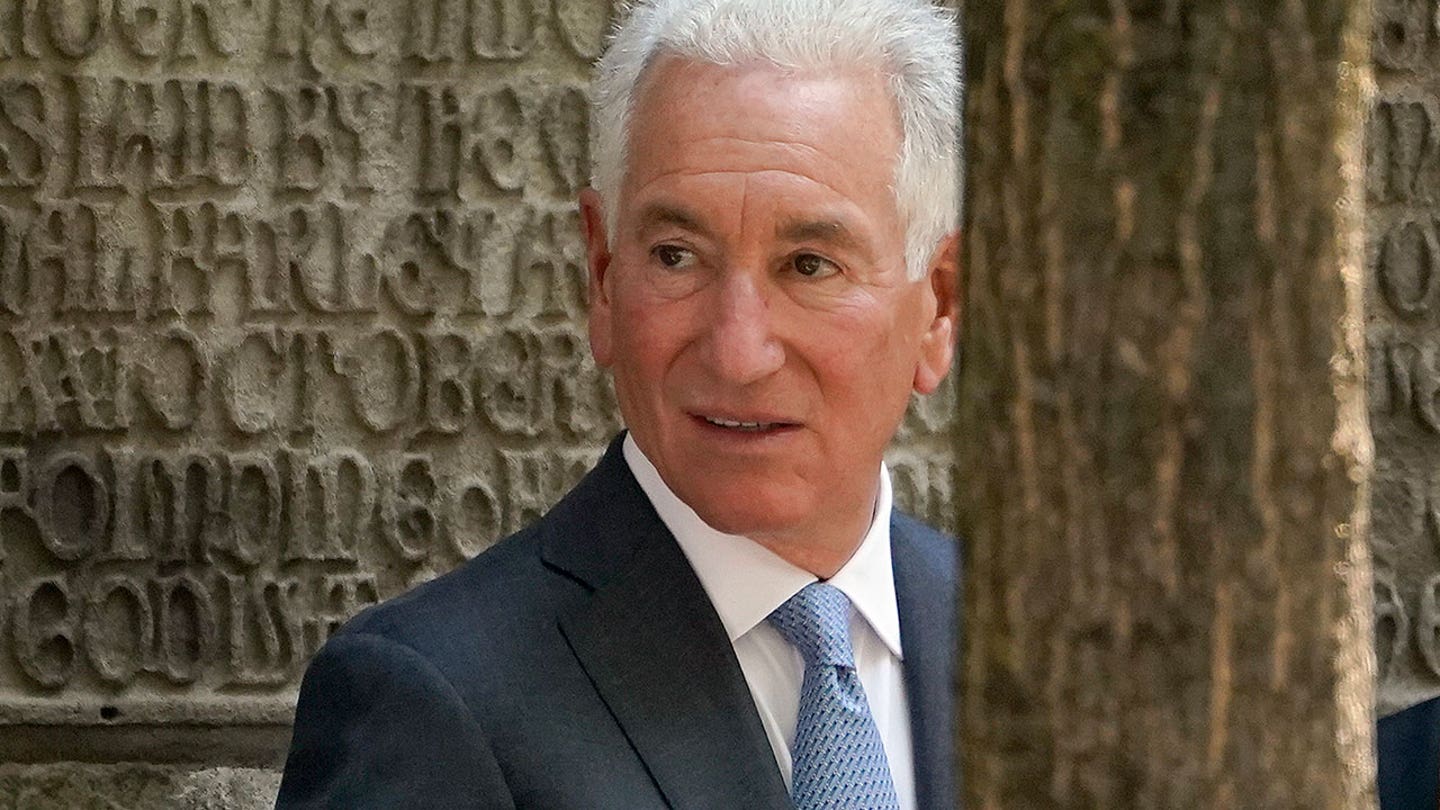
US ally summons Trump ambassador over 'unacceptable' antisemitism allegations
Entities mentioned:
- Charles Kushner: Righteousness, Moral outrage, Loyalty
- France: Self-respect, Justice, Unity
- Emmanuel Macron: Duty, Justice, Security
- United States: Loyalty, Influence, Power
- Hamas: Power, Revenge, Control
- Israel: Security, Self-preservation, Justice
- Benjamin Netanyahu: Power, Security, Self-preservation
- Donald Trump: Loyalty, Power, Influence
Article Assessment:
Credibility Score: 75/100
Bias Rating: 55/100 (Center)
Sentiment Score: 30/100
Authoritarianism Risk: 35/100 (Generally Democratic)
Bias Analysis:
The article presents both US and French perspectives, quoting official statements from both sides. While it provides context about Kushner's background and Trump's support for Israel, it maintains a relatively balanced approach in reporting the diplomatic incident.
Key metric: US-France Diplomatic Relations
As a social scientist, I analyze that this incident represents a significant strain in US-France diplomatic relations. The summoning of an ambassador is a serious diplomatic action, indicating France's strong disapproval of Kushner's allegations. This conflict stems from differing perspectives on addressing antisemitism and the Israel-Palestine conflict. The US backing of Kushner's comments, despite France's objections, further complicates the situation. This disagreement could potentially impact cooperation on other international issues and weaken the transatlantic alliance. The incident also highlights the complex interplay between domestic politics, international relations, and personal connections in diplomacy, as evidenced by Kushner's familial ties to former President Trump.

Israel set to launch Gaza City offensive: High stakes, high costs ahead
Entities mentioned:
- Israel: Security, Revenge, Justice
- Hamas: Control, Power, Revenge
- IDF (Israel Defense Forces): Duty, Professional pride, Determination
- John Spencer: Expertise, Duty, Wariness
- Gadi Shamni: Expertise, Wariness, Duty
- Anonymous former Israeli security official: Expertise, Wariness, Duty
Article Assessment:
Credibility Score: 75/100
Bias Rating: 55/100 (Center)
Sentiment Score: 25/100
Authoritarianism Risk: 45/100 (Mixed/Neutral)
Bias Analysis:
The article presents multiple expert perspectives and includes detailed information about both Israeli and Hamas strategies. While it leans slightly towards the Israeli perspective, it also addresses potential risks and criticisms of the operation.
Key metric: Global Conflict Index
As a social scientist, I analyze that this article details Israel's preparation for a major offensive against Hamas in Gaza City, which will significantly impact the Global Conflict Index. The operation, dubbed 'Gideon's Chariots B', involves unprecedented military mobilization and presents complex challenges due to Gaza's dense urban environment and Hamas' extensive tunnel network. The analysis from military experts suggests a protracted, high-stakes conflict with potential for significant casualties on both sides and risks to civilian lives and hostages. This escalation could lead to increased regional instability, international diplomatic tensions, and a potential humanitarian crisis, all of which would negatively affect the Global Conflict Index. The operation's success or failure could have long-lasting implications for Middle Eastern geopolitics and global security dynamics.
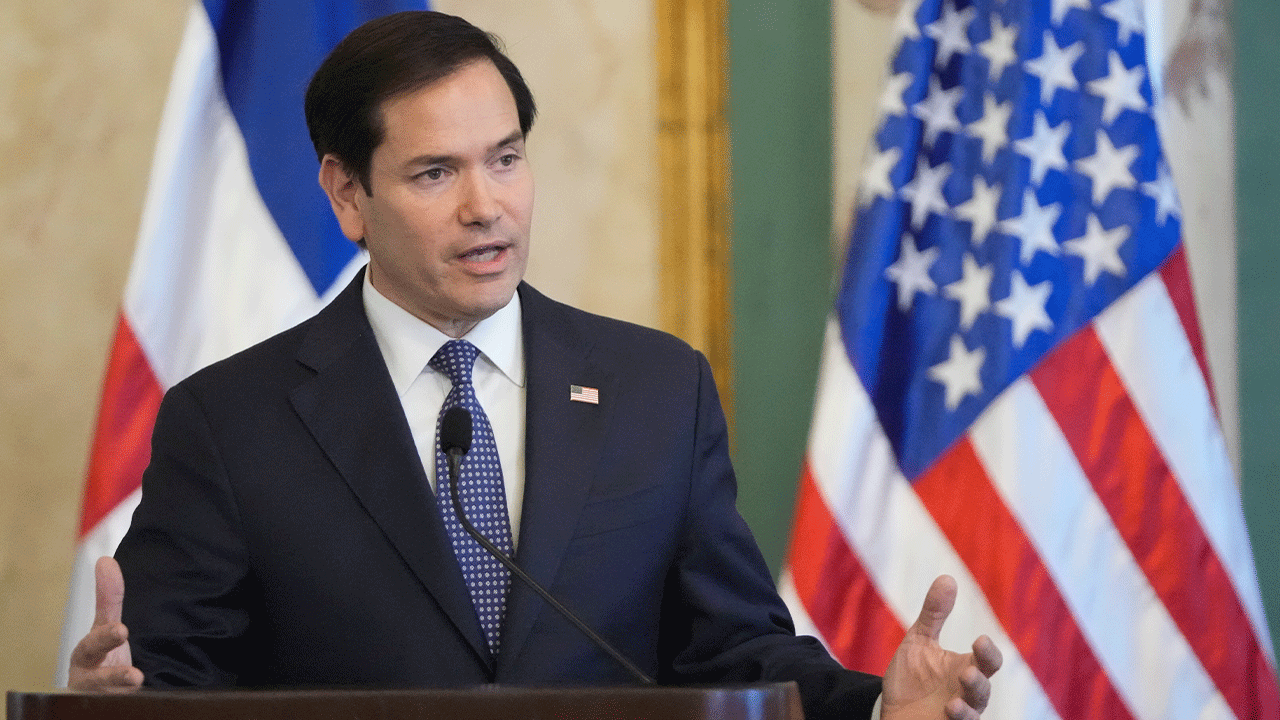
US announces more sanctions on ICC officials for targeting Americans, Israelis
Entities mentioned:
- International Criminal Court (ICC): Justice, Influence, Duty
- United States: Self-preservation, Power, Control
- Israel: Self-preservation, Security, Power
- Marco Rubio: Righteousness, Patriotism, Power
- Donald Trump: Power, Control, Influence
Article Assessment:
Credibility Score: 75/100
Bias Rating: 55/100 (Center)
Sentiment Score: 35/100
Authoritarianism Risk: 65/100 (Authoritarian Tendencies)
Bias Analysis:
The article presents both US and ICC perspectives, quoting officials from both sides. However, it gives slightly more space to the US position and reasoning behind the sanctions, suggesting a slight lean towards the US viewpoint.
Key metric: International Relations and Diplomacy
As a social scientist, I analyze that this move by the United States to sanction ICC officials significantly impacts international relations and diplomacy. The sanctions represent a strong pushback against international jurisdiction over US and Israeli nationals, potentially weakening the ICC's global influence and effectiveness. This action may strain relationships with allies, particularly those who are ICC members, and could be seen as the US prioritizing its sovereignty over international cooperation in matters of justice. The move also risks undermining the broader system of international law and could encourage other nations to similarly reject international court decisions they disagree with, potentially leading to a more fragmented global legal order.
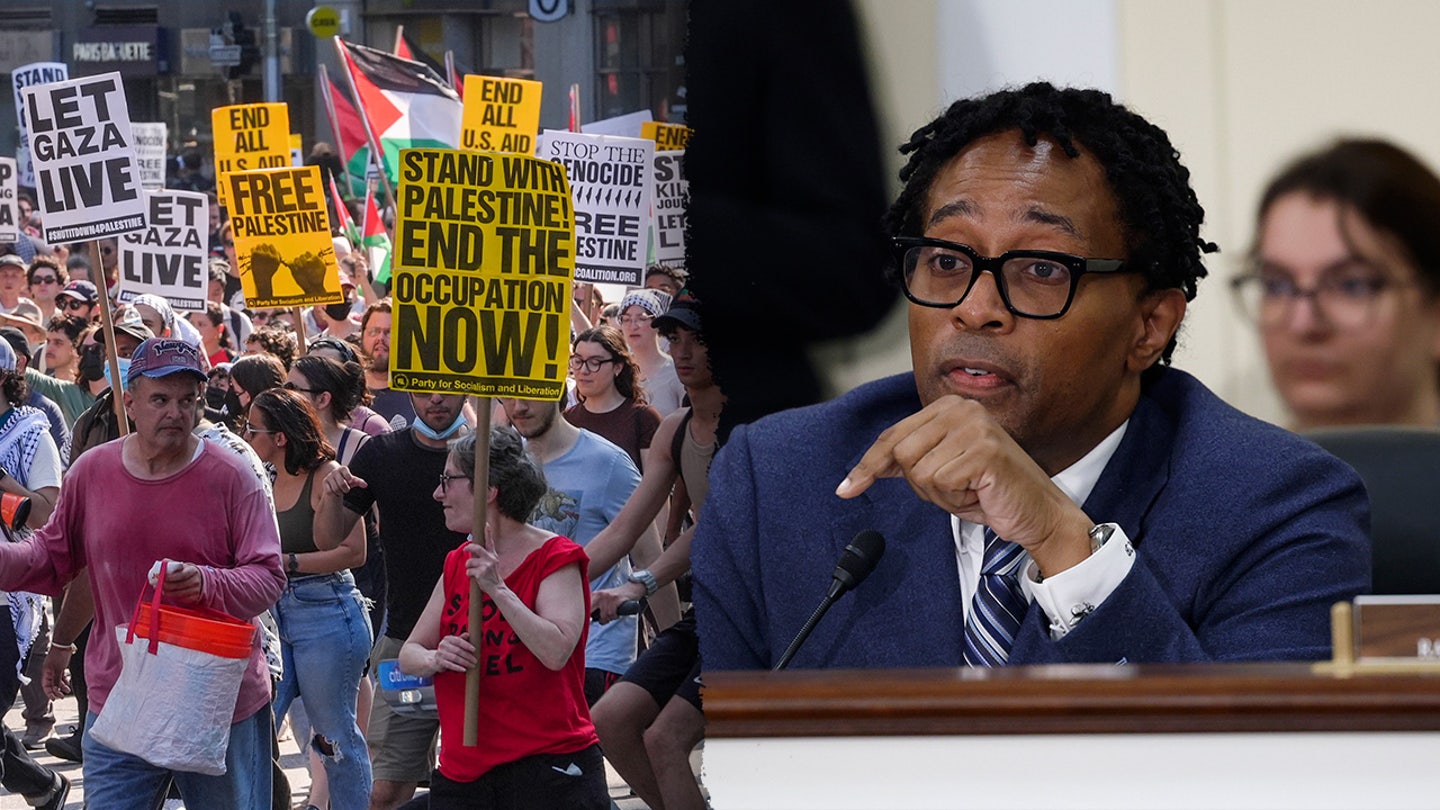
House Democrat clashes with activists over Israel 'genocide' as pro-Palestinian protests derail town hall
Entities mentioned:
- Rep. Wesley Bell: Duty, Professional pride, Unity
- Pro-Palestinian activists: Moral outrage, Justice, Righteousness
- Hamas: Power, Control, Revenge
- Israel: Self-preservation, Security, Justice
Article Assessment:
Credibility Score: 75/100
Bias Rating: 55/100 (Center)
Sentiment Score: 30/100
Authoritarianism Risk: 25/100 (Generally Democratic)
Bias Analysis:
The article presents multiple viewpoints, including those of Rep. Bell, protesters, and supportive attendees. While it leans slightly towards Bell's perspective, it also includes the activists' arguments and attempts to provide context for both sides.
Key metric: Political Polarization
As a social scientist, I analyze that this event demonstrates increasing political polarization in the United States, particularly surrounding the Israel-Palestine conflict. The town hall's disruption by pro-Palestinian activists highlights the growing divide between moderate Democrats and more progressive elements within the party. Rep. Bell's struggle to maintain order and discuss local issues amidst protests over foreign policy reflects the challenges faced by elected officials in addressing both domestic and international concerns. The intense emotions and accusations of genocide indicate a deepening rift in public opinion on the Israel-Gaza conflict, which could potentially impact future policy decisions and electoral outcomes.
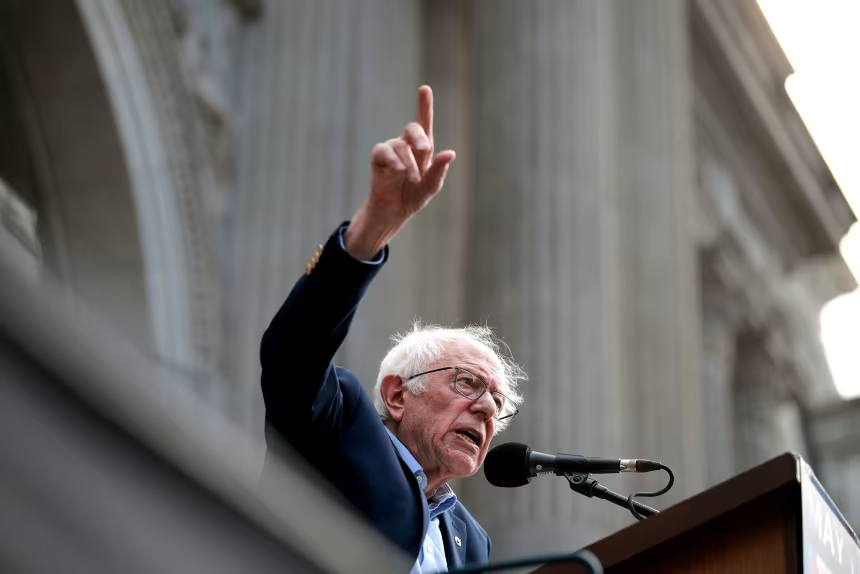
Bernie Sanders thinks Democrats have turned on their base. Now it’s time to fight back
Entities mentioned:
- Bernie Sanders: Justice, Moral outrage, Influence
- Democratic Party: Power, Control, Self-preservation
- Republican Party: Power, Control, Competitive spirit
- Donald Trump: Power, Control, Ambition
- Kamala Harris: Ambition, Power, Influence
- Israel: Self-preservation, Security, Control
- Vladimir Putin: Power, Control, Greed
Article Assessment:
Credibility Score: 75/100
Bias Rating: 40/100 (Lean Left)
Sentiment Score: 35/100
Authoritarianism Risk: 45/100 (Mixed/Neutral)
Bias Analysis:
The article leans slightly left, giving more prominence to Sanders' progressive views and critiques of both parties. While it includes some opposing viewpoints, the framing tends to emphasize Sanders' perspective on various issues.
Key metric: Political Polarization Index
As a social scientist, I analyze that this article highlights the increasing political polarization in the United States, particularly in relation to redistricting efforts and party strategies. Bernie Sanders' criticism of both Republican tactics and Democratic responses indicates a deepening divide between parties and within the Democratic Party itself. The discussion of gerrymandering and retaliatory redistricting suggests a deterioration of democratic norms, which could further erode public trust in the electoral system. Sanders' comments on the Democratic Party's perceived abandonment of its working-class base reflect growing tensions within the party and could impact voter alignment. The article also touches on international issues, including the Israel-Gaza conflict and US-Russia relations, which may influence domestic political discourse and foreign policy positions. Overall, the content suggests an intensification of ideological rifts and a potential shift in political alliances, which could significantly affect the Political Polarization Index in the coming years.

Crisis in Gaza seems hopeless. Here’s a potential pathway for a 90-day solution
Entities mentioned:
- Brett McGurk: Professional pride, Duty, Influence
- Hamas: Power, Control, Revenge
- Israel: Security, Self-preservation, Justice
- United States: Influence, Security, Duty
- Qatar: Influence, Power, Recognition
- Egypt: Influence, Security, Stability
- France: Influence, Moral outrage, Justice
- United Kingdom: Influence, Moral outrage, Justice
- Benjamin Netanyahu: Power, Self-preservation, Security
- Joe Biden: Influence, Duty, Legacy
Article Assessment:
Credibility Score: 75/100
Bias Rating: 55/100 (Center)
Sentiment Score: 45/100
Bias Analysis:
The article presents a relatively balanced view, considering multiple perspectives and options. However, it leans slightly towards a US-centric perspective, given the author's background and focus on US involvement in the solution.
Key metric: US Global Influence and Diplomatic Effectiveness
As a social scientist, I analyze that this article presents a complex geopolitical situation with multiple stakeholders and competing interests. The proposed 'Option 6' solution seeks to balance humanitarian concerns, hostage release, and long-term stability in Gaza. This approach could potentially enhance US diplomatic effectiveness by positioning it as a problem-solver in a seemingly intractable conflict. However, the success of this strategy depends on the willingness of all parties to cooperate, particularly Hamas, which has shown resistance to previous proposals. The article highlights the challenges of international diplomacy and the need for creative solutions in conflict resolution. The impact on US global influence will depend on the outcome of this proposed strategy and how it is perceived by the international community.