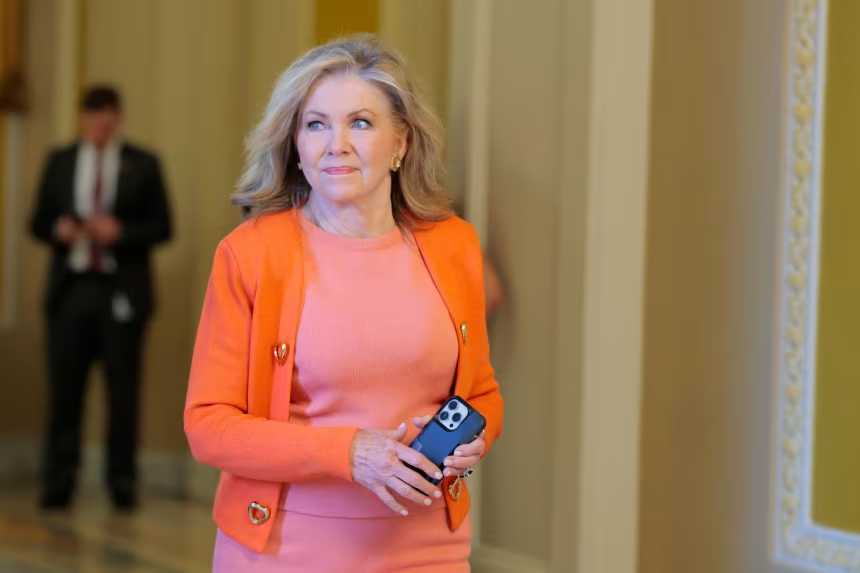
Republican US Sen. Marsha Blackburn joins Tennessee race for governor
Entities mentioned:
- Marsha Blackburn: Ambition, Power, Influence
- John Rose: Competitive spirit, Ambition, Power
- Bill Lee: Legacy, Duty
- Donald Trump: Influence, Power, Legacy
- Republican Party: Control, Power, Influence
- Democratic Party: Competitive spirit, Influence, Power
Article Assessment:
Credibility Score: 75/100
Bias Rating: 55/100 (Center)
Sentiment Score: 50/100
Authoritarianism Risk: 35/100 (Generally Democratic)
Bias Analysis:
The article presents a balanced view of the political situation, giving space to both Republican and Democratic candidates. While it provides more detail on Republican figures, this reflects the current political reality in Tennessee.
Key metric: Political Party Power Distribution
As a social scientist, I analyze that this article highlights the ongoing power dynamics within the Republican Party in Tennessee. The entry of Senator Marsha Blackburn into the 2026 gubernatorial race signifies a continuation of the rightward shift in Tennessee politics. Her alignment with former President Trump and focus on conservative issues suggests a strategy to appeal to the state's predominantly conservative voter base. The primary challenge from Rep. John Rose, another Trump supporter, indicates potential internal party competition that could influence the GOP's direction in Tennessee. The overwhelming Republican victories mentioned in recent elections underscore the party's dominance in the state, which could have implications for policy-making and governance. The Democrats' multiple candidates suggest an attempt to rebuild their presence, though the article implies their chances may be slim given recent electoral history. This political landscape reflects broader national trends of party polarization and the ongoing influence of Trump-style politics within the Republican Party.

A California plan is likely the Democrats’ best option in the redistricting wars
Entities mentioned:
- Texas Republicans: Power, Control, Competitive spirit
- California Democrats: Competitive spirit, Righteousness, Power
- Gavin Newsom: Determination, Competitive spirit, Justice
- Democratic Party: Self-preservation, Power, Competitive spirit
- Republican Party: Power, Control, Competitive spirit
- Kathy Hochul: Determination, Justice, Competitive spirit
- Kevin Kiley: Righteousness, Duty, Professional pride
- Mike Johnson: Leadership, Power, Control
- JB Pritzker: Competitive spirit, Power, Influence
- David Moon: Justice, Competitive spirit, Power
Article Assessment:
Credibility Score: 75/100
Bias Rating: 45/100 (Center)
Sentiment Score: 35/100
Authoritarianism Risk: 55/100 (Mixed/Neutral)
Bias Analysis:
The article presents perspectives from both Democratic and Republican sides, attempting to provide a balanced view of the redistricting issue. However, there is slightly more focus on Democratic strategies and quotes from Democratic officials, which is balanced by critical analysis of the limitations they face.
Key metric: Congressional Seat Distribution
As a social scientist, I analyze that this article highlights the intensifying partisan battle over redistricting, with both major parties seeking to gain or maintain power through the redrawing of congressional districts. The focus on California's potential response to Texas' redistricting efforts underscores the tit-for-tat nature of this political maneuvering. This struggle significantly impacts the distribution of congressional seats, potentially altering the balance of power in the U.S. House of Representatives. The article reveals a complex landscape where some states have independent commissions to prevent gerrymandering, while others allow for more partisan control. This situation raises concerns about the fairness of representation and the integrity of the democratic process, as both parties appear willing to exploit redistricting for political gain. The potential for mid-decade redistricting in multiple states could lead to increased political instability and further erosion of public trust in electoral systems.

House Oversight Committee subpoenas Justice Department for Epstein files, high-profile former officials for depositions
Entities mentioned:
- House Oversight Committee: Justice, Duty, Influence
- Justice Department: Duty, Control, Self-preservation
- Jeffrey Epstein: Power, Control, Greed
- Republican Party: Influence, Righteousness, Power
- Democratic Party: Self-preservation, Influence, Justice
- Mike Johnson: Control, Self-preservation, Loyalty
- James Comer: Justice, Influence, Duty
- Ghislaine Maxwell: Self-preservation, Control, Fear
- Donald Trump: Power, Influence, Self-preservation
Article Assessment:
Credibility Score: 75/100
Bias Rating: 55/100 (Center)
Sentiment Score: 35/100
Authoritarianism Risk: 25/100 (Generally Democratic)
Bias Analysis:
The article presents a relatively balanced view, including perspectives from both Republican and Democratic sides. While it focuses more on Republican-led actions, it also mentions Democratic initiatives, maintaining a fairly neutral stance.
Key metric: Government Transparency and Accountability
As a social scientist, I analyze that this article highlights a significant push for transparency and accountability in a high-profile case involving Jeffrey Epstein. The House Oversight Committee's issuance of subpoenas to various former high-ranking officials and the Justice Department indicates a strong desire to uncover potentially hidden information. This action could significantly impact government transparency, as it challenges the boundaries between congressional oversight and executive branch authority. The bipartisan nature of the subpoenas, targeting both Republican and Democratic figures, suggests a broader concern for justice beyond party lines. However, the resistance from some quarters, including House Speaker Mike Johnson, demonstrates the complex political dynamics at play. This situation could potentially lead to increased public trust in government institutions if handled transparently, or conversely, could further erode trust if perceived as politically motivated or obstructed. The involvement of former presidents and high-ranking officials also underscores the gravity of the investigation and its potential implications for public perception of political elites.
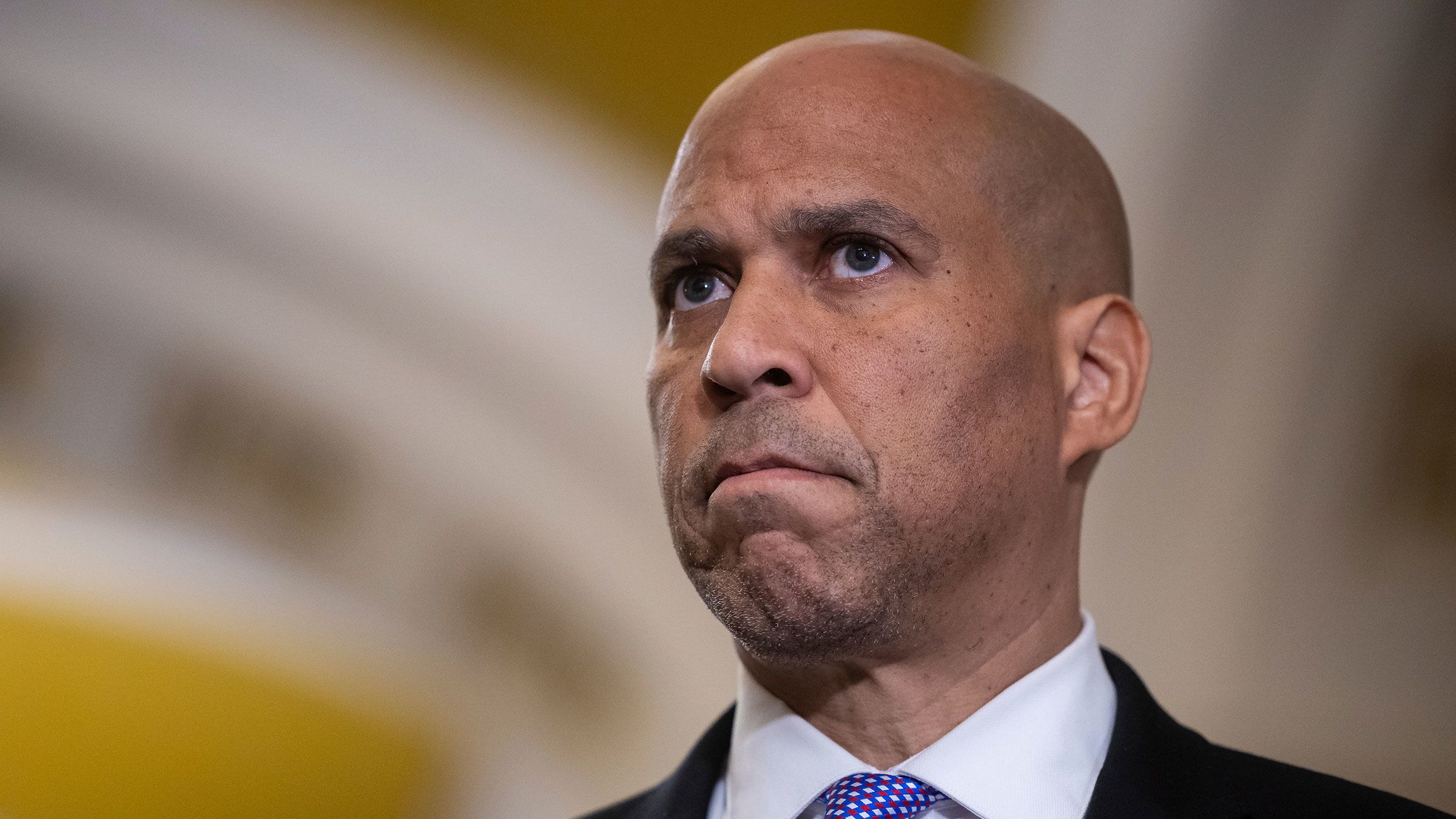
Cory Booker’s message to the Democratic Party: Don’t bend the knee to Trump
Entities mentioned:
- Cory Booker: Righteousness, Moral outrage, Determination
- Donald Trump: Power, Control, Influence
- Democratic Party: Unity, Self-preservation, Power
- Republican Party: Power, Control, Competitive spirit
Article Assessment:
Credibility Score: 75/100
Bias Rating: 40/100 (Lean Left)
Sentiment Score: 35/100
Bias Analysis:
The article leans slightly left, primarily due to its focus on a Democratic senator's perspective and criticism of Trump. While it includes some counterpoints, the overall framing favors Democratic viewpoints and concerns.
Key metric: Political Polarization Index
As a social scientist, I analyze that this article highlights the growing polarization in American politics, with Senator Booker calling for a more aggressive stance against President Trump. This approach could potentially increase political divisions and affect governance. Booker's rhetoric about 'bending the knee' and fighting against 'authoritarianism' suggests a deepening of party lines and a possible escalation of political conflict. His call for Democrats to engage in partisan redistricting, despite previous stances on nonpartisan approaches, indicates a shift towards more aggressive political tactics. This could further erode trust in democratic institutions and processes, potentially leading to increased voter cynicism and decreased faith in the political system.
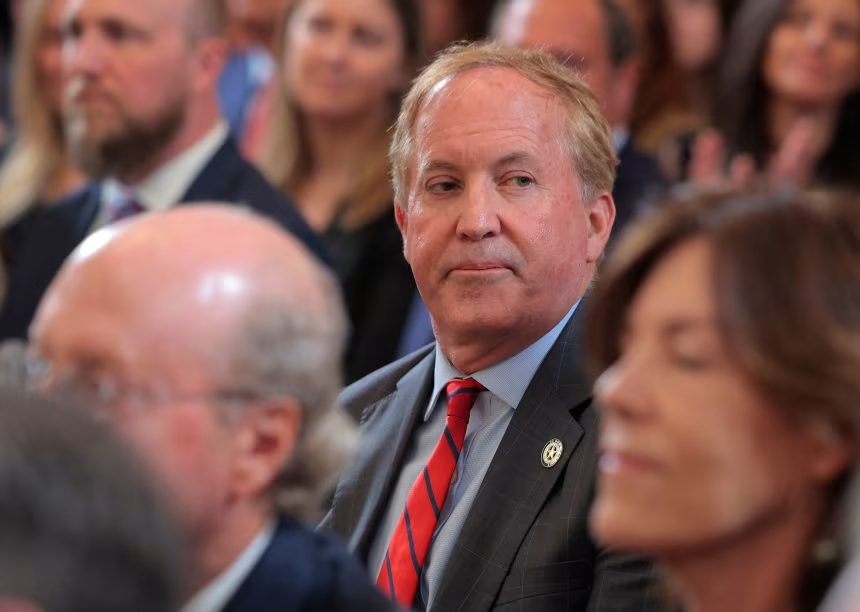
Ken Paxton’s long-distance quest for a Trump endorsement
Entities mentioned:
- Ken Paxton: Ambition, Power, Recognition
- Donald Trump: Influence, Power, Control
- John Cornyn: Self-preservation, Power, Loyalty
- John Thune: Unity, Control, Loyalty
- Wesley Hunt: Ambition, Loyalty, Recognition
- Republican Party: Power, Control, Unity
- Democratic Party: Power, Competitive spirit, Control
Article Assessment:
Credibility Score: 75/100
Bias Rating: 55/100 (Center)
Sentiment Score: 45/100
Bias Analysis:
The article presents multiple perspectives and includes information from various sources, including both Republican and Democratic viewpoints. While it focuses more on Republican internal dynamics, it maintains a relatively neutral tone in its reporting.
Key metric: Political Party Control of the US Senate
As a social scientist, I analyze that this article highlights the intense competition within the Republican Party for control of a key Senate seat in Texas. The pursuit of Trump's endorsement by both Paxton and Cornyn demonstrates the former president's continued influence in GOP politics. This intra-party conflict could potentially impact the Republican Party's ability to maintain control of the Senate in the 2026 midterms. The article suggests that a divisive primary could weaken the eventual Republican nominee, potentially giving Democrats an opportunity in a traditionally red state. This situation exemplifies how internal party dynamics and the influence of key political figures can have broader implications for national political outcomes.

Trump’s cynical bait-and-switch on IVF
Entities mentioned:
- Donald Trump: Power, Influence, Recognition
- Trump Administration: Control, Influence, Self-preservation
- Republican Party: Power, Control, Self-preservation
- JD Vance: Loyalty, Ambition, Influence
- Rand Paul: Righteousness, Skepticism, Professional pride
- Pharmaceutical Companies: Greed, Self-preservation, Power
- Insurance Companies: Greed, Self-preservation, Control
Article Assessment:
Credibility Score: 75/100
Bias Rating: 35/100 (Lean Left)
Sentiment Score: 30/100
Bias Analysis:
The article leans left, evidenced by its critical tone towards Trump and skepticism of his promises. However, it includes factual information and quotes from various sources, maintaining some balance despite an overall negative framing of Trump's actions.
Key metric: Healthcare Affordability
As a social scientist, I analyze that this article exposes a significant disconnect between Trump's campaign promises and actual policy implementation regarding IVF coverage. The lack of concrete action on making IVF more affordable or accessible, despite explicit promises, suggests a cynical political strategy rather than genuine policy intent. This discrepancy could potentially impact public trust in political promises and healthcare reform efforts. The article also highlights the complex intersection of healthcare policy, reproductive rights, and conservative values, demonstrating the challenges in implementing sweeping healthcare changes in a politically polarized environment.
- Read more about Trump’s cynical bait-and-switch on IVF
- Log in to post comments
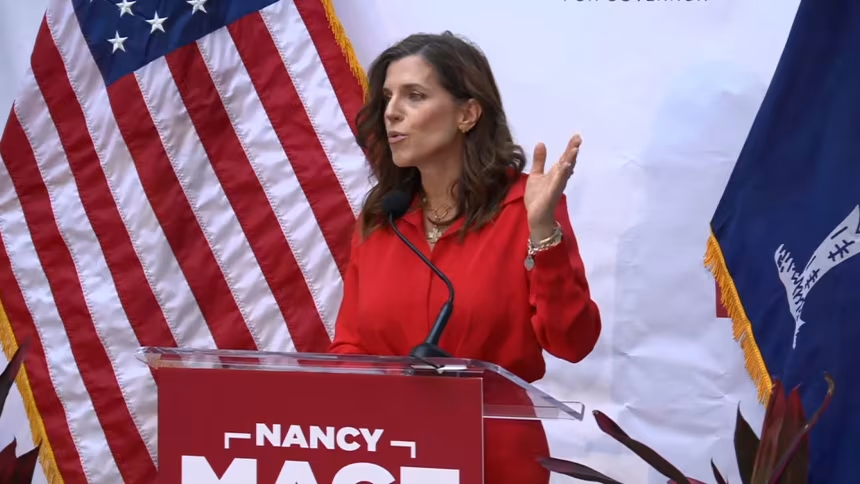
Republican Rep. Nancy Mace launches campaign for South Carolina governor
Entities mentioned:
- Nancy Mace: Ambition, Power, Self-preservation
- Donald Trump: Influence, Power, Loyalty
- Alan Wilson: Professional pride, Self-preservation, Justice
- Republican Party: Power, Control, Unity
Article Assessment:
Credibility Score: 75/100
Bias Rating: 55/100 (Center)
Sentiment Score: 45/100
Bias Analysis:
The article presents a balanced view of Nancy Mace's political career and campaign launch, including both supportive and critical elements. While it provides context on her relationship with Trump and controversial stances, it maintains a largely neutral tone in its reporting.
Key metric: Political Polarization Index
As a social scientist, I analyze that this article highlights the increasing polarization within the Republican Party and the broader political landscape. Nancy Mace's evolution from a Trump critic to an ally demonstrates the power dynamics and ideological shifts within the GOP. Her campaign launch and policy proposals, particularly those targeting state agencies and addressing cultural issues, reflect a growing trend of confrontational politics. The mention of her past criticisms of Trump and subsequent alignment with him illustrates the complex nature of party loyalty and political survival in the current climate. This case study provides insight into how individual political ambitions intersect with party dynamics and national trends, potentially exacerbating political divisions and affecting governance at both state and national levels.
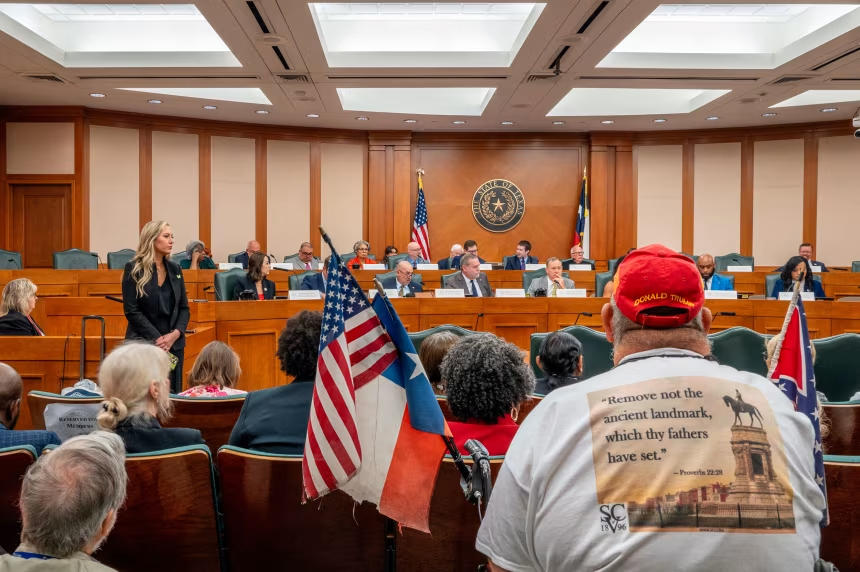
Chief Justice John Roberts enabled Texas’ gambit to gerrymander the state for the GOP
Entities mentioned:
- Chief Justice John Roberts: Power, Control, Professional pride
- US Supreme Court: Power, Control, Influence
- Republican Party: Power, Control, Self-preservation
- Democratic Party: Power, Control, Self-preservation
- Donald Trump: Power, Control, Ambition
- Justice Elena Kagan: Justice, Righteousness, Duty
Article Assessment:
Credibility Score: 75/100
Bias Rating: 35/100 (Lean Left)
Sentiment Score: 30/100
Bias Analysis:
The article leans left in its framing, focusing more on criticisms of the Supreme Court decision and Republican actions. While it mentions Democratic counter-strategies, it portrays Republican efforts more negatively. The source selection and language used suggest a left-leaning perspective.
Key metric: Electoral Integrity
As a social scientist, I analyze that the Supreme Court's 2019 decision in Rucho v. Common Cause has significantly impacted electoral integrity in the United States. By ruling that federal courts cannot review partisan gerrymandering cases, the Court has effectively removed a crucial check on extreme redistricting practices. This has emboldened political parties, particularly Republicans in Texas, to engage in aggressive gerrymandering to entrench their power. The decision has sparked a partisan arms race in redistricting, potentially leading to more polarized and less competitive elections. This undermines the principle of fair representation and could erode public trust in democratic institutions. The long-term consequences may include decreased voter engagement, increased political polarization, and a weakening of the democratic process.