
The common thread in Trump’s latest moves: squeezing big blue cities
Entities mentioned:
- Donald Trump: Power, Control, Revenge
- Democratic Party: Self-preservation, Unity, Resistance
- Republican Party: Power, Control, Loyalty
- ICE: Duty, Control, Security
- National Guard: Duty, Security, Control
- Big Cities: Self-preservation, Resistance, Unity
Article Assessment:
Credibility Score: 70/100
Bias Rating: 35/100 (Lean Left)
Sentiment Score: 25/100
Authoritarianism Risk: 70/100 (Authoritarian Tendencies)
Bias Analysis:
The article leans left, presenting Trump's actions as primarily negative for cities. While it includes some factual information and expert opinions, the language and framing consistently portray Trump's policies as harmful to urban areas and beneficial to his political goals.
Key metric: Urban-Rural Political Divide
As a social scientist, I analyze that this article highlights a growing trend of federal intervention in urban governance, potentially exacerbating the urban-rural political divide in the United States. The actions described, such as deploying federal forces to cities and redistricting efforts, appear to be systematically reducing the political influence of large metropolitan areas. This could lead to decreased representation for urban populations in national politics, despite their significant contributions to economic growth and innovation. The approach may also intensify social tensions and challenge the traditional balance of federal-local power dynamics in the US political system.
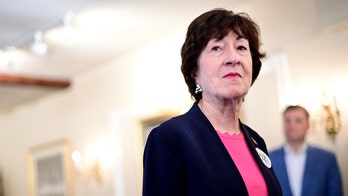
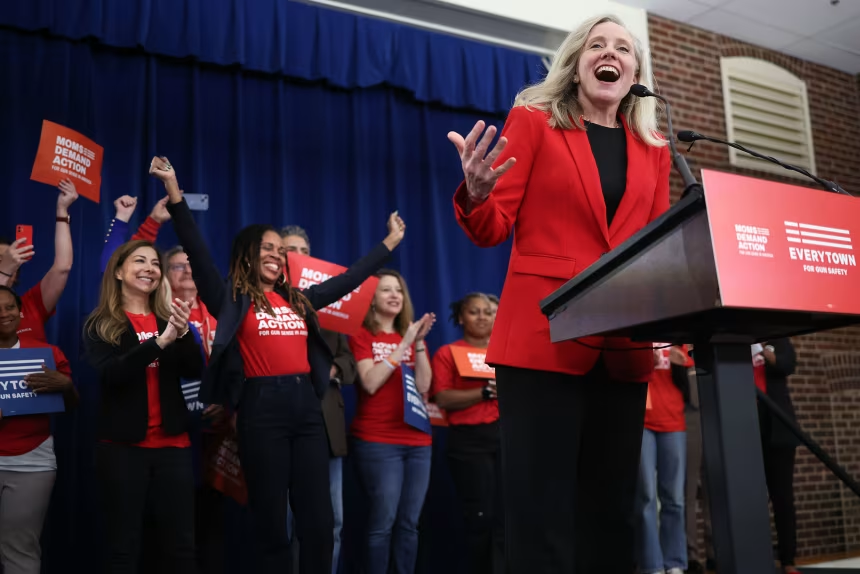
Transgender Democrat accuses Trump of 'all-out assault' against 'American democracy'
Entities mentioned:
- Sarah McBride: Righteousness, Moral outrage, Justice
- Donald Trump: Power, Control, Influence
- Democratic Party: Power, Influence, Justice
- Republican Party: Power, Control, Competitive spirit
Article Assessment:
Credibility Score: 65/100
Bias Rating: 70/100 (Lean Right)
Sentiment Score: 30/100
Authoritarianism Risk: 45/100 (Mixed/Neutral)
Bias Analysis:
The article leans right, evidenced by more coverage of Republican viewpoints and critiques of Democratic policies. The framing of issues, particularly around immigration and election integrity, aligns more closely with conservative talking points.
Key metric: Political Polarization Index
As a social scientist, I analyze that this article highlights the growing political polarization in the United States. The accusation by Rep. Sarah McBride, a transgender Democrat, that Trump is waging an 'all-out assault' on American democracy exemplifies the extreme rhetoric used by both sides of the political spectrum. This type of language further deepens the divide between Democrats and Republicans, potentially increasing distrust in democratic institutions and processes. The article's presentation of various political conflicts, from local town halls to state legislatures and federal issues, demonstrates how this polarization permeates all levels of government. This heightened tension could lead to decreased cooperation across party lines and may impact the functionality of democratic processes.
Progressive veterans group seeks to boost Spanberger in Virginia governor’s race with $500,000 ad campaign
Entities mentioned:
- VoteVets: Influence, Unity, Professional pride
- Abigail Spanberger: Ambition, Duty, Influence
- Winsome Earle-Sears: Ambition, Loyalty, Competitive spirit
- Donald Trump: Power, Influence, Legacy
- Democratic Party: Power, Control, Influence
- Republican Party: Power, Control, Competitive spirit
Article Assessment:
Credibility Score: 75/100
Bias Rating: 45/100 (Center)
Sentiment Score: 55/100
Authoritarianism Risk: 20/100 (Strongly Democratic)
Bias Analysis:
The article presents information from both Democratic and Republican perspectives, though slightly more space is given to Democratic strategies and viewpoints. The language used is generally neutral, with factual reporting of campaign activities and financial data.
Key metric: Political Party Power Balance
As a social scientist, I analyze that this article highlights the significance of the Virginia gubernatorial race as a bellwether for national political sentiment. The involvement of VoteVets, a progressive veterans' organization, demonstrates the increasing importance of candidates with military backgrounds in shaping party image and voter appeal. The focus on cost-of-living issues and the criticism of GOP policies indicate that economic concerns are likely to be central to the campaign. The article also reveals the strategies employed by both parties, with Democrats emphasizing affordability and Republicans focusing on cultural issues and alignment with national party figures. The financial disparity between the candidates and the advertising investments suggest that Democrats are currently in a stronger position, but the race remains competitive given recent Republican successes in the state.
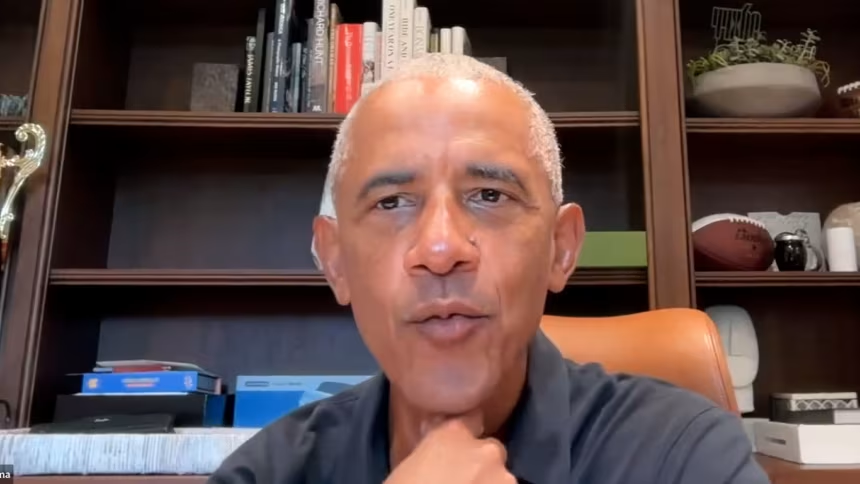
Obama praises Texas Democrats and calls state redistricting effort ‘a systematic assault on democracy’
Entities mentioned:
- Barack Obama: Justice, Democracy, Influence
- Texas House Democrats: Righteousness, Justice, Determination
- Republican Party: Power, Control, Self-preservation
- California: Justice, Competitive spirit, Influence
- Gavin Newsom: Justice, Competitive spirit, Influence
- Eric Holder: Justice, Democracy, Influence
- Donald Trump: Power, Control, Self-preservation
Article Assessment:
Credibility Score: 75/100
Bias Rating: 35/100 (Lean Left)
Sentiment Score: 35/100
Authoritarianism Risk: 25/100 (Generally Democratic)
Bias Analysis:
The article leans left in its framing, giving more voice and positive portrayal to Democratic figures and their motivations. While it includes some Republican perspective, it predominantly presents the Democratic view of the redistricting issue.
Key metric: Electoral Integrity
As a social scientist, I analyze that this article highlights a significant debate over redistricting efforts in Texas, with implications for broader democratic processes in the United States. The involvement of former President Obama lends weight to the Democrats' stance against what they perceive as unfair gerrymandering by Republicans. The article frames the issue as a struggle for democratic integrity, with Republicans portrayed as attempting to manipulate the system for political gain. This conflict reflects deeper tensions in American politics regarding representation, electoral fairness, and the balance of power between parties. The mention of other states like California responding to these actions suggests a potential escalation of partisan map-drawing across the country, which could have long-term effects on electoral outcomes and political polarization. The article also touches on broader concerns about democratic erosion, linking redistricting to other issues such as voter suppression and executive overreach, indicating a complex interplay of factors affecting the key metric of Electoral Integrity.
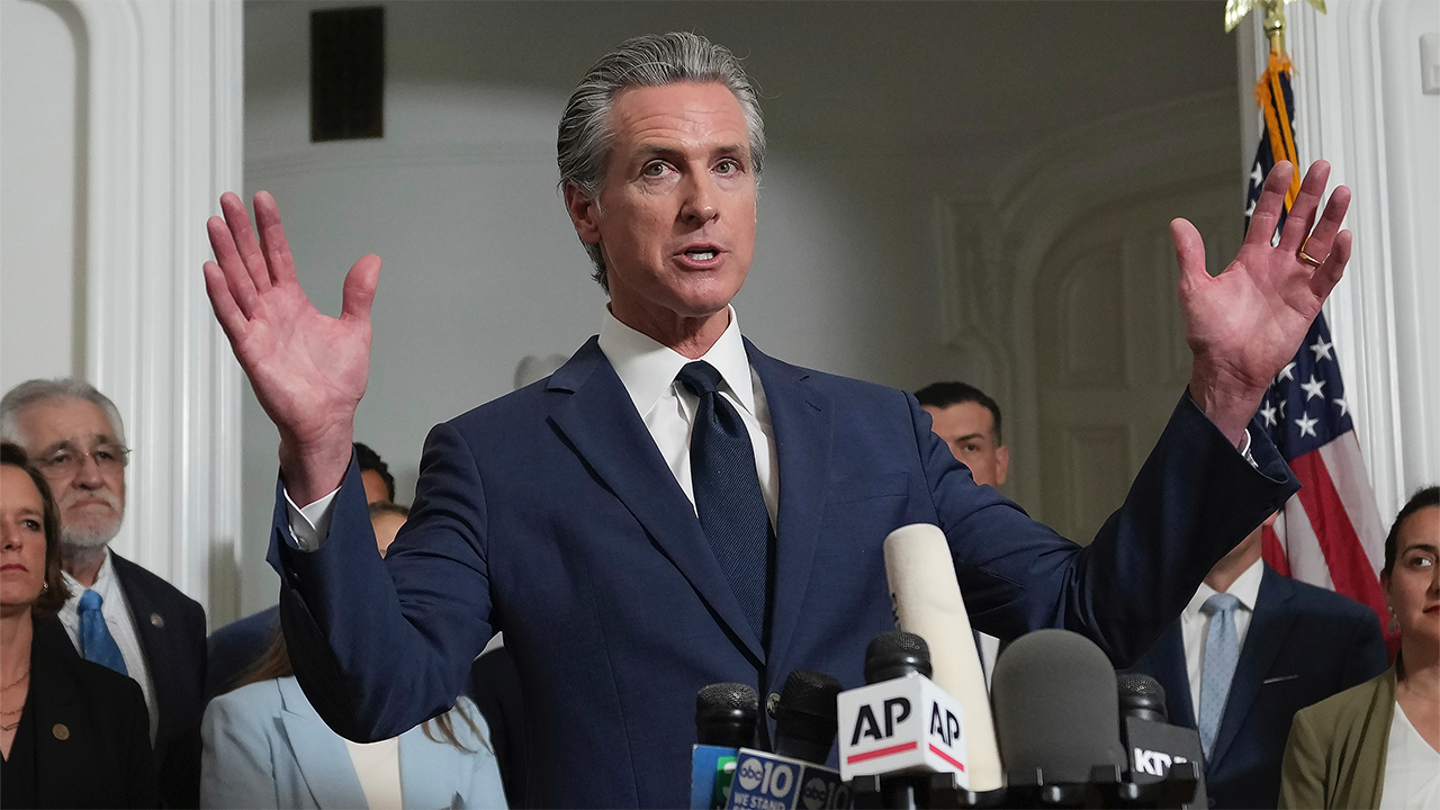
Newsom unveiling California redistricting effort to counter Trump-backed push in Texas
Entities mentioned:
- Gavin Newsom: Ambition, Competitive spirit, Power
- Donald Trump: Power, Control, Influence
- California Democratic Party: Power, Control, Competitive spirit
- Republican Party: Power, Control, Self-preservation
- Arnold Schwarzenegger: Justice, Duty, Legacy
- National Republican Congressional Committee: Power, Control, Competitive spirit
Article Assessment:
Credibility Score: 65/100
Bias Rating: 55/100 (Center)
Sentiment Score: 35/100
Authoritarianism Risk: 60/100 (Mixed/Neutral)
Bias Analysis:
The article presents views from both Democratic and Republican sides, including criticisms of Newsom's plan. However, it gives more space to Newsom's perspective and motivations, slightly tilting the overall tone towards a center-left position.
Key metric: Electoral Competitiveness
As a social scientist, I analyze that this article highlights a significant escalation in the ongoing battle over redistricting and its impact on electoral competitiveness. Governor Newsom's aggressive response to Republican redistricting efforts in Texas represents a departure from California's previous commitment to non-partisan redistricting. This move could potentially alter the balance of power in the House of Representatives, affecting national policy-making. The use of mid-decade redistricting as a political tool raises concerns about the stability and fairness of electoral systems, potentially undermining voter trust in democratic processes. The article also underscores the increasing nationalization of state-level politics, with state actions being framed as direct responses to federal-level political maneuvers.

Facts First
Entities mentioned:
- Donald Trump: Power, Influence, Legacy
- Joe Biden: Duty, Legacy, Unity
- Kamala Harris: Ambition, Recognition, Unity
- Nikki Haley: Ambition, Competitive spirit, Recognition
- Republican Party: Power, Control, Loyalty
- Democratic Party: Unity, Justice, Control
- Voters: Security, Freedom, Self-preservation
Article Assessment:
Credibility Score: 75/100
Bias Rating: 45/100 (Center)
Sentiment Score: 45/100
Authoritarianism Risk: 25/100 (Generally Democratic)
Bias Analysis:
The articles attempt to present diverse voter perspectives from various regions and demographics. While there's a slight lean towards examining Democratic challenges, the content also covers Republican voter sentiments extensively.
Key metric: Voter Engagement and Political Polarization
As a social scientist, I analyze that this collection of articles highlights the deep political divisions and shifting voter sentiments in key battleground states. The content demonstrates how various demographic groups, including blue-collar workers, Hispanic voters, and suburban residents, are responding to major political figures and policy issues. The articles reveal a complex political landscape where traditional party loyalties are being tested, and voters are grappling with concerns about age, economic impacts, and social issues. This ongoing voter engagement and the apparent polarization suggest a highly contested and potentially volatile political environment leading up to the 2024 election.
- Read more about Facts First
- Log in to post comments

Do Democrats have a Zohran Mamdani problem?
Entities mentioned:
- Zohran Mamdani: Ambition, Recognition, Influence
- Democratic Party: Self-preservation, Power, Unity
- Republican Party: Competitive spirit, Power, Control
- Barack Obama: Influence, Legacy, Unity
Article Assessment:
Credibility Score: 75/100
Bias Rating: 45/100 (Center)
Sentiment Score: 50/100
Authoritarianism Risk: 25/100 (Generally Democratic)
Bias Analysis:
The article presents a balanced view, offering both positive and negative aspects of Mamdani's candidacy and its potential impact. It cites various polls and presents multiple perspectives, indicating an effort to maintain neutrality.
Key metric: Democratic Party Approval Rating
As a social scientist, I analyze that Zohran Mamdani's rise to prominence as the Democratic nominee for New York City mayor poses both opportunities and challenges for the Democratic Party. His socialist policies and controversial past statements on issues like policing and Israel could potentially alienate moderate voters and damage the party's image. However, polling suggests that some of his progressive ideas are popular among voters, and the evolving public opinion on issues like Israel might mitigate some potential negative impacts. The Democratic Party's response, including hesitancy from some members to endorse him, reflects concern about how Mamdani's candidacy might affect their broader electoral prospects. The Republicans' eagerness to use Mamdani as a campaign tool against Democrats nationally indicates they see his candidacy as a vulnerability for their opponents. The article suggests that while Mamdani's socialist label and some past statements could be problematic, the impact on the Democratic Party will largely depend on how he campaigns and potentially governs, as well as how effectively he moderates his image and message.
- Read more about Do Democrats have a Zohran Mamdani problem?
- Log in to post comments
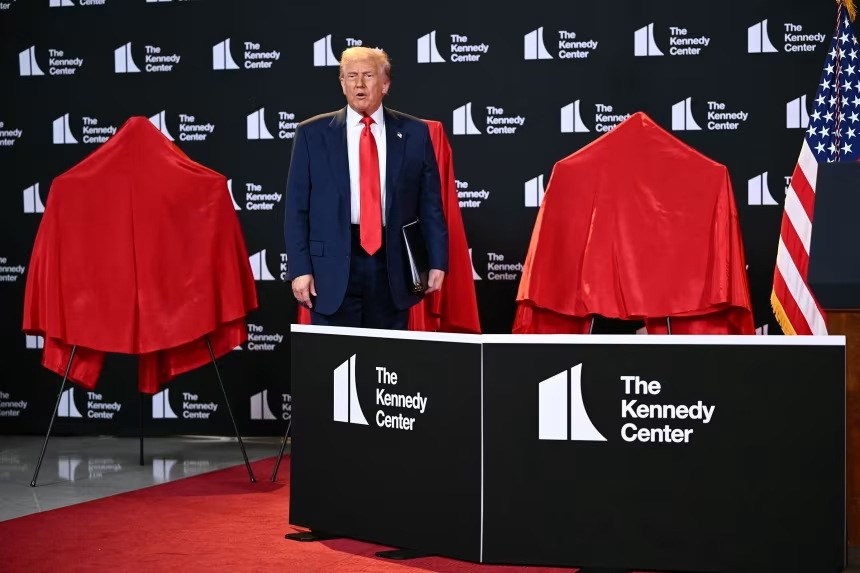
Trump announces Kennedy Center honorees as he tries to put his stamp on DC
Entities mentioned:
- Donald Trump: Power, Control, Legacy
- Kennedy Center: Professional pride, Influence, Recognition
- Republican Party: Loyalty, Power, Control
- Democratic Party: Righteousness, Moral outrage, Resistance
- Washington, DC: Self-preservation, Freedom, Unity
Article Assessment:
Credibility Score: 70/100
Bias Rating: 45/100 (Center)
Sentiment Score: 35/100
Authoritarianism Risk: 65/100 (Authoritarian Tendencies)
Bias Analysis:
The article presents a balanced view of events, including both Trump's actions and criticisms from opponents. While it leans slightly towards emphasizing concerns about Trump's interventions, it also includes his justifications and supporters' viewpoints.
Key metric: Government Control Over Cultural Institutions
As a social scientist, I analyze that this article highlights a significant shift in the relationship between the federal government and cultural institutions in Washington, DC. Trump's aggressive moves to exert control over the Kennedy Center and other DC institutions represent an unprecedented level of federal intervention in traditionally independent cultural spaces. This could have far-reaching implications for artistic freedom, cultural expression, and the separation of politics from the arts. The article suggests a potential politicization of cultural institutions, which may lead to changes in programming, funding, and leadership that align more closely with the current administration's ideology. This shift could impact the diversity of artistic voices and perspectives represented in these institutions, potentially altering the cultural landscape of the nation's capital and, by extension, the country.
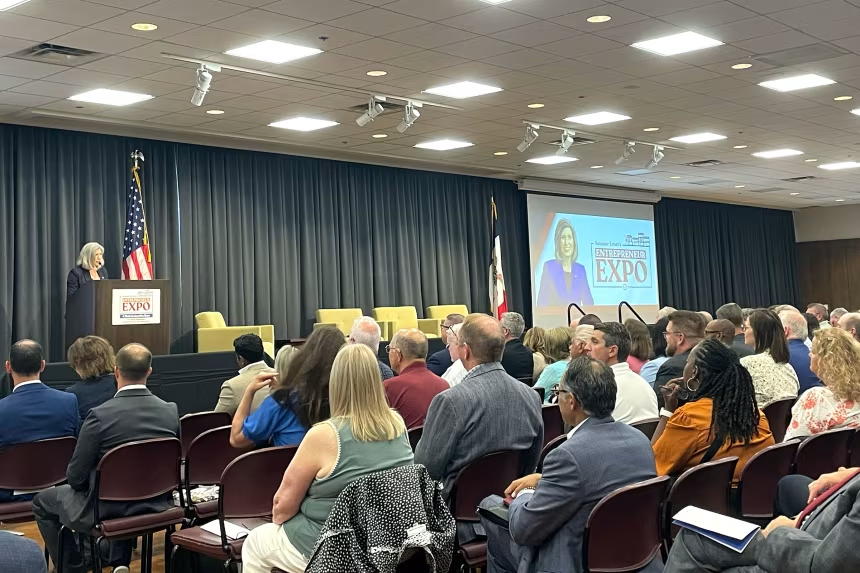
Republicans pitch Trump’s domestic policy agenda in Iowa, but some entrepreneurs aren’t yet sold
Entities mentioned:
- Kelly Loeffler: Ambition, Professional pride, Loyalty
- Laura Pager: Self-preservation, Indignation, Anxiety
- Joni Ernst: Ambition, Loyalty, Duty
- Lee Zeldin: Loyalty, Professional pride, Control
- Donald Trump: Power, Legacy, Control
- Republican Party: Power, Control, Competitive spirit
- Small Business Administration: Duty, Professional pride, Influence
- Environmental Protection Agency: Control, Influence, Professional pride
Article Assessment:
Credibility Score: 75/100
Bias Rating: 55/100 (Center)
Sentiment Score: 45/100
Authoritarianism Risk: 35/100 (Generally Democratic)
Bias Analysis:
The article presents multiple perspectives, including administration officials and business owners with varying views. While it leans slightly critical of the administration's policies, it attempts to balance this with official statements and supportive voices.
Key metric: Small Business Growth and Federal Contracting
As a social scientist, I analyze that this article highlights the complex interplay between the Trump administration's policies and their impact on small businesses, particularly in relation to federal contracting. The administration's efforts to downsize the federal government and reduce regulations are creating a challenging environment for some small business owners, especially those reliant on government contracts. This tension is evident in the conflicting narratives presented by administration officials and the experiences of business owners like Laura Pager. The article suggests that while the administration is promoting a pro-business agenda, the reality on the ground is more complicated, with some entrepreneurs feeling lost in the new landscape. This disconnect could potentially impact small business growth and participation in federal contracting, which are crucial economic indicators.

‘The House Will Take A Short Recess,’ Declares Mike Johnson Dousing Capitol In Gasoline
Entities mentioned:
- Mike Johnson: Power, Control, Righteousness
- House of Representatives: Duty, Power, Influence
- Republican Party: Competitive spirit, Power, Control
- Democratic Party: Justice, Influence, Moral outrage
- Jeffrey Epstein: Legacy, Power, Self-preservation
Article Assessment:
Credibility Score: 30/100
Bias Rating: 35/100 (Lean Left)
Sentiment Score: 20/100
Authoritarianism Risk: 70/100 (Authoritarian Tendencies)
Bias Analysis:
The article leans left, using satire to criticize Republican leadership. It presents an exaggerated, negative portrayal of Republican motivations and actions, without offering a balanced perspective.
Key metric: Government Stability and Effectiveness
As a social scientist, I analyze that this satirical article uses hyperbole to criticize the perceived obstructionist tactics of Speaker Mike Johnson and the Republican Party. The metaphorical act of dousing the Capitol in gasoline symbolizes a willingness to 'burn down' democratic institutions to maintain power and control. This reflects deep political polarization and dysfunction in the U.S. government, potentially impacting its stability and effectiveness. The article suggests that important issues (like the Epstein case) are being sidelined for political reasons, which could erode public trust in governmental institutions and processes.