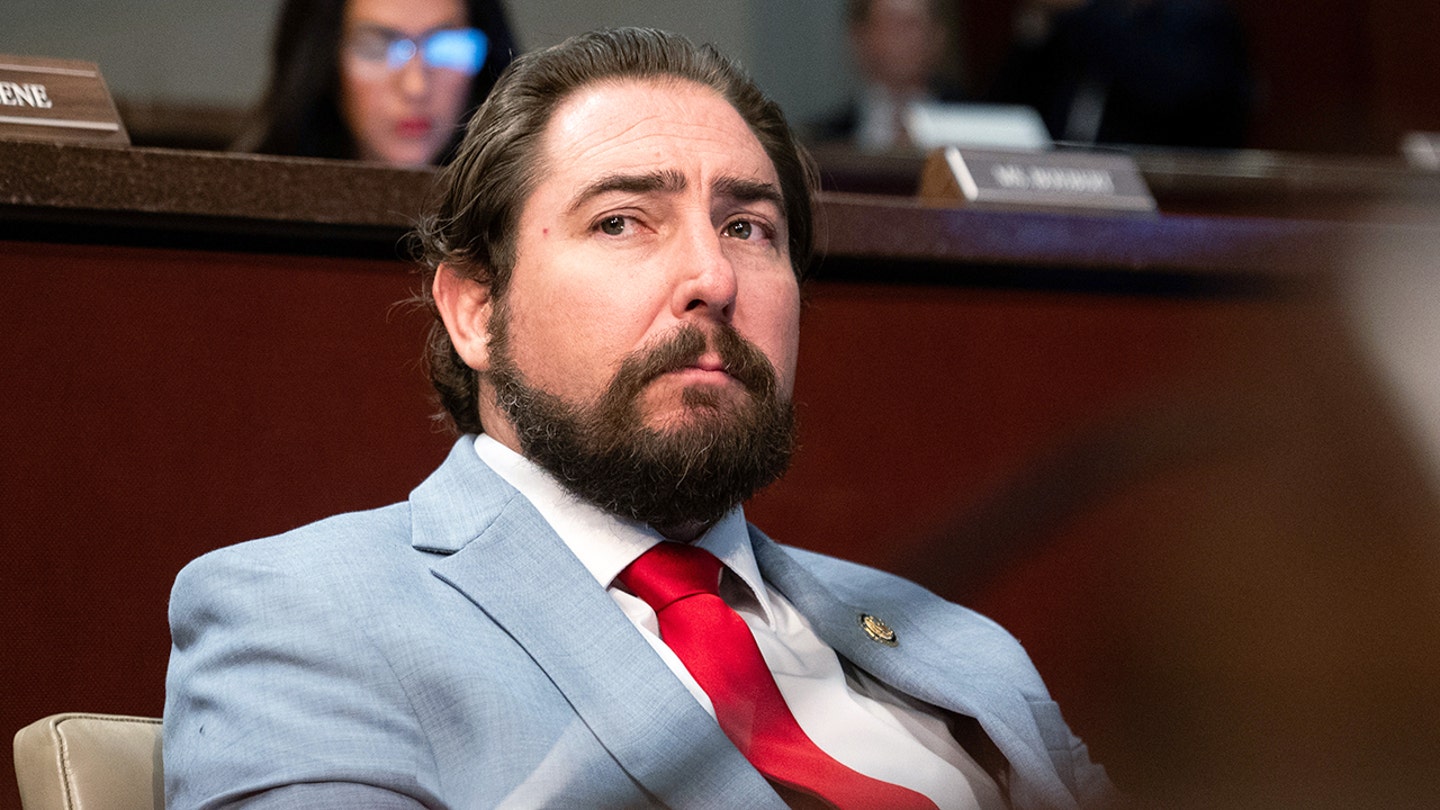
Former Navy SEAL Rep. Eli Crane fires off message for ex-President Obama: 'Probably best to sit this one out'
Entities mentioned:
- Eli Crane: Righteousness, Loyalty, Duty
- Barack Obama: Legacy, Influence, Justice
- Mike Lee: Competitive spirit, Righteousness, Duty
- Scott Walker: Righteousness, Professional pride, Influence
- Kush Desai: Loyalty, Duty, Competitive spirit
- Donald Trump: Competitive spirit, Power, Legacy
Article Assessment:
Credibility Score: 70/100
Bias Rating: 65/100 (Lean Right)
Sentiment Score: 35/100
Authoritarianism Risk: 30/100 (Generally Democratic)
Bias Analysis:
The article leans right, giving more space to Republican critiques of the ACA. While it includes Obama's perspective, it provides multiple opposing viewpoints, including a critical White House statement, suggesting a slight conservative bias.
Key metric: Healthcare Affordability Index
As a social scientist, I analyze that this article highlights ongoing political tensions surrounding the Affordable Care Act (ACA). The debate centers on the efficacy and impact of the healthcare law, with Republicans criticizing its effects on affordability and Democrats defending its benefits. The involvement of various political figures, including a former president, current lawmakers, and administration officials, underscores the continued significance of healthcare policy in American politics. This discourse may influence public perception of healthcare accessibility and affordability, potentially impacting voter behavior and policy decisions.
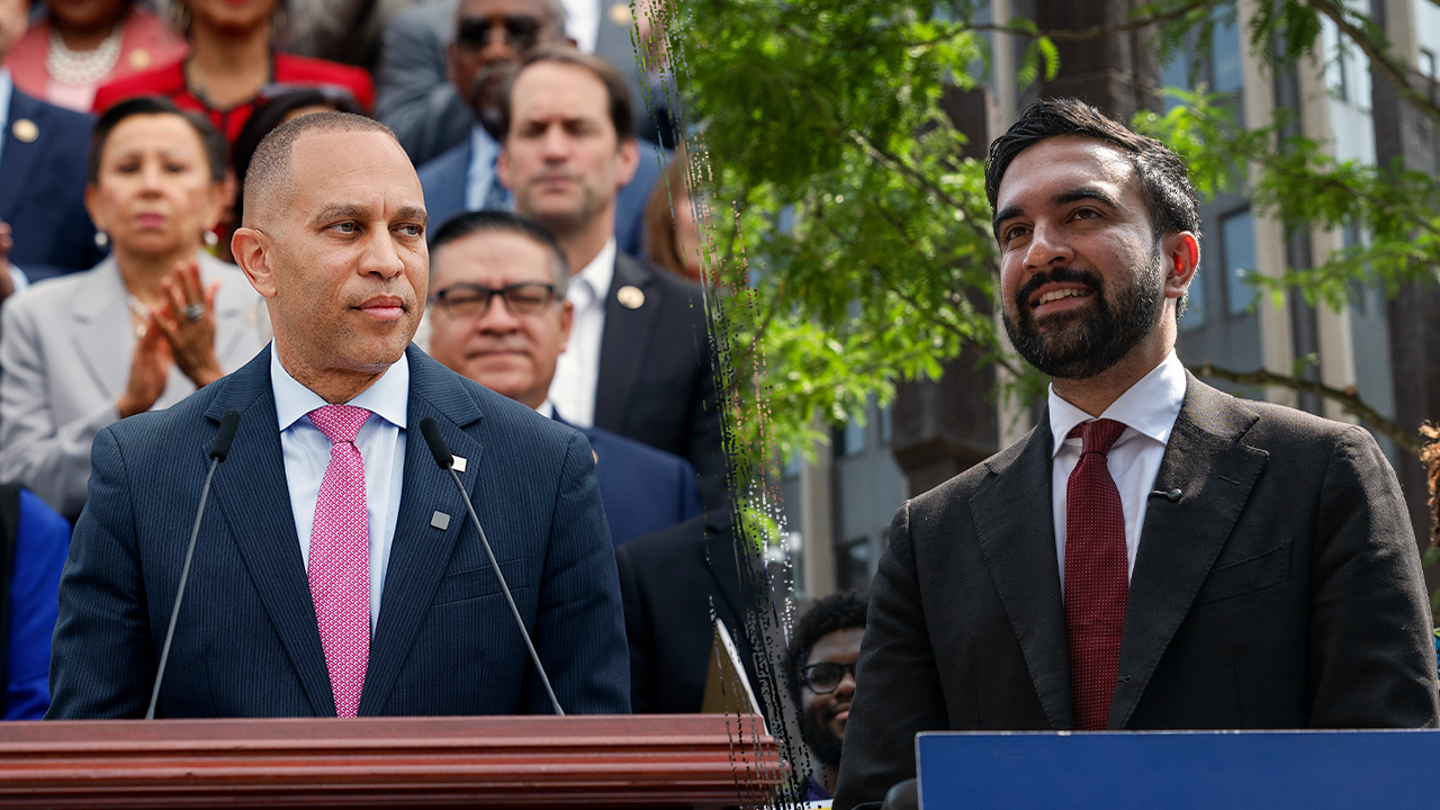
Vulnerable Democrats hammered with scathing ad handcuffing them to Mamdani, Jeffries
Entities mentioned:
- National Republican Congressional Committee (NRCC): Competitive spirit, Power, Influence
- Democratic Party: Power, Influence, Unity
- Zohran Mamdani: Righteousness, Ambition, Influence
- Hakeem Jeffries: Ambition, Power, Influence
- Donald Trump: Power, Self-preservation, Influence
- Alexandria Ocasio-Cortez: Righteousness, Influence, Justice
- House Republicans: Competitive spirit, Power, Control
Article Assessment:
Credibility Score: 55/100
Bias Rating: 75/100 (Lean Right)
Sentiment Score: 25/100
Authoritarianism Risk: 45/100 (Mixed/Neutral)
Bias Analysis:
The article leans right, primarily presenting the Republican perspective with limited Democratic rebuttal. It heavily quotes Republican sources and frames Democratic policies negatively, while giving less space to Democratic responses.
Key metric: Political Polarization Index
As a social scientist, I analyze that this article highlights the increasing political polarization in the United States. The NRCC's ad campaign targeting vulnerable Democrats by associating them with more extreme left-wing positions demonstrates a strategy of amplifying ideological differences. This approach likely contributes to further division and reduced bipartisanship, potentially impacting governance effectiveness. The focus on controversial topics such as impeachment, immigration, and socialism suggests an attempt to mobilize the Republican base and sway moderate voters by painting Democrats as radical. This messaging strategy could influence voter perceptions and potentially impact future electoral outcomes, particularly in swing districts.
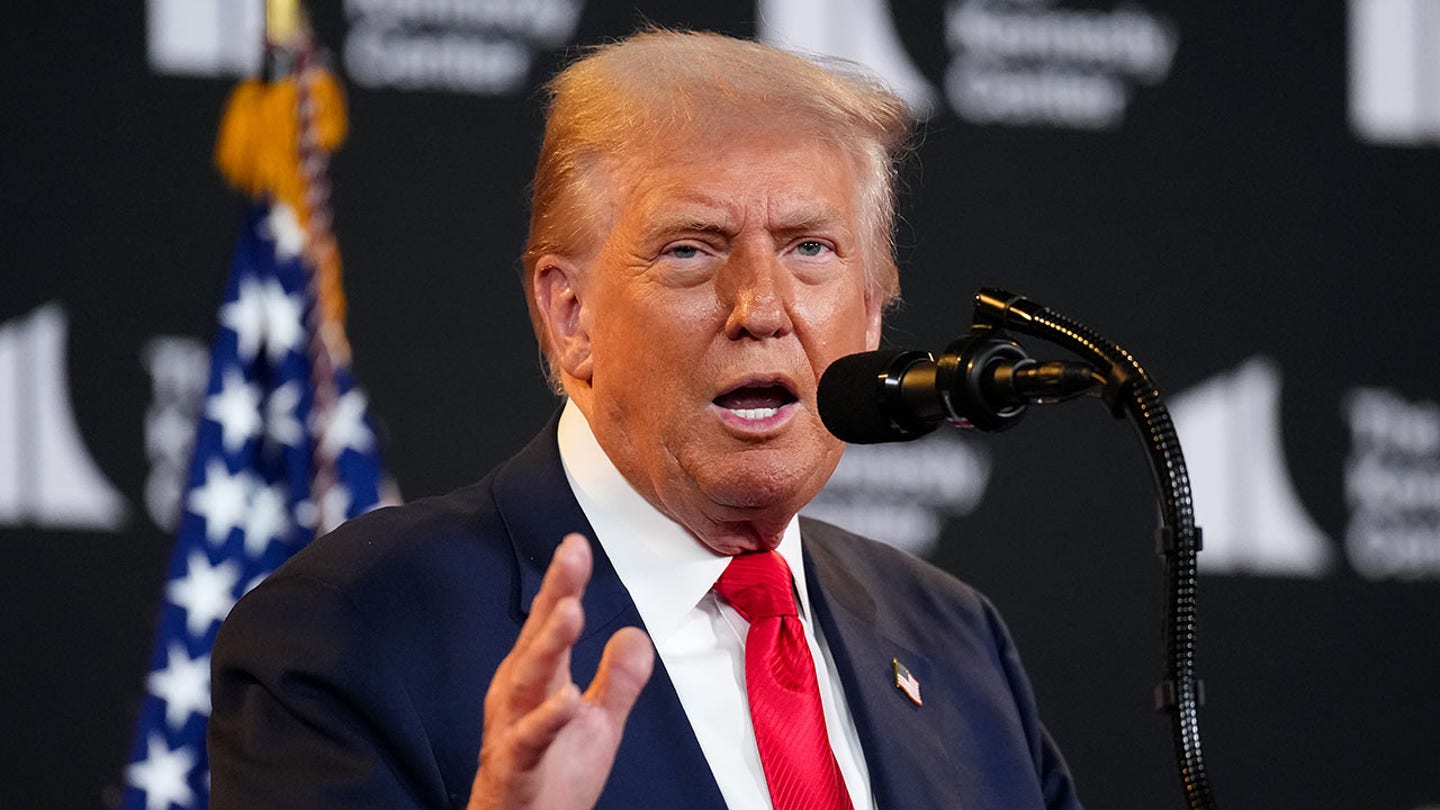
Trump predicts little progress in potential shutdown talks with 'crazy' Schumer, Jeffries
Entities mentioned:
- Donald Trump: Power, Control, Self-preservation
- Chuck Schumer: Opposition, Duty, Influence
- Hakeem Jeffries: Opposition, Duty, Influence
- John Thune: Duty, Professional pride, Unity
- Congressional Democrats: Opposition, Justice, Influence
- Congressional Republicans: Control, Power, Competitive spirit
Article Assessment:
Credibility Score: 70/100
Bias Rating: 55/100 (Center)
Sentiment Score: 30/100
Authoritarianism Risk: 40/100 (Generally Democratic)
Bias Analysis:
The article presents views from both Republican and Democratic perspectives, including direct quotes. However, it gives slightly more prominence to Trump's comments and Republican actions, while Democratic responses are somewhat less emphasized.
Key metric: Government Stability and Functionality
As a social scientist, I analyze that this article highlights the deep political divide and dysfunction in the U.S. government, particularly concerning budget negotiations. The looming threat of a government shutdown underscores the inability of both parties to work together effectively. Trump's dismissive attitude towards negotiations with Democratic leaders suggests a breakdown in bipartisan cooperation. This situation negatively impacts government stability and functionality by creating uncertainty, potentially leading to disruptions in government services and damaging public trust in political institutions. The partisan nature of recent budget decisions, such as the Republican-led clawback package, has further strained relations between the parties, making future negotiations more difficult. This cycle of mistrust and partisan maneuvering threatens the government's ability to operate efficiently and serve the public interest.
DAVID MARCUS: Trump understands that safety is for every citizen, not just the lucky few
Entities mentioned:
- Donald Trump: Ambition, Power, Legacy
- Democrats: Competitive spirit, Loyalty, Control
- Sen. Sheldon Whitehouse: Righteousness, Loyalty, Indignation
- Rep. Eric Swalwell: Competitive spirit, Recognition, Influence
- Rudy Giuliani: Determination, Legacy, Professional pride
- Mayor Muriel Bowser: Duty, Security, Pragmatism
Article Assessment:
Credibility Score: 45/100
Bias Rating: 75/100 (Lean Right)
Sentiment Score: 65/100
Authoritarianism Risk: 65/100 (Authoritarian Tendencies)
Bias Analysis:
The article heavily favors Trump's perspective and criticizes Democrats, using loaded language and selective examples. It presents a one-sided view of the crime situation and policy responses, aligning closely with right-wing talking points.
Key metric: Violent Crime Rate
As a social scientist, I analyze that this article focuses on President Trump's initiative to address crime in Washington D.C., framing it as a bold and necessary action. The article draws parallels to historical figures and past successful crime reduction efforts, particularly Rudy Giuliani's work in New York City. It portrays Democrats as obstructionist and out of touch with the realities of crime, while painting Trump as a decisive leader addressing a critical issue. The emphasis on public safety as a fundamental right and governmental responsibility is central to the article's argument. This initiative could potentially impact the violent crime rate in D.C. and, by extension, influence national crime statistics and policies. However, the article's strong partisan framing and lack of diverse perspectives limit its comprehensive analysis of the complex factors contributing to urban crime rates.
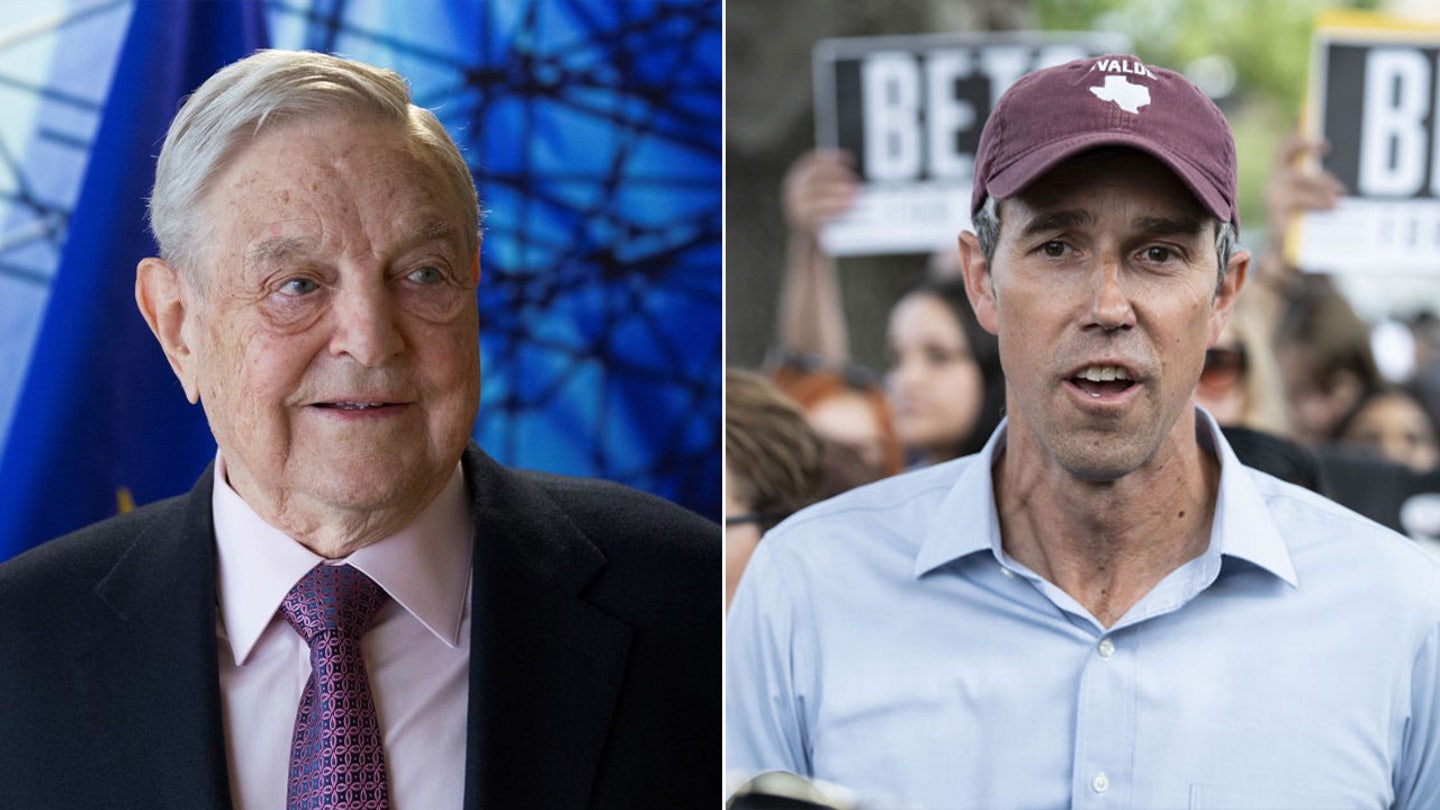
O'Rourke, Soros-linked groups face call for DOJ probe over alleged funding of Texas Dem walkout
Entities mentioned:
- John Cornyn: Justice, Duty, Righteousness
- Beto O'Rourke: Influence, Power, Unity
- George Soros: Influence, Power, Legacy
- Texas Democrats: Determination, Righteousness, Moral outrage
- Greg Abbott: Control, Power, Duty
- Ken Paxton: Ambition, Justice, Competitive spirit
- Department of Justice: Justice, Duty, Control
Article Assessment:
Credibility Score: 65/100
Bias Rating: 75/100 (Lean Right)
Sentiment Score: 30/100
Authoritarianism Risk: 55/100 (Mixed/Neutral)
Bias Analysis:
The article leans right, evidenced by its 'FIRST ON FOX' claim and focus on Republican perspectives. It presents Democratic actions negatively while highlighting Republican efforts to investigate and stop them.
Key metric: Political Polarization Index
As a social scientist, I analyze that this article highlights increasing political polarization in Texas and nationally. The conflict over redistricting and the dramatic actions taken by Texas Democrats to prevent it demonstrate deep partisan divides. The involvement of high-profile political figures and PACs in funding and supporting these actions further intensifies the polarization. The calls for federal investigation into the funding of the Democrats' exodus suggest a potential escalation of the conflict beyond state borders, which could contribute to broader national political tensions. This situation may lead to decreased trust in democratic processes and institutions, potentially impacting voter turnout and civic engagement in future elections.
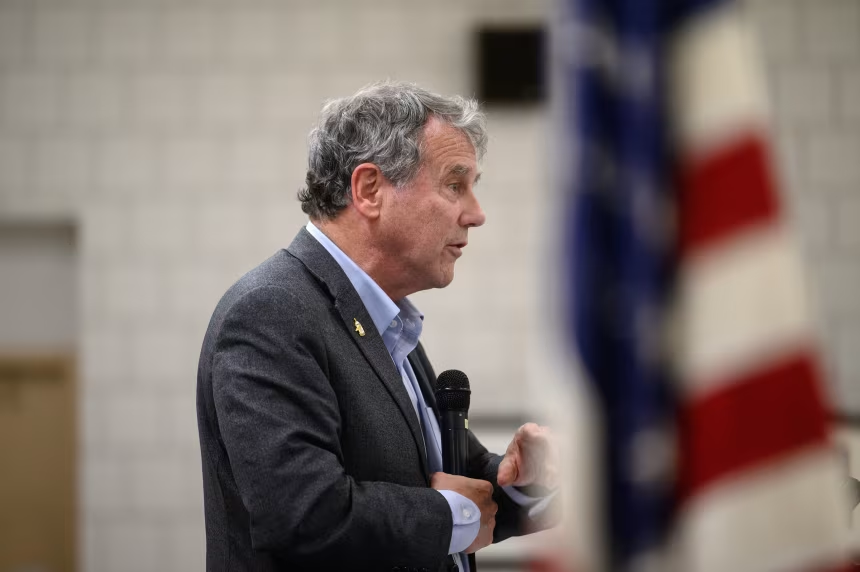
Sherrod Brown to run for US Senate in 2026, hoping to win back Ohio seat
Entities mentioned:
- Sherrod Brown: Ambition, Determination, Revenge
- Jon Husted: Power, Loyalty, Self-preservation
- Democratic Party: Power, Control, Unity
- Republican Party: Power, Control, Competitive spirit
- Mike DeWine: Loyalty, Power, Control
- JD Vance: Ambition, Power, Influence
- Roy Cooper: Ambition, Influence, Duty
- Donald Trump: Power, Influence, Control
- Cory Gardner: Loyalty, Competitive spirit, Power
Article Assessment:
Credibility Score: 75/100
Bias Rating: 45/100 (Center)
Sentiment Score: 50/100
Authoritarianism Risk: 20/100 (Strongly Democratic)
Bias Analysis:
The article presents information from both Democratic and Republican perspectives, giving a balanced view of the Senate race. While it focuses more on Brown's decision, it also includes Republican responses and mentions challenges faced by both parties.
Key metric: Senate Party Control
As a social scientist, I analyze that this article highlights the ongoing struggle for control of the US Senate, with Sherrod Brown's potential candidacy in Ohio representing a key battleground. The Democrats' uphill battle to gain Senate control is emphasized, reflecting the changing political landscape in states like Ohio. Brown's decision to run again after a previous defeat demonstrates the high stakes and personal motivations involved in these races. The article also underscores the importance of candidate recruitment and strategic planning by both parties in their efforts to secure or maintain Senate control. The mention of other competitive races and potential flips further illustrates the complex, multi-state nature of the battle for Senate majority. This situation could significantly impact legislative agendas, policy-making, and the balance of power between the executive and legislative branches in the coming years.
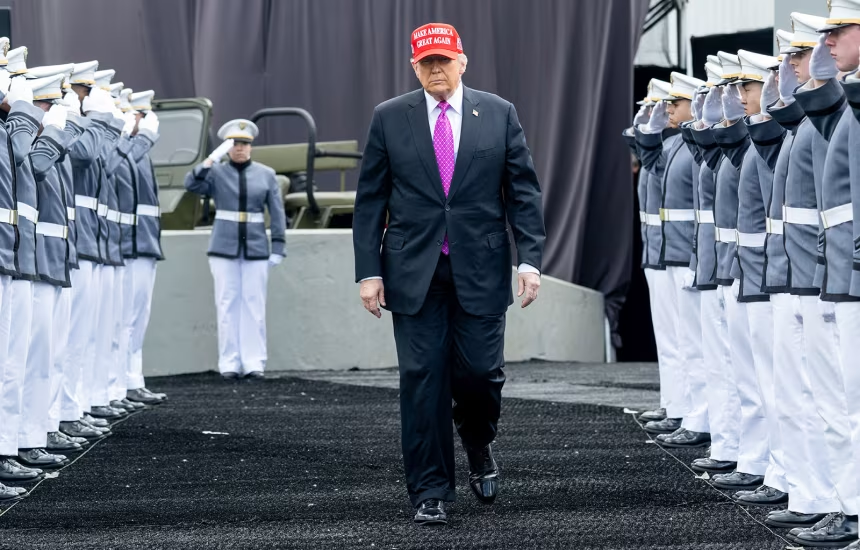
Anti-affirmative action group drops lawsuits against West Point and Air Force Academy after policy changes
Entities mentioned:
- Students for Fair Admissions (SFFA): Justice, Righteousness, Competitive spirit
- Donald Trump: Power, Control, Influence
- West Point: Duty, Professional pride, Obligation
- Air Force Academy: Duty, Professional pride, Obligation
- Pam Bondi: Righteousness, Influence, Control
- Edward Blum: Justice, Righteousness, Determination
- Supreme Court: Justice, Duty, Influence
- Biden administration: Unity, Influence, Duty
- Elizabeth Prelogar: Duty, Professional pride, Security
Article Assessment:
Credibility Score: 75/100
Bias Rating: 55/100 (Center)
Sentiment Score: 45/100
Authoritarianism Risk: 35/100 (Generally Democratic)
Bias Analysis:
The article presents multiple perspectives on the issue, including views from both sides of the affirmative action debate. While it gives slightly more space to the anti-affirmative action stance, it also includes counterarguments, maintaining a relatively balanced approach.
Key metric: Military Readiness and Diversity
As a social scientist, I analyze that this article highlights a significant shift in military academy admissions policies, moving away from considering race as a factor. This change, driven by the Trump administration and supported by anti-affirmative action groups, could potentially impact the diversity of the officer corps in the U.S. military. The dropping of lawsuits by Students for Fair Admissions (SFFA) suggests a victory for those opposing race-conscious admissions policies. However, this shift raises concerns about the military's ability to maintain a diverse officer corps that reflects the enlisted ranks and the broader population. The article presents competing viewpoints on the importance of diversity in military leadership, with the Biden administration previously arguing for its critical role in national security. This policy change may have long-term implications for military cohesion, leadership representation, and overall effectiveness, potentially affecting the key metric of Military Readiness and Diversity.
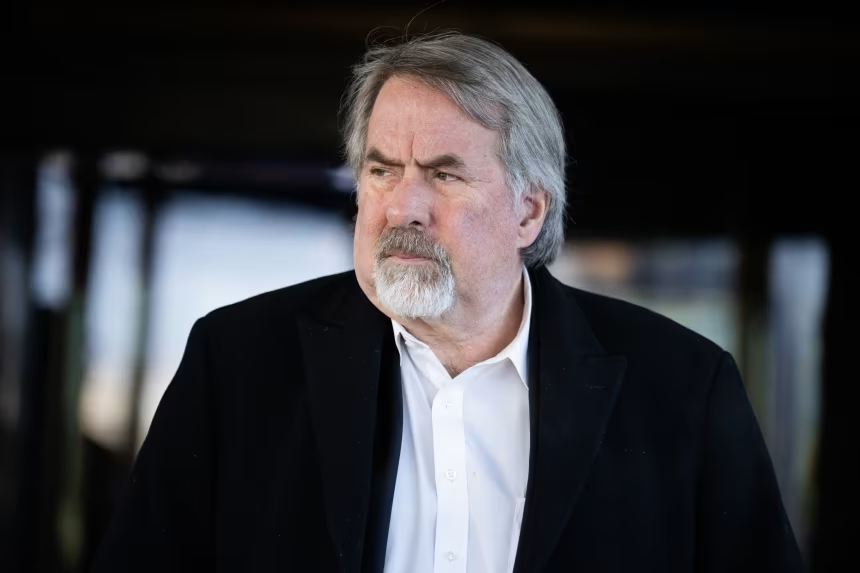
California GOP lawmaker faces taunts and jeers over Trump’s ‘big, beautiful bill’ at town halls
Entities mentioned:
- Doug LaMalfa: Loyalty, Duty, Self-preservation
- Donald Trump: Power, Control, Legacy
- Mike Flood: Duty, Loyalty, Self-preservation
- NRCC: Power, Control, Influence
- Gavin Newsom: Power, Influence, Competitive spirit
Article Assessment:
Credibility Score: 75/100
Bias Rating: 55/100 (Center)
Sentiment Score: 35/100
Authoritarianism Risk: 40/100 (Generally Democratic)
Bias Analysis:
The article presents multiple viewpoints and includes direct quotes from both the congressman and constituents. While it highlights criticisms of LaMalfa and Trump's policies, it also allows for LaMalfa's responses and explanations, maintaining a relatively balanced perspective.
Key metric: Political Polarization Index
As a social scientist, I analyze that this article highlights the growing political polarization in the United States, particularly in rural areas. The hostile reception of Rep. LaMalfa at town hall meetings indicates a deepening divide between Republican representatives and their constituents over Trump's policies. The focus on controversial issues such as climate change, tariffs, and redistricting further emphasizes the ideological gaps. This polarization is likely to impact voter trust, political engagement, and the ability of elected officials to effectively represent their constituents. The article also touches on the broader implications of redistricting efforts, which could significantly alter the political landscape and potentially exacerbate partisan tensions.
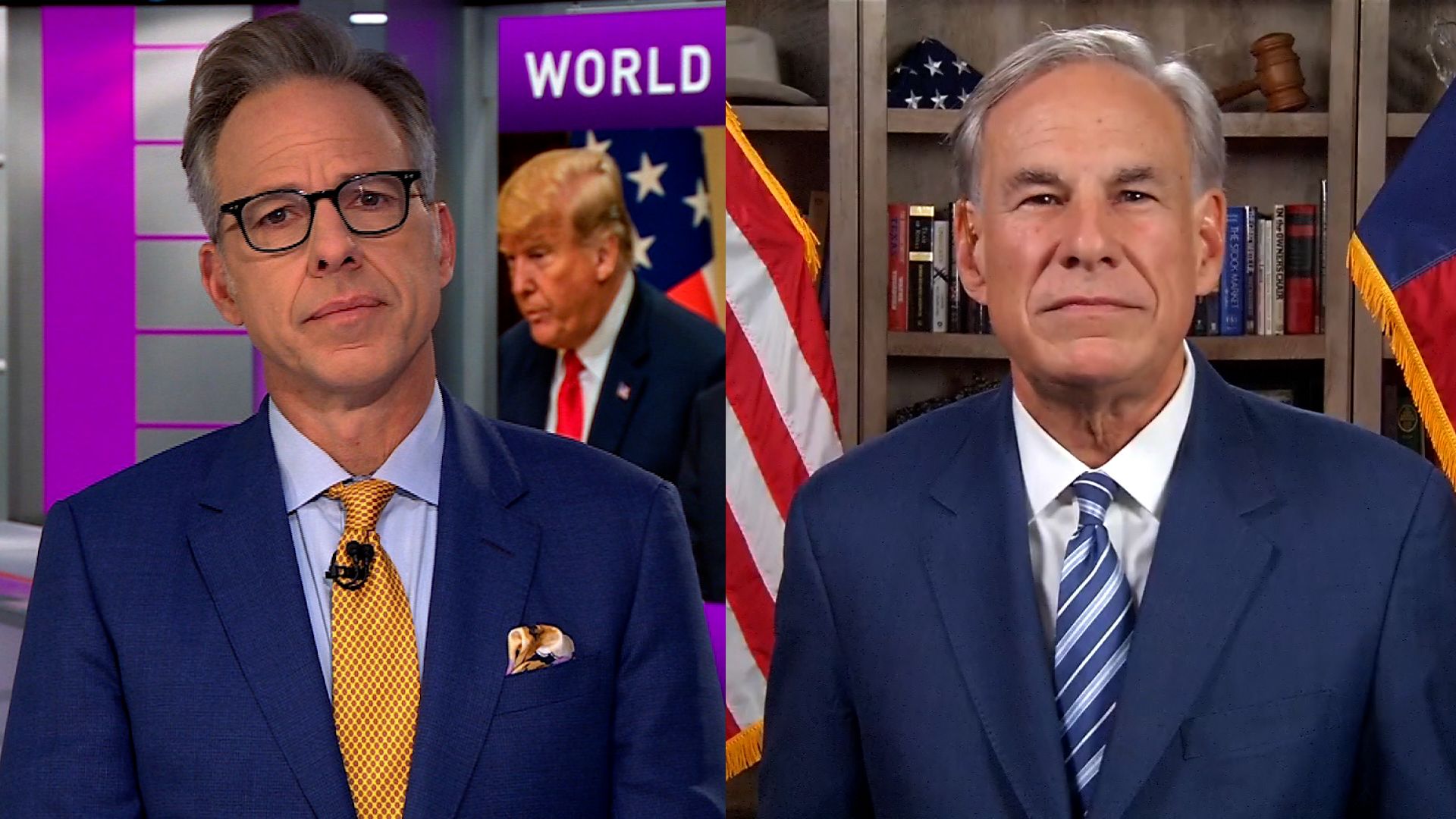
Texas Gov. Abbott decries ‘runaway Democrats’ as redistricting standoff enters its second week
Entities mentioned:
- Texas House Democrats: Justice, Righteousness, Determination
- Texas Republicans: Power, Control, Ambition
- Greg Abbott: Power, Control, Indignation
- Dustin Burrows: Duty, Determination, Control
- Gene Wu: Justice, Righteousness, Determination
- John Cornyn: Power, Control, Loyalty
- Beto O'Rourke: Justice, Influence, Unity
- Gavin Newsom: Power, Competitive spirit, Justice
- Dick Durbin: Justice, Unity, Righteousness
- Mihaela Plesa: Determination, Justice, Righteousness
- Rhetta Bowers: Determination, Justice, Self-preservation
Article Assessment:
Credibility Score: 75/100
Bias Rating: 55/100 (Center)
Sentiment Score: 30/100
Authoritarianism Risk: 65/100 (Authoritarian Tendencies)
Bias Analysis:
The article presents perspectives from both Democratic and Republican sides, giving voice to multiple viewpoints. However, there's slightly more space given to Democratic justifications and concerns, which nudges it just past center.
Key metric: Political Polarization Index
As a social scientist, I analyze that this article highlights a significant escalation in political polarization and partisan tactics in Texas, with potential national implications. The redistricting conflict demonstrates a growing willingness to use extreme measures to gain political advantage, including Democrats fleeing the state and Republicans considering unprecedented legal actions. This standoff not only affects Texas's legislative process but also has broader implications for national political representation and the balance of power in the U.S. House of Representatives. The involvement of other states and national figures suggests a widening of the conflict beyond Texas borders, potentially exacerbating national political divisions. The tactics employed by both sides, including attempts to track down lawmakers and potential retaliatory redistricting in other states, indicate a deterioration of political norms and an increase in confrontational strategies. This situation is likely to further erode public trust in democratic institutions and processes, contributing to a more polarized and contentious political environment nationwide.
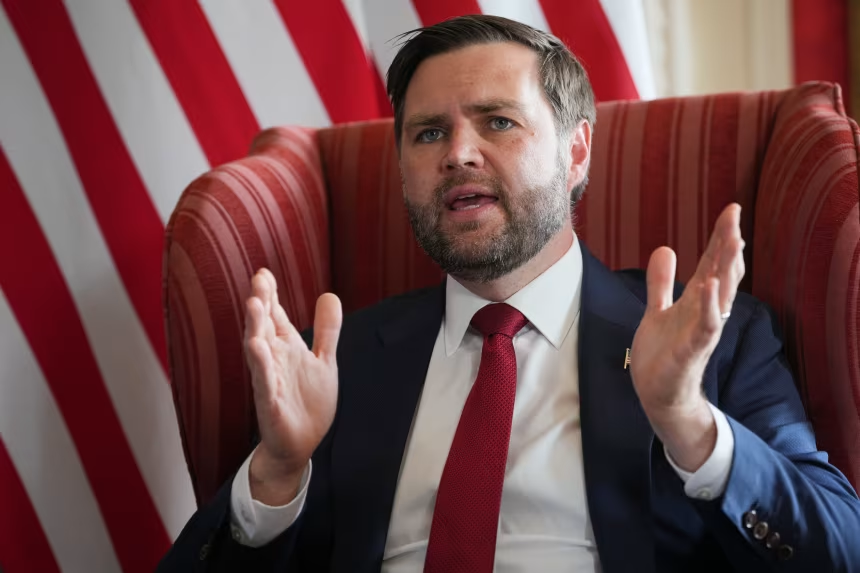
Vance calls out Democrats over Epstein files, reignites push for transparency
Entities mentioned:
- JD Vance: Loyalty, Righteousness, Competitive spirit
- Donald Trump: Transparency, Self-preservation, Power
- Democrats: Political opportunism, Control, Self-preservation
- Joe Biden: Self-preservation, Power, Control
- Jeffrey Epstein: Power, Control, Greed
- Justice Department: Duty, Transparency, Justice
- Pam Bondi: Duty, Justice, Professional pride
- Kash Patel: Duty, Professional pride, Loyalty
- House Oversight Committee: Justice, Transparency, Duty
Article Assessment:
Credibility Score: 65/100
Bias Rating: 65/100 (Lean Right)
Sentiment Score: 35/100
Authoritarianism Risk: 40/100 (Generally Democratic)
Bias Analysis:
The article leans right, primarily due to the prominence given to Vance's accusations against Democrats without equal space for rebuttal. While it includes some balancing information, the framing tends to favor the Trump administration's perspective.
Key metric: Government Transparency Index
As a social scientist, I analyze that this article highlights a complex political struggle over transparency and accountability in the Epstein case. The push for releasing documents is framed as a bipartisan issue, but with clear political motivations from both sides. The Trump administration, through Vance, is positioning itself as pro-transparency while accusing Democrats of inaction and possible connections to Epstein. This narrative serves to deflect criticism and potentially pre-empt damaging revelations. The Justice Department's moves towards releasing some information, along with the House Oversight Committee's subpoenas, indicate increasing pressure for disclosure. However, the conflicting accounts of White House meetings and the careful management of information release suggest ongoing tensions between transparency and potential political fallout. This situation may lead to incremental increases in government transparency, but also risks further polarization and erosion of public trust in institutions depending on how the information is ultimately handled and presented.