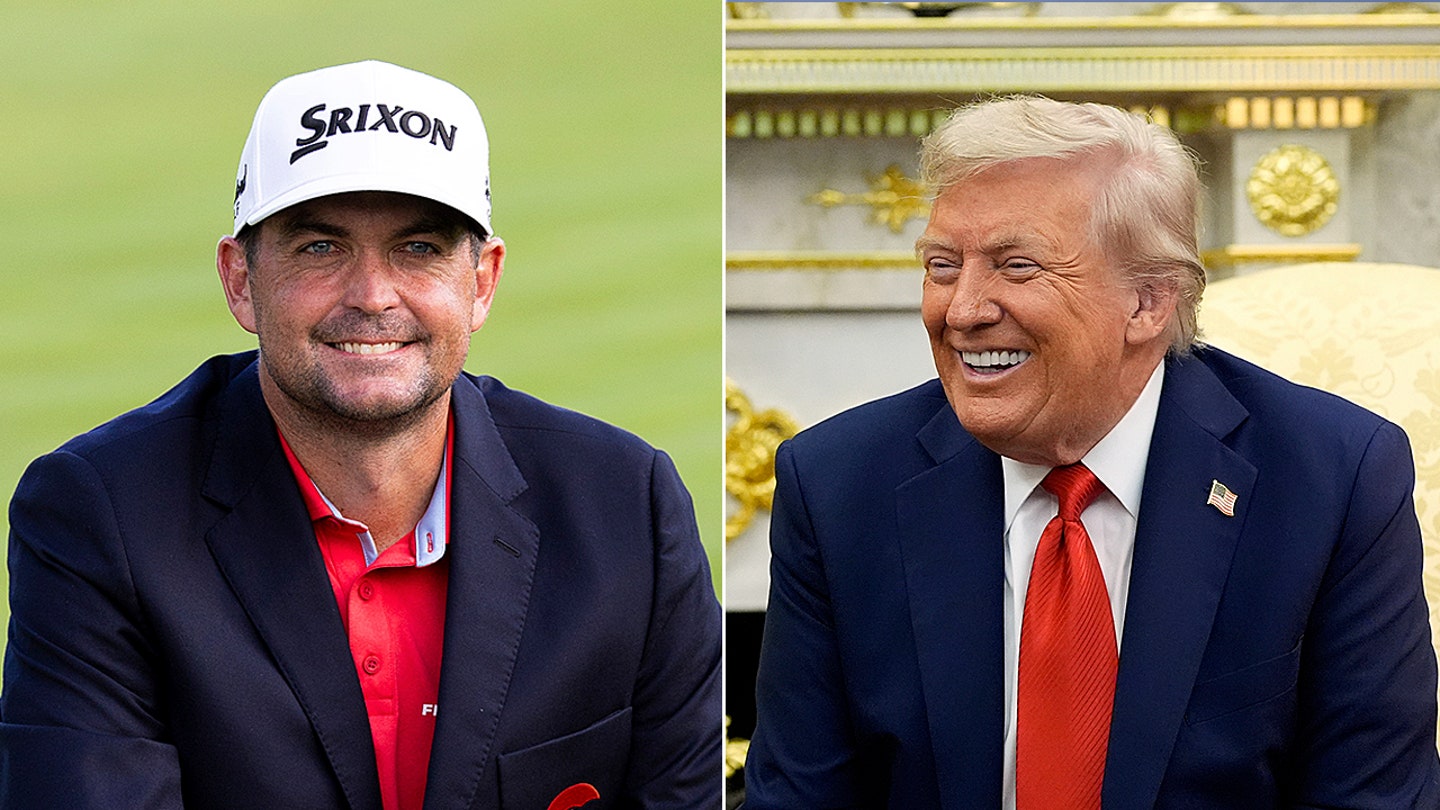
Keegan Bradley 'deeply honored' Trump wanted him to play in Ryder Cup; hits back at Rory McIlroy's comments
Entities mentioned:
- Keegan Bradley: Professional pride, Duty, Loyalty
- Donald Trump: Influence, Recognition, Power
- Rory McIlroy: Competitive spirit, Professional pride, Skepticism
- Team USA: Competitive spirit, Pride, Unity
Article Assessment:
Credibility Score: 75/100
Bias Rating: 55/100 (Center)
Sentiment Score: 60/100
Authoritarianism Risk: 30/100 (Generally Democratic)
Bias Analysis:
The article presents multiple viewpoints and quotes directly from the involved parties, maintaining a relatively balanced approach. However, the inclusion of Trump's involvement and the focus on U.S. perspectives slightly tilts the narrative, though not significantly enough to be considered partisan.
Key metric: International Sports Diplomacy
As a social scientist, I analyze that this article highlights the intersection of sports and politics, particularly in the context of international competition. The involvement of a former U.S. President in team selection discussions for the Ryder Cup demonstrates the high-profile nature of this event and its potential impact on national pride and international relations. Bradley's decision to prioritize team performance over personal ambition, despite high-level encouragement, reflects a commitment to professional integrity and team dynamics. The disagreement between Bradley and McIlroy on the feasibility of a playing captain role underscores the evolving nature of sports leadership and the tensions that can arise in international competitions. This situation may influence perceptions of U.S. sports diplomacy and team cohesion on the global stage.
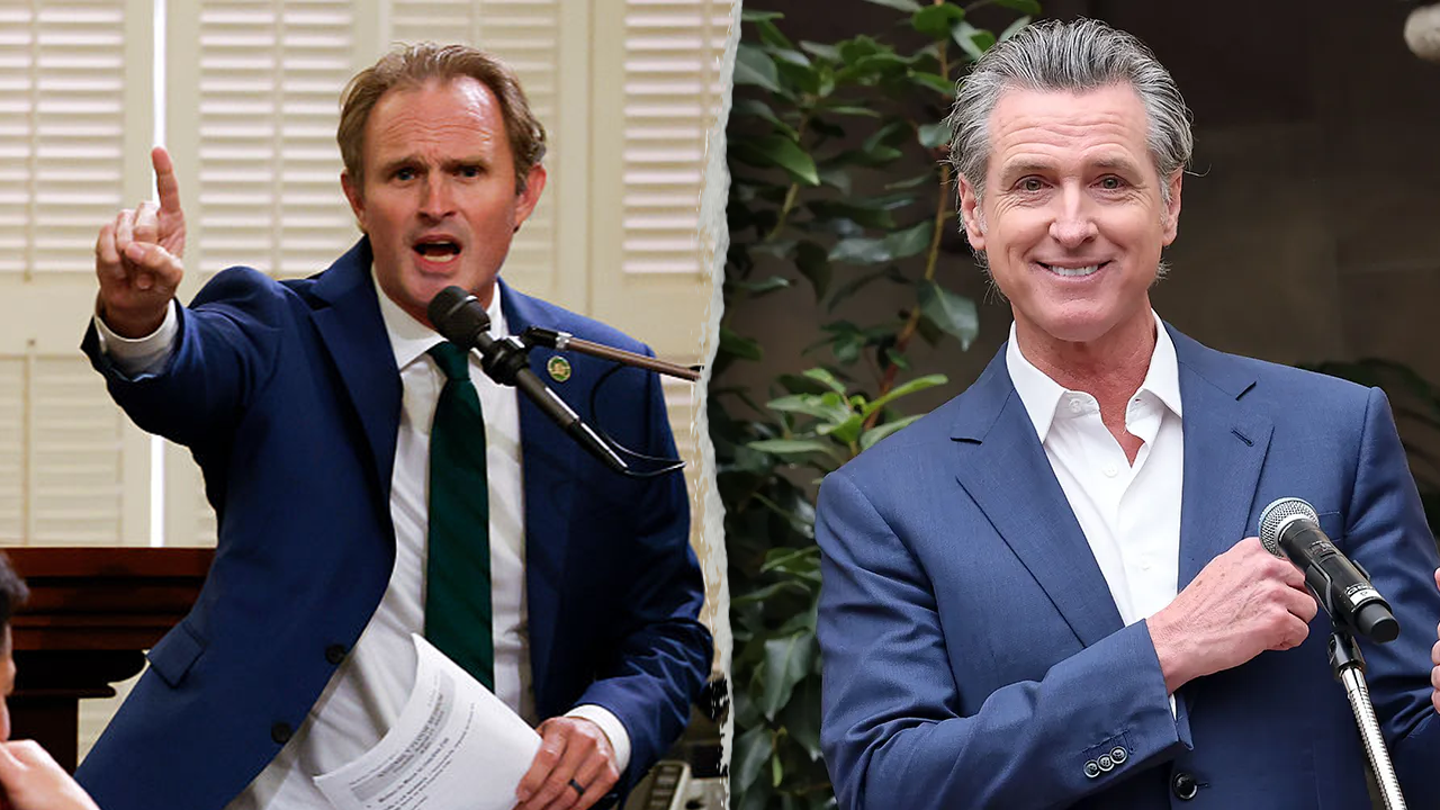
Top California Republican drops ‘two-state solution’ to combat Newsom’s redistricting
Entities mentioned:
- James Gallagher: Justice, Competitive spirit, Righteousness
- Gavin Newsom: Power, Control, Ambition
- Brian Jones: Duty, Indignation, Righteousness
- Roger Niello: Justice, Indignation, Professional pride
- California Democratic Party: Power, Control, Self-preservation
- California Republican Party: Justice, Self-preservation, Competitive spirit
Article Assessment:
Credibility Score: 65/100
Bias Rating: 70/100 (Lean Right)
Sentiment Score: 35/100
Authoritarianism Risk: 45/100 (Mixed/Neutral)
Bias Analysis:
The article leans right, evidenced by its focus on Republican perspectives and criticism of Democratic actions. While it includes some opposing viewpoints, the narrative predominantly favors the Republican stance on the redistricting issue.
Key metric: Electoral Competitiveness
As a social scientist, I analyze that this proposal to split California into two states is a reaction to perceived unfair redistricting practices. The plan would significantly alter the political landscape of California and the United States. It highlights the growing rural-urban divide and the intensifying political polarization in the state. This drastic measure underscores the deep frustration among Republicans with their diminishing influence in California politics. However, the feasibility of such a proposal is extremely low, given the complex legal and constitutional hurdles it would face. The article reveals the escalating tensions between California's Democratic leadership and Republican opposition, showcasing how redistricting has become a flashpoint in the broader struggle for political power and representation.

‘Don’t negotiate, Linda’: Trump calls for $500 million Harvard settlement
Entities mentioned:
- Donald Trump: Power, Control, Revenge
- Harvard University: Self-preservation, Academic freedom, Professional pride
- Linda McMahon: Duty, Loyalty, Control
- Howard Lutnick: Competitive spirit, Loyalty, Power
- Allison Burroughs: Justice, Duty, Righteousness
- Alan Garber: Self-preservation, Professional pride, Duty
Article Assessment:
Credibility Score: 75/100
Bias Rating: 55/100 (Center)
Sentiment Score: 30/100
Authoritarianism Risk: 65/100 (Authoritarian Tendencies)
Bias Analysis:
The article presents multiple viewpoints and includes factual information from various sources. However, it gives more space to the administration's perspective and actions, slightly tilting the balance of presentation.
Key metric: Higher Education Federal Funding
As a social scientist, I analyze that this article highlights a significant conflict between the Trump administration and elite universities, particularly Harvard. The administration's aggressive stance, demanding large settlements and increased control over research patents, could have far-reaching implications for higher education funding and academic freedom. This approach appears to be driven by political motivations, leveraging public sentiment against elite institutions. The potential $500 million settlement and patent ownership changes could severely impact Harvard's operations and set a precedent for federal intervention in university affairs. This conflict represents a broader ideological battle over the role of government in higher education and the balance between oversight and institutional autonomy.

‘Debilitating consequences’ in Uganda after USAID cuts – photo essay
Entities mentioned:
- Democrats: Complacency, Self-preservation, Obligation
- Maine oysterman: Moral outrage, Determination, Duty
- California governor: Competitive spirit, Righteousness, Indignation
- Donald Trump: Power, Self-preservation, Revenge
- Kilmar Ábrego García: Self-preservation, Security, Freedom
- US Government: Control, Security, Power
Article Assessment:
Credibility Score: 70/100
Bias Rating: 40/100 (Lean Left)
Sentiment Score: 30/100
Authoritarianism Risk: 55/100 (Mixed/Neutral)
Bias Analysis:
The headlines lean slightly left, critiquing Trump and highlighting opposition to his policies. However, they also present diverse viewpoints, including criticism of Democrats, which adds some balance.
Key metric: Immigration and Population Growth
As a social scientist, I analyze that this collection of headlines reflects a complex political landscape centered around immigration policy and its broader implications for US demographics and politics. The decline in immigrant population growth after 50 years of increase signifies a major shift in US population dynamics, likely influenced by stricter immigration policies. This change could have far-reaching effects on the economy, social fabric, and political balance of the country. The headlines also highlight the polarization in American politics, with different actors taking strong stances on immigration and related issues. The involvement of figures from various levels of government (local, state, federal) in these debates underscores the multi-faceted nature of the immigration issue in the US political system.
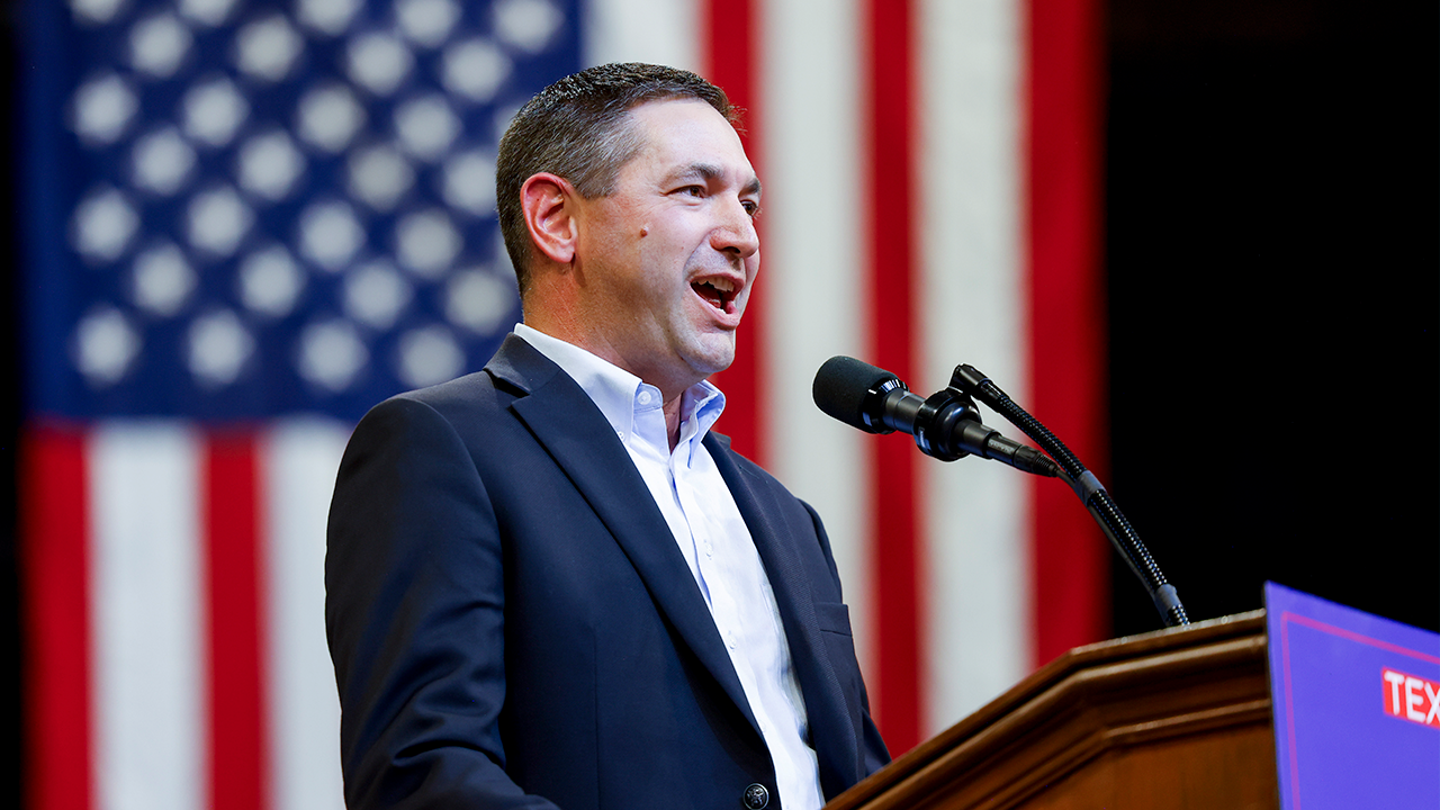
EPA urged by state AGs to axe funds for 'radical' climate project accused of training judges
Entities mentioned:
- Environmental Protection Agency (EPA): Control, Power, Duty
- Republican state attorneys general: Righteousness, Moral outrage, Justice
- Lee Zeldin: Control, Duty, Ambition
- Environmental Law Institute (ELI): Influence, Legacy, Recognition
- Climate Judiciary Project (CJP): Influence, Legacy, Professional pride
- Austin Knudsen: Righteousness, Moral outrage, Justice
- Donald Trump: Power, Control, Legacy
- American Energy Institute: Competitive spirit, Self-preservation, Influence
- Alliance for Consumers: Justice, Self-preservation, Influence
- Ted Cruz: Righteousness, Moral outrage, Competitive spirit
Article Assessment:
Credibility Score: 65/100
Bias Rating: 75/100 (Lean Right)
Sentiment Score: 30/100
Authoritarianism Risk: 45/100 (Mixed/Neutral)
Bias Analysis:
The article leans right, evidenced by its exclusive reliance on Republican sources and framing of environmental education as 'woke climate propaganda'. It presents the conservative perspective prominently while offering minimal counterbalance from the criticized organizations.
Key metric: Environmental Policy Effectiveness
As a social scientist, I analyze that this article highlights a significant conflict between conservative state officials and environmental organizations over the use of federal funds for climate education programs targeting judges. This controversy impacts environmental policy effectiveness by potentially influencing judicial decisions on climate-related cases. The dispute centers on allegations that the Climate Judiciary Project, funded partially by EPA grants to the Environmental Law Institute, is attempting to sway judges' opinions on climate issues under the guise of education. This situation reflects broader political tensions surrounding climate policy and the role of the judiciary in environmental decision-making. The involvement of multiple state attorneys general and the EPA's recent actions to cut funding for various environmental and social programs under the Trump administration indicate a shift in environmental policy priorities and implementation strategies.

SkyWater pitches itself as all-American firm as Trump mulls more equity deals following Intel deal
Entities mentioned:
- Donald Trump: Power, Control, Influence
- Intel: Self-preservation, Competitive spirit, Security
- SkyWater Technology: Competitive spirit, Patriotism, Security
- Ross Miller: Professional pride, Influence, Patriotism
- GlobalFoundries: Self-preservation, Competitive spirit, Security
- Micron Technology: Competitive spirit, Security, Influence
- Jai Kedia: Professional pride, Wariness, Justice
Article Assessment:
Credibility Score: 70/100
Bias Rating: 65/100 (Lean Right)
Sentiment Score: 55/100
Authoritarianism Risk: 60/100 (Mixed/Neutral)
Bias Analysis:
The article leans slightly right, focusing on Trump's policy and giving more space to supportive voices. While it includes criticism, the overall framing appears to favor the administration's approach.
Key metric: U.S. Domestic Semiconductor Production Capacity
As a social scientist, I analyze that this article highlights a significant shift in U.S. economic policy towards government ownership in private companies, particularly in the semiconductor industry. This approach, spearheaded by President Trump, aims to strengthen domestic production and national security. The government's equity stake in Intel sets a precedent that could extend to other semiconductor companies. This policy change could potentially increase U.S. semiconductor production capacity by incentivizing domestic investment and ensuring accountability for federal funds. However, it also raises concerns about market distortion, favoritism, and a move towards more government intervention in the economy. The long-term impact on the industry's competitiveness and innovation remains uncertain, as does the potential for international repercussions in trade and diplomacy.
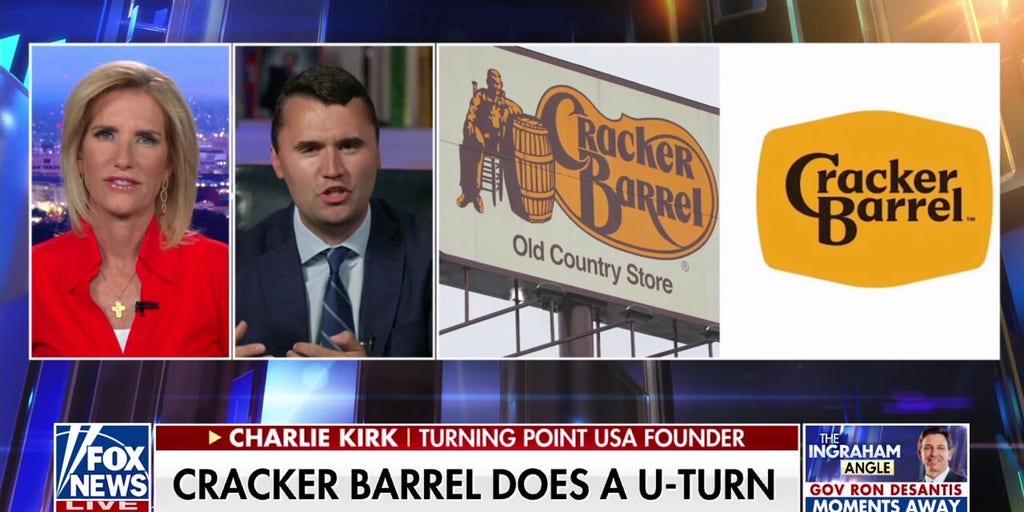
'HOT AS A PISTOL': Charlie Kirk touts state of GOP after Cracker Barrel 'cracks'
Entities mentioned:
- Charlie Kirk: Influence, Recognition, Competitive spirit
- Turning Point USA: Influence, Righteousness, Unity
- Cracker Barrel: Self-preservation, Recognition, Anxiety
- Democrats: Power, Control, Unity
- Republican Party (GOP): Power, Competitive spirit, Unity
Article Assessment:
Credibility Score: 45/100
Bias Rating: 75/100 (Lean Right)
Sentiment Score: 70/100
Authoritarianism Risk: 55/100 (Mixed/Neutral)
Bias Analysis:
The article leans right due to its framing of a corporate decision as a political victory for conservatives. The use of provocative language ('HOT AS A PISTOL') and the platform given to a known conservative figure without balancing perspectives indicate a right-leaning bias.
Key metric: Political Polarization Index
As a social scientist, I analyze that this article potentially impacts the Political Polarization Index by framing a business decision (Cracker Barrel's logo change) as a political issue. By drawing parallels between a restaurant chain and a political party, the commentary may contribute to increased polarization by encouraging viewers to see everyday corporate decisions through a partisan lens. This approach could further entrench political identities into consumer behaviors, potentially widening the divide between different political groups in various aspects of daily life.

Tyrus: Trump is running the country his way
Entities mentioned:
- Donald Trump: Power, Control, Legacy
- Tom Shillue: Professional pride, Influence
- Fox News: Influence, Recognition
- Intel: Competitive spirit, Ambition
Article Assessment:
Credibility Score: 55/100
Bias Rating: 75/100 (Lean Right)
Sentiment Score: 65/100
Authoritarianism Risk: 55/100 (Mixed/Neutral)
Bias Analysis:
The article leans right due to its positive framing of Trump's actions and its sourcing from Fox News, a known conservative outlet. The language used, such as 'running the country his way,' implies approval of Trump's leadership style without presenting alternative viewpoints.
Key metric: Presidential Approval Rating
As a social scientist, I analyze that this article likely impacts the Presidential Approval Rating by presenting Trump's leadership style and decision-making process in a positive light. The framing of Trump 'running the country his way' and making deals with major corporations like Intel suggests a strong, decisive leadership image. This portrayal, especially when discussed on a popular conservative news outlet like Fox News, has the potential to reinforce support among Trump's base and possibly sway undecided voters, thereby potentially affecting his approval ratings.
- Read more about Tyrus: Trump is running the country his way
- Log in to post comments
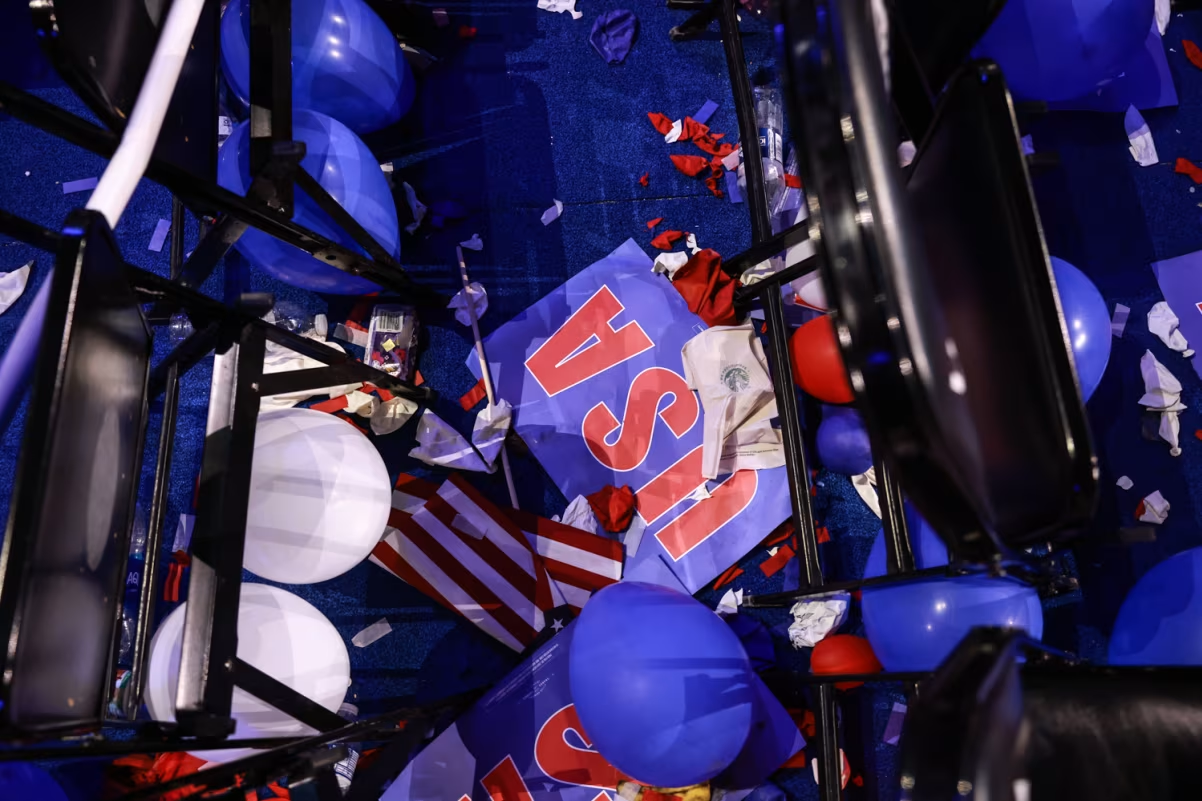
The DNC’s chair inherited a crisis. His critics say he’s part of it
Entities mentioned:
- Ken Martin: Ambition, Determination, Professional pride
- Democratic National Committee (DNC): Unity, Influence, Control
- Joe Biden: Legacy, Self-preservation, Duty
- Kamala Harris: Ambition, Power, Self-preservation
- Republican National Committee (RNC): Competitive spirit, Power, Control
- Donald Trump: Power, Influence, Revenge
Article Assessment:
Credibility Score: 75/100
Bias Rating: 45/100 (Center)
Sentiment Score: 35/100
Authoritarianism Risk: 25/100 (Generally Democratic)
Bias Analysis:
The article presents a balanced view, including perspectives from both Martin's supporters and critics. It relies on multiple sources and provides context for the DNC's challenges, indicating a relatively neutral stance.
Key metric: Democratic Party Fundraising and Unity
As a social scientist, I analyze that this article highlights significant challenges facing the Democratic National Committee (DNC) under the leadership of Ken Martin. The DNC is struggling with financial issues, internal conflicts, and a perceived lack of relevance in the broader political landscape. Martin's ambitious promises to state parties and his management style have created tension within the organization. The article suggests that the DNC's financial struggles, coupled with the Republican National Committee's superior fundraising, could impact the Democratic Party's ability to compete effectively in upcoming elections. The internal discord and lack of coordination with key party leaders indicate a fragmented party structure, which could hinder unified messaging and strategy. This situation may have long-term implications for the Democratic Party's ability to mobilize voters and win elections at various levels of government.
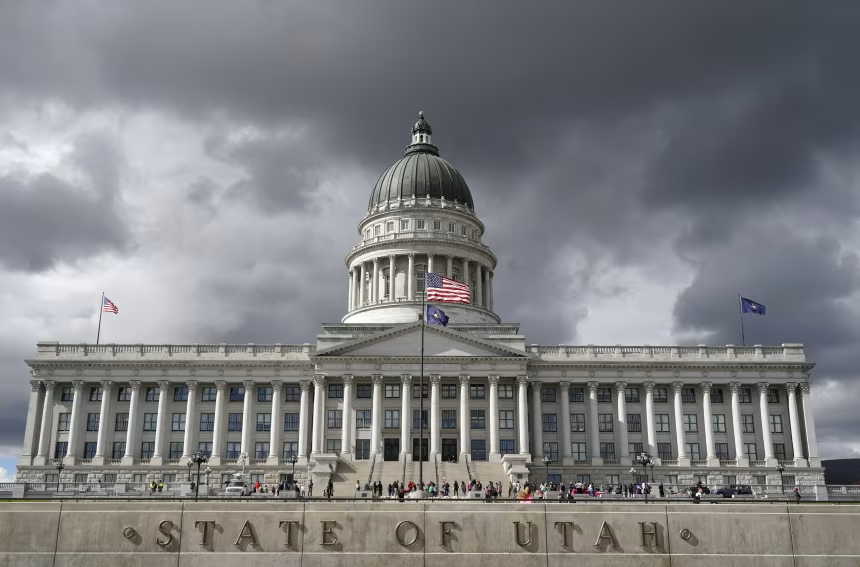
Judge rules Utah’s congressional map must be redrawn for the 2026 elections
Entities mentioned:
- Utah Legislature: Power, Control, Self-preservation
- Judge Dianna Gibson: Justice, Duty, Righteousness
- Independent Commission: Fairness, Duty, Influence
- Lt. Gov. Deidre Henderson: Duty, Professional pride, Efficiency
- Republican lawmakers: Power, Self-preservation, Control
- Democratic Party: Power, Competitive spirit, Influence
- Donald Trump: Power, Influence, Control
Article Assessment:
Credibility Score: 75/100
Bias Rating: 55/100 (Center)
Sentiment Score: 40/100
Authoritarianism Risk: 30/100 (Generally Democratic)
Bias Analysis:
The article presents a relatively balanced view, including perspectives from both Republican and Democratic sides. While it leans slightly towards emphasizing the impact on Republican control, it also provides context on national trends and actions in other states.
Key metric: Electoral Competitiveness
As a social scientist, I analyze that this ruling significantly impacts electoral competitiveness in Utah and potentially nationwide. The court's decision to require redrawing of Utah's congressional map challenges the existing power structure, potentially shifting the balance in favor of more competitive districts. This could have ripple effects on national politics, as it may influence the Republican majority in the US House. The ruling also underscores the tension between legislative power and voter-initiated reforms, highlighting the ongoing struggle to prevent partisan gerrymandering. The potential delay in implementation due to appeals reflects the strategic maneuvering often seen in redistricting battles, which can have long-lasting impacts on political representation and party control.