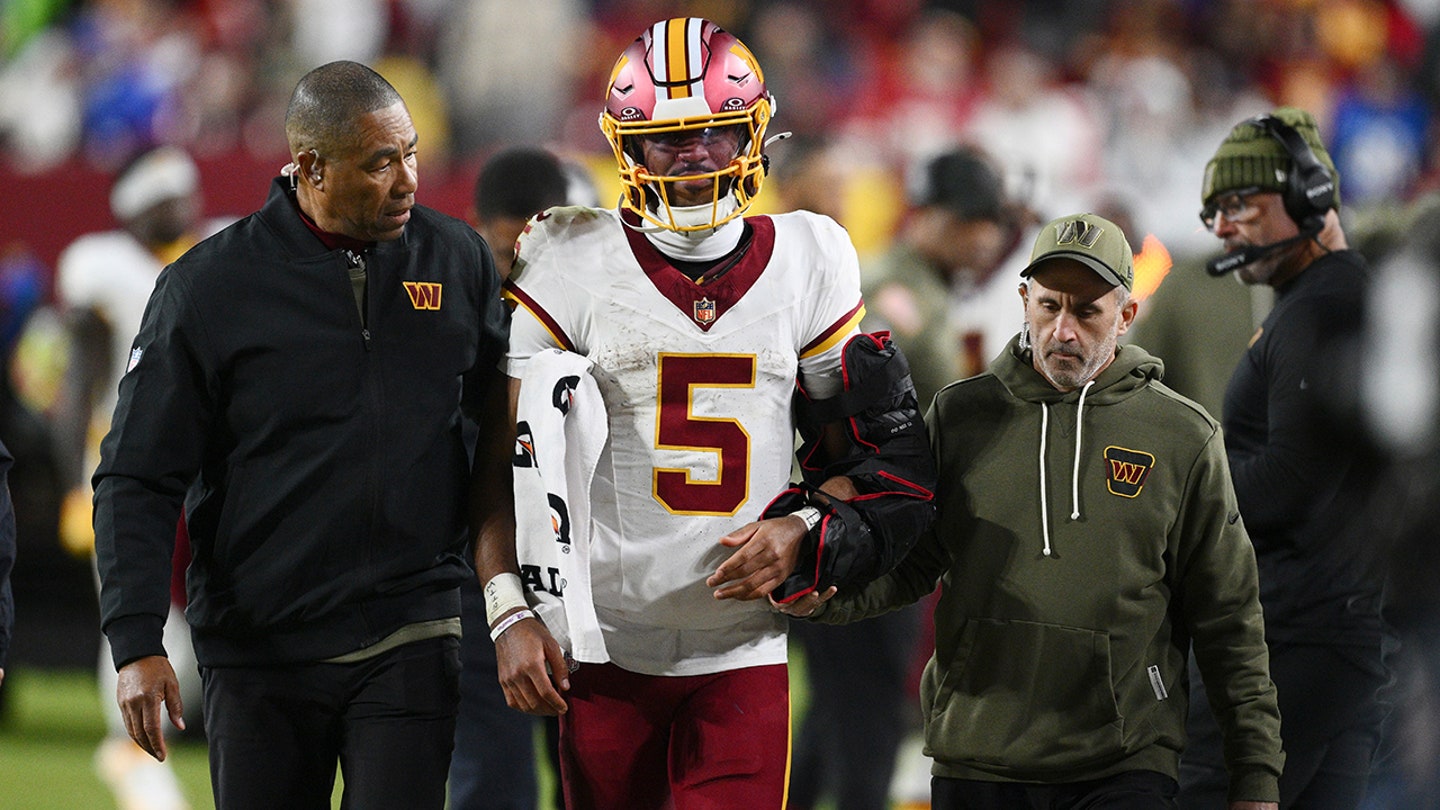
Commanders face backlash for keeping Jayden Daniels in blowout amid horrific injury
Entities mentioned:
- Washington Commanders: Competitive spirit, Pride, Professional pride
- Jayden Daniels: Determination, Competitive spirit, Self-preservation
- Dan Quinn: Duty, Professional pride, Wariness
- Bobby Wagner: Loyalty, Unity, Enthusiasm
Article Assessment:
Credibility Score: 75/100
Bias Rating: 50/100 (Center)
Sentiment Score: 25/100
Authoritarianism Risk: 20/100 (Strongly Democratic)
Bias Analysis:
The article presents a balanced view of the incident, including quotes from multiple perspectives. It doesn't lean towards defending or condemning the coach's decision, maintaining a neutral stance.
Key metric: NFL Team Performance
Let me tell you something - this is a GAME-CHANGING FUMBLE for the Commanders! They've dropped the ball in a major way, folks. Keeping your star quarterback in during garbage time is like running a full-court press when you're up by 50 - it's RIDICULOUS and unnecessary! The Commanders' coaching staff has committed a flagrant foul here, potentially benching their franchise player for the season. This is the kind of rookie mistake that can derail a team's entire playoff run. I'm telling you right now, this decision is going to haunt Dan Quinn like a missed game-winning field goal. The Commanders need to huddle up, regroup, and find a way to salvage their season without their key playmaker. It's fourth and long for Washington, and they're going to need a Hail Mary to turn this season around!
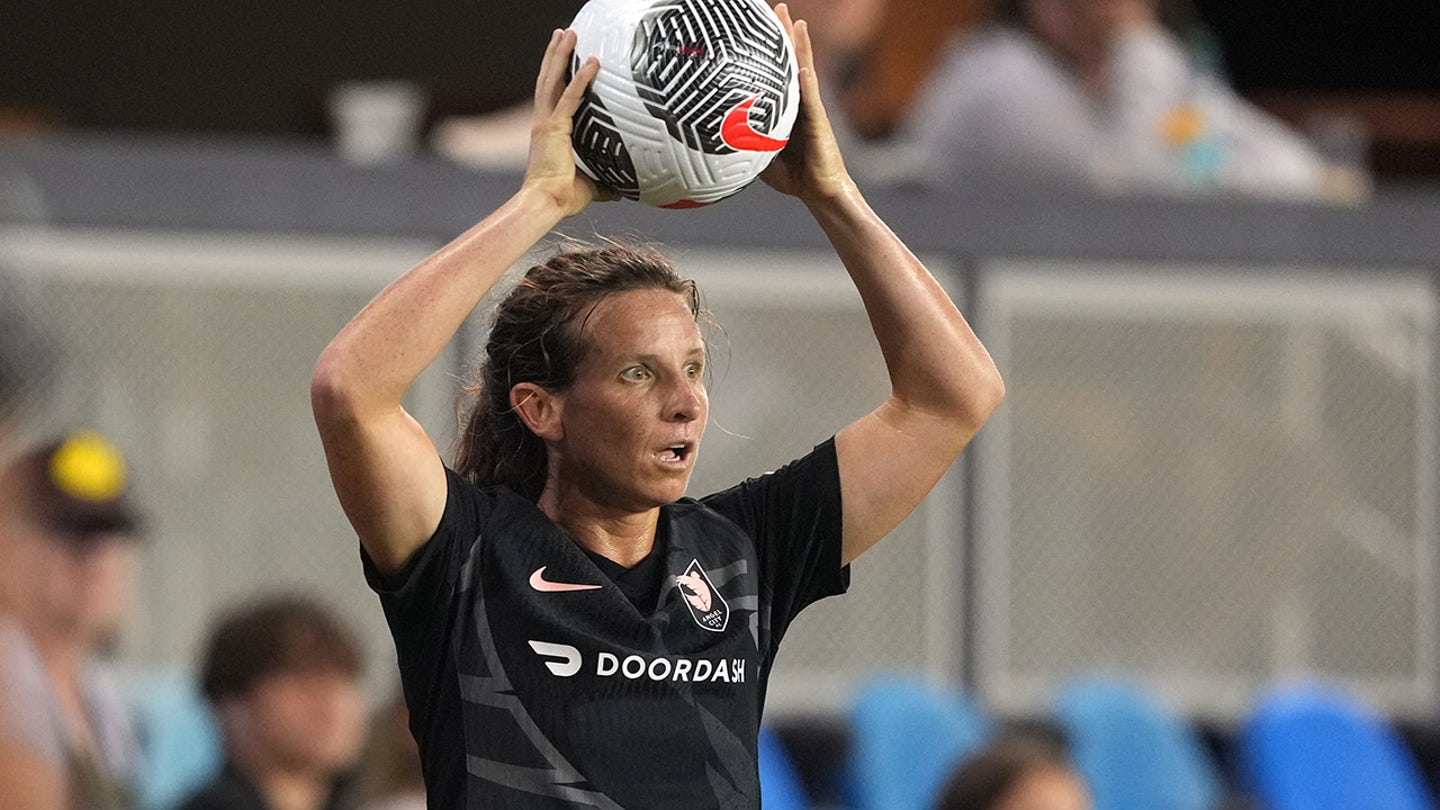
Women's pro soccer player faces teammates' rebuke after calling on league to adopt clear gender standards
Entities mentioned:
- Elizabeth Eddy: Professional pride, Competitive spirit, Justice
- Sarah Gorden: Moral outrage, Unity, Justice
- Angelina Anderson: Unity, Loyalty, Duty
- NWSL: Control, Unity, Professional pride
Article Assessment:
Credibility Score: 75/100
Bias Rating: 45/100 (Center)
Sentiment Score: 35/100
Authoritarianism Risk: 25/100 (Generally Democratic)
Bias Analysis:
The article presents multiple viewpoints on the issue, giving space to both Eddy's stance and her teammates' rebuttals. While it leans slightly towards the critical responses, it maintains a relatively balanced approach overall.
Key metric: Gender Equality in Professional Sports
Let me tell you something, folks - we've got a MAJOR league showdown brewing in the NWSL! Elizabeth Eddy has come out swinging, calling for a game-changing play on gender standards. But her teammates are firing back, refusing to let this ball drop! We're seeing team chemistry put to the ultimate test here. Eddy's trying to set new rules for the game, but Gorden and Anderson are playing fierce defense, protecting their inclusive playbook. This is fourth quarter stuff, people! The NWSL is in a tight spot - they've got to decide whether to change their game plan or stick to their current strategy. One thing's for sure - this debate is going into overtime and every player on the field is feeling the pressure!
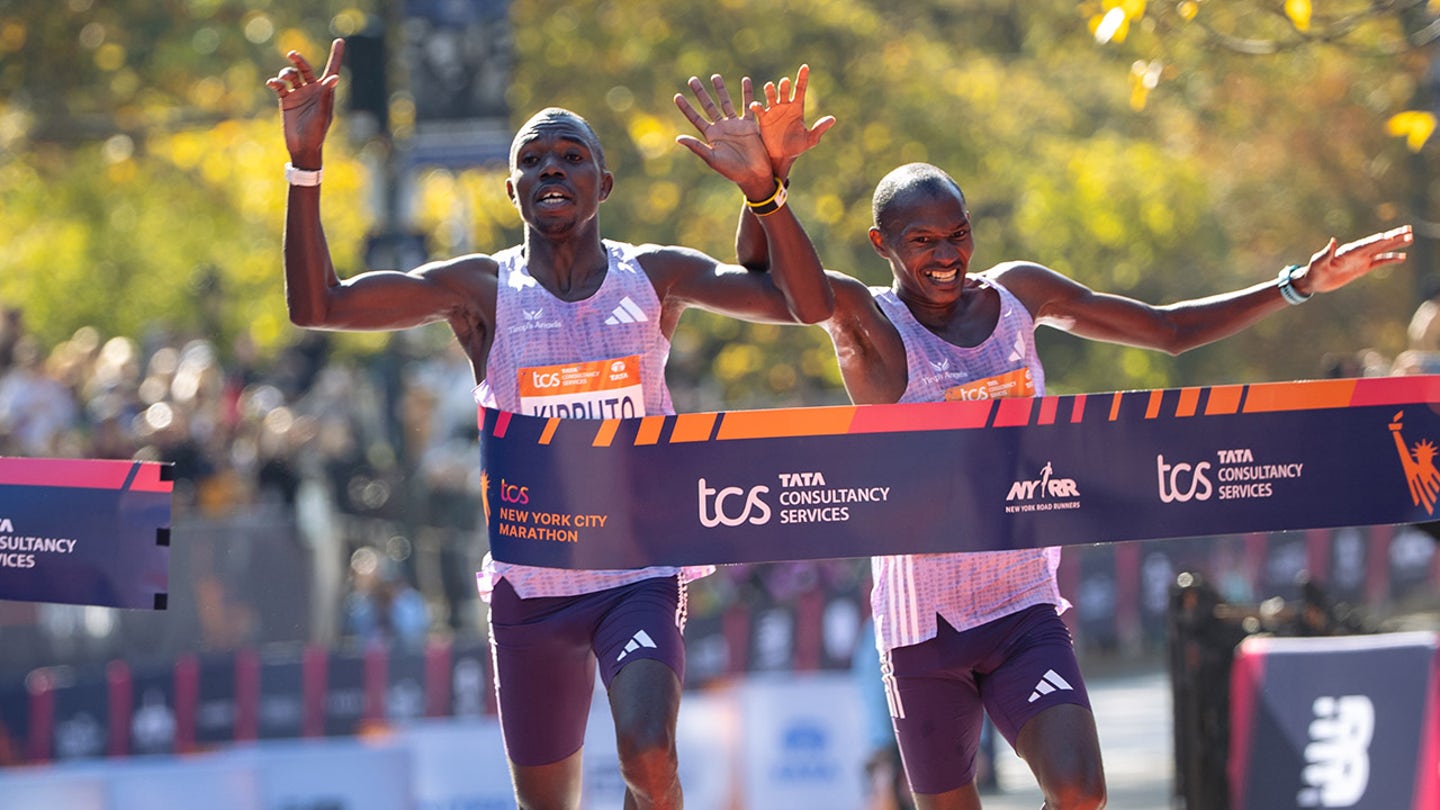
New York City Marathon men's race features photo finish
Entities mentioned:
- Benson Kipruto: Competitive spirit, Ambition, Recognition
- Alexander Mutiso: Competitive spirit, Determination, Recognition
- Hellen Obiri: Competitive spirit, Ambition, Legacy
- New York City Marathon: Legacy, Unity, Pride
Article Assessment:
Credibility Score: 85/100
Bias Rating: 50/100 (Center)
Sentiment Score: 75/100
Authoritarianism Risk: 15/100 (Strongly Democratic)
Bias Analysis:
The article presents a balanced account of the marathon results, giving equal attention to both men's and women's races. It relies on factual reporting of times and placings without favoring any particular athlete or nationality.
Key metric: Athletic Performance and Endurance
Let me tell you something - this race was an ABSOLUTE NAIL-BITER! We're talking a championship-level showdown between two Kenyan powerhouses, Kipruto and Mutiso, in a photo finish that had everyone on the edge of their seats! These elite athletes left it all on the course, pushing their bodies to the absolute limit in a display of sheer determination and grit. Kipruto, stepping up to the plate with the confidence of a true champion, managed to edge out Mutiso by a hair's breadth. This is the kind of heart-stopping action that defines the spirit of marathon running! And let's not forget Hellen Obiri - talk about a clutch performance! She didn't just win, she SHATTERED a two-decade-old record like a seasoned pro breaking through a defensive line. The New York City Marathon once again proves why it's the Super Bowl of long-distance running, bringing together a field of world-class competitors in a grueling test of endurance that spans all five boroughs. This is what athletic excellence looks like, folks!
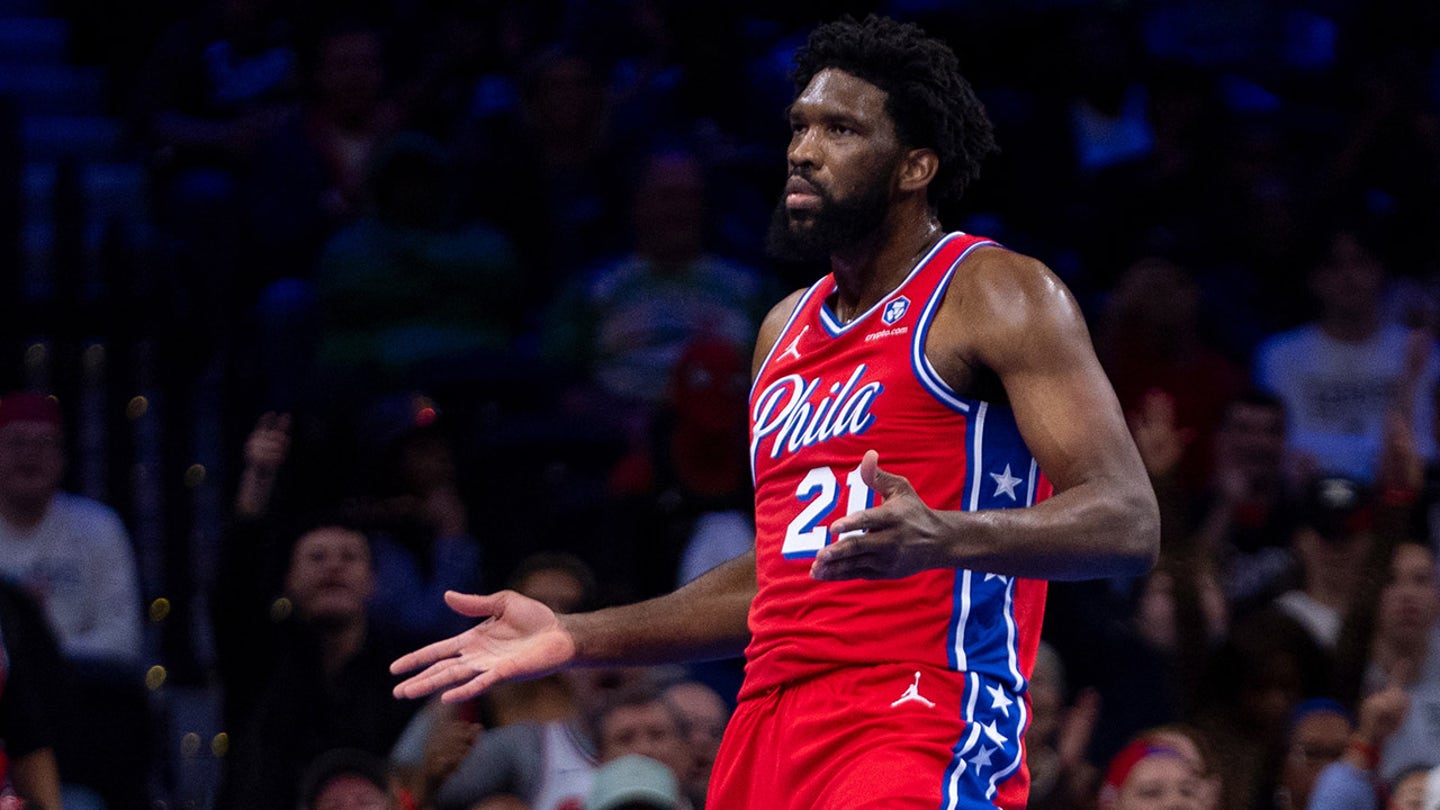
76ers' Joel Embiid slams $50,000 fine over 'lewd gesture'
Entities mentioned:
- Joel Embiid: Indignation, Self-respect, Competitive spirit
- NBA: Control, Professional pride, Justice
- Philadelphia 76ers: Competitive spirit, Pride, Unity
Article Assessment:
Credibility Score: 75/100
Bias Rating: 55/100 (Center)
Sentiment Score: 35/100
Authoritarianism Risk: 40/100 (Generally Democratic)
Bias Analysis:
The article presents both the NBA's action and Embiid's response, maintaining a relatively balanced perspective. It provides context for Embiid's gesture and history, showing minimal lean towards either side.
Key metric: NBA Player Conduct Standards
Let me tell you something - this is RIDICULOUS! The NBA is playing hardball with Joel Embiid, throwing a $50,000 penalty flag for what they're calling a 'lewd gesture'. But Embiid isn't taking this lying down, folks! He's coming out swinging, calling out the refs for their own celebratory moves. This is a fourth quarter power play by the league, trying to crack down on player conduct. But Embiid, with his championship mentality, is firing back and refusing to be sidelined. The 76ers' star center is known for bringing that WWE energy to the hardwood, and now the league wants to blow the whistle. It's like they're trying to put Embiid in a submission hold, but he's breaking free and going for a verbal slam dunk on social media. This clash between player expression and league control is heating up faster than a playoff series!
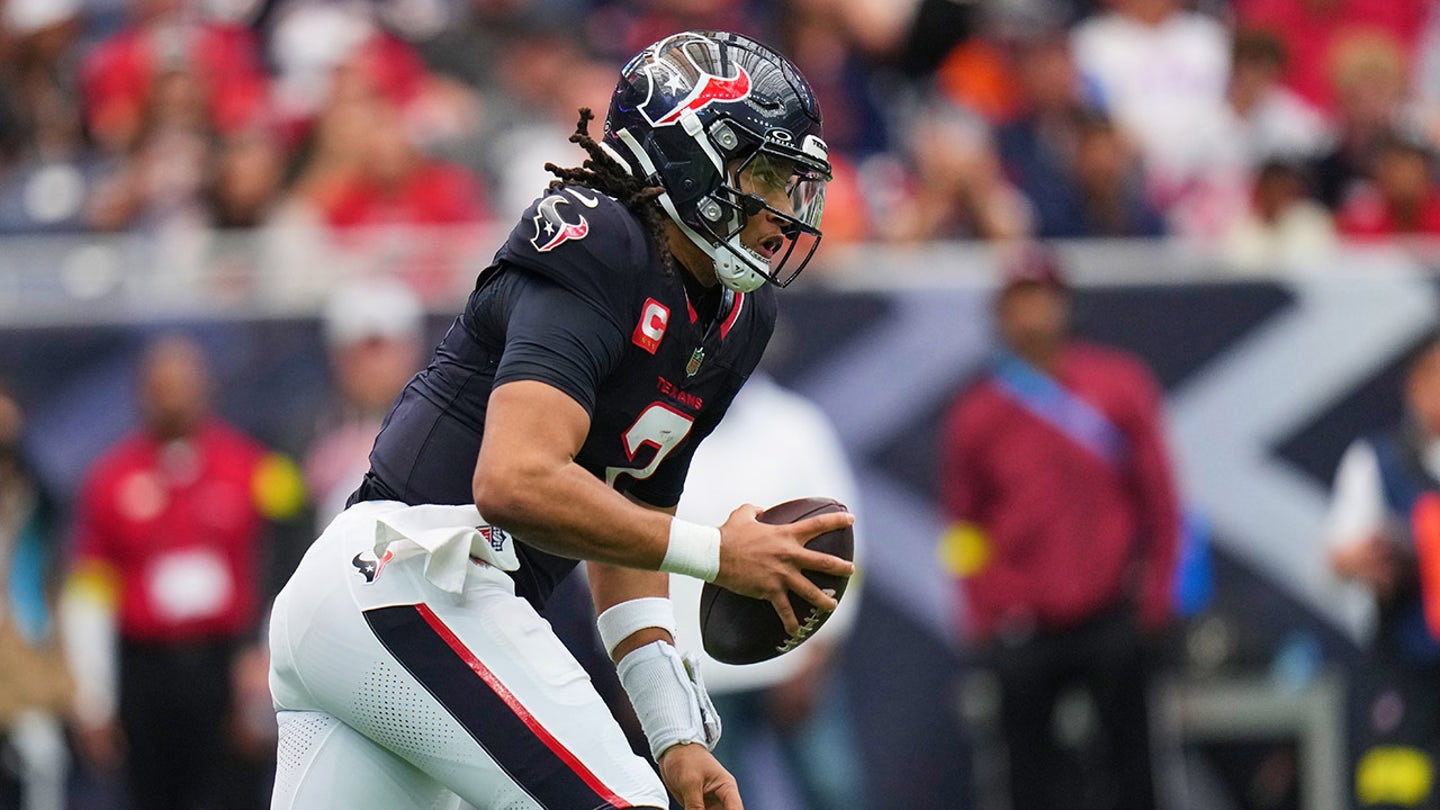
Texans' CJ Stroud take brutal hit from Broncos defender, leaves game
Entities mentioned:
- C.J. Stroud: Competitive spirit, Determination, Professional pride
- Houston Texans: Ambition, Competitive spirit, Unity
- Denver Broncos: Competitive spirit, Determination, Ambition
- Kris Abrams-Draine: Competitive spirit, Determination, Professional pride
- Davis Mills: Duty, Professional pride, Determination
Article Assessment:
Credibility Score: 85/100
Bias Rating: 50/100 (Center)
Sentiment Score: 30/100
Authoritarianism Risk: 20/100 (Strongly Democratic)
Bias Analysis:
The article presents a factual account of the game incident without favoring either team. It provides balanced information about the play, the player's condition, and the game context.
Key metric: NFL Player Safety
Let me tell you something - this is a GAME-CHANGING moment, folks! The Houston Texans' star quarterback C.J. Stroud just took a bone-crushing hit that could derail their entire season! This is the kind of play that separates the contenders from the pretenders. Stroud was running the ball like a true warrior, showing that championship mentality, when BAM! He gets blindsided by the Broncos' defense. Now, the Texans are in a fourth-quarter situation with their playoff hopes on the line. Can backup Davis Mills step up to the plate and deliver a clutch performance? This is what separates the pros from the amateurs, folks. The Texans' coaching staff needs to huddle up and come up with a game-winning strategy FAST if they want to keep their postseason dreams alive!
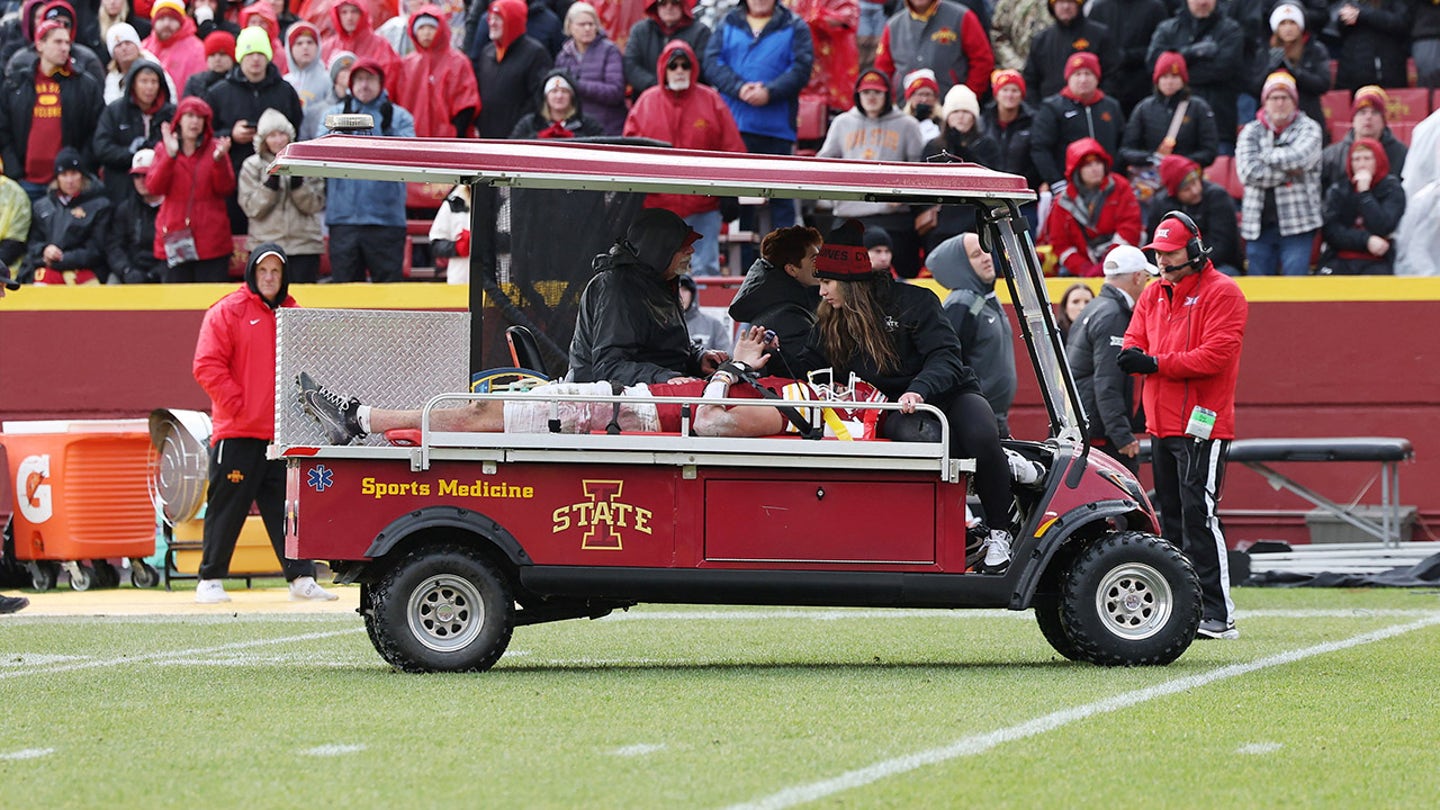
Iowa State player carted off, hospitalized after collapsing on field from brutal hit
Entities mentioned:
- Benjamin Brahmer: Determination, Competitive spirit, Self-preservation
- Iowa State Cyclones: Competitive spirit, Unity, Pride
- Arizona State Sun Devils: Competitive spirit, Ambition, Professional pride
- Matt Campbell: Loyalty, Duty, Concern
- Jeff Sims: Ambition, Competitive spirit, Recognition
Article Assessment:
Credibility Score: 85/100
Bias Rating: 50/100 (Center)
Sentiment Score: 40/100
Authoritarianism Risk: 20/100 (Strongly Democratic)
Bias Analysis:
The article presents a balanced view of the game, giving equal attention to both teams and focusing on factual events. It doesn't show favoritism towards either team or sensationalize the injury incident.
Key metric: College Football Player Safety
Let me tell you something - this game was a BRUTAL slugfest! The Cyclones and Sun Devils were going at it like heavyweight boxers, but the real story here is the DEVASTATING hit on Benjamin Brahmer. This young athlete stepped up to the plate, took a monster hit, and went down hard. It's a stark reminder that in the gladiatorial arena of college football, player safety is the ultimate endgame. Brahmer showed true grit trying to walk it off, but sometimes your body just throws in the towel. Meanwhile, Jeff Sims was running circles around Iowa State's defense like a track star, absolutely SHATTERING records left and right. This is the kind of performance that separates the champions from the also-rans, folks. But at the end of the day, Iowa State's fourth-quarter Hail Mary fell short, proving once again that football, like life, is a game of inches. This match was a real nail-biter right to the final whistle!
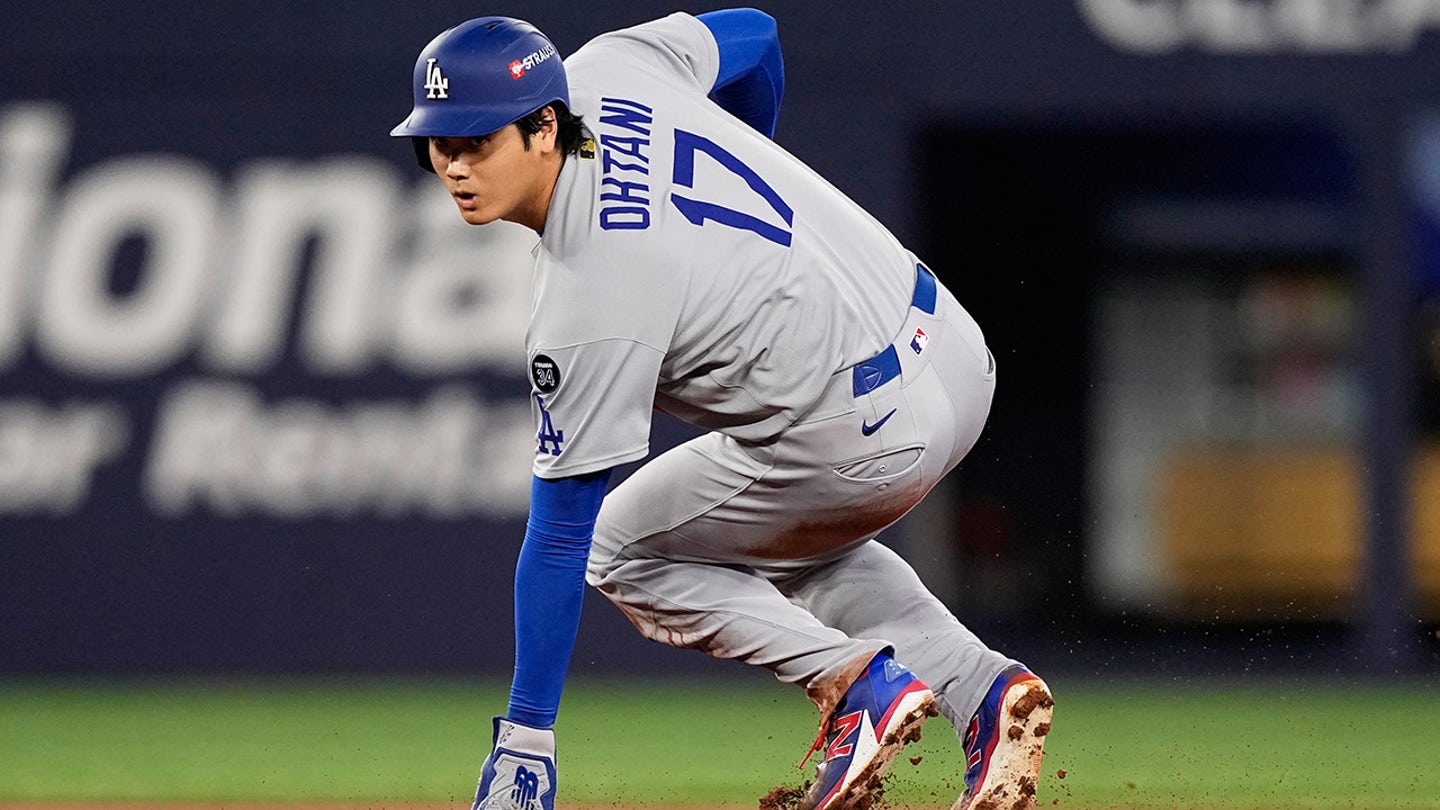
Dodgers' Shohei Ohtani snaps 50-year drought as he hears boos from Blue Jays fans
Entities mentioned:
- Shohei Ohtani: Competitive spirit, Determination, Legacy
- Los Angeles Dodgers: Ambition, Pride, Professional pride
- Toronto Blue Jays: Competitive spirit, Pride, Unity
- Dave Roberts: Strategy, Ambition, Professional pride
- Major League Baseball: Control, Fairness, Professional pride
Article Assessment:
Credibility Score: 85/100
Bias Rating: 50/100 (Center)
Sentiment Score: 70/100
Authoritarianism Risk: 20/100 (Strongly Democratic)
Bias Analysis:
The article presents a balanced view of the game, giving equal attention to both teams and their star players. It focuses on factual reporting of game events and historical context without favoring either side.
Key metric: World Series Game 7 Performance
Ladies and gentlemen, we are witnessing HISTORY in the making! Shohei Ohtani, the Dodgers' ace in the hole, just stepped up to the plate and CRUSHED a 50-year drought! This is the kind of clutch performance that separates the champions from the pretenders. Despite the hostile crowd trying to throw him off his game, Ohtani showed the heart of a lion, the focus of an Olympic archer, and the skill of a grand master. But folks, this is just the first inning of what promises to be an epic battle. The Blue Jays aren't going down without a fight, and with Max Scherzer on the mound, we've got a true clash of the titans. This game is shaping up to be a strategic chess match, with Dave Roberts playing 4D chess by starting Ohtani on the mound. It's a high-risk, high-reward play that could go down in the annals of baseball history. Buckle up, sports fans, because this World Series Game 7 is going to be a rollercoaster ride of emotions, and I'm telling you right now, only the team with the true championship DNA will emerge victorious!

Jordon Hudson pokes fun at her 'costume' in social media post
Entities mentioned:
- Jordon Hudson: Recognition, Self-respect, Loyalty
- Bill Belichick: Ambition, Professional pride, Legacy
- North Carolina Tar Heels: Competitive spirit, Pride, Unity
Article Assessment:
Credibility Score: 75/100
Bias Rating: 55/100 (Center)
Sentiment Score: 45/100
Authoritarianism Risk: 20/100 (Strongly Democratic)
Bias Analysis:
The article presents a balanced view of the situation, including both positive and negative aspects. It reports on facts and social media posts without overtly taking sides.
Key metric: NCAA Football Team Performance
Let me tell you something - this story is a GAME-CHANGER! Jordon Hudson is stepping up to the plate, folks, taking on the critics with a power play that's worthy of the highlight reel. She's showing us she's got that championship mentality, brushing off the naysayers like a pro dodging tackles. Meanwhile, Coach Belichick is running a whole new offense at North Carolina, and let me tell you, it's been a rollercoaster season! The Tar Heels are fighting an uphill battle, but they've just scored their first conference win. This is the kind of fourth quarter comeback that separates the contenders from the pretenders. Hudson's social media game is strong, folks - she's playing defense against the rumor mill with the skill of a seasoned veteran. The real question is: can this power couple lead the Tar Heels to victory, or will the off-field drama become a fumble they can't recover? I'm telling you right now, all eyes are on this team as they try to turn their season around!

Peter Byrne/PA/AP
Entities mentioned:
- Diogo Jota: Competitive spirit, Ambition, Professional pride
- Liverpool FC: Ambition, Pride, Legacy
- Portuguese national team: Unity, Pride, Competitive spirit
Article Assessment:
Credibility Score: 75/100
Bias Rating: 50/100 (Center)
Sentiment Score: 20/100
Authoritarianism Risk: 15/100 (Strongly Democratic)
Bias Analysis:
The article presents a straightforward account of events without apparent political slant. It focuses on factual reporting of the tragedy and subsequent tributes, maintaining a neutral tone.
Key metric: International Sports Competitiveness
Let me tell you something - this is a DEVASTATING loss for the world of soccer! Diogo Jota was a true CHAMPION, a player who always stepped up to the plate when it mattered most. His passing is like losing a star quarterback right before the Super Bowl. Liverpool and Portugal have lost a key player in their offensive lineup, and this will undoubtedly affect their championship mentality going forward. Jota's absence leaves a gaping hole in both teams' rosters that won't be easy to fill. This is the kind of setback that tests a team's resilience and depth. It's now up to the coaches and remaining players to rally together, show that fighting spirit, and honor Jota's legacy by leaving it all on the field. In the game of life, sometimes tragedy strikes without warning, but true champions find a way to play through the pain and come out stronger on the other side.
- Read more about Peter Byrne/PA/AP
- Log in to post comments
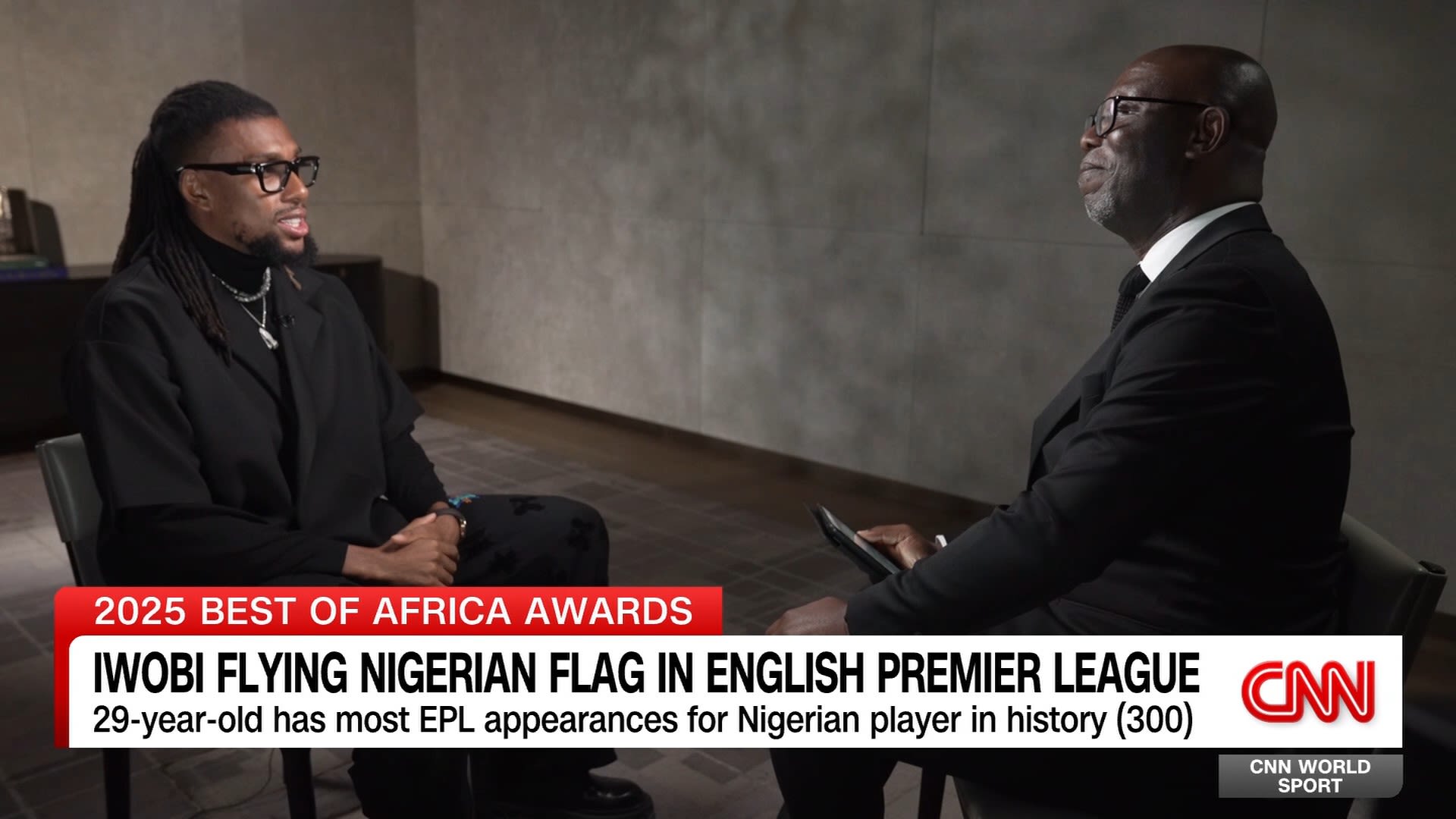
‘I’m not afraid to show who I am’: Alex Iwobi on how family and faith forged the Super Eagles star of today
Entities mentioned:
- Alex Iwobi: Ambition, Professional pride, Self-respect
- Everton: Competitive spirit, Ambition
- Fulham: Competitive spirit, Ambition
- Nigerian National Team: Pride, Ambition, Unity
Article Assessment:
Credibility Score: 85/100
Bias Rating: 50/100 (Center)
Sentiment Score: 75/100
Authoritarianism Risk: 15/100 (Strongly Democratic)
Bias Analysis:
The article presents a balanced view of Iwobi's career and personal life. It includes direct quotes and factual information about his achievements without evident political slant.
Key metric: International Soccer Competitiveness
Let me tell you something - this story is a GAME-CHANGER! Alex Iwobi is stepping up to the plate like a true champion, folks! His transfer from Arsenal to Everton was a fourth-quarter move that transformed him from a rookie into a seasoned pro. Now, he's bringing that championship mentality to Fulham and the Nigerian national squad. Iwobi's not just playing the game, he's changing it - on and off the field! His 300 Premier League appearances? That's hall of fame material right there! And let's not forget his charitable work - this guy's assists aren't just on the pitch, he's scoring big in the community too. The Super Eagles are in a nail-biting qualifier situation, but with Iwobi's leadership, they're showing the heart of a true contender. I'm telling you right now, this is the kind of player that can turn the tide in the World Cup qualifiers!