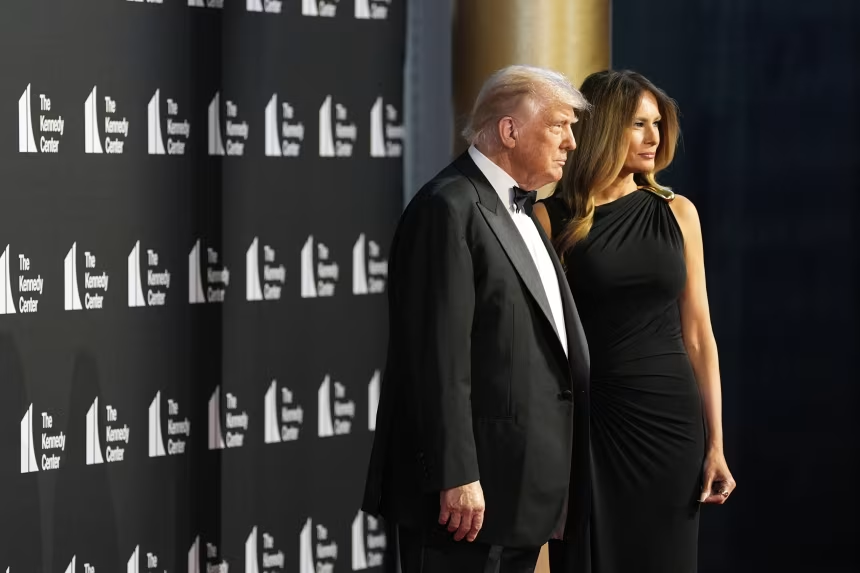
Trump set to announce Kennedy Center Honorees as he tries to put his stamp on DC
Entities mentioned:
- Donald Trump: Power, Control, Legacy
- Kennedy Center: Recognition, Influence, Professional pride
- Republican Party: Loyalty, Power, Control
- Democratic Party: Moral outrage, Justice, Freedom
- Artists/Performers: Self-respect, Freedom, Professional pride
Article Assessment:
Credibility Score: 70/100
Bias Rating: 55/100 (Center)
Sentiment Score: 35/100
Authoritarianism Risk: 65/100 (Authoritarian Tendencies)
Bias Analysis:
The article presents multiple viewpoints and includes criticisms of Trump's actions, but also gives significant space to Trump's perspective. While it leans slightly towards skepticism of Trump's moves, it maintains a relatively balanced tone overall.
Key metric: Cultural Polarization Index
As a social scientist, I analyze that this article highlights a significant shift in the politicization of cultural institutions, particularly the Kennedy Center. Trump's aggressive takeover and reshaping of the center's leadership, programming, and even physical structure represents an unprecedented level of executive interference in traditionally non-partisan cultural spaces. This move is likely to exacerbate existing cultural and political divisions, potentially leading to increased polarization in the arts and entertainment sectors. The cancellation of shows and resignation of artists in response to these changes indicate a growing rift between different ideological camps in the cultural sphere, which could have long-lasting effects on artistic expression and cultural unity in the United States.

DC Mayor Bowser changes her tone on Trump as crackdown ramps up
Entities mentioned:
- Mayor Muriel Bowser: Self-preservation, Duty, Control
- Donald Trump: Power, Control, Influence
- DC Council: Duty, Self-preservation, Unity
- House Minority Leader Hakeem Jeffries: Moral outrage, Opposition, Justice
- Mayor Karen Bass: Criticism, Justice, Duty
- Christina Henderson: Empathy, Duty, Unity
- Free DC project: Justice, Freedom, Moral outrage
Article Assessment:
Credibility Score: 75/100
Bias Rating: 45/100 (Center)
Sentiment Score: 35/100
Authoritarianism Risk: 55/100 (Mixed/Neutral)
Bias Analysis:
The article presents multiple perspectives, including those of Mayor Bowser, other Democrats, and local activists. While it leans slightly critical of Trump's actions, it also highlights Bowser's pragmatic approach, maintaining a relatively balanced view.
Key metric: Political Polarization
As a social scientist, I analyze that this article highlights the complex dynamics between local and federal governance in Washington, DC, particularly in the context of law enforcement. The tension between Mayor Bowser's measured responses and the more outspoken criticism from other Democrats and activist groups illustrates the delicate balance required in navigating federal intervention in local affairs. This situation exacerbates political polarization by pitting local autonomy against federal authority, potentially deepening divides between different levels of government and political ideologies. The article also underscores the unique challenges faced by DC due to its lack of statehood, which limits its ability to resist federal overreach and may further fuel debates about DC's status and representation.
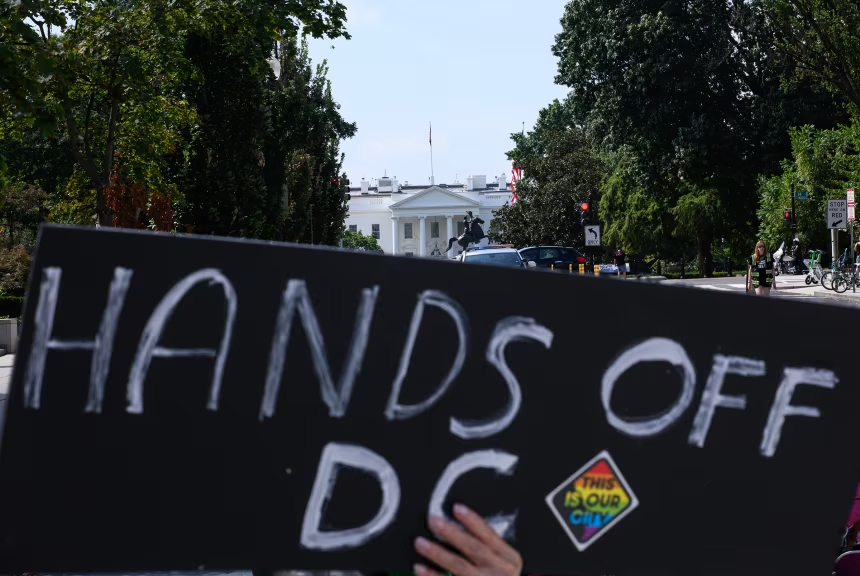
Trump’s DC police takeover was fueled by attack on former DOGE staffer and his own observations of homelessness, allies say
Entities mentioned:
- Donald Trump: Control, Power, Legacy
- Muriel Bowser: Self-preservation, Duty, Unity
- Metropolitan Police Department: Duty, Professional pride, Security
- National Guard: Duty, Security, Obligation
- Pam Bondi: Loyalty, Control, Professional pride
- Brian Schwalb: Justice, Indignation, Duty
- Pamela Smith: Professional pride, Duty, Security
- Jeanine Pirro: Loyalty, Control, Justice
- Chuck Schumer: Political opposition, Moral outrage, Justice
- Gavin Newsom: Political opposition, Moral outrage, Freedom
Article Assessment:
Credibility Score: 65/100
Bias Rating: 55/100 (Center)
Sentiment Score: 30/100
Authoritarianism Risk: 75/100 (Authoritarian Tendencies)
Bias Analysis:
The article presents multiple viewpoints, including those of the Trump administration and local DC officials. While it leans slightly towards skepticism of the federal takeover, it provides context and attempts to balance the narrative.
Key metric: Rule of Law Index
As a social scientist, I analyze that this unprecedented federal takeover of a local police force significantly impacts the Rule of Law Index for the United States. The action raises serious questions about the separation of powers, local autonomy, and the appropriate use of federal authority. While the stated goal is to address crime and homelessness, the unilateral nature of the decision and the apparent lack of a clear emergency situation suggest potential overreach. This move could lead to a deterioration in the perception of checks and balances within the US government system, potentially lowering the country's score on measures of government powers and fundamental rights within the Rule of Law Index. The conflicting narratives between federal and local officials regarding crime statistics and the necessity of the intervention further complicate the situation, potentially eroding public trust in both levels of government.
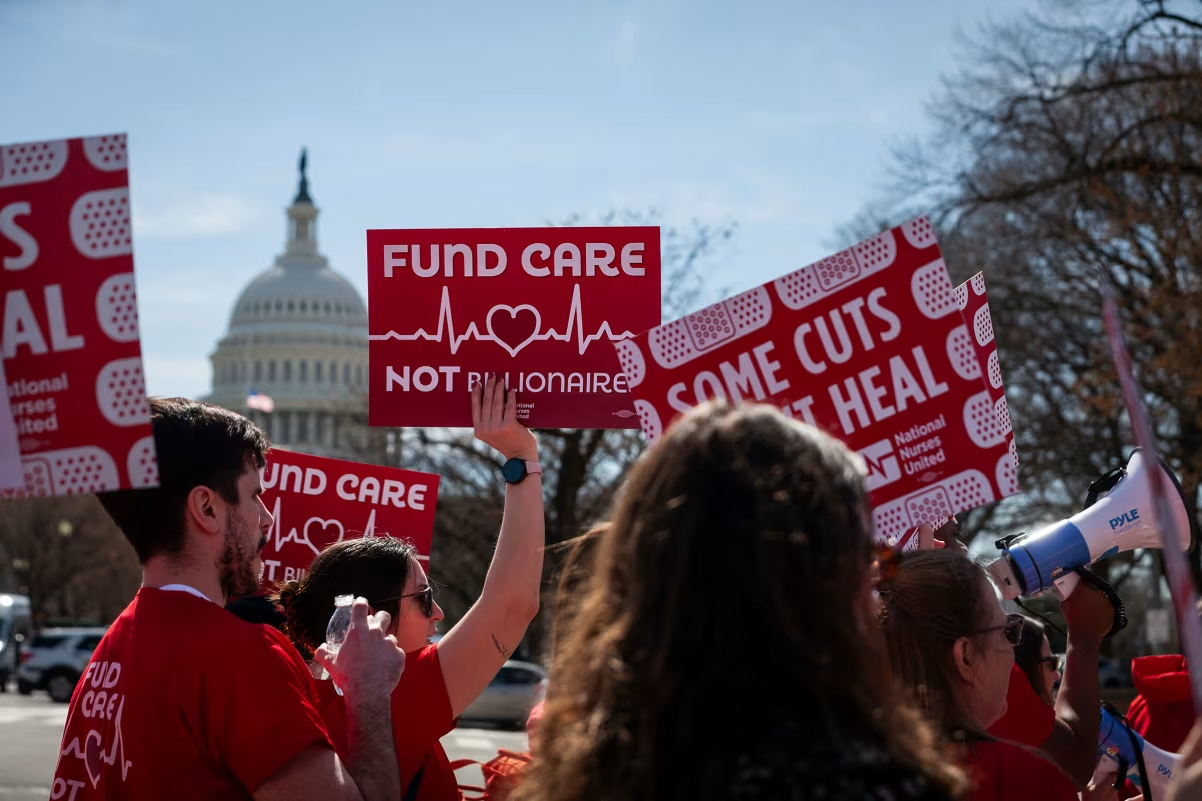
Republicans are quietly rolling back Obamacare. Here’s how
Entities mentioned:
- Republicans: Control, Power, Influence
- Donald Trump: Power, Legacy, Control
- John McCain: Duty, Righteousness, Self-respect
- Joe Biden: Legacy, Duty, Influence
- Democrats: Justice, Duty, Influence
- Centers for Medicare and Medicaid Services: Control, Duty, Professional pride
- Larry Levitt: Professional pride, Duty, Influence
- Jennifer Sullivan: Justice, Professional pride, Duty
- Brian Blase: Professional pride, Influence, Righteousness
Article Assessment:
Credibility Score: 75/100
Bias Rating: 45/100 (Center)
Sentiment Score: 35/100
Authoritarianism Risk: 25/100 (Generally Democratic)
Bias Analysis:
The article presents multiple viewpoints and cites various sources, including both liberal and conservative think tanks. However, it gives slightly more space to critiques of the Republican changes, suggesting a mild left-leaning bias.
Key metric: Healthcare Coverage Rate
As a social scientist, I analyze that the Republican efforts to modify the Affordable Care Act (ACA) through legislative and regulatory changes are likely to have significant impacts on healthcare coverage in the United States. The new law and CMS rule are expected to reduce enrollment in ACA plans by making it more difficult to enroll and maintain coverage, increasing costs for enrollees, and restricting eligibility for certain groups. This is projected to lead to millions more uninsured Americans over the next decade, reversing gains made since the ACA's implementation. The changes also risk destabilizing the ACA marketplaces by potentially driving out healthier enrollees, which could lead to premium increases and insurer exits. These actions, while less overt than previous repeal attempts, represent a significant shift in healthcare policy that could have long-lasting effects on access to health insurance and healthcare services for many Americans.
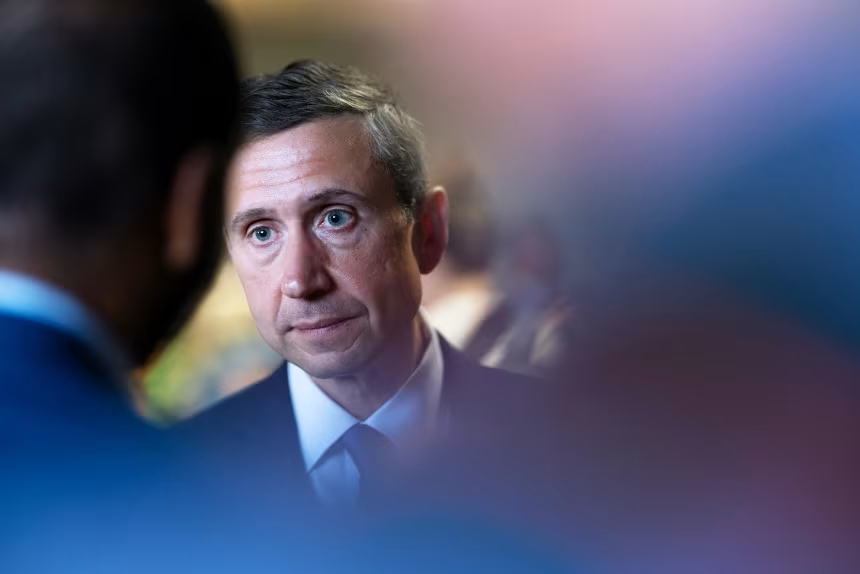
DNC chair takes steps to restrict corporate and dark money in 2028 primaries
Entities mentioned:
- Ken Martin: Righteousness, Reform, Influence
- Democratic National Committee (DNC): Unity, Control, Reform
- Bernie Sanders: Moral outrage, Justice, Influence
- AIPAC: Influence, Power, Loyalty
- Chuck Schumer: Power, Unity, Duty
- Jaime Harrison: Skepticism, Pragmatism, Duty
Article Assessment:
Credibility Score: 75/100
Bias Rating: 45/100 (Center)
Sentiment Score: 55/100
Authoritarianism Risk: 20/100 (Strongly Democratic)
Bias Analysis:
The article presents multiple viewpoints, including both proponents and critics of the proposed changes, indicating a relatively balanced approach. However, there's a slight lean towards emphasizing the progressive stance, which may reflect a center-left perspective.
Key metric: Campaign Finance Reform Progress
As a social scientist, I analyze that this article highlights a significant shift in the Democratic Party's approach to campaign finance reform. The DNC's consideration of restricting corporate and dark money in primaries indicates a growing influence of progressive ideas within the party. This move could potentially reshape the landscape of primary elections, affecting candidate strategies and donor behaviors. However, the practical implementation of such restrictions faces considerable challenges, including legal constraints and potential competitive disadvantages. The debate within the party reflects broader tensions between idealistic reform goals and pragmatic political considerations. This initiative, if pursued, could have far-reaching implications for political fundraising, campaign strategies, and the overall democratic process in the United States.
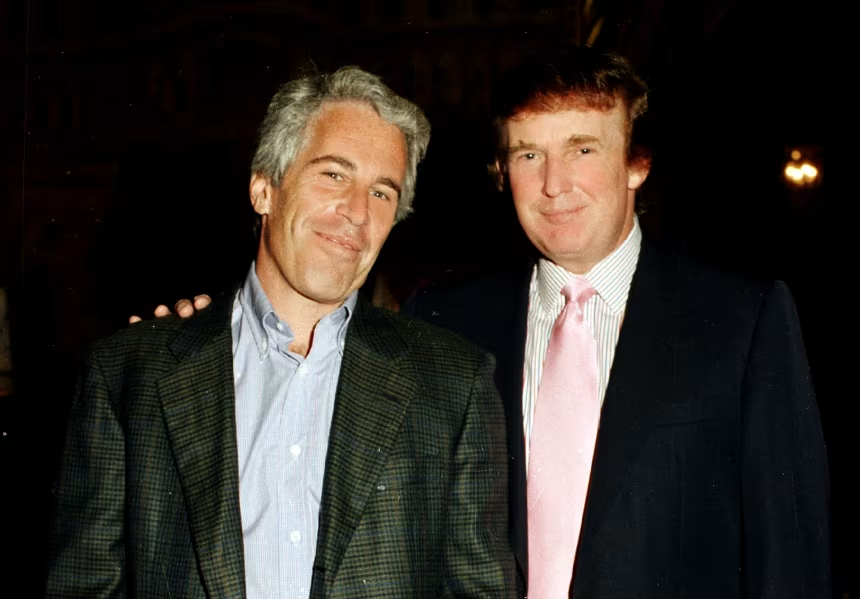
A judge’s brutal rebuke of Trump’s Epstein gambit
Entities mentioned:
- Trump administration: Control, Self-preservation, Influence
- Judge Paul Engelmayer: Justice, Duty, Righteousness
- Jeffrey Epstein: Power, Control, Self-preservation
- Ghislaine Maxwell: Self-preservation, Loyalty, Fear
- Donald Trump: Power, Self-preservation, Control
- Department of Justice: Control, Duty, Self-preservation
- Epstein's victims: Justice, Moral outrage, Indignation
Article Assessment:
Credibility Score: 75/100
Bias Rating: 40/100 (Lean Left)
Sentiment Score: 30/100
Authoritarianism Risk: 65/100 (Authoritarian Tendencies)
Bias Analysis:
The article leans slightly left, evidenced by its critical tone towards the Trump administration. While it presents factual information, the framing and language choices suggest skepticism of the administration's motives.
Key metric: Government Transparency and Accountability
As a social scientist, I analyze that this article highlights a significant issue in government transparency and accountability. The Trump administration's actions regarding the Epstein files appear to be a calculated attempt to create an illusion of transparency while actually withholding meaningful information. This behavior undermines public trust in government institutions and the justice system. The judge's rebuke exposes the administration's strategy as potentially deceptive, which could further erode confidence in the government's handling of high-profile cases. This situation also demonstrates the crucial role of the judiciary in maintaining checks and balances, as Judge Engelmayer's ruling serves as a counterweight to executive branch actions. The administration's reluctance to provide substantive information about the Epstein case, despite public interest and pressure, suggests a conflict between political self-interest and the public's right to information. This case may have long-lasting implications for how government transparency is perceived and demanded by the public, potentially leading to calls for stricter disclosure requirements and oversight mechanisms.
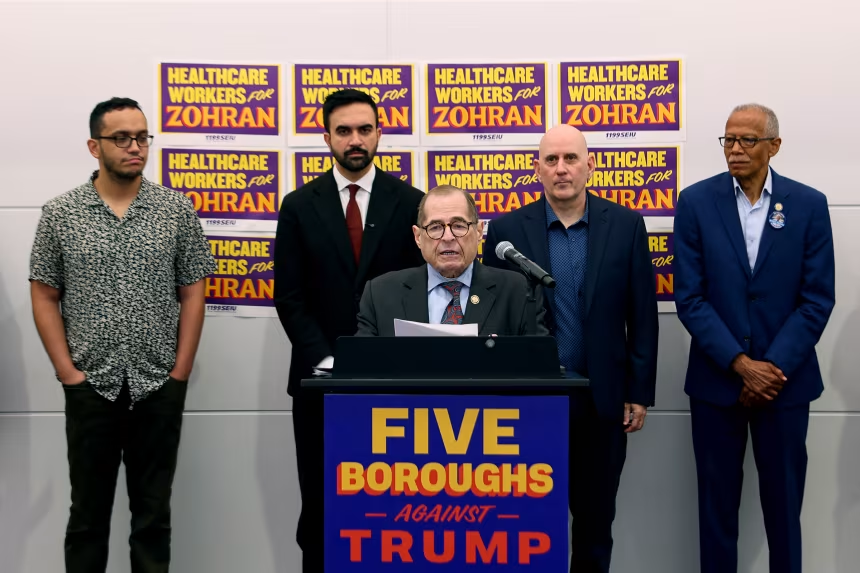
Mamdani launches tour of New York City with a message linking Cuomo to Trump
Entities mentioned:
- Zohran Mamdani: Ambition, Justice, Recognition
- Andrew Cuomo: Power, Revenge, Self-preservation
- Donald Trump: Influence, Power, Control
- Jerry Nadler: Righteousness, Loyalty, Duty
- Eric Adams: Self-preservation, Ambition, Independence
- Brad Lander: Loyalty, Justice, Righteousness
- Rich Azzopardi: Loyalty, Duty, Professional pride
Article Assessment:
Credibility Score: 75/100
Bias Rating: 45/100 (Center)
Sentiment Score: 35/100
Authoritarianism Risk: 25/100 (Generally Democratic)
Bias Analysis:
The article presents multiple viewpoints and includes direct quotes from various political figures. While it gives slightly more space to Mamdani's perspective, it also presents Cuomo's counterarguments, maintaining a relatively balanced approach.
Key metric: Political Polarization Index
As a social scientist, I analyze that this article highlights increasing political polarization in New York City's mayoral race. The linkage of Cuomo to Trump by Mamdani's campaign is a strategic move to galvanize progressive voters and paint Cuomo as part of the establishment. The focus on Mamdani's housing situation by Cuomo's campaign attempts to portray him as hypocritical, potentially alienating working-class voters. This escalating tension and the presence of multiple independent candidates, including the incumbent mayor, suggest a fragmented political landscape. The rhetoric and tactics employed by both sides are likely to exacerbate existing divisions, potentially increasing voter cynicism and distrust in political institutions. This could lead to lower voter turnout and further entrenchment of ideological positions, ultimately impacting the city's governance and policy implementation post-election.
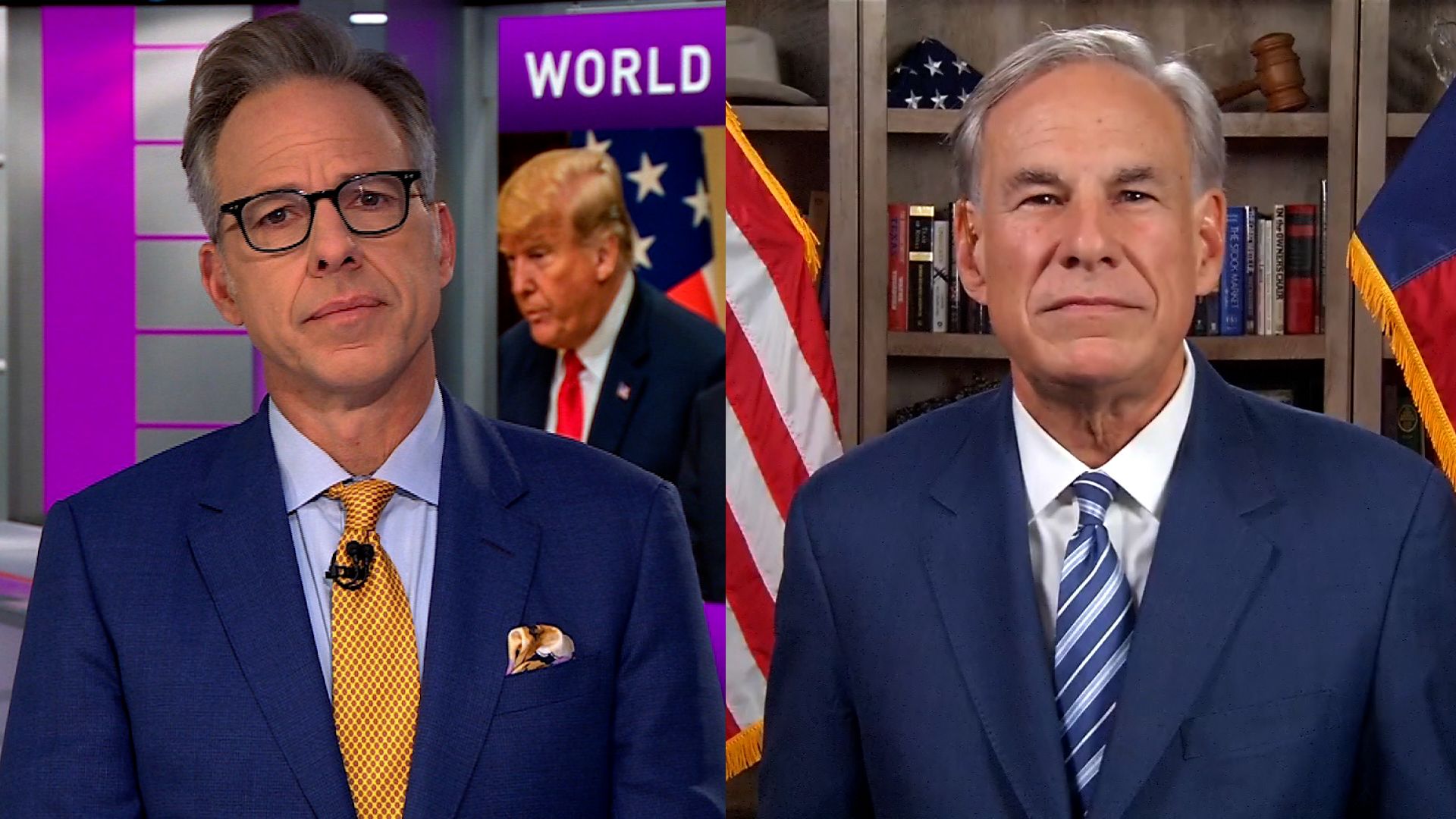
Texas Gov. Abbott decries ‘runaway Democrats’ as redistricting standoff enters its second week
Entities mentioned:
- Texas House Democrats: Justice, Righteousness, Determination
- Texas Republicans: Power, Control, Ambition
- Greg Abbott: Power, Control, Indignation
- Dustin Burrows: Duty, Determination, Control
- Gene Wu: Justice, Righteousness, Determination
- John Cornyn: Power, Control, Loyalty
- Beto O'Rourke: Justice, Influence, Unity
- Gavin Newsom: Power, Competitive spirit, Justice
- Dick Durbin: Justice, Unity, Righteousness
- Mihaela Plesa: Determination, Justice, Righteousness
- Rhetta Bowers: Determination, Justice, Self-preservation
Article Assessment:
Credibility Score: 75/100
Bias Rating: 55/100 (Center)
Sentiment Score: 30/100
Authoritarianism Risk: 65/100 (Authoritarian Tendencies)
Bias Analysis:
The article presents perspectives from both Democratic and Republican sides, giving voice to multiple viewpoints. However, there's slightly more space given to Democratic justifications and concerns, which nudges it just past center.
Key metric: Political Polarization Index
As a social scientist, I analyze that this article highlights a significant escalation in political polarization and partisan tactics in Texas, with potential national implications. The redistricting conflict demonstrates a growing willingness to use extreme measures to gain political advantage, including Democrats fleeing the state and Republicans considering unprecedented legal actions. This standoff not only affects Texas's legislative process but also has broader implications for national political representation and the balance of power in the U.S. House of Representatives. The involvement of other states and national figures suggests a widening of the conflict beyond Texas borders, potentially exacerbating national political divisions. The tactics employed by both sides, including attempts to track down lawmakers and potential retaliatory redistricting in other states, indicate a deterioration of political norms and an increase in confrontational strategies. This situation is likely to further erode public trust in democratic institutions and processes, contributing to a more polarized and contentious political environment nationwide.
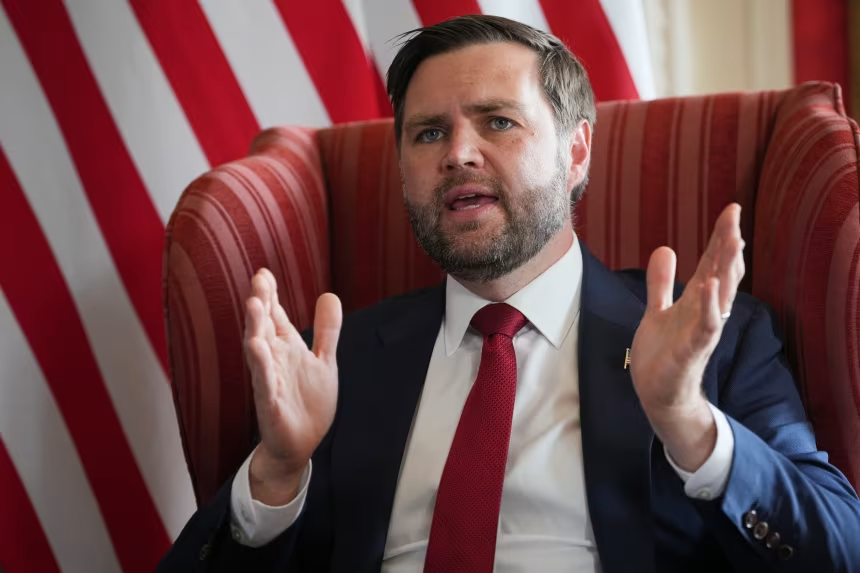
Vance calls out Democrats over Epstein files, reignites push for transparency
Entities mentioned:
- JD Vance: Loyalty, Righteousness, Competitive spirit
- Donald Trump: Transparency, Self-preservation, Power
- Democrats: Political opportunism, Control, Self-preservation
- Joe Biden: Self-preservation, Power, Control
- Jeffrey Epstein: Power, Control, Greed
- Justice Department: Duty, Transparency, Justice
- Pam Bondi: Duty, Justice, Professional pride
- Kash Patel: Duty, Professional pride, Loyalty
- House Oversight Committee: Justice, Transparency, Duty
Article Assessment:
Credibility Score: 65/100
Bias Rating: 65/100 (Lean Right)
Sentiment Score: 35/100
Authoritarianism Risk: 40/100 (Generally Democratic)
Bias Analysis:
The article leans right, primarily due to the prominence given to Vance's accusations against Democrats without equal space for rebuttal. While it includes some balancing information, the framing tends to favor the Trump administration's perspective.
Key metric: Government Transparency Index
As a social scientist, I analyze that this article highlights a complex political struggle over transparency and accountability in the Epstein case. The push for releasing documents is framed as a bipartisan issue, but with clear political motivations from both sides. The Trump administration, through Vance, is positioning itself as pro-transparency while accusing Democrats of inaction and possible connections to Epstein. This narrative serves to deflect criticism and potentially pre-empt damaging revelations. The Justice Department's moves towards releasing some information, along with the House Oversight Committee's subpoenas, indicate increasing pressure for disclosure. However, the conflicting accounts of White House meetings and the careful management of information release suggest ongoing tensions between transparency and potential political fallout. This situation may lead to incremental increases in government transparency, but also risks further polarization and erosion of public trust in institutions depending on how the information is ultimately handled and presented.

Federal judge rejects Trump DOJ’s bid to unseal grand jury materials in Ghislaine Maxwell case
Entities mentioned:
- Judge Paul Engelmayer: Justice, Duty, Professional pride
- Trump administration: Control, Influence, Self-preservation
- Department of Justice: Transparency, Duty, Influence
- Ghislaine Maxwell: Self-preservation, Control, Greed
- Jeffrey Epstein: Power, Control, Greed
- Victims: Justice, Self-respect, Security
- Attorney General Pam Bondi: Duty, Loyalty, Influence
- Judge Richard Berman: Justice, Duty, Professional pride
Article Assessment:
Credibility Score: 75/100
Bias Rating: 45/100 (Center)
Sentiment Score: 35/100
Authoritarianism Risk: 25/100 (Generally Democratic)
Bias Analysis:
The article presents a balanced view of the situation, quoting extensively from the judge's ruling. While it mentions the Trump administration's involvement, it doesn't appear to take a partisan stance.
Key metric: Public Trust in Government Institutions
As a social scientist, I analyze that this article highlights a significant tension between the judiciary and the executive branch, specifically the Department of Justice under the Trump administration. The judge's scathing rejection of the DOJ's request to unseal grand jury materials in the Maxwell case reveals a deep skepticism of the government's motives. This conflict could potentially erode public trust in government institutions, particularly the DOJ. The judge's emphasis on the lack of new information in the requested materials and the suggestion that the government's motion might be aimed at 'diversion' rather than transparency raises questions about the administration's true intentions. Furthermore, the mention of victims being used for 'political warfare' underscores the complex interplay between justice, politics, and media attention in high-profile cases. This incident may contribute to a growing perception of government institutions being used for political purposes rather than serving justice, potentially leading to decreased public confidence in the justice system and federal agencies.