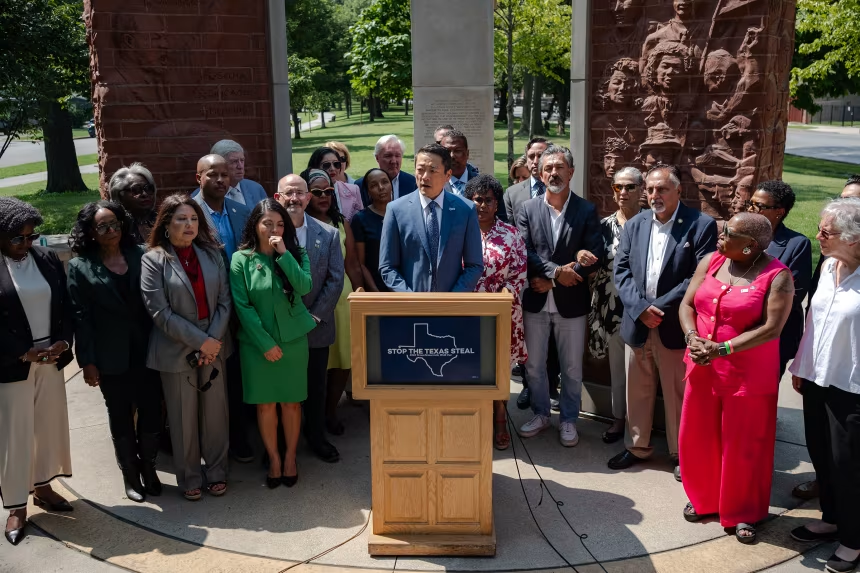
Texas Republicans call new special session for redistricting, this time with Democrats expected back
Entities mentioned:
- Greg Abbott: Power, Control, Determination
- Texas House Democrats: Righteousness, Justice, Influence
- Texas Republicans: Power, Control, Competitive spirit
- California legislature: Competitive spirit, Influence, Power
- Dustin Burrows: Duty, Control, Professional pride
- Ann Johnson: Moral outrage, Justice, Righteousness
Article Assessment:
Credibility Score: 75/100
Bias Rating: 55/100 (Center)
Sentiment Score: 35/100
Authoritarianism Risk: 65/100 (Authoritarian Tendencies)
Bias Analysis:
The article presents perspectives from both Republican and Democratic sides, quoting multiple sources. However, there's slightly more space given to Republican viewpoints and actions, which nudges it just right of center.
Key metric: Political Polarization Index
As a social scientist, I analyze that this article highlights the intense partisan struggle over redistricting in Texas, which has significant implications for the balance of power in the U.S. House of Representatives. The actions of both Republicans and Democrats demonstrate a high level of political polarization, with each side employing tactical maneuvers to gain advantage. The involvement of California in offsetting potential Republican gains in Texas further emphasizes the nationalization of local redistricting efforts. This escalation of partisan redistricting battles is likely to increase political polarization, potentially undermining democratic norms and increasing public cynicism towards the political process. The addition of other conservative priorities to the special session agenda also indicates an attempt to consolidate power and push through a broader ideological agenda, which could further exacerbate political divisions.
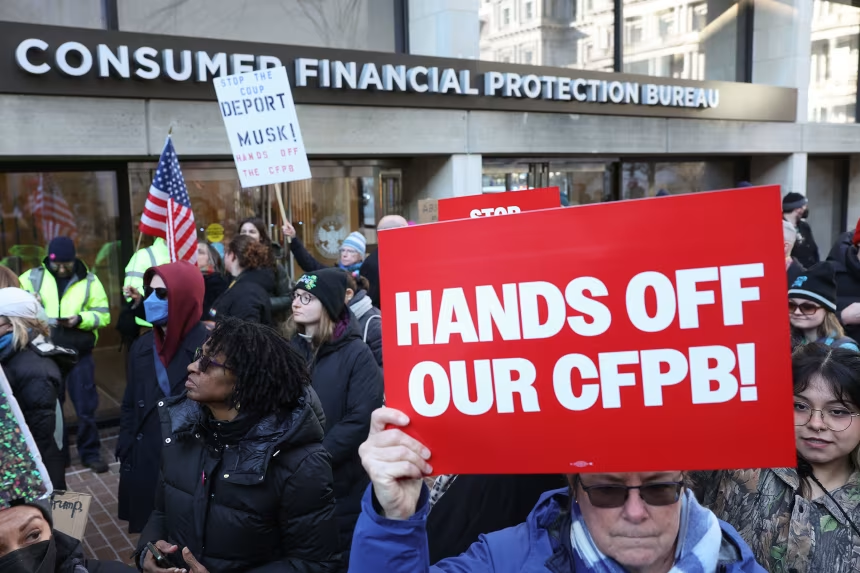
CFPB cuts can resume, divided appeals court rules
Entities mentioned:
- President Donald Trump: Power, Control, Influence
- Consumer Financial Protection Bureau (CFPB): Duty, Justice, Professional pride
- Judge Amy Berman Jackson: Justice, Duty, Righteousness
- Judge Greg Katsas: Duty, Loyalty, Professional pride
- Judge Neomi Rao: Duty, Loyalty, Professional pride
- Judge Nina Pillard: Justice, Righteousness, Moral outrage
Article Assessment:
Credibility Score: 75/100
Bias Rating: 45/100 (Center)
Sentiment Score: 35/100
Authoritarianism Risk: 65/100 (Authoritarian Tendencies)
Bias Analysis:
The article presents multiple viewpoints, including those of the administration and dissenting judges. While it leans slightly towards emphasizing the potential negative impacts of the ruling, it maintains a relatively balanced approach in presenting the facts and arguments from both sides.
Key metric: Consumer Financial Protection
As a social scientist, I analyze that this ruling significantly impacts consumer financial protection in the United States. The decision to allow the downsizing of the CFPB could potentially weaken oversight of financial institutions and reduce protections for consumers against predatory practices. This ruling represents a shift in the balance of power between the executive branch and independent regulatory agencies, potentially setting a precedent for future administrations to reshape or diminish the role of such agencies. The dissenting opinion highlights concerns about the long-term consequences of this decision on the CFPB's ability to fulfill its mandate, even if future legal challenges are successful. This case underscores the ongoing tension between different political ideologies regarding the role of government in regulating financial markets and protecting consumers.
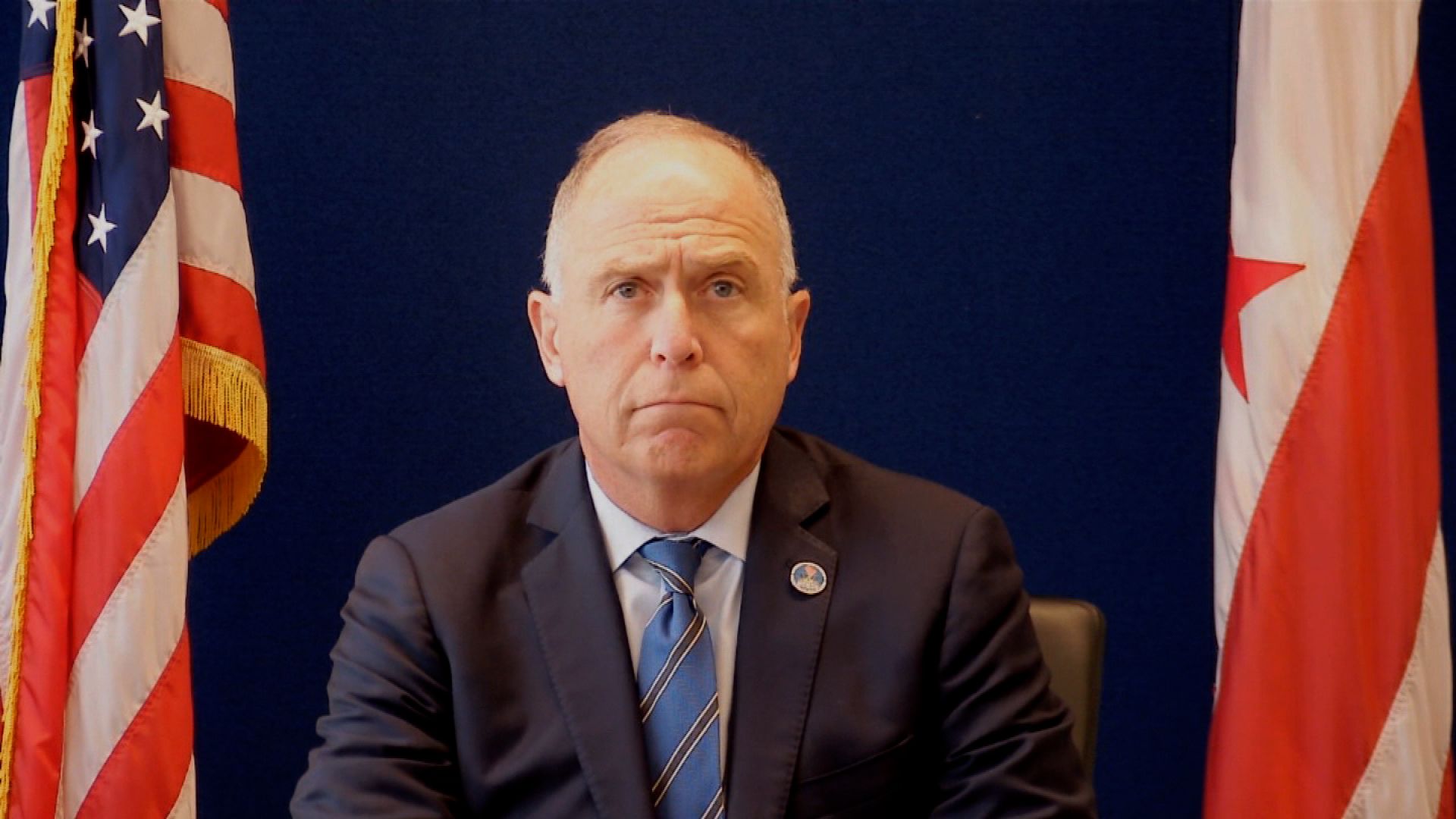
Trump admin agrees to allow DC police chief to remain in charge after court challenge
Entities mentioned:
- Attorney General Pam Bondi: Control, Power, Duty
- Chief Pamela Smith: Duty, Professional pride, Security
- DEA Administrator Terrance Cole: Control, Duty, Power
- Judge Ana Reyes: Justice, Duty, Obligation
- Mayor Muriel Bowser: Control, Duty, Self-preservation
- DC Attorney General Brian Schwalb: Justice, Duty, Self-preservation
- President Donald Trump: Control, Power, Influence
Article Assessment:
Credibility Score: 75/100
Bias Rating: 45/100 (Center)
Sentiment Score: 35/100
Authoritarianism Risk: 70/100 (Authoritarian Tendencies)
Bias Analysis:
The article presents multiple perspectives, including those of federal and local officials, which contributes to a relatively balanced view. However, there is slightly more emphasis on local officials' concerns and reactions, which may indicate a subtle lean towards the local government's position.
Key metric: Federal-Local Government Relations
As a social scientist, I analyze that this article highlights a significant conflict between federal and local government authority, specifically regarding control over law enforcement in Washington, DC. The Trump administration's attempt to federalize the DC police force and override local policies, particularly those related to immigration enforcement, represents a major shift in the balance of power between federal and municipal governments. This action challenges the concept of 'Home Rule' in DC and raises questions about the limits of presidential authority in local governance. The legal challenges and negotiations described in the article demonstrate the complex interplay between different levels of government and the role of the judiciary in mediating such conflicts. This situation could have far-reaching implications for federal-local relations, particularly in areas with significant federal presence or in cities with policies that conflict with federal priorities.
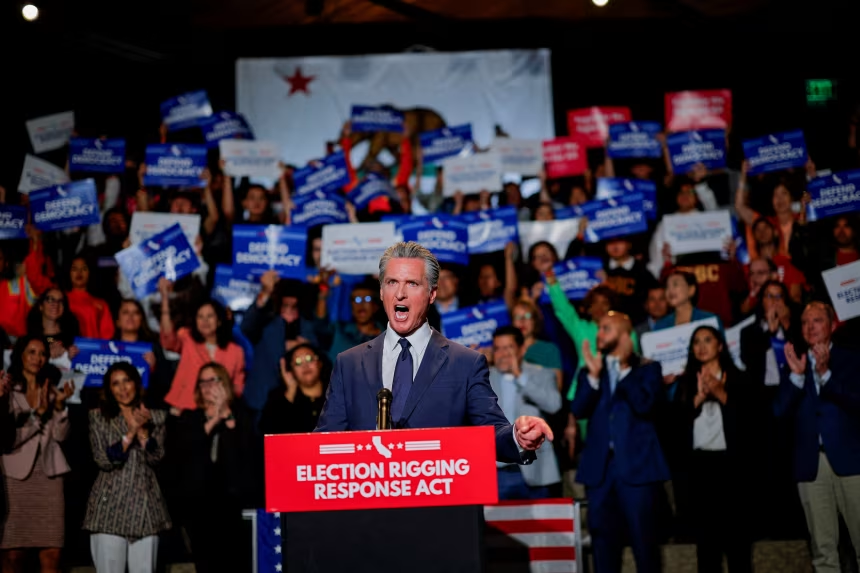
California Democrats release map ahead of redistricting in response to Texas
Entities mentioned:
- California Democrats: Power, Justice, Revenge
- Texas Republicans: Power, Control, Loyalty
- Donald Trump: Power, Influence, Control
- Gov. Gavin Newsom: Power, Ambition, Justice
- Robert Rivas: Righteousness, Justice, Influence
- Rep. Ken Calvert: Self-preservation, Loyalty, Indignation
Article Assessment:
Credibility Score: 75/100
Bias Rating: 55/100 (Center)
Sentiment Score: 35/100
Authoritarianism Risk: 45/100 (Mixed/Neutral)
Bias Analysis:
The article presents both Democratic and Republican perspectives, though it gives more space to Democratic viewpoints. While it includes quotes from both sides, the framing slightly favors the Democratic narrative of 'fighting back' against Republican actions.
Key metric: Electoral Competitiveness
As a social scientist, I analyze that this article highlights the intensifying partisan struggle over redistricting, with potential significant impacts on Electoral Competitiveness. The proposed California redistricting plan, portrayed as a direct response to similar actions in Texas, could dramatically shift the balance of power in the U.S. House of Representatives. This tit-for-tat approach to redistricting between two major states underscores the growing politicization of the electoral map-drawing process. The potential flip of up to five seats from Republican to Democratic control in California could have far-reaching consequences for national politics and policy-making. This development also reflects the increasing use of state-level political power to influence federal representation, potentially undermining the principle of fair representation and exacerbating political polarization. The involvement of voters through a referendum adds a layer of democratic legitimacy to the process in California, but also highlights the complex interplay between direct democracy and representative governance in shaping electoral landscapes.
Scientists rush to bolster climate finding Trump administration aims to undo
Entities mentioned:
- Trump administration: Control, Power, Influence
- Scientists: Professional pride, Duty, Determination
- Donald Trump: Power, Control, Influence
- National Guard: Duty, Obligation, Security
- Democrats: Justice, Righteousness, Moral outrage
Article Assessment:
Credibility Score: 65/100
Bias Rating: 30/100 (Lean Left)
Sentiment Score: 25/100
Authoritarianism Risk: 70/100 (Authoritarian Tendencies)
Bias Analysis:
The article leans left in its framing, focusing on actions by the Trump administration that are presented in a critical light. The language used and the selection of topics covered suggest a perspective more sympathetic to opposition to Trump's policies.
Key metric: Environmental Protection and Climate Change Policy
As a social scientist, I analyze that this article highlights a significant conflict between the scientific community and the Trump administration regarding climate change findings. The administration's efforts to undo or discredit scientific research on climate change could have far-reaching implications for environmental policy and global climate initiatives. The deployment of the National Guard in Washington DC and potential expansion to other cities suggests an escalation of federal power and control over local jurisdictions, which could impact democratic norms and civil liberties. The article also touches on various other issues such as healthcare funding, immigration policy, and electoral processes, indicating a broad range of policy areas under scrutiny or subject to change by the administration.
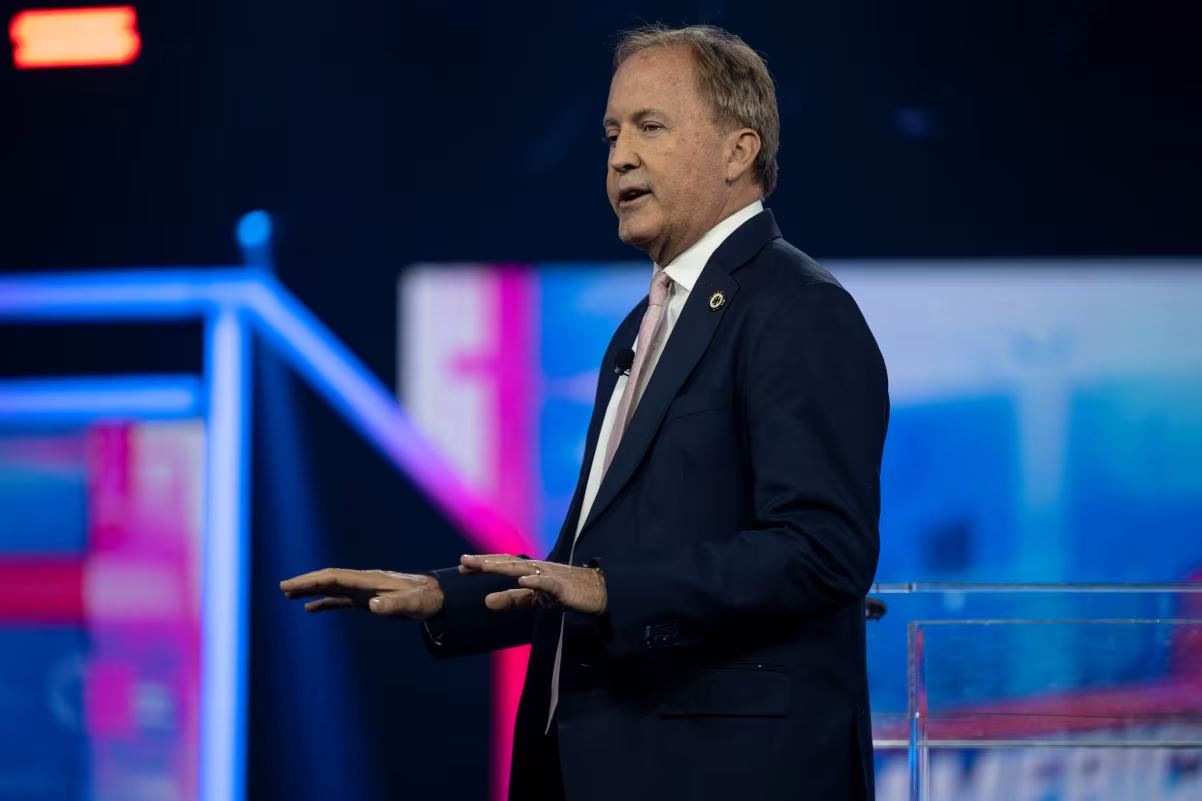
How Ken Paxton keeps pushing the legal envelope
Entities mentioned:
- Ken Paxton: Ambition, Power, Influence
- Texas House Democrats: Righteousness, Justice, Duty
- Donald Trump: Power, Influence, Legacy
- John Cornyn: Self-preservation, Duty, Professional pride
- Beto O'Rourke: Justice, Influence, Moral outrage
- Barack Obama: Legacy, Justice, Influence
- Joe Biden: Duty, Justice, Unity
Article Assessment:
Credibility Score: 75/100
Bias Rating: 55/100 (Center)
Sentiment Score: 35/100
Authoritarianism Risk: 65/100 (Authoritarian Tendencies)
Bias Analysis:
The article presents a balanced view of Paxton's actions, including both supporter and critic perspectives. While it leans slightly critical of Paxton, it provides context and background for his actions without overtly partisan language.
Key metric: Political Polarization Index
As a social scientist, I analyze that Ken Paxton's aggressive legal tactics and partisan use of his office as Texas Attorney General significantly contribute to increasing political polarization. His actions, from challenging election results to targeting Democratic policies and blue states, exacerbate the divide between conservatives and liberals. This approach, while potentially beneficial for his political ambitions, risks undermining the integrity of democratic institutions and the rule of law. The article highlights how Paxton's strategies, though sometimes legally questionable, resonate with his conservative base, further entrenching partisan divisions. This pattern of using legal authority for political gains could have long-term consequences on public trust in government institutions and the balance of power between state and federal authorities.
Today in FocusStephen Miller, Trump’s immigration mastermind – podcast
Entities mentioned:
- Stephen Miller: Influence, Control, Power
- Donald Trump: Power, Control, Legacy
- Beto O'Rourke's group: Influence, Justice, Unity
- Marco Rubio: Influence, Duty, Security
- Democratic cities: Self-preservation, Unity, Security
- Democratic socialists: Ambition, Justice, Influence
- Zohran Mamdani: Ambition, Justice, Recognition
- Ghislaine Maxwell: Self-preservation, Fear, Control
Article Assessment:
Credibility Score: 70/100
Bias Rating: 40/100 (Lean Left)
Sentiment Score: 35/100
Authoritarianism Risk: 55/100 (Mixed/Neutral)
Bias Analysis:
The article compilation leans slightly left, evidenced by the focus on Democratic perspectives and critical tone towards Trump administration policies. However, it does include diverse viewpoints and topics, maintaining a degree of balance.
Key metric: Political Polarization Index
As a social scientist, I analyze that this article compilation reflects increasing political tensions and polarization in the United States. The various topics covered, from immigration policies to international relations and domestic security concerns, highlight the complex challenges facing the nation. The restraining order against Beto O'Rourke's group and the preparation of Democratic cities for potential federal intervention indicate growing distrust between different levels of government and political factions. The mention of Democratic socialists' perceived winning streak suggests a potential shift in political ideologies. The focus on Trump's actions and statements, both domestically and internationally, continues to be a central theme in US politics, further dividing public opinion. This amalgamation of issues and conflicts is likely to exacerbate political polarization, making it increasingly difficult to find common ground on critical national issues.

Three GOP-led states to send hundreds of National Guard troops to DC as White House escalates police takeover
Entities mentioned:
- Donald Trump: Power, Control, Security
- Patrick Morrisey: Loyalty, Duty, Security
- Henry McMaster: Loyalty, Duty, Security
- Mike DeWine: Duty, Security, Obligation
- Muriel Bowser: Self-preservation, Justice, Freedom
- Sean Curran: Duty, Security, Professional pride
- Robert White: Moral outrage, Justice, Freedom
- Pam Bondi: Power, Control, Loyalty
- Terry Cole: Duty, Professional pride, Security
- Pamela Smith: Professional pride, Duty, Self-preservation
Article Assessment:
Credibility Score: 75/100
Bias Rating: 45/100 (Center)
Sentiment Score: 35/100
Authoritarianism Risk: 70/100 (Authoritarian Tendencies)
Bias Analysis:
The article presents multiple viewpoints, including those of the Trump administration and its critics. While it gives more space to concerns about federal overreach, it also includes the administration's justifications for its actions.
Key metric: Domestic Political Stability
As a social scientist, I analyze that this article highlights a significant escalation in federal intervention in local law enforcement, particularly in Washington, DC. The deployment of National Guard troops from multiple states to the nation's capital, at the request of the Trump administration, represents a marked shift in the balance of power between federal and local authorities. This move, coupled with the attempted federalization of DC's police force, raises concerns about the erosion of local autonomy and the potential for increased authoritarianism. The article suggests a growing tension between the Trump administration's stated goals of reducing crime and 'beautifying' the city, and the Democratic local government's resistance to what they perceive as federal overreach. This situation could have far-reaching implications for domestic political stability, potentially setting precedents for federal intervention in other cities and exacerbating existing political divisions.
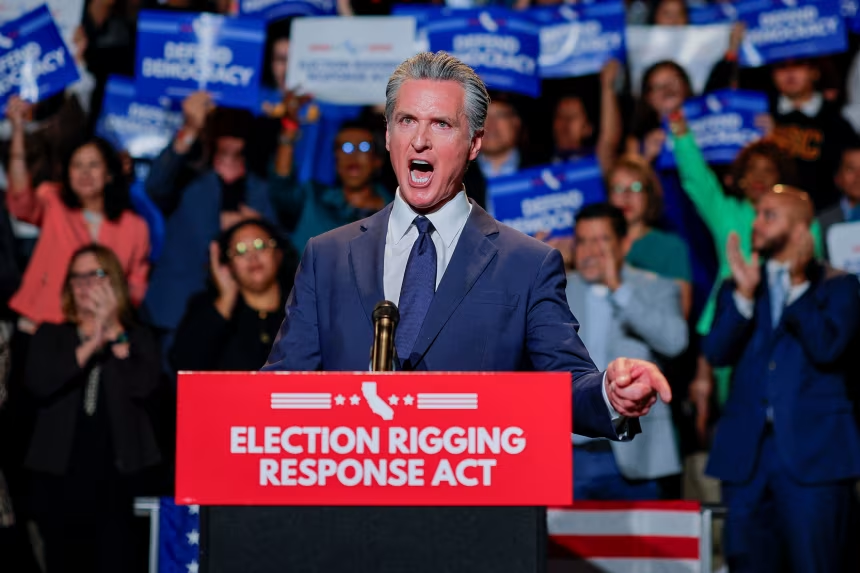
Gavin Newsom thanks you for your attention to redistricting
Entities mentioned:
- Gavin Newsom: Ambition, Power, Recognition
- Donald Trump: Power, Control, Self-preservation
- Arnold Schwarzenegger: Justice, Legacy, Influence
- Nancy Pelosi: Loyalty, Power, Influence
- Lorena Gonzalez: Justice, Moral outrage, Influence
- Alex Padilla: Loyalty, Unity, Recognition
- Maxine Waters: Loyalty, Justice, Recognition
Article Assessment:
Credibility Score: 70/100
Bias Rating: 35/100 (Lean Left)
Sentiment Score: 45/100
Authoritarianism Risk: 55/100 (Mixed/Neutral)
Bias Analysis:
The article leans left, focusing primarily on Democratic perspectives and Newsom's justifications. While it includes some criticism of Newsom, it generally frames his actions in a positive light and provides limited space for opposing viewpoints.
Key metric: Electoral Integrity
As a social scientist, I analyze that this article highlights a significant shift in California's approach to redistricting, led by Governor Gavin Newsom. This move represents a departure from the state's previous commitment to an independent redistricting commission, potentially impacting electoral integrity. The initiative, framed as a response to Republican actions in other states, particularly Texas, signals an escalation in partisan redistricting battles. This could have far-reaching consequences for national political representation and the balance of power in the U.S. House of Representatives. The article also underscores Newsom's potential presidential ambitions and his efforts to position himself as a strong opposition leader against the Trump administration. The redistricting fight is presented as a key battleground for Democratic resistance and a test of Newsom's leadership on the national stage. However, this approach risks further polarization and could potentially undermine public faith in democratic processes, depending on how it is perceived and implemented.
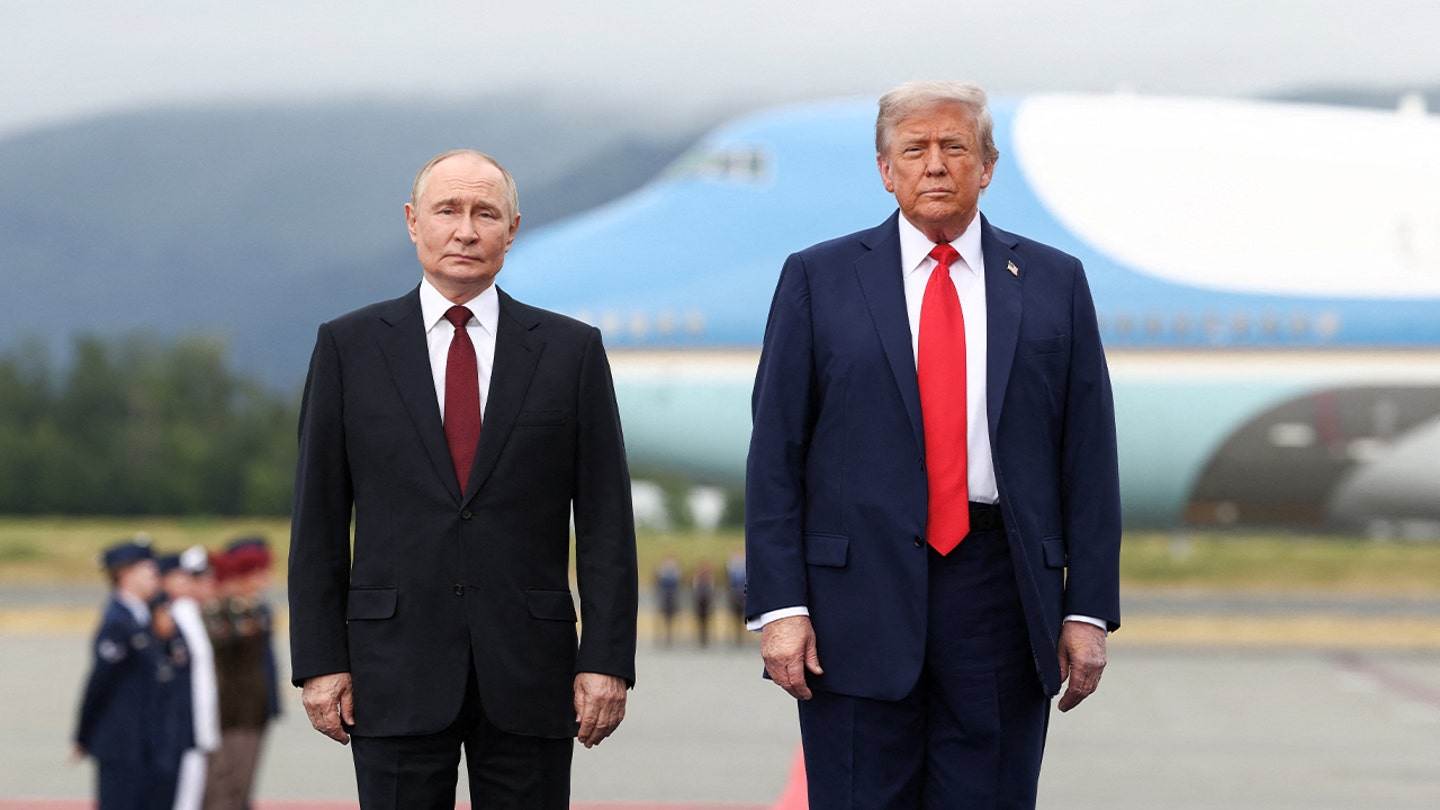
'Absolutely incredible': B-2 bomber, F-35 escort set stage for Trump-Putin talks in Alaska
Entities mentioned:
- Donald Trump: Power, Influence, Recognition
- Vladimir Putin: Power, Control, Self-preservation
- U.S. Military: Deterrence, Professional pride, Security
- Volodymyr Zelenskyy: Self-preservation, Justice, Unity
Article Assessment:
Credibility Score: 75/100
Bias Rating: 55/100 (Center)
Sentiment Score: 45/100
Authoritarianism Risk: 35/100 (Generally Democratic)
Bias Analysis:
The article presents a relatively balanced view, including both the impressive nature of the military display and its potential implications. While it leans slightly towards emphasizing U.S. power, it also includes perspectives on the gravity and risks of the situation.
Key metric: U.S. Global Influence and Military Projection
As a social scientist, I analyze that this article highlights a significant display of U.S. military power during a high-stakes diplomatic meeting between the U.S. and Russia. The use of advanced military aircraft, particularly the B-2 bomber and F-35 jets, serves as a strategic demonstration of America's technological superiority and global reach. This display appears aimed at influencing the dynamics of the Trump-Putin talks, potentially strengthening the U.S. negotiating position. The choice of location for the summit, closer to Russia yet on American soil, further emphasizes U.S. power projection. The article suggests that this meeting could have implications for the ongoing conflict in Ukraine, with Trump seeking a ceasefire. Overall, this event seems designed to reassert American global influence through a combination of diplomatic engagement and military posturing.