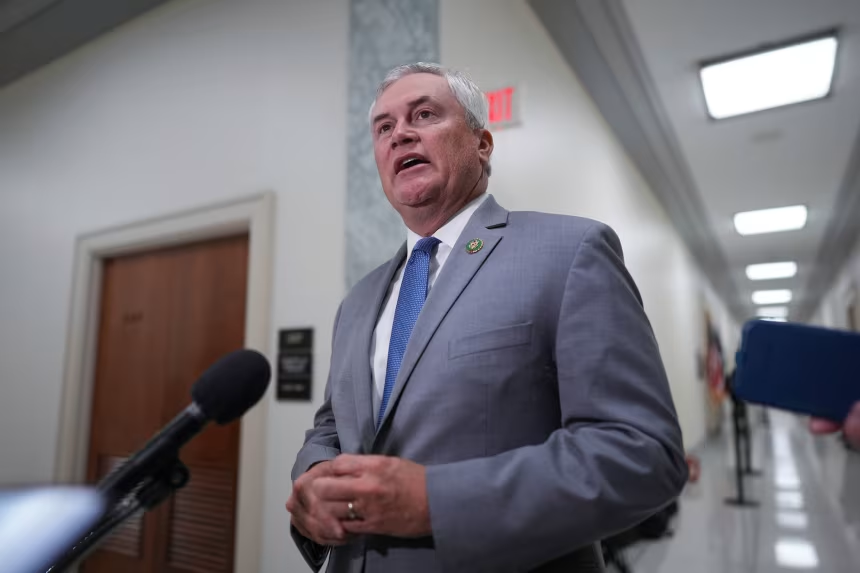
House Oversight Chair says Justice Department to start providing Epstein-related records on Friday
Entities mentioned:
- James Comer: Ambition, Justice, Influence
- Department of Justice: Duty, Control, Professional pride
- Bill Barr: Loyalty, Self-preservation, Duty
- Jeffrey Epstein: Power, Greed, Self-preservation
- Donald Trump: Power, Self-preservation, Legacy
- Democrats: Competitive spirit, Justice, Influence
- Republicans: Competitive spirit, Justice, Influence
- Mike Johnson: Control, Influence, Wariness
Article Assessment:
Credibility Score: 75/100
Bias Rating: 55/100 (Center)
Sentiment Score: 40/100
Authoritarianism Risk: 30/100 (Generally Democratic)
Bias Analysis:
The article presents multiple viewpoints, including both Republican and Democratic perspectives. While it gives slightly more space to Republican statements, it balances this with critical Democratic responses, maintaining a relatively centrist approach.
Key metric: Government Transparency and Accountability
As a social scientist, I analyze that this article highlights ongoing tensions between political parties and government institutions regarding the handling of sensitive information. The pursuit of Epstein-related records by the House Oversight Committee underscores a broader struggle for transparency and accountability in high-profile cases. The involvement of former high-ranking officials, including ex-Attorney General Bill Barr, suggests a complex interplay of political motivations, institutional responsibilities, and public interest. The differing perspectives between Republicans and Democrats on the investigation's authenticity and thoroughness reflect deeper partisan divides in addressing controversial issues. This situation may impact public trust in government institutions and the justice system, potentially influencing future policy-making and oversight processes.

Judges approve Trump’s pick as interim US Attorney in Manhattan
Entities mentioned:
- Jay Clayton: Ambition, Power, Professional pride
- Donald Trump: Control, Power, Influence
- Federal Court Judges (SDNY): Duty, Justice, Obligation
- Senators: Wariness, Control, Duty
- Alina Habba: Ambition, Power, Professional pride
- John Sarcone III: Ambition, Power, Professional pride
- Geoff Berman: Duty, Justice, Professional pride
Article Assessment:
Credibility Score: 75/100
Bias Rating: 55/100 (Center)
Sentiment Score: 45/100
Authoritarianism Risk: 35/100 (Generally Democratic)
Bias Analysis:
The article presents a fairly balanced view of the situation, including both successes and challenges in Trump's US Attorney appointments. While it notes controversies, it also acknowledges when appointments have been unchallenged, maintaining a generally neutral tone.
Key metric: Rule of Law Index
As a social scientist, I analyze that this article highlights the ongoing tension between executive power and judicial oversight in the appointment of US Attorneys. The approval of Jay Clayton by federal judges, despite his lack of prosecutorial experience, suggests a shift in the balance of power between the executive branch and the judiciary. This appointment, coupled with the resistance to other Trump nominees, indicates a complex interplay of institutional checks and balances. The article underscores the importance of judicial independence and the role of the Senate in confirming key legal positions, which directly impacts the Rule of Law Index. The varying responses of different district courts to Trump's interim appointments further illustrate the decentralized nature of the US legal system and the potential for regional variations in the application of federal law.

KFILE
Entities mentioned:
- Donald Trump: Self-preservation, Power, Influence
- Jeffrey Epstein: Power, Control, Greed
- CNN: Professional pride, Influence, Recognition
- Justice Department: Duty, Control, Justice
- Steven Cheung: Loyalty, Duty, Self-preservation
- Ghislaine Maxwell: Self-preservation, Loyalty, Power
Article Assessment:
Credibility Score: 75/100
Bias Rating: 40/100 (Lean Left)
Sentiment Score: 30/100
Authoritarianism Risk: 25/100 (Generally Democratic)
Bias Analysis:
The article leans slightly left due to its focus on potentially damaging information about Trump. While it includes Trump's denials and White House statements, the overall framing and detailed exploration of Trump-Epstein connections suggest a left-leaning bias.
Key metric: Political Polarization
As a social scientist, I analyze that this article significantly impacts political polarization in the United States. The revelation of new evidence linking former President Trump to Jeffrey Epstein is likely to deepen existing divisions between Trump supporters and critics. Trump's supporters may view this as a politically motivated attack, while his critics may see it as further evidence of questionable associations. The article's timing and content could exacerbate tensions in an already polarized political landscape, potentially affecting public trust in institutions and influencing future electoral behavior.
- Read more about KFILE
- Log in to post comments

All Over the Map with John King
Entities mentioned:
- Donald Trump: Power, Influence, Legacy
- Joe Biden: Power, Duty, Legacy
- Kamala Harris: Ambition, Power, Recognition
- Nikki Haley: Ambition, Competitive spirit, Recognition
- Republican Party: Power, Control, Loyalty
- Democratic Party: Power, Unity, Justice
- Voters: Self-preservation, Security, Freedom
Article Assessment:
Credibility Score: 75/100
Bias Rating: 50/100 (Center)
Sentiment Score: 45/100
Authoritarianism Risk: 30/100 (Generally Democratic)
Bias Analysis:
The articles present a balanced view, covering perspectives from both Republican and Democratic voters. While there's slightly more focus on Trump, it's balanced by coverage of Biden, Harris, and other candidates.
Key metric: Voter Sentiment and Electoral Trends
As a social scientist, I analyze that this collection of articles focuses heavily on voter sentiment across various demographics and regions, particularly in battleground states. The articles track shifting opinions, concerns, and motivations of voters over time, especially in response to key political events and policy changes. There's a strong emphasis on the impact of economic policies, immigration, and social issues on voter behavior. The coverage spans multiple election cycles, showing how voter attitudes have evolved. This comprehensive voter analysis is crucial for understanding the complex dynamics of American electoral politics and predicting future voting patterns.
- Read more about All Over the Map with John King
- Log in to post comments
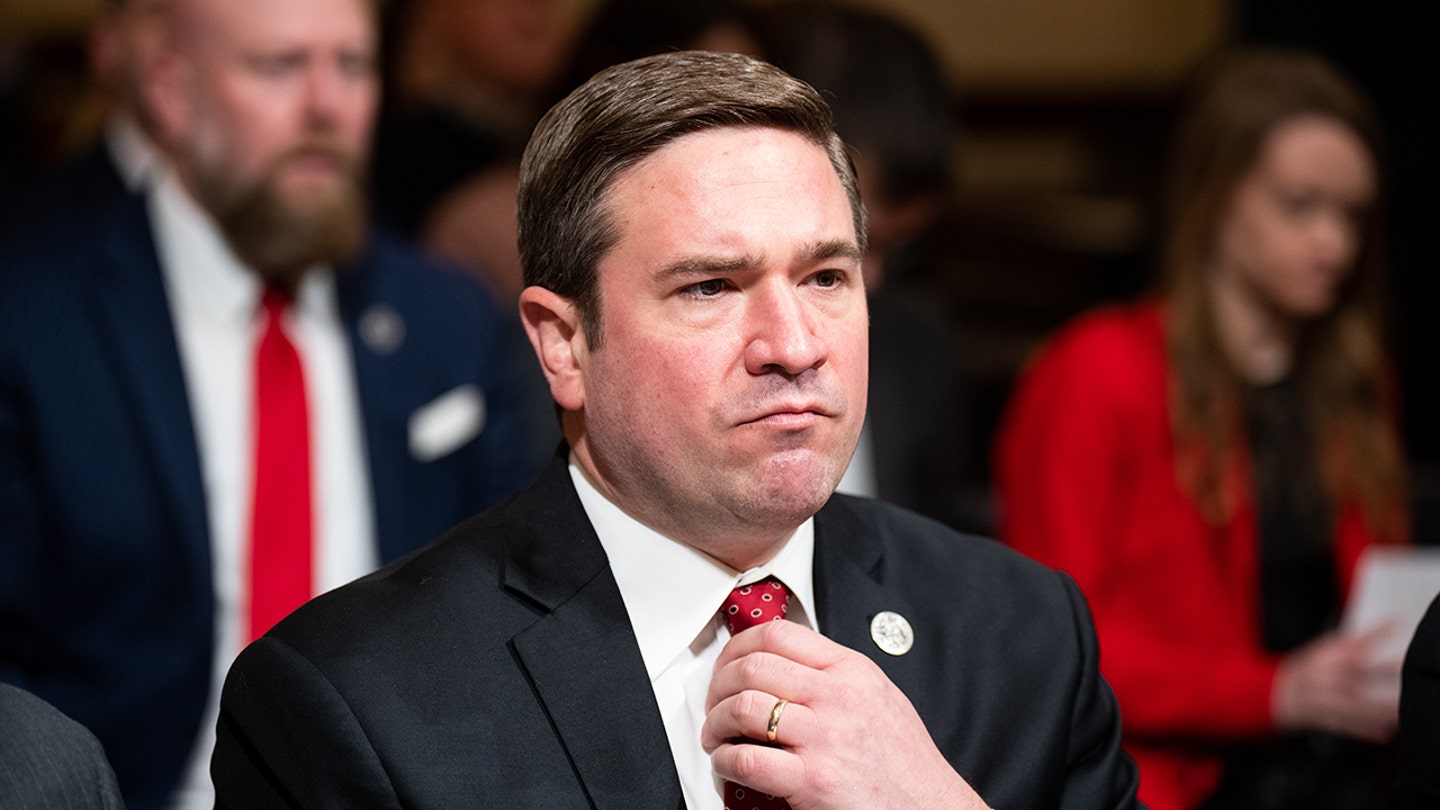
Bondi, Patel tap Missouri AG as additional FBI co-deputy director alongside Bongino
Entities mentioned:
- Pam Bondi: Power, Control, Professional pride
- Kash Patel: Ambition, Loyalty, Determination
- Andrew Bailey: Duty, Justice, Ambition
- Dan Bongino: Loyalty, Competitive spirit, Professional pride
- Donald Trump: Power, Control, Legacy
- FBI: Security, Justice, Control
Article Assessment:
Credibility Score: 45/100
Bias Rating: 75/100 (Lean Right)
Sentiment Score: 70/100
Authoritarianism Risk: 75/100 (Authoritarian Tendencies)
Bias Analysis:
The article leans heavily right, using language that aligns with conservative law-and-order rhetoric. It presents a one-sided view of law enforcement success without addressing potential criticisms or alternative approaches.
Key metric: Violent Crime Rate
As a social scientist, I analyze that this article portrays a significant restructuring of federal law enforcement under a hypothetical future Trump administration. The emphasis on increased arrests, prosecution of 'bad guys', and deportation of 'illegals' suggests a shift towards more aggressive law enforcement tactics. The appointment of state-level officials to high-ranking FBI positions indicates a potential blurring of state and federal law enforcement boundaries. The focus on quantitative metrics (arrest numbers, seizures) rather than systemic reforms or community-oriented policing strategies suggests a prioritization of 'tough on crime' approaches. This could potentially impact the violent crime rate in the short term through increased incarceration, but may not address root causes of crime or improve community-police relations.

Bakari Sellers to Republican: Name one threat Trump’s followed through on against Putin
Entities mentioned:
- Donald Trump: Power, Influence, Legacy
- Volodymyr Zelensky: Security, Duty, Unity
- Bakari Sellers: Moral outrage, Justice, Indignation
- MAGA supporters: Loyalty, Pride, Fear
Article Assessment:
Credibility Score: 65/100
Bias Rating: 35/100 (Lean Left)
Sentiment Score: 45/100
Authoritarianism Risk: 30/100 (Generally Democratic)
Bias Analysis:
The article leans slightly left, evidenced by its focus on criticism of Trump and MAGA supporters from a CNN commentator. However, it does present factual information about Trump's meeting with Zelensky, balancing the bias somewhat.
Key metric: US Foreign Policy Effectiveness
As a social scientist, I analyze that this article highlights the shifting dynamics in US foreign policy towards Ukraine and Russia. Trump's apparent openness to using US troops for Ukraine's security marks a potential departure from his previous stance, which could impact US-Russia relations and America's role in Eastern European conflicts. The criticism from Bakari Sellers points to perceived inconsistencies in the MAGA base's foreign policy views, suggesting potential political polarization on international intervention issues. This shift could affect the US's global standing and its ability to form consistent, long-term foreign policy strategies.
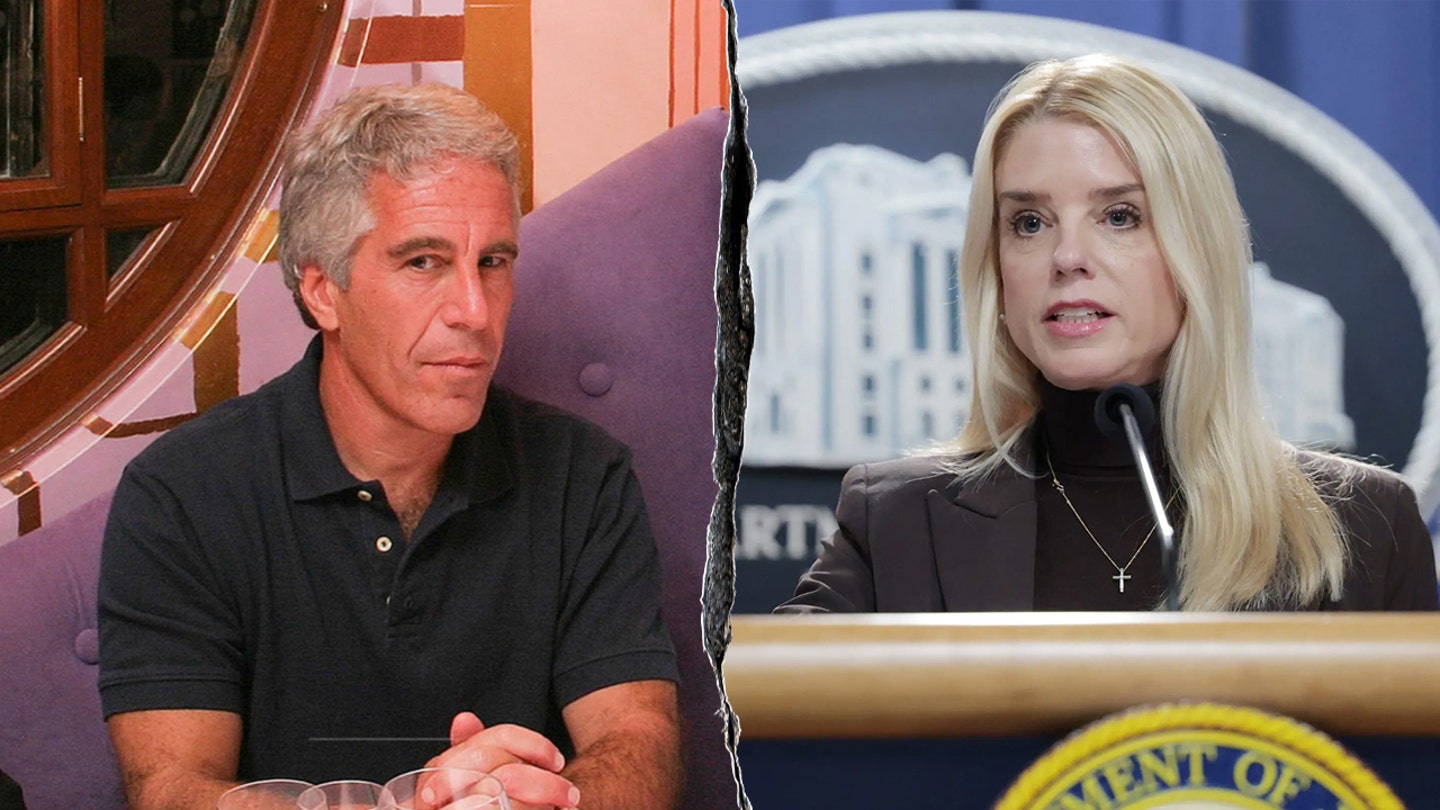
Trump DOJ handing Epstein documents to House Oversight Committee on Friday as subpoena deadline looms
Entities mentioned:
- Trump administration: Transparency, Obligation, Self-preservation
- House Oversight Committee: Justice, Duty, Influence
- James Comer: Determination, Professional pride, Righteousness
- Department of Justice: Duty, Obligation, Professional pride
- Jeffrey Epstein: Power, Greed, Control
- Ghislaine Maxwell: Self-preservation, Loyalty, Fear
- Bill and Hillary Clinton: Self-preservation, Legacy, Influence
- Bill Barr: Duty, Professional pride, Self-preservation
- Pam Bondi: Duty, Professional pride, Justice
Article Assessment:
Credibility Score: 75/100
Bias Rating: 55/100 (Center)
Sentiment Score: 45/100
Authoritarianism Risk: 25/100 (Generally Democratic)
Bias Analysis:
The article presents information from multiple perspectives, including both Republican and Democratic figures. While it gives more space to Republican Rep. Comer's statements, it also includes context about the Trump administration's actions, suggesting a relatively balanced approach.
Key metric: Government Transparency and Accountability
As a social scientist, I analyze that this article highlights a significant development in the ongoing investigation of Jeffrey Epstein's case, potentially impacting government transparency and accountability. The Trump administration's willingness to hand over documents to the House Oversight Committee suggests a move towards greater transparency in a high-profile case. This action could influence public trust in government institutions and their ability to handle sensitive investigations. The bipartisan nature of the investigation, involving both current and former administration officials, as well as prominent political figures, underscores the complexity and far-reaching implications of the Epstein case. The careful handling of sensitive information, including victim protection and redaction of certain materials, demonstrates a balance between transparency and privacy concerns. This process may set precedents for how similar high-profile cases are handled in the future, potentially strengthening oversight mechanisms and inter-branch cooperation.
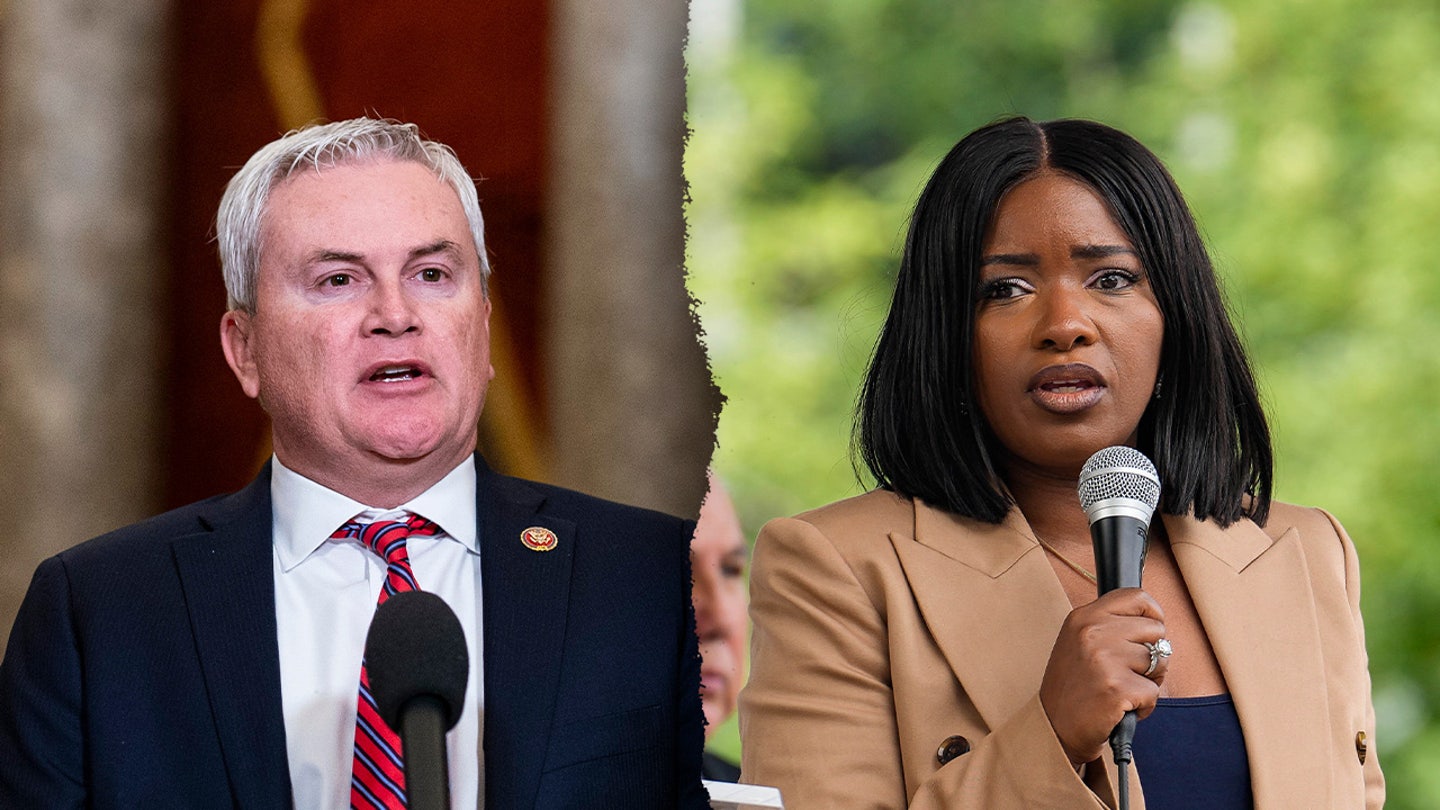
Comer, Crockett clash over Barr’s Epstein testimony as ex-Trump AG ends four-hour House grilling
Entities mentioned:
- Bill Barr: Duty, Professional pride, Self-preservation
- Jasmine Crockett: Righteousness, Moral outrage, Justice
- Suhas Subramanyam: Righteousness, Justice, Suspicion
- James Comer: Duty, Transparency, Justice
- Donald Trump: Self-preservation, Power, Control
- Jeffrey Epstein: Power, Control, Greed
Article Assessment:
Credibility Score: 75/100
Bias Rating: 55/100 (Center)
Sentiment Score: 40/100
Authoritarianism Risk: 35/100 (Generally Democratic)
Bias Analysis:
The article presents viewpoints from both Democratic and Republican representatives, attempting to balance perspectives. However, there's slightly more detail and space given to Republican viewpoints, particularly Comer's responses to Democratic criticisms.
Key metric: Government Transparency and Accountability
As a social scientist, I analyze that this article highlights the ongoing partisan divide in Congress, even when investigating a bipartisan issue like the Epstein case. The conflicting interpretations of Barr's testimony by Democrats and Republicans demonstrate how political motivations can influence the perception and presentation of information. This impacts government transparency and accountability by potentially obscuring the truth behind partisan rhetoric. The investigation's effectiveness may be compromised by political posturing, affecting public trust in governmental processes. The article also underscores the challenges in conducting impartial investigations when high-profile political figures are involved, potentially influencing the depth and direction of the inquiry.
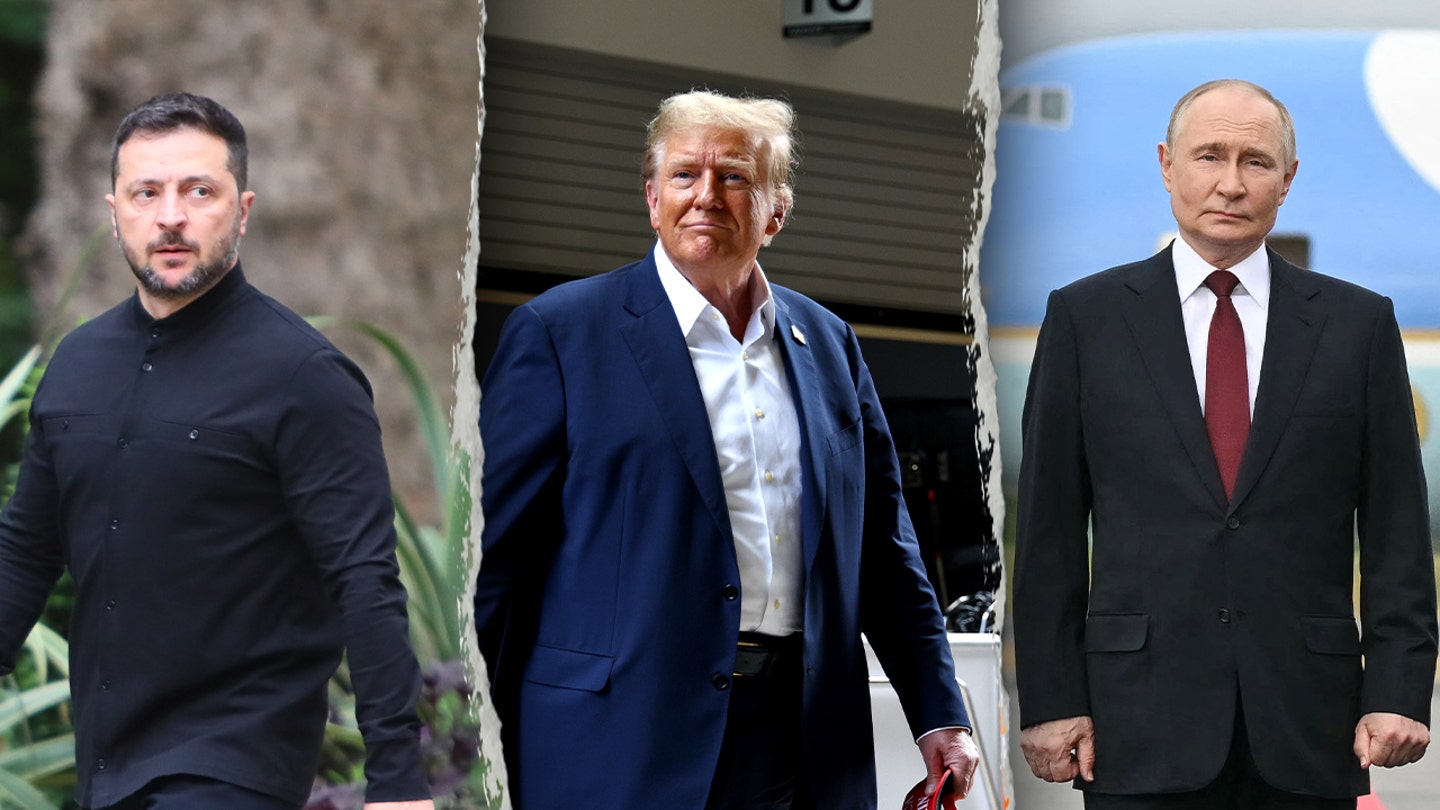
Trump moves to broker Putin-Zelenskyy meeting following DC peace talks
Entities mentioned:
- Donald Trump: Influence, Legacy, Recognition
- Vladimir Putin: Power, Control, Self-preservation
- Volodymyr Zelenskyy: Unity, Justice, Self-preservation
- Yury Ushakov: Loyalty, Duty, Influence
- Friedrich Merz: Duty, Influence, Unity
- Emmanuel Macron: Influence, Unity, Duty
Article Assessment:
Credibility Score: 65/100
Bias Rating: 55/100 (Center)
Sentiment Score: 60/100
Authoritarianism Risk: 35/100 (Generally Democratic)
Bias Analysis:
The article presents a relatively balanced view, including perspectives from multiple sides. However, it relies heavily on Trump's statements and social media posts, which could skew the narrative slightly in his favor.
Key metric: US International Diplomatic Influence
As a social scientist, I analyze that this article demonstrates a significant shift in US diplomatic strategy regarding the Russia-Ukraine conflict. Trump's direct involvement in brokering talks between Putin and Zelenskyy signals an attempt to reassert American influence in international conflict resolution. This approach could potentially impact the US's diplomatic standing, particularly in relation to European allies. The emphasis on personal diplomacy and Trump's central role in negotiations reflects a personalized approach to foreign policy that could have both positive and negative implications for long-term US diplomatic influence. The article suggests a potential breakthrough in the conflict, but also raises questions about the motivations and potential outcomes of such high-level negotiations.

Texas Democrats return to the state as GOP pushes ahead with redistricting
Entities mentioned:
- Texas House Democrats: Justice, Influence, Righteousness
- Texas Republicans: Power, Control, Competitive spirit
- Dustin Burrows: Duty, Control, Professional pride
- Donald Trump: Power, Influence, Competitive spirit
- Greg Abbott: Power, Control, Loyalty
- California Democrats: Justice, Power, Competitive spirit
- Gavin Newsom: Ambition, Power, Influence
Article Assessment:
Credibility Score: 75/100
Bias Rating: 45/100 (Center)
Sentiment Score: 35/100
Authoritarianism Risk: 55/100 (Mixed/Neutral)
Bias Analysis:
The article presents multiple viewpoints and includes quotes from both Republican and Democratic sources. While it gives slightly more space to Democratic perspectives, it maintains a generally balanced approach to reporting the events.
Key metric: Electoral Competitiveness
As a social scientist, I analyze that this article highlights a significant battle over redistricting that could have far-reaching implications for electoral competitiveness in the United States. The actions of Texas Republicans to redraw congressional maps mid-decade have triggered a response from California Democrats, potentially leading to a nationwide gerrymandering arms race. This situation threatens to further polarize the political landscape and reduce the number of competitive districts, which could negatively impact voter engagement and representation. The use of redistricting as a tool for partisan advantage, rather than fair representation, raises concerns about the health of democratic processes and the balance of power in the legislative branch.