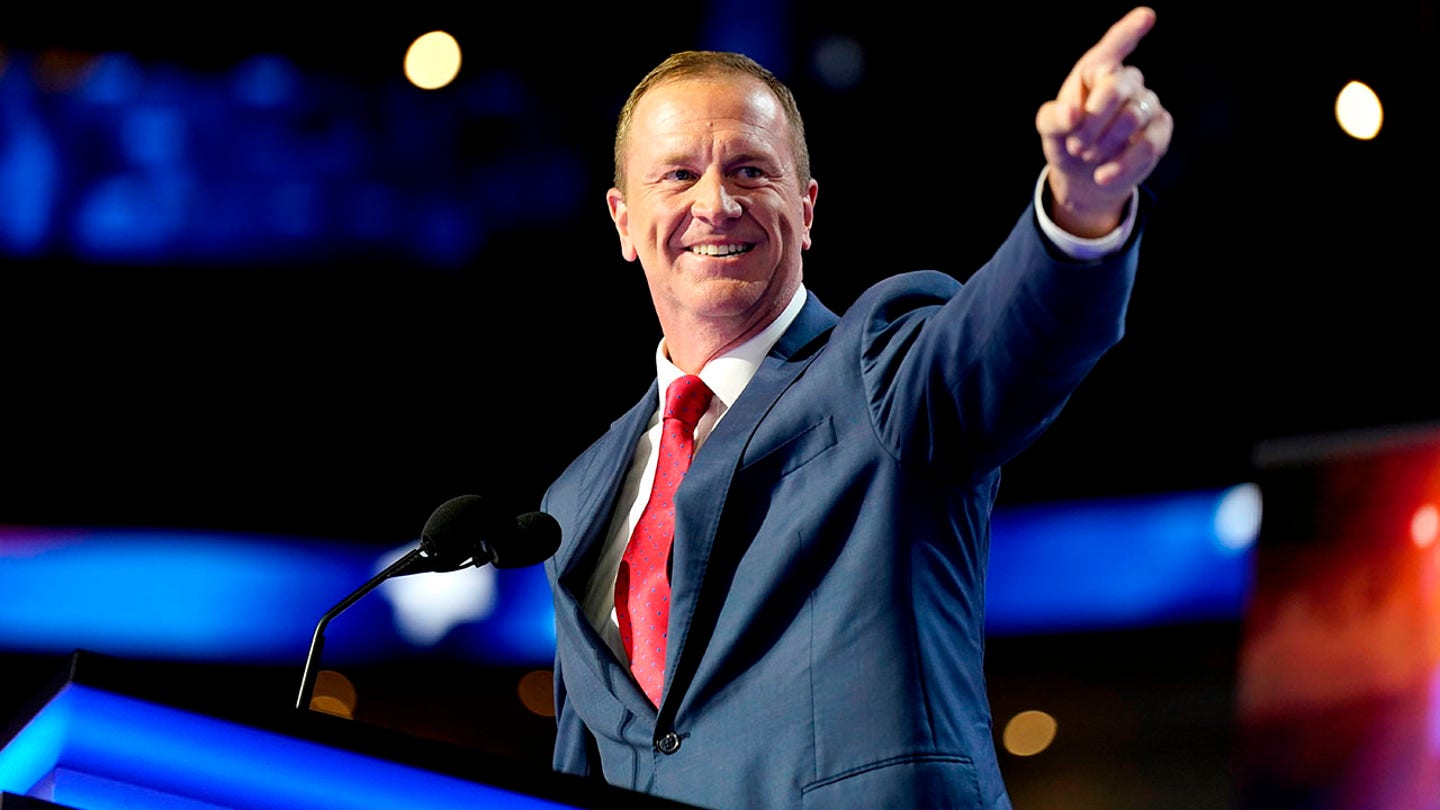
Conservative 'playbook' to beat Democrats in court outlined in senator's new book
Entities mentioned:
- Sen. Eric Schmitt: Ambition, Righteousness, Competitive spirit
- Biden administration: Power, Control, Influence
- Dr. Anthony Fauci: Professional pride, Control, Influence
- Chinese Communist Party: Power, Control, Self-preservation
- Supreme Court: Justice, Duty, Influence
Article Assessment:
Credibility Score: 65/100
Bias Rating: 75/100 (Lean Right)
Sentiment Score: 55/100
Authoritarianism Risk: 45/100 (Mixed/Neutral)
Bias Analysis:
The article leans right, primarily presenting a conservative perspective. It focuses on Republican strategies and successes, with limited counterarguments or opposing viewpoints presented.
Key metric: Judicial System Effectiveness
As a social scientist, I analyze that this article highlights a growing trend of using the judicial system as a political battleground. Sen. Schmitt's approach of challenging Democratic policies through lawsuits represents a shift in how political disagreements are being resolved. This strategy could potentially impact the effectiveness and impartiality of the judicial system by increasing its politicization. The emphasis on appointing ideologically aligned judges further underscores this trend. While this may lead to more conservative-leaning rulings in the short term, it risks undermining public trust in the judiciary's independence and could lead to cyclical shifts in judicial interpretations as political power changes hands.

Israel eliminates Gaza terrorist who took part in October attack on kibbutz, took Yarden Bibas hostage
Entities mentioned:
- Israel Defense Forces (IDF): Justice, Security, Duty
- Shin Bet: Security, Duty, Justice
- Jihad Kamal Salem Najjar: Revenge, Control, Loyalty
- Yarden Bibas: Justice, Closure, Self-preservation
- Hamas: Control, Power, Revenge
Article Assessment:
Credibility Score: 75/100
Bias Rating: 65/100 (Lean Right)
Sentiment Score: 35/100
Authoritarianism Risk: 40/100 (Generally Democratic)
Bias Analysis:
The article leans slightly right, focusing primarily on Israeli actions and perspectives. While it includes factual information, the language used (e.g., 'heroes', 'terrorist') and emphasis on Israeli military success suggests a pro-Israel stance.
Key metric: National Security Index
As a social scientist, I analyze that this article highlights Israel's ongoing efforts to neutralize threats and seek justice for victims of the October 7 attack. The elimination of Jihad Kamal Salem Najjar, a terrorist involved in kidnapping Yarden Bibas, demonstrates Israel's commitment to pursuing those responsible for the attacks. This action likely contributes to a sense of closure for victims and potentially serves as a deterrent for future attacks. However, it also underscores the ongoing conflict and tensions in the region, which could have broader implications for regional stability and international relations. The emotional impact on victims like Bibas, who lost his family, is evident and reflects the human cost of the conflict beyond military actions.
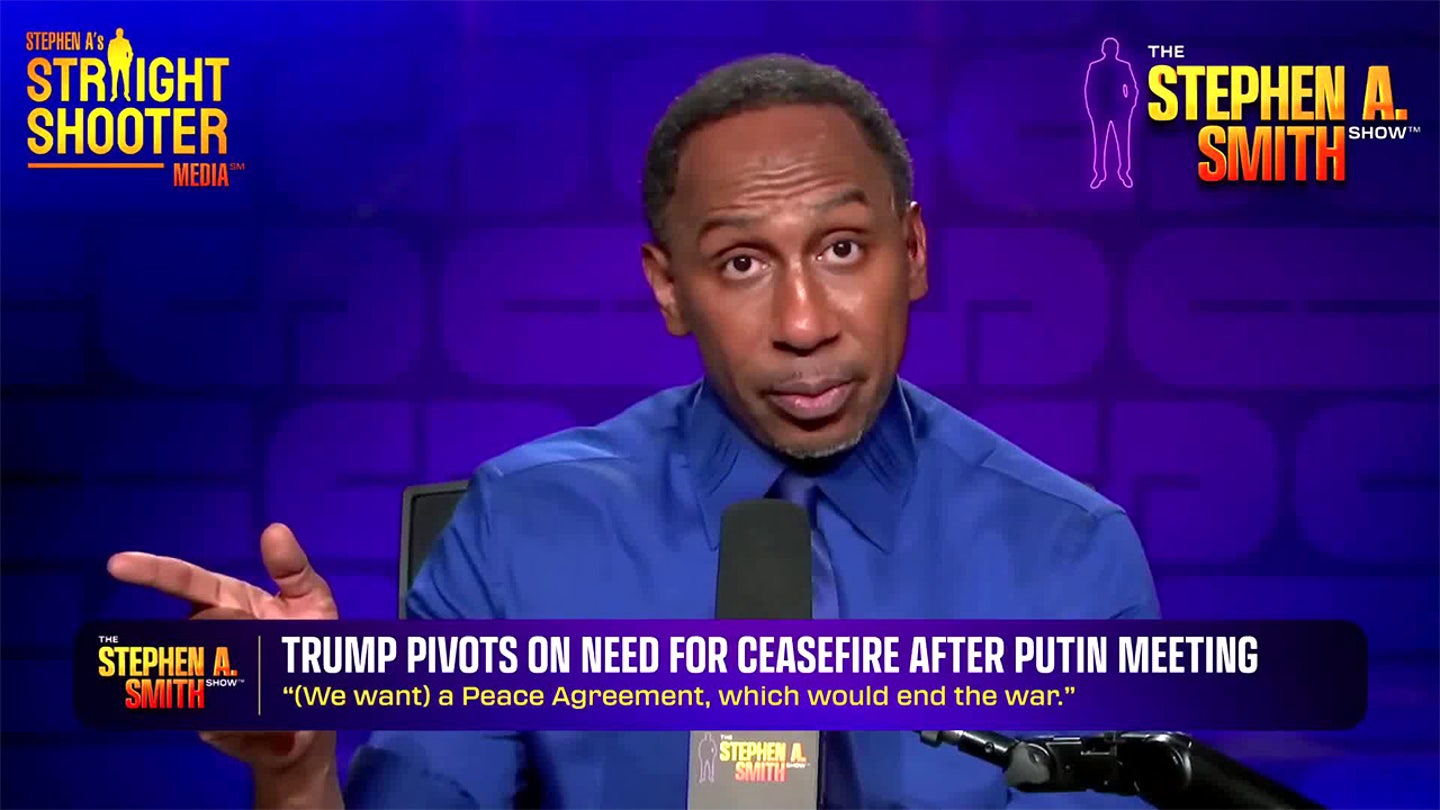
Trump didn’t cause Russia-Ukraine war, Stephen A. Smith says, blaming Biden, Obama and Clinton in fiery rant
Entities mentioned:
- Stephen A. Smith: Indignation, Justice, Duty
- Donald Trump: Self-preservation, Influence, Power
- Joe Biden: Obligation, Security, Legacy
- Barack Obama: Caution, Security, Legacy
- Bill Clinton: Influence, Security, Legacy
- Russia: Power, Control, Influence
- Ukraine: Self-preservation, Freedom, Security
Article Assessment:
Credibility Score: 65/100
Bias Rating: 55/100 (Center)
Sentiment Score: 30/100
Authoritarianism Risk: 35/100 (Generally Democratic)
Bias Analysis:
The article presents multiple viewpoints, including criticism of both Republican and Democratic administrations. However, it relies heavily on Stephen A. Smith's opinions without substantial counterarguments, potentially skewing the perspective.
Key metric: U.S. Foreign Policy Effectiveness
As a social scientist, I analyze that this article presents a complex view of U.S. foreign policy spanning multiple administrations and its impact on the Russia-Ukraine conflict. Smith's argument shifts blame from Trump to previous Democratic administrations, suggesting a long-term policy failure rather than a single administration's fault. This perspective challenges the common narrative and highlights the complexity of international relations and the long-term consequences of policy decisions. The article touches on critical events like the Crimea annexation and Ukraine's nuclear disarmament, which have significantly shaped the current geopolitical landscape. It also raises questions about the U.S.'s commitment to its international promises and the financial burden of these commitments on American taxpayers. This debate could influence public opinion on U.S. foreign policy effectiveness and potentially impact future policy decisions regarding international commitments and interventions.
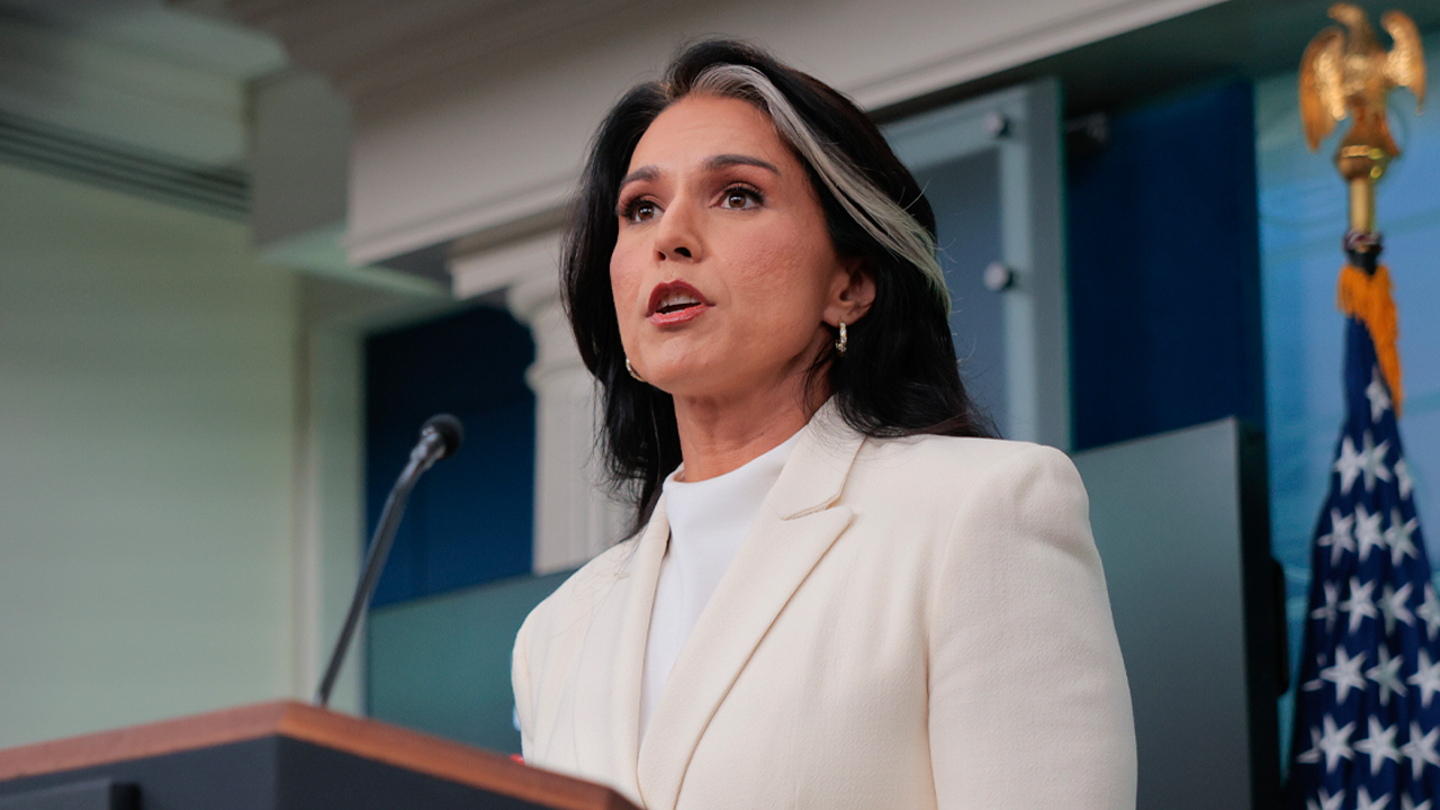
Gabbard removes clearances from 37 officials at Trump's direction over politicizing intelligence
Entities mentioned:
- Tulsi Gabbard: Duty, Justice, Loyalty
- Donald Trump: Power, Control, Revenge
- James Clapper: Influence, Self-preservation, Loyalty
- Intelligence Community: Professional pride, Security, Duty
Article Assessment:
Credibility Score: 65/100
Bias Rating: 70/100 (Lean Right)
Sentiment Score: 30/100
Authoritarianism Risk: 75/100 (Authoritarian Tendencies)
Bias Analysis:
The article leans right due to its uncritical presentation of the administration's actions and rationale. It heavily relies on Gabbard's statements without presenting opposing viewpoints or context from affected officials.
Key metric: Government Accountability and Transparency
As a social scientist, I analyze that this action represents a significant shift in the relationship between the executive branch and the intelligence community. The revocation of security clearances for 37 current and former officials, at the direction of President Trump, indicates an attempt to assert control over the intelligence apparatus and potentially silence dissenting voices. This move could have far-reaching implications for government accountability and the independence of intelligence agencies. The justification of politicization of intelligence raises questions about the separation of intelligence work from political influence, which is crucial for maintaining the integrity and effectiveness of national security operations. This action may deter future officials from providing candid assessments that contradict political narratives, potentially compromising the quality and objectivity of intelligence analysis.
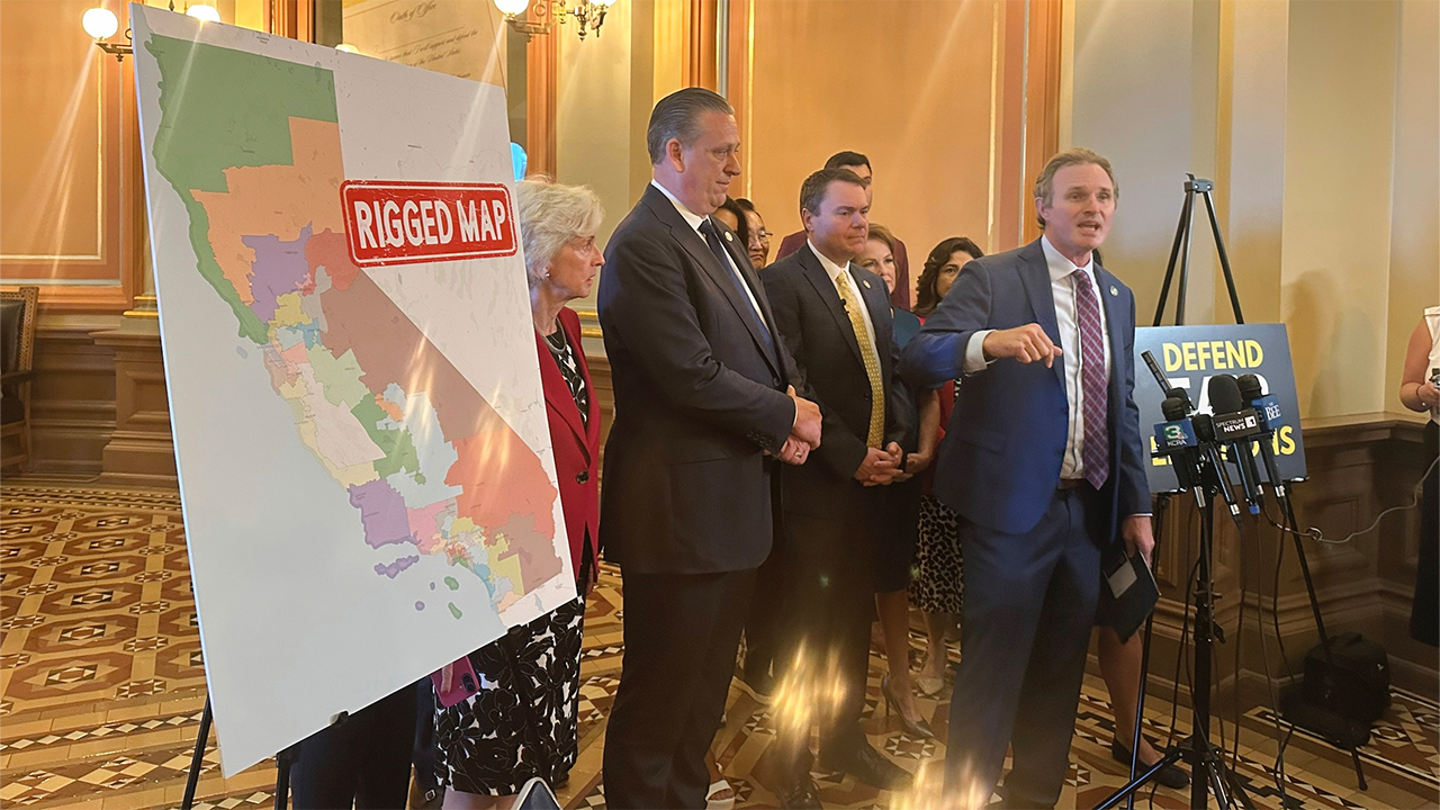
California Republicans sue to stop Newsom, Democrats from pushing redistricting plan
Entities mentioned:
- California Republicans: Justice, Self-preservation, Duty
- Gov. Gavin Newsom: Power, Ambition, Control
- California Democrats: Power, Control, Influence
- Tri Ta: Justice, Duty, Righteousness
- Kate Sanchez: Justice, Duty, Righteousness
- Texas Republicans: Power, Control, Self-preservation
- Greg Abbott: Power, Control, Influence
- Donald Trump: Power, Influence, Control
- Arnold Schwarzenegger: Justice, Duty, Righteousness
- Kevin McCarthy: Power, Influence, Self-preservation
Article Assessment:
Credibility Score: 75/100
Bias Rating: 55/100 (Center)
Sentiment Score: 35/100
Authoritarianism Risk: 65/100 (Authoritarian Tendencies)
Bias Analysis:
The article presents views from both Republican and Democratic sides, though it gives slightly more space to Republican arguments. It includes quotes from multiple sources and provides context for the redistricting issue in both states.
Key metric: Electoral Integrity Index
As a social scientist, I analyze that this article highlights a significant battle over redistricting in California and Texas, which could have major implications for the balance of power in the U.S. House of Representatives. The push by California Democrats to temporarily replace the state's nonpartisan redistricting commission with a legislature-controlled process is likely to decrease electoral integrity and increase partisan gerrymandering. This move, along with the similar efforts by Texas Republicans, demonstrates how both major parties are willing to manipulate electoral systems for political gain. The legal challenges and public opposition, particularly from figures like Arnold Schwarzenegger, indicate a strong pushback against these efforts to centralize redistricting power. This conflict underscores the tension between partisan interests and democratic principles in the American political system, potentially eroding public trust in electoral processes and institutions.
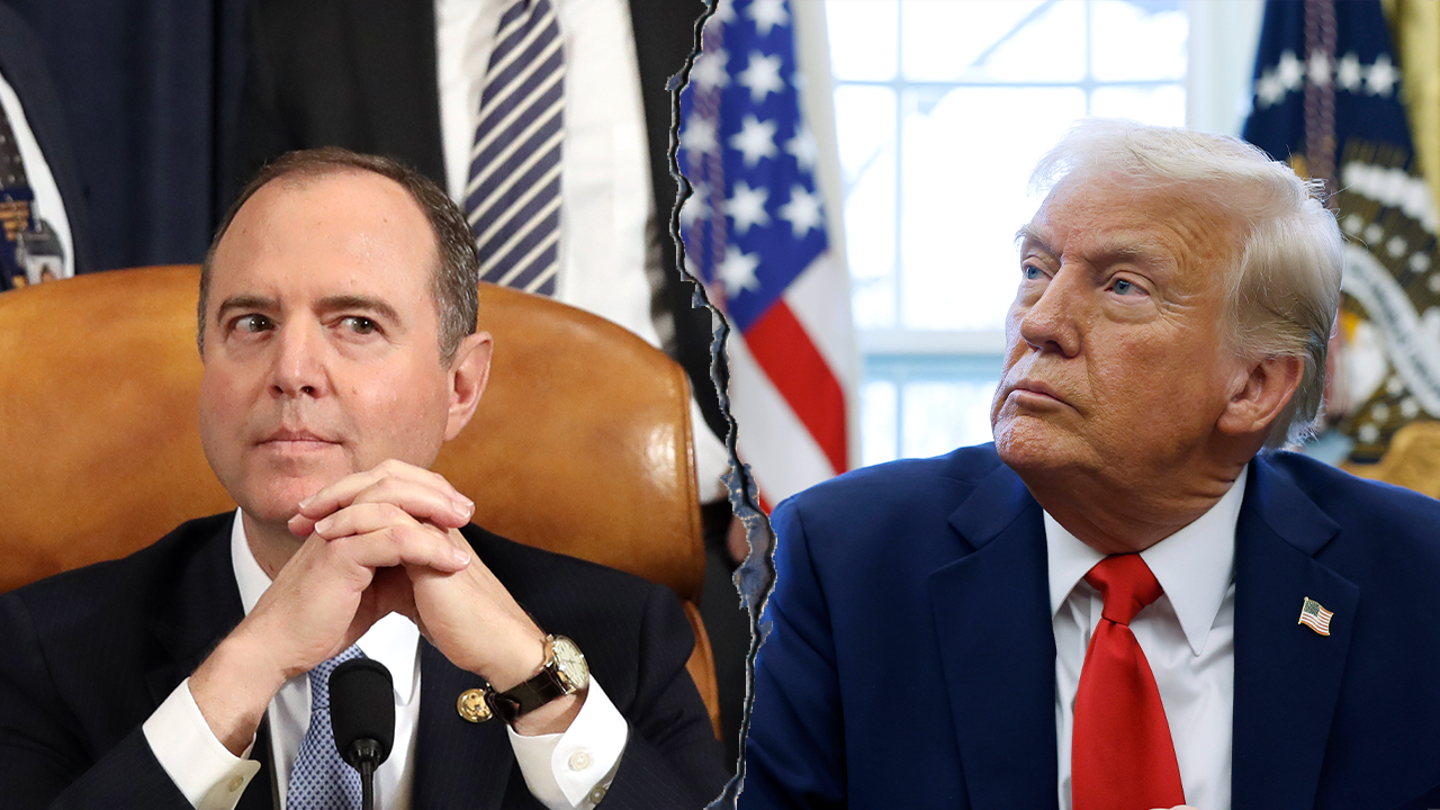
Schiff launches legal defense fund in response to claims Trump is 'weaponizing' justice system
Entities mentioned:
- Adam Schiff: Self-preservation, Justice, Professional pride
- Donald Trump: Revenge, Power, Influence
- White House: Control, Influence, Power
- FBI: Duty, Justice, Security
- Joe Biden: Power, Control, Legacy
Article Assessment:
Credibility Score: 65/100
Bias Rating: 65/100 (Lean Right)
Sentiment Score: 30/100
Authoritarianism Risk: 45/100 (Mixed/Neutral)
Bias Analysis:
The article leans right, evidenced by its heavy reliance on Trump and White House statements criticizing Schiff. While it includes Schiff's perspective, the framing and choice of details emphasize allegations against him.
Key metric: Political Polarization Index
As a social scientist, I analyze that this article highlights the ongoing political polarization in the United States. The establishment of Schiff's legal defense fund in response to alleged 'weaponization' of the justice system by Trump and his allies indicates a deepening divide between political factions. This situation likely contributes to increased distrust in governmental institutions and the justice system, potentially eroding public confidence in democratic processes. The article's focus on accusations and counter-accusations between high-profile political figures may further entrench partisan attitudes among the public, making bipartisan cooperation more challenging and potentially impacting governance effectiveness.

Justice Barrett teases new memoir in abrupt conference exit
Entities mentioned:
- Amy Coney Barrett: Professional pride, Duty, Unity
- Supreme Court: Justice, Duty, Influence
- Seventh Circuit: Professional pride, Duty, Unity
- Antonin Scalia: Legacy, Influence, Justice
- Donald Trump: Power, Control, Ambition
Article Assessment:
Credibility Score: 75/100
Bias Rating: 55/100 (Center)
Sentiment Score: 60/100
Authoritarianism Risk: 30/100 (Generally Democratic)
Bias Analysis:
The article presents a balanced view of Barrett, including both conservative and liberal perspectives on her tenure. While it leans slightly right by focusing on a conservative justice, it maintains a generally neutral tone and includes criticisms from both sides.
Key metric: Judicial Independence
As a social scientist, I analyze that this article primarily impacts the metric of Judicial Independence. Barrett's emphasis on maintaining professionalism and respect among judges, despite ideological differences, suggests a commitment to preserving the integrity and independence of the judiciary. Her brief appearance and limited remarks, coupled with the anticipation of her memoir, indicate a cautious approach to public engagement that may be aimed at protecting the court's perceived neutrality. The article's mention of the Supreme Court's rulings on Trump administration policies highlights the ongoing challenge of maintaining judicial independence in a politically charged environment. Barrett's emerging role as a less predictable justice further underscores the complexity of judicial independence in practice.
Ex-Paramount chief hoped Trump lawsuit would force CBS to be more balanced on Israel
Entities mentioned:
- Shari Redstone: Influence, Justice, Professional pride
- Donald Trump: Power, Justice, Revenge
- CBS News: Professional pride, Influence, Recognition
- Paramount: Self-preservation, Influence, Professional pride
- Tony Dokoupil: Professional pride, Justice, Duty
- Bill Owens: Professional pride, Righteousness, Self-respect
- Scott Pelley: Professional pride, Loyalty, Concern
Article Assessment:
Credibility Score: 70/100
Bias Rating: 65/100 (Lean Right)
Sentiment Score: 35/100
Authoritarianism Risk: 45/100 (Mixed/Neutral)
Bias Analysis:
The article leans slightly right, focusing on criticisms of CBS's perceived anti-Israel bias and highlighting conservative viewpoints. While it presents some balancing information, the overall framing favors the perspective of those critical of CBS's coverage.
Key metric: Media Trust and Credibility
As a social scientist, I analyze that this article highlights the complex interplay between media ownership, editorial decisions, and political influence in shaping news coverage. The controversy surrounding CBS's coverage of the Israel-Hamas conflict reveals tensions between journalistic integrity, corporate interests, and personal biases. Redstone's apparent hope that Trump's lawsuit could influence CBS's editorial stance raises concerns about the independence of news media and the potential for powerful individuals to shape public narratives. This situation underscores the challenges in maintaining balanced reporting on sensitive geopolitical issues and the internal conflicts that can arise within media organizations when trying to navigate these complexities.
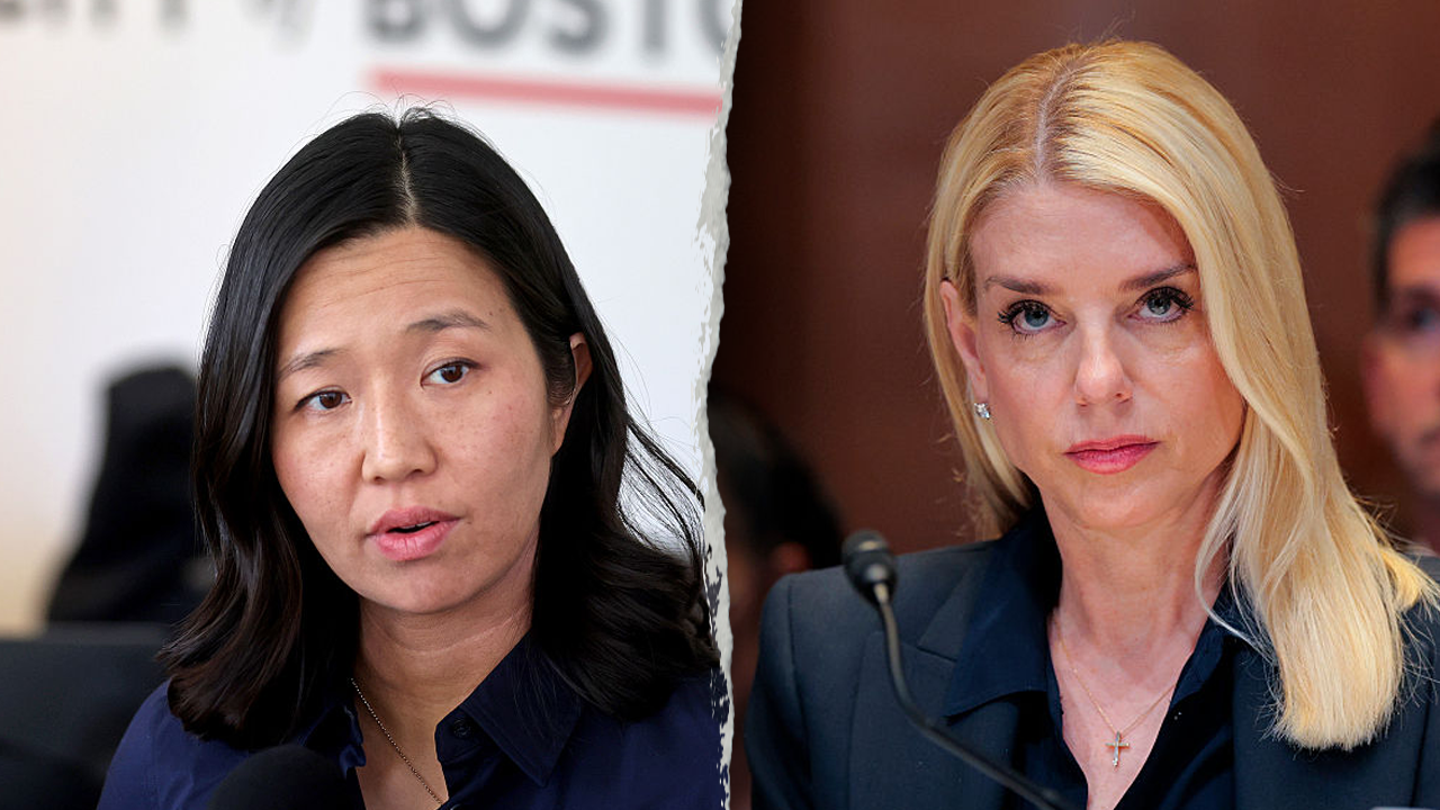
Boston’s Wu fires back at Bondi, citing Revolution, as other cities slam feds over ‘sanctuary’ warnings
Entities mentioned:
- Michelle Wu: Righteousness, Moral outrage, Determination
- Pam Bondi: Control, Power, Duty
- Trump administration: Control, Power, Fear
- Bob Ferguson: Righteousness, Determination, Loyalty
- William Tong: Justice, Determination, Duty
- Renee Garcia: Duty, Wariness, Professional pride
Article Assessment:
Credibility Score: 70/100
Bias Rating: 35/100 (Lean Left)
Sentiment Score: 30/100
Authoritarianism Risk: 45/100 (Mixed/Neutral)
Bias Analysis:
The article leans left in its framing, giving more space and detail to the arguments of Democratic leaders opposing the Trump administration's policies. While it includes some opposing viewpoints, the tone and selection of quotes favor the sanctuary city perspective.
Key metric: Immigration Enforcement Cooperation
As a social scientist, I analyze that this article highlights the growing tension between federal and local governments regarding immigration enforcement policies. The conflict centers on 'sanctuary city' policies, which limit local cooperation with federal immigration authorities. This disagreement impacts the key metric of Immigration Enforcement Cooperation, as it demonstrates a significant rift in how different levels of government approach immigration issues. The strong pushback from city and state leaders against federal threats suggests a potential decrease in local-federal cooperation on immigration matters, which could lead to reduced effectiveness of federal immigration policies and increased protection for undocumented immigrants in certain jurisdictions. This conflict also underscores broader issues of federalism and the balance of power between state and federal governments in the United States.
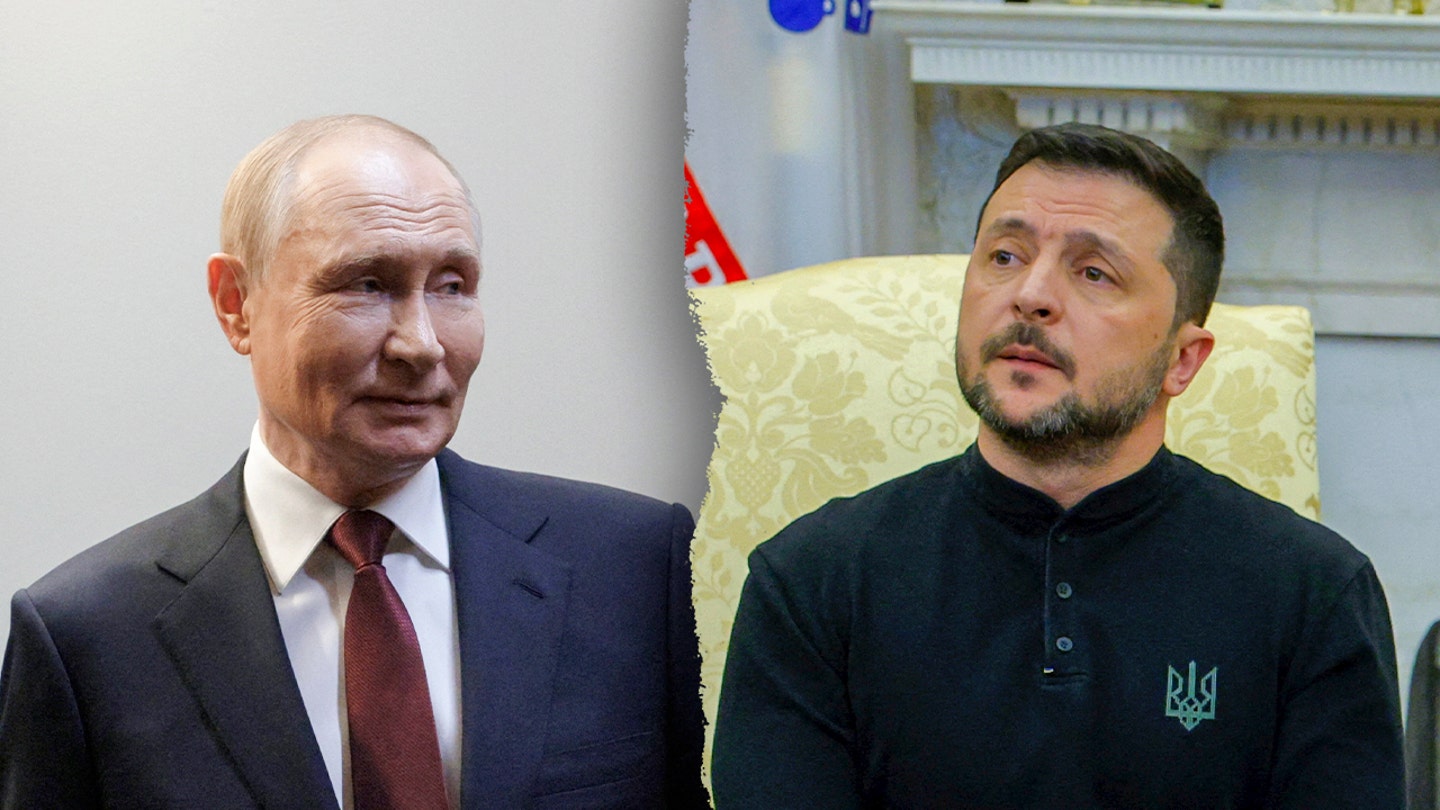
White House announces Putin agreed to bilateral meeting with Zelenskyy
Entities mentioned:
- Vladimir Putin: Power, Control, Self-preservation
- Volodymyr Zelenskyy: Determination, Justice, Unity
- Donald Trump: Legacy, Influence, Recognition
- Karoline Leavitt: Duty, Loyalty, Professional pride
- JD Vance: Duty, Influence, Ambition
- Marco Rubio: Duty, Influence, Professional pride
- Steve Witkoff: Duty, Influence, Professional pride
- Alexander Stubb: Unity, Recognition, Professional pride
- Keir Starmer: Unity, Recognition, Professional pride
- Mark Rutte: Unity, Recognition, Professional pride
Article Assessment:
Credibility Score: 65/100
Bias Rating: 70/100 (Lean Right)
Sentiment Score: 70/100
Authoritarianism Risk: 45/100 (Mixed/Neutral)
Bias Analysis:
The article leans right, focusing heavily on Trump's role and quoting primarily conservative or Trump-aligned sources. It presents a largely positive view of Trump's diplomatic efforts without significant counterbalancing perspectives.
Key metric: International Relations and Diplomacy
As a social scientist, I analyze that this article represents a significant shift in the dynamics of the Russia-Ukraine conflict. The agreement for a bilateral meeting between Putin and Zelenskyy, facilitated by the Trump administration, suggests a potential breakthrough in peace negotiations. This development could have far-reaching implications for global stability, NATO's role, and U.S. foreign policy. The involvement of multiple European leaders and their praise for Trump's efforts indicates a realignment of international diplomatic efforts. However, Putin's statement about the 2020 U.S. election raises questions about the motivations behind Russia's actions and the potential fragility of any peace agreement. The article also highlights concerns about long-term security guarantees for Ukraine, which will be crucial for sustainable peace in the region.