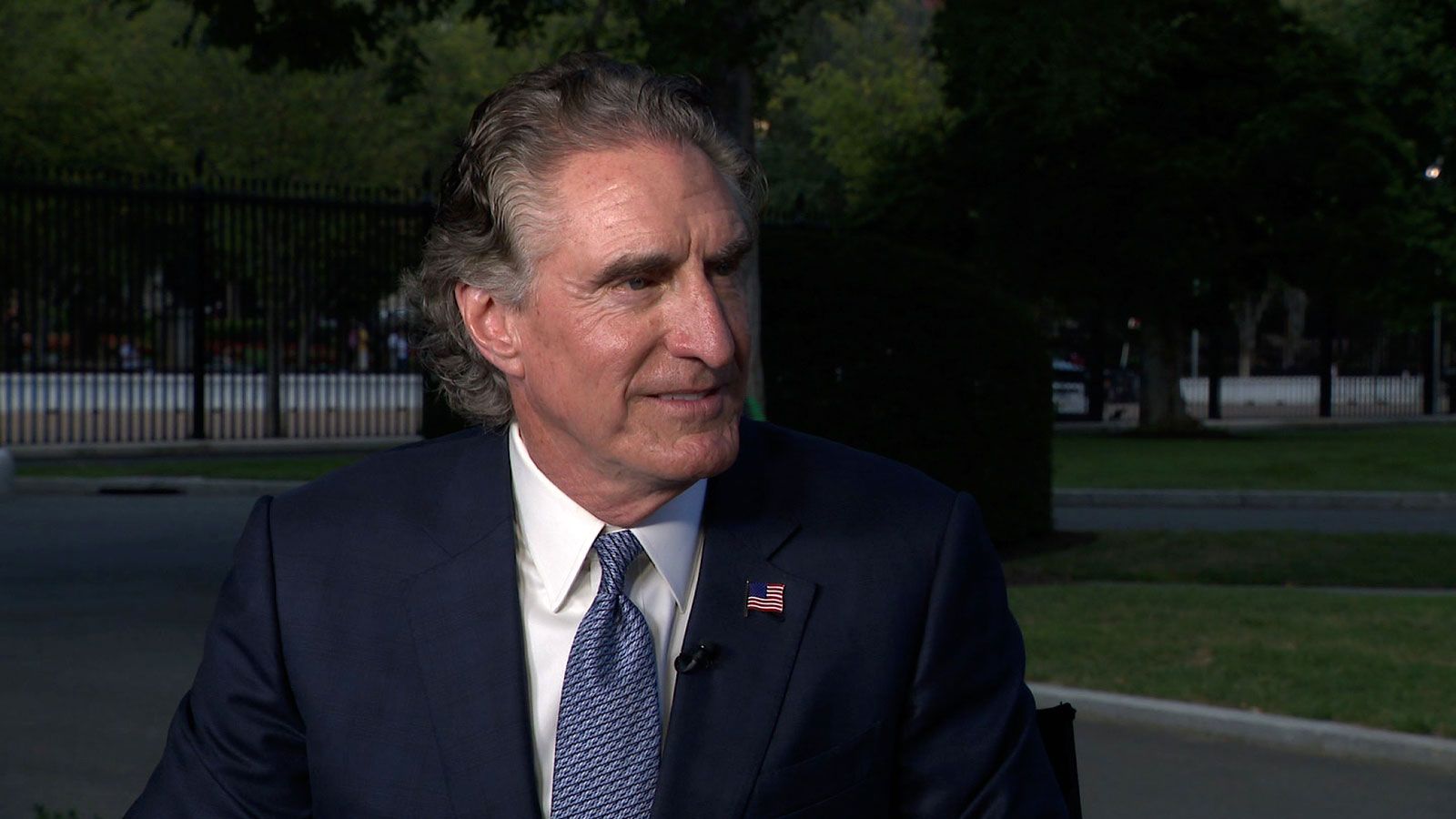
Burgum says Trump deploying National Guard to Democratic-led cities is not political: ‘He’s not targeting anything’
Entities mentioned:
- Doug Burgum: Loyalty, Duty, Professional pride
- Donald Trump: Control, Power, Influence
- Democratic Party: Self-preservation, Indignation, Justice
- Republican Party: Law and order, Control, Power
- JB Pritzker: Indignation, Self-preservation, Autonomy
- National Guard: Duty, Security, Control
Article Assessment:
Credibility Score: 65/100
Bias Rating: 55/100 (Center)
Sentiment Score: 35/100
Authoritarianism Risk: 65/100 (Authoritarian Tendencies)
Bias Analysis:
The article presents both Republican and Democratic viewpoints, but gives slightly more space to the administration's perspective. It includes some fact-checking of claims, indicating an attempt at balanced reporting.
Key metric: Violent Crime Rate
As a social scientist, I analyze that this article highlights the increasing politicization of law enforcement and public safety measures in the United States. The deployment of the National Guard to Democratic-led cities by a Republican president is framed as a non-partisan move to combat crime, but the underlying political tensions are evident. This action could potentially impact the violent crime rate, but the effectiveness is questionable given the complex nature of urban crime and the potential for increased tensions between federal and local authorities. The article also reveals a growing divide in perceptions of crime and appropriate responses between the two major political parties, which could have long-term implications for national unity and governance.

Court tosses Trump lawsuit against Maryland judges over US deportations
Entities mentioned:
- Donald Trump: Power, Control, Revenge
- Maryland judges: Duty, Justice, Professional pride
- US courts: Justice, Duty, Independence
Article Assessment:
Credibility Score: 75/100
Bias Rating: 45/100 (Center)
Sentiment Score: 55/100
Authoritarianism Risk: 20/100 (Strongly Democratic)
Bias Analysis:
The article presents a factual account of the court's decision without overtly favoring either side. The neutral tone and focus on the legal outcome, rather than political implications, suggest a centrist approach to reporting.
Key metric: Rule of Law Index
As a social scientist, I analyze that this court decision reinforces the separation of powers and judicial independence in the United States. By dismissing Trump's lawsuit against Maryland judges over deportation rulings, the court system is asserting its autonomy from executive interference. This upholds the principle of checks and balances, crucial for maintaining the rule of law. The dismissal suggests that attempts to pressure or intimidate judges through lawsuits are unlikely to succeed, which may deter similar actions in the future and strengthen judicial impartiality.
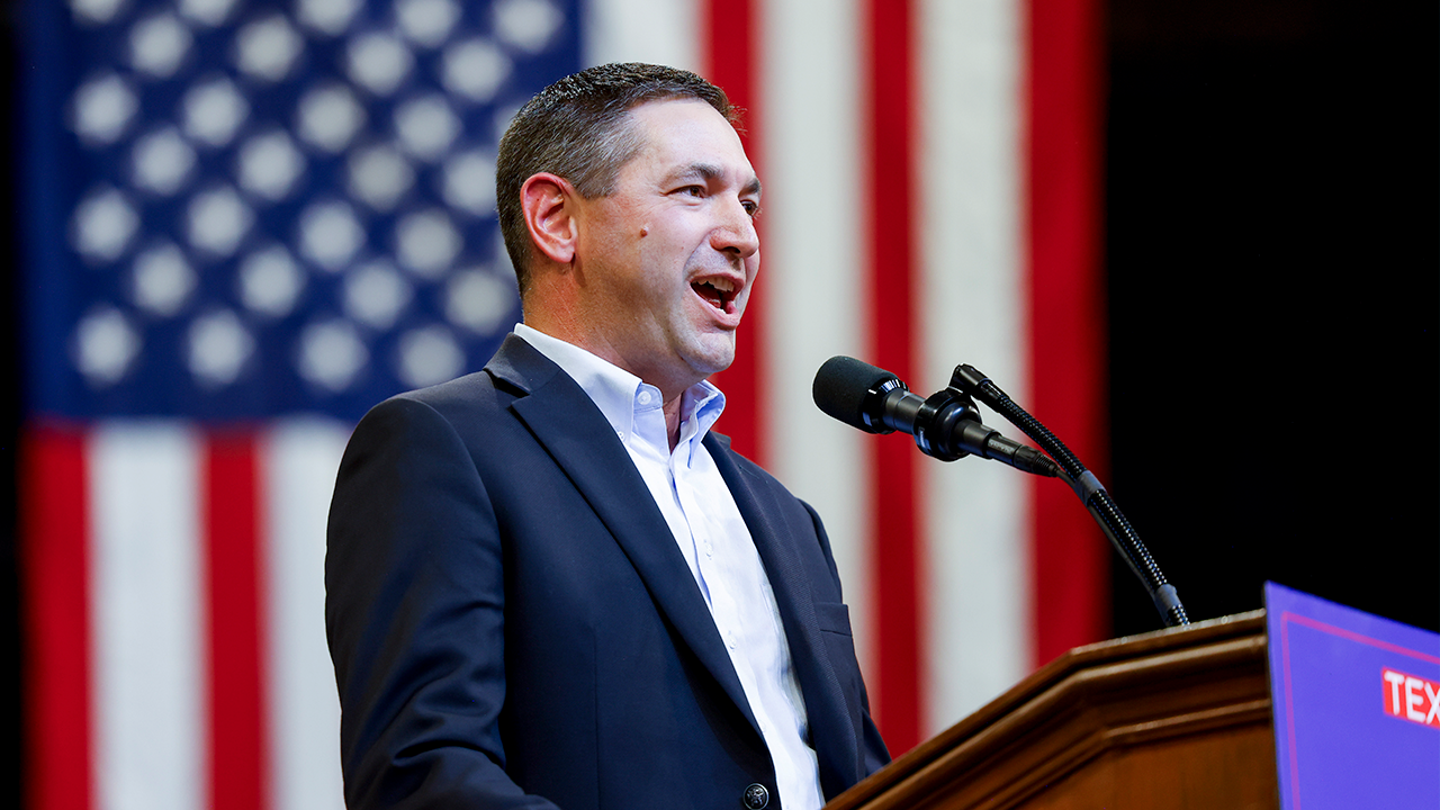
EPA urged by state AGs to axe funds for 'radical' climate project accused of training judges
Entities mentioned:
- Environmental Protection Agency (EPA): Control, Power, Duty
- Republican state attorneys general: Righteousness, Moral outrage, Justice
- Lee Zeldin: Control, Duty, Ambition
- Environmental Law Institute (ELI): Influence, Legacy, Recognition
- Climate Judiciary Project (CJP): Influence, Legacy, Professional pride
- Austin Knudsen: Righteousness, Moral outrage, Justice
- Donald Trump: Power, Control, Legacy
- American Energy Institute: Competitive spirit, Self-preservation, Influence
- Alliance for Consumers: Justice, Self-preservation, Influence
- Ted Cruz: Righteousness, Moral outrage, Competitive spirit
Article Assessment:
Credibility Score: 65/100
Bias Rating: 75/100 (Lean Right)
Sentiment Score: 30/100
Authoritarianism Risk: 45/100 (Mixed/Neutral)
Bias Analysis:
The article leans right, evidenced by its exclusive reliance on Republican sources and framing of environmental education as 'woke climate propaganda'. It presents the conservative perspective prominently while offering minimal counterbalance from the criticized organizations.
Key metric: Environmental Policy Effectiveness
As a social scientist, I analyze that this article highlights a significant conflict between conservative state officials and environmental organizations over the use of federal funds for climate education programs targeting judges. This controversy impacts environmental policy effectiveness by potentially influencing judicial decisions on climate-related cases. The dispute centers on allegations that the Climate Judiciary Project, funded partially by EPA grants to the Environmental Law Institute, is attempting to sway judges' opinions on climate issues under the guise of education. This situation reflects broader political tensions surrounding climate policy and the role of the judiciary in environmental decision-making. The involvement of multiple state attorneys general and the EPA's recent actions to cut funding for various environmental and social programs under the Trump administration indicate a shift in environmental policy priorities and implementation strategies.

Trump claims 'we're against crime. Democrats like crime'
Entities mentioned:
- Donald Trump: Power, Control, Influence
- Republicans: Righteousness, Security, Control
- Democrats: Wariness, Self-preservation, Justice
- D.C. National Guard: Duty, Security, Control
Article Assessment:
Credibility Score: 65/100
Bias Rating: 55/100 (Center)
Sentiment Score: 35/100
Authoritarianism Risk: 75/100 (Authoritarian Tendencies)
Bias Analysis:
The article presents Trump's statements with some context and counterpoints, suggesting a relatively balanced approach. However, it doesn't deeply challenge Trump's claims or provide extensive opposing viewpoints, leaning slightly towards a center-right perspective.
Key metric: Public Safety and Crime Rate
As a social scientist, I analyze that this article highlights President Trump's attempt to frame the 2026 midterm elections around the issue of crime, positioning Republicans as tough on crime and Democrats as permissive. Trump's push to 'federalize' Washington D.C. and his suggestion to extend this approach to other Democrat-led cities represents a significant shift in federal-local power dynamics. This framing and policy approach could have substantial impacts on public perception of crime, actual crime rates, and the balance of power between federal and local governments. The lack of specificity in Trump's claims and the potential legal challenges to his proposed actions suggest this is more of a political strategy than a well-developed policy initiative. The article also touches on other wedge issues such as border security and transgender rights, indicating an attempt to consolidate a base of support through multiple controversial topics.

SkyWater pitches itself as all-American firm as Trump mulls more equity deals following Intel deal
Entities mentioned:
- Donald Trump: Power, Control, Influence
- Intel: Self-preservation, Competitive spirit, Security
- SkyWater Technology: Competitive spirit, Patriotism, Security
- Ross Miller: Professional pride, Influence, Patriotism
- GlobalFoundries: Self-preservation, Competitive spirit, Security
- Micron Technology: Competitive spirit, Security, Influence
- Jai Kedia: Professional pride, Wariness, Justice
Article Assessment:
Credibility Score: 70/100
Bias Rating: 65/100 (Lean Right)
Sentiment Score: 55/100
Authoritarianism Risk: 60/100 (Mixed/Neutral)
Bias Analysis:
The article leans slightly right, focusing on Trump's policy and giving more space to supportive voices. While it includes criticism, the overall framing appears to favor the administration's approach.
Key metric: U.S. Domestic Semiconductor Production Capacity
As a social scientist, I analyze that this article highlights a significant shift in U.S. economic policy towards government ownership in private companies, particularly in the semiconductor industry. This approach, spearheaded by President Trump, aims to strengthen domestic production and national security. The government's equity stake in Intel sets a precedent that could extend to other semiconductor companies. This policy change could potentially increase U.S. semiconductor production capacity by incentivizing domestic investment and ensuring accountability for federal funds. However, it also raises concerns about market distortion, favoritism, and a move towards more government intervention in the economy. The long-term impact on the industry's competitiveness and innovation remains uncertain, as does the potential for international repercussions in trade and diplomacy.
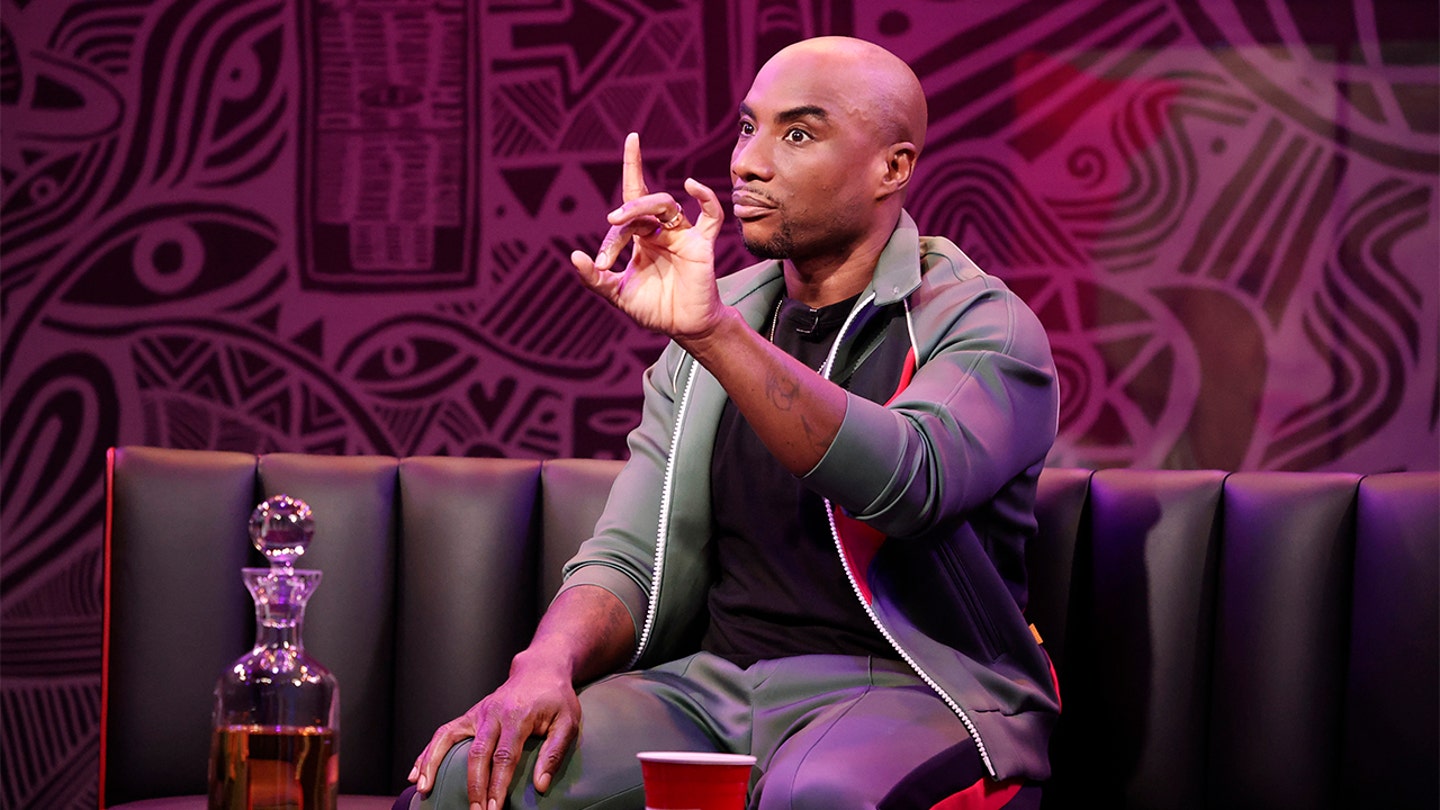
Charlamagne tha God argues flag-burners 'don't give a damn about America' after Trump executive order
Entities mentioned:
- Charlamagne tha God: Patriotism, Righteousness, Duty
- President Donald Trump: Control, Patriotism, Power
- White House: Control, Patriotism, Security
- Supreme Court: Justice, Duty, Freedom
Article Assessment:
Credibility Score: 70/100
Bias Rating: 65/100 (Lean Right)
Sentiment Score: 35/100
Authoritarianism Risk: 60/100 (Mixed/Neutral)
Bias Analysis:
The article leans right, primarily due to its focus on a conservative radio host's perspective and the prominence given to the White House statement. While it includes some opposing viewpoints, the framing tends to favor anti-flag burning sentiments.
Key metric: Social Cohesion
As a social scientist, I analyze that this article highlights a tension between freedom of expression and patriotic sentiment in the United States. The discussion around flag burning touches on deep-seated issues of national identity, constitutional rights, and the limits of protest. Charlamagne tha God's perspective, while acknowledging free speech, questions the patriotism of those who burn the flag. This debate reflects broader societal divisions on what constitutes appropriate forms of protest and the meaning of patriotism. The executive order by President Trump signals an attempt to reinterpret established legal precedent, potentially impacting civil liberties. This controversy may exacerbate existing political polarization and challenge the balance between national unity and individual rights.
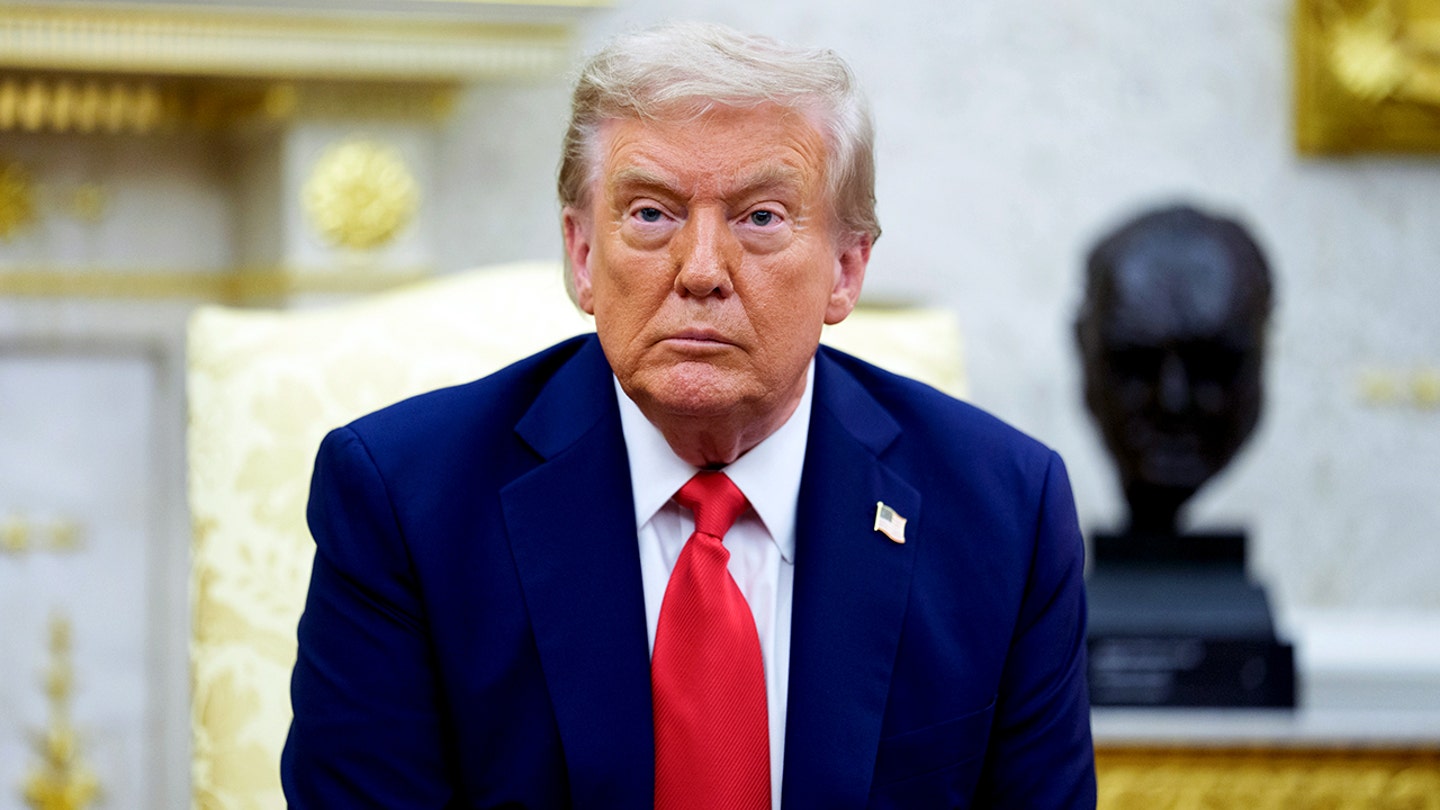
Fight over policing DC moves to Congress as parties split on control
Entities mentioned:
- U.S. Congress: Power, Control, Influence
- Washington D.C.: Self-preservation, Freedom, Security
- President Trump: Power, Control, Influence
- Republican Party: Control, Power, Righteousness
- Democratic Party: Justice, Freedom, Unity
- Rep. Andy Biggs: Control, Righteousness, Ambition
- Rep. Anna Paulina Luna: Control, Power, Loyalty
- Rep. Andy Ogles: Control, Power, Loyalty
- Sen. Mike Lee: Control, Power, Righteousness
- Rep. James Comer: Control, Righteousness, Professional pride
Article Assessment:
Credibility Score: 75/100
Bias Rating: 55/100 (Center)
Sentiment Score: 40/100
Authoritarianism Risk: 65/100 (Authoritarian Tendencies)
Bias Analysis:
The article presents multiple viewpoints and provides context for both Republican and Democratic positions. While it leans slightly towards emphasizing Republican actions, it also acknowledges potential drawbacks and Democratic counter-arguments.
Key metric: Federal-Local Government Relations
As a social scientist, I analyze that this article highlights a significant power struggle between federal and local government, specifically focusing on Washington D.C.'s home rule. The debate over policing in D.C. serves as a microcosm for broader issues of federalism and local autonomy in the United States. The Republican efforts to increase federal control over D.C. reflect a trend towards centralization of power, while Democratic resistance aims to maintain local governance. This conflict has implications for the balance of power between federal and local authorities, potentially setting precedents that could affect other cities. The article also underscores the political nature of crime and policing issues, with both parties attempting to leverage these topics for electoral advantage. The complexity of D.C.'s unique status as a federal district further complicates the issue, highlighting the ongoing challenges in American federalism.
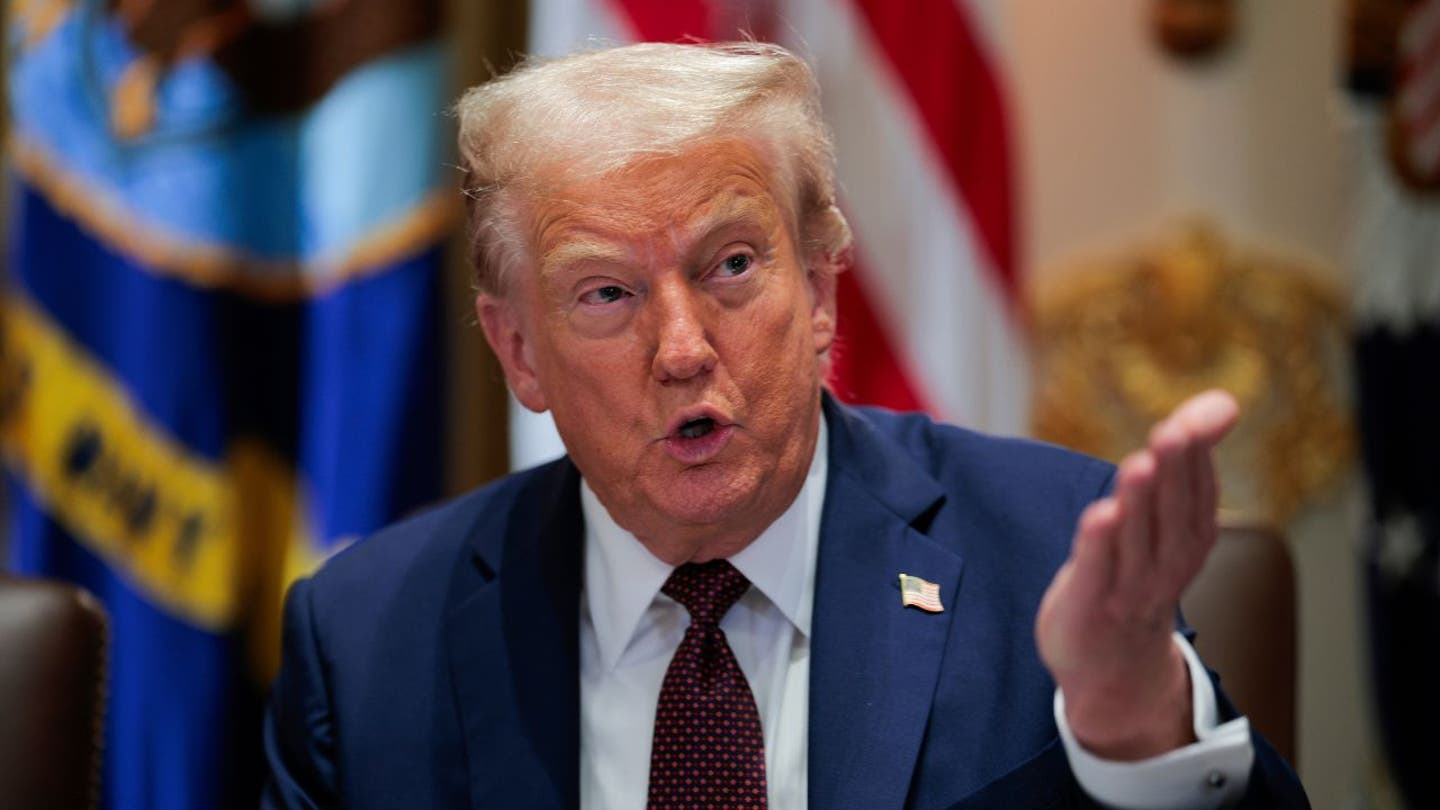
Death penalty could return in nation's capital under Trump’s DC crime crackdown
Entities mentioned:
- Donald Trump: Control, Power, Righteousness
- U.S. Supreme Court: Justice, Duty, Influence
- D.C. Council: Justice, Duty, Unity
- Death Penalty Information Center: Justice, Duty, Curiosity
- U.S. Attorney Jeanine Pirro: Justice, Duty, Professional pride
- Metropolitan Police Department: Duty, Security, Professional pride
- D.C. National Guard: Duty, Security, Loyalty
Article Assessment:
Credibility Score: 70/100
Bias Rating: 65/100 (Lean Right)
Sentiment Score: 35/100
Authoritarianism Risk: 75/100 (Authoritarian Tendencies)
Bias Analysis:
The article leans right, primarily due to its focus on Trump's perspective and actions without significant counterbalancing viewpoints. It presents the administration's claims about crime reduction uncritically, without exploring alternative explanations or critiques.
Key metric: Crime Rate in Washington D.C.
As a social scientist, I analyze that this article presents a significant shift in criminal justice policy for Washington D.C., with potential far-reaching implications. The proposed reintroduction of the death penalty, coupled with increased military and federal law enforcement presence, represents a dramatic escalation in the approach to crime prevention and punishment. This policy shift could potentially impact the crime rate in several ways: it may serve as a deterrent for serious crimes, but it could also escalate tensions between law enforcement and communities, potentially leading to increased unrest. The use of military forces for domestic law enforcement raises questions about the balance between security and civil liberties. The effectiveness of such measures on long-term crime reduction is debatable, as research on the deterrent effect of the death penalty is inconclusive. This approach also diverges from recent trends in criminal justice reform focusing on rehabilitation and addressing root causes of crime.
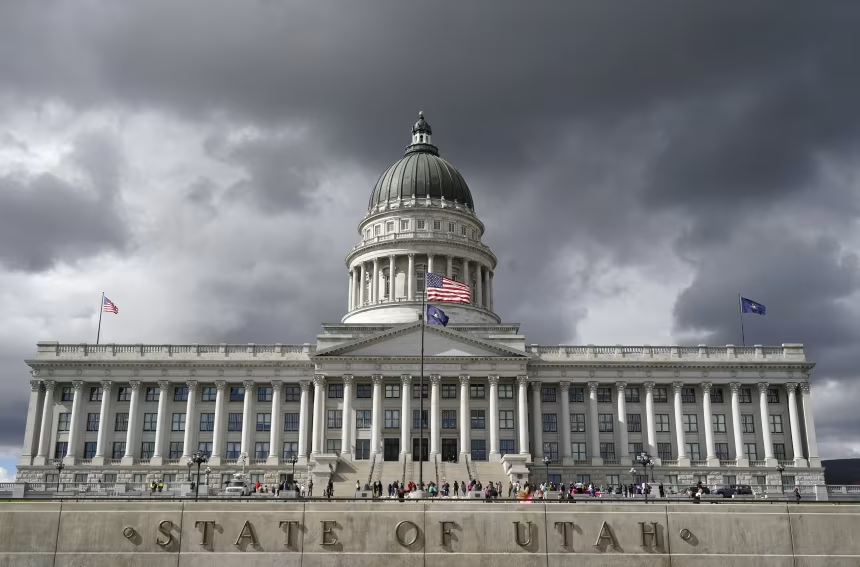
Judge rules Utah’s congressional map must be redrawn for the 2026 elections
Entities mentioned:
- Utah Legislature: Power, Control, Self-preservation
- Judge Dianna Gibson: Justice, Duty, Righteousness
- Independent Commission: Fairness, Duty, Influence
- Lt. Gov. Deidre Henderson: Duty, Professional pride, Efficiency
- Republican lawmakers: Power, Self-preservation, Control
- Democratic Party: Power, Competitive spirit, Influence
- Donald Trump: Power, Influence, Control
Article Assessment:
Credibility Score: 75/100
Bias Rating: 55/100 (Center)
Sentiment Score: 40/100
Authoritarianism Risk: 30/100 (Generally Democratic)
Bias Analysis:
The article presents a relatively balanced view, including perspectives from both Republican and Democratic sides. While it leans slightly towards emphasizing the impact on Republican control, it also provides context on national trends and actions in other states.
Key metric: Electoral Competitiveness
As a social scientist, I analyze that this ruling significantly impacts electoral competitiveness in Utah and potentially nationwide. The court's decision to require redrawing of Utah's congressional map challenges the existing power structure, potentially shifting the balance in favor of more competitive districts. This could have ripple effects on national politics, as it may influence the Republican majority in the US House. The ruling also underscores the tension between legislative power and voter-initiated reforms, highlighting the ongoing struggle to prevent partisan gerrymandering. The potential delay in implementation due to appeals reflects the strategic maneuvering often seen in redistricting battles, which can have long-lasting impacts on political representation and party control.
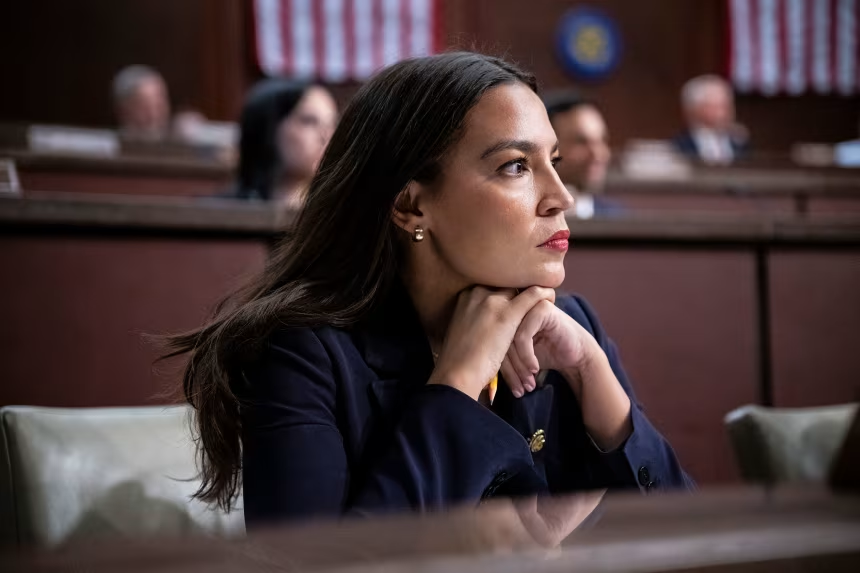
How AOC built a Democratic fundraising juggernaut
Entities mentioned:
- Alexandria Ocasio-Cortez: Influence, Power, Recognition
- Democratic Party: Unity, Control, Power
- Bernie Sanders: Righteousness, Justice, Influence
- Faiz Shakir: Loyalty, Influence, Professional pride
- Waleed Shahid: Influence, Righteousness, Change
- David Axelrod: Analysis, Recognition, Influence
- Oliver Hidalgo-Wohlleben: Loyalty, Professional pride, Duty
- Zohran Mamdani: Ambition, Recognition, Influence
- Chuck Schumer: Power, Control, Legacy
Article Assessment:
Credibility Score: 75/100
Bias Rating: 45/100 (Center)
Sentiment Score: 65/100
Authoritarianism Risk: 25/100 (Generally Democratic)
Bias Analysis:
The article presents a balanced view of AOC's fundraising success, including perspectives from various political strategists. While it highlights her achievements, it also includes neutral observations about potential implications, maintaining a centrist stance.
Key metric: Democratic Party Fundraising and Voter Engagement
As a social scientist, I analyze that this article highlights a significant shift in the Democratic Party's fundraising dynamics, with Alexandria Ocasio-Cortez emerging as a formidable force in small-dollar donations. This trend indicates a potential realignment of power within the party, moving away from traditional big donors towards a more grassroots-funded model. The success of AOC's fundraising strategy, particularly in conjunction with Bernie Sanders, suggests a growing appetite among Democratic voters for more progressive policies and candidates. This could have far-reaching implications for the party's future direction, candidate selection, and policy priorities. The article also hints at the possibility of AOC's future political aspirations, including potential presidential ambitions, which could further reshape the Democratic landscape. The emphasis on small-dollar donations and grassroots support aligns with a broader trend of populist politics and could influence how future campaigns are run and financed across the political spectrum.