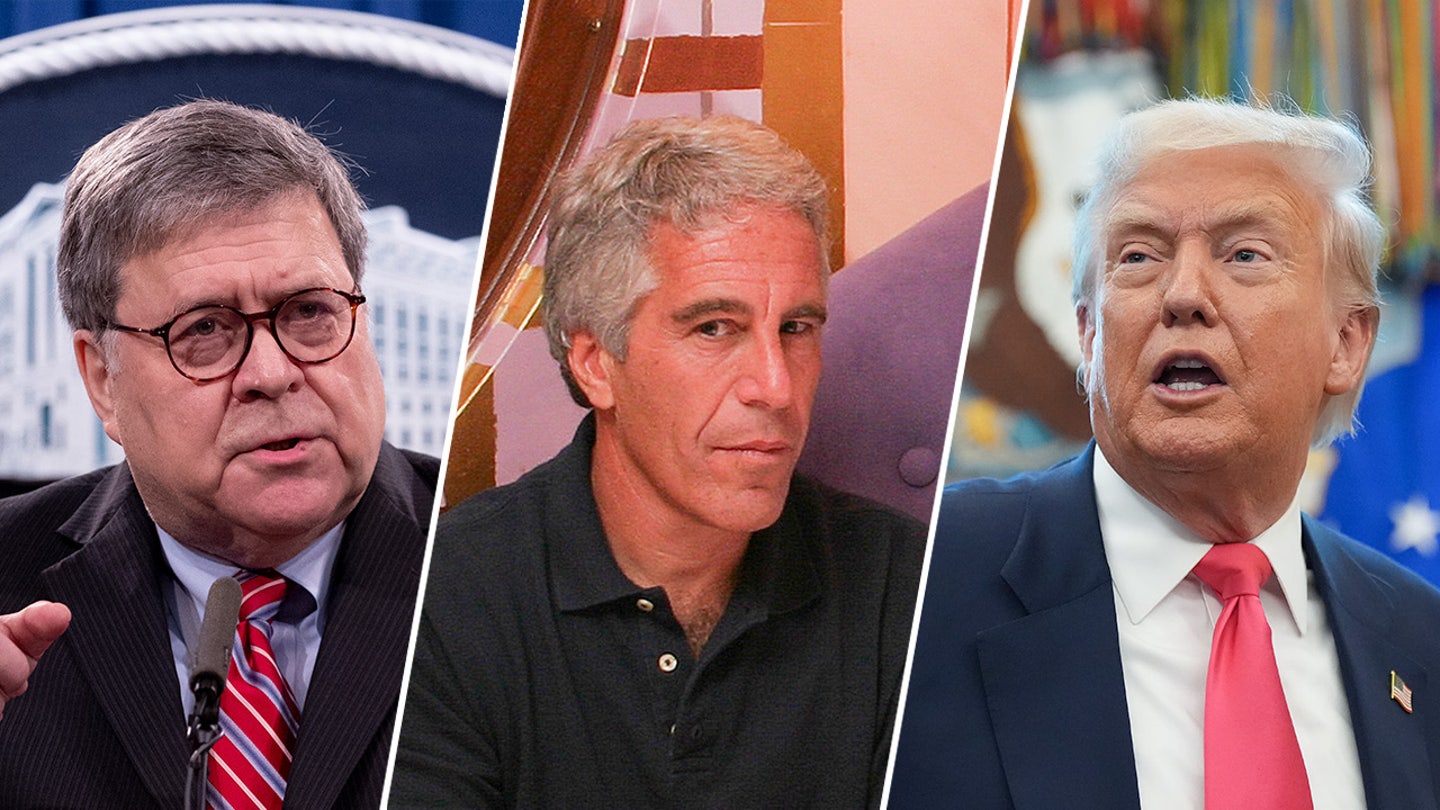
Bill Barr testifies he didn't see info that would 'implicate' Trump in Epstein case, Comer says
Entities mentioned:
- Bill Barr: Duty, Professional pride, Loyalty
- Donald Trump: Self-preservation, Power, Influence
- James Comer: Ambition, Justice, Control
- Jeffrey Epstein: Power, Greed, Self-preservation
- Biden administration: Power, Control, Influence
- House Oversight Committee: Justice, Control, Duty
- Democrats: Competitive spirit, Justice, Control
- Republicans: Loyalty, Power, Control
- Suhas Subramanyam: Justice, Ambition, Duty
Article Assessment:
Credibility Score: 65/100
Bias Rating: 55/100 (Center)
Sentiment Score: 45/100
Authoritarianism Risk: 35/100 (Generally Democratic)
Bias Analysis:
The article presents multiple perspectives, including both Republican and Democratic viewpoints. However, it gives more detailed coverage to Republican statements, particularly from Chairman Comer, which slightly tilts the balance.
Key metric: Government Accountability and Transparency
As a social scientist, I analyze that this article highlights the ongoing investigation into the handling of Jeffrey Epstein's case, focusing on former Attorney General Bill Barr's testimony. The investigation appears to be part of a broader effort to assess government accountability in high-profile cases. Barr's testimony, suggesting no implication of former President Trump in the Epstein case, raises questions about the thoroughness of the investigation and potential political motivations. The partisan divide in the committee's approach to questioning Barr indicates a politicization of the process, which may impact public trust in government institutions and their ability to handle sensitive cases impartially. This investigation could influence public perception of government transparency and the justice system's effectiveness in dealing with powerful individuals.

‘Living laboratory’: Trump admin urged to look to South America for lessons on fighting migrant gangs
Entities mentioned:
- José Gustavo Arocha: Professional pride, Security, Influence
- Trump administration: Security, Control, Righteousness
- Kristi Noem: Ambition, Security, Duty
- Biden administration: Unity, Obligation, Justice
- Tren de Aragua: Power, Greed, Control
- Nicolás Maduro: Power, Control, Greed
- Chilean government: Security, Justice, Control
- Ecuadorian government: Security, Justice, Control
- Colombian government: Unity, Obligation, Wariness
Article Assessment:
Credibility Score: 65/100
Bias Rating: 70/100 (Lean Right)
Sentiment Score: 30/100
Authoritarianism Risk: 55/100 (Mixed/Neutral)
Bias Analysis:
The article leans right, evidenced by its favorable portrayal of Trump-era policies and critical stance on the Biden administration's approach to immigration. The primary source is a former military officer advocating for stricter border control, which aligns with conservative viewpoints.
Key metric: National Security Index
As a social scientist, I analyze that this article highlights the complex interplay between immigration policies, transnational crime, and national security. The focus on South American countries' responses to migrant gangs, particularly Tren de Aragua, serves as a comparative case study for potential U.S. strategies. The article emphasizes the importance of swift, coordinated action across government agencies, as demonstrated by Chile and Ecuador's approaches. It also warns against open border policies without proper vetting and enforcement mechanisms, using Colombia as a cautionary example. The framing of these issues suggests that a more aggressive, security-focused approach to immigration and border control is necessary to combat transnational crime effectively. This perspective aligns with the Trump administration's stance on immigration and security, potentially influencing public opinion and policy decisions regarding border control and law enforcement strategies in the United States.
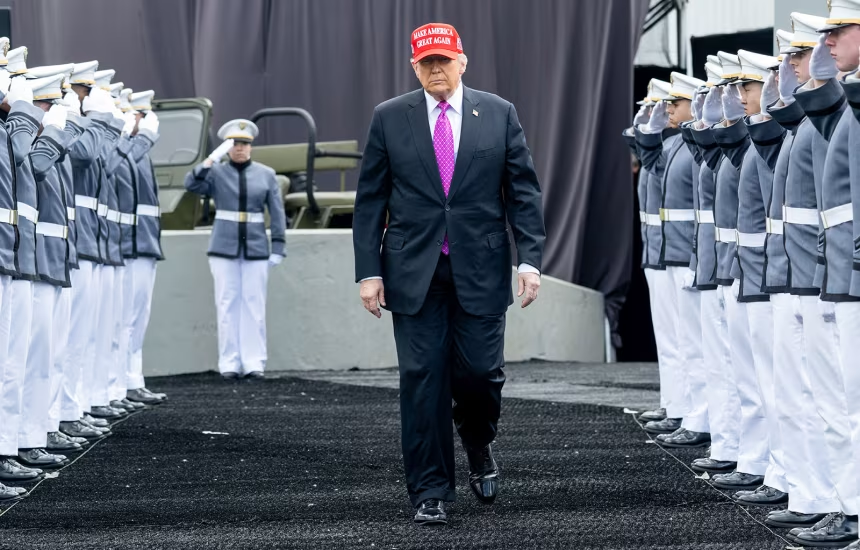
Anti-affirmative action group drops lawsuits against West Point and Air Force Academy after policy changes
Entities mentioned:
- Students for Fair Admissions (SFFA): Justice, Righteousness, Competitive spirit
- Donald Trump: Power, Control, Influence
- West Point: Duty, Professional pride, Obligation
- Air Force Academy: Duty, Professional pride, Obligation
- Pam Bondi: Righteousness, Influence, Control
- Edward Blum: Justice, Righteousness, Determination
- Supreme Court: Justice, Duty, Influence
- Biden administration: Unity, Influence, Duty
- Elizabeth Prelogar: Duty, Professional pride, Security
Article Assessment:
Credibility Score: 75/100
Bias Rating: 55/100 (Center)
Sentiment Score: 45/100
Authoritarianism Risk: 35/100 (Generally Democratic)
Bias Analysis:
The article presents multiple perspectives on the issue, including views from both sides of the affirmative action debate. While it gives slightly more space to the anti-affirmative action stance, it also includes counterarguments, maintaining a relatively balanced approach.
Key metric: Military Readiness and Diversity
As a social scientist, I analyze that this article highlights a significant shift in military academy admissions policies, moving away from considering race as a factor. This change, driven by the Trump administration and supported by anti-affirmative action groups, could potentially impact the diversity of the officer corps in the U.S. military. The dropping of lawsuits by Students for Fair Admissions (SFFA) suggests a victory for those opposing race-conscious admissions policies. However, this shift raises concerns about the military's ability to maintain a diverse officer corps that reflects the enlisted ranks and the broader population. The article presents competing viewpoints on the importance of diversity in military leadership, with the Biden administration previously arguing for its critical role in national security. This policy change may have long-term implications for military cohesion, leadership representation, and overall effectiveness, potentially affecting the key metric of Military Readiness and Diversity.

Trump administration to reinstall two Confederate statues
Entities mentioned:
- Trump administration: Control, Legacy, Pride
- Donald Trump: Power, Legacy, Influence
- US National Park Service: Duty, Obligation, Professional pride
- Pete Hegseth: Loyalty, Righteousness, Influence
- Glenn Youngkin: Pride, Legacy, Influence
- Biden administration: Justice, Unity, Righteousness
- Eleanor Holmes Norton: Justice, Moral outrage, Determination
Article Assessment:
Credibility Score: 75/100
Bias Rating: 55/100 (Center)
Sentiment Score: 35/100
Authoritarianism Risk: 65/100 (Authoritarian Tendencies)
Bias Analysis:
The article presents multiple viewpoints, including those supporting and opposing the reinstatement of Confederate monuments. However, there's a slight lean towards critical perspectives of the action, particularly in the detailed explanation of the monuments' controversial aspects.
Key metric: Social Cohesion
As a social scientist, I analyze that this article highlights a significant regression in social progress and national unity. The reinstatement of Confederate monuments, particularly in the aftermath of widespread protests against racial injustice, signals a deliberate attempt to reassert narratives that many view as supportive of systemic racism. This action is likely to exacerbate existing social tensions, potentially leading to decreased trust in government institutions and increased polarization among different demographic groups. The justification of these actions through executive orders and reinterpretations of historical narratives suggests a concerning trend towards using governmental power to shape public memory and national identity in ways that may marginalize certain communities. This could have long-term implications for social cohesion, civic engagement, and the collective understanding of American history.