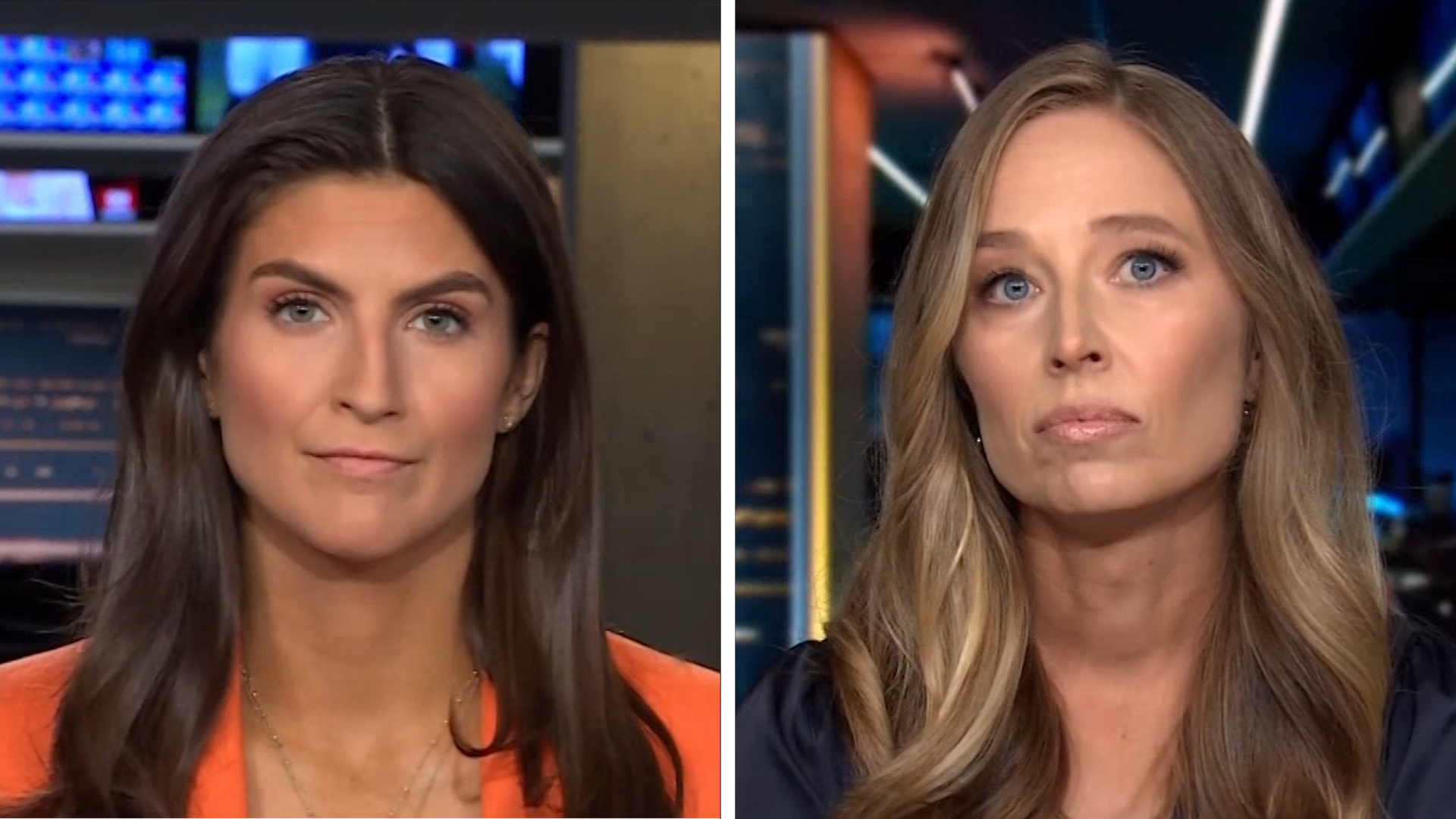
Epstein victims are a growing political threat to Trump
Entities mentioned:
- Jeffrey Epstein: Power, Control, Greed
- Donald Trump: Self-preservation, Power, Control
- Epstein victims: Justice, Recognition, Self-respect
- Pam Bondi: Loyalty, Duty, Self-preservation
- Ghislaine Maxwell: Self-preservation, Loyalty, Control
- Virginia Giuffre: Justice, Recognition, Self-respect
- Sky Roberts: Justice, Moral outrage, Recognition
- JD Vance: Loyalty, Ambition, Self-preservation
- Kash Patel: Loyalty, Duty, Self-preservation
- Annie Farmer: Justice, Recognition, Moral outrage
- Todd Blanche: Duty, Loyalty, Self-preservation
- Jennifer Freeman: Justice, Moral outrage, Professional pride
Article Assessment:
Credibility Score: 75/100
Bias Rating: 35/100 (Lean Left)
Sentiment Score: 25/100
Authoritarianism Risk: 45/100 (Mixed/Neutral)
Bias Analysis:
The article leans left, evidenced by its critical tone towards the Trump administration and sympathetic portrayal of Epstein's victims. While it presents factual information, the framing and language choices suggest a skeptical view of the administration's handling of the situation.
Key metric: Public Trust in Government Institutions
As a social scientist, I analyze that this article highlights a significant tension between political self-preservation and the pursuit of justice for victims of sexual abuse. The handling of the Epstein case by the Trump administration appears to prioritize political damage control over transparency and justice for the victims. This approach risks further eroding public trust in government institutions, particularly the Department of Justice. The victims' increasing vocalization and media attention could potentially shift public opinion and apply pressure on the administration to take more substantive action. The article suggests a growing political threat to Trump from the Epstein victims, which could impact his support base and overall public perception. The lack of representation of survivors in high-level meetings and the administration's apparent focus on political maneuvering rather than addressing victims' concerns indicate a disconnect between government actions and public expectations for justice and accountability.

IRS begins sharing sensitive taxpayer data with immigration authorities to find undocumented migrants
Entities mentioned:
- Internal Revenue Service (IRS): Duty, Obligation, Wariness
- Department of Homeland Security (DHS): Control, Security, Determination
- President Donald Trump: Power, Control, Influence
- Treasury Department: Duty, Obligation, Cooperation
- Immigration and Customs Enforcement (ICE): Control, Security, Determination
- White House: Power, Control, Influence
- Billy Long: Professional pride, Duty
- Undocumented immigrants: Self-preservation, Security, Fear
Article Assessment:
Credibility Score: 75/100
Bias Rating: 55/100 (Center)
Sentiment Score: 35/100
Authoritarianism Risk: 65/100 (Authoritarian Tendencies)
Bias Analysis:
The article presents multiple perspectives, including government actions and potential impacts on immigrants. While it leans slightly critical of the policy, it includes official statements and balancing viewpoints, maintaining a relatively centrist approach.
Key metric: Immigration Enforcement Effectiveness
As a social scientist, I analyze that this data-sharing initiative between the IRS and DHS represents a significant shift in immigration enforcement strategy. The collaboration aims to enhance the government's ability to locate and potentially deport undocumented immigrants, which could substantially impact the Immigration Enforcement Effectiveness metric. However, the initial results (less than 5% match rate) suggest limited immediate effectiveness. This approach may have unintended consequences, such as eroding trust in the IRS among immigrant communities and potentially reducing voluntary tax compliance. The policy also raises ethical concerns about the use of sensitive tax information for purposes beyond its original intent, which could have broader implications for citizen privacy and government data use.
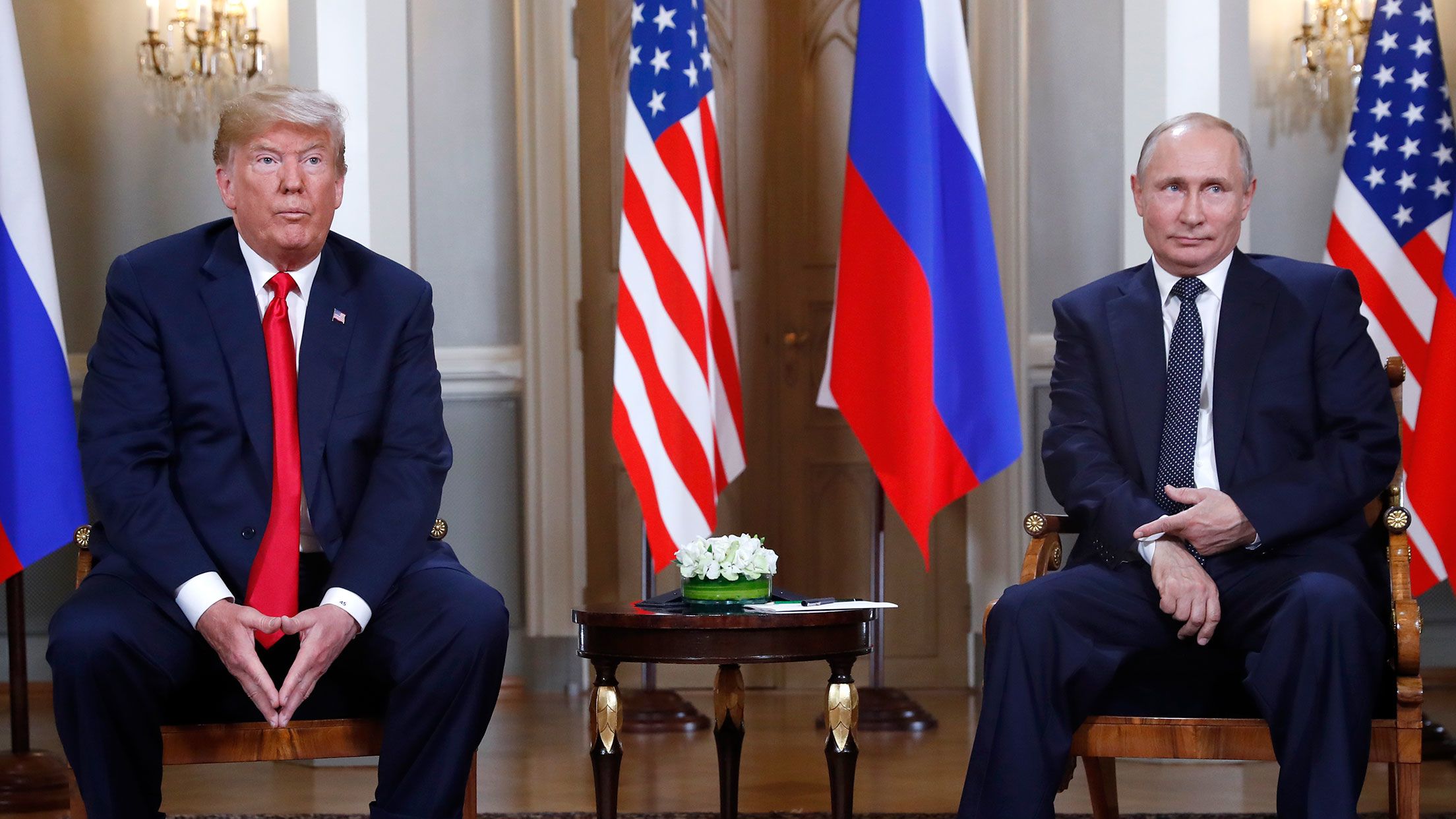
Trump says he’ll meet Putin in Alaska next week
Entities mentioned:
- Donald Trump: Ambition, Power, Legacy
- Vladimir Putin: Power, Control, Influence
- Volodymyr Zelensky: Determination, Loyalty, Self-preservation
- Steve Witkoff: Duty, Influence, Obligation
- Marco Rubio: Duty, Influence, Professional pride
- Yury Ushakov: Duty, Loyalty, Professional pride
Article Assessment:
Credibility Score: 75/100
Bias Rating: 45/100 (Center)
Sentiment Score: 45/100
Authoritarianism Risk: 55/100 (Mixed/Neutral)
Bias Analysis:
The article presents multiple viewpoints and sources, including Trump, Putin, Zelensky, and European officials. It maintains a relatively neutral tone, though it does highlight some concerns about the proposed peace deal.
Key metric: International Relations and Diplomacy
As a social scientist, I analyze that this article highlights a significant shift in US-Russia relations and potential global geopolitical dynamics. The proposed meeting between Trump and Putin, along with the suggested peace deal for Ukraine, could have far-reaching implications for international diplomacy, territorial sovereignty, and the balance of power in Eastern Europe. The article reveals complex negotiations involving multiple stakeholders, each with their own motivations and constraints. The potential territorial concessions from Ukraine are particularly contentious and could set a dangerous precedent for future conflicts. The article also underscores the tensions between realpolitik approaches to conflict resolution and principles of national sovereignty and international law.
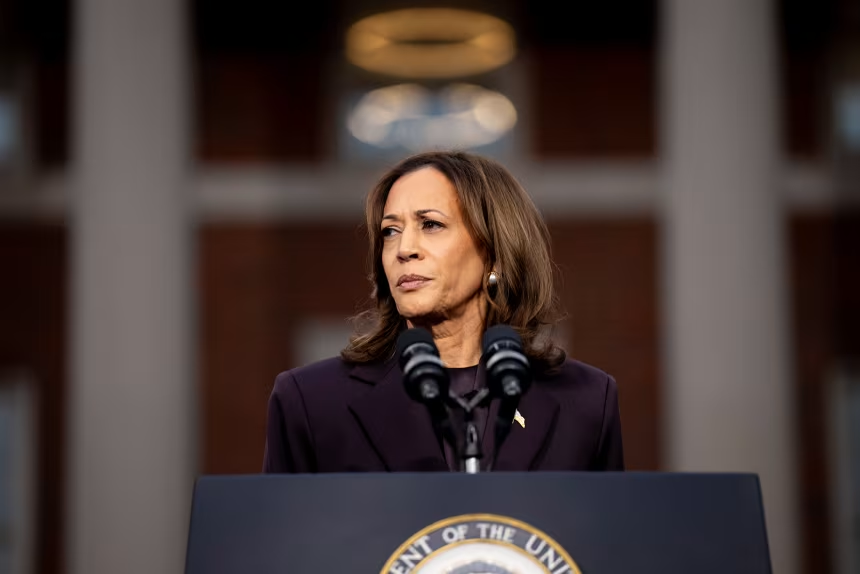
Republicans reprise anti-transgender ‘Kamala is for they/them’ ads for the midterms
Entities mentioned:
- Republicans: Power, Control, Fear
- Roy Cooper: Ambition, Righteousness, Justice
- Senate Leadership Fund: Power, Influence, Control
- Kamala Harris: Justice, Righteousness, Duty
- Donald Trump: Power, Control, Influence
- Jon Ossoff: Justice, Duty, Righteousness
- Chris LaCivita: Competitive spirit, Power, Influence
- Democrats: Justice, Righteousness, Unity
- Viet Shelton: Duty, Righteousness, Justice
- Buddy Carter: Power, Competitive spirit, Loyalty
- Winsome Earle-Sears: Power, Control, Competitive spirit
- Abigail Spanberger: Justice, Duty, Righteousness
- Gavin Newsom: Ambition, Power, Influence
- Pete Buttigieg: Ambition, Influence, Righteousness
- Human Rights Campaign: Justice, Righteousness, Unity
- Tim Walz: Righteousness, Justice, Unity
- Stephen Cloobeck: Ambition, Competitive spirit, Power
Article Assessment:
Credibility Score: 75/100
Bias Rating: 55/100 (Center)
Sentiment Score: 35/100
Authoritarianism Risk: 45/100 (Mixed/Neutral)
Bias Analysis:
The article presents views from both Republican and Democratic sides, quoting various sources. However, it gives slightly more space to critiquing Republican strategies, suggesting a slight center-left lean.
Key metric: Political Polarization Index
As a social scientist, I analyze that this article highlights the increasing political polarization in the United States, particularly around transgender issues. The Republicans' strategy of using anti-transgender messaging in political ads demonstrates an attempt to create wedge issues and mobilize their base. This approach may deepen existing societal divisions and further alienate the LGBTQ+ community. The Democrats' response, while attempting to focus on economic issues, shows some internal disagreement on how to address these attacks. This polarization could lead to increased social tension, policy gridlock, and a decline in civil discourse, potentially impacting the overall functioning of democratic institutions.

Paxton and Cornyn, facing off for Senate, use their official powers in Texas redistricting fight
Entities mentioned:
- Ken Paxton: Power, Ambition, Control
- John Cornyn: Power, Competitive spirit, Self-preservation
- Texas House Democrats: Justice, Righteousness, Determination
- Greg Abbott: Control, Power, Determination
- Beto O'Rourke: Justice, Influence, Recognition
- Dustin Burrows: Control, Duty, Determination
Article Assessment:
Credibility Score: 75/100
Bias Rating: 55/100 (Center)
Sentiment Score: 30/100
Authoritarianism Risk: 65/100 (Authoritarian Tendencies)
Bias Analysis:
The article presents perspectives from both Republican and Democratic sides, quoting various officials. While it gives slightly more space to Republican actions, it also includes Democratic responses, maintaining a relatively balanced approach.
Key metric: Political Polarization Index
As a social scientist, I analyze that this article highlights the intensifying political polarization in Texas, particularly surrounding the redistricting issue. The use of official powers by both Republican and Democratic figures to pressure or support the absent Democrats demonstrates an escalation of partisan tactics. This situation likely increases the Political Polarization Index by showcasing the widening gap between parties and the willingness to use extraordinary measures to achieve political goals. The involvement of federal agencies (FBI) in a state matter further emphasizes the nationalization of local political disputes, potentially exacerbating divisions. The article also illustrates how this conflict is shaping future political races, suggesting long-term impacts on partisan dynamics in Texas and potentially nationally.
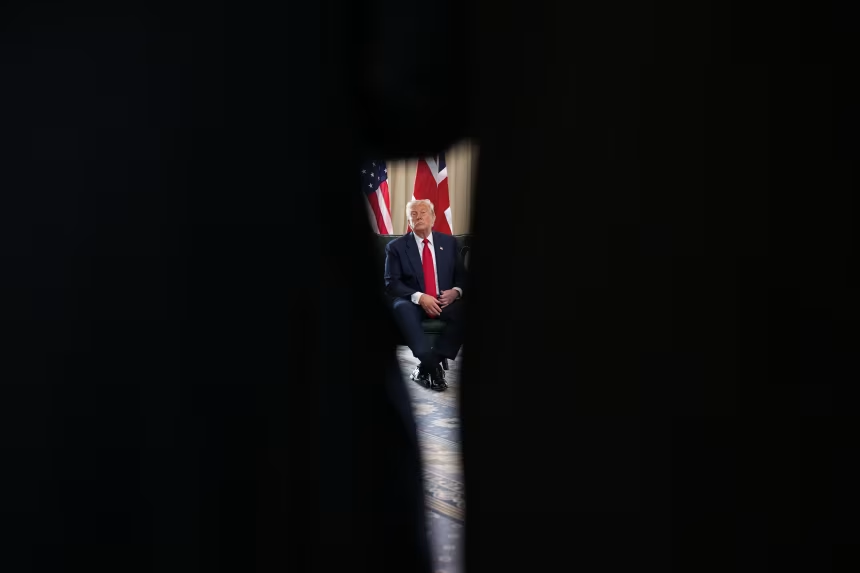
Trump’s legal retribution tour is getting more blatant
Entities mentioned:
- Donald Trump: Revenge, Power, Control
- Pam Bondi: Loyalty, Duty, Ambition
- Letitia James: Justice, Determination, Professional pride
- Adam Schiff: Justice, Duty, Moral outrage
- Barack Obama: Legacy, Duty, Self-preservation
- James Comey: Duty, Justice, Self-preservation
- John Brennan: Duty, Professional pride, Self-preservation
- Liz Cheney: Duty, Moral outrage, Justice
- Eugene Vindman: Duty, Moral outrage, Justice
- Alexander Vindman: Duty, Moral outrage, Justice
- Jack Smith: Justice, Duty, Professional pride
- Miles Taylor: Moral outrage, Duty, Justice
- Christopher Krebs: Duty, Professional pride, Justice
Article Assessment:
Credibility Score: 70/100
Bias Rating: 35/100 (Lean Left)
Sentiment Score: 25/100
Authoritarianism Risk: 65/100 (Authoritarian Tendencies)
Bias Analysis:
The article leans left in its framing, presenting Trump's actions in a critical light. While it presents factual information, the tone and selection of examples suggest a skeptical view of the Trump administration's motivations.
Key metric: Rule of Law Index
As a social scientist, I analyze that this article highlights a concerning pattern of potential retaliatory legal actions against individuals who have previously investigated or criticized former President Trump. This systematic targeting of political opponents and investigators through the legal system poses a significant threat to the Rule of Law Index in the United States. Such actions can erode public trust in the justice system, discourage whistleblowers and investigators from coming forward, and potentially lead to a chilling effect on political dissent. The apparent use of legal mechanisms for political retaliation undermines the principle of equal application of the law and suggests a troubling trend towards weaponizing the justice system for personal or political gain. This could have long-lasting implications for the strength and independence of democratic institutions in the country.
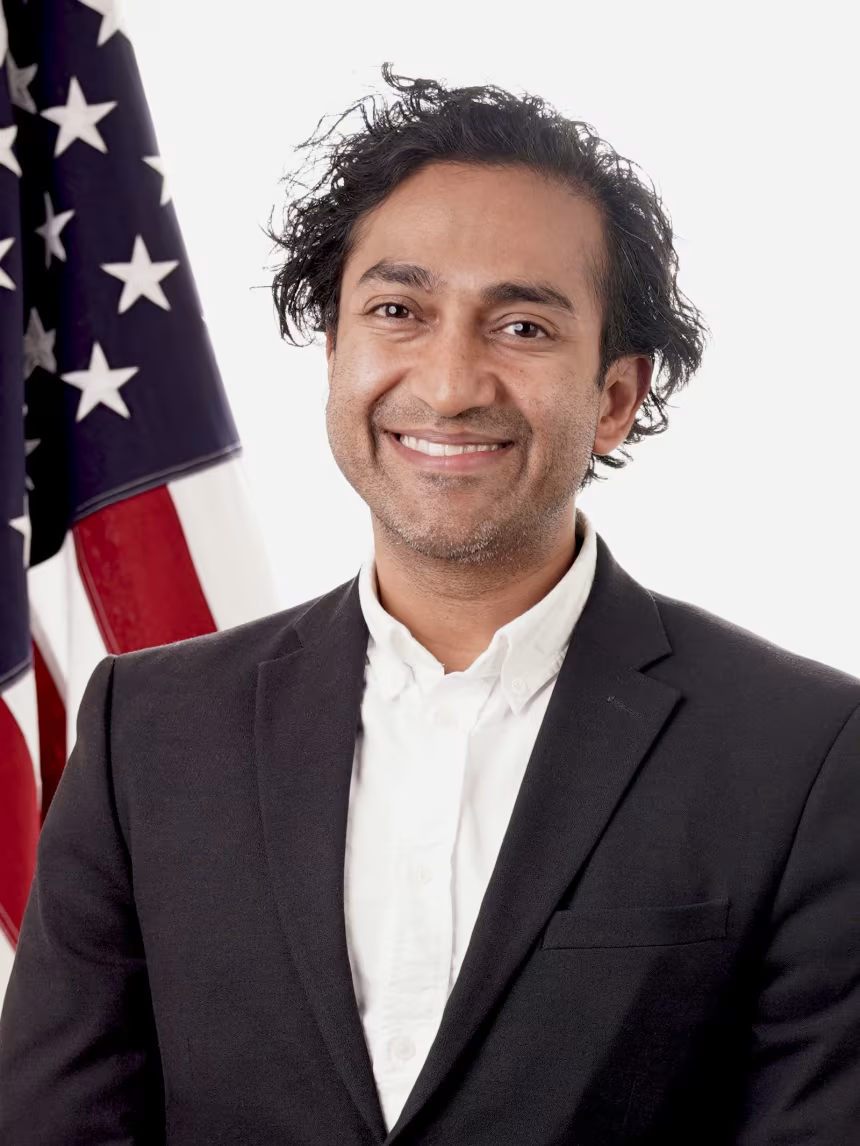
FDA official returns to agency after Loomer-led ouster
Entities mentioned:
- Dr. Vinay Prasad: Professional pride, Duty, Recognition
- US Food and Drug Administration (FDA): Duty, Public safety, Credibility
- Laura Loomer: Moral outrage, Influence, Righteousness
- White House: Control, Power, Influence
- President Donald Trump: Power, Legacy, Control
Article Assessment:
Credibility Score: 75/100
Bias Rating: 45/100 (Center)
Sentiment Score: 35/100
Authoritarianism Risk: 65/100 (Authoritarian Tendencies)
Bias Analysis:
The article presents multiple perspectives and cites various sources, including official statements and anonymous insiders. While it gives voice to critics of Dr. Prasad, it also provides context for his previous work and controversies, maintaining a relatively balanced approach.
Key metric: Public Trust in Government Institutions
As a social scientist, I analyze that this article highlights the complex interplay between politics, public health, and institutional integrity. Dr. Prasad's return to the FDA after a politically-motivated ouster demonstrates the tension between scientific expertise and political pressure. This situation potentially undermines public trust in the FDA's decision-making process and independence. The involvement of activist Laura Loomer and the White House in personnel decisions at a scientific agency raises concerns about the politicization of public health institutions. This event may have long-lasting effects on how the public perceives the FDA's ability to make unbiased, science-based decisions, particularly in critical areas such as vaccine approvals and drug regulations.

Here’s what Trump has promised to do in a second term
Entities mentioned:
- Donald Trump: Power, Control, Ambition
- Joe Biden: Legacy, Influence, Duty
- Elon Musk: Influence, Ambition, Curiosity
- Vivek Ramaswamy: Ambition, Influence, Recognition
- Robert F. Kennedy Jr.: Influence, Recognition, Righteousness
- Gary Gensler: Duty, Control, Professional pride
- Paul Atkins: Influence, Professional pride, Ambition
Article Assessment:
Credibility Score: 75/100
Bias Rating: 55/100 (Center)
Sentiment Score: 45/100
Authoritarianism Risk: 65/100 (Authoritarian Tendencies)
Bias Analysis:
The article presents a comprehensive overview of Trump's proposed policies without overtly endorsing or criticizing them. It relies on direct quotes and campaign statements, maintaining a relatively neutral tone. However, the selection of policies and their framing may slightly lean towards emphasizing controversial aspects.
Key metric: Political Polarization Index
As a social scientist, I analyze that this article outlines Donald Trump's proposed policies for a potential second term, which could significantly impact political polarization in the United States. The policies described, such as mass deportations, tariffs, and rollbacks of environmental regulations, are likely to exacerbate existing divisions between conservative and liberal factions. Trump's promises to use executive power extensively and to target political opponents through the Justice Department suggest a potential increase in authoritarian tendencies, which could further strain democratic institutions and increase polarization. The proposed economic policies, particularly on trade and taxes, may resonate with his base but could alienate moderates and the opposition, potentially widening the political divide. The article's comprehensive coverage of Trump's proposals across various sectors indicates that polarization would likely intensify across multiple fronts, including immigration, healthcare, education, and foreign policy.

Former senior Biden aide appears before House committee in probe of former president’s alleged mental decline
Entities mentioned:
- Joe Biden: Self-preservation, Power, Legacy
- Bruce Reed: Loyalty, Professional pride, Duty
- House Oversight Committee: Justice, Control, Influence
- Anita Dunn: Loyalty, Professional pride, Self-preservation
- Donald Trump: Competitive spirit, Power, Influence
- Steve Ricchetti: Loyalty, Duty, Professional pride
- Mike Donilon: Loyalty, Duty, Professional pride
- Dr. Kevin O'Connor: Self-preservation, Professional pride, Duty
- Anthony Bernal: Self-preservation, Loyalty, Duty
- Annie Tomasini: Self-preservation, Loyalty, Duty
Article Assessment:
Credibility Score: 65/100
Bias Rating: 55/100 (Center)
Sentiment Score: 35/100
Authoritarianism Risk: 40/100 (Generally Democratic)
Bias Analysis:
The article presents a relatively balanced view, including perspectives from both sides. However, there's a slight lean towards emphasizing Republican actions and Democratic reluctance, which could be interpreted as a mild center-right bias.
Key metric: Political Stability
As a social scientist, I analyze that this investigation into former President Biden's cognitive abilities could significantly impact political stability in the United States. The probe by House Republicans suggests a deep partisan divide and potential delegitimization of a former administration. The involvement of high-ranking officials and their varying degrees of cooperation indicate the seriousness of the investigation. The invocation of the Fifth Amendment by some officials raises questions about potential legal implications. This investigation could influence public trust in political institutions and impact future elections, particularly if evidence of cognitive decline or concealment is found. The situation highlights the ongoing tension between political parties and the use of congressional oversight as a tool for political maneuvering.
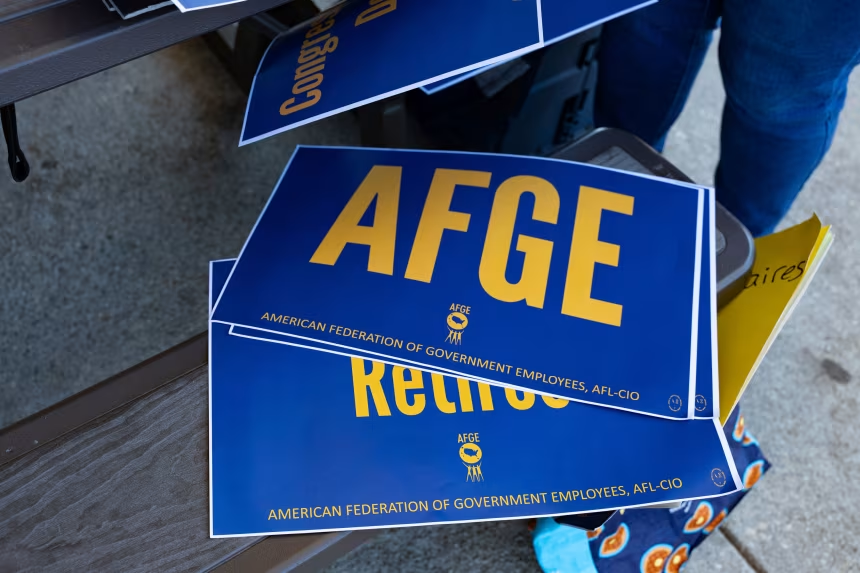
VA terminates key union contracts
Entities mentioned:
- Department of Veterans Affairs: Control, Efficiency, Professional pride
- President Donald Trump: Power, Control, Ambition
- VA Secretary Doug Collins: Duty, Efficiency, Control
- American Federation of Government Employees: Justice, Loyalty, Self-preservation
- National Nurses United: Justice, Professional pride, Duty
- Everett Kelley: Indignation, Justice, Loyalty
Article Assessment:
Credibility Score: 70/100
Bias Rating: 55/100 (Center)
Sentiment Score: 30/100
Authoritarianism Risk: 65/100 (Authoritarian Tendencies)
Bias Analysis:
The article presents perspectives from both the VA administration and union representatives, showing an attempt at balance. However, there's slightly more space given to union viewpoints and criticisms of the decision, suggesting a slight lean towards labor interests.
Key metric: Federal Employee Job Satisfaction and Morale
As a social scientist, I analyze that this decision to terminate union contracts at the VA will likely have significant negative impacts on federal employee job satisfaction and morale. The move represents a major shift in labor relations within the federal government, potentially weakening employee protections and collective bargaining power. This could lead to decreased job security, reduced benefits, and less favorable working conditions for VA employees. The administration's justification of improved efficiency and veteran care may be offset by potential declines in employee engagement and retention, which could ultimately affect the quality of services provided to veterans. The conflict between the administration's goals and union interests highlights a broader ideological divide on the role of public sector unions in government efficiency and employee rights.
- Read more about VA terminates key union contracts
- Log in to post comments