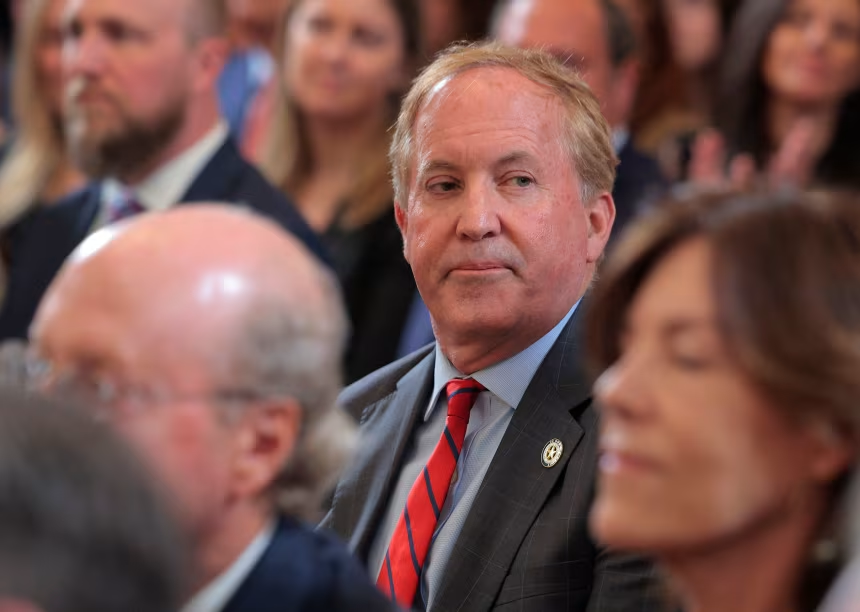
Ken Paxton’s long-distance quest for a Trump endorsement
Entities mentioned:
- Ken Paxton: Ambition, Power, Recognition
- Donald Trump: Influence, Power, Control
- John Cornyn: Self-preservation, Power, Loyalty
- John Thune: Unity, Control, Loyalty
- Wesley Hunt: Ambition, Loyalty, Recognition
- Republican Party: Power, Control, Unity
- Democratic Party: Power, Competitive spirit, Control
Article Assessment:
Credibility Score: 75/100
Bias Rating: 55/100 (Center)
Sentiment Score: 45/100
Bias Analysis:
The article presents multiple perspectives and includes information from various sources, including both Republican and Democratic viewpoints. While it focuses more on Republican internal dynamics, it maintains a relatively neutral tone in its reporting.
Key metric: Political Party Control of the US Senate
As a social scientist, I analyze that this article highlights the intense competition within the Republican Party for control of a key Senate seat in Texas. The pursuit of Trump's endorsement by both Paxton and Cornyn demonstrates the former president's continued influence in GOP politics. This intra-party conflict could potentially impact the Republican Party's ability to maintain control of the Senate in the 2026 midterms. The article suggests that a divisive primary could weaken the eventual Republican nominee, potentially giving Democrats an opportunity in a traditionally red state. This situation exemplifies how internal party dynamics and the influence of key political figures can have broader implications for national political outcomes.
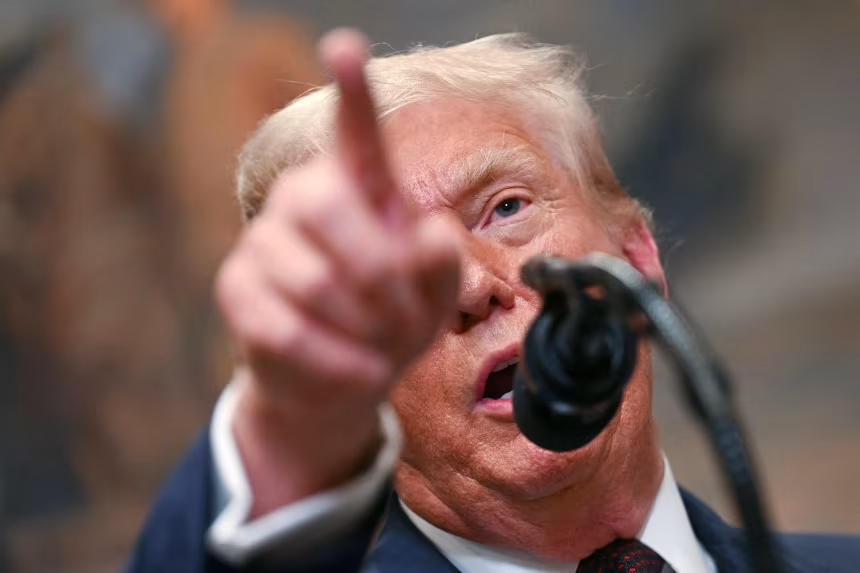
The Trump administration takes a very Orwellian turn
Entities mentioned:
- Donald Trump: Power, Control, Legacy
- Smithsonian Institution: Professional pride, Duty, Wariness
- Bureau of Labor Statistics: Professional pride, Duty, Independence
- Erika McEntarfer: Professional pride, Duty, Self-preservation
- Republican Senators: Duty, Wariness, Self-preservation
Article Assessment:
Credibility Score: 75/100
Bias Rating: 35/100 (Lean Left)
Sentiment Score: 25/100
Bias Analysis:
The article leans left in its framing, presenting Trump's actions in a negative light and emphasizing criticism. However, it includes multiple perspectives, including Republican senators' concerns, which adds balance.
Key metric: Government Institutional Integrity
As a social scientist, I analyze that this article highlights a concerning trend of political interference in historically independent government institutions. The removal of information about Trump's impeachments from the Smithsonian and the firing of the Bureau of Labor Statistics commissioner following unfavorable job reports suggest attempts to control historical narratives and economic data presentation. This behavior threatens the integrity and independence of key government institutions, potentially eroding public trust in official information and democratic processes. The pushback from some Republican senators indicates growing concern even within Trump's party about the long-term implications of such actions on governmental credibility and functionality.

Trump’s cynical bait-and-switch on IVF
Entities mentioned:
- Donald Trump: Power, Influence, Recognition
- Trump Administration: Control, Influence, Self-preservation
- Republican Party: Power, Control, Self-preservation
- JD Vance: Loyalty, Ambition, Influence
- Rand Paul: Righteousness, Skepticism, Professional pride
- Pharmaceutical Companies: Greed, Self-preservation, Power
- Insurance Companies: Greed, Self-preservation, Control
Article Assessment:
Credibility Score: 75/100
Bias Rating: 35/100 (Lean Left)
Sentiment Score: 30/100
Bias Analysis:
The article leans left, evidenced by its critical tone towards Trump and skepticism of his promises. However, it includes factual information and quotes from various sources, maintaining some balance despite an overall negative framing of Trump's actions.
Key metric: Healthcare Affordability
As a social scientist, I analyze that this article exposes a significant disconnect between Trump's campaign promises and actual policy implementation regarding IVF coverage. The lack of concrete action on making IVF more affordable or accessible, despite explicit promises, suggests a cynical political strategy rather than genuine policy intent. This discrepancy could potentially impact public trust in political promises and healthcare reform efforts. The article also highlights the complex intersection of healthcare policy, reproductive rights, and conservative values, demonstrating the challenges in implementing sweeping healthcare changes in a politically polarized environment.
- Read more about Trump’s cynical bait-and-switch on IVF
- Log in to post comments

Victim in Epstein case decries ‘political warfare’ in effort to release grand jury transcripts
Entities mentioned:
- Jeffrey Epstein victims: Justice, Self-preservation, Security
- Justice Department: Control, Duty, Obligation
- President Donald Trump: Self-preservation, Power, Control
- Judge Richard Berman: Justice, Duty, Obligation
- Attorney General Pam Bondi: Duty, Loyalty, Influence
- FBI: Duty, Control, Obligation
Article Assessment:
Credibility Score: 75/100
Bias Rating: 45/100 (Center)
Sentiment Score: 30/100
Bias Analysis:
The article presents multiple perspectives, including those of victims and various government entities, suggesting a relatively balanced approach. However, there is a slight lean towards criticism of the Trump administration's handling of the case, which is balanced by factual reporting of events and actions taken by different parties.
Key metric: Public Trust in Government Institutions
As a social scientist, I analyze that this article highlights a significant tension between victims' rights, government transparency, and political maneuvering in the high-profile Epstein case. The victims' frustration with the handling of sensitive information reflects a broader issue of trust in government institutions. The Justice Department's actions, including selective information sharing and subsequent withholding, suggest potential political motivations that could further erode public confidence. This case exemplifies the challenges in balancing victim protection, public interest, and political considerations in high-stakes legal matters. The apparent disconnect between victim concerns and government actions may contribute to a decline in public trust, particularly regarding the handling of cases involving powerful individuals.
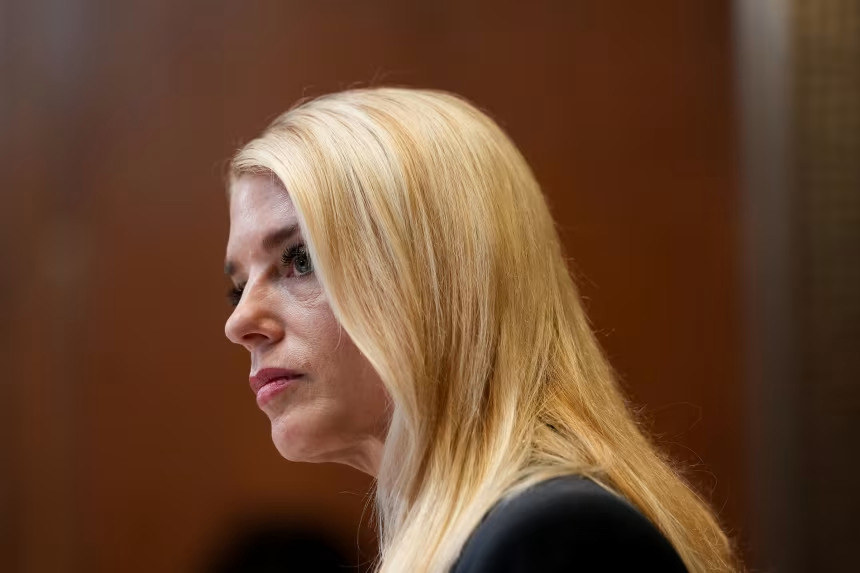
Attorney General Bondi orders prosecutors to start grand jury probe into Obama officials over Russia investigation
Entities mentioned:
- Attorney General Pam Bondi: Justice, Power, Loyalty
- Obama administration: Self-preservation, Legacy, Influence
- Donald Trump: Self-preservation, Power, Revenge
- Director of National Intelligence Tulsi Gabbard: Justice, Righteousness, Influence
- Hillary Clinton: Power, Ambition, Self-preservation
- Justice Department: Justice, Duty, Professional pride
Article Assessment:
Credibility Score: 65/100
Bias Rating: 55/100 (Center)
Sentiment Score: 30/100
Bias Analysis:
The article presents multiple viewpoints and includes context that challenges some of the claims made by key figures. However, the framing gives significant weight to allegations against the Obama administration without providing equal space for counterarguments.
Key metric: Government Trust and Stability
As a social scientist, I analyze that this development could significantly impact public trust in government institutions and overall political stability. The initiation of a grand jury investigation into former high-ranking officials, including a former president, over alleged abuse of power and manipulation of intelligence, represents a major escalation in political conflict. This action could further polarize the electorate, deepen existing divisions, and potentially undermine faith in the democratic process. The involvement of intelligence agencies and the Justice Department in what appears to be a politically charged investigation may also affect public perception of these institutions' independence and integrity. This situation could lead to increased skepticism about government transparency and the objectivity of intelligence assessments, particularly regarding foreign interference in elections.
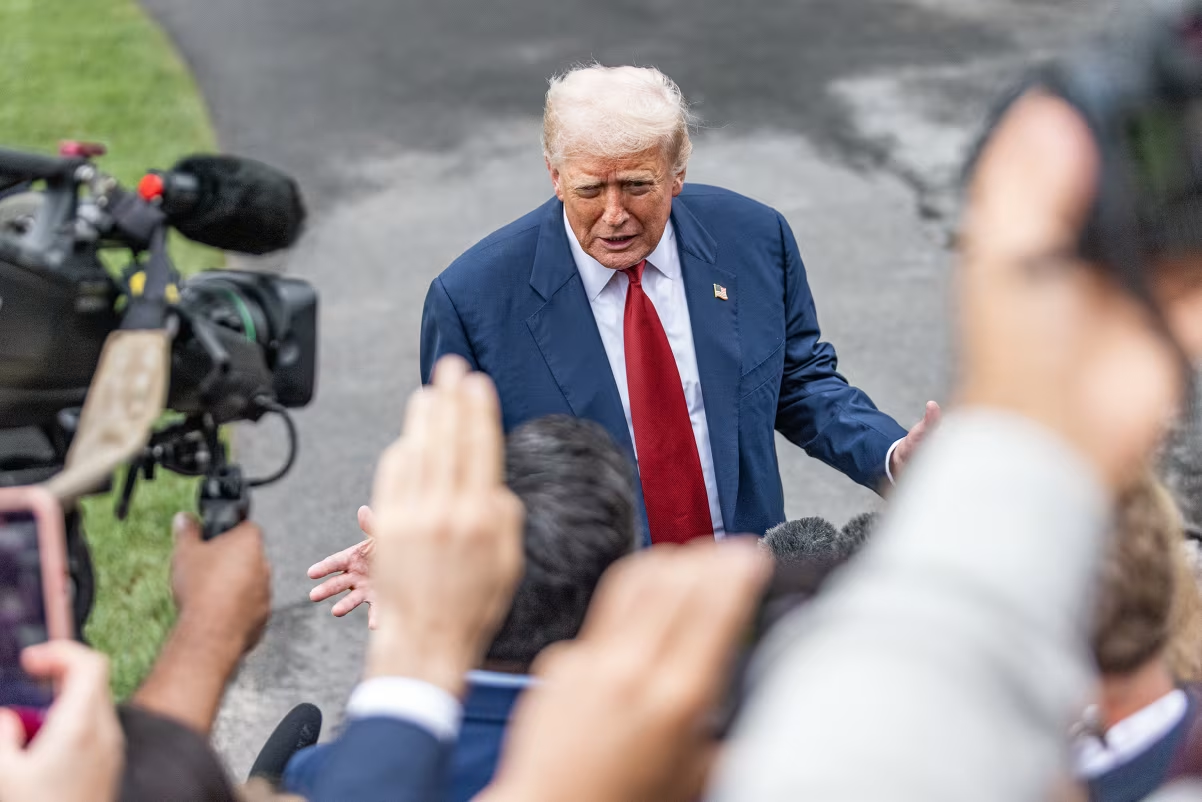
How Trump decided to fire a little-known statistician, sparking conspiracy theories about government data
Entities mentioned:
- Donald Trump: Control, Power, Self-preservation
- Erika McEntarfer: Professional pride, Duty, Integrity
- Joe Biden: Legacy, Influence
- Jerome Powell: Professional pride, Independence, Duty
- Sergio Gor: Loyalty, Influence, Power
- William Beach: Professional pride, Integrity, Concern
Article Assessment:
Credibility Score: 75/100
Bias Rating: 45/100 (Center)
Sentiment Score: 35/100
Bias Analysis:
The article presents multiple viewpoints, including Trump's justifications and criticisms from various sources. While it leans slightly critical of Trump's decision, it provides context and attempts to balance the narrative with official statements and opposing views.
Key metric: Economic Data Integrity
As a social scientist, I analyze that this incident significantly impacts the integrity and perception of US economic data. Trump's firing of McEntarfer, a career statistician, based on displeasure with economic figures, raises concerns about political interference in supposedly impartial government data. This action could erode public and market trust in crucial economic indicators, potentially affecting investment decisions, policy-making, and overall economic stability. The controversy highlights the tension between political interests and the need for objective, reliable economic data, which is vital for informed decision-making at all levels of the economy and government.

New non-profit law firm in DC aims to challenge Trump’s executive power
Entities mentioned:
- Washington Litigation Group: Justice, Righteousness, Duty
- Donald Trump: Power, Control, Ambition
- Tom Green: Justice, Duty, Professional pride
- Nathaniel Zelinsky: Justice, Professional pride, Duty
- James Pearce: Justice, Duty, Professional pride
- Mary Dohrmann: Justice, Duty, Professional pride
- Cathy Harris: Justice, Self-preservation, Professional pride
Article Assessment:
Credibility Score: 75/100
Bias Rating: 45/100 (Center)
Sentiment Score: 40/100
Bias Analysis:
The article presents a balanced view, including quotes from multiple perspectives within the new law firm. While it focuses on opposition to Trump's actions, it maintains a factual tone and includes neutral context about legal proceedings.
Key metric: Rule of Law Index
As a social scientist, I analyze that this article highlights a significant development in the U.S. legal landscape, with potential implications for the balance of power between the executive branch and other government institutions. The formation of the Washington Litigation Group, comprised of experienced legal professionals, signals a organized effort to challenge perceived overreach of executive power. This development could impact the Rule of Law Index, as it represents a systemic response to maintain checks and balances. The firm's focus on issues such as unlawful removal of civil servants and agency dissolution suggests a concern for the stability of government institutions and the preservation of established legal norms. The involvement of former government employees, including those who lost their jobs under the current administration, adds a layer of complexity to the situation, potentially influencing public perception of government accountability and transparency.

How Texas’ redistricting effort is having major implications across the US
Entities mentioned:
- Texas Legislature: Power, Control, Competitive spirit
- Texas House Democrats: Justice, Self-preservation, Determination
- Gov. Greg Abbott: Power, Control, Ambition
- President Donald Trump: Power, Influence, Legacy
- Democratic Governors: Retaliation, Power, Competitive spirit
- Beto O'Rourke: Loyalty, Unity, Justice
Article Assessment:
Credibility Score: 75/100
Bias Rating: 55/100 (Center)
Sentiment Score: 35/100
Bias Analysis:
The article presents multiple perspectives, including those of Republicans and Democrats, and cites specific data points. However, there's slightly more emphasis on Democratic responses and potential consequences for Republicans, suggesting a slight center-left lean.
Key metric: Political Polarization Index
As a social scientist, I analyze that this redistricting effort in Texas is likely to significantly increase political polarization across the United States. The aggressive redrawing of congressional districts to favor one party over another undermines the principles of fair representation and exacerbates partisan tensions. The retaliatory actions being considered by Democratic governors in other states suggest a potential escalation of gerrymandering nationwide, which could further entrench political divisions and reduce the number of competitive districts. This situation may lead to more extreme candidates being elected, less bipartisan cooperation, and increased gridlock in Congress. The use of tactics such as lawmakers fleeing the state to prevent quorum also indicates a breakdown in normal legislative processes, potentially eroding public trust in democratic institutions.
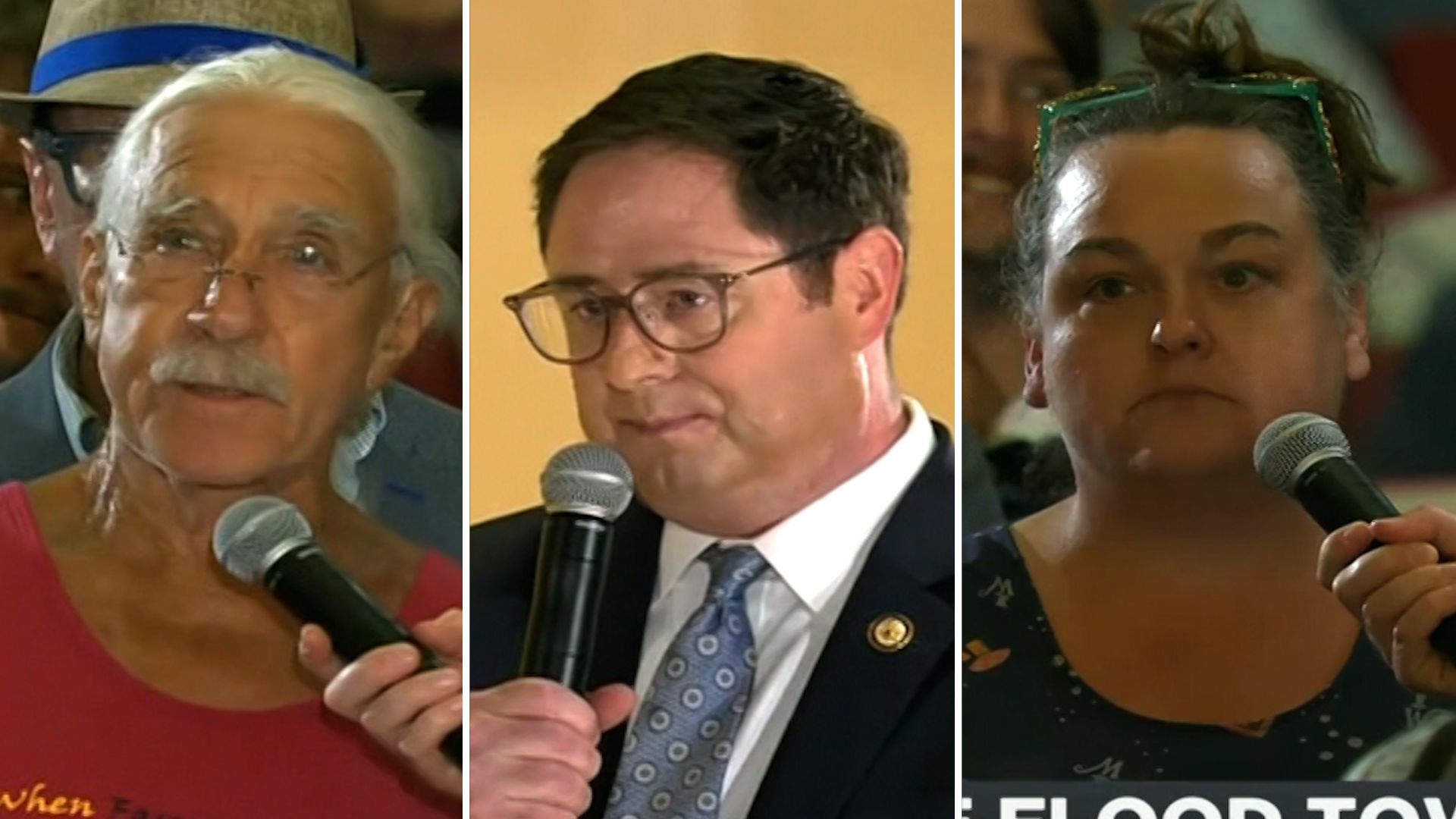
‘How much does it cost for fascism?’: Tensions erupt at Nebraska GOP congressman’s town hall
Entities mentioned:
- Rep. Mike Flood: Duty, Loyalty, Self-preservation
- President Donald Trump: Power, Control, Legacy
- National Republican Congressional Committee: Influence, Control, Unity
- Sen. Elissa Slotkin: Justice, Moral outrage, Duty
- Rep. Adam Smith: Duty, Self-preservation, Professional pride
Article Assessment:
Credibility Score: 75/100
Bias Rating: 45/100 (Center)
Sentiment Score: 35/100
Bias Analysis:
The article presents multiple viewpoints and includes perspectives from both Republican and Democratic politicians. While it gives more space to criticism of Republican policies, it also includes counterarguments and attempts to balance the narrative.
Key metric: Public Trust in Government
As a social scientist, I analyze that this article highlights the growing tension between elected officials and their constituents, particularly regarding controversial policies and perceived threats to democracy. The contentious town halls, especially Rep. Flood's, demonstrate a significant divide between Republican representatives supporting Trump's agenda and a vocal portion of their constituents. This disconnect, coupled with concerns over authoritarianism and government spending, suggests a potential decline in public trust in government. The article also touches on bipartisan concerns regarding presidential pardon powers, further indicating a broader issue of faith in governmental systems and checks and balances.

Laura Loomer has the White House scrambling again — and she’s far from finished
Entities mentioned:
- Laura Loomer: Influence, Loyalty, Power
- Donald Trump: Power, Loyalty, Control
- White House: Control, Self-preservation, Influence
- Vinay Prasad: Professional pride, Self-preservation, Duty
- Susie Wiles: Control, Duty, Self-preservation
- Robert F. Kennedy Jr.: Ambition, Influence, Power
Article Assessment:
Credibility Score: 70/100
Bias Rating: 55/100 (Center)
Sentiment Score: 30/100
Bias Analysis:
The article presents multiple viewpoints and includes direct quotes from various sources, including Loomer herself. However, there's a slight lean towards portraying Loomer's actions as disruptive, which may indicate a subtle centrist or slight left-of-center perspective.
Key metric: Government Stability and Effectiveness
As a social scientist, I analyze that this article highlights a significant disruption in the normal functioning of government institutions. Laura Loomer's unofficial yet influential role in personnel decisions undermines established vetting processes and introduces instability into key government positions. This can lead to decreased effectiveness of government agencies, potential policy inconsistencies, and a climate of fear among officials. The frequent turnover and loyalty-based appointments, rather than merit-based selections, may result in less qualified individuals in crucial roles, potentially impacting the quality of governance and policy implementation. Furthermore, the external influence on internal government affairs raises questions about the autonomy and integrity of administrative processes, which could erode public trust in government institutions.