
Airman charged in fatal firearm incident at Wyoming Air Force Base
Entities mentioned:
- US airman (unnamed): Self-preservation, Fear, Obligation
- Airman Brayden Lovan: Duty, Loyalty, Professional pride
- Air Force: Security, Justice, Duty
- Air Force Global Strike Command: Security, Professional pride, Duty
- Sig Sauer: Professional pride, Cooperation, Self-preservation
- Col. Jeremy Sheppard: Duty, Recognition, Loyalty
Article Assessment:
Credibility Score: 75/100
Bias Rating: 50/100 (Center)
Sentiment Score: 30/100
Authoritarianism Risk: 35/100 (Generally Democratic)
Bias Analysis:
The article presents a balanced account of the incident, providing statements from multiple official sources without apparent partisan slant. It refrains from speculation and emphasizes the presumption of innocence, indicating a neutral stance.
Key metric: Military Readiness and Safety
As a social scientist, I analyze that this incident significantly impacts US military readiness and safety protocols. The fatal discharge of a firearm on an Air Force base raises serious questions about training, equipment safety, and adherence to protocols. The charging of an airman with obstruction of justice suggests potential systemic issues in reporting and accountability. The Air Force's decision to pause the use of M18 handguns indicates a proactive approach to safety but may temporarily affect operational readiness. This event could lead to broader reviews of firearms handling procedures and safety measures across military branches, potentially resulting in policy changes and increased training requirements. The incident also highlights the risks associated with routine duties in non-combat settings, which could impact recruitment, retention, and public perception of military service safety.

References to Trump’s impeachments are reinstalled at Smithsonian exhibit — with some slight but crucial changes
Entities mentioned:
- Smithsonian Institution: Professional pride, Duty, Wariness
- Donald Trump: Power, Self-preservation, Influence
- National Museum of American History: Duty, Professional pride, Obligation
- Bill Clinton: Legacy, Self-preservation
- Andrew Johnson: Legacy, Self-preservation
- Richard Nixon: Legacy, Self-preservation
Article Assessment:
Credibility Score: 75/100
Bias Rating: 45/100 (Center)
Sentiment Score: 45/100
Authoritarianism Risk: 30/100 (Generally Democratic)
Bias Analysis:
The article presents a balanced view of the situation, including both the initial removal and subsequent reinstallation of the exhibit. It quotes directly from the Smithsonian's statement, providing their perspective, while also detailing the changes made to the exhibit text.
Key metric: Public Trust in Institutions
As a social scientist, I analyze that this article highlights the delicate balance between historical accuracy, public perception, and political pressure in curating national exhibits. The Smithsonian's decision to reinstall and modify the Trump impeachment display reflects a struggle to maintain objectivity while navigating a politically charged atmosphere. The changes in language, such as adding 'alleged' and removing certain claims, suggest an attempt to present a more neutral stance. This incident underscores the challenges faced by public institutions in preserving historical record while remaining sensitive to current political climates. The public outcry and subsequent modifications demonstrate the high stakes involved in presenting recent, controversial history, and how it can impact public trust in cultural institutions.

Trump administration seeking $1 billion settlement from UCLA
Entities mentioned:
- Trump administration: Control, Power, Influence
- University of California, Los Angeles (UCLA): Self-preservation, Professional pride, Freedom
- Julio Frenk: Duty, Concern, Professional pride
- James B. Milliken: Duty, Self-preservation, Righteousness
- Department of Justice: Control, Power, Justice
- Donald Trump: Power, Control, Influence
- Scott Wiener: Moral outrage, Righteousness, Unity
Article Assessment:
Credibility Score: 75/100
Bias Rating: 45/100 (Center)
Sentiment Score: 30/100
Authoritarianism Risk: 65/100 (Authoritarian Tendencies)
Bias Analysis:
The article presents multiple viewpoints, including those of the Trump administration, UCLA officials, and state representatives. While it leans slightly critical of the administration's actions, it provides context and balanced reporting on the situation.
Key metric: Higher Education Funding and Policy
As a social scientist, I analyze that this article highlights a significant conflict between the Trump administration and UCLA, representing a broader clash over higher education policies and funding. The administration's aggressive approach, including funding freezes and demands for substantial settlements, appears to be part of a larger strategy to reshape higher education policies, particularly around issues of diversity, protests, and gender-related matters. This conflict has potential far-reaching implications for academic freedom, research funding, and the autonomy of public universities. The scale of the proposed settlement and the specific policy changes demanded suggest an attempt to exert federal control over university operations and policies, which could set a precedent for other institutions. The resistance from UCLA and California state officials indicates a strong pushback against what they perceive as federal overreach, highlighting tensions between state and federal governance in education.

Trump administration targets Harvard’s patents
Entities mentioned:
- Trump administration: Control, Power, Influence
- Harvard University: Self-preservation, Professional pride, Influence
- Howard Lutnick: Duty, Control, Influence
- Alan Garber: Self-preservation, Professional pride, Duty
- Linda McMahon: Duty, Influence, Competitive spirit
Article Assessment:
Credibility Score: 75/100
Bias Rating: 55/100 (Center)
Sentiment Score: 35/100
Authoritarianism Risk: 65/100 (Authoritarian Tendencies)
Bias Analysis:
The article presents multiple viewpoints and cites specific actions and statements, indicating an attempt at balanced reporting. However, there's a slight tilt towards framing the situation as the Trump administration pressuring Harvard, rather than an equal exploration of both sides' perspectives.
Key metric: Federal Research Funding
As a social scientist, I analyze that this article reveals a significant escalation in tensions between the Trump administration and Harvard University, primarily centered around federal research funding and intellectual property rights. The administration's actions, including the threat of invoking the 'march-in' process under the Bayh-Dole Act, represent a substantial pressure tactic that could have far-reaching implications for academic research and university autonomy. This conflict is part of a broader pattern of the administration's approach to elite educational institutions, which includes freezing federal funding and restrictions on international students. The situation highlights the complex relationship between government, academia, and intellectual property in the United States, and raises questions about the balance of power between federal authorities and educational institutions. The mention of recent agreements with other universities suggests that the administration is using a carrot-and-stick approach, potentially aiming to reshape the landscape of federally funded research and the autonomy of universities in managing their intellectual property and student services.
- Read more about Trump administration targets Harvard’s patents
- Log in to post comments

Trump orders surge in federal law enforcement in DC
Entities mentioned:
- Donald Trump: Control, Power, Security
- White House: Control, Security, Influence
- Federal law enforcement agencies: Duty, Security, Control
- DC Mayor Muriel Bowser: Self-preservation, Wariness, Control
- Del. Eleanor Holmes Norton: Indignation, Justice, Self-respect
Article Assessment:
Credibility Score: 75/100
Bias Rating: 55/100 (Center)
Sentiment Score: 35/100
Authoritarianism Risk: 70/100 (Authoritarian Tendencies)
Bias Analysis:
The article presents multiple viewpoints, including the administration's stance and opposing views from local officials. However, there's slightly more emphasis on the administration's actions and justifications, with less space given to critiques.
Key metric: Crime Rate in Washington, DC
As a social scientist, I analyze that this article highlights a significant federal intervention in local law enforcement, potentially impacting the balance of power between federal and local authorities. The increased federal presence, despite reported decreases in crime rates, suggests political motivations beyond public safety concerns. This action may strain federal-local relations and raise questions about the autonomy of DC's local government. The discrepancy between the administration's actions and the reported crime statistics indicates a possible disconnect between policy decisions and empirical data, which could affect public trust in both federal and local institutions.
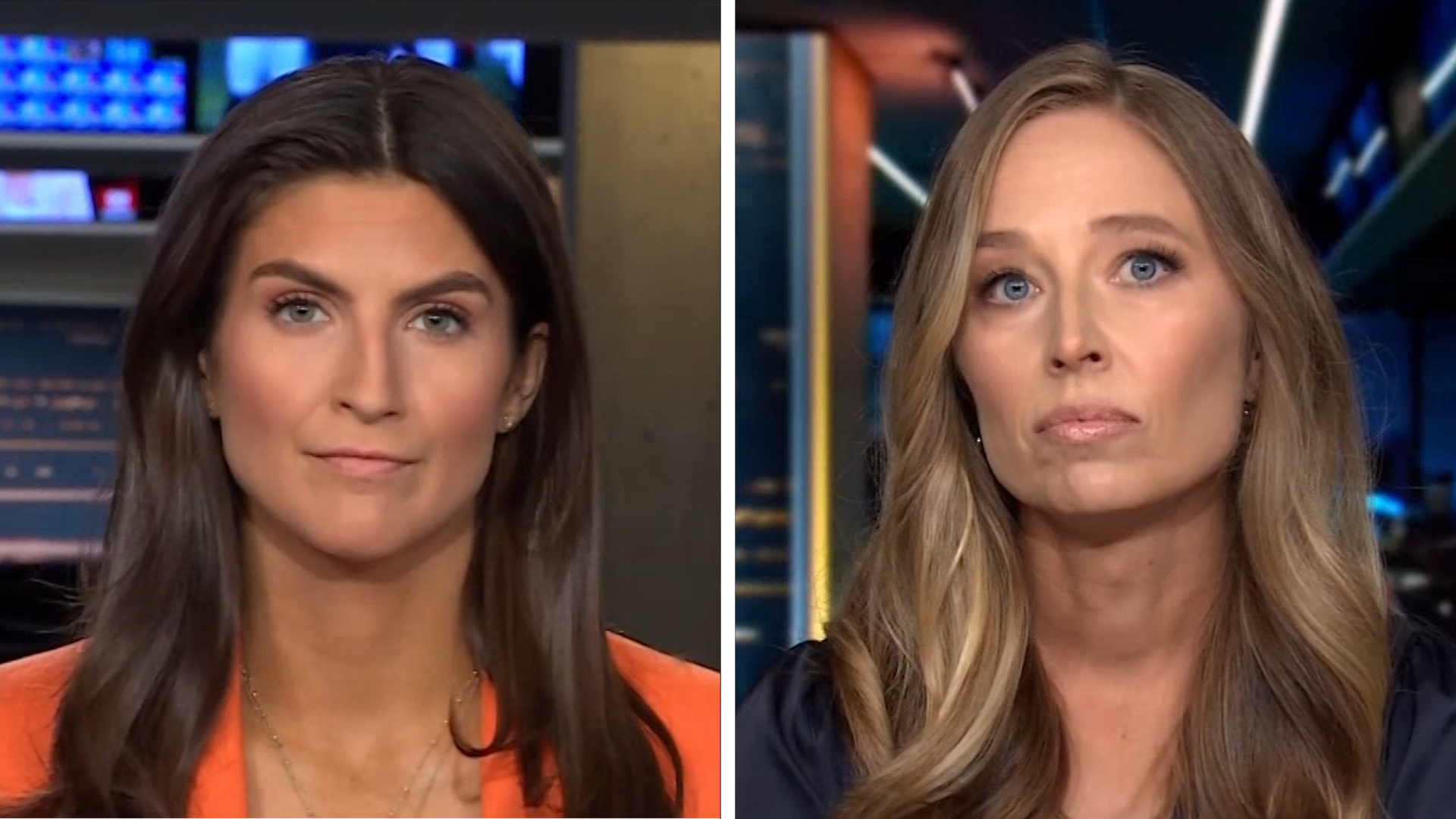
Epstein victims are a growing political threat to Trump
Entities mentioned:
- Jeffrey Epstein: Power, Control, Greed
- Donald Trump: Self-preservation, Power, Control
- Epstein victims: Justice, Recognition, Self-respect
- Pam Bondi: Loyalty, Duty, Self-preservation
- Ghislaine Maxwell: Self-preservation, Loyalty, Control
- Virginia Giuffre: Justice, Recognition, Self-respect
- Sky Roberts: Justice, Moral outrage, Recognition
- JD Vance: Loyalty, Ambition, Self-preservation
- Kash Patel: Loyalty, Duty, Self-preservation
- Annie Farmer: Justice, Recognition, Moral outrage
- Todd Blanche: Duty, Loyalty, Self-preservation
- Jennifer Freeman: Justice, Moral outrage, Professional pride
Article Assessment:
Credibility Score: 75/100
Bias Rating: 35/100 (Lean Left)
Sentiment Score: 25/100
Authoritarianism Risk: 45/100 (Mixed/Neutral)
Bias Analysis:
The article leans left, evidenced by its critical tone towards the Trump administration and sympathetic portrayal of Epstein's victims. While it presents factual information, the framing and language choices suggest a skeptical view of the administration's handling of the situation.
Key metric: Public Trust in Government Institutions
As a social scientist, I analyze that this article highlights a significant tension between political self-preservation and the pursuit of justice for victims of sexual abuse. The handling of the Epstein case by the Trump administration appears to prioritize political damage control over transparency and justice for the victims. This approach risks further eroding public trust in government institutions, particularly the Department of Justice. The victims' increasing vocalization and media attention could potentially shift public opinion and apply pressure on the administration to take more substantive action. The article suggests a growing political threat to Trump from the Epstein victims, which could impact his support base and overall public perception. The lack of representation of survivors in high-level meetings and the administration's apparent focus on political maneuvering rather than addressing victims' concerns indicate a disconnect between government actions and public expectations for justice and accountability.
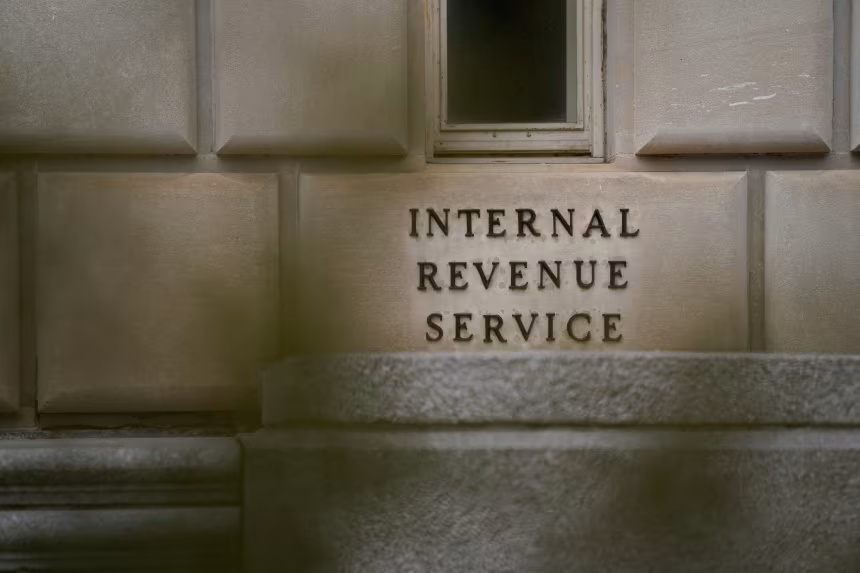
IRS begins sharing sensitive taxpayer data with immigration authorities to find undocumented migrants
Entities mentioned:
- Internal Revenue Service (IRS): Duty, Obligation, Wariness
- Department of Homeland Security (DHS): Control, Security, Determination
- President Donald Trump: Power, Control, Influence
- Treasury Department: Duty, Obligation, Cooperation
- Immigration and Customs Enforcement (ICE): Control, Security, Determination
- White House: Power, Control, Influence
- Billy Long: Professional pride, Duty
- Undocumented immigrants: Self-preservation, Security, Fear
Article Assessment:
Credibility Score: 75/100
Bias Rating: 55/100 (Center)
Sentiment Score: 35/100
Authoritarianism Risk: 65/100 (Authoritarian Tendencies)
Bias Analysis:
The article presents multiple perspectives, including government actions and potential impacts on immigrants. While it leans slightly critical of the policy, it includes official statements and balancing viewpoints, maintaining a relatively centrist approach.
Key metric: Immigration Enforcement Effectiveness
As a social scientist, I analyze that this data-sharing initiative between the IRS and DHS represents a significant shift in immigration enforcement strategy. The collaboration aims to enhance the government's ability to locate and potentially deport undocumented immigrants, which could substantially impact the Immigration Enforcement Effectiveness metric. However, the initial results (less than 5% match rate) suggest limited immediate effectiveness. This approach may have unintended consequences, such as eroding trust in the IRS among immigrant communities and potentially reducing voluntary tax compliance. The policy also raises ethical concerns about the use of sensitive tax information for purposes beyond its original intent, which could have broader implications for citizen privacy and government data use.
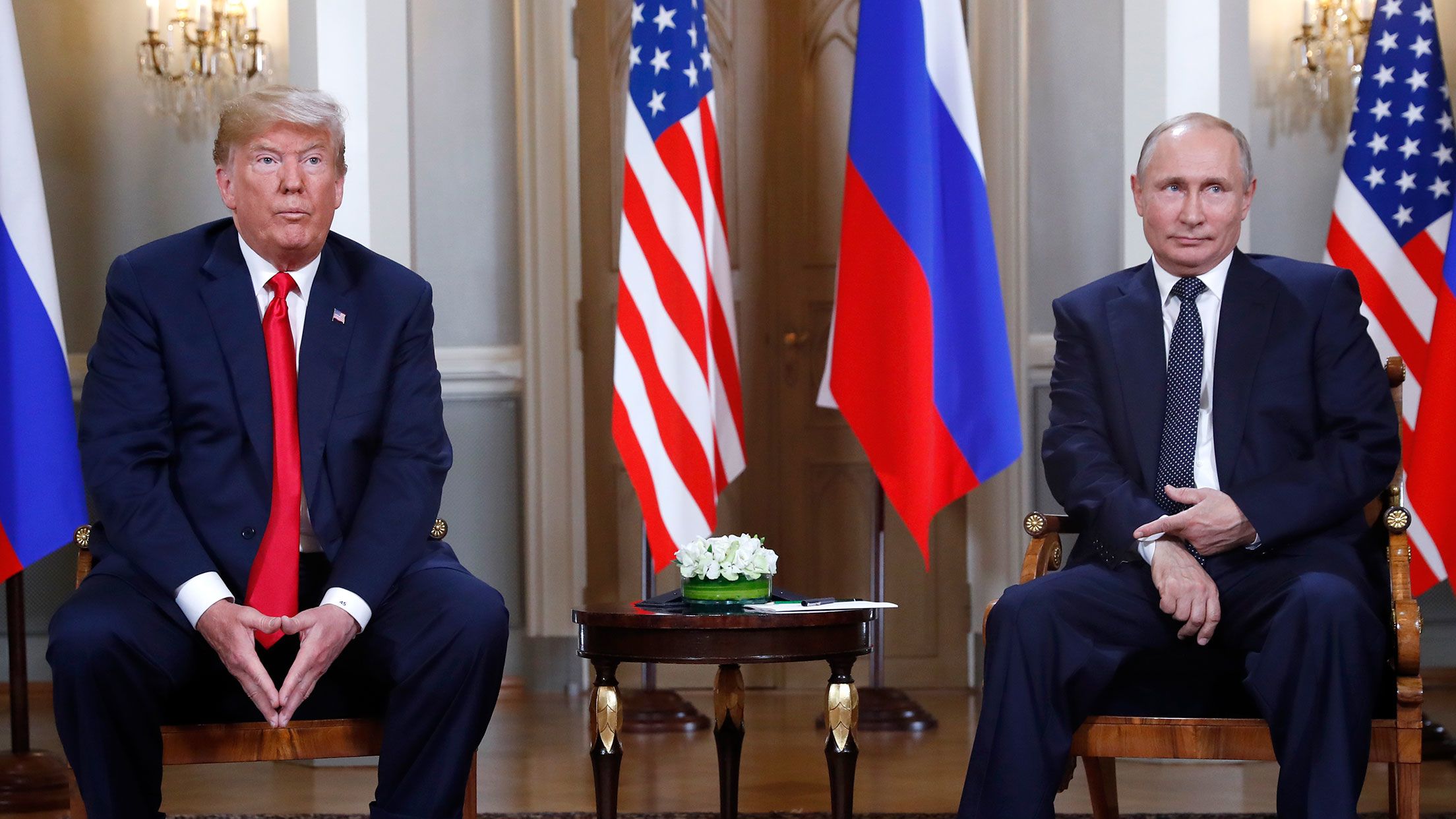
Trump says he’ll meet Putin in Alaska next week
Entities mentioned:
- Donald Trump: Ambition, Power, Legacy
- Vladimir Putin: Power, Control, Influence
- Volodymyr Zelensky: Determination, Loyalty, Self-preservation
- Steve Witkoff: Duty, Influence, Obligation
- Marco Rubio: Duty, Influence, Professional pride
- Yury Ushakov: Duty, Loyalty, Professional pride
Article Assessment:
Credibility Score: 75/100
Bias Rating: 45/100 (Center)
Sentiment Score: 45/100
Authoritarianism Risk: 55/100 (Mixed/Neutral)
Bias Analysis:
The article presents multiple viewpoints and sources, including Trump, Putin, Zelensky, and European officials. It maintains a relatively neutral tone, though it does highlight some concerns about the proposed peace deal.
Key metric: International Relations and Diplomacy
As a social scientist, I analyze that this article highlights a significant shift in US-Russia relations and potential global geopolitical dynamics. The proposed meeting between Trump and Putin, along with the suggested peace deal for Ukraine, could have far-reaching implications for international diplomacy, territorial sovereignty, and the balance of power in Eastern Europe. The article reveals complex negotiations involving multiple stakeholders, each with their own motivations and constraints. The potential territorial concessions from Ukraine are particularly contentious and could set a dangerous precedent for future conflicts. The article also underscores the tensions between realpolitik approaches to conflict resolution and principles of national sovereignty and international law.

Paxton and Cornyn, facing off for Senate, use their official powers in Texas redistricting fight
Entities mentioned:
- Ken Paxton: Power, Ambition, Control
- John Cornyn: Power, Competitive spirit, Self-preservation
- Texas House Democrats: Justice, Righteousness, Determination
- Greg Abbott: Control, Power, Determination
- Beto O'Rourke: Justice, Influence, Recognition
- Dustin Burrows: Control, Duty, Determination
Article Assessment:
Credibility Score: 75/100
Bias Rating: 55/100 (Center)
Sentiment Score: 30/100
Authoritarianism Risk: 65/100 (Authoritarian Tendencies)
Bias Analysis:
The article presents perspectives from both Republican and Democratic sides, quoting various officials. While it gives slightly more space to Republican actions, it also includes Democratic responses, maintaining a relatively balanced approach.
Key metric: Political Polarization Index
As a social scientist, I analyze that this article highlights the intensifying political polarization in Texas, particularly surrounding the redistricting issue. The use of official powers by both Republican and Democratic figures to pressure or support the absent Democrats demonstrates an escalation of partisan tactics. This situation likely increases the Political Polarization Index by showcasing the widening gap between parties and the willingness to use extraordinary measures to achieve political goals. The involvement of federal agencies (FBI) in a state matter further emphasizes the nationalization of local political disputes, potentially exacerbating divisions. The article also illustrates how this conflict is shaping future political races, suggesting long-term impacts on partisan dynamics in Texas and potentially nationally.
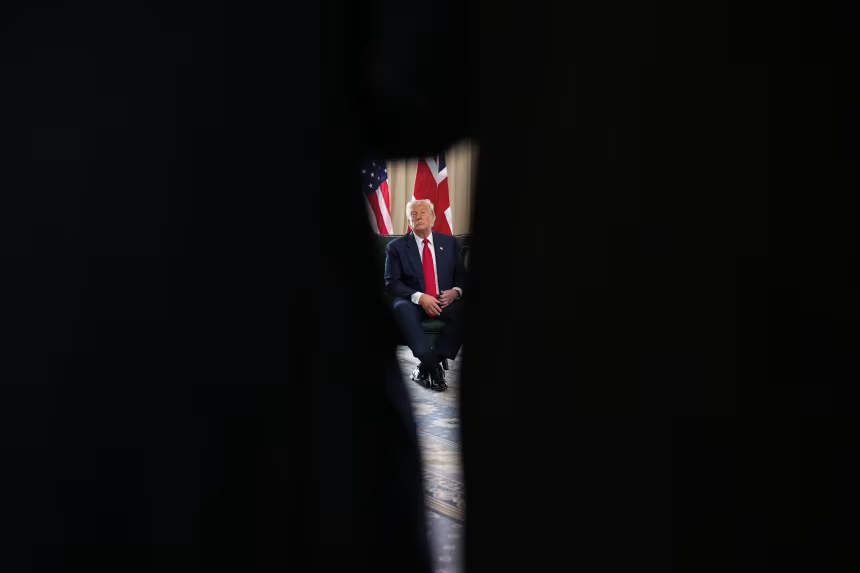
Trump’s legal retribution tour is getting more blatant
Entities mentioned:
- Donald Trump: Revenge, Power, Control
- Pam Bondi: Loyalty, Duty, Ambition
- Letitia James: Justice, Determination, Professional pride
- Adam Schiff: Justice, Duty, Moral outrage
- Barack Obama: Legacy, Duty, Self-preservation
- James Comey: Duty, Justice, Self-preservation
- John Brennan: Duty, Professional pride, Self-preservation
- Liz Cheney: Duty, Moral outrage, Justice
- Eugene Vindman: Duty, Moral outrage, Justice
- Alexander Vindman: Duty, Moral outrage, Justice
- Jack Smith: Justice, Duty, Professional pride
- Miles Taylor: Moral outrage, Duty, Justice
- Christopher Krebs: Duty, Professional pride, Justice
Article Assessment:
Credibility Score: 70/100
Bias Rating: 35/100 (Lean Left)
Sentiment Score: 25/100
Authoritarianism Risk: 65/100 (Authoritarian Tendencies)
Bias Analysis:
The article leans left in its framing, presenting Trump's actions in a critical light. While it presents factual information, the tone and selection of examples suggest a skeptical view of the Trump administration's motivations.
Key metric: Rule of Law Index
As a social scientist, I analyze that this article highlights a concerning pattern of potential retaliatory legal actions against individuals who have previously investigated or criticized former President Trump. This systematic targeting of political opponents and investigators through the legal system poses a significant threat to the Rule of Law Index in the United States. Such actions can erode public trust in the justice system, discourage whistleblowers and investigators from coming forward, and potentially lead to a chilling effect on political dissent. The apparent use of legal mechanisms for political retaliation undermines the principle of equal application of the law and suggests a troubling trend towards weaponizing the justice system for personal or political gain. This could have long-lasting implications for the strength and independence of democratic institutions in the country.