
Vance visits US troops during high-stakes UK trip ahead of Trump's Putin meeting
Entities mentioned:
- JD Vance: Duty, Influence, Loyalty
- Donald Trump: Power, Control, Legacy
- Vladimir Putin: Power, Control, Self-preservation
- David Lammy: Duty, Cooperation, Security
- U.S. Military: Duty, Security, Professional pride
- European allies: Security, Cooperation, Self-preservation
- Ukraine: Self-preservation, Freedom, Justice
Article Assessment:
Credibility Score: 75/100
Bias Rating: 55/100 (Center)
Sentiment Score: 45/100
Authoritarianism Risk: 35/100 (Generally Democratic)
Bias Analysis:
The article presents a relatively balanced view, incorporating multiple perspectives and sources. However, there's a slight lean towards emphasizing the Trump administration's viewpoint, particularly in quoting Trump and Vance directly.
Key metric: International Relations and Diplomacy
As a social scientist, I analyze that this article highlights the complex interplay of international diplomacy, military strategy, and geopolitical tensions surrounding the ongoing Ukraine conflict. Vice President Vance's trip to the UK serves multiple purposes: reinforcing US-UK relations, pressuring European allies to take greater responsibility in the Ukraine conflict, and setting the stage for President Trump's meeting with Putin. The shift in Trump's rhetoric towards Putin suggests a potential recalibration of US-Russia relations. The article also underscores the significant financial commitment the US has made to Ukraine, and the administration's apparent desire to reduce this burden. This diplomatic maneuvering could have far-reaching implications for NATO alliance dynamics, the future of the Ukraine conflict, and the balance of power in Eastern Europe.
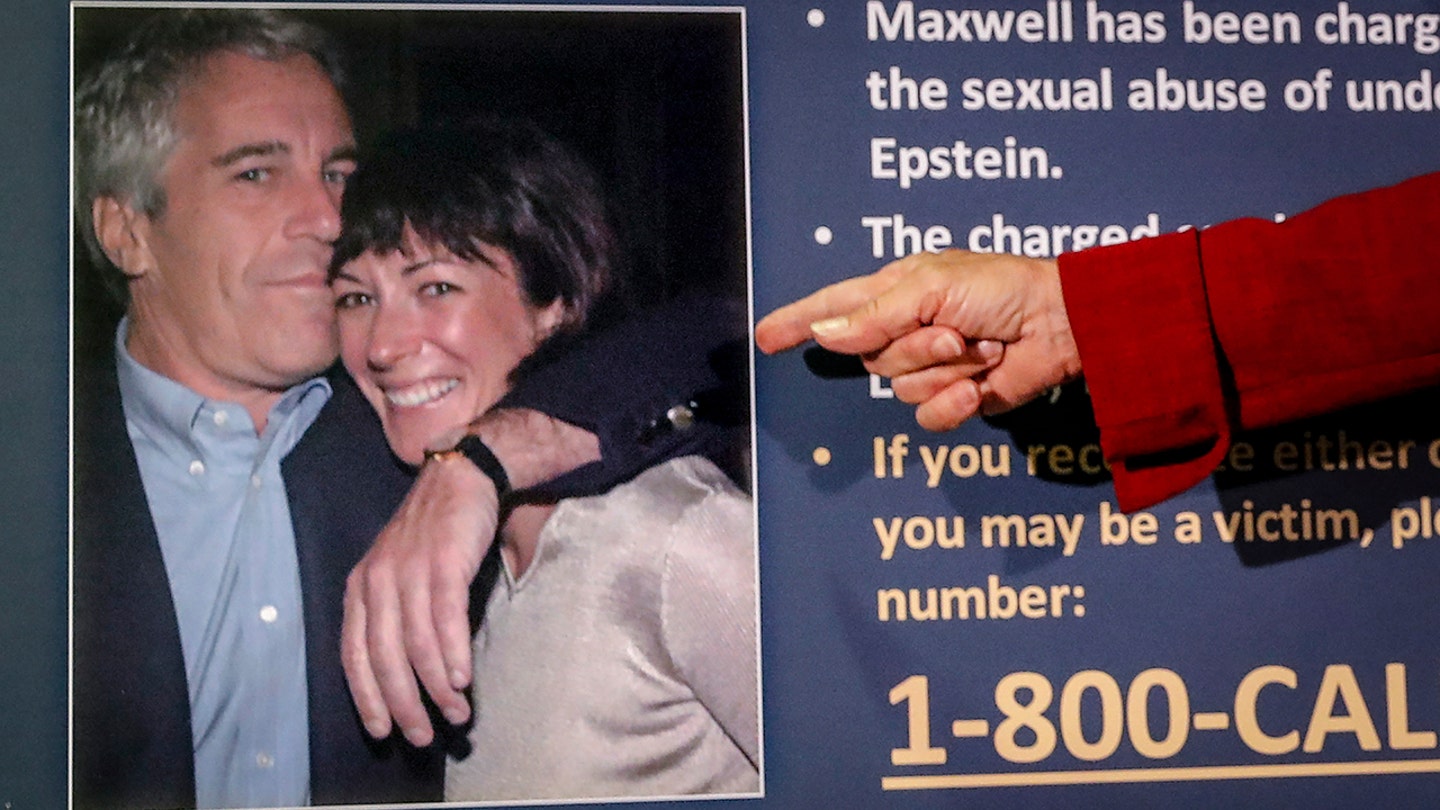
House Democrat presses DOJ on Ghislaine Maxwell prison transfer, meeting with top official
Entities mentioned:
- Rep. Jamie Raskin: Justice, Righteousness, Duty
- Ghislaine Maxwell: Self-preservation, Freedom, Control
- Department of Justice: Control, Obligation, Professional pride
- Trump administration: Power, Self-preservation, Control
- Attorney General Pam Bondi: Duty, Professional pride, Loyalty
- Bureau of Prisons Director William K. Marshall III: Duty, Professional pride, Control
- Deputy Attorney General Todd Blanche: Loyalty, Power, Influence
- House Judiciary Committee: Justice, Duty, Oversight
- House Oversight Committee: Justice, Duty, Oversight
Article Assessment:
Credibility Score: 70/100
Bias Rating: 35/100 (Lean Left)
Sentiment Score: 30/100
Authoritarianism Risk: 55/100 (Mixed/Neutral)
Bias Analysis:
The article leans left, focusing on Democratic concerns and potential Trump administration wrongdoing. While it presents factual information, the framing and emphasis on Democratic perspectives suggest a left-leaning bias.
Key metric: Government Accountability and Transparency
As a social scientist, I analyze that this article highlights potential issues in the justice system and government accountability. The unusual transfer of Ghislaine Maxwell to a minimum-security prison and her meeting with a former Trump lawyer raise questions about preferential treatment and possible attempts to influence testimony. This situation could significantly impact public trust in government institutions and the fairness of the justice system. The congressional inquiry led by Rep. Raskin represents an attempt to maintain oversight and transparency, which are crucial for democratic processes. However, the implications of potential interference in legal proceedings and witness treatment could have far-reaching consequences for the integrity of the justice system and the separation of powers.
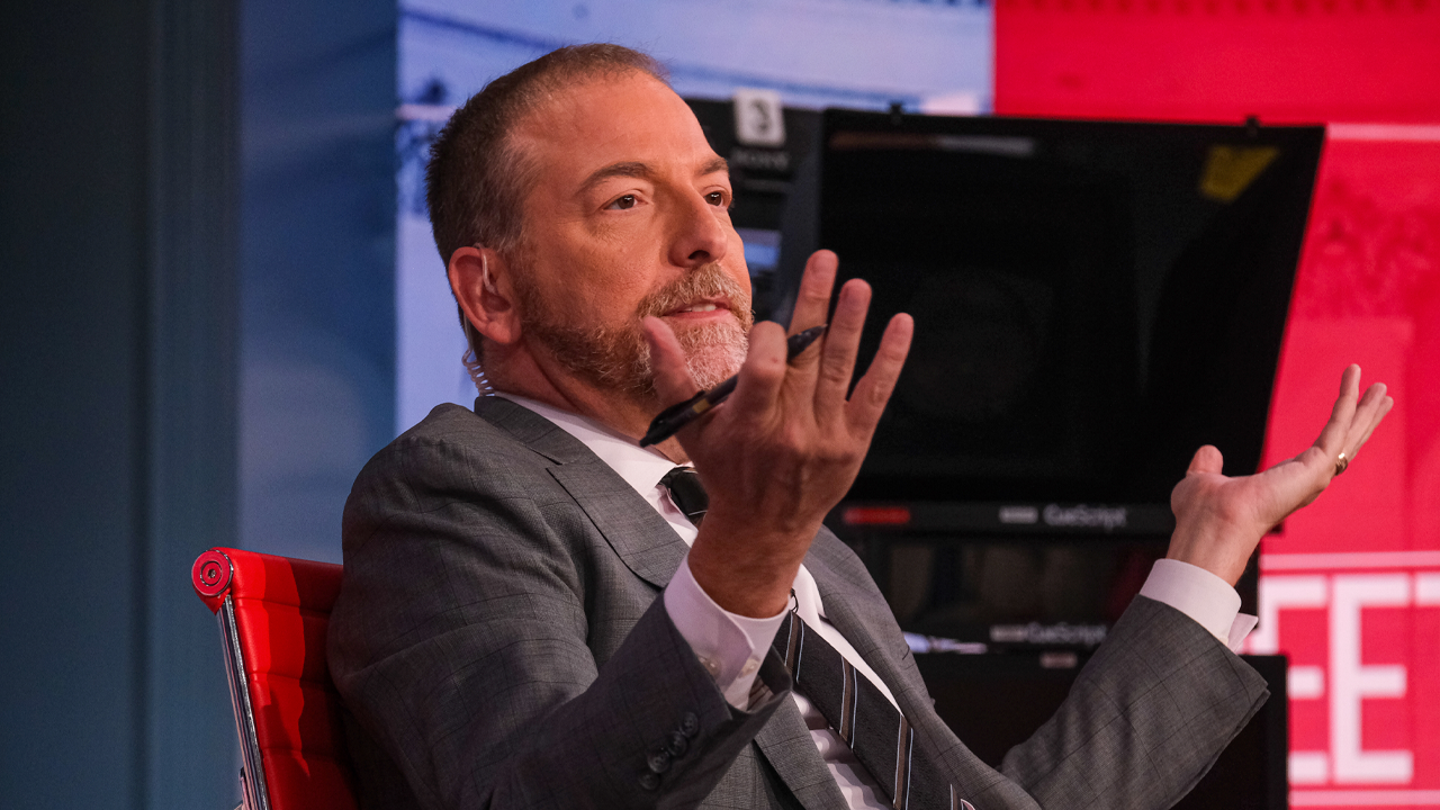
Chuck Todd warns that Dems are falling into Trump’s trap, 'taking the bait' on redistricting
Entities mentioned:
- Chuck Todd: Professional pride, Duty, Wariness
- Democrats: Power, Justice, Revenge
- Republicans: Power, Control, Self-preservation
- Donald Trump: Power, Control, Influence
- Beto O'Rourke: Ambition, Power, Justice
Article Assessment:
Credibility Score: 70/100
Bias Rating: 55/100 (Center)
Sentiment Score: 25/100
Authoritarianism Risk: 35/100 (Generally Democratic)
Bias Analysis:
The article presents criticism of both Democrats and Republicans, showing a relatively balanced approach. However, there's slightly more focus on Democratic actions and responses, which may indicate a subtle center-right lean.
Key metric: Political Polarization Index
As a social scientist, I analyze that this article highlights the increasing political polarization in the United States, particularly in the context of redistricting efforts. Chuck Todd's warnings about Democrats 'taking the bait' and engaging in 'revenge redistricting' suggest a cycle of escalating partisan tactics. This behavior, according to Todd, plays into Trump's strategy of normalizing unethical political practices. The comparison to historical periods of extreme division (1850s America, 1930s Germany) further emphasizes the perceived gravity of the current political climate. The article suggests that both major parties are prioritizing power over principles, potentially eroding democratic norms and institutions. This escalation of partisan tactics in redistricting could lead to further entrenchment of political divisions, decreased faith in democratic processes, and a more volatile political landscape.
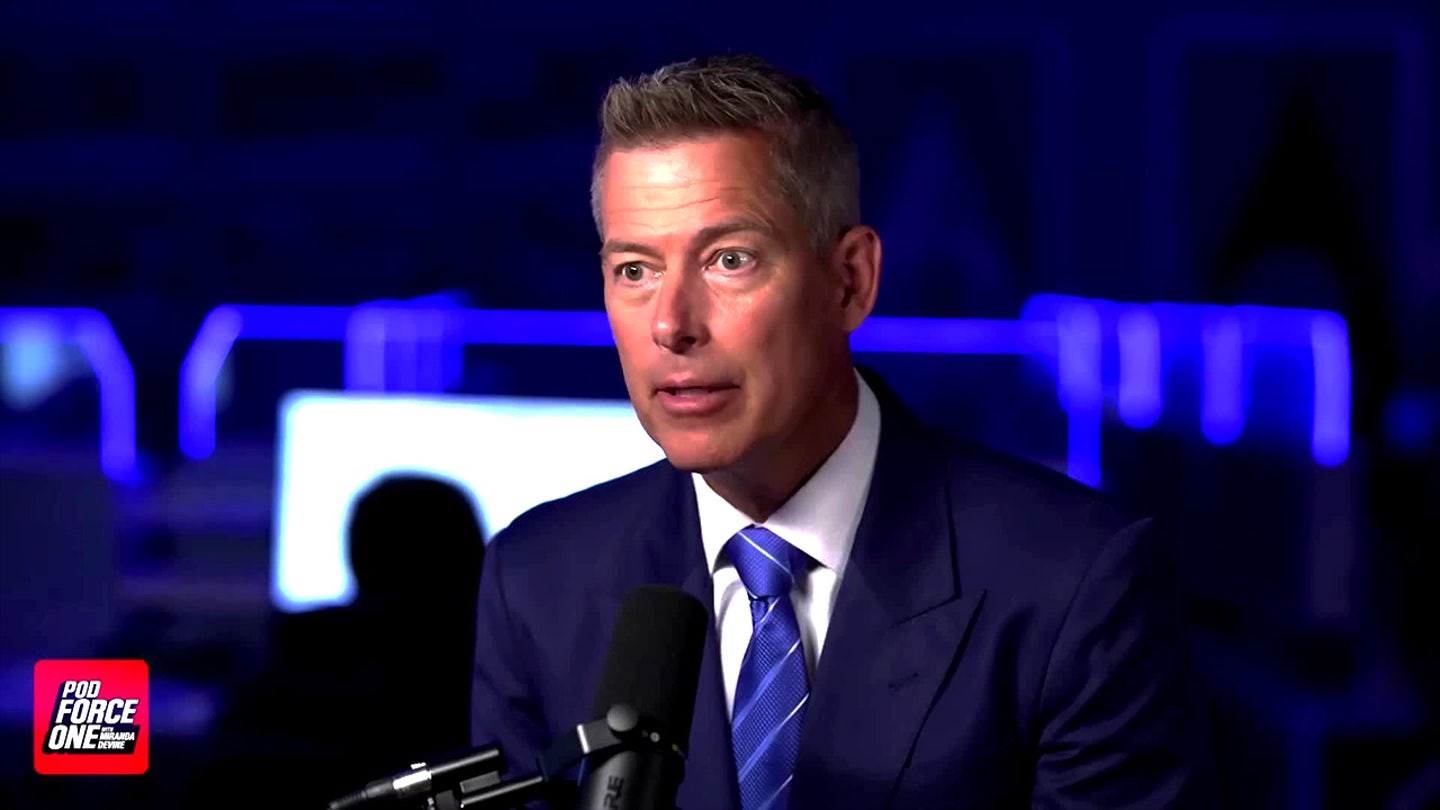
Sean Duffy details spat with Elon Musk over firing air traffic controllers, says cabinet must call shots
Entities mentioned:
- Sean Duffy: Professional pride, Duty, Self-preservation
- Elon Musk: Ambition, Influence, Efficiency
- Department of Transportation: Safety, Control, Duty
- Department of Government Efficiency (DOGE): Efficiency, Influence, Control
Article Assessment:
Credibility Score: 70/100
Bias Rating: 55/100 (Center)
Sentiment Score: 45/100
Authoritarianism Risk: 35/100 (Generally Democratic)
Bias Analysis:
The article presents a balanced view of the conflict, giving voice to Duffy's perspective while also acknowledging Musk's innovative reputation. However, there's a slight lean towards supporting Duffy's position, possibly due to the recent air tragedy mentioned.
Key metric: Transportation Safety and Efficiency
As a social scientist, I analyze that this article highlights a conflict between government efficiency and safety concerns in the transportation sector. The disagreement between Sean Duffy and Elon Musk represents a broader tension between innovative cost-cutting measures and maintaining critical safety standards. This incident, especially in light of the subsequent tragic plane crash, underscores the delicate balance required in managing public transportation systems. The article also touches on themes of bureaucratic power dynamics and the importance of established governmental processes in decision-making.
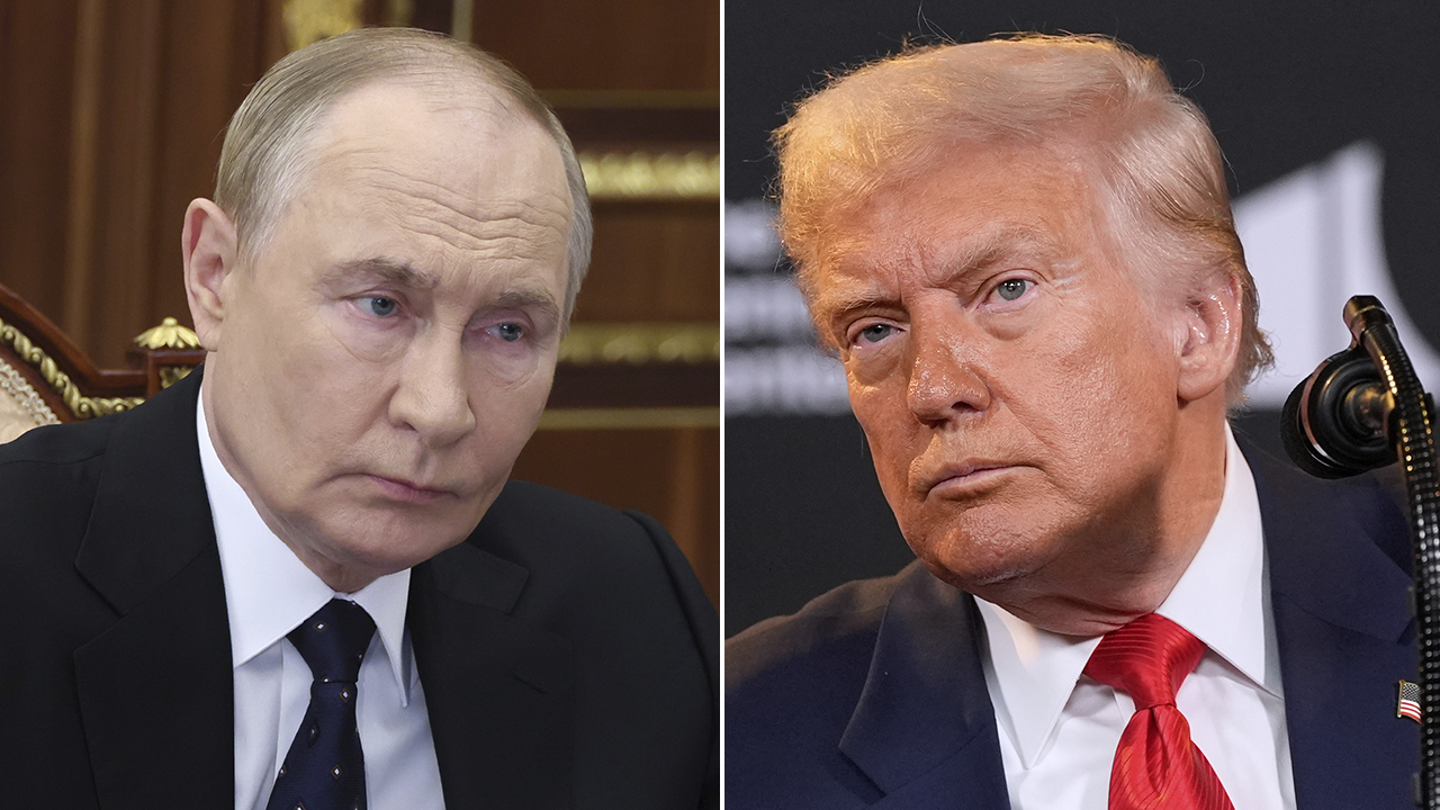
Trump threatens 'very severe' consequences if Russia doesn't agree to end Ukraine war
Entities mentioned:
- Donald Trump: Power, Influence, Recognition
- Vladimir Putin: Power, Control, Self-preservation
- Joe Biden: Duty, Influence, Legacy
- Volodymyr Zelenskyy: Determination, Unity, Justice
- Russia: Power, Control, Self-preservation
- Ukraine: Self-preservation, Freedom, Justice
- United States: Influence, Security, Duty
Article Assessment:
Credibility Score: 70/100
Bias Rating: 55/100 (Center)
Sentiment Score: 30/100
Authoritarianism Risk: 35/100 (Generally Democratic)
Bias Analysis:
The article presents multiple perspectives, including Trump's, Zelenskyy's, and implied Russian actions. While it focuses more on Trump's statements, it provides context and counterpoints, maintaining a relatively balanced approach.
Key metric: International Diplomacy Effectiveness
As a social scientist, I analyze that this article highlights the complex dynamics of international diplomacy and conflict resolution. Trump's threat of 'very severe consequences' for Russia demonstrates an attempt to leverage U.S. power in negotiations, but also reveals a potential lack of concrete strategy. The mention of previous ineffective conversations with Putin suggests limitations in diplomatic efforts. Zelenskyy's statement reinforces the ongoing nature of the conflict and the need for coordinated international pressure. The article indicates a challenging diplomatic landscape where threats and negotiations have yet to yield significant progress in ending the Ukraine war, impacting the U.S.'s perceived effectiveness in international conflict resolution.
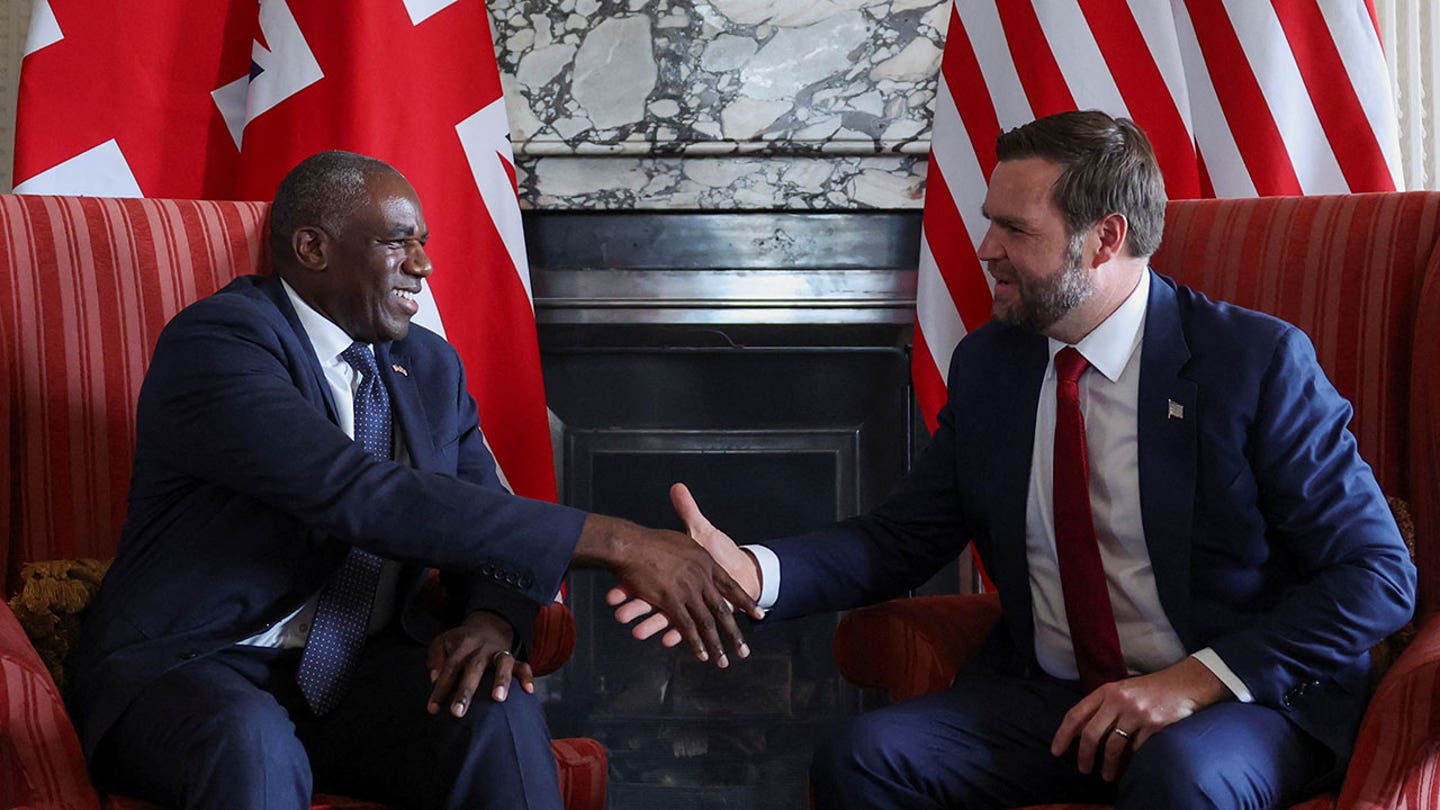
Vance: Adversaries are ‘afraid’ of US military, and that makes tough talks like Putin possible
Entities mentioned:
- JD Vance: Influence, Righteousness, Power
- Donald Trump: Power, Recognition, Control
- Vladimir Putin: Power, Control, Self-preservation
- U.S. Military: Duty, Professional pride, Deterrence
- European leaders: Security, Unity, Self-preservation
- Volodymyr Zelenskyy: Determination, Self-preservation, Unity
Article Assessment:
Credibility Score: 70/100
Bias Rating: 65/100 (Lean Right)
Sentiment Score: 55/100
Authoritarianism Risk: 45/100 (Mixed/Neutral)
Bias Analysis:
The article leans right, focusing heavily on the Trump administration's perspective and Vance's militaristic rhetoric. It presents a unilateral view of negotiations and U.S. strength, with limited counterbalancing viewpoints or critical analysis of the approach.
Key metric: U.S. Global Military Influence
As a social scientist, I analyze that this article emphasizes the perceived strength of the U.S. military as a key factor in international negotiations, particularly regarding the Russia-Ukraine conflict. Vice President Vance's rhetoric suggests a shift towards a more assertive foreign policy stance, leveraging military prowess as a negotiation tool. The administration's approach appears to be recalibrating U.S. involvement in the Ukraine conflict, pushing for greater European responsibility. This stance could potentially impact U.S. global military influence by altering the dynamics of NATO alliances and the perception of U.S. commitment to European security. The emphasis on bilateral talks between Trump and Putin, bypassing multilateral frameworks, indicates a potential realignment of diplomatic strategies that could have far-reaching consequences for U.S. global military positioning and influence.
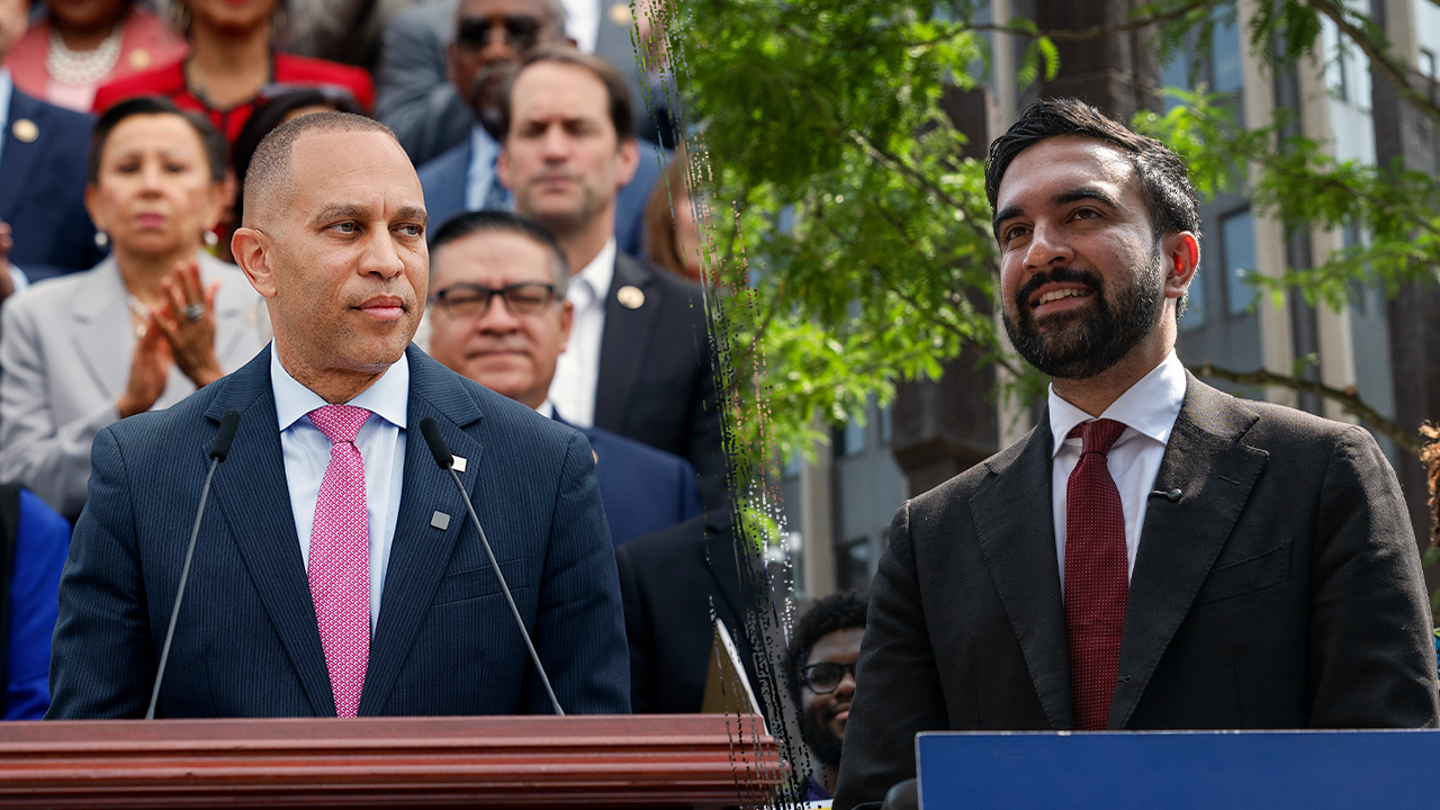
Vulnerable Democrats hammered with scathing ad handcuffing them to Mamdani, Jeffries
Entities mentioned:
- National Republican Congressional Committee (NRCC): Competitive spirit, Power, Influence
- Democratic Party: Power, Influence, Unity
- Zohran Mamdani: Righteousness, Ambition, Influence
- Hakeem Jeffries: Ambition, Power, Influence
- Donald Trump: Power, Self-preservation, Influence
- Alexandria Ocasio-Cortez: Righteousness, Influence, Justice
- House Republicans: Competitive spirit, Power, Control
Article Assessment:
Credibility Score: 55/100
Bias Rating: 75/100 (Lean Right)
Sentiment Score: 25/100
Authoritarianism Risk: 45/100 (Mixed/Neutral)
Bias Analysis:
The article leans right, primarily presenting the Republican perspective with limited Democratic rebuttal. It heavily quotes Republican sources and frames Democratic policies negatively, while giving less space to Democratic responses.
Key metric: Political Polarization Index
As a social scientist, I analyze that this article highlights the increasing political polarization in the United States. The NRCC's ad campaign targeting vulnerable Democrats by associating them with more extreme left-wing positions demonstrates a strategy of amplifying ideological differences. This approach likely contributes to further division and reduced bipartisanship, potentially impacting governance effectiveness. The focus on controversial topics such as impeachment, immigration, and socialism suggests an attempt to mobilize the Republican base and sway moderate voters by painting Democrats as radical. This messaging strategy could influence voter perceptions and potentially impact future electoral outcomes, particularly in swing districts.
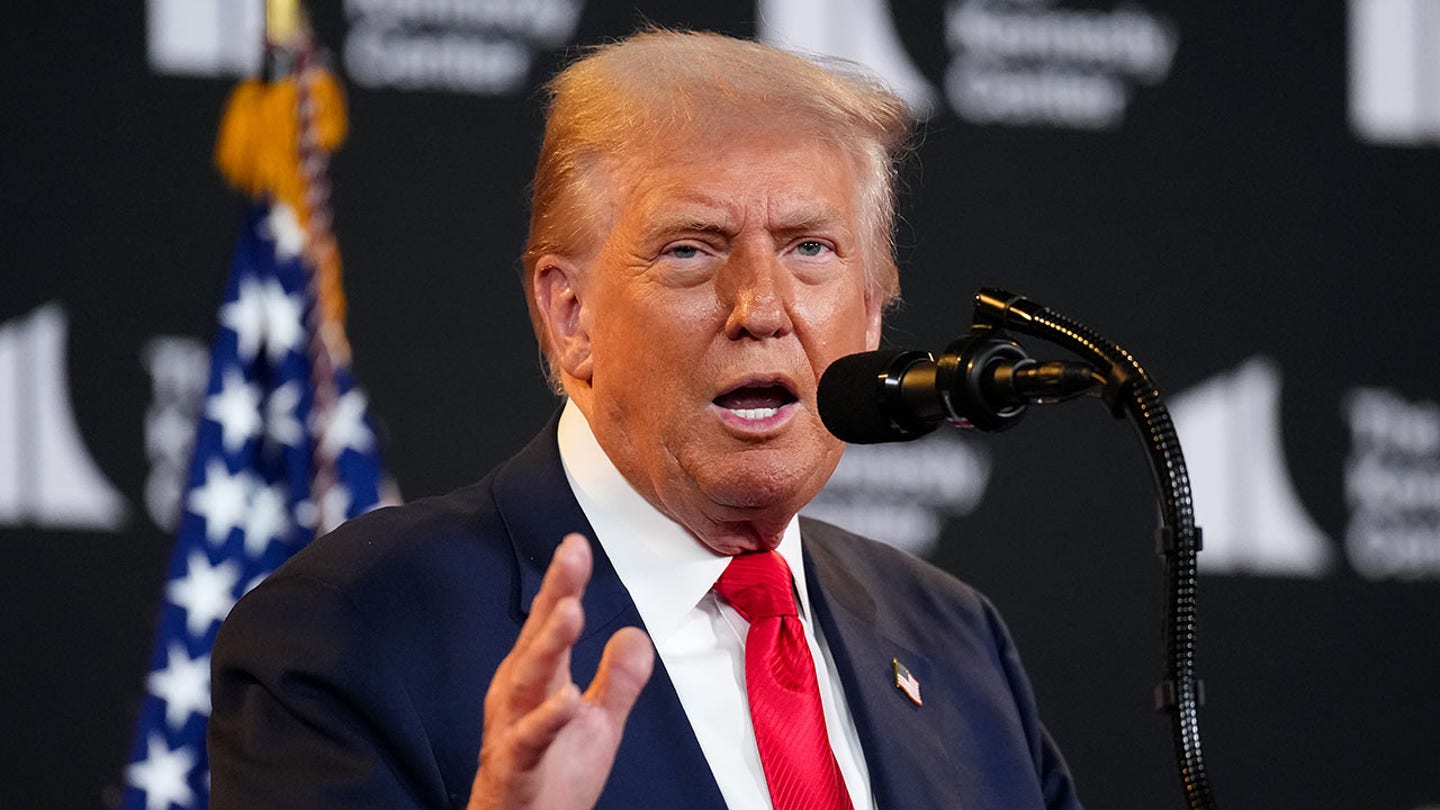
Trump predicts little progress in potential shutdown talks with 'crazy' Schumer, Jeffries
Entities mentioned:
- Donald Trump: Power, Control, Self-preservation
- Chuck Schumer: Opposition, Duty, Influence
- Hakeem Jeffries: Opposition, Duty, Influence
- John Thune: Duty, Professional pride, Unity
- Congressional Democrats: Opposition, Justice, Influence
- Congressional Republicans: Control, Power, Competitive spirit
Article Assessment:
Credibility Score: 70/100
Bias Rating: 55/100 (Center)
Sentiment Score: 30/100
Authoritarianism Risk: 40/100 (Generally Democratic)
Bias Analysis:
The article presents views from both Republican and Democratic perspectives, including direct quotes. However, it gives slightly more prominence to Trump's comments and Republican actions, while Democratic responses are somewhat less emphasized.
Key metric: Government Stability and Functionality
As a social scientist, I analyze that this article highlights the deep political divide and dysfunction in the U.S. government, particularly concerning budget negotiations. The looming threat of a government shutdown underscores the inability of both parties to work together effectively. Trump's dismissive attitude towards negotiations with Democratic leaders suggests a breakdown in bipartisan cooperation. This situation negatively impacts government stability and functionality by creating uncertainty, potentially leading to disruptions in government services and damaging public trust in political institutions. The partisan nature of recent budget decisions, such as the Republican-led clawback package, has further strained relations between the parties, making future negotiations more difficult. This cycle of mistrust and partisan maneuvering threatens the government's ability to operate efficiently and serve the public interest.
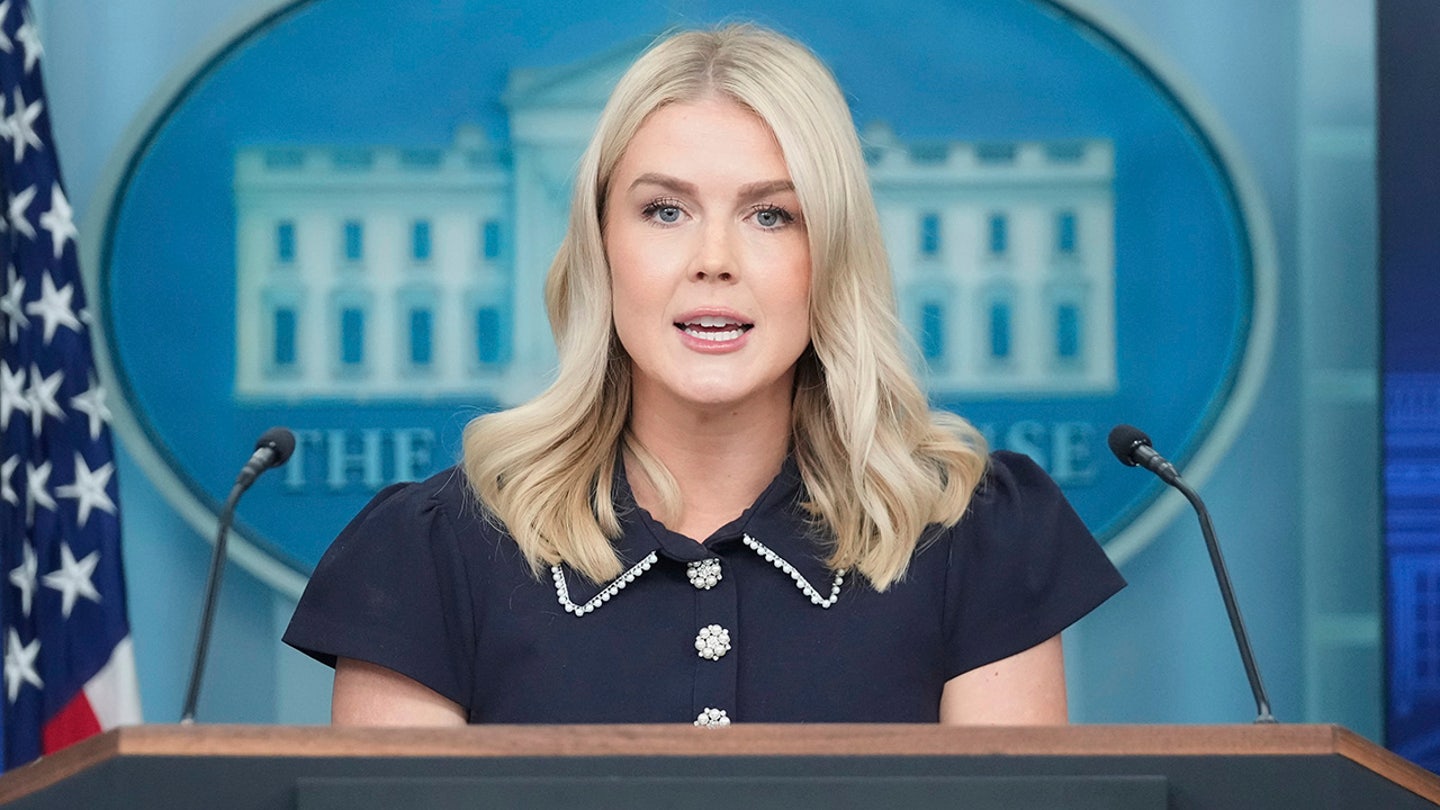
Homeless people in DC have 2 choices as Trump admin cracks down
Entities mentioned:
- White House: Control, Power, Security
- Karoline Leavitt: Duty, Loyalty, Professional pride
- Donald Trump: Power, Control, Recognition
- U.S. Park Police: Duty, Control, Security
- Metropolitan Police Department: Duty, Security, Control
- National Park Service: Duty, Control, Security
- Edward Coristine: Self-preservation, Security, Justice
Article Assessment:
Credibility Score: 65/100
Bias Rating: 75/100 (Lean Right)
Sentiment Score: 30/100
Authoritarianism Risk: 75/100 (Authoritarian Tendencies)
Bias Analysis:
The article leans right, evidenced by its focus on Trump's actions and use of sources like Fox News. The framing of homelessness as primarily a criminal issue rather than a social problem indicates a conservative perspective.
Key metric: Urban Crime Rate
As a social scientist, I analyze that this article highlights a significant shift in approach to homelessness and crime in Washington D.C., driven by the Trump administration. The forceful removal of homeless encampments and the binary choice offered to homeless individuals (shelter or jail) represents a hardline stance on urban management. This approach may temporarily reduce visible homelessness but fails to address root causes. The emphasis on crime and safety, particularly referencing violent incidents involving federal employees, suggests a prioritization of perceived security over long-term solutions for homelessness and poverty. This policy shift could potentially impact urban crime rates in the short term, but may also lead to increased incarceration rates and strain on the criminal justice system, while potentially violating civil liberties of homeless individuals.
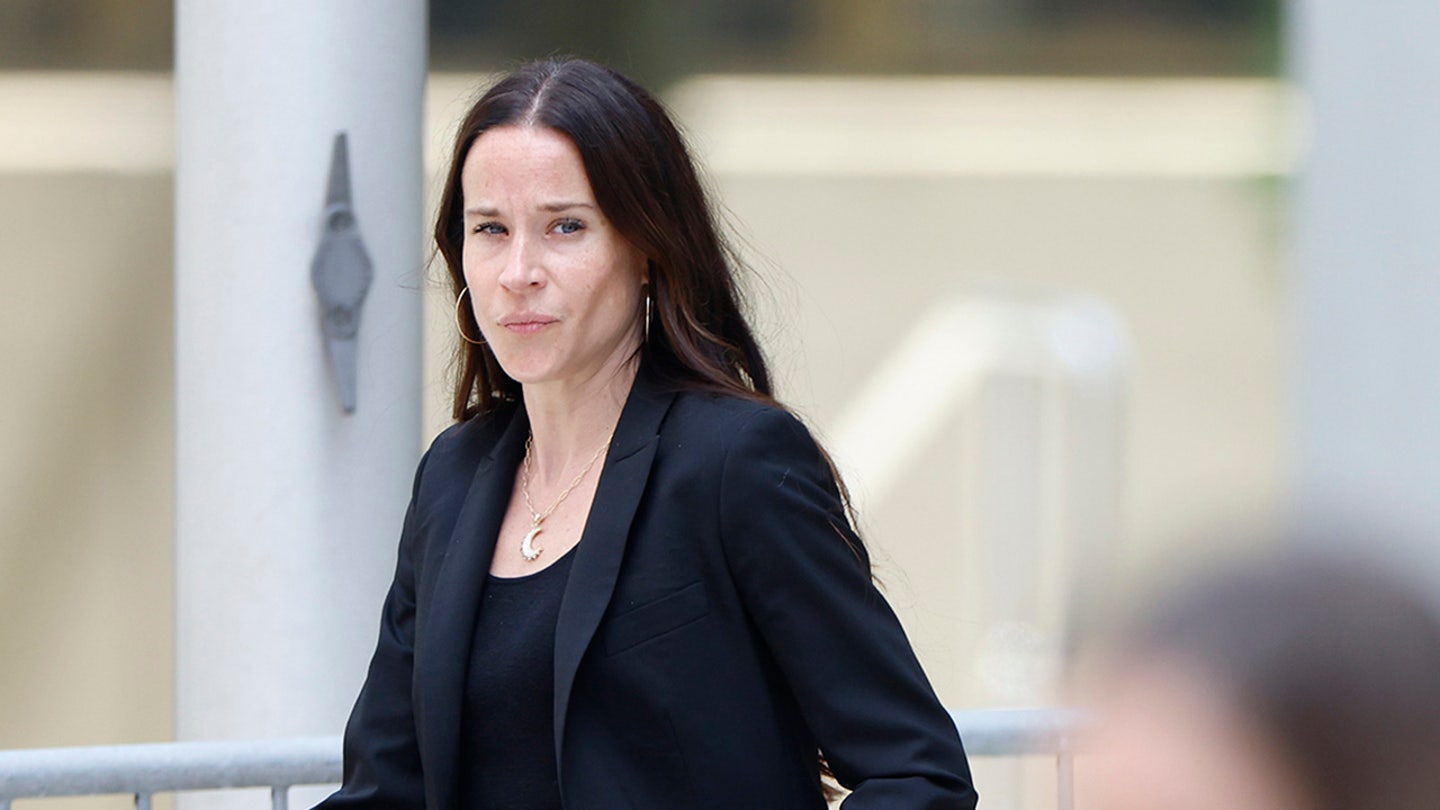
Ashley Biden files for divorce from husband, Howard Krein, after 13 years of marriage: reports
Entities mentioned:
- Ashley Biden: Freedom, Self-respect, Recognition
- Howard Krein: Self-preservation, Professional pride
- Joe Biden: Loyalty, Pride, Duty
- Beau Biden: Loyalty, Influence
Article Assessment:
Credibility Score: 70/100
Bias Rating: 50/100 (Center)
Sentiment Score: 45/100
Authoritarianism Risk: 20/100 (Strongly Democratic)
Bias Analysis:
The article presents a balanced account of the divorce filing, including both factual information and personal anecdotes. It quotes from various sources and time periods, providing context without apparent political slant.
Key metric: Public Perception of Political Families
As a social scientist, I analyze that this divorce filing by Ashley Biden may impact public perception of political families, particularly the Biden family. The article's focus on Ashley's social media posts suggesting a new chapter in her life, coupled with past quotes from Joe Biden about his close relationship with his daughter and son-in-law, highlights the personal challenges faced by high-profile political families. This event could potentially influence public opinion on the stability and relatability of the Biden family, which may have broader implications for Joe Biden's political image. The timing of the divorce, during Joe Biden's presidency, adds an additional layer of public interest and scrutiny to what would otherwise be a private family matter.