
RFK Jr. Recommends Eating Good Cancer To Kill The Bad Cancer
Entities mentioned:
- Robert F. Kennedy Jr.: Influence, Recognition, Righteousness
- American Cancer Society: Professional pride, Influence, Self-preservation
- Pharmaceutical companies: Greed, Control, Influence
Article Assessment:
Credibility Score: 25/100
Bias Rating: 45/100 (Center)
Sentiment Score: 30/100
Authoritarianism Risk: 65/100 (Authoritarian Tendencies)
Bias Analysis:
The article presents Kennedy's claims without explicit endorsement or criticism, maintaining a neutral tone. However, the absurdity of the claims is implicitly highlighted through detailed descriptions, suggesting a subtle critique of the source.
Key metric: Public Health Outcomes
As a social scientist, I analyze that this article presents a highly controversial and scientifically unfounded health recommendation from a high-ranking government official. The dissemination of such misinformation from a trusted source could significantly impact public health outcomes by potentially discouraging individuals from seeking proven medical treatments for cancer. This could lead to increased mortality rates and a decline in overall public health. The article also highlights the growing influence of conspiracy theories and pseudoscience in public policy, which could erode trust in established medical institutions and practices.

US prices continued rise in July as Trump tariffs impact consumer costs
Entities mentioned:
- Donald Trump: Power, Control, Pride
- US Federal Reserve: Duty, Professional pride, Independence
- Jerome Powell: Professional pride, Duty, Independence
- Bureau of Labor Statistics: Duty, Professional pride, Integrity
- Erika McEntarfer: Duty, Professional pride
- EJ Antoni: Ambition, Influence, Professional pride
- Retailers (Walmart, Nike, Macy's): Self-preservation, Profit, Competitive spirit
Article Assessment:
Credibility Score: 75/100
Bias Rating: 45/100 (Center)
Sentiment Score: 35/100
Authoritarianism Risk: 65/100 (Authoritarian Tendencies)
Bias Analysis:
The article presents a balanced view of economic data and includes perspectives from various stakeholders. While it does highlight criticisms of Trump's policies, it also includes his statements and claims, maintaining a relatively neutral stance.
Key metric: US Economic Growth and Stability
As a social scientist, I analyze that this article highlights the complex interplay between Trump's trade policies, inflation, and economic stability. The implementation of tariffs has begun to impact consumer prices, potentially slowing economic growth. The revised job figures and inflation data suggest a more volatile economic situation than previously thought. This volatility is exacerbated by Trump's unconventional approach to economic policy and his public criticism of economic institutions like the Federal Reserve and Bureau of Labor Statistics. The president's actions, including firing the BLS commissioner and threatening to sue the Fed chair, indicate a concerning trend towards politicizing traditionally independent economic institutions. This could have long-term implications for the credibility and effectiveness of US economic policy-making and data reporting, potentially undermining investor and consumer confidence.
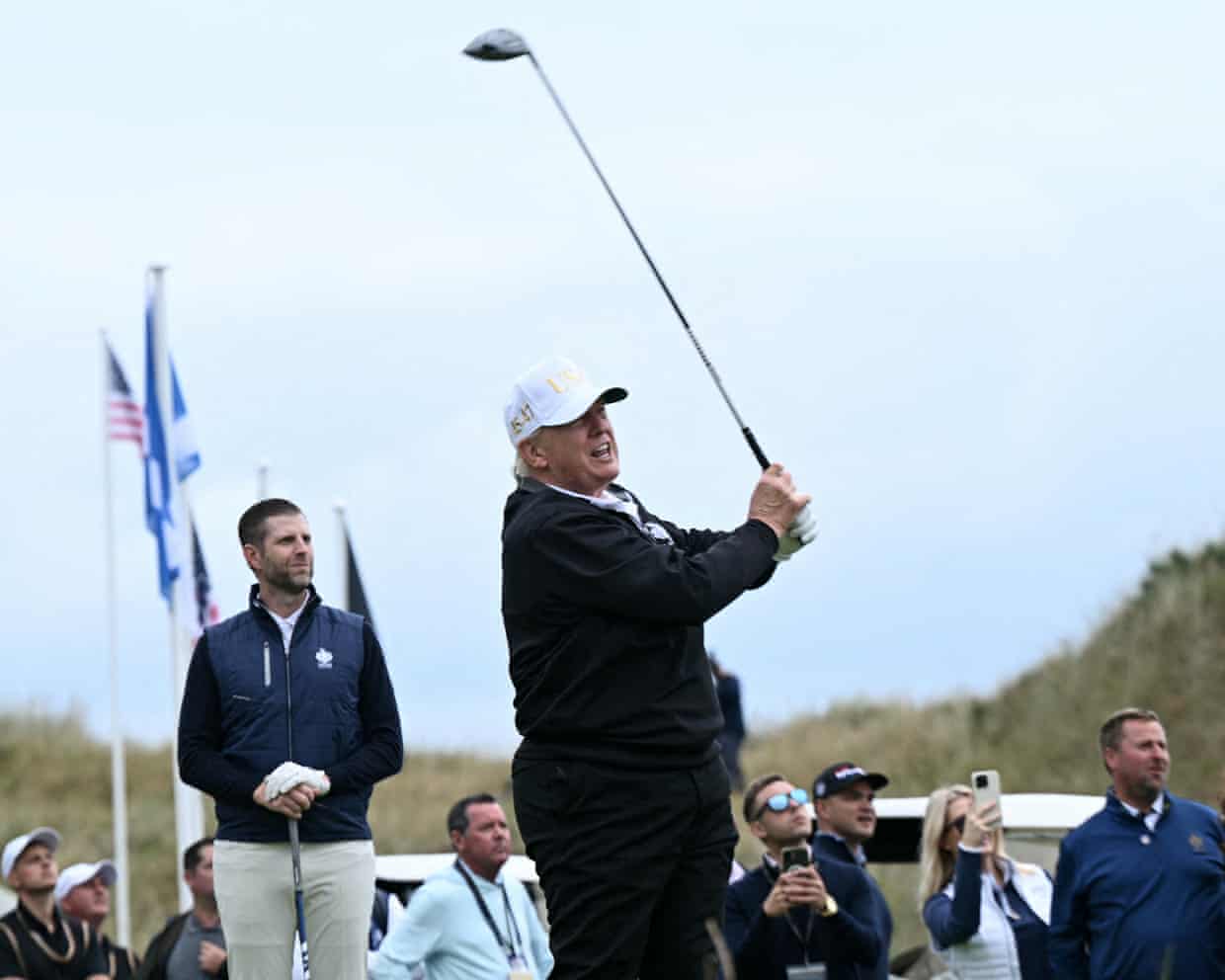
Golf for them, grind for us: Trump, Vance and the hellish US holiday divide
Entities mentioned:
- Donald Trump: Power, Recognition, Self-preservation
- JD Vance: Ambition, Recognition, Influence
- Barack Obama: Legacy, Influence
- Microsoft: Competitive spirit, Influence, Greed
- Mercedes-Benz: Competitive spirit, Innovation, Greed
Article Assessment:
Credibility Score: 65/100
Bias Rating: 30/100 (Lean Left)
Sentiment Score: 25/100
Authoritarianism Risk: 20/100 (Strongly Democratic)
Bias Analysis:
The article leans left, criticizing conservative politicians and policies while advocating for more worker-friendly practices. The author's tone and selective use of examples demonstrate a clear ideological stance, though some factual information is included.
Key metric: Labor Force Participation Rate
As a social scientist, I analyze that this article highlights a growing disparity between the work-life balance of political elites and average American workers. The frequent vacations and leisure activities of politicians like Trump and Vance are contrasted with the lack of mandated paid time off for most US workers. This dichotomy may impact the Labor Force Participation Rate by contributing to worker burnout and dissatisfaction, potentially leading some to exit the workforce. The article's focus on 'infinite workdays' and technological encroachment on personal time further emphasizes the strain on the American workforce, which could discourage labor market participation and affect overall economic productivity.

US court says Trump’s Doge team can access social security numbers and other sensitive data
Entities mentioned:
- Trump administration: Control, Power, Efficiency
- Department of Government Efficiency (Doge): Efficiency, Control, Power
- Unions: Self-preservation, Security, Privacy
- US appeals court: Duty, Justice, Obligation
- Donald Trump: Power, Control, Efficiency
- Elon Musk: Ambition, Influence, Efficiency
Article Assessment:
Credibility Score: 75/100
Bias Rating: 45/100 (Center)
Sentiment Score: 35/100
Authoritarianism Risk: 65/100 (Authoritarian Tendencies)
Bias Analysis:
The article presents a relatively balanced view, including perspectives from both sides of the issue. However, there's a slight lean towards emphasizing the concerns of the unions and potential privacy issues, which may indicate a subtle center-left bias.
Key metric: Government Efficiency and Transparency
As a social scientist, I analyze that this court decision represents a significant shift in the balance between government efficiency efforts and individual privacy concerns. The ruling allows the Trump administration's Doge team to access sensitive personal data, potentially impacting millions of Americans. This move towards centralized data access could lead to increased government efficiency, but it also raises serious privacy and security concerns. The court's decision suggests a prioritization of administrative streamlining over potential privacy risks, which could have long-term implications for how personal data is handled in government systems. The conflict between unions and the administration highlights the tension between workforce protection and government downsizing initiatives. This case also demonstrates the ongoing debate about the appropriate scope and power of unofficial government teams like Doge in accessing and utilizing sensitive information.
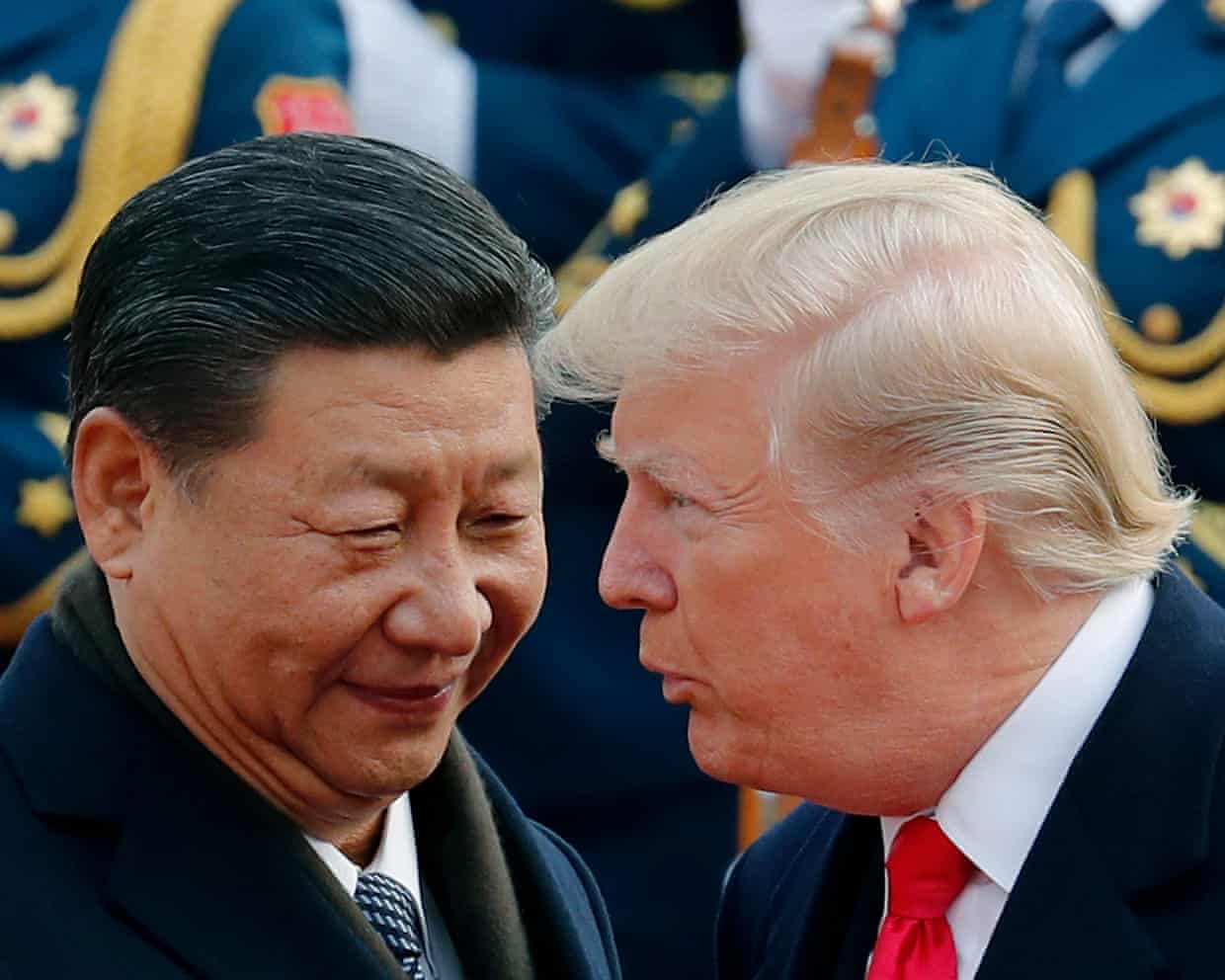
A China-led global system alongside that of the US is Xi Jinping’s ultimate aim
Entities mentioned:
- Xi Jinping: Power, Influence, Legacy
- China: Power, Influence, Self-preservation
- United States: Power, Control, Influence
- George Magnus: Professional pride, Curiosity, Influence
- Andrew J Sinclair: Professional pride, Wariness, Duty
- Joe Biden: Power, Duty, Influence
Article Assessment:
Credibility Score: 75/100
Bias Rating: 55/100 (Center)
Sentiment Score: 40/100
Authoritarianism Risk: 45/100 (Mixed/Neutral)
Bias Analysis:
The article presents a balanced view, acknowledging both US and Chinese perspectives. However, there's a slight lean towards cautioning about China's ambitions, which could be seen as a centrist or slightly right-leaning stance.
Key metric: Global Economic Influence
As a social scientist, I analyze that this article highlights China's strategic shift from economic growth to building national power and a parallel global system. The author argues that focusing solely on China's economic slowdown underestimates its long-term geopolitical ambitions. China's initiatives like the Belt and Road, CIPS, and 'Made in China 2025' are presented as evidence of its efforts to create an alternative to the US-led global order. This shift has significant implications for the global balance of power and economic influence. The article suggests that even with slower growth, China has the resources and determination to pursue its goal of establishing a China-led global system alongside the US-led one. This perspective challenges the notion of 'Peak China' and implies a continued, if not intensified, great power competition between China and the US in the coming years.
US judge orders Trump administration to restore part of UCLA’s frozen funding
Entities mentioned:
- Trump administration: Control, Power, Influence
- UCLA: Self-preservation, Freedom, Justice
- US judge: Justice, Duty, Professional pride
Article Assessment:
Credibility Score: 70/100
Bias Rating: 35/100 (Lean Left)
Sentiment Score: 45/100
Authoritarianism Risk: 35/100 (Generally Democratic)
Bias Analysis:
The article leans slightly left, evident in the framing of Trump administration actions as contentious. However, it reports on a factual court decision without overtly partisan language.
Key metric: Rule of Law Index
As a social scientist, I analyze that this article highlights a tension between executive power and judicial oversight. The Trump administration's attempt to freeze UCLA's funding, likely for political reasons, was partially reversed by a federal judge. This judicial intervention demonstrates the checks and balances system at work, but also indicates potential executive overreach. The case impacts the Rule of Law Index by showcasing the judiciary's role in limiting executive actions that may be politically motivated or legally questionable. It underscores the importance of an independent judiciary in maintaining democratic norms and protecting institutions from political interference.
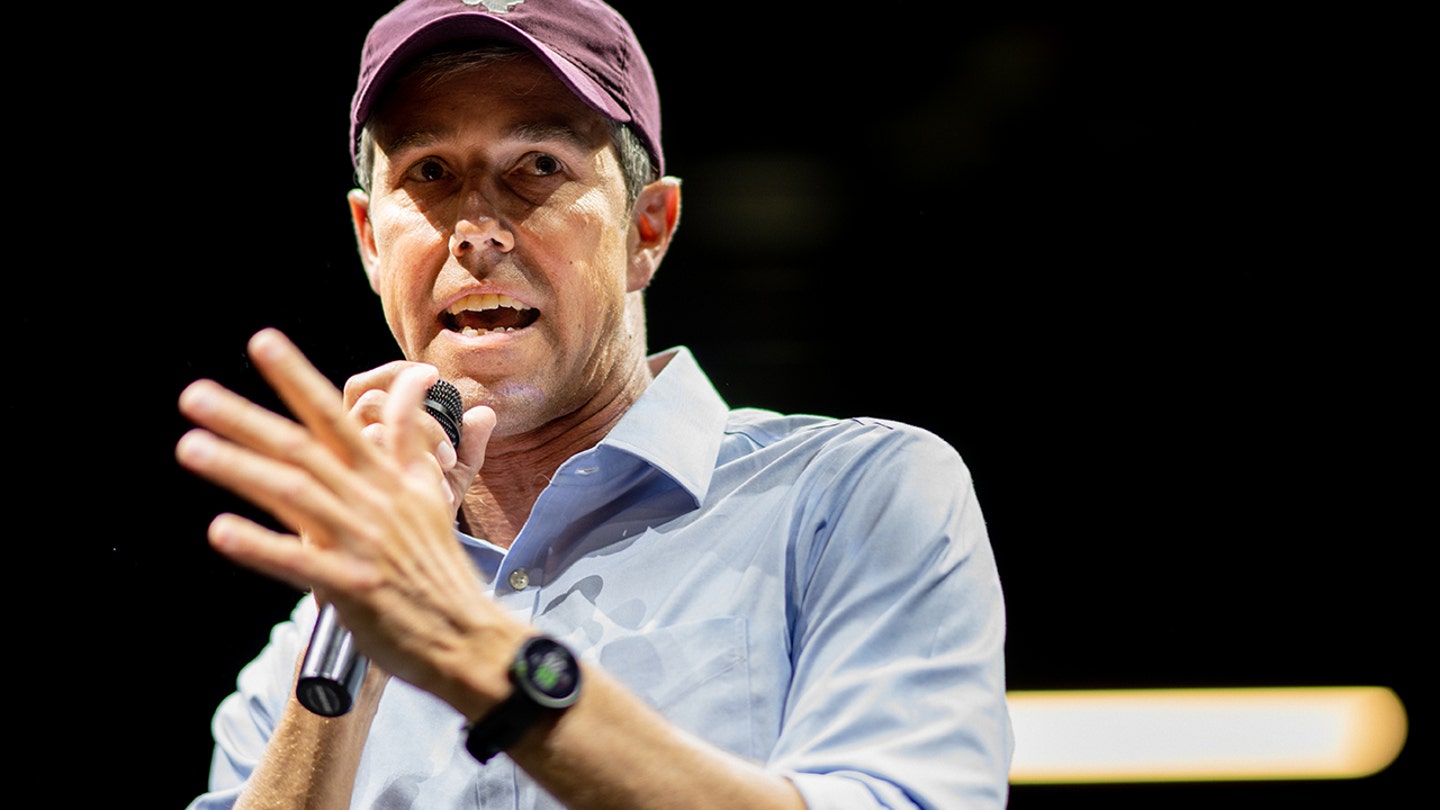
Beto O'Rourke compares 2025 America to 1933 Germany and 'can only imagine the history books'
Entities mentioned:
- Beto O'Rourke: Moral outrage, Righteousness, Fear
- Gavin Newsom: Influence, Ambition, Unity
- Ken Paxton: Justice, Control, Duty
- Texas Democrats: Determination, Righteousness, Self-preservation
- Republicans: Power, Control, Loyalty
- Donald Trump: Power, Control, Recognition
- John Cornyn: Justice, Duty, Loyalty
Article Assessment:
Credibility Score: 65/100
Bias Rating: 65/100 (Lean Right)
Sentiment Score: 25/100
Authoritarianism Risk: 40/100 (Generally Democratic)
Bias Analysis:
The article leans right, focusing more on O'Rourke's controversial statements and including criticism from Republican sources. While it presents O'Rourke's views, it does not provide balancing perspectives or context for his comparisons.
Key metric: Political Polarization Index
As a social scientist, I analyze that this article highlights the increasing political polarization in the United States. O'Rourke's comparison of contemporary America to 1933 Germany demonstrates an extreme view of the political opposition, which can further deepen divisions. The invocation of Nazi Germany in modern political discourse is a sign of heightened tensions and a breakdown in civil political dialogue. This rhetoric, coming from a prominent political figure, may contribute to a more adversarial and less cooperative political environment, potentially impacting governance and social cohesion. The article also illustrates the ongoing debate about the state of American democracy and the perceived threats to it, which is a significant concern affecting political discourse and public trust in institutions.
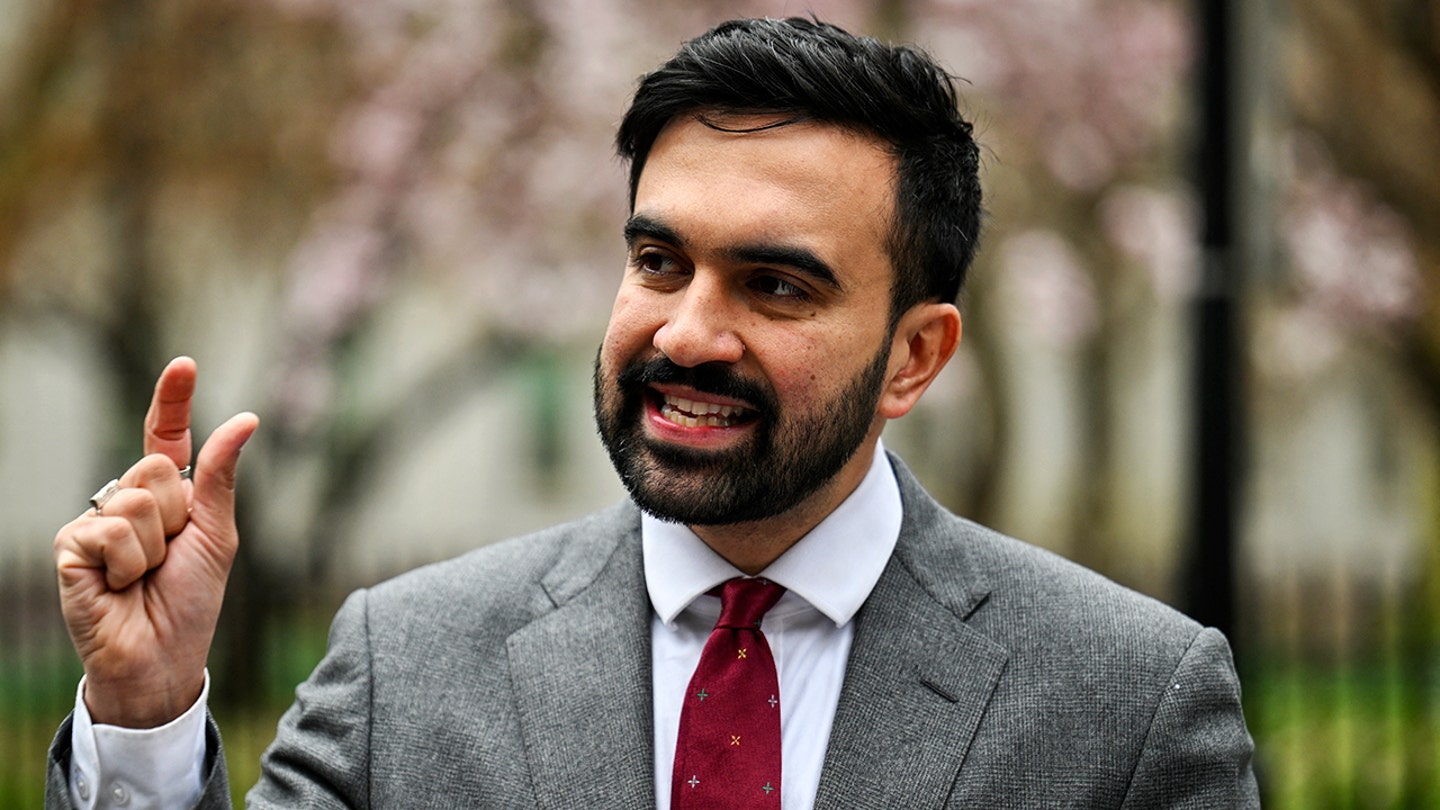
Mamdani takes aim at Trump's immigration policies in fiery Staten Island speech: 'We are fighting to keep NYC a sanctuary city'
Entities mentioned:
- Zohran Mamdani: Righteousness, Moral outrage, Justice
- Donald Trump: Control, Power, Security
- Eric Adams: Self-preservation, Ambition, Influence
- Joe Biden: Power, Control, Unity
- ICE: Duty, Control, Security
Article Assessment:
Credibility Score: 65/100
Bias Rating: 40/100 (Lean Left)
Sentiment Score: 30/100
Authoritarianism Risk: 35/100 (Generally Democratic)
Bias Analysis:
The article leans slightly left, focusing more on anti-Trump and pro-immigrant perspectives. While it includes some opposing viewpoints, the language and framing generally favor Mamdani's position and criticize Trump's policies.
Key metric: Immigration and Border Control Effectiveness
As a social scientist, I analyze that this article highlights the deep political divide over immigration policies in the United States, particularly in New York City. Mamdani's strong stance against Trump's immigration policies and his commitment to maintaining New York as a sanctuary city directly impacts the effectiveness of federal immigration enforcement. This local resistance to federal policies creates a complex dynamic that affects overall immigration control efforts. The article also reveals the shifting political alliances and the use of immigration as a key campaign issue, which could influence voter behavior and policy implementation at both local and national levels.
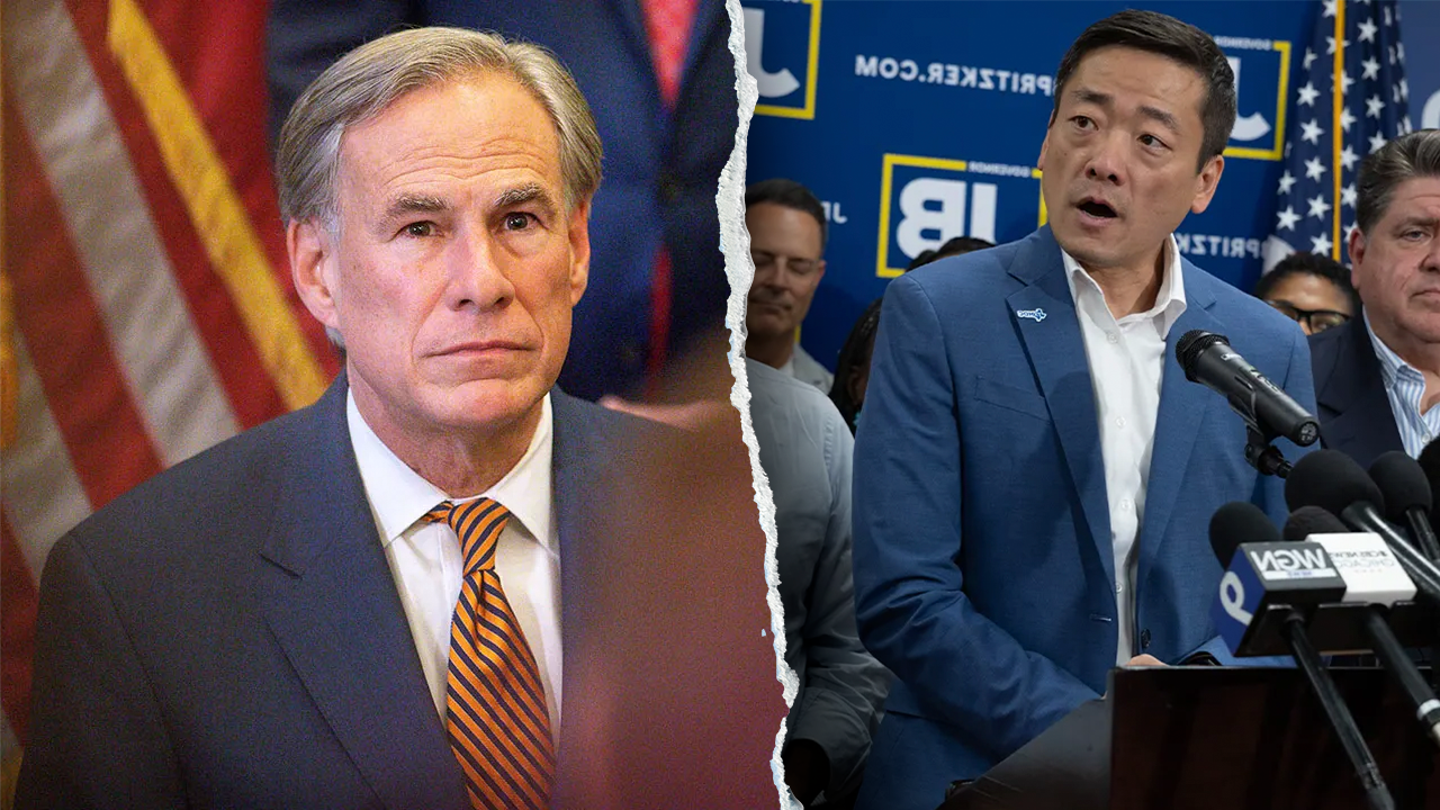
Texas Democrats who fled could face felony bribery charges, governor says
Entities mentioned:
- Texas Democrats: Justice, Self-preservation, Unity
- Greg Abbott: Power, Control, Righteousness
- Ken Paxton: Duty, Loyalty, Power
- Beto O'Rourke: Unity, Justice, Influence
- Gavin Newsom: Competitive spirit, Moral outrage, Power
- Republican Party: Power, Control, Ambition
- Democratic Party: Justice, Moral outrage, Self-preservation
Article Assessment:
Credibility Score: 65/100
Bias Rating: 65/100 (Lean Right)
Sentiment Score: 30/100
Authoritarianism Risk: 60/100 (Mixed/Neutral)
Bias Analysis:
The article leans right due to more extensive quotes and explanations from Republican officials, particularly Governor Abbott. While it includes some Democratic perspectives, they are less detailed and often framed as responses to Republican actions.
Key metric: Political Polarization Index
As a social scientist, I analyze that this article highlights the intensifying political polarization in the United States, particularly regarding redistricting efforts. The conflict between Texas Republicans and Democrats over redistricting showcases how electoral map manipulation can significantly impact political power dynamics. The aggressive rhetoric and actions from both sides, including threats of arrest and felony charges, indicate a breakdown in bipartisan cooperation and an escalation of partisan tactics. This situation is likely to further erode trust in democratic institutions and increase political animosity between parties, potentially leading to a higher Political Polarization Index score. The involvement of out-of-state governors also suggests that this local issue has national implications, further amplifying its impact on overall political polarization in the country.

DC mayor reverses course on Trump intervention, downplays city crime
Entities mentioned:
- Muriel Bowser: Self-preservation, Control, Unity
- Donald Trump: Power, Control, Security
- White House: Competitive spirit, Control, Righteousness
- Metropolitan Police Department (MPD): Professional pride, Duty, Security
- Department of Justice (DOJ): Control, Justice, Security
Article Assessment:
Credibility Score: 65/100
Bias Rating: 55/100 (Center)
Sentiment Score: 30/100
Authoritarianism Risk: 55/100 (Mixed/Neutral)
Bias Analysis:
The article presents multiple viewpoints, including those of the mayor and the White House, providing some balance. However, there's a slight emphasis on criticism of the mayor and local governance, suggesting a subtle lean towards the federal administration's perspective.
Key metric: Violent Crime Rate
As a social scientist, I analyze that this article highlights a complex political and social dynamic surrounding crime and governance in Washington D.C. The mayor's shifting stance on federal intervention suggests a struggle between maintaining local autonomy and addressing crime concerns. The conflicting narratives about crime statistics between local and federal authorities point to potential data manipulation issues, which could impact public trust and policy effectiveness. The focus on juvenile crime and 'youth takeovers' indicates a specific challenge in addressing youth-related urban issues. This situation reflects broader tensions between local and federal governance, particularly in areas with unique jurisdictional status like D.C., and how crime statistics and their interpretation can become politicized in such contexts.