
The common thread in Trump’s latest moves: squeezing big blue cities
Entities mentioned:
- Donald Trump: Power, Control, Revenge
- Democratic Party: Self-preservation, Unity, Resistance
- Republican Party: Power, Control, Loyalty
- ICE: Duty, Control, Security
- National Guard: Duty, Security, Control
- Big Cities: Self-preservation, Resistance, Unity
Article Assessment:
Credibility Score: 70/100
Bias Rating: 35/100 (Lean Left)
Sentiment Score: 25/100
Authoritarianism Risk: 70/100 (Authoritarian Tendencies)
Bias Analysis:
The article leans left, presenting Trump's actions as primarily negative for cities. While it includes some factual information and expert opinions, the language and framing consistently portray Trump's policies as harmful to urban areas and beneficial to his political goals.
Key metric: Urban-Rural Political Divide
As a social scientist, I analyze that this article highlights a growing trend of federal intervention in urban governance, potentially exacerbating the urban-rural political divide in the United States. The actions described, such as deploying federal forces to cities and redistricting efforts, appear to be systematically reducing the political influence of large metropolitan areas. This could lead to decreased representation for urban populations in national politics, despite their significant contributions to economic growth and innovation. The approach may also intensify social tensions and challenge the traditional balance of federal-local power dynamics in the US political system.
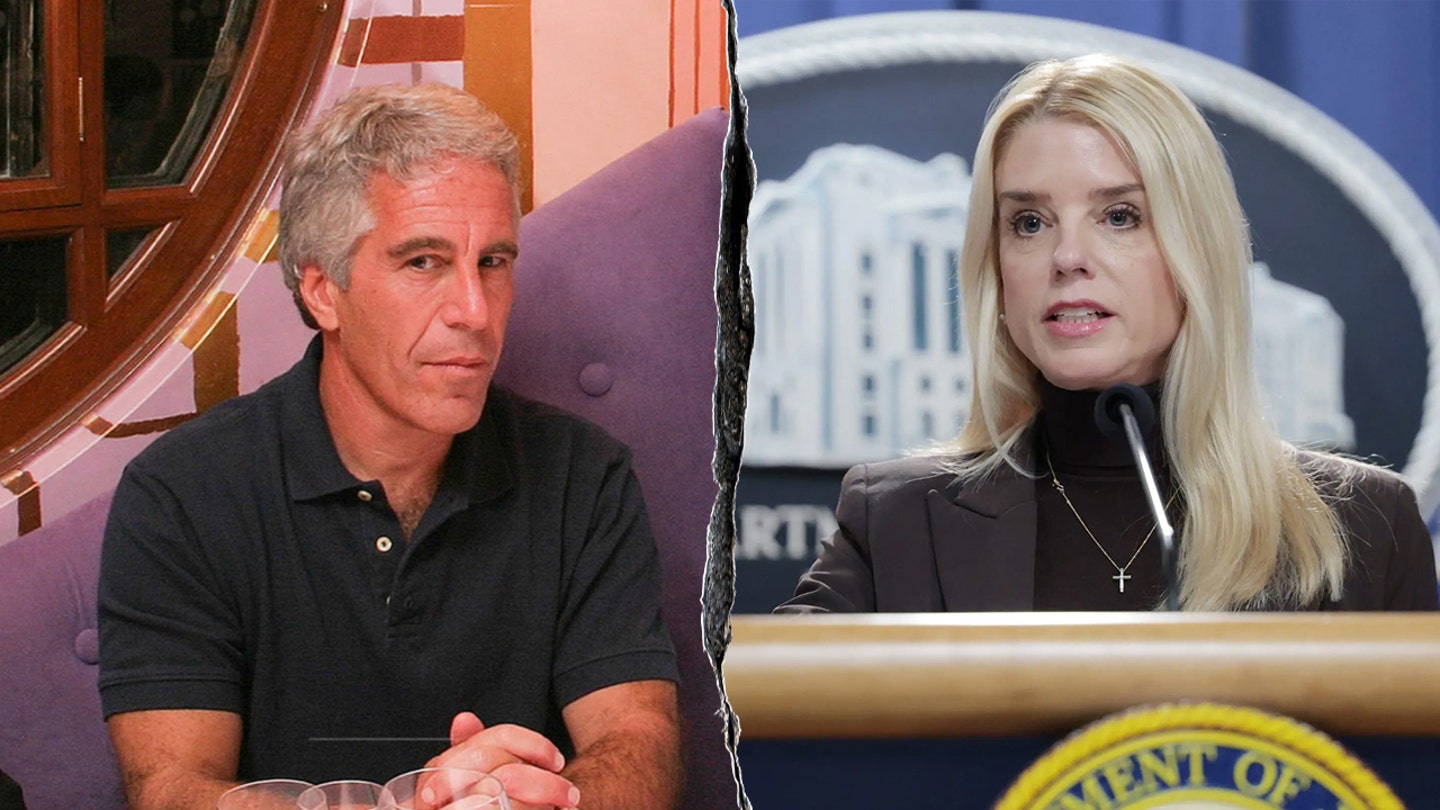
Trump DOJ handing Epstein documents to House Oversight Committee on Friday as subpoena deadline looms
Entities mentioned:
- Trump administration: Transparency, Obligation, Self-preservation
- House Oversight Committee: Justice, Duty, Influence
- James Comer: Determination, Professional pride, Righteousness
- Department of Justice: Duty, Obligation, Professional pride
- Jeffrey Epstein: Power, Greed, Control
- Ghislaine Maxwell: Self-preservation, Loyalty, Fear
- Bill and Hillary Clinton: Self-preservation, Legacy, Influence
- Bill Barr: Duty, Professional pride, Self-preservation
- Pam Bondi: Duty, Professional pride, Justice
Article Assessment:
Credibility Score: 75/100
Bias Rating: 55/100 (Center)
Sentiment Score: 45/100
Authoritarianism Risk: 25/100 (Generally Democratic)
Bias Analysis:
The article presents information from multiple perspectives, including both Republican and Democratic figures. While it gives more space to Republican Rep. Comer's statements, it also includes context about the Trump administration's actions, suggesting a relatively balanced approach.
Key metric: Government Transparency and Accountability
As a social scientist, I analyze that this article highlights a significant development in the ongoing investigation of Jeffrey Epstein's case, potentially impacting government transparency and accountability. The Trump administration's willingness to hand over documents to the House Oversight Committee suggests a move towards greater transparency in a high-profile case. This action could influence public trust in government institutions and their ability to handle sensitive investigations. The bipartisan nature of the investigation, involving both current and former administration officials, as well as prominent political figures, underscores the complexity and far-reaching implications of the Epstein case. The careful handling of sensitive information, including victim protection and redaction of certain materials, demonstrates a balance between transparency and privacy concerns. This process may set precedents for how similar high-profile cases are handled in the future, potentially strengthening oversight mechanisms and inter-branch cooperation.
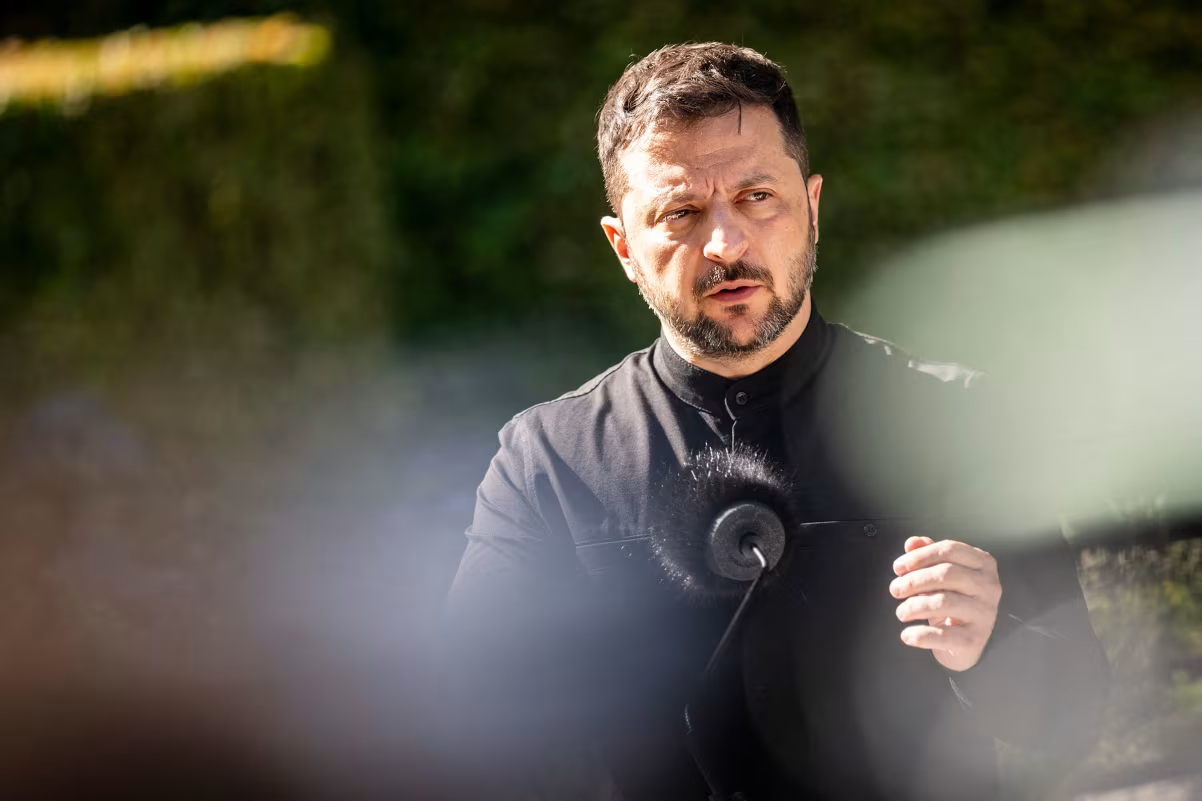
Trump cranks up pressure on Zelensky ahead of his high-stakes White House return
Entities mentioned:
- Donald Trump: Power, Legacy, Recognition
- Vladimir Putin: Power, Control, Influence
- Volodymyr Zelensky: Self-preservation, Duty, Determination
- Steve Witkoff: Loyalty, Duty, Influence
- European leaders: Security, Unity, Wariness
Article Assessment:
Credibility Score: 75/100
Bias Rating: 45/100 (Center)
Sentiment Score: 35/100
Authoritarianism Risk: 55/100 (Mixed/Neutral)
Bias Analysis:
The article presents multiple perspectives and voices, including critics and supporters of Trump's approach. However, there's a slight lean towards skepticism of Trump's methods, balanced by inclusion of administration claims.
Key metric: International Relations and Diplomacy
As a social scientist, I analyze that this article highlights a complex diplomatic situation surrounding the Russia-Ukraine conflict, with Trump playing a central role in negotiations. The article suggests a potential shift in U.S. policy towards favoring Russian interests, which could significantly impact global alliances and the balance of power in Eastern Europe. Trump's approach, characterized by personal diplomacy and unconventional tactics, is creating tension between the U.S., Ukraine, and European allies. This situation could lead to a realignment of international relationships and potentially alter the trajectory of the conflict, with far-reaching implications for global security and diplomatic norms.
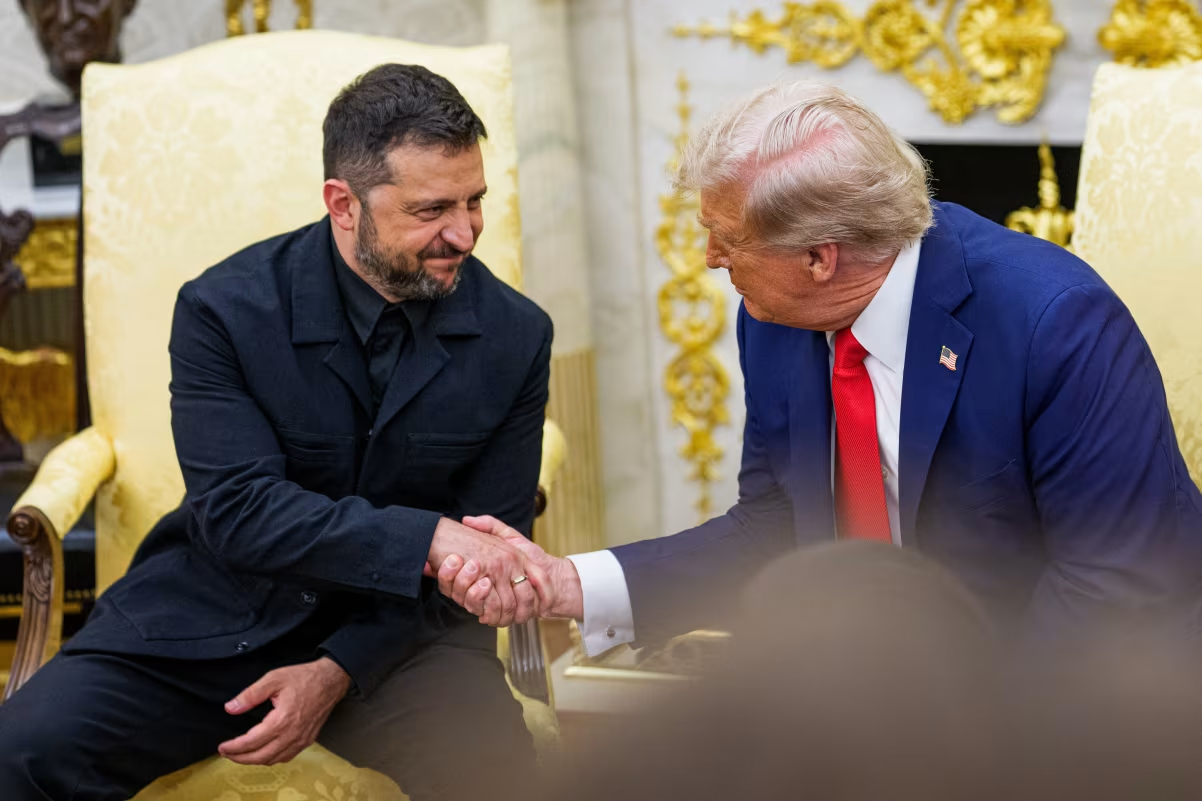
Why Trump deserves credit for his Ukraine push — and why it may all fall apart
Entities mentioned:
- Donald Trump: Power, Recognition, Legacy
- Volodymyr Zelensky: Self-preservation, Unity, Determination
- Vladimir Putin: Power, Control, Influence
- European Leaders: Unity, Security, Influence
- Ukraine: Self-preservation, Freedom, Unity
- Russia: Power, Control, Influence
Article Assessment:
Credibility Score: 65/100
Bias Rating: 55/100 (Center)
Sentiment Score: 45/100
Authoritarianism Risk: 35/100 (Generally Democratic)
Bias Analysis:
The article presents a relatively balanced view, offering both praise and criticism of Trump's efforts. While it leans slightly towards skepticism of Trump's approach, it also acknowledges potential positive outcomes.
Key metric: International Relations and Diplomacy
As a social scientist, I analyze that this article presents a complex situation regarding Trump's efforts to broker peace between Ukraine and Russia. The article highlights the potential for diplomatic progress while also emphasizing the significant challenges and contradictions in Trump's approach. It suggests that while Trump's unconventional methods may have led to some positive developments, there are substantial obstacles to overcome, including territorial disputes, security guarantees, and conflicting interests among the involved parties. The analysis also points out the delicate balance Trump must maintain between appeasing various stakeholders, which may prove unsustainable in the long run. The article raises questions about Trump's true motivations and understanding of the situation, particularly in his interactions with Putin.
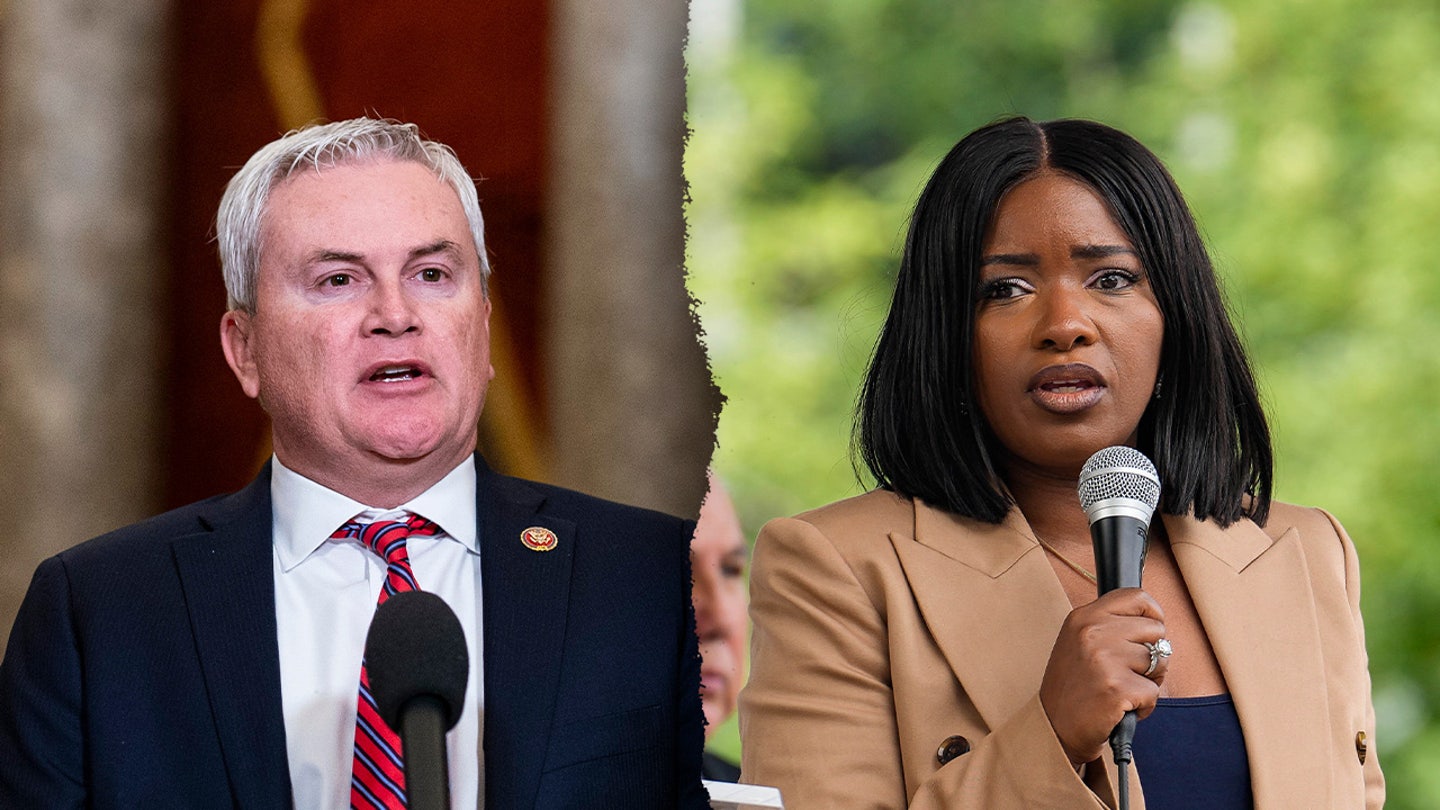
Comer, Crockett clash over Barr’s Epstein testimony as ex-Trump AG ends four-hour House grilling
Entities mentioned:
- Bill Barr: Duty, Professional pride, Self-preservation
- Jasmine Crockett: Righteousness, Moral outrage, Justice
- Suhas Subramanyam: Righteousness, Justice, Suspicion
- James Comer: Duty, Transparency, Justice
- Donald Trump: Self-preservation, Power, Control
- Jeffrey Epstein: Power, Control, Greed
Article Assessment:
Credibility Score: 75/100
Bias Rating: 55/100 (Center)
Sentiment Score: 40/100
Authoritarianism Risk: 35/100 (Generally Democratic)
Bias Analysis:
The article presents viewpoints from both Democratic and Republican representatives, attempting to balance perspectives. However, there's slightly more detail and space given to Republican viewpoints, particularly Comer's responses to Democratic criticisms.
Key metric: Government Transparency and Accountability
As a social scientist, I analyze that this article highlights the ongoing partisan divide in Congress, even when investigating a bipartisan issue like the Epstein case. The conflicting interpretations of Barr's testimony by Democrats and Republicans demonstrate how political motivations can influence the perception and presentation of information. This impacts government transparency and accountability by potentially obscuring the truth behind partisan rhetoric. The investigation's effectiveness may be compromised by political posturing, affecting public trust in governmental processes. The article also underscores the challenges in conducting impartial investigations when high-profile political figures are involved, potentially influencing the depth and direction of the inquiry.
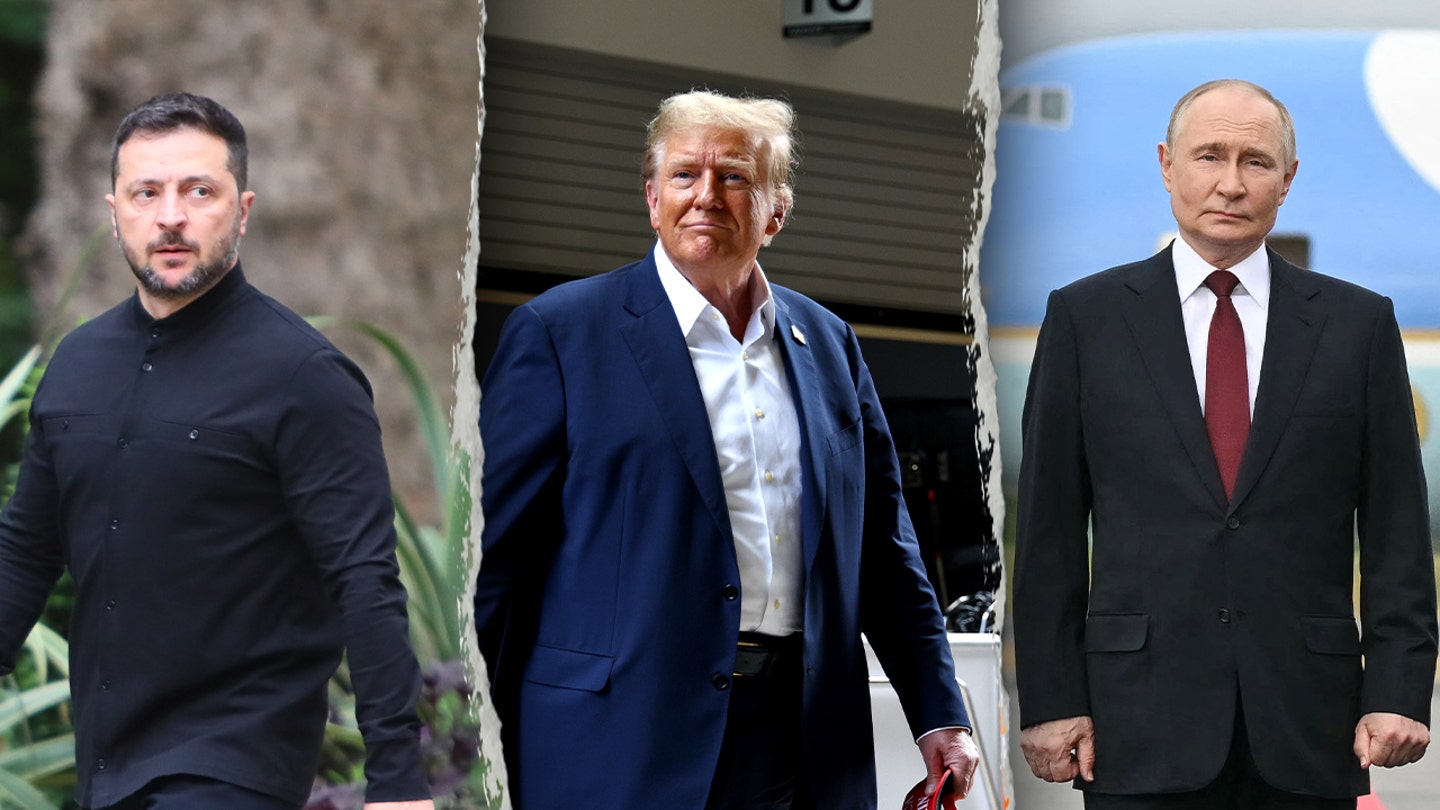
Trump moves to broker Putin-Zelenskyy meeting following DC peace talks
Entities mentioned:
- Donald Trump: Influence, Legacy, Recognition
- Vladimir Putin: Power, Control, Self-preservation
- Volodymyr Zelenskyy: Unity, Justice, Self-preservation
- Yury Ushakov: Loyalty, Duty, Influence
- Friedrich Merz: Duty, Influence, Unity
- Emmanuel Macron: Influence, Unity, Duty
Article Assessment:
Credibility Score: 65/100
Bias Rating: 55/100 (Center)
Sentiment Score: 60/100
Authoritarianism Risk: 35/100 (Generally Democratic)
Bias Analysis:
The article presents a relatively balanced view, including perspectives from multiple sides. However, it relies heavily on Trump's statements and social media posts, which could skew the narrative slightly in his favor.
Key metric: US International Diplomatic Influence
As a social scientist, I analyze that this article demonstrates a significant shift in US diplomatic strategy regarding the Russia-Ukraine conflict. Trump's direct involvement in brokering talks between Putin and Zelenskyy signals an attempt to reassert American influence in international conflict resolution. This approach could potentially impact the US's diplomatic standing, particularly in relation to European allies. The emphasis on personal diplomacy and Trump's central role in negotiations reflects a personalized approach to foreign policy that could have both positive and negative implications for long-term US diplomatic influence. The article suggests a potential breakthrough in the conflict, but also raises questions about the motivations and potential outcomes of such high-level negotiations.
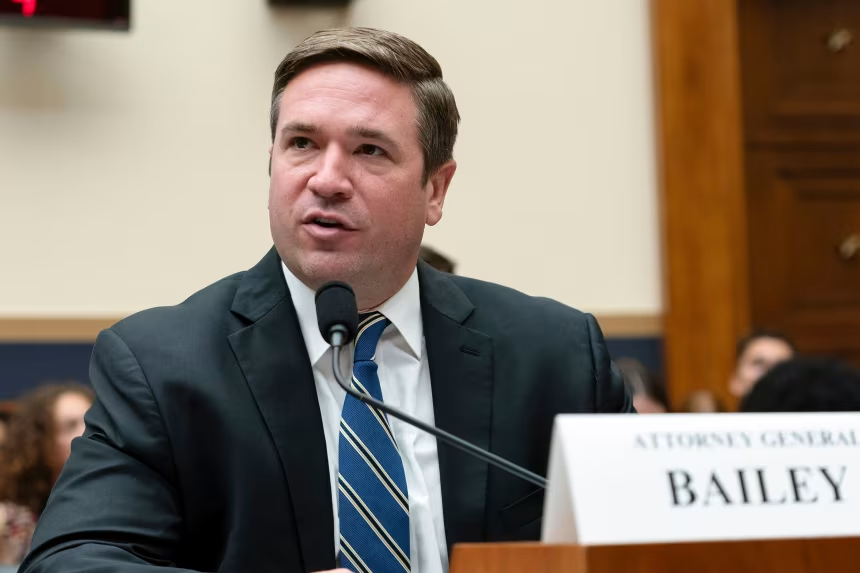
Bondi, Patel bring in Missouri AG to serve as FBI co-deputy director with Dan Bongino
Entities mentioned:
- Pam Bondi: Power, Control, Influence
- Kash Patel: Power, Loyalty, Control
- Andrew Bailey: Ambition, Loyalty, Duty
- Dan Bongino: Self-preservation, Pride, Influence
- Donald Trump: Power, Control, Legacy
- Todd Blanche: Loyalty, Professional pride, Influence
- FBI: Control, Security, Power
Article Assessment:
Credibility Score: 65/100
Bias Rating: 70/100 (Lean Right)
Sentiment Score: 55/100
Authoritarianism Risk: 65/100 (Authoritarian Tendencies)
Bias Analysis:
The article leans right due to its heavy reliance on Fox News as a source and its focus on Trump-aligned figures. The framing of the story and the language used suggest a favorable view of the changes in FBI leadership.
Key metric: Government Integrity and Accountability
As a social scientist, I analyze that this article reveals significant changes in the leadership structure of the FBI, a key institution in U.S. law enforcement. The appointment of a co-deputy director, especially one with strong political ties, suggests a potential shift in the FBI's operational dynamics and its relationship with the executive branch. This unusual move may impact the FBI's independence and could be seen as an attempt to exert more political control over the agency. The involvement of figures like Bondi and Patel, known for their loyalty to Trump, along with Bailey's explicit gratitude to Trump, indicates a possible politicization of the FBI's upper echelons. This development could have far-reaching implications for the integrity of federal law enforcement and the separation of powers, potentially eroding public trust in these institutions.
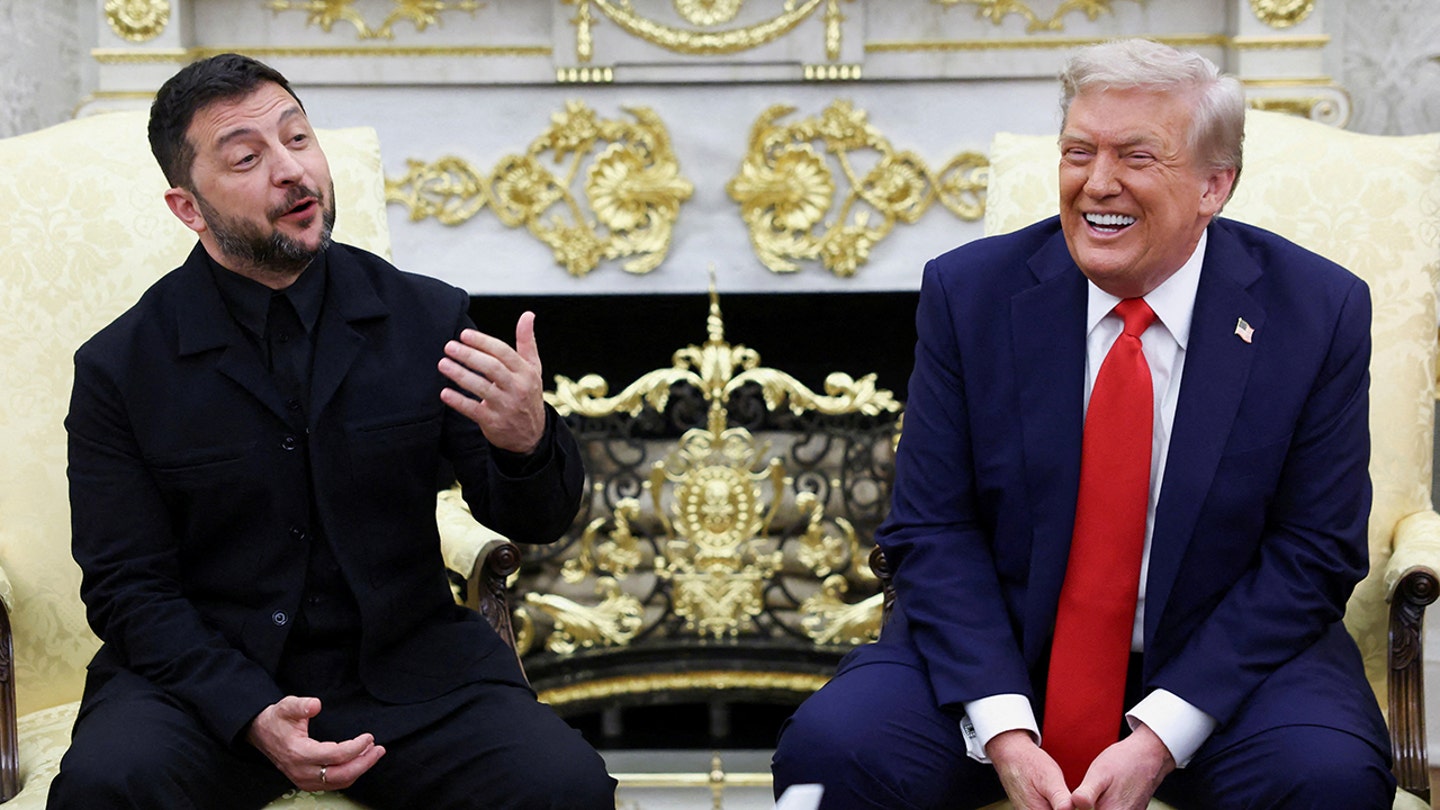
5 key moments inside Trump’s ‘big day’ with Zelenskyy, European leaders
Entities mentioned:
- Donald Trump: Power, Influence, Legacy
- Volodymyr Zelenskyy: Determination, Unity, Self-preservation
- Vladimir Putin: Power, Control, Influence
- JD Vance: Duty, Loyalty, Professional pride
- Ursula von der Leyen: Unity, Security, Peace
- Friedrich Merz: Unity, Security, Peace
- Emmanuel Macron: Unity, Security, Obligation
Article Assessment:
Credibility Score: 70/100
Bias Rating: 65/100 (Lean Right)
Sentiment Score: 65/100
Authoritarianism Risk: 35/100 (Generally Democratic)
Bias Analysis:
The article leans slightly right, focusing heavily on Trump's actions and portraying them in a generally positive light. While it includes multiple perspectives, the framing tends to emphasize Trump's leadership and diplomatic efforts.
Key metric: International Relations and Diplomacy
As a social scientist, I analyze that this article highlights a significant shift in diplomatic approach towards the Russia-Ukraine conflict. Trump's meetings with European leaders and Zelenskyy demonstrate an attempt to broker peace without a ceasefire, which is unconventional. The united European front and Trump's emphasis on Europe taking more responsibility for Ukraine's security indicate a potential realignment of international roles in the conflict. The article suggests a move towards more direct negotiations between conflicting parties, with the U.S. playing a facilitating role. This approach could significantly impact the trajectory of the conflict and reshape international diplomatic norms in conflict resolution.
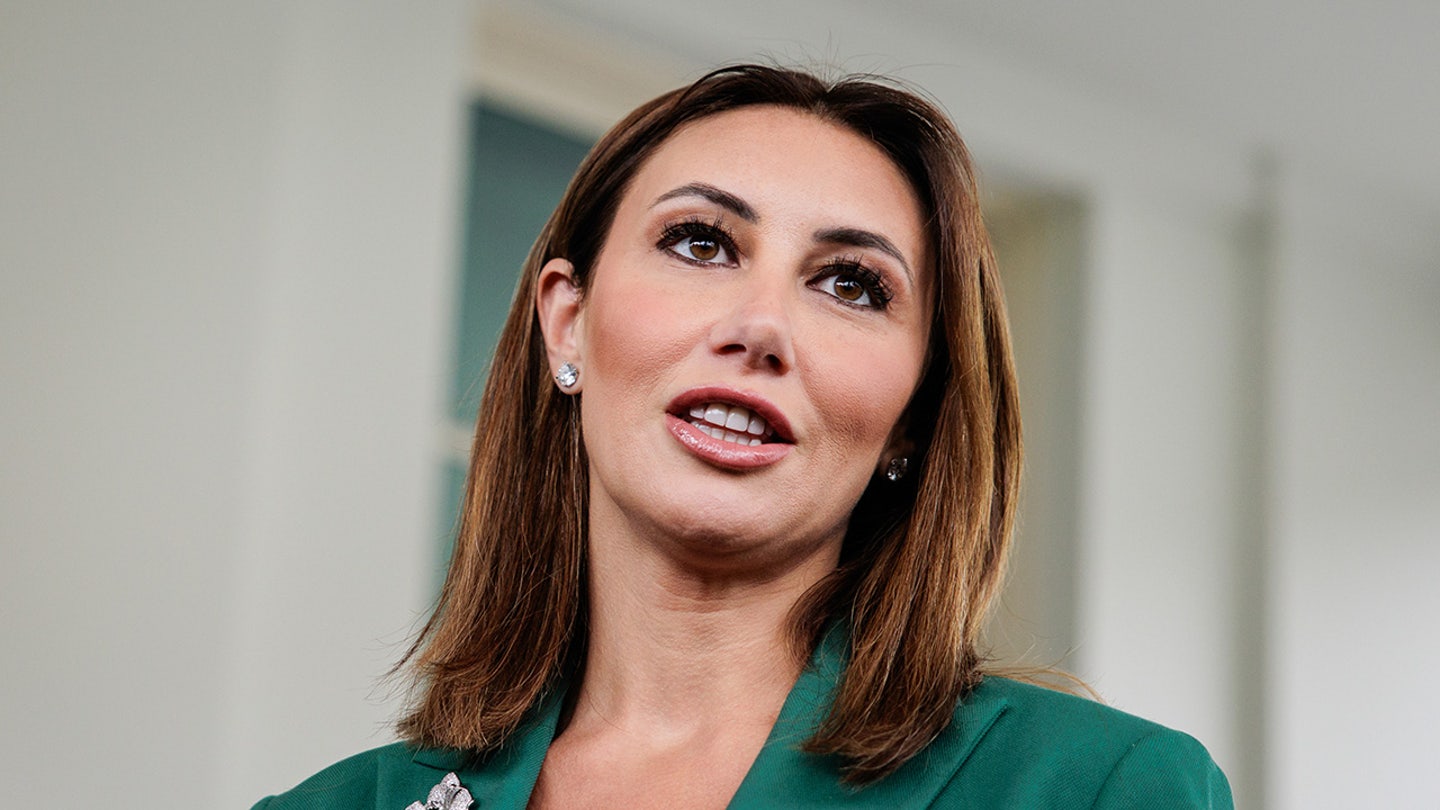
Judge to decide Trump appointee Alina Habba's fate as US attorney
Entities mentioned:
- Alina Habba: Ambition, Power, Control
- Donald Trump: Power, Control, Loyalty
- Judge Matthew Brann: Duty, Justice, Righteousness
- Julien Giraud Jr.: Self-preservation, Justice, Freedom
- Desiree Grace: Professional pride, Duty, Justice
- Pam Bondi: Loyalty, Power, Control
Article Assessment:
Credibility Score: 75/100
Bias Rating: 45/100 (Center)
Sentiment Score: 35/100
Authoritarianism Risk: 65/100 (Authoritarian Tendencies)
Bias Analysis:
The article presents multiple viewpoints, including those of the Trump administration, the defendant, and legal experts. While it highlights concerns about the appointment process, it also includes the DOJ's defense of its actions, maintaining a relatively balanced perspective.
Key metric: Rule of Law Index
As a social scientist, I analyze that this case highlights a significant challenge to the traditional process of appointing U.S. attorneys, potentially impacting the Rule of Law Index. The unprecedented maneuvers by the Trump administration to keep Habba in power, despite lack of Senate confirmation, raise concerns about the separation of powers and the integrity of the justice system. This situation could weaken public trust in legal institutions and potentially set a precedent for future administrations to bypass established appointment procedures. The case also demonstrates the tension between executive authority and legislative oversight, which is crucial for maintaining checks and balances in a democratic system. The outcome of this decision could have far-reaching implications for the interpretation of federal vacancy laws and the limits of presidential power in appointing key law enforcement officials.
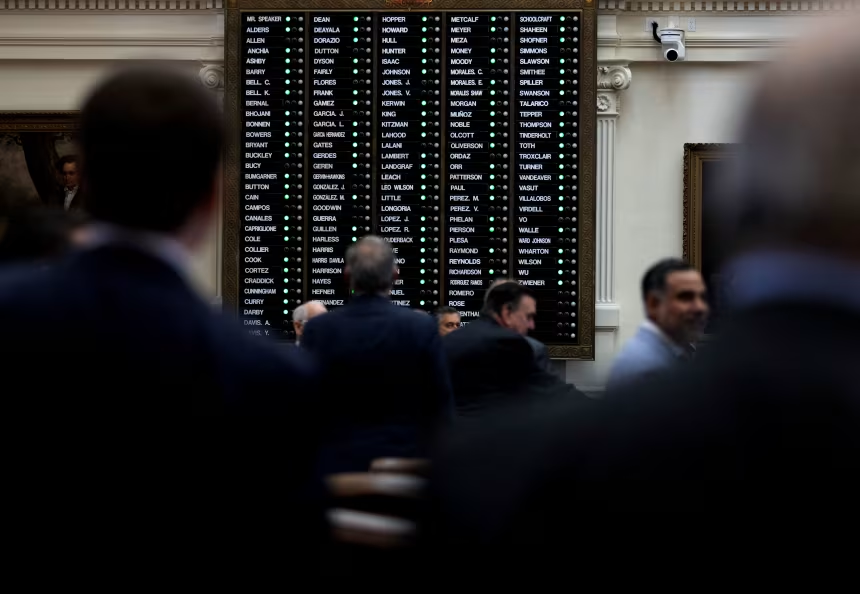
Texas GOP now faces clear path to redraw congressional maps in Trump-backed push
Entities mentioned:
- Texas Republicans: Power, Control, Competitive spirit
- Texas Democrats: Justice, Determination, Self-preservation
- California Democrats: Power, Competitive spirit, Justice
- California Republicans: Justice, Moral outrage, Self-preservation
- Greg Abbott: Power, Control, Determination
- Donald Trump: Influence, Power, Legacy
- Dustin Burrows: Control, Power, Duty
Article Assessment:
Credibility Score: 75/100
Bias Rating: 55/100 (Center)
Sentiment Score: 35/100
Authoritarianism Risk: 65/100 (Authoritarian Tendencies)
Bias Analysis:
The article presents actions from both Republican and Democratic sides, offering a relatively balanced view of the redistricting struggle. However, slightly more space is given to Democratic perspectives and justifications, particularly in the California section.
Key metric: Electoral Competitiveness
As a social scientist, I analyze that this article highlights the intensifying partisan struggle over redistricting in two major states, Texas and California. The actions taken by both parties demonstrate a clear attempt to manipulate electoral maps for political advantage, potentially reducing electoral competitiveness. Texas Republicans are pushing for maps that create more Republican-leaning districts, while California Democrats are countering with their own redistricting efforts to gain more seats. This tit-for-tat approach risks further polarizing the political landscape and reducing the number of competitive districts, which could lead to decreased voter engagement and representation. The use of special sessions, constitutional amendments, and even physical confinement of legislators showcases the lengths to which parties are willing to go to secure electoral advantages, raising concerns about the health of democratic processes and the balance of power.