
Israel set to launch Gaza City offensive: High stakes, high costs ahead
Entities mentioned:
- Israel: Security, Revenge, Justice
- Hamas: Control, Power, Revenge
- IDF (Israel Defense Forces): Duty, Professional pride, Determination
- John Spencer: Expertise, Duty, Wariness
- Gadi Shamni: Expertise, Wariness, Duty
- Anonymous former Israeli security official: Expertise, Wariness, Duty
Article Assessment:
Credibility Score: 75/100
Bias Rating: 55/100 (Center)
Sentiment Score: 25/100
Authoritarianism Risk: 45/100 (Mixed/Neutral)
Bias Analysis:
The article presents multiple expert perspectives and includes detailed information about both Israeli and Hamas strategies. While it leans slightly towards the Israeli perspective, it also addresses potential risks and criticisms of the operation.
Key metric: Global Conflict Index
As a social scientist, I analyze that this article details Israel's preparation for a major offensive against Hamas in Gaza City, which will significantly impact the Global Conflict Index. The operation, dubbed 'Gideon's Chariots B', involves unprecedented military mobilization and presents complex challenges due to Gaza's dense urban environment and Hamas' extensive tunnel network. The analysis from military experts suggests a protracted, high-stakes conflict with potential for significant casualties on both sides and risks to civilian lives and hostages. This escalation could lead to increased regional instability, international diplomatic tensions, and a potential humanitarian crisis, all of which would negatively affect the Global Conflict Index. The operation's success or failure could have long-lasting implications for Middle Eastern geopolitics and global security dynamics.
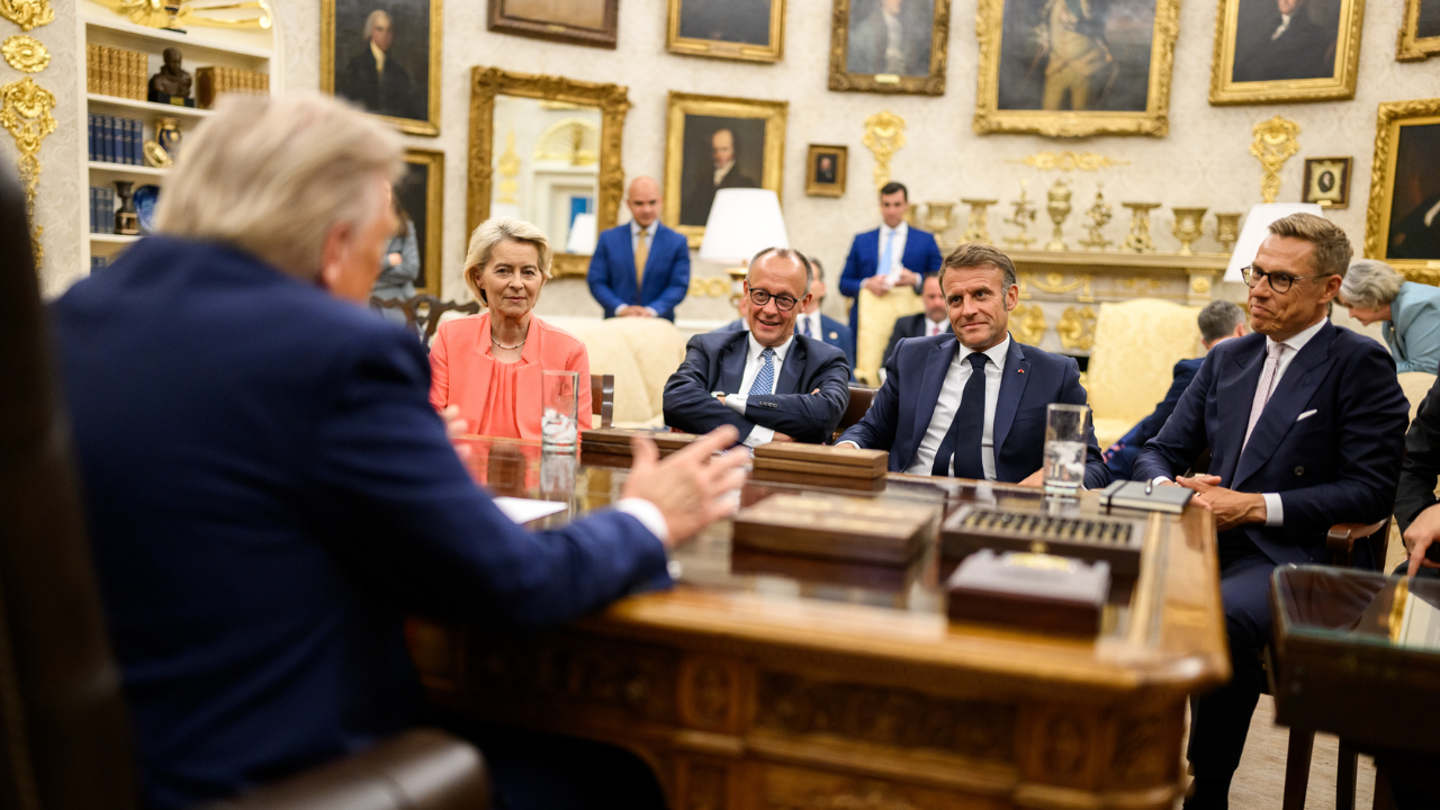
Trump gave the Oval Office a gilded makeover – and covered the cost himself
Entities mentioned:
- Donald Trump: Pride, Legacy, Recognition
- White House: Professional pride, Legacy, Influence
- Joe Biden: Legacy, Duty, Influence
Article Assessment:
Credibility Score: 65/100
Bias Rating: 55/100 (Center)
Sentiment Score: 70/100
Authoritarianism Risk: 30/100 (Generally Democratic)
Bias Analysis:
The article presents a generally neutral tone, providing factual details about the changes made to the Oval Office. However, there's a slight lean towards positive framing of Trump's actions, emphasizing his personal financing and 'golden touch' without critical perspectives.
Key metric: Presidential Approval Rating
As a social scientist, I analyze that this article's focus on Trump's personal financing of White House renovations and aesthetic changes may impact public perception of his presidency. The emphasis on gold accents and luxurious additions could be seen as either a display of wealth and success or as excessive and out of touch with average Americans. This could potentially influence approval ratings, particularly among different socioeconomic groups. The article's highlighting of Trump's personal investment in these changes may also affect perceptions of his commitment to the office and his willingness to use personal resources for what he sees as improvements to the nation's most iconic building.
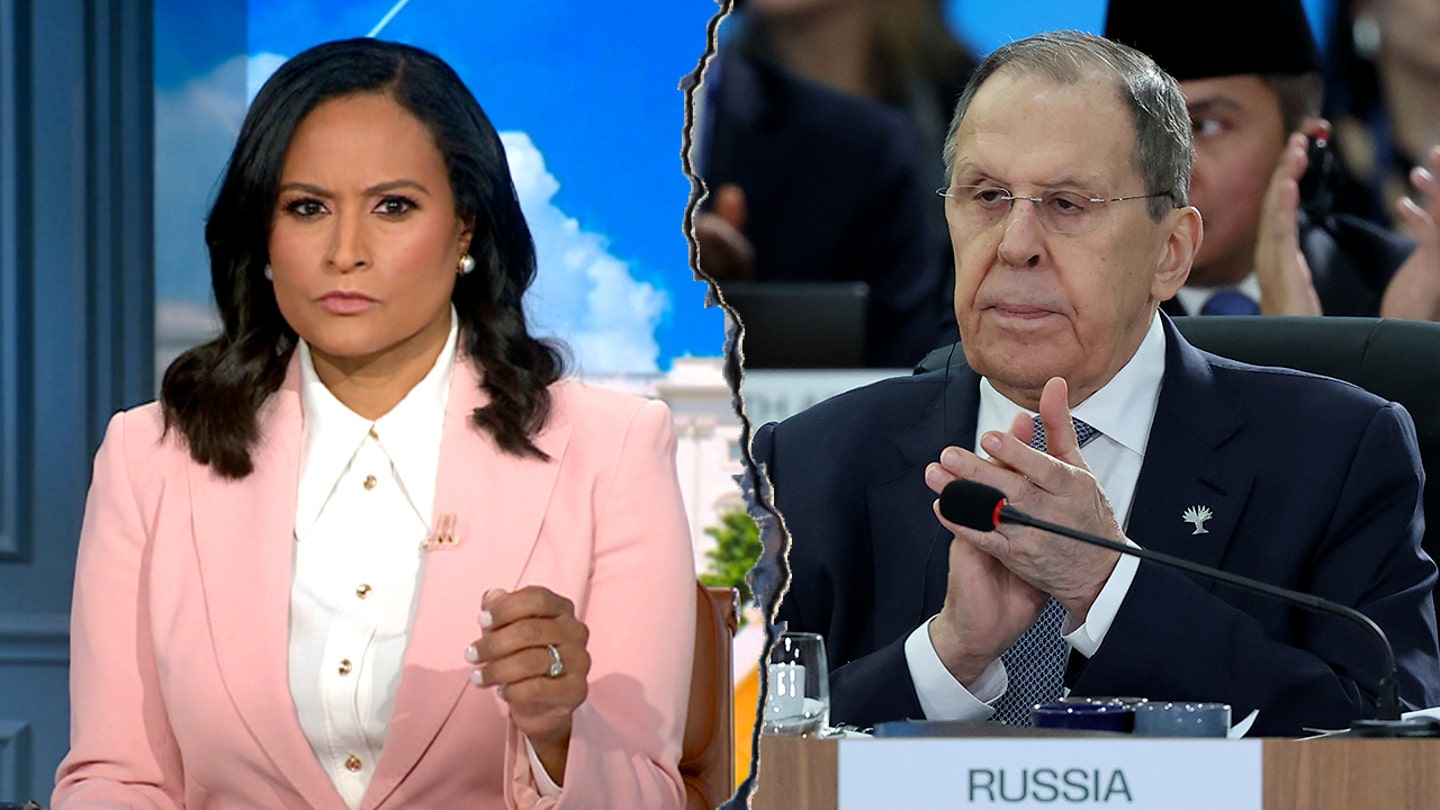
Russian foreign minister accuses NBC host of wanting something to 'sell' during tense Ukraine exchange
Entities mentioned:
- Kristen Welker: Professional pride, Determination, Duty
- Sergey Lavrov: Control, Loyalty, Self-preservation
- Volodymyr Zelenskyy: Unity, Self-preservation, Determination
- Vladimir Putin: Power, Control, Pride
- Donald Trump: Influence, Power, Recognition
Article Assessment:
Credibility Score: 70/100
Bias Rating: 55/100 (Center)
Sentiment Score: 35/100
Authoritarianism Risk: 45/100 (Mixed/Neutral)
Bias Analysis:
The article presents both Russian and American perspectives, though it gives more space to the American viewpoint. The inclusion of Trump's statements and the framing of Lavrov's responses suggest a slight lean towards Western perspectives, but overall maintains a relatively balanced approach.
Key metric: International Relations and Diplomacy
As a social scientist, I analyze that this article highlights the ongoing tension between Russia and the West regarding the conflict in Ukraine. The exchange between NBC's Kristen Welker and Russian Foreign Minister Sergey Lavrov demonstrates Russia's refusal to acknowledge its actions as an invasion, instead framing it as a 'special military operation'. This semantic dispute reflects deeper geopolitical conflicts and differing narratives about the situation. The article also touches on the role of the United States, particularly President Trump's involvement in negotiations, which suggests a complex diplomatic landscape with potential implications for global power dynamics and conflict resolution efforts.

Russia says Ukrainian drones hit nuclear power plant during Independence Day strikes
Entities mentioned:
- Russia: Control, Self-preservation, Security
- Ukraine: Freedom, Self-preservation, Determination
- U.N. nuclear watchdog: Security, Duty, Professional pride
- Rafael Mariano Grossi: Security, Duty, Professional pride
- Volodymyr Zelenskyy: Unity, Determination, Security
- United States: Influence, Security, Power
Article Assessment:
Credibility Score: 65/100
Bias Rating: 55/100 (Center)
Sentiment Score: 30/100
Authoritarianism Risk: 35/100 (Generally Democratic)
Bias Analysis:
The article presents information from both Russian and Ukrainian sources, attempting to balance perspectives. However, there's slightly more detail on Ukrainian statements, possibly indicating a slight lean towards Western sources.
Key metric: International Conflict and Security
As a social scientist, I analyze that this article highlights the ongoing tensions between Russia and Ukraine, particularly on Ukraine's Independence Day. The reported drone attacks on Russian infrastructure, including a nuclear power plant, demonstrate the escalation of the conflict and its potential to affect critical facilities. This raises significant international security concerns, especially regarding nuclear safety. The contrasting narratives from Russian and Ukrainian sources about the number and effectiveness of drone attacks reflect the information warfare aspect of this conflict. President Zelenskyy's speech emphasizes Ukraine's determination for independence and international recognition, while also acknowledging the complex geopolitical dynamics involving the US and Russia. The incident underscores the volatile nature of the conflict and its potential to impact global security and diplomatic relations.
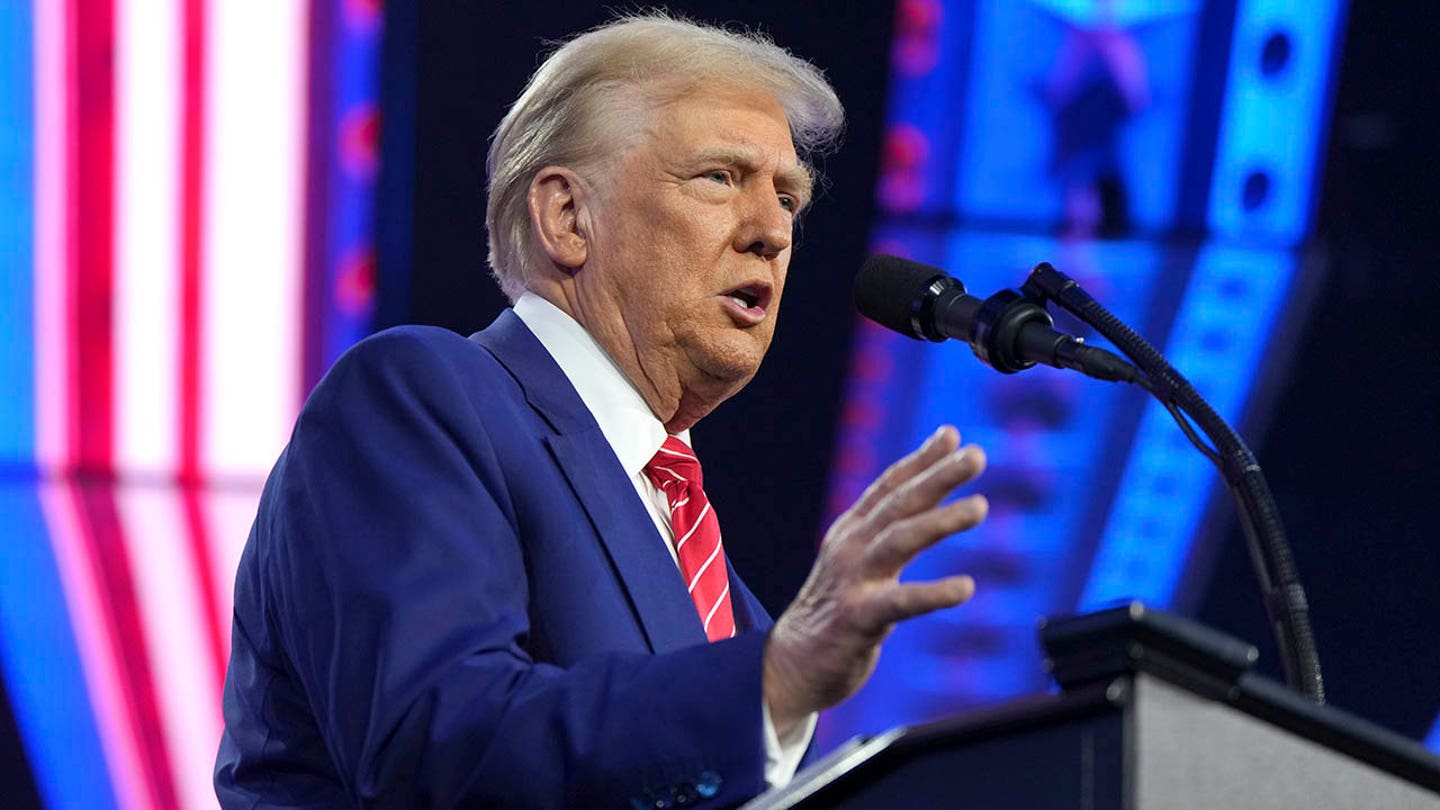
Trump tells Grassley to tell Democrats 'go to HELL' over blocked judicial nominees in Senate
Entities mentioned:
- Donald Trump: Power, Control, Indignation
- Chuck Grassley: Duty, Loyalty, Wariness
- Senate Democrats: Control, Resistance, Power
- Alina Habba: Ambition, Professional pride, Self-preservation
- Judge Matthew Brann: Justice, Duty, Professional pride
Article Assessment:
Credibility Score: 70/100
Bias Rating: 55/100 (Center)
Sentiment Score: 30/100
Authoritarianism Risk: 65/100 (Authoritarian Tendencies)
Bias Analysis:
The article presents multiple viewpoints, including Trump's criticism and Grassley's defense of the blue slip tradition. While it gives more space to Trump's perspective, it also includes factual context about the constitutional process and recent judicial rulings.
Key metric: Judicial Branch Appointments
As a social scientist, I analyze that this article highlights a growing tension between executive power and Senate traditions in the judicial appointment process. Trump's frustration with the 'blue slip' custom reflects a broader struggle for control over the judiciary, which has significant implications for the balance of power in the US government. The slowdown in judicial appointments during Trump's current term, compared to his first, indicates a shift in the political landscape and the effectiveness of opposition tactics. This conflict could lead to further polarization in the appointment process and potentially alter long-standing Senate norms, affecting the composition and perceived legitimacy of the federal judiciary in the long term.
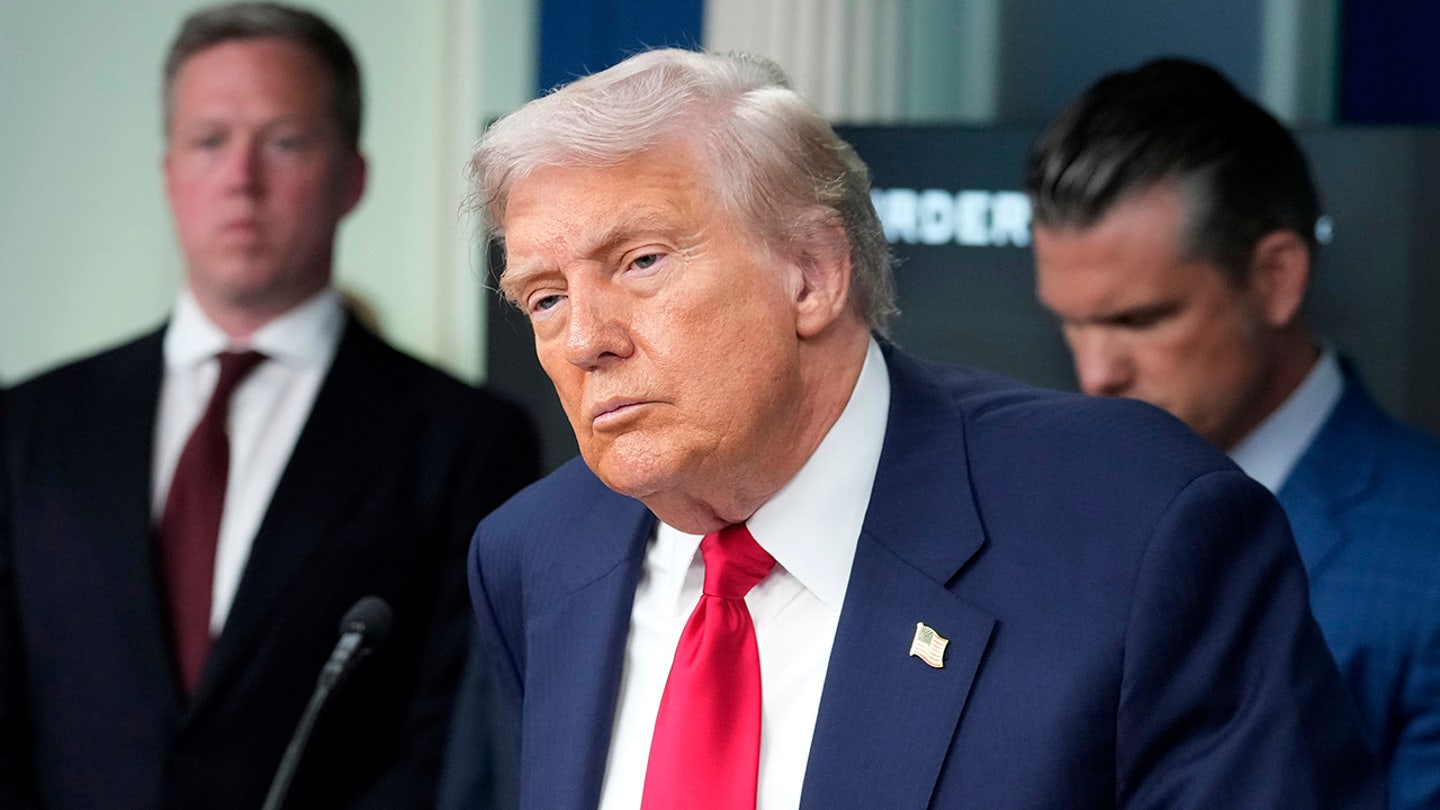
DC statehood debate intensifies as Trump flexes authority over local police
Entities mentioned:
- President Donald Trump: Power, Control, Security
- Democrats: Justice, Freedom, Righteousness
- Sen. Paul Strauss: Justice, Freedom, Duty
- Del. Eleanor Holmes Norton: Justice, Freedom, Duty
- White House: Control, Security, Power
- Sen. Tim Kaine: Justice, Freedom, Duty
- Sen. Chris Van Hollen: Justice, Freedom, Duty
- Rep. Jamie Raskin: Justice, Freedom, Duty
- Republicans: Power, Control, Security
Article Assessment:
Credibility Score: 75/100
Bias Rating: 45/100 (Center)
Sentiment Score: 35/100
Authoritarianism Risk: 55/100 (Mixed/Neutral)
Bias Analysis:
The article presents views from both sides of the debate, including quotes from Democrats and White House representatives. While it gives more space to pro-statehood arguments, it also includes counterarguments, maintaining a relatively balanced perspective.
Key metric: Democratic Index
As a social scientist, I analyze that this article highlights a significant tension between federal power and local autonomy in Washington D.C., impacting the Democratic Index. The president's actions to take control of local police forces have reignited the debate on D.C. statehood, which is fundamentally about democratic representation and self-governance. This situation exposes the unique and problematic status of D.C. as a non-state entity subject to federal control, potentially undermining democratic principles. The debate also reflects broader national tensions between federal and state powers, and partisan divides on issues of urban governance and law enforcement. The push for D.C. statehood, if successful, would significantly alter the balance of power in Congress and potentially impact future national elections, thus having far-reaching implications for the Democratic Index of the United States.
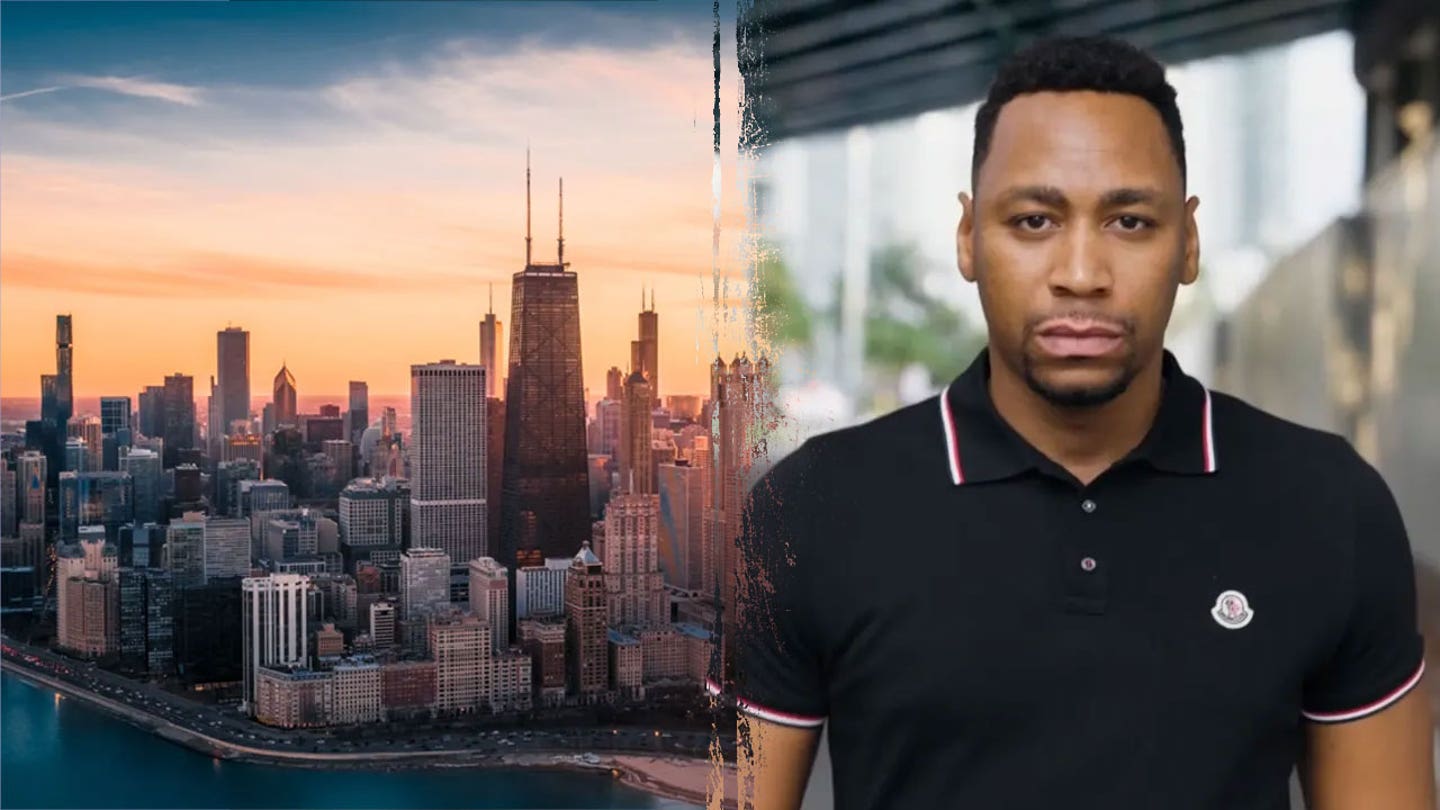
Gianno Caldwell mulls Senate bid as Chicagoans are 'begging for change' on crime woes
Entities mentioned:
- Gianno Caldwell: Justice, Ambition, Duty
- Illinois Republican Party: Power, Influence, Security
- Donald Trump: Control, Power, Security
- Muriel Bowser: Freedom, Righteousness, Wariness
- Dick Durbin: Legacy, Duty, Self-respect
Article Assessment:
Credibility Score: 70/100
Bias Rating: 65/100 (Lean Right)
Sentiment Score: 35/100
Authoritarianism Risk: 55/100 (Mixed/Neutral)
Bias Analysis:
The article leans slightly right, focusing more on Republican perspectives and Trump's approach to crime. While it includes some opposing views, it gives more space and detail to conservative positions on law enforcement.
Key metric: Violent Crime Rate
As a social scientist, I analyze that this article highlights the growing concern over crime rates in major U.S. cities, particularly Chicago. Gianno Caldwell's potential Senate bid, motivated by personal tragedy and a desire for change, reflects a broader political shift towards prioritizing law and order. The article suggests a tension between federal intervention in local policing and concerns about civil liberties. This focus on crime could significantly impact the violent crime rate metric by potentially leading to more aggressive law enforcement policies. However, the effectiveness and potential consequences of such approaches remain debatable, as evidenced by the contrasting views presented in the article.
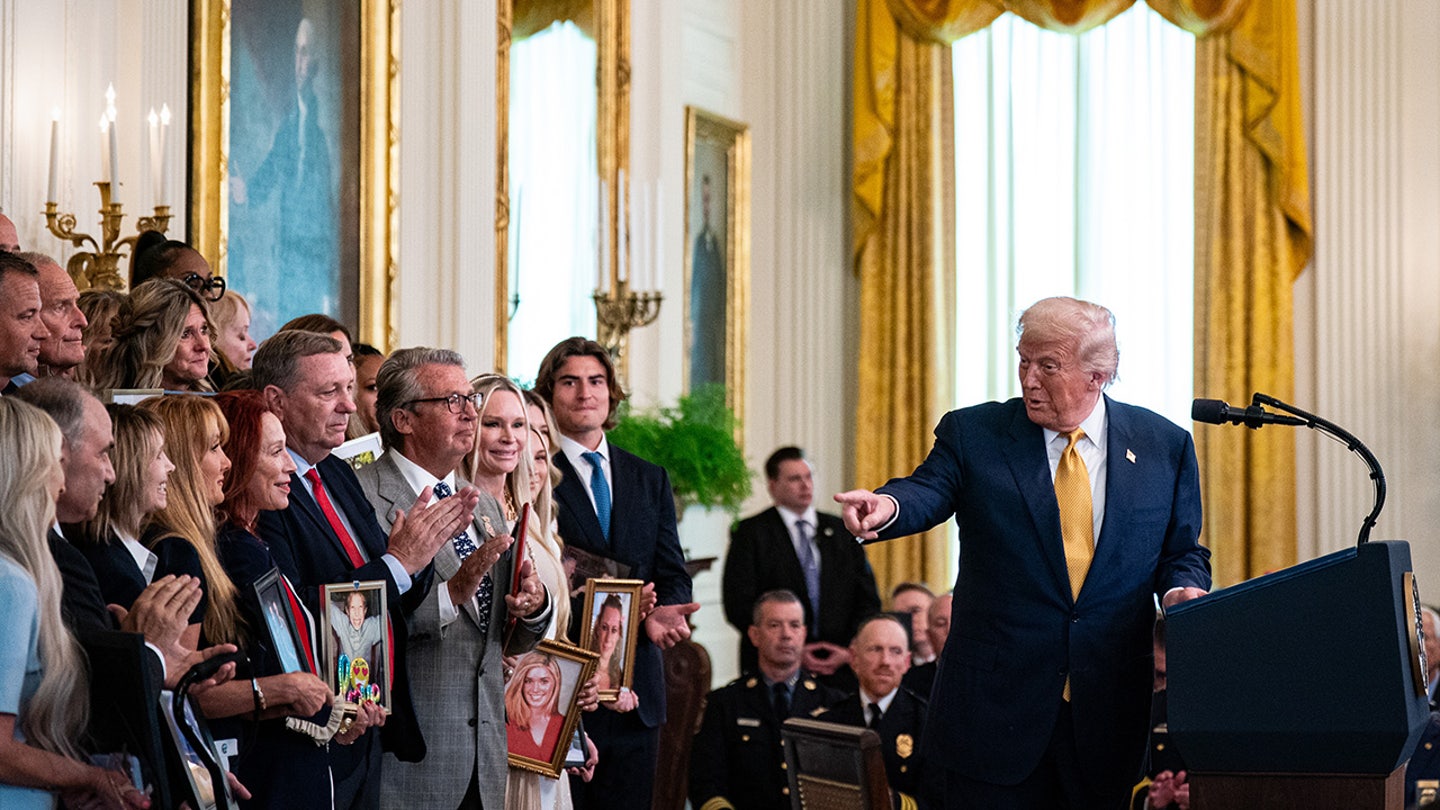
Scoop: 'Make America Fentanyl Free' campaign launches to help Trump lower overdose deaths
Entities mentioned:
- Donald Trump: Ambition, Legacy, Control
- Make America Fentanyl Free campaign: Righteousness, Duty, Influence
- Mexican drug cartels: Greed, Power, Control
- Trump administration: Control, Legacy, Security
- Democrats in California: Moral outrage, Justice, Security
Article Assessment:
Credibility Score: 65/100
Bias Rating: 70/100 (Lean Right)
Sentiment Score: 45/100
Authoritarianism Risk: 55/100 (Mixed/Neutral)
Bias Analysis:
The article leans right, primarily focusing on Trump's efforts and the new campaign supporting him. It presents criticism of Trump's approach briefly and near the end, giving more prominence to pro-Trump messaging.
Key metric: Drug Overdose Death Rate
As a social scientist, I analyze that this article highlights a new campaign aimed at supporting President Trump's efforts to combat fentanyl-related deaths in the United States. The campaign, 'Make America Fentanyl Free,' is presented as a privately-funded initiative to educate the public about fentanyl dangers and support Trump's policies. The article emphasizes Trump's past actions against fentanyl trafficking but also mentions criticism of his administration's approach. This campaign could potentially impact the drug overdose death rate by increasing public awareness and supporting stricter border control and law enforcement measures. However, the effectiveness of such campaigns in directly reducing overdose deaths is often debated in the scientific community.
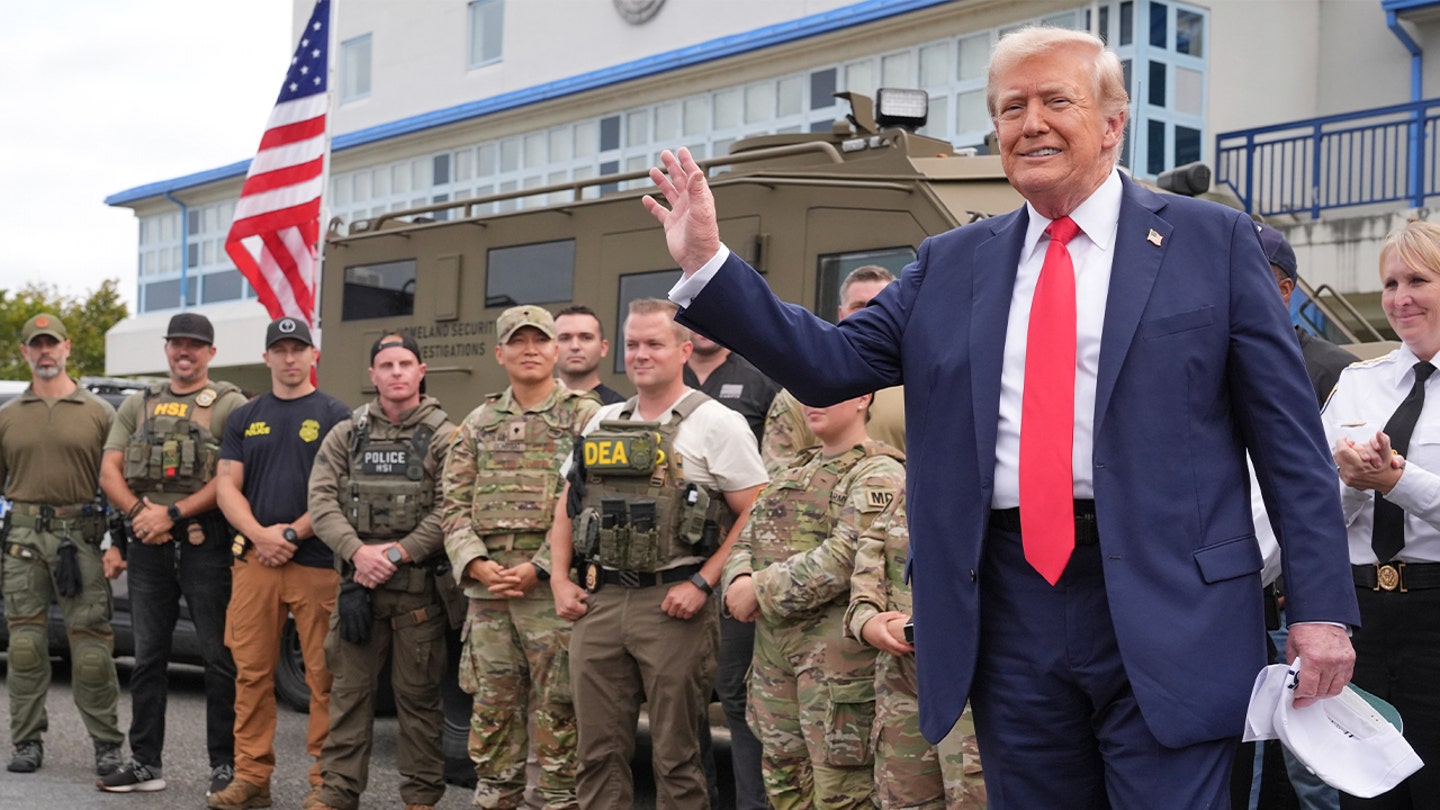
Trump's week shaped by crime agenda, potential guard deployment to Chicago
Entities mentioned:
- Donald Trump: Power, Control, Influence
- Pam Bondi: Duty, Justice, Professional pride
- Brandon Johnson: Self-preservation, Righteousness, Indignation
- J.B. Pritzker: Duty, Self-preservation, Wariness
- Wes Moore: Duty, Security, Cooperation
- Muriel Bowser: Duty, Security, Self-preservation
Article Assessment:
Credibility Score: 70/100
Bias Rating: 55/100 (Center)
Sentiment Score: 35/100
Authoritarianism Risk: 65/100 (Authoritarian Tendencies)
Bias Analysis:
The article presents multiple viewpoints, including Trump's statements and responses from Democratic leaders. While it leans slightly towards critiquing Trump's approach, it maintains a relatively balanced presentation of facts and perspectives.
Key metric: Crime Rate in Major Cities
As a social scientist, I analyze that this article highlights President Trump's focus on crime reduction in major U.S. cities, particularly Chicago and Washington D.C., through the potential deployment of National Guard troops and increased federal law enforcement presence. This approach reflects a centralized, federal-level intervention in local matters, which could impact crime rates but also raises concerns about federal overreach and political motivations. The President's rhetoric and actions suggest a belief that forceful intervention can quickly reduce crime, but this approach may overlook complex socio-economic factors contributing to urban crime. The resistance from local Democratic leaders indicates a political divide in approaches to public safety and federalism. This conflict could affect the implementation and effectiveness of crime reduction strategies, potentially impacting the key metric of crime rates in major cities.
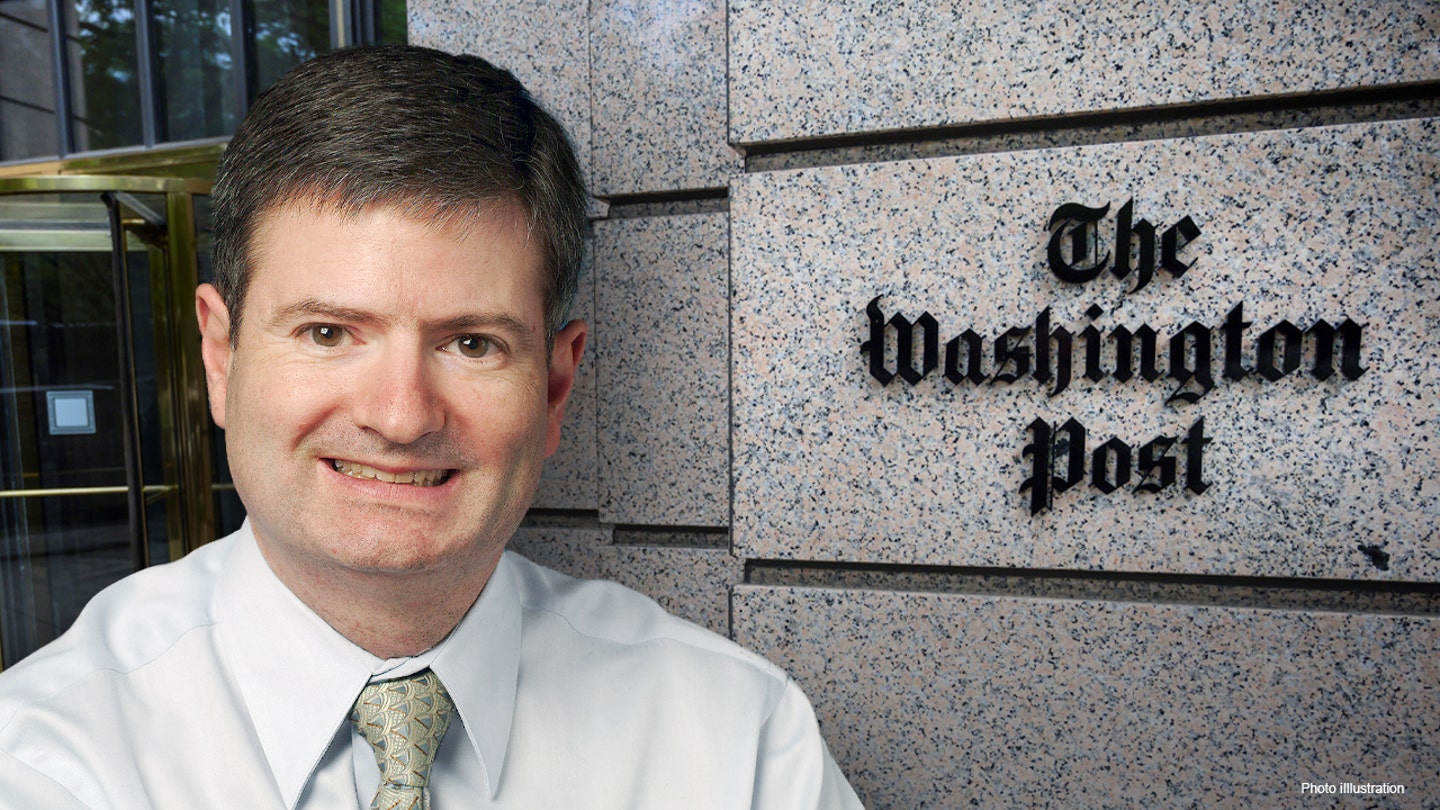
Ex-Washington Post fact checker owns up to poorly-aged report but remains defiant against his critics
Entities mentioned:
- Glenn Kessler: Professional pride, Self-respect, Duty
- Donald Trump: Power, Influence, Control
- The Washington Post: Credibility, Influence, Professional pride
- Matt Murray: Control, Professional pride, Influence
- Ted Cruz: Righteousness, Competitive spirit, Influence
Article Assessment:
Credibility Score: 70/100
Bias Rating: 55/100 (Center)
Sentiment Score: 45/100
Authoritarianism Risk: 30/100 (Generally Democratic)
Bias Analysis:
The article presents multiple viewpoints, including critics of fact-checking, but gives more space to Kessler's perspective. It maintains a relatively neutral tone while discussing controversial topics, suggesting a slight center-right lean.
Key metric: Public Trust in Media
As a social scientist, I analyze that this article highlights the challenges facing fact-checkers and traditional media in maintaining public trust. The piece reveals tensions between journalistic integrity, political polarization, and the rapid spread of information (and misinformation) in the digital age. Kessler's reflections on his career and the changing landscape of fact-checking underscore a shift in how information is consumed and verified by the public. This shift has significant implications for democratic discourse and the role of media in shaping public opinion. The article also touches on internal struggles within news organizations to adapt to these changes, as evidenced by discussions about ombudsmen and editorial decisions.