
The Trump administration said ‘many Jewish groups’ support a controversial nominee — some have never heard of him
Entities mentioned:
- Paul Ingrassia: Ambition, Power, Influence
- Trump Administration: Control, Loyalty, Self-preservation
- Zionist Organization of America: Wariness, Obligation, Righteousness
- US Holocaust Memorial Council: Professional pride, Duty, Unity
- Israeli Defense and Security Forum: Security, Professional pride, Wariness
- Israel Heritage Foundation: Loyalty, Righteousness, Obligation
- Nick Fuentes: Influence, Recognition, Power
Article Assessment:
Credibility Score: 75/100
Bias Rating: 45/100 (Center)
Sentiment Score: 35/100
Authoritarianism Risk: 55/100 (Mixed/Neutral)
Bias Analysis:
The article presents multiple perspectives and extensively fact-checks claims, indicating a balanced approach. However, the focus on disproving the administration's claims could be seen as slightly critical of the Trump administration.
Key metric: Government Integrity and Accountability
As a social scientist, I analyze that this article highlights significant concerns regarding the Trump administration's nomination process and the integrity of their statements. The administration's claim of support from 'many Jewish groups' for Paul Ingrassia's nomination to lead the Office of Special Counsel appears to be largely unfounded. This discrepancy raises questions about the administration's vetting process and transparency. The controversy surrounding Ingrassia's past statements and associations, particularly with a known Holocaust denier, further complicates the situation. This case study demonstrates the challenges in maintaining government integrity and the potential risks of appointing individuals with questionable backgrounds to key oversight positions. The conflicting responses from various Jewish organizations also reveal the complex dynamics of political endorsements and the potential for misrepresentation in official communications.
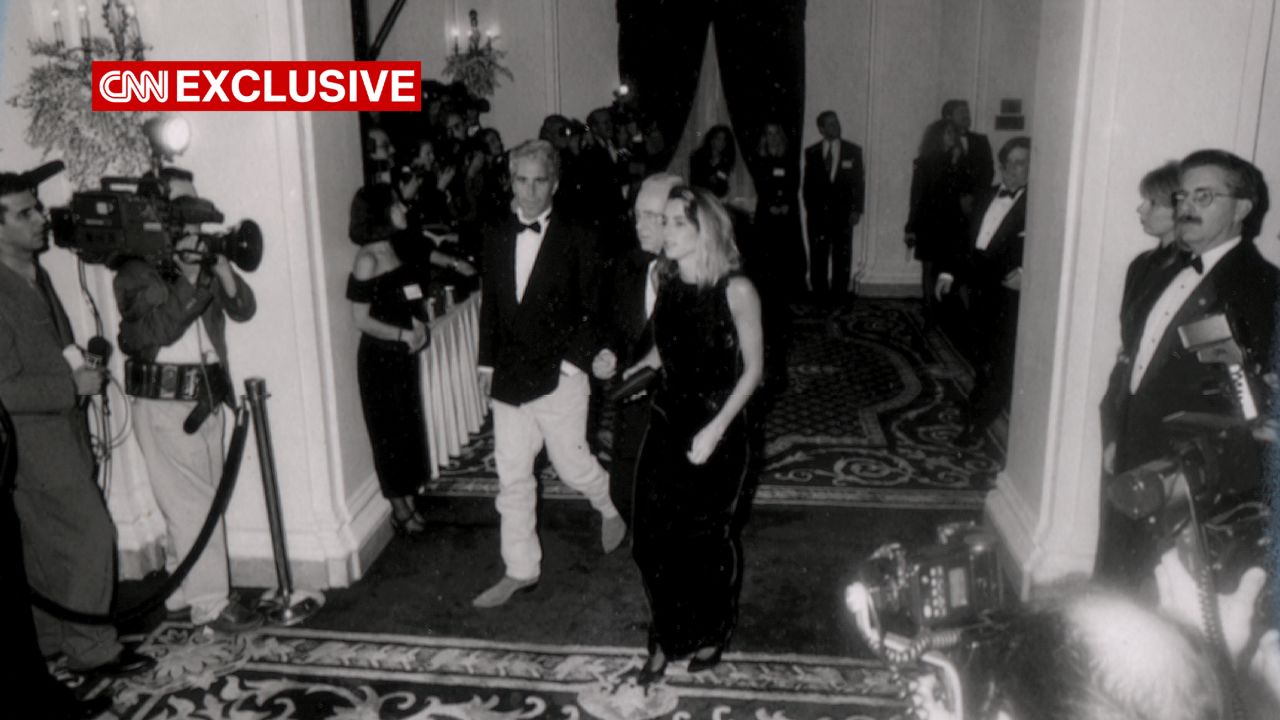
Exclusive: Newly discovered photos and video shed fresh light on Trump’s ties to Jeffrey Epstein
Entities mentioned:
- Donald Trump: Self-preservation, Power, Control
- Jeffrey Epstein: Power, Influence, Greed
- Justice Department: Control, Duty, Obligation
- Steven Cheung: Loyalty, Professional pride, Duty
- Ghislaine Maxwell: Self-preservation, Loyalty, Power
Article Assessment:
Credibility Score: 75/100
Bias Rating: 45/100 (Center)
Sentiment Score: 35/100
Authoritarianism Risk: 25/100 (Generally Democratic)
Bias Analysis:
The article presents a balanced view, including statements from both sides and relying on verifiable evidence. However, the focus on Trump's connections to Epstein could be seen as slightly left-leaning, given the potential political implications.
Key metric: Public Trust in Government
As a social scientist, I analyze that this article significantly impacts public trust in government by revealing potentially compromising connections between a former U.S. president and a convicted sex offender. The newly uncovered evidence of Trump's association with Epstein, spanning decades, raises questions about judgment and character that could erode confidence in political leadership. The Justice Department's handling of Epstein-related files further complicates the issue, potentially fueling conspiracy theories and distrust in institutional transparency. This could lead to decreased civic engagement and increased polarization, as supporters and critics interpret the information through their respective ideological lenses.
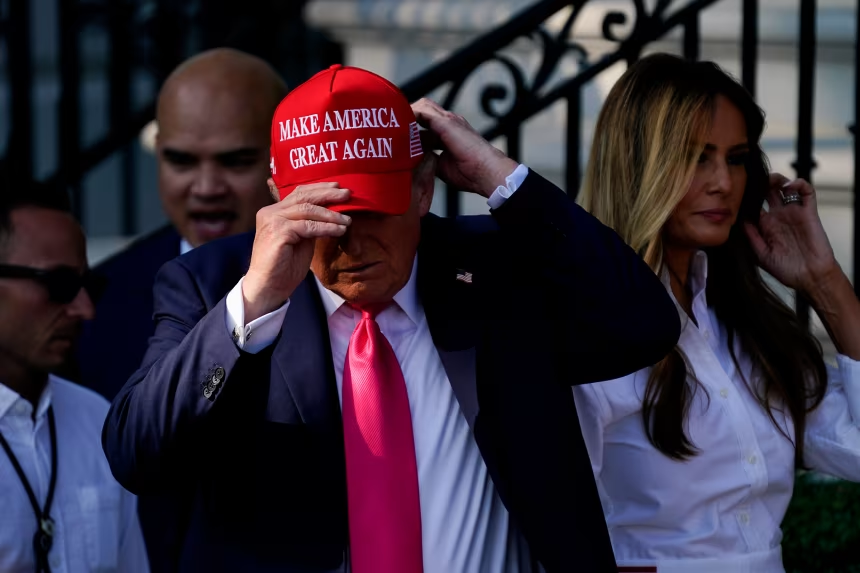
Analysis: Donald Trump’s long history of fake history
Entities mentioned:
- Donald Trump: Recognition, Self-preservation, Power
- Joe Biden: Duty, Obligation, Professional pride
- Tim Walz: Duty, Security, Control
- European Union: Unity, Security, Influence
- South Korea: Security, Self-preservation, Obligation
Article Assessment:
Credibility Score: 85/100
Bias Rating: 40/100 (Lean Left)
Sentiment Score: 30/100
Authoritarianism Risk: 20/100 (Strongly Democratic)
Bias Analysis:
The article leans slightly left due to its focus on fact-checking Trump's statements. However, it maintains credibility through extensive sourcing and balanced presentation of facts, including White House responses.
Key metric: Public Trust in Government
As a social scientist, I analyze that this article significantly impacts public trust in government by exposing numerous false claims made by former President Donald Trump. The systematic debunking of Trump's statements across various topics, including Brexit, the Iraq War, civil unrest in Minneapolis, and international relations, reveals a pattern of misinformation that could erode citizens' confidence in political leadership. The article's detailed fact-checking demonstrates how distorted narratives can be used to inflate a leader's perceived competence and foresight, potentially misleading voters and distorting public discourse. This constant stream of inaccuracies from a high-profile political figure may contribute to a broader skepticism towards government communications and decrease overall trust in political institutions.

Six months into Trump’s second term, voters remain divided
Entities mentioned:
- Donald Trump: Power, Control, Legacy
- Jaclyn Taylor: Loyalty, Pride, Enthusiasm
- Lawrence Malinconico: Moral outrage, Anxiety, Indignation
- Deven McIver: Self-preservation, Security, Wariness
- Pat Levin: Fear, Moral outrage, Anxiety
- Tonya Rincon: Moral outrage, Justice, Indignation
- Vladimir Putin: Power, Control, Influence
- Jeffrey Epstein: Power, Greed, Control
Article Assessment:
Credibility Score: 75/100
Bias Rating: 45/100 (Center)
Sentiment Score: 35/100
Authoritarianism Risk: 45/100 (Mixed/Neutral)
Bias Analysis:
The article presents views from both Trump supporters and opponents, providing a balanced perspective. While it includes more critical voices, it also fairly represents supportive opinions, maintaining a relatively centrist approach.
Key metric: Political Polarization Index
As a social scientist, I analyze that this article demonstrates the deep political divide in the United States six months into Trump's second term. The stark contrast in opinions between Trump supporters and opponents reflects a highly polarized electorate, with little middle ground. This polarization extends to various issues, including immigration, foreign policy, and economic matters. The article highlights how pre-existing views largely determine interpretations of current events, with supporters praising Trump's actions and opponents criticizing them. The Epstein saga appears to be a rare point of concern among some Trump supporters, though it hasn't significantly altered their overall support. The persistent high cost of living is a common concern across political lines, which could become a critical issue in the upcoming 2026 midterm elections. The article suggests that the political landscape remains deeply divided, with little evidence of a shift towards unity or bipartisanship.

Voters share the economic impacts of Trump’s megabill in battleground Arizona
Entities mentioned:
- Ray Flores: Ambition, Wariness, Self-preservation
- Donald Trump: Power, Influence, Legacy
- Republican Congress: Control, Competitive spirit, Influence
- Juan Ciscomani: Ambition, Power, Self-preservation
- Claudio Rodriguez: Duty, Justice, Moral outrage
Article Assessment:
Credibility Score: 75/100
Bias Rating: 55/100 (Center)
Sentiment Score: 45/100
Authoritarianism Risk: 35/100 (Generally Democratic)
Bias Analysis:
The article presents multiple perspectives, including business owners, non-profit workers, and political figures. While it leans slightly left in its framing of social safety net concerns, it balances this with positive economic impacts of Republican policies.
Key metric: Economic Impact of Policy Changes
As a social scientist, I analyze that this article highlights the complex interplay between economic policy changes and voter sentiment in a battleground state. The GOP's new policy bill, championed by Trump, has immediate effects on hiring practices and business operations, as seen in Ray Flores' restaurant. However, the delayed implementation of social safety net changes creates uncertainty for organizations like the Community Food Bank. The article suggests a potential disconnect between short-term economic benefits and long-term social consequences, which may influence voter behavior in the upcoming midterms. The Latino vote is presented as a crucial factor, with Republicans hoping to build on recent gains. The staggered implementation of policy changes complicates political messaging and voter response, potentially benefiting incumbents in the short term but creating challenges for long-term policy evaluation.

The US government has declared war on the very idea of climate change
Entities mentioned:
- Donald Trump: Power, Control, Legacy
- Environmental Protection Agency (EPA): Control, Duty, Professional pride
- Lee Zeldin: Loyalty, Ambition, Control
- Chris Wright: Greed, Self-preservation, Influence
- Katie Dykes: Duty, Righteousness, Moral outrage
- Andrew Dessler: Professional pride, Righteousness, Duty
- Phil Duffy: Professional pride, Moral outrage, Duty
- Michael Mann: Righteousness, Moral outrage, Professional pride
Article Assessment:
Credibility Score: 70/100
Bias Rating: 35/100 (Lean Left)
Sentiment Score: 25/100
Authoritarianism Risk: 65/100 (Authoritarian Tendencies)
Bias Analysis:
The article leans left, presenting a critical view of Trump administration policies. While it includes multiple perspectives, it gives more weight to climate scientists and environmental advocates, potentially under-representing opposing viewpoints.
Key metric: Environmental Protection and Sustainability
As a social scientist, I analyze that this article highlights a significant shift in US climate policy under the Trump administration. The actions described, particularly the move to undo the 'endangerment finding', represent a fundamental change in how the US government approaches climate change. This shift could have long-lasting effects on environmental protection, potentially hampering efforts to address climate change at the federal level. The article suggests a conflict between economic interests (particularly in fossil fuels) and environmental concerns, with the current administration prioritizing the former. This approach contradicts the scientific consensus on climate change and could impact the US's role in global climate efforts. The contrast between the administration's stance and the views of state officials and scientists indicates a growing divide in climate policy approaches, which could lead to increased tensions between federal and state governments on environmental issues.
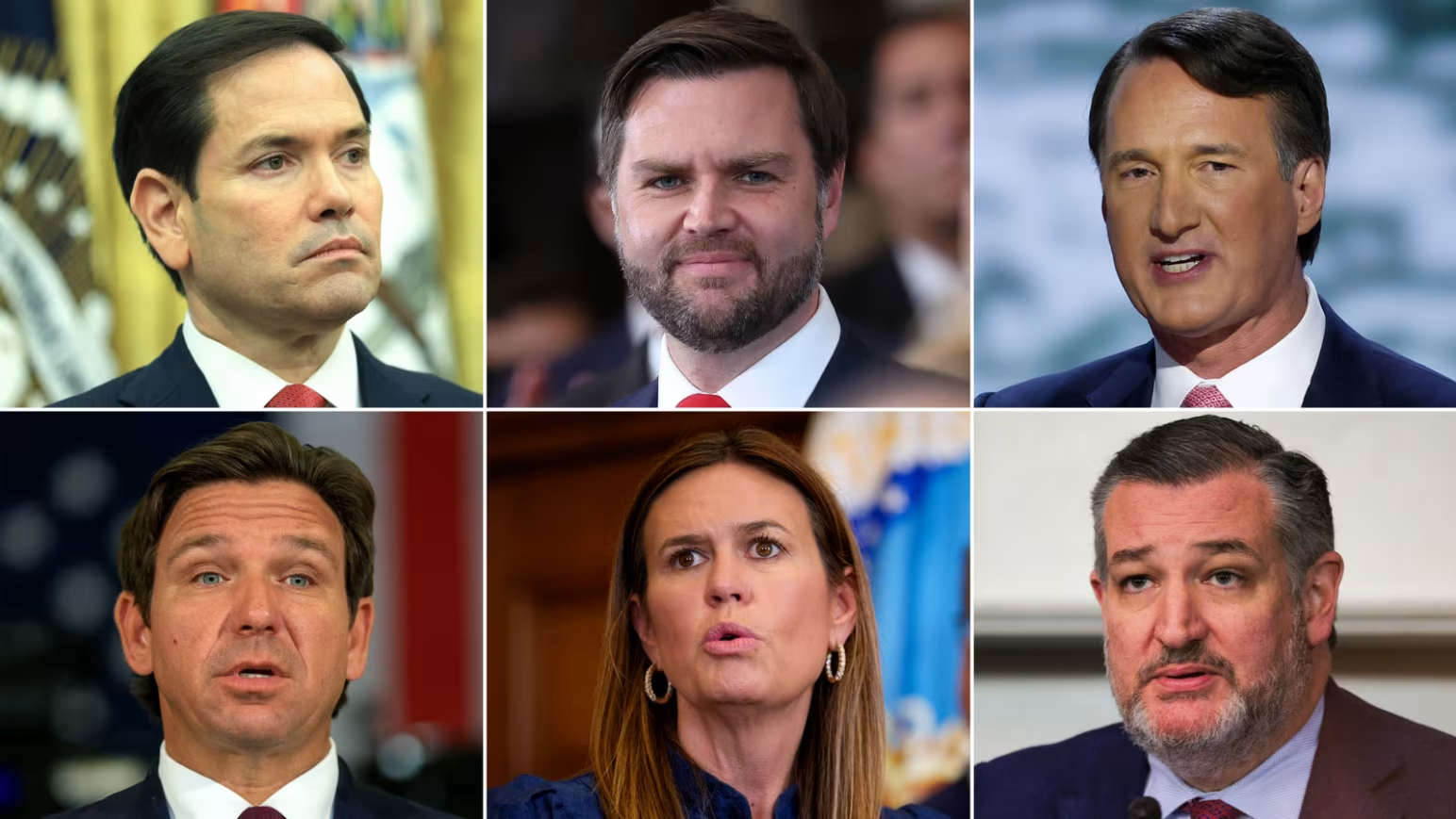
Republicans are (quietly) making 2028 moves
Entities mentioned:
- Donald Trump: Power, Influence, Legacy
- JD Vance: Ambition, Loyalty, Recognition
- Marco Rubio: Ambition, Professional pride, Recognition
- Glenn Youngkin: Ambition, Competitive spirit, Recognition
- Sarah Huckabee Sanders: Loyalty, Ambition, Recognition
- Ted Cruz: Ambition, Competitive spirit, Recognition
- Josh Hawley: Ambition, Influence, Recognition
- Republican Party: Power, Control, Unity
Article Assessment:
Credibility Score: 75/100
Bias Rating: 55/100 (Center)
Sentiment Score: 50/100
Authoritarianism Risk: 35/100 (Generally Democratic)
Bias Analysis:
The article presents a balanced view of the Republican Party's internal dynamics, offering insights from various perspectives. While it focuses more on Republican strategies, it does not overtly favor or criticize any particular faction or candidate.
Key metric: Political Party Cohesion
As a social scientist, I analyze that this article highlights the complex dynamics within the Republican Party as it looks towards the 2028 presidential election. The party appears to be grappling with maintaining unity and loyalty to Trump's legacy while also allowing room for new leadership to emerge. This balancing act is likely to significantly impact party cohesion, as potential candidates must carefully navigate their ambitions without alienating Trump's base. The article suggests that the party's future direction and ideology may be shaped by how successfully candidates can align themselves with Trump's populist instincts while also distinguishing themselves as viable leaders. This delicate balance could either strengthen the party's unity around a shared vision or lead to internal fractures if competing factions emerge.
- Read more about Republicans are (quietly) making 2028 moves
- Log in to post comments
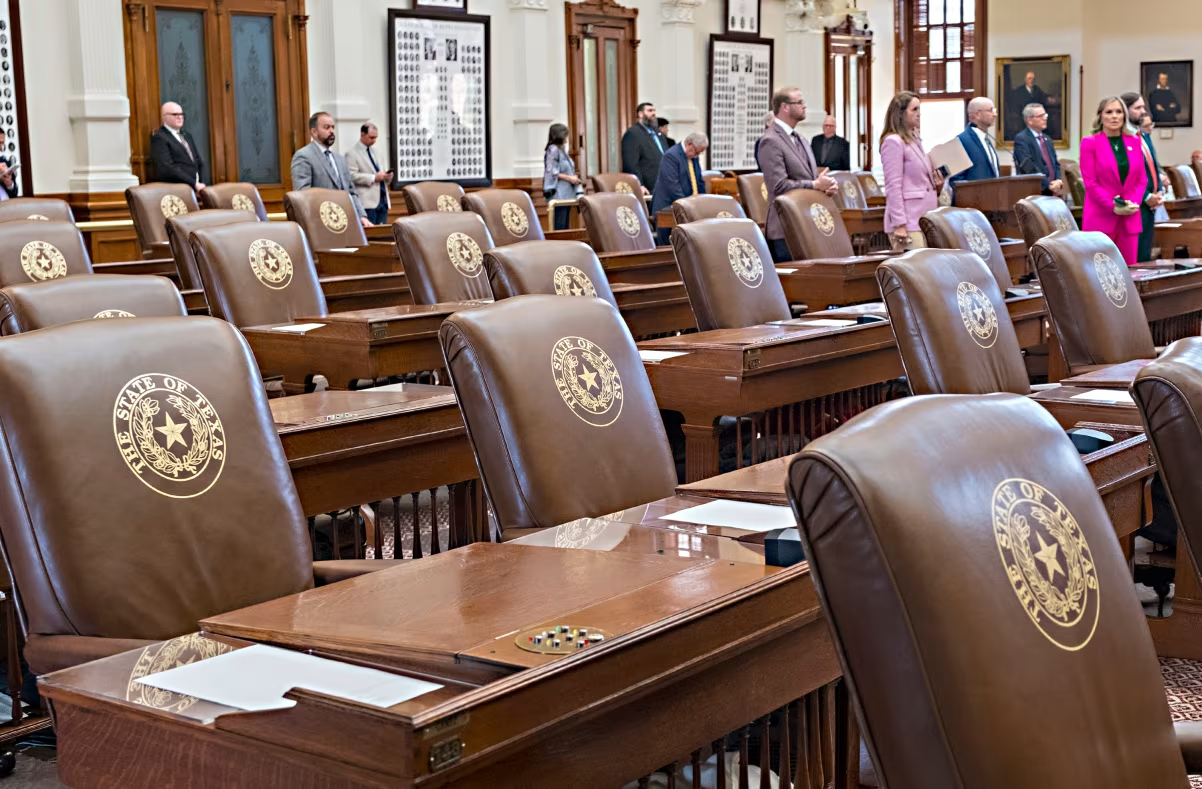
What is gerrymandering? Why is it legal?
Entities mentioned:
- Republicans: Power, Control, Self-preservation
- Democrats: Power, Justice, Competitive spirit
- Supreme Court: Influence, Legacy, Control
- Texas Legislature: Power, Control, Loyalty
- President Trump: Power, Control, Self-preservation
- Gov. Greg Abbott: Loyalty, Power, Control
Article Assessment:
Credibility Score: 75/100
Bias Rating: 45/100 (Center)
Sentiment Score: 35/100
Authoritarianism Risk: 65/100 (Authoritarian Tendencies)
Bias Analysis:
The article presents a balanced view of the redistricting issue, discussing actions and motivations of both Republicans and Democrats. While it critiques Republican efforts more heavily, it also acknowledges Democratic gerrymandering and provides context for the historical and legal aspects of the issue.
Key metric: Electoral Competitiveness
As a social scientist, I analyze that this article highlights the ongoing battle over redistricting and its impact on electoral competitiveness in the United States. The practice of gerrymandering, while historically used by both major parties, is currently being leveraged more aggressively by Republicans, particularly in Texas. This mid-decade redistricting effort, prompted by the Trump administration, could significantly alter the balance of power in the House of Representatives. The article underscores how recent Supreme Court decisions have emboldened partisan gerrymandering efforts, potentially leading to a redistricting war across multiple states. This situation poses a substantial threat to fair representation and the principle of voters choosing their representatives rather than the reverse. The analysis also points out the limitations faced by Democrats in counteracting these efforts due to their own commitments to nonpartisan redistricting processes in some states they control. Overall, this development could lead to a decrease in electoral competitiveness, with more safe seats for the party controlling the redistricting process, potentially undermining the responsiveness of the electoral system to shifts in public opinion.
- Read more about What is gerrymandering? Why is it legal?
- Log in to post comments
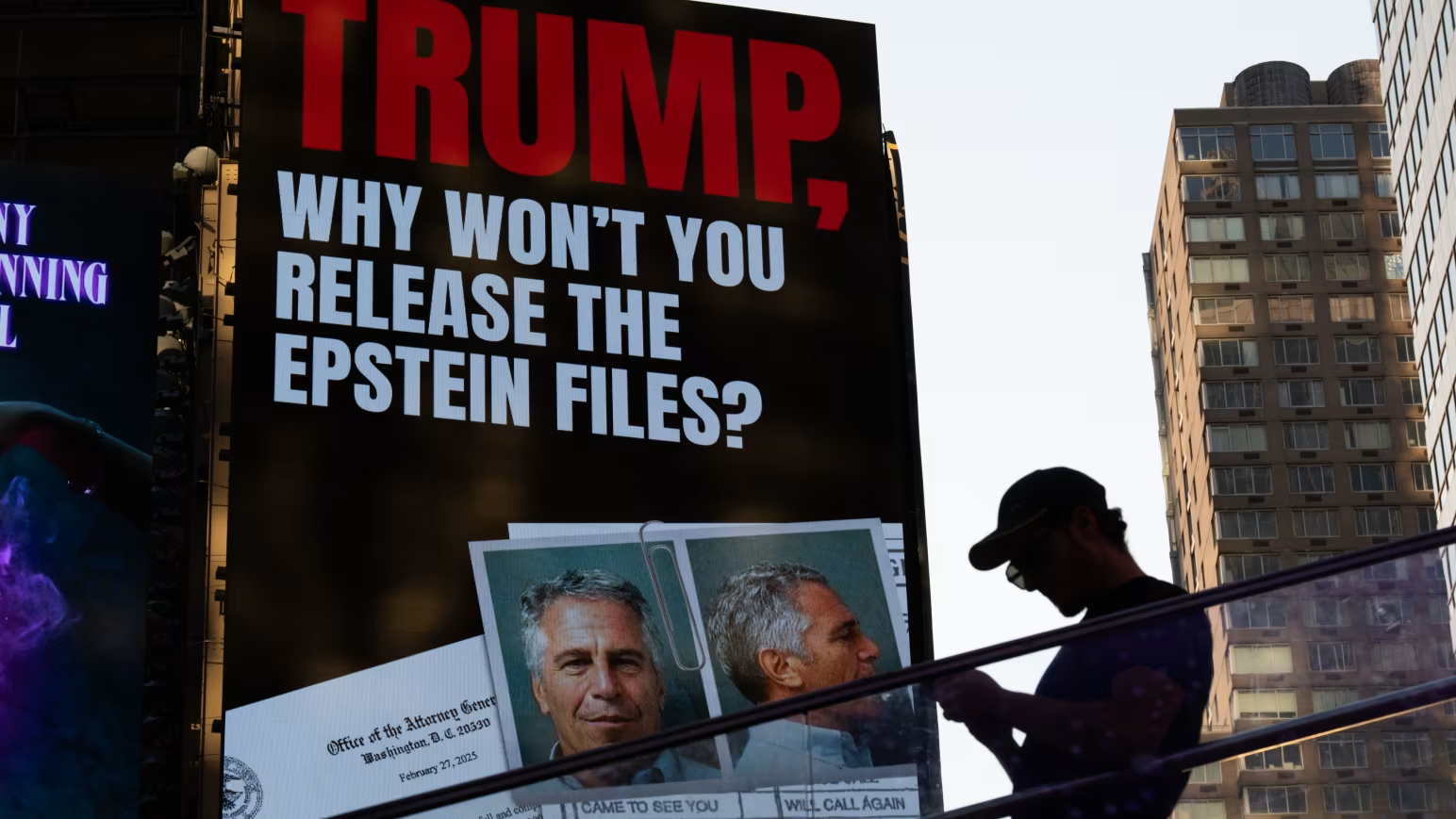
Tapes, transcripts, subpoenas, and legal twists: Trump’s Epstein storm deepens again
Entities mentioned:
- Donald Trump: Self-preservation, Power, Control
- Jeffrey Epstein: Power, Control, Greed
- Ghislaine Maxwell: Self-preservation, Loyalty, Fear
- Todd Blanche: Duty, Loyalty, Professional pride
- JD Vance: Loyalty, Ambition, Power
- House Oversight Committee: Justice, Duty, Influence
Article Assessment:
Credibility Score: 70/100
Bias Rating: 40/100 (Lean Left)
Sentiment Score: 30/100
Authoritarianism Risk: 55/100 (Mixed/Neutral)
Bias Analysis:
The article leans slightly left, evidenced by its critical tone towards the Trump administration and emphasis on potential wrongdoing. However, it also presents multiple perspectives and includes factual reporting on actions taken by various parties.
Key metric: Public Trust in Government
As a social scientist, I analyze that this article reveals a complex web of political maneuvering, legal challenges, and ethical concerns surrounding the Epstein case and its connection to the Trump administration. The ongoing scandal threatens to erode public trust in government institutions, particularly the Justice Department, as it raises questions about potential abuse of power and political interference in legal matters. The administration's handling of the Maxwell interviews and potential transcript release suggests a struggle between transparency and political self-interest, while the House Oversight Committee's selective subpoenas indicate partisan motivations in the investigation. This situation highlights the tension between democratic accountability and the potential for authoritarian tendencies in high-level government operations.
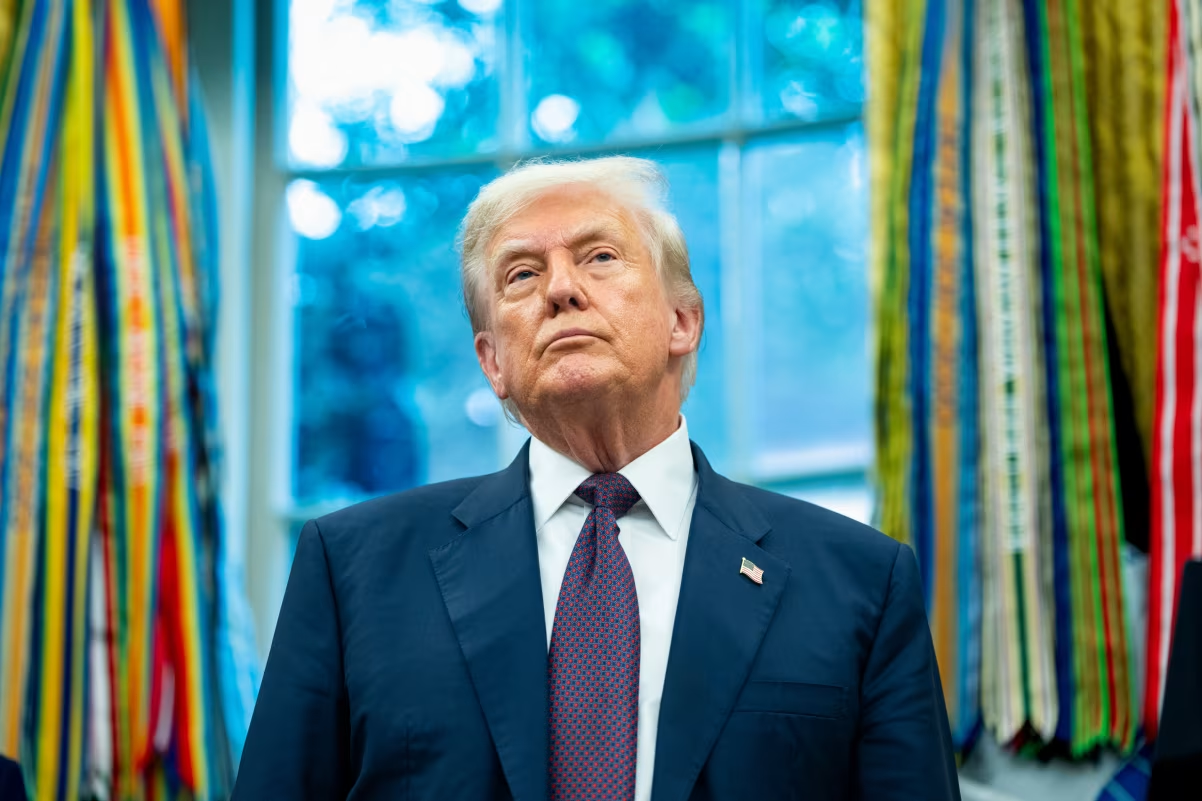
Trump may be forging progress in Ukraine or walking into Putin’s trap
Entities mentioned:
- Donald Trump: Ambition, Recognition, Legacy
- Vladimir Putin: Power, Control, Self-preservation
- Steve Witkoff: Duty, Influence, Loyalty
- Volodymyr Zelensky: Determination, Self-preservation, Unity
- David Salvo: Professional pride, Wariness, Duty
- John Bolton: Wariness, Professional pride, Duty
Article Assessment:
Credibility Score: 75/100
Bias Rating: 45/100 (Center)
Sentiment Score: 35/100
Authoritarianism Risk: 25/100 (Generally Democratic)
Bias Analysis:
The article presents multiple perspectives and voices, including critics of Trump's approach. While it leans slightly skeptical of Trump's optimism, it also acknowledges potential benefits, maintaining a relatively balanced stance.
Key metric: US Diplomatic Influence
As a social scientist, I analyze that this article highlights the complex interplay between US diplomatic efforts and the ongoing Ukraine conflict. Trump's approach to ending the war through direct engagement with Putin raises questions about the effectiveness and potential risks of such high-level diplomacy. The article suggests that while Trump's optimism about a potential breakthrough is high, there are significant doubts about Putin's true intentions and the likelihood of a genuine peace process. This situation could significantly impact US diplomatic influence, as the outcome of these proposed meetings could either enhance or diminish America's role in resolving international conflicts. The article also underscores the delicate balance between taking diplomatic risks and potentially being manipulated by adversaries, which could have long-lasting implications for US foreign policy and global stability.