
Lifestyle
Entities mentioned:
- Lifestyle: Influence, Recognition, Self-respect
Article Assessment:
Credibility Score: 50/100
Bias Rating: 50/100 (Center)
Sentiment Score: 50/100
Authoritarianism Risk: 20/100 (Strongly Democratic)
Bias Analysis:
With only section headings visible, there's no substantial content to assess for bias. The neutral score reflects the lack of evidence for any particular ideological slant in these topic labels.
Key metric: Social Cohesion
As a social scientist, I analyze that this article provides insufficient content for a comprehensive analysis. The text consists only of section headings or navigation elements for a lifestyle-focused publication or website. Without substantive content, it's not possible to draw meaningful conclusions about its impact on social metrics or conduct an in-depth assessment. The lack of actual article text limits the ability to evaluate credibility, bias, or sentiment in any meaningful way.
- Read more about Lifestyle
- Log in to post comments

Culture
Entities mentioned:
- Christopher Herwig: Curiosity, Recognition, Professional pride
- Government: Control, Influence, Modernization
Article Assessment:
Credibility Score: 70/100
Bias Rating: 45/100 (Center)
Sentiment Score: 40/100
Authoritarianism Risk: 35/100 (Generally Democratic)
Bias Analysis:
The article presents a neutral stance on the subject matter, focusing on factual information about the photographer's project. While it implies a positive view of preserving cultural artifacts, it doesn't overtly criticize modernization efforts, maintaining a balanced perspective.
Key metric: Cultural Preservation Index
As a social scientist, I analyze that this article highlights the intersection of art, culture, and modernization in South Asia. The photographer's extensive documentation of regional bus art serves as a critical preservation effort for a declining cultural practice. This decline, attributed to government policies and mass production, reflects broader tensions between traditional expressions and modernization efforts. The project's importance lies in its potential to raise awareness about vanishing cultural artifacts and potentially influence policy discussions on cultural preservation in rapidly changing societies.
- Read more about Culture
- Log in to post comments

Opinion
Entities mentioned:
- European leaders: Influence, Unity, Security
- US president: Power, Influence, Self-preservation
- Vladimir Putin: Power, Influence, Control
Article Assessment:
Credibility Score: 55/100
Bias Rating: 35/100 (Lean Left)
Sentiment Score: 30/100
Authoritarianism Risk: 25/100 (Generally Democratic)
Bias Analysis:
The editorial leans left, evidenced by its critical stance towards the US president's relationship with Putin. The framing suggests skepticism of the president's judgment and aligns with typically left-leaning concerns about Russian influence.
Key metric: US Global Leadership Index
As a social scientist, I analyze that this editorial suggests European leaders are actively working to counter Russian influence on US foreign policy. The implication that the US president needs to be steered away from Putin's talking points indicates potential vulnerability in US global leadership. This situation could impact America's standing and effectiveness in international affairs, particularly in relation to European allies and Russia. The editorial's tone implies ongoing concerns about the durability of the US president's position, which could lead to uncertainty in diplomatic circles and affect long-term strategic partnerships.
- Read more about Opinion
- Log in to post comments

Trump nominates Heritage Foundation economist as labor statistics chief
Entities mentioned:
- Donald Trump: Power, Control, Influence
- Heritage Foundation: Influence, Ideology, Control
- Bureau of Labor Statistics: Professional pride, Duty, Influence
Article Assessment:
Credibility Score: 70/100
Bias Rating: 55/100 (Center)
Sentiment Score: 40/100
Authoritarianism Risk: 65/100 (Authoritarian Tendencies)
Bias Analysis:
The article presents factual information about the nomination but includes context that implies concern. While not overtly biased, the framing subtly leans towards skepticism of the appointment.
Key metric: Economic Data Integrity
As a social scientist, I analyze that this nomination could significantly impact the integrity and perceived objectivity of US labor statistics. Appointing an economist from a conservative think tank to lead a nonpartisan federal statistical agency risks introducing ideological bias into critical economic data. This move may undermine public trust in official statistics and potentially skew policy decisions based on this data. The nomination also reflects the Trump administration's broader efforts to reshape federal agencies in line with conservative ideologies, which could have long-term effects on government operations and economic policy-making.
Trump administration to review 19 Smithsonian museums to ensure exhibits are ‘patriotic’
Entities mentioned:
- Trump administration: Control, Patriotism, Influence
- Smithsonian Institution: Professional pride, Duty, Recognition
Article Assessment:
Credibility Score: 65/100
Bias Rating: 55/100 (Center)
Sentiment Score: 35/100
Authoritarianism Risk: 70/100 (Authoritarian Tendencies)
Bias Analysis:
The article presents a factual account of the administration's actions, but the framing suggests some concern about the implications. The use of quotation marks around 'patriotic' implies skepticism about the stated motivation.
Key metric: Public Trust in Government Institutions
As a social scientist, I analyze that this move by the Trump administration to review Smithsonian museums for 'patriotic' content could significantly impact public trust in government institutions. This action suggests an attempt to exert political influence over cultural and educational institutions traditionally seen as independent. Such interference may be perceived as an overreach of executive power, potentially eroding public confidence in the neutrality and academic integrity of national museums. This could lead to increased skepticism about the information presented in these institutions and, by extension, other government-affiliated organizations.
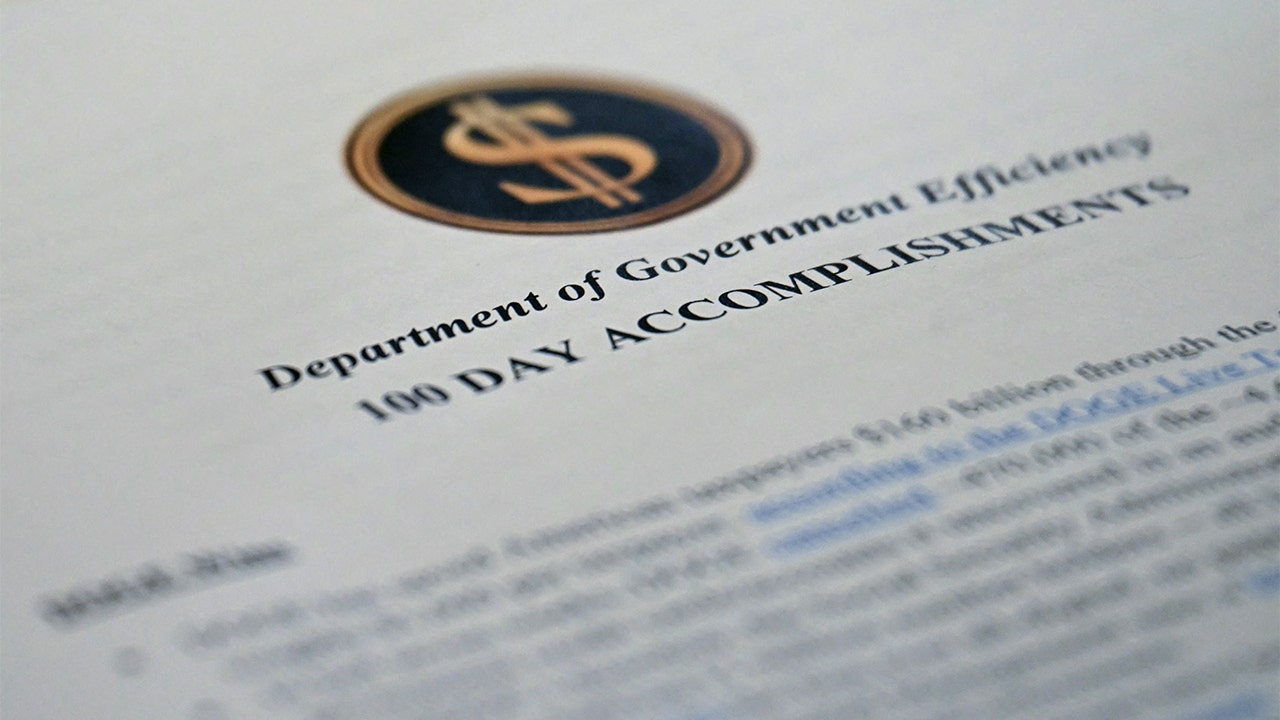
DOGE scores win on appeal as court rejects labor union challenge
Entities mentioned:
- Department of Government Efficiency (DOGE): Control, Power, Influence
- Labor Unions: Justice, Security, Moral outrage
- Trump Administration: Power, Control, Ambition
- Fourth Circuit Court of Appeals: Duty, Justice, Professional pride
Article Assessment:
Credibility Score: 70/100
Bias Rating: 55/100 (Center)
Sentiment Score: 40/100
Authoritarianism Risk: 65/100 (Authoritarian Tendencies)
Bias Analysis:
The article presents a relatively balanced view of the court decision, including perspectives from both sides. However, there's a slight lean towards emphasizing the Trump administration's victory, which may suggest a subtle center-right bias.
Key metric: Government Transparency and Accountability
As a social scientist, I analyze that this ruling has significant implications for government transparency and accountability. The court's decision to allow DOGE access to sensitive user data from multiple agencies raises concerns about privacy and data protection. This could potentially lead to increased government surveillance and control over citizen information, which may impact public trust in government institutions. The labor unions' challenge reflects growing tensions between government efficiency efforts and privacy rights. The split decision (2-1) in the appeals court suggests that this issue remains contentious and may face further legal scrutiny.

Benny Johnson scolds White House reporters who 'lie' about D.C. being safe during press briefing
Entities mentioned:
- Benny Johnson: Righteousness, Moral outrage, Influence
- Karoline Leavitt: Loyalty, Duty, Professional pride
- Donald Trump: Power, Control, Legacy
- Nancy Pelosi: Opposition, Power, Influence
- Hillary Clinton: Opposition, Influence, Legacy
- Democratic Party: Opposition, Power, Control
Article Assessment:
Credibility Score: 55/100
Bias Rating: 75/100 (Lean Right)
Sentiment Score: 30/100
Authoritarianism Risk: 65/100 (Authoritarian Tendencies)
Bias Analysis:
The article leans right, evidenced by its favorable portrayal of Trump administration actions and critical stance towards Democrats. It primarily presents conservative viewpoints and anecdotes, with limited counterbalancing perspectives.
Key metric: Crime Rate in Major Cities
As a social scientist, I analyze that this article highlights the politicization of crime and safety in Washington D.C., using personal anecdotes to challenge media narratives. The focus on Trump's actions to address crime suggests a shift in federal involvement in local law enforcement, which could have significant implications for crime rates and perceptions of safety in major cities. The article frames the issue as a success for the Trump administration, potentially influencing public opinion on crime policies and federal intervention. The confrontational tone towards other media outlets and opposition party members indicates a polarized discourse on urban crime and safety.

Feds unseal charges against 'Barbecue,' Haitian gang leader with $5M bounty on his head
Entities mentioned:
- Jimmy 'Barbecue' Chérizier: Power, Control, Influence
- Bazile Richardson: Loyalty, Greed, Self-preservation
- Jeanine Pirro: Justice, Duty, Professional pride
- Department of Justice: Justice, Security, Control
- U.S. Government: Security, Justice, Control
- State Department: Security, Justice, Influence
Article Assessment:
Credibility Score: 75/100
Bias Rating: 55/100 (Center)
Sentiment Score: 35/100
Authoritarianism Risk: 30/100 (Generally Democratic)
Bias Analysis:
The article presents information from official U.S. government sources, which gives it a slightly center-right lean. However, it maintains a relatively balanced tone, focusing on factual information about the indictments and rewards without overt political commentary.
Key metric: International Security Cooperation
As a social scientist, I analyze that this article highlights the U.S. government's efforts to combat transnational organized crime and human rights abuses through legal and financial means. The indictment of Chérizier and Richardson demonstrates a commitment to enforcing international sanctions and prosecuting those who violate them. This action likely strengthens U.S. credibility in international security cooperation, potentially encouraging other nations to align with U.S. efforts in combating global criminal networks. The $5 million reward offer further emphasizes the seriousness of the charges and the U.S.'s determination to bring Chérizier to justice. This case may serve as a deterrent to others considering supporting sanctioned individuals or organizations, thereby potentially improving the effectiveness of international sanctions as a tool for addressing human rights abuses and organized crime.

More than 20 GOP attorneys general call on RFK Jr, FDA to reinstate safeguards for abortion drugs
Entities mentioned:
- Republican attorneys general: Righteousness, Moral outrage, Duty
- Robert F. Kennedy Jr.: Duty, Professional pride, Influence
- Martin Makary: Professional pride, Duty, Wariness
- Kris Kobach: Righteousness, Influence, Moral outrage
- Josh Hawley: Righteousness, Influence, Moral outrage
- FDA: Duty, Professional pride, Security
- Ethics and Public Policy Center: Righteousness, Influence, Moral outrage
Article Assessment:
Credibility Score: 65/100
Bias Rating: 70/100 (Lean Right)
Sentiment Score: 30/100
Authoritarianism Risk: 45/100 (Mixed/Neutral)
Bias Analysis:
The article leans right due to its focus on Republican viewpoints and reliance on conservative sources like Fox News and the EPPC. While it includes some counterpoints, the overall framing favors the GOP attorneys general's position.
Key metric: Maternal Health and Safety
As a social scientist, I analyze that this article highlights a significant political and health policy debate surrounding the abortion drug mifepristone. The Republican attorneys general are leveraging recent studies to challenge the drug's safety profile, potentially impacting maternal health outcomes. Their call for reinstating safety protocols or withdrawing the drug from the market could significantly affect access to medication abortions, which currently account for over half of all abortions in the U.S. This debate intersects with broader issues of reproductive rights, federal regulation, and the politicization of healthcare. The involvement of high-profile figures like Robert F. Kennedy Jr. and the FDA adds complexity to the issue, potentially influencing public opinion and policy decisions. The conflicting data interpretations between government agencies and conservative think tanks underscore the challenges in balancing medical evidence with political and ideological considerations in healthcare policy.

New report accuses bureaucrats of running ‘shadow government’ pushing DEI, gender ideology in red states
Entities mentioned:
- State Leadership Initiative (SLI): Justice, Influence, Control
- National Association of State Treasurers (NAST): Professional pride, Influence, Unity
- National Association of Medicaid Directors (NAMD): Professional pride, Influence, Duty
- National Association of State Boards of Education (NASBE): Influence, Unity, Professional pride
- Noah Wall: Righteousness, Influence, Control
- Republican governors and lawmakers: Control, Power, Righteousness
Article Assessment:
Credibility Score: 55/100
Bias Rating: 75/100 (Lean Right)
Sentiment Score: 30/100
Authoritarianism Risk: 45/100 (Mixed/Neutral)
Bias Analysis:
The article leans right, primarily presenting the conservative viewpoint and critiquing progressive policies. While it includes some opposing perspectives, the framing and source selection heavily favor the conservative argument against 'shadow governance'.
Key metric: Government Effectiveness
As a social scientist, I analyze that this article highlights a significant tension between elected officials and bureaucratic structures in state governance. The report by SLI suggests a disconnect between voter preferences and policy implementation, particularly in conservative states. This alleged 'shadow governance' by national associations potentially undermines democratic processes and the will of the electorate. The impact on government effectiveness is multifaceted: while these associations may enhance policy consistency and professionalism across states, they may also reduce responsiveness to local preferences and electoral mandates. This situation could lead to decreased trust in government institutions and a perception of diminished democratic control. The push for DEI, ESG, and gender policies in traditionally conservative states may lead to policy incongruence and potential backlash. However, the associations' perspective might argue that these policies improve overall governance quality and social equity. The tension between standardization and local autonomy in policymaking is a classic challenge in federalist systems, and this report brings it to the forefront of current political debates.